1. ArchDaily
  2. Landmarks

Landmarks: The Latest Architecture and News

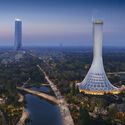
Next Practices Awards and Baghdad’s Forested Master Plan: The Week’s Review

 | Sponsored Content

This week, architectural developments around the world highlighted the balance between continuity and change in the built environment. Conversations around sustainability, heritage, and resilience highlight how architecture adapts to shifting cultural, social, and environmental conditions, reimagining the role of design in shaping future communities. Across different contexts, projects, and initiatives, ongoing efforts to address environmental challenges, preserve cultural landmarks, and prepare new infrastructures reflecting the diverse scales and directions shaping architectural practice today.

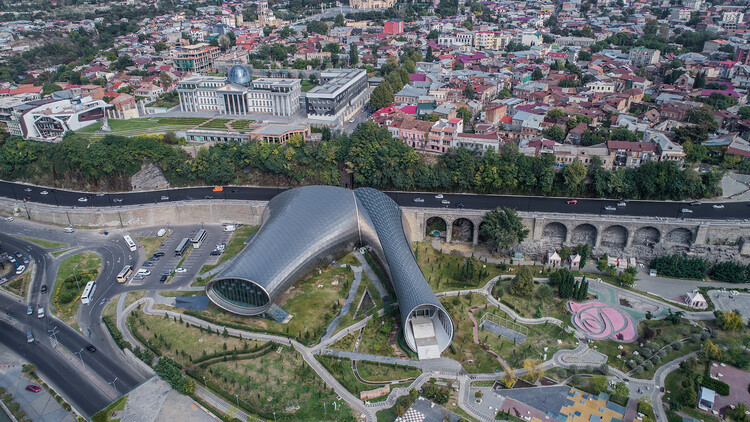
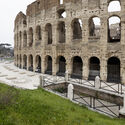
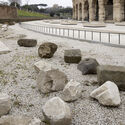
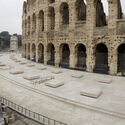
Next Practices Awards and Baghdad’s Forested Master Plan: The Week’s Review - Image 1 of 4Next Practices Awards and Baghdad’s Forested Master Plan: The Week’s Review - Image 2 of 4Next Practices Awards and Baghdad’s Forested Master Plan: The Week’s Review - Image 3 of 4Next Practices Awards and Baghdad’s Forested Master Plan: The Week’s Review - Image 4 of 4Next Practices Awards and Baghdad’s Forested Master Plan: The Week’s Review - More Images+ 2

UNESCO Culminates the Restoration Program of the City of Mosul, Iraq

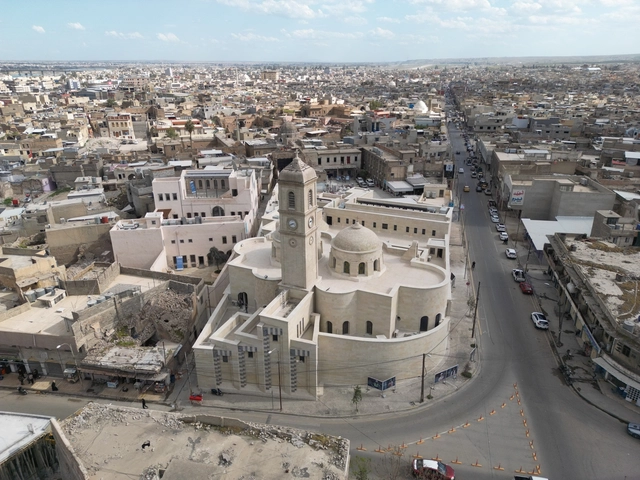
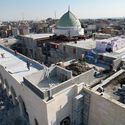
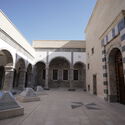
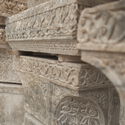
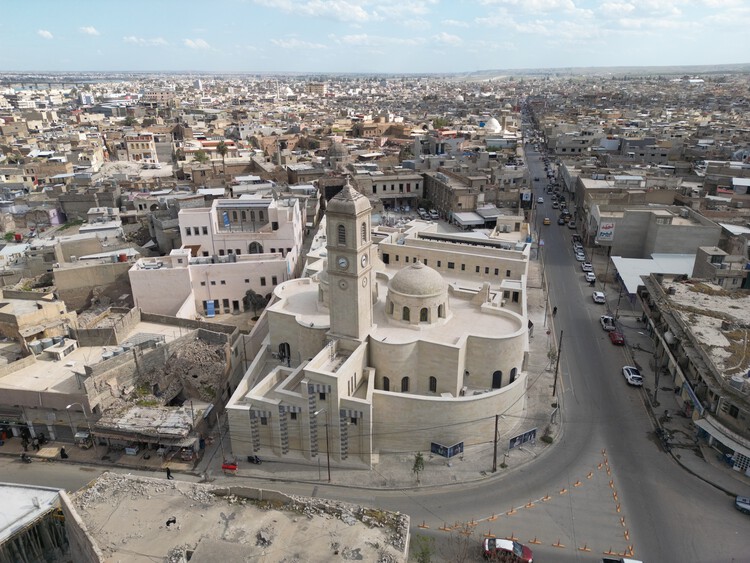
From 2014 to 2019, Daesh (ISIS) occupied and controlled territory in Iraq and Syria, including the northern city of Mosul. UNESCO estimates that 80% of Mosul's historic town was destroyed during this period, which led to one of the most ambitious reconstruction campaigns in recent decades: "Revive the Spirit of Mosul." Since 2019, UNESCO has carried out large-scale efforts to rebuild the city's landscapes and monuments, reconstructing three religious and cultural landmarks and 124 heritage houses, along with other buildings located in the Old City. The program was structured around three pillars: restoring significant heritage, promoting the return of cultural life, and strengthening spaces for education. On September 1, 2025, Iraq's Prime Minister inaugurated three major landmarks: the Al-Nouri Mosque complex, Al-Saa'a Convent, and Al-Tahera Church, marking the completion of the restoration project.

UNESCO Culminates the Restoration Program of the City of Mosul, Iraq - Imagen 1 de 4UNESCO Culminates the Restoration Program of the City of Mosul, Iraq - Imagen 2 de 4UNESCO Culminates the Restoration Program of the City of Mosul, Iraq - Imagen 3 de 4UNESCO Culminates the Restoration Program of the City of Mosul, Iraq - Imagen 4 de 4UNESCO Culminates the Restoration Program of the City of Mosul, Iraq - More Images+ 27

Uzbekistan’s Inaugural Bukhara Biennial 2025 Opens Across Restored Historic Landmarks

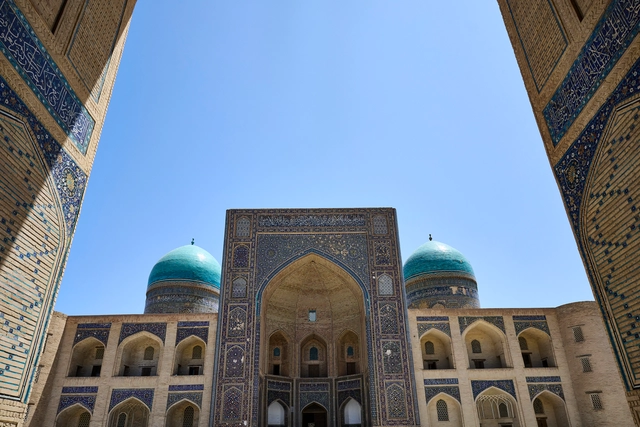
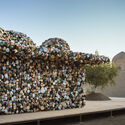
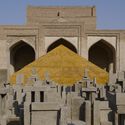
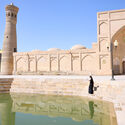
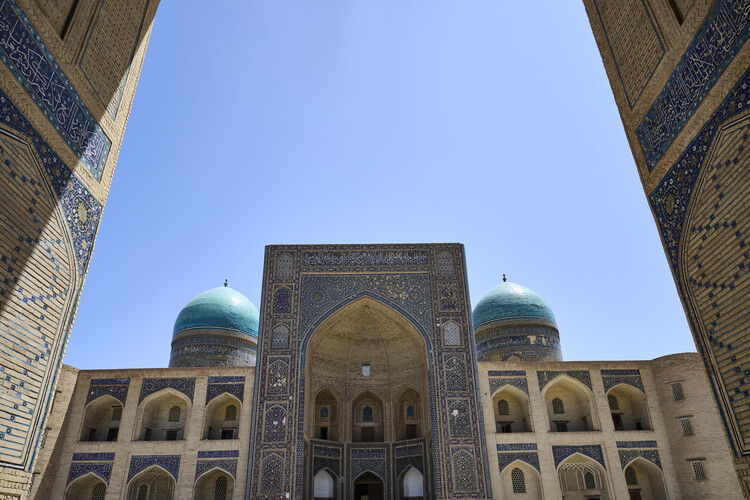
The inaugural edition of the Bukhara Biennial opened on September 5, 2025, bringing over 70 site-specific commissions by more than 200 participants from 39 countries to the historic core of the Uzbek city. Commissioned by the Uzbekistan Art and Culture Development Foundation (ACDF) and Commissioner Gayane Umerova, the Biennial is described as the largest and most diverse cultural event in Central Asia to date. Curated by Diana Campbell under the theme Recipes for Broken Hearts, the ten-week event is staged across a constellation of newly restored sites, including madrassas, caravanserais, and mosques, all part of Bukhara's UNESCO World Heritage listing. Beyond an exhibition platform, the biennial is framed as part of a broader master plan, positioning culture as a catalyst for urban transformation and heritage renewal.

Uzbekistan’s Inaugural Bukhara Biennial 2025 Opens Across Restored Historic Landmarks - Image 1 of 4Uzbekistan’s Inaugural Bukhara Biennial 2025 Opens Across Restored Historic Landmarks - Image 2 of 4Uzbekistan’s Inaugural Bukhara Biennial 2025 Opens Across Restored Historic Landmarks - Image 3 of 4Uzbekistan’s Inaugural Bukhara Biennial 2025 Opens Across Restored Historic Landmarks - Image 4 of 4Uzbekistan’s Inaugural Bukhara Biennial 2025 Opens Across Restored Historic Landmarks - More Images+ 8

Studio KO Transforms Industrial Landmark into Tashkent’s Centre for Contemporary Arts

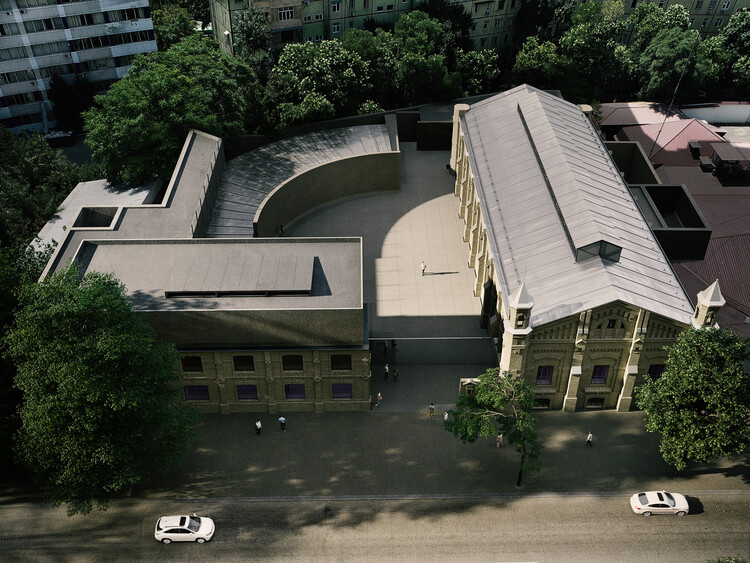
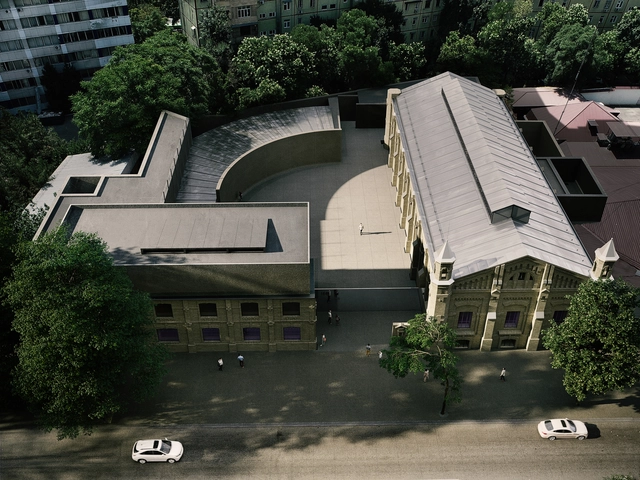
The Uzbekistan Art and Culture Development Foundation (ACDF) has announced the transformation of a 1912 industrial building in Tashkent into the Centre for Contemporary Arts (CCA), set to become the first permanent institution dedicated to contemporary art and research in Central Asia. Designed by the French architecture practice Studio KO, led by Karl Fournier and Olivier Marty, the project integrates preservation of the city's industrial heritage with a new cultural identity for the historic site. The building, originally designed by Wilhelm Heizelmann, known for the Treasury Chamber, was constructed as a diesel station and depot for Tashkent's first tram line. After decades of serving the city's electricity network, the structure was transferred to the Foundation in 2019 as part of Uzbekistan's long-term cultural development strategy. Under the leadership of Gayane Umerova, the project now represents a major step in shaping a contemporary cultural infrastructure for the region.

Studio KO Transforms Industrial Landmark into Tashkent’s Centre for Contemporary Arts - Image 1 of 4Studio KO Transforms Industrial Landmark into Tashkent’s Centre for Contemporary Arts - Image 2 of 4Studio KO Transforms Industrial Landmark into Tashkent’s Centre for Contemporary Arts - Image 3 of 4Studio KO Transforms Industrial Landmark into Tashkent’s Centre for Contemporary Arts - Image 4 of 4Studio KO Transforms Industrial Landmark into Tashkent’s Centre for Contemporary Arts - More Images+ 11

UNESCO Adds 26 New World Heritage Sites Highlighting African Heritage and Shared Prehistory

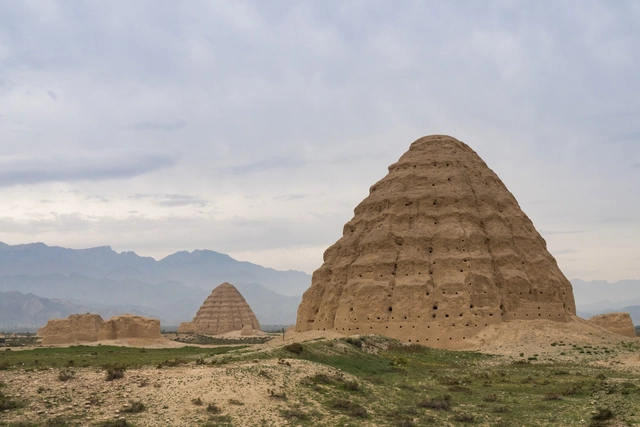
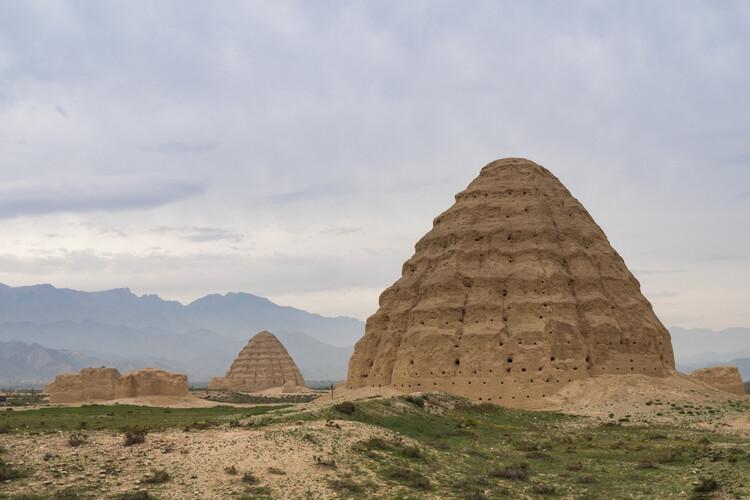
During the 47th session of the World Heritage Committee, held from July 6 to 16, 2025, at UNESCO Headquarters in Paris, France, 26 new properties were inscribed on the World Heritage List. In addition to examining new nominations, the Committee reviewed the conservation and management of existing sites, addressed the impact of climate change on heritage, and approved the extension of two existing sites to create new transboundary natural parks. According to UNESCO, the session placed the work of local communities at the center of safeguarding policies, reinforced efforts to preserve African heritage, and acknowledged the growing recognition of remembrance sites and the protection of humanity's shared prehistory. These 26 properties, located across 26 countries, now benefit from the highest level of international heritage protection.

UNESCO Adds 26 New World Heritage Sites Highlighting African Heritage and Shared Prehistory - Featured ImageUNESCO Adds 26 New World Heritage Sites Highlighting African Heritage and Shared Prehistory - 1 的图像 4UNESCO Adds 26 New World Heritage Sites Highlighting African Heritage and Shared Prehistory - 2 的图像 4UNESCO Adds 26 New World Heritage Sites Highlighting African Heritage and Shared Prehistory - 3 的图像 4UNESCO Adds 26 New World Heritage Sites Highlighting African Heritage and Shared Prehistory - More Images+ 1

Lloyd Wright’s Historic Wayfarers Chapel Will Be Disassembled Due to Landslide Risk

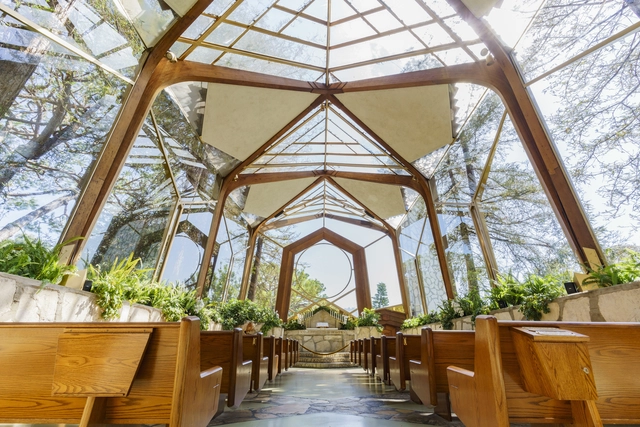
The Wayfarers Chapel, known locally as "The Glass Church," was designed by Lloyd Wright, the eldest son of architect Frank Lloyd Wright, and completed in 1951. Located in the Palos Verdes peninsula in Los Angeles, its design aimed to blend the lines between architecture and nature, with large-span glass panels opening up to space toward the redwood canopies. Last year, the structure was designated a national historic landmark. Now, due to “accelerated land movement” in the area, the structure, which has been closed off to the public since February, was announced to be disassembled to protect it from further damage.

Public and Cultural Buildings: A Tour of Copenhagen’s Architectural Masterpieces

Subscriber Access | 

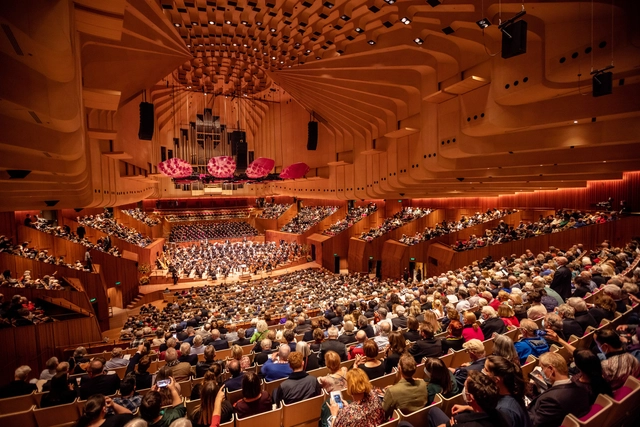
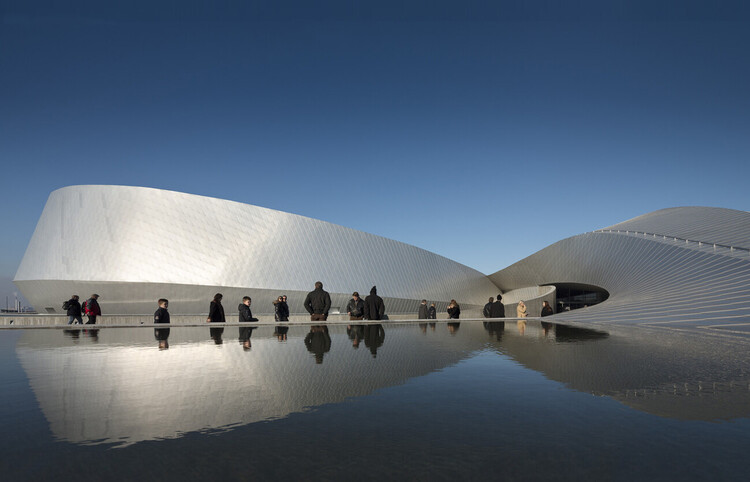
True beauty in architecture lies in its ability to serve and improve human experience, yet this fundamental principle is not always upheld. Too often, we see “public” buildings that do not integrate into the urban fabric, are disconnected from their surroundings and fail to contribute to a city’s vibrancy and quality of life. Some may be quite beautiful to look at, but if they are not functional, comfortable, and welcoming to the people they are meant to benefit, their value as public spaces becomes rather questionable. Architectural icons like the Sydney Opera House and Bilbao Guggenheim Museum, for example, are celebrated not just for their stunning silhouettes or breathtaking interiors, but because they enhance culture and city life, enrich the community, and offer diverse opportunities for interaction and public involvement. It is this holistic, human-centered approach to design that allows these landmarks to become integral parts of a city’s identity, one that is embraced and owned by its citizens.

Public and Cultural Buildings: A Tour of Copenhagen’s Architectural Masterpieces - Image 1 of 4Public and Cultural Buildings: A Tour of Copenhagen’s Architectural Masterpieces - Image 2 of 4Public and Cultural Buildings: A Tour of Copenhagen’s Architectural Masterpieces - Image 3 of 4Public and Cultural Buildings: A Tour of Copenhagen’s Architectural Masterpieces - Image 4 of 4Public and Cultural Buildings: A Tour of Copenhagen’s Architectural Masterpieces - More Images+ 25

The Psychological Effects of Watching Cities Get Destroyed in Cinema

The stage is set in one of the most iconic “end of the world” movie scenes: Citizens of New York City are scrambling on top of taxis, quickly attempting to escape the slow-moving giant tsunami heading their way. In the rear-view mirror of a bus, a giant wave can be seen rushing up the narrow city grid. Searching for higher ground, the main characters, Sam and Laura, run up the famed stairs into the famed New York Public Library, and just as the revolving doors shut behind them, the pressure of the water smashes the windows, and water begins to rise. Without seeing it, we know that New York City and its iconic architecture will soon be destroyed.

Valparaiso Architecture Guide: Places to Visit in Chile's Jewel of the Pacific

Subscriber Access | 

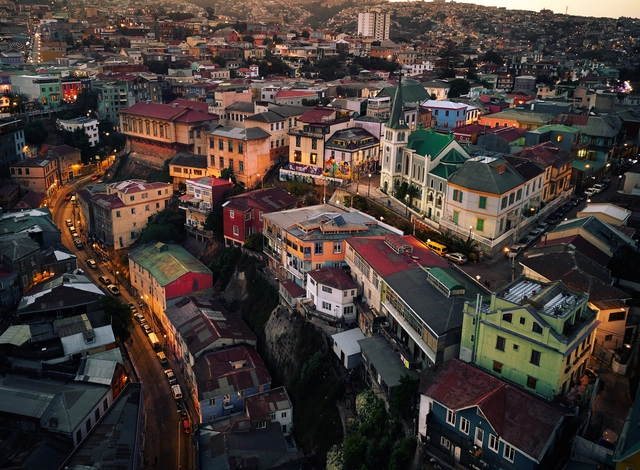
Situated at the foot of 45 hills along the Chilean coast, Valparaíso was a key port in the South Pacific during the 20th century before the construction of the Panama Canal. Thanks to its rapid industrial and commercial growth, the port underwent an urban transformation, attracting thousands of foreigners and cementing its reputation as a bustling South American cosmopolis rich in society, culture, and architecture.  

Described by The Guardian as a "Berlin by the seaside", Valparaiso's historic downtown was declared a World Heritage Site by UNESCO in 2003 and the city's cultural and architectural wealth make it a must-see for tourists and architecture aficionados alike.

In this article, we present a guide written by one of the city's many enthusiasts that will give a complete and in-depth look at the port's many treasures. The guide is written as if for a walking tour, starting in Plaza Sotomayor, the city's main square. The route can be divided into two days, with the first part ending at the Palacio Baburizza and the second beginning with the Valparaiso Cultural Park. Take a tip from the experts--if you get lost, don't trust an app to find your way. Ask a local!

Aerial Imagery Depicts Iconic Modern and Contemporary Architecture in a New Perspective

Subscriber Access | 

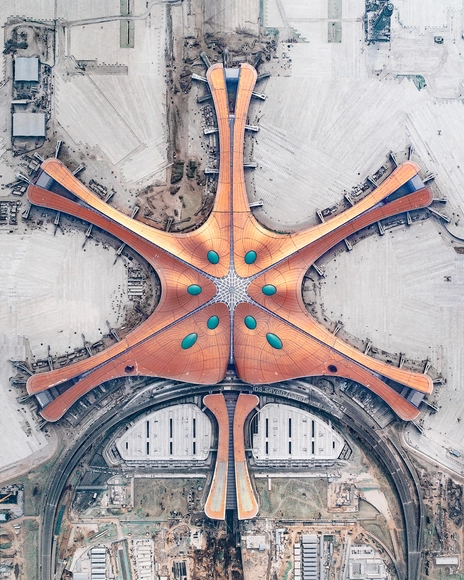
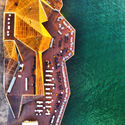
In architecture and urbanism, both proximity and distance from a certain object of study, whether on a building scale or urban scale, are frequent strategies that help us better visualize details and also have a broader overall perception, both essential for understanding the object in question. Changing the point of view allows different perceptions of the same place. By moving from the ground level, or from the eye-level, which we are accustomed to in everyday life, to the aerial point of view, we can establish connections similar to those achieved through site plans, location plans, and urban plans.

Aerial Imagery Depicts Iconic Modern and Contemporary Architecture in a New Perspective - Image 1 of 4Aerial Imagery Depicts Iconic Modern and Contemporary Architecture in a New Perspective - Image 4 of 4Aerial Imagery Depicts Iconic Modern and Contemporary Architecture in a New Perspective - Image 6 of 4Aerial Imagery Depicts Iconic Modern and Contemporary Architecture in a New Perspective - Image 9 of 4Aerial Imagery Depicts Iconic Modern and Contemporary Architecture in a New Perspective - More Images+ 20

This Instagram Account Uses Paper Cut-Outs to Turn Architecture Into Surreal Scenes

This Instagram Account Uses Paper Cut-Outs to Turn Architecture Into Surreal Scenes - Image 1 of 4

Have you ever thought a building looked suspiciously similar to a futuristic tank? Or, perhaps a gothic spire was eerily reminiscent of a matchstick? You’re not alone. Rich McCor, aka paperboy, has been traveling the world since 2015 filling his Instagram account with whimsical photographs of black paper cut-outs that transform often serious works of architecture into playful cartoon-like images.

Taking Christoph Niemann’s surreal account abstractsunday as a starting point, McCor was inspired to disrupt the norms of architecture and embellish the everyday. Though the account originally began while McCor was exploring the UK “it's taken me way beyond London to corners of the world I never thought I'd see,” he says. It’s easy to see why his humorous images of golf ball domes, beach-side creatures, and a pyramid-turned-magic trick have garnered McCor over 350k followers.

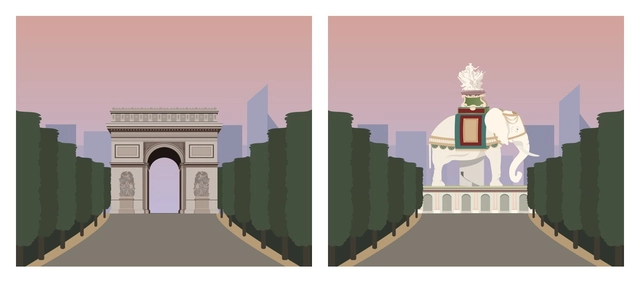
The Arc de Triomphe as an Elephant?! These Illustrations Reveal What Famous Monuments Could Have Been

Subscriber Access | 

A city’s monuments are integral parts of its metropolitan identity. They stand proud and tall and are often the subject of a few of your vacation photos. It is their form and design which makes them instantly recognizable, but what if their design had turned out differently?

Paris’ iconic and stunning Arc de Triomphe could have been a giant elephant, large enough to hold banquets and balls, and the Lincoln Memorial in Washington D.C. could have featured an impressive pyramid.

GoCompare has compiled and illustrated a series of rejected designs for monuments and placed them in a modern context to commemorate what could have been. Here are a few of our favorites:

The Spectacular Stories Behind 7 Ancient Lost Landmarks

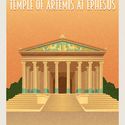
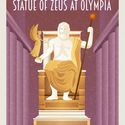
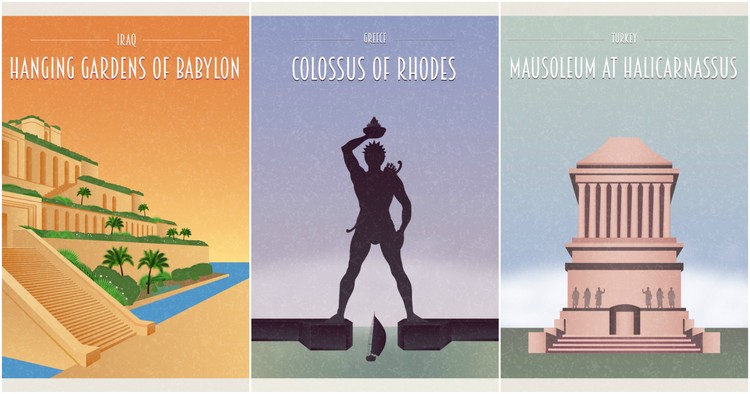
Architecture has been historically deployed as a tool to construct and concretize legacies. Whereas only a few built edifices have left a large enough impact on the world, or have been around long enough, to enter into the canon of architectural legend, the seven wonders of the ancient world have achieved both. With only one—the Great Pyramid of Giza—still standing, the others have all taken a unique position in the architectural imagination, with representations over the years of structures such as the Colossus of Rhodes and the Lighthouse of Alexandria changing according to the whims of artists of the time. Nevertheless, the spectacular stories behind each of these lost landmarks is worth revisiting – which is exactly what travel company Expedia has done in this series of illustrations.

The Spectacular Stories Behind 7 Ancient Lost Landmarks - Image 1 of 4The Spectacular Stories Behind 7 Ancient Lost Landmarks - Image 2 of 4The Spectacular Stories Behind 7 Ancient Lost Landmarks - Image 3 of 4The Spectacular Stories Behind 7 Ancient Lost Landmarks - Image 4 of 4The Spectacular Stories Behind 7 Ancient Lost Landmarks - More Images+ 4

4 Architectural Landmarks and Their Identical Twins

Architectural landmarks can define a city. A mention of Paris conjures images of the Eiffel Tower, whilst no description of Sydney is complete without mentioning its inspiring Opera House. How disorientating it must be, therefore, to encounter a familiar architectural wonder far removed from the city, or country to which it belongs. As it happens, many of our most famous structures have their own "twins," heavily-inspired by their originals, that you may not have been aware of.
4 Architectural Landmarks and Their Identical Twins - Image 1 of 44 Architectural Landmarks and Their Identical Twins - Image 2 of 44 Architectural Landmarks and Their Identical Twins - Image 3 of 44 Architectural Landmarks and Their Identical Twins - Image 4 of 44 Architectural Landmarks and Their Identical Twins - More Images+ 6

These Statuettes of Architectural Landmarks Offer a Stylish Alternative to Typical Souvenirs

Russian designer Konstantin Kolesov has created a collection of finely-crafted souvenirs celebrating iconic architectural landmarks from around the globe. The Jsouv Collection consists of 15 pieces, depicting landmarks from New York, London, Tokyo, Dubai and more. Crafted from solid aluminum, the souvenirs are accompanied by a natural walnut base engraved with a 2D emblem of the city in question. With the souvenirs currently being crowdfunded on Indiegogo, Jsouv is also offering a t-shirt collection with unique prints of each city and landmark.


These Statuettes of Architectural Landmarks Offer a Stylish Alternative to Typical Souvenirs - Image 1 of 4These Statuettes of Architectural Landmarks Offer a Stylish Alternative to Typical Souvenirs - Image 2 of 4These Statuettes of Architectural Landmarks Offer a Stylish Alternative to Typical Souvenirs - Image 3 of 4These Statuettes of Architectural Landmarks Offer a Stylish Alternative to Typical Souvenirs - Image 4 of 4These Statuettes of Architectural Landmarks Offer a Stylish Alternative to Typical Souvenirs - More Images+ 9