For the past couple of years, the project curators at ArchDaily have been revisiting architectural works they believe deserve a deeper look. Through an Instagram post called "Project Review", the curators describe what they consider to be the work's main attribute(s). Delving into the project's stories and the elements that make them truly inspiring, they underline what might otherwise be overlooked initiatives and study them closely, with attention to locality and context. The result is an array of diverse works, often from rural or suburban areas that have a public function or historic significance.
While a couple of houses are listed, the majority of the reviews veer towards cultural centers, libraries, workspaces, or commercial settings. Another thing to note is the fact that many of these works ended up coming in from Asia, with a few key projects from rural China. The picks are quite diverse in materiality and design language; however, they all suggest innovative architectural solutions and captivating narratives.
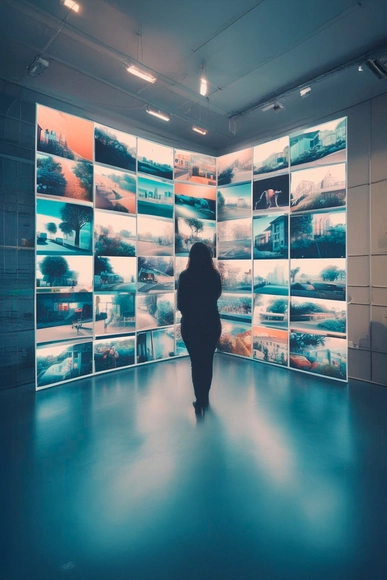
Prompt: An image that embodies the essence of social media: a giant screen displaying photographs of architectural and interior projects, with a person at the center, standing with their back turned, absorbing the scene. Image Courtesy of Enrique Tovar using DaVinci AI
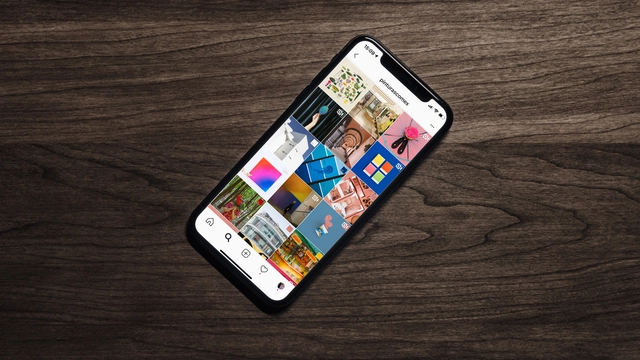
I saw it on Instagram! It's a phrase we often hear in various contexts, from the latest restaurant recommendations to the trendiest hotel in town. The window to observe and expose ourselves to the outside world now sits in our smartphones. This doesn't necessarily mean it's all doom and gloom. Still, it reflects that we're constantly flooded with data and information segmented by algorithms, all in a super easy-to-consume format. In today's world, it takes only a few seconds to form a lasting impression of a building and its atmosphere—and those first impressions matter more than we often realize.
https://www.archdaily.com/1025972/social-media-friendly-design-is-architecture-adapting-to-viral-trends-and-algorithmsEnrique Tovar
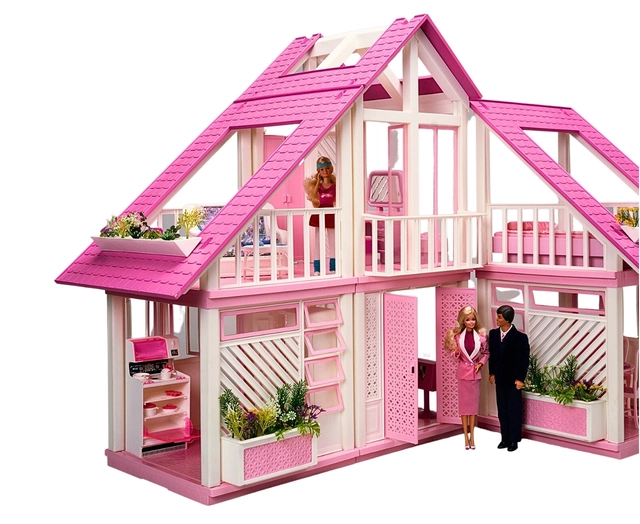
In her 1959 debut by Mattel, Barbie became a doll that transformed the toy industry and has been a popular culture icon ever since. 3 years later, the first accompanying Barbie Dollhouse was created, a home for Barbie representing her domestic, habitual, and day-to-day life. Over the past 60 years, Barbie Dreamhouses have changed and evolved, each iteration adopting the architectural and design fads of the eras in which they were produced. In fact, each dollhouse is an artifact of the unique blend of history, politics, popular culture, trends, and design styles that define architecture as we know it.
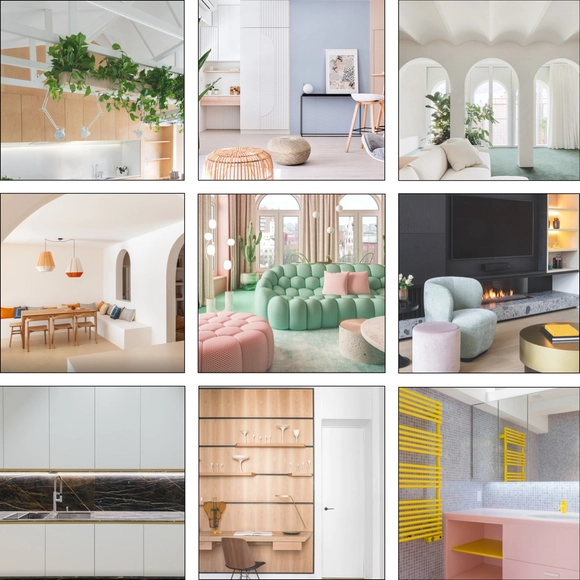
“How to give your home: Dark Academia vibes” reads the title of a popular YouTube video targeted at homeowners fascinated by the aesthetics relating to liberal education and the arts. A subculture born in the age of social media, Dark Academia is one of many internet aesthetics that have gained prevalence in the last decade. Image-based platforms like Tumblr, Instagram, Pinterest, and TikTok have amplified internet aesthetics, especially during the COVID-19 pandemic. Social media allows users to support and create their own trends that rapidly amass a following. Today, the creation of aesthetic trends lies in the hands of the general public and will dictate the way interior design trends develop.
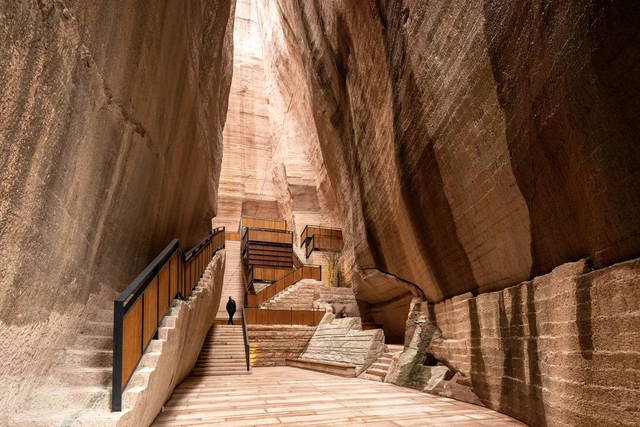
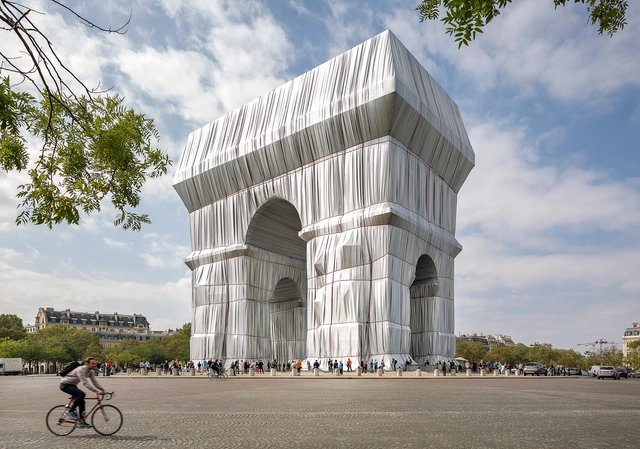
We have reached the end of 2022 and it is time to review the most important milestones of the year on ArchDaily. This time, we searched for the photos that were the most liked on ArchDaily's Instagram.
https://www.archdaily.com/994082/the-2022-most-liked-photos-on-at-archdailys-instagramArchDaily Team
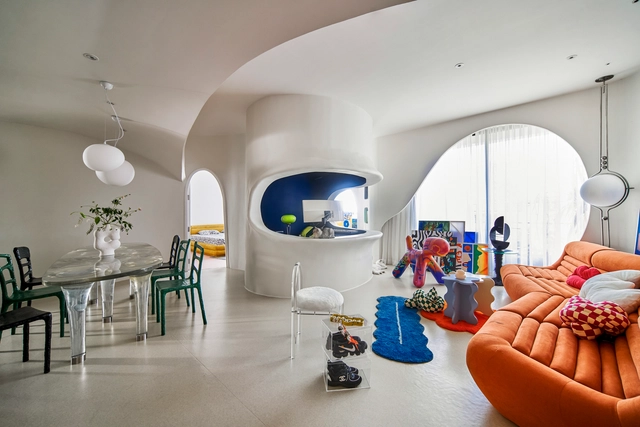
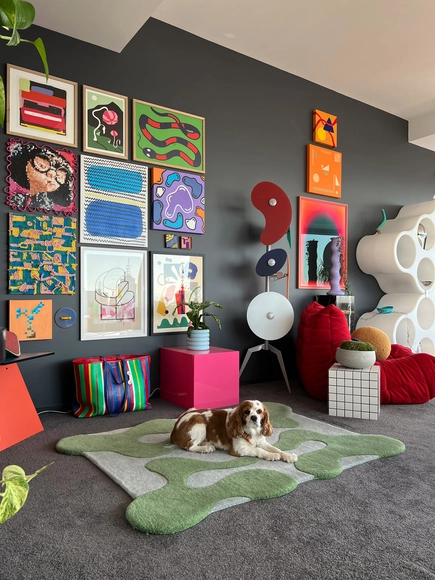
Josh and Matt's apartment embodies their "curated maximalism" style. Image Courtesy of Josh and Matt Design
With the onset of the 2020s, Gen Z is noticeably claiming their place in the world with bold perspectives and even bolder aesthetics. Gen Z proudly experiments with their identities, having grown up on an opinionated internet and through confusing lockdowns. They're bringing in a culture shift with organic shapes, colorful elements, and clashing patterns dominating art, media, fashion, and interior design. The trend is pushing away once-reigning minimalism, shouting Venturi's Less is a Bore.
According to a Harris Poll/Lego survey that questioned children across the United States, UK, and China, nearly one-third of children aged eight to 12 want to be a “YouTuber” when they grow up. That’s three times as many children who said that they wanted to be astronauts just a decade ago. The implications of how this generation of future influencers and content creators has a significant impact on the architecture and design profession begs the question- are we on the cusp of experiencing the rise of architecture influencers?
Another year comes to an end and with it, another round up that explores the most important events that took place over the past twelve months. In this article, we look into the photos that received the most interactions (likes, comments, shares, and saves) on ArchDaily's Instagram.
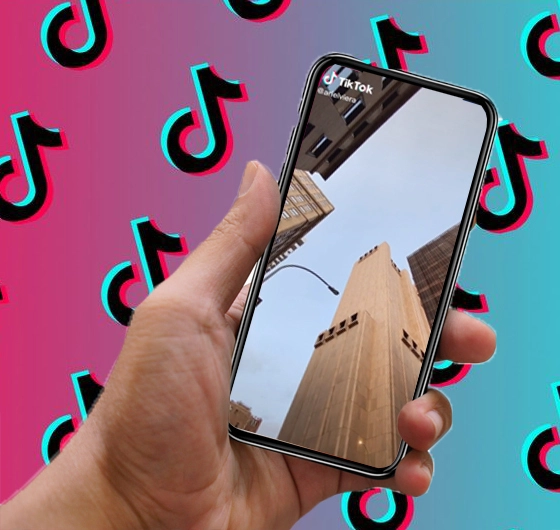
In a world that was once so obsessed with architecture that was “for the ‘gram”, the rise of TikTok is creating a shift in how we experience and consume architecture. It's no small trend either, nearly 950 million TiKTok videos utilize the hashtag #architecture, frequently to describe buildings in various cities or a specific architectural style that the video creator is familiar with. Does this mean that the era of the "instagrammable building" over, and is TikTok the new way to connect across generations and locations to explore the possibilities of architecture?
In a year marked by physical distance, social networks have gained an even greater dimension in the ways of relating to people and getting informed. Our channel on Instagram has surpassed its number of reach and brought to the public the best of what we publish on our page: projects, articles, interviews, and news from the world of architecture, inspiring new ideas and tools for a better future to our cities.
Archisource presents ‘Drawing of the Year 2019’. Our first competition celebrating the talent of architecture and design students and young professionals through a single drawing. With four categories to win from, we are celebrating the extensive variety of drawings that are created around the world each year.
Instagram is one of the most popular social media platforms in the world, with more than 1 billion users searching and discovering new images, videos, brands, businesses, and content every day. According to Instagram’s User Survey, 60% of people stated they discover new products on Instagram, and more than 200 million Instagrammers stated that they visit at least one Business Profile daily.
https://www.archdaily.com/914945/how-to-use-instagram-to-promote-your-building-materials-to-architectsPola Mora
2019 Pritzker LaureateArata Isozaki has been designing for more than half a century; several of his works are considered architectural classics due to their influence and impact on international design.
His work combines a number of styles, from vernacular to high tech and organic to brutalist, giving his projects a sculptural and undeniably photogenic appearance. With such richness in design, it is perhaps no wonder that people around the world are excited to photograph his work.
We've selected 23 of the most beautiful photos of Isozaki's work posted to Instagram by users across the globe. Our selection, after the break:
https://www.archdaily.com/912600/a-selection-of-the-best-instagram-photos-from-arata-isozakis-workAD Editorial Team
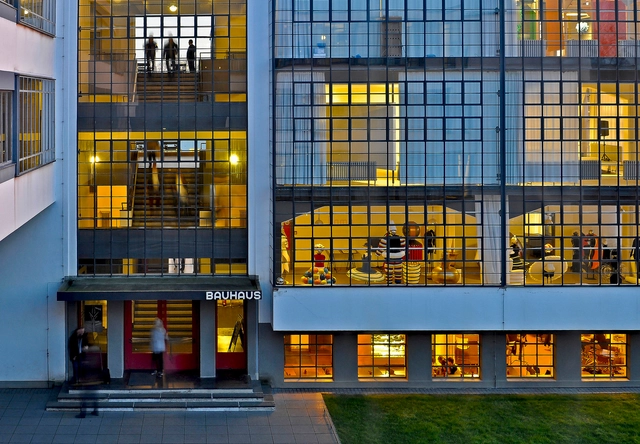
Celebrate Bauhaus 100 through the world's number one visual storytelling platform, Instagram. An essential tool for designers, Instagram is a constantly growing digital database of market sharing and stimulation. Social media has changed not only how we gather precedents and market our designs, but also our designs themselves. "Instagram Culture" drives designers to create more shareable moments. As we continue to seek these dynamic encounters, let us not forget our forefathers of user experience design and the Bauhaus school.
In the current iteration of our digital age, Instagram is king. With 1 billion active monthly users, Instagram has become the go-to visual platform for showcasing a wide variety of architectural typologies and styles, city views, and stunning edifices. Since its inception in 2010, the online space has provided constant and continuous inspiration for architects, designers, and lovers of photography. It is an entirely digital architectural community, free of bias, open to all. As Instagram continues to be a vital tool in the field of architecture, we take a look back on the year's 20 most-liked photos posted to our ArchDaily account.









_17.28.10.jpg?1551731331&format=webp&width=640&height=580)




.jpg?1544639813)