When Archigram published their fanatical vision for pneumatic cities and walking megastructures in the 1960s, they seemed to be designing buildings. Beneath the surface, the avant-gardeists were pushing culture through radical alternatives to lifestyles and forms of organizing in the city. Laboratories found themselves between the lines of copy on Domus or Casabella magazines, propositions doubling as blueprints for the civilizations to come. From Gropius's Bauhaus in 1919 to Arcosanti's desert experiments in the 1970s, architecture operated as a form of cultural prophecy. Built form was the argument. The drawing was the vision. Today, we live in a world that remarkably resembles what the starchitects of the 1900s imagined - modular construction, interconnected digital cities, and automated systems. Yet contemporary architecture rarely proposes culture with the same totalizing confidence.
Historically—like other cultural forms—architecture has been documented, shared, and promoted primarily through print. Books, journals, and magazines carried the discipline's arguments and images, and because architectural practice relies so heavily on visual communication, printed journals created a bridge between academic publications and commercial magazines. Through the postwar decades, beautifully produced volumes curated a collective point of view, signaling what the field broadly considered discussion-worthy or exemplary.
Across major cultural centers, a handful of publications shaped this discourse: Their perspectives were typically sophisticated, professional, and carefully edited—distilling an unruly global output into a small constellation of remarkable projects. The system arguably privileged certain practices and geographies, but it also amplified architecture for wider audiences. Buildings began to lodge in public imagination; cultural travel—journeys taken expressly to experience architecture—moved from rarity toward ritual.
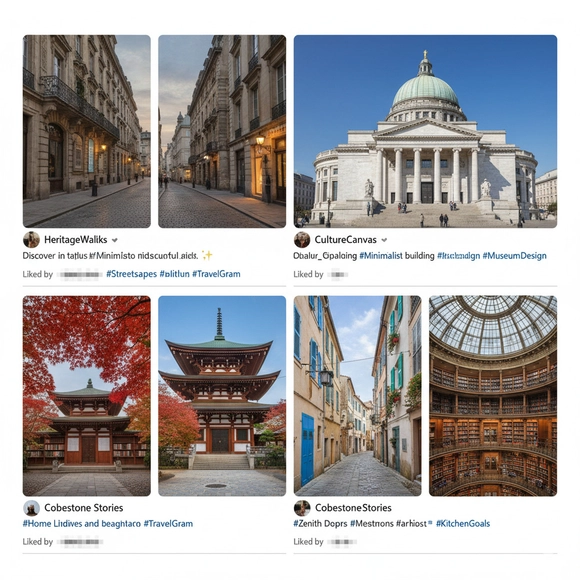
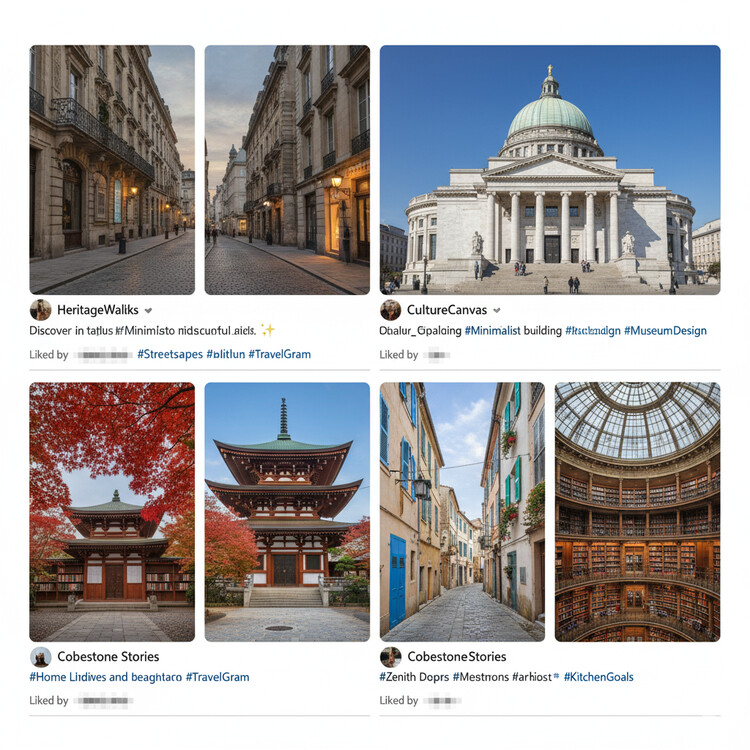
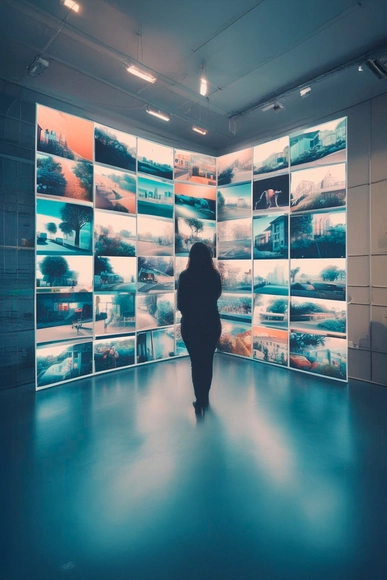
Prompt: An image that embodies the essence of social media: a giant screen displaying photographs of architectural and interior projects, with a person at the center, standing with their back turned, absorbing the scene. Image Courtesy of Enrique Tovar using DaVinci AI
I saw it on Instagram! It's a phrase we often hear in various contexts, from the latest restaurant recommendations to the trendiest hotel in town. The window to observe and expose ourselves to the outside world now sits in our smartphones. This doesn't necessarily mean it's all doom and gloom. Still, it reflects that we're constantly flooded with data and information segmented by algorithms, all in a super easy-to-consume format. In today's world, it takes only a few seconds to form a lasting impression of a building and its atmosphere—and those first impressions matter more than we often realize.
https://www.archdaily.com/1025972/social-media-friendly-design-is-architecture-adapting-to-viral-trends-and-algorithmsEnrique Tovar
Branding for architects isn’t just about having a beautifully designed logo. In fact, when it comes to promoting your architecture firm, a distinctive brand is fundamental to communicating what makes your firm unique and different.
In our experience at Archmark branding and rebranding architecture firms, construction companies, and home service providers over the past ten years, we have developed a strategic process that makes branding easier than expected and reveals surprising results. In this article, we share the same steps we take with our clients so you apply them to your own branding efforts.
“How to give your home: Dark Academia vibes” reads the title of a popular YouTube video targeted at homeowners fascinated by the aesthetics relating to liberal education and the arts. A subculture born in the age of social media, Dark Academia is one of many internet aesthetics that have gained prevalence in the last decade. Image-based platforms like Tumblr, Instagram, Pinterest, and TikTok have amplified internet aesthetics, especially during the COVID-19 pandemic. Social media allows users to support and create their own trends that rapidly amass a following. Today, the creation of aesthetic trends lies in the hands of the general public and will dictate the way interior design trends develop.
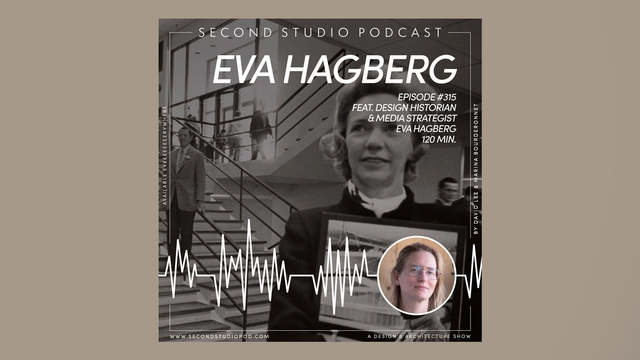
The Second Studio (formerly The Midnight Charette) is an explicit podcast about design, architecture, and the everyday. Hosted by Architects David Lee and Marina Bourderonnet, it features different creative professionals in unscripted conversations that allow for thoughtful takes and personal discussions.
A variety of subjects are covered with honesty and humor: some episodes are interviews, while others are tips for fellow designers, reviews of buildings and other projects, or casual explorations of everyday life and design. The Second Studio is also available on iTunes, Spotify, and YouTube.
https://www.archdaily.com/995571/the-second-studio-podcast-interview-with-eva-hagbergThe Second Studio Podcast
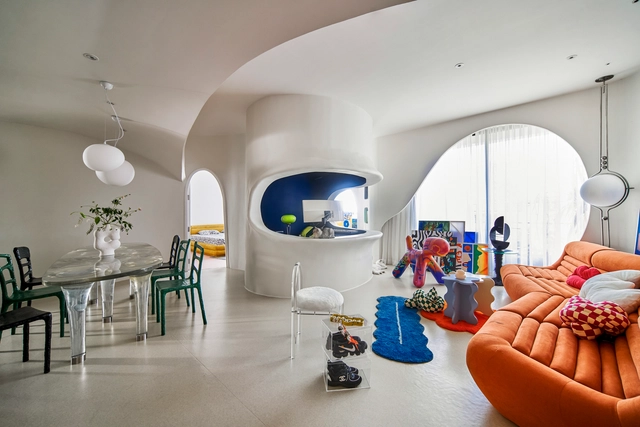
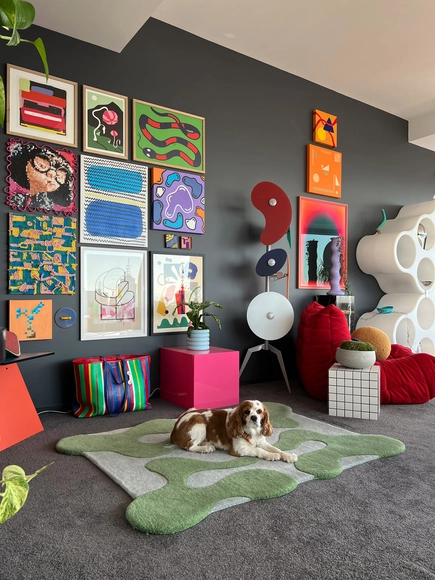
Josh and Matt's apartment embodies their "curated maximalism" style. Image Courtesy of Josh and Matt Design
With the onset of the 2020s, Gen Z is noticeably claiming their place in the world with bold perspectives and even bolder aesthetics. Gen Z proudly experiments with their identities, having grown up on an opinionated internet and through confusing lockdowns. They're bringing in a culture shift with organic shapes, colorful elements, and clashing patterns dominating art, media, fashion, and interior design. The trend is pushing away once-reigning minimalism, shouting Venturi's Less is a Bore.
According to a Harris Poll/Lego survey that questioned children across the United States, UK, and China, nearly one-third of children aged eight to 12 want to be a “YouTuber” when they grow up. That’s three times as many children who said that they wanted to be astronauts just a decade ago. The implications of how this generation of future influencers and content creators has a significant impact on the architecture and design profession begs the question- are we on the cusp of experiencing the rise of architecture influencers?
Graduating with an architecture degree is often met with the expectations of working a 9-5 job at an office. However, the reality is that many fresh graduates are venturing into diversified careers and exploring fields such as architectural photography, writing, rendering, set design, and project management. In this Editor's Talk, ArchDaily's Founder and Editor in Chief, Director of Software Product Development, Managing Editors, and Social Media Editor share their experiences of graduating with a Bachelor's Degree in Architecture then finding themselves exploring different, yet very complimentary career paths post graduation, proving that there is a lot more to the architecture practice beyond designing built spaces.
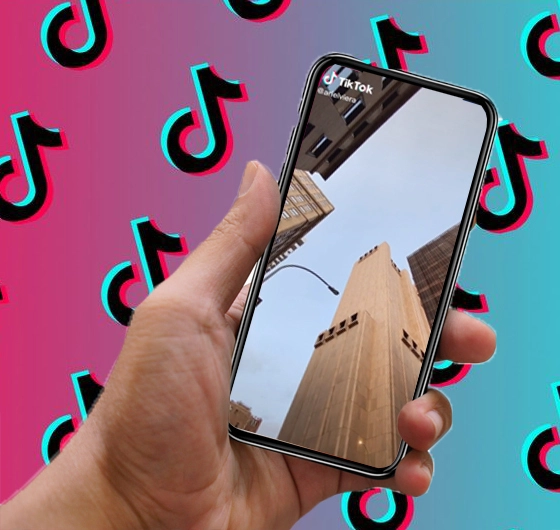
In a world that was once so obsessed with architecture that was “for the ‘gram”, the rise of TikTok is creating a shift in how we experience and consume architecture. It's no small trend either, nearly 950 million TiKTok videos utilize the hashtag #architecture, frequently to describe buildings in various cities or a specific architectural style that the video creator is familiar with. Does this mean that the era of the "instagrammable building" over, and is TikTok the new way to connect across generations and locations to explore the possibilities of architecture?
A photograph taken in April 2017 and shared through Instagram of a sticker by the French street artist Invader.
How do street art practices resonate through the digital world, and how do we trace such resonance back to the street? More generally, what happens when the sensor-imbued city acquires the ability to see – almost as if it had eyes? Andrea Baldini (Nanjing University) reflects on the role that the Internet, and social networks, in particular, have had in boosting the circulation of graffiti and street art and, in turn, their communicative and denouncing power.
For the 2019 Shenzhen Biennale of Urbanism\Architecture (UABB), titled "Urban Interactions," (21 December 2019-8 March 2020) ArchDaily is working with the curators of the "Eyes of the City" section to stimulate a discussion on how new technologies might impact architecture and urban life. The contribution below is part of a series of scientific essays selected through the “Eyes of the City” call for papers, launched in preparation of the exhibitions: international scholars were asked to send their reflection in reaction to the statement by the curators Carlo Ratti Associati, Politecnico di Torino and SCUT, which you can read here.
Before social media took over, buildings were published on magazines, edited and refined according to their architects’ preferences. Nowadays, magazines are left on the sidelines for a much more influential platform, one that is not totally controlled by the architects. Digital communication has changed the way people view and interact with architecture, providing architects with new insights on how to design their structures.
PLANE—SITE, a global production agency involved in the world of urban, cultural, and social spaces, have put together a short video that examines the impact of social media on architecture firms. Building Images provides insights from OMA/AMO and UNStudio, two firms with different approaches to social media, who explain how social platforms have helped them see their projects in unprecedented ways.
In the current iteration of our digital age, Instagram is king in the social media. Boasting 1 billion (yes, with a "b") active monthly users, if you are a business and not on Instagram, you are missing out.
Given the visual nature of the platform, architects and designers have flocked to the platform, using it to market their work, promote new ideas, and even pull in commissions. Other aggregator accounts use the platform to find and foster new talent, creating an entirely digital architectural community that is open to all.
In the modern age of sensationalism, consumerism, and widespread fake news, it's easy to understand why we feel the need to express ourselves through memes—the abstract photographs, video clips, and gifs that are manipulated in various ways to express thoughts on certain matters or situations that are relatable to people across the globe. Memes often expound complex yet concise sentiments which, in a way, closely resemble the way that we communicate in real life.
In the world of architecture, communication is often represented through critical essays, stunning renders and photographs, and hand-drawn analytical diagrams. In fact, architecture communication as we know it has mostly been a literal representation of the thing itself: Ideas are translated into plans, sections, elevations, details, form diagrams. But with the rise of memes and abstract expressions, why aren’t we popularizing our own personal thoughts with this form of widespread social media?
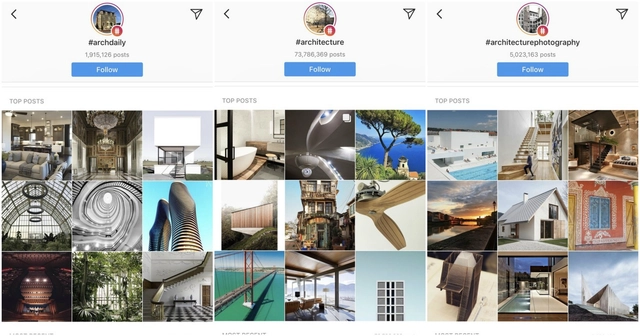
The hashtag officially became part of the Oxford English Dictionary in 2014, and whether you tend to use them or not, they are a pretty unavoidable internet tool that helps users connect related internet content. Maybe you’re hashtagging photos to get featured on a certain account or to poke some fun at yourself (see Justin Timberlake and Jimmy Fallon)? But serious ArchDaily readers have been using “#” to group beautiful photographs of architecture for the better part of a decade. When Instagram announced that it was possible to follow hashtags, die-hard taggers found a way to discover and like new content without actively seeking it out.
When looking back on the rich history of Japanese architecture, some of the things that immediately come to mind are complex wood joinery, hipped roofs and intimate experiences with water. Today, Japan is on the cutting edge of architectural innovation in many different buildling types—skyscrapers, office buildings and micro-housing to name a few. However, this Instagram account chooses to highlight an extremely unappreciated building type—public restrooms.
Cheekily named @toilets_a_go_go, the account promises its followers the "discovery of Japanese toilets," covering everything from bathroom pavilions inspired by traditional Japanese architecture to metabolist-like toilet pods—with a few novelty structures thrown in for good measure. If the name of the account did not already reveal the identity of the structures, one might even mistake many of them for something else. We typically overlook public restrooms or even see them in a negative light, but this account showcases the power of architecture to improve a neglected building type, showing that even a trip to the toilet can (and should) be beautiful.
Social media is one of the most critical elements for a successful marketing strategy. For architecture firms, the bounty of online platforms supporting visual content can allow ideas, commissions, and buildings to reach millions of architecture lovers around the world with a single click.
Since its launch in 2004, Facebook has proven to be an enduring platform for sharing architectural ideas, with even ArchDaily taking the decision in February to make Facebook a primary avenue for reader comments. Below, we have rounded up the 20 architecture firms worldwide with the most Facebook followers, demonstrating how a well-maintained, engaging presence on social media can allow architectural ideas to be spread to millions of enthusiasts. Are you following all of them?
https://www.archdaily.com/872815/the-20-most-popular-architecture-offices-on-facebookNiall Patrick Walsh
Marketing is not simply an expense reserved for already established architecture firms. Small businesses in particular can benefit from a smart marketing strategy by aligning their operations with some of marketing’s most basic premises and concepts.
Architects in general have a tendency to underestimate the importance of marketing in creating and running a successful business. Even those who claim to understand the role of marketing in acquiring clients and building relationships often fail to fully utilize its potential. Principals of small architecture firms often get caught up in trying to keep their practices afloat and end up treating marketing as a luxury that they will be able to afford once they achieve stability--thus missing the true role of marketing as being a catalyst for growth. Architects need to apply marketing to their practices from the onset and treat it with the same amount of dedication as they do with their floor plans, sections and 3D models of their building designs.
https://www.archdaily.com/797558/architecture-marketing-101-how-basic-concepts-can-help-your-practiceLidija Grozdanic for Archipreneur.com