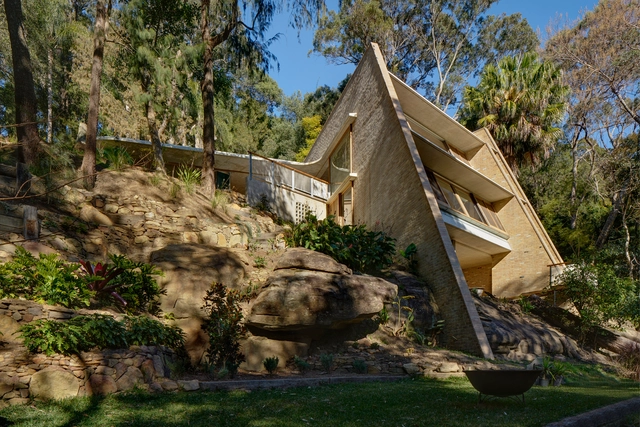
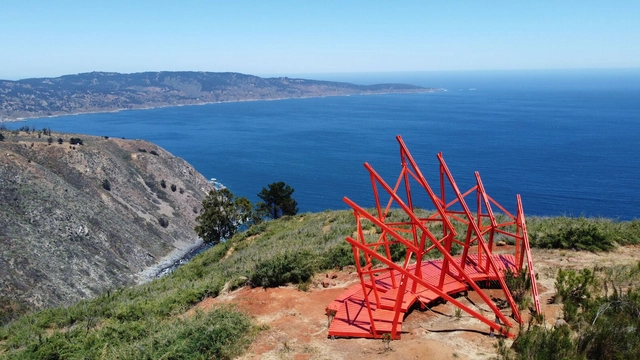
When we think about cities, we often assume the orthogonal grid is the norm: neat, predictable, and rational. However, many urban areas around the world, notably those shaped by hills and uneven terrain, defy this convention. In cities like Lisbon, in Portugal orthogonal grids appear only in flatter zones such as Baixa, while surrounding areas like Alfama adapt organically to topography. These areas create more layered, irregular, and visually dynamic urban forms. Yerevan in Armenia, offers another urban example of this adaptation: the Cascade Complex transforms a steep hill into a terraced public space that connects different city levels while framing panoramic views. For other countries, this response to topography becomes even more critical. Cities like Tegucigalpa in Honduras or Valparaiso in Chile are defined by steep, irregular terrain that requires architects to engage deeply with the land. Designing in these contexts, especially for residential projects, demands technical adaptation and a contextual understanding that allows the slope to become a generative element in the design process.
Chile has a rich and vast heritage architecture, which is gradually gaining relevance through different initiatives that seek to renovate these buildings to give them a second life. The buildings and infrastructures were in disrepair, disused, or damaged, but have great architectural value, being an important contribution to the reconstruction of the history of Chilean cities.
We often walk through the city without knowing the value of the buildings around us. In Chile, there is an architectural multiculturalism that has molded the cities with buildings that, to this day, are awarded a heritage title and are not recognized as such by the inhabitants and visitors.
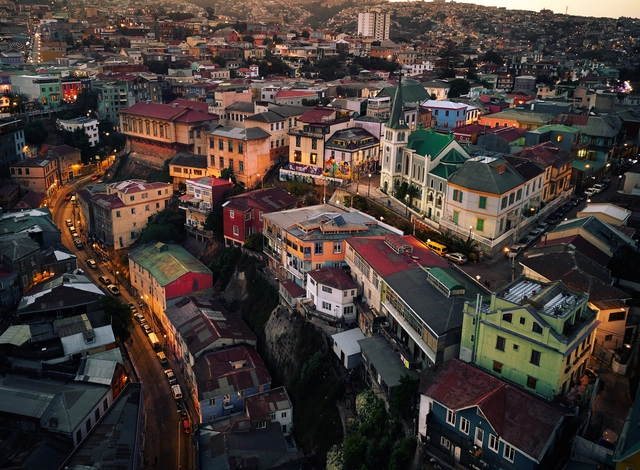
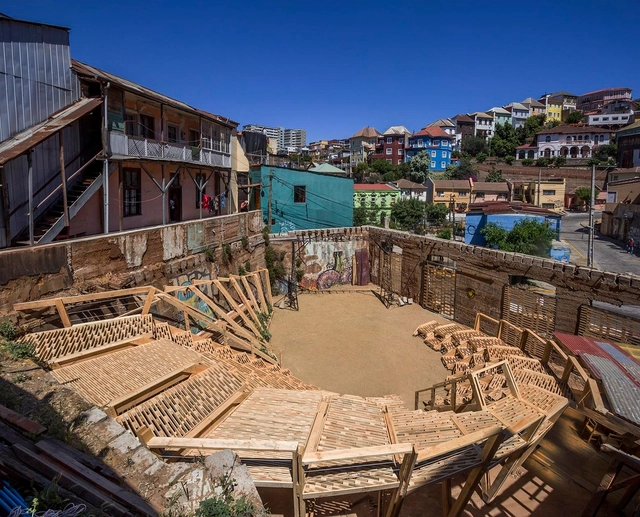
Situated at the foot of 45 hills along the Chilean coast, Valparaíso was a key port in the South Pacific during the 20th century before the construction of the Panama Canal. Thanks to its rapid industrial and commercial growth, the port underwent an urban transformation, attracting thousands of foreigners and cementing its reputation as a bustling South American cosmopolis rich in society, culture, and architecture.
Described by The Guardian as a "Berlin by the seaside", Valparaiso's historic downtown was declared a World Heritage Site by UNESCO in 2003 and the city's cultural and architectural wealth make it a must-see for tourists and architecture aficionados alike.
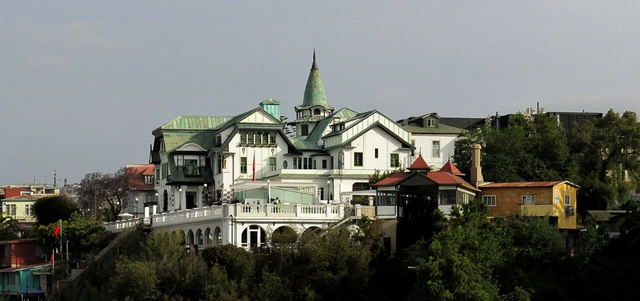
In this article, we present a guide written by one of the city's many enthusiasts that will give a complete and in-depth look at the port's many treasures. The guide is written as if for a walking tour, starting in Plaza Sotomayor, the city's main square. The route can be divided into two days, with the first part ending at the Palacio Baburizza and the second beginning with the Valparaiso Cultural Park. Take a tip from the experts--if you get lost, don't trust an app to find your way. Ask a local!
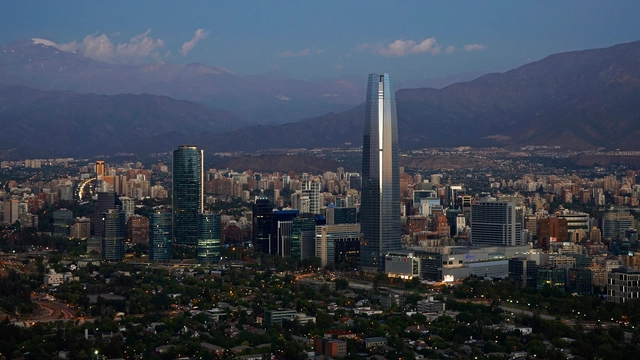
Santiago, Chile. Image via Flickr User: alobos Life. Used under CC BY 2.0
The American Institute of Architects Committee on Design is holding its first South American conference this week in Santiago and Valparaíso, Chile. Starting on October 20 and running through the 27th, the conference is organized by the Copperbridge Foundation in collaboration with Chilean Constructo and Massantiago. The CoD conference will include a focus on each city's contemporary architecture and urban fabric, as well as tours, presentations and exhibitions with Chilean institutions.
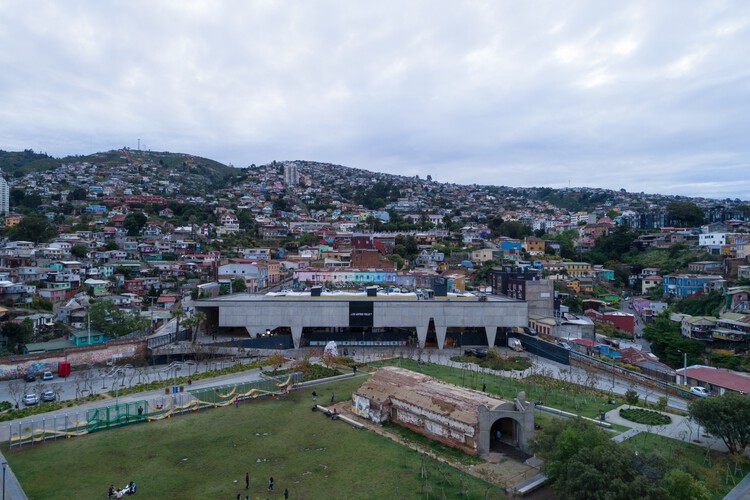
La Serpentina en el Parque Cultural de Valparaíso, Chile. Image Cortesía de ELEMENTAL
A new children’s urban playground has captured the attention and energy of children of all ages in the center of Valparaíso’s Cultural Park (Chile). The metallic structure is 40 meters long and has a colorful undulating path where children can run, jump, hide and slide.
La Serpentina follows a similar design to the equipment at the Bicentenary Children’s Park (2012) in Santiago. La Serpentina is one of two interventions entered by Somos Choapa in the Biennial. The second project is a prototype with a series of touch screens installed in the main area of the Cultural Park of Valparaíso, accounting for over 100 concrete initiatives of the project.