
-
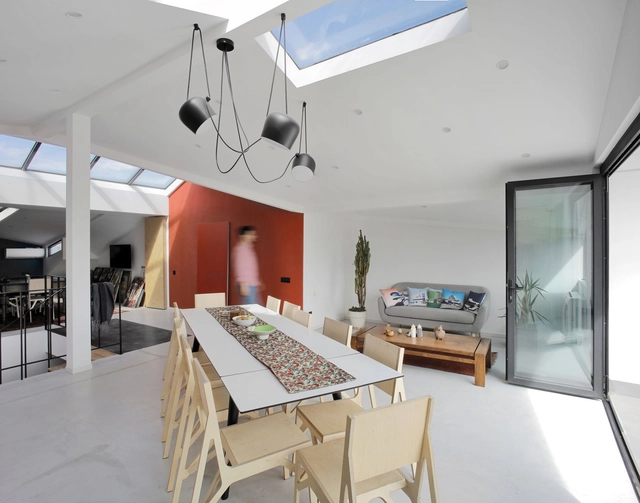
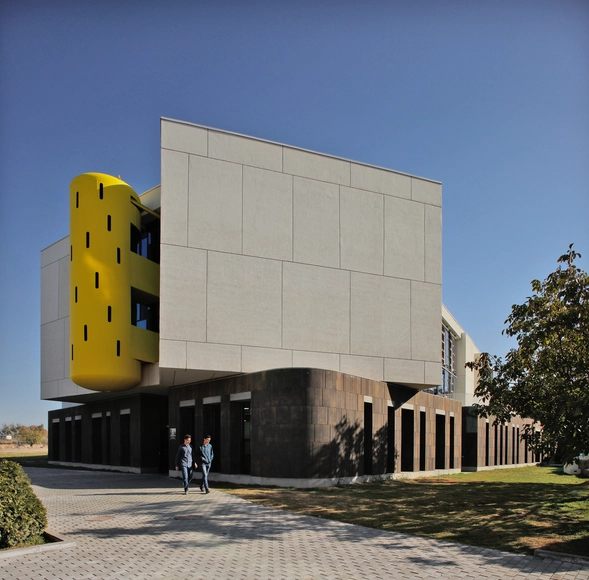
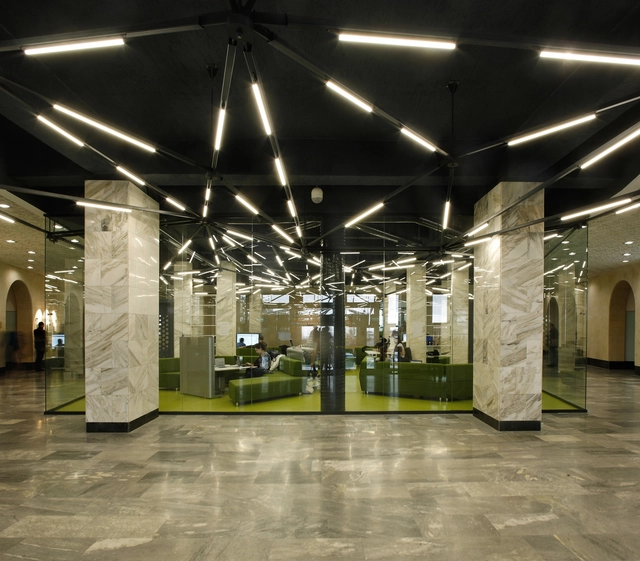
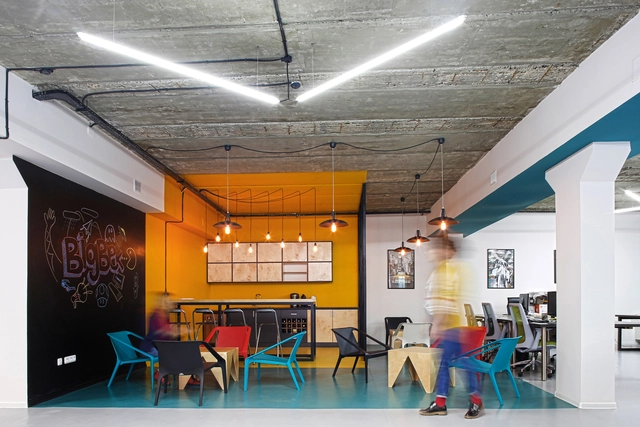
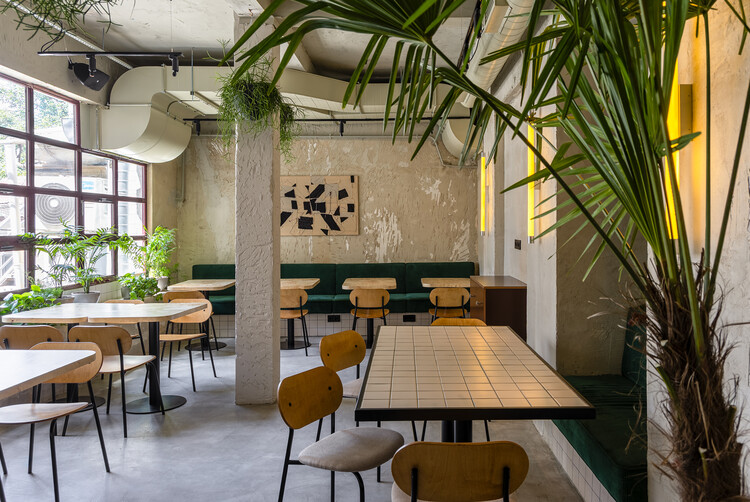
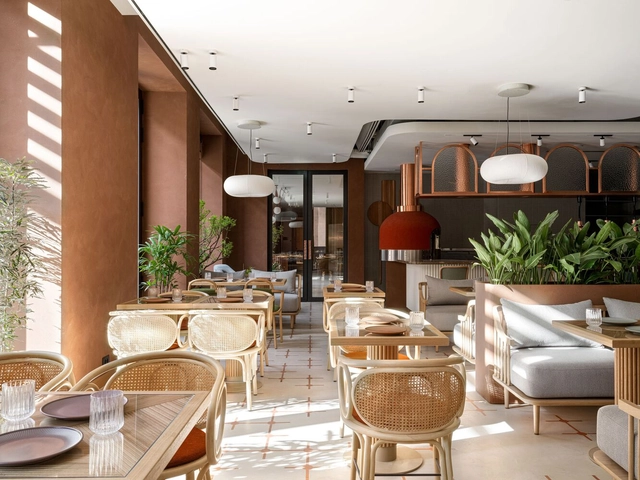
Architects: snkh studio
- Area: 73 m²
- Year: 2023
-
Manufacturers: Caparol, Kerama Marazzi
-
Professionals: Euroshin LLC

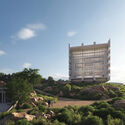
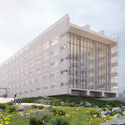
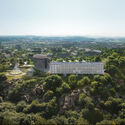
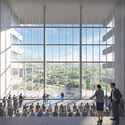
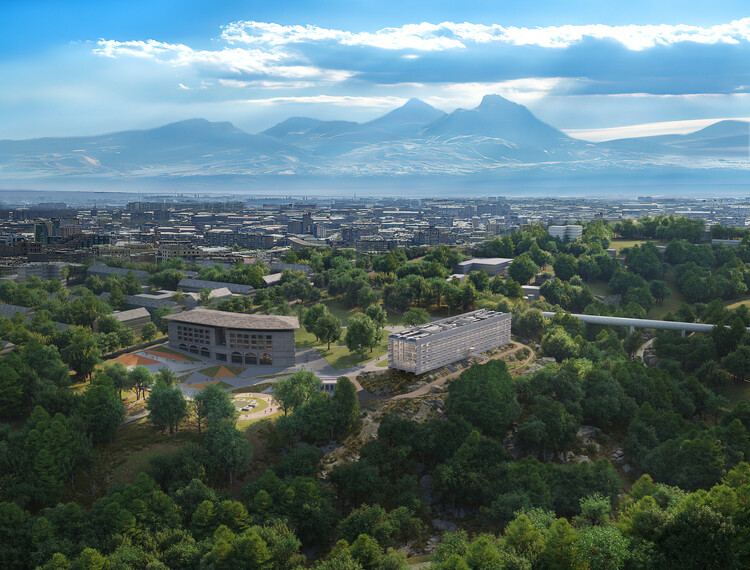
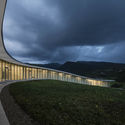
MVRDV has started construction on the EU TUMO Convergence Center, a new educational and research facility in Yerevan, Armenia. Located in Tumanyan Park, the five-story building will expand TUMO's campus, providing spaces for free technology and creative education for teenagers and adults, alongside research and co-working areas for technology and design companies. Positioned on a hilly outcrop above the Hrazdan River Gorge, the project responds to the surrounding topography while establishing visual connections with the city, the gorge, and Mount Ararat. Construction officially commenced on 24 February, with local and international representatives in attendance.

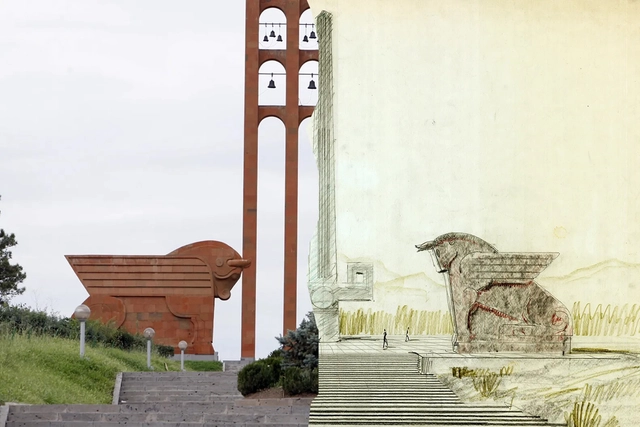
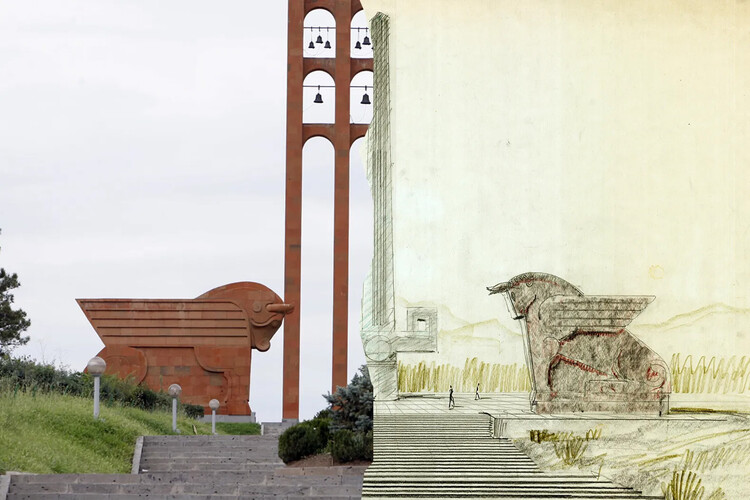
In a time when much global architecture can feel disconnected from local identity, the work of Rafayel Israelyan stands out for being rooted in place, culture, and memory. Working in mid-20th-century Armenia, Israelyan created architecture that is more than functional or monumental; it is culturally resilient. His use of traditional Armenian motifs, materials, and symbolic forms gave his designs a second life after the fall of the Soviet Union, when many buildings across post-Soviet states were abandoned or demolished. Armenia, by contrast, preserved many of his works, likely because their design approach not only served a specific moment in time, but also told a larger story. Long before concepts like sustainability or critical regionalism became popular, Israelyan understood that buildings gain meaning and endurance when they reflect the specific identity and characteristics of their place.
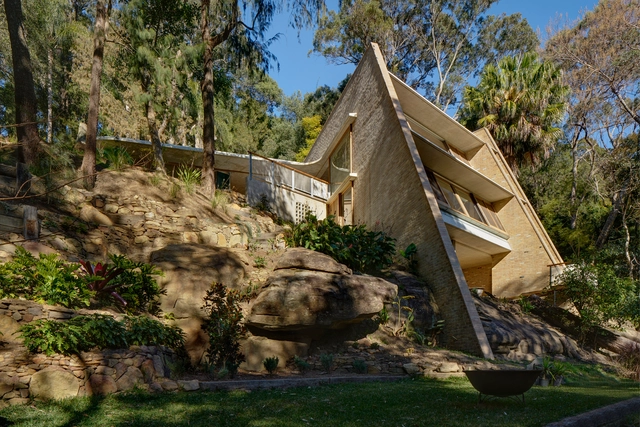
When we think about cities, we often assume the orthogonal grid is the norm: neat, predictable, and rational. However, many urban areas around the world, notably those shaped by hills and uneven terrain, defy this convention. In cities like Lisbon, in Portugal orthogonal grids appear only in flatter zones such as Baixa, while surrounding areas like Alfama adapt organically to topography. These areas create more layered, irregular, and visually dynamic urban forms. Yerevan in Armenia, offers another urban example of this adaptation: the Cascade Complex transforms a steep hill into a terraced public space that connects different city levels while framing panoramic views. For other countries, this response to topography becomes even more critical. Cities like Tegucigalpa in Honduras or Valparaiso in Chile are defined by steep, irregular terrain that requires architects to engage deeply with the land. Designing in these contexts, especially for residential projects, demands technical adaptation and a contextual understanding that allows the slope to become a generative element in the design process.
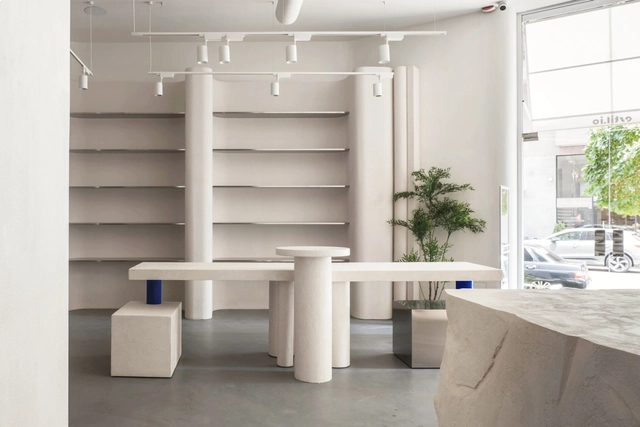
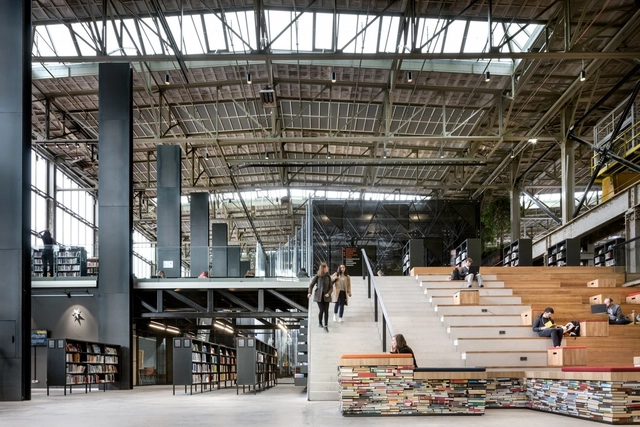
As the architectural landscape continues to evolve in response to pressing global challenges, events such as biennales, design weeks, and fairs play an instrumental role in shaping the profession's future. These gatherings facilitate the exchange of innovative ideas, the exploration of sustainable practices, and the fostering of collaboration among architects, designers, and urban planners. They serve not only as platforms for showcasing cutting-edge designs but also as forums for critical dialogue about the built environment's impact on society and the planet.
Happening worldwide from September to December 2024, a variety of significant events hope to engage the architectural community. The World Urban Forum in Cairo focuses on local sustainable actions, while Dubai Design Week showcases innovative design in the Middle East. The World Architecture Festival in Singapore features live project presentations, and the Architecture & Design Film Festival in New York offers compelling narratives critical to contemporary discourse.
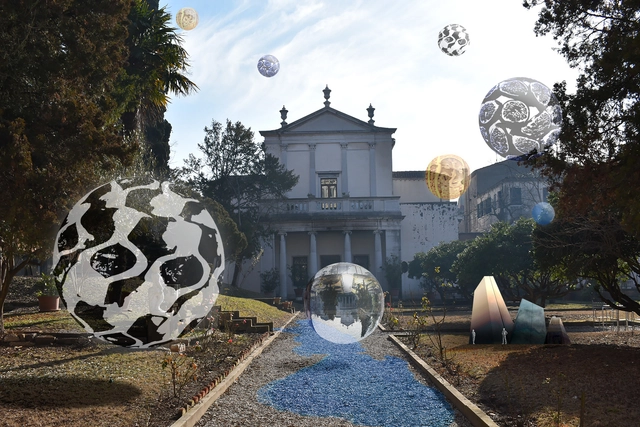
Titled "HYBRIDITY", the Armenian Pavilion at the 17th International Architecture Exhibition - La Biennale di Venezia, allows visitors to step into the Armenian experience of coexisting in countries across the globe. Curated by Allen Sayegh (Vosguerichian), the exhibition will be on display at Palazzo Ca' Zenobio from August 28th until November 21st, 2021.


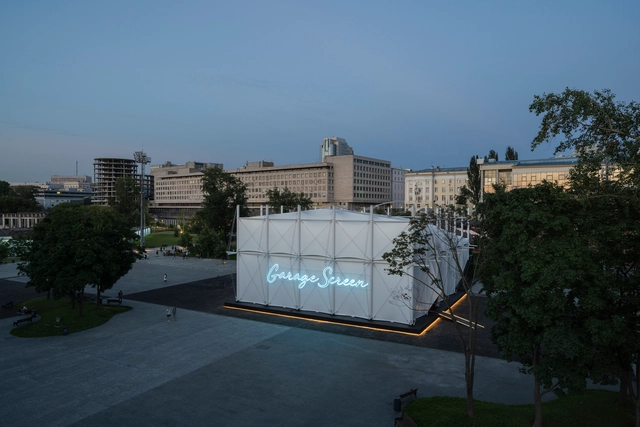
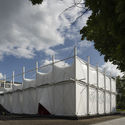
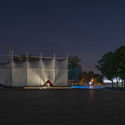
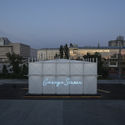
The new Garage Screen cinema designed by SNKH Architects was just unveiled in Moscow. The winning project of the second Garage museum of contemporary art competition for the design of a pop-up summer cinema “resembles an inverted Bedouin tent”. Selected out of 136 submissions from Armenia, Belarus, Kazakhstan, Kyrgyzstan, and Russia, the intervention is not instantly recognizable as a cinema, reinventing the usual design.
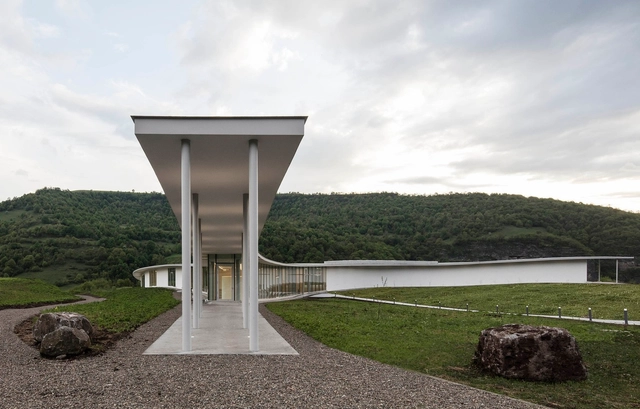
The architecture of Armenia responds to both past traditions and the country's earthquake-prone geography. Known for medieval churches, Armenia has also become home to modern projects that reinterpret familiar construction methods and organizational principles. Acknowledging a reputation for sturdy concrete and stone structures, the country's contemporary architects are experimenting with different materials to create lighter and more open structures.