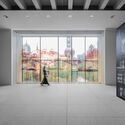
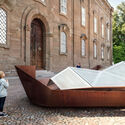
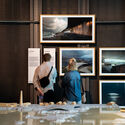
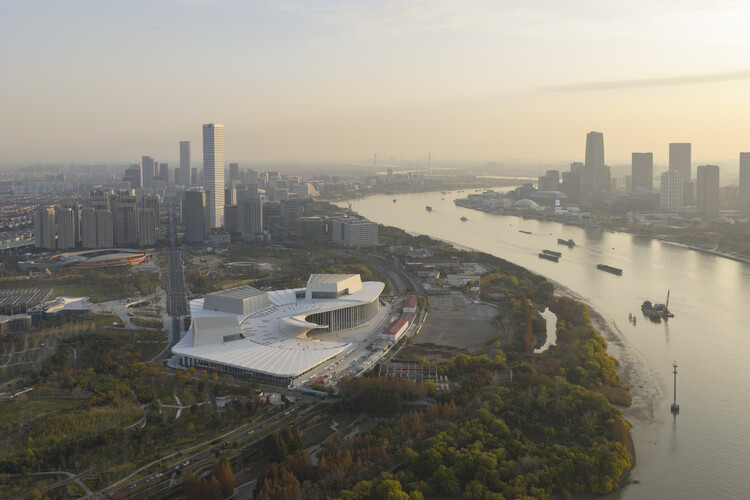
This week, architecture's relationship with culture took center stage through exhibitions, public projects, and new cultural infrastructure that extend architectural discourse beyond the building itself. While major exhibitions from Australia, Shanghai, Barcelona, and Copenhagen examined themes of housing, landscape, and place through research and design, newly unveiled projects in China and Italy demonstrate how museums, performance venues, and mixed-use projects are increasingly conceived as open public landscapes rather than isolated institutions, while new exhibitions and construction milestones reflect ongoing experimentation in adaptive reuse, context-responsive design, and flexible urban environments.
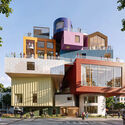
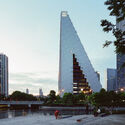
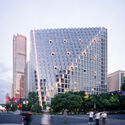
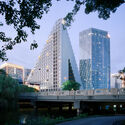
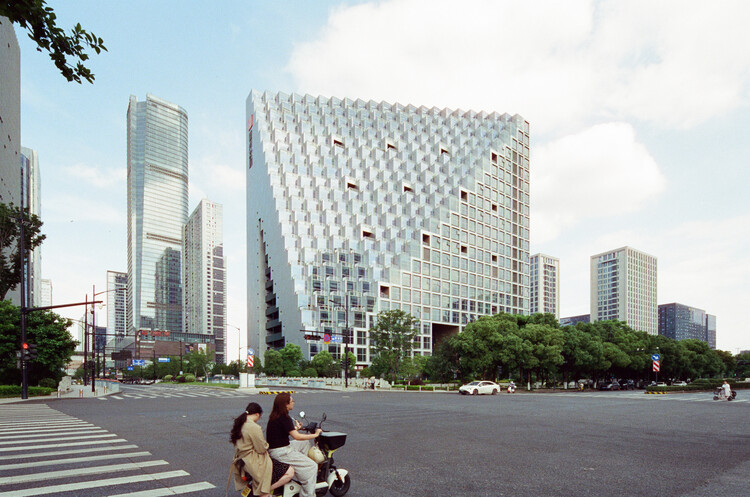
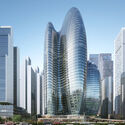
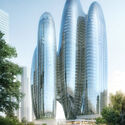
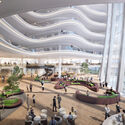
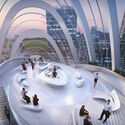
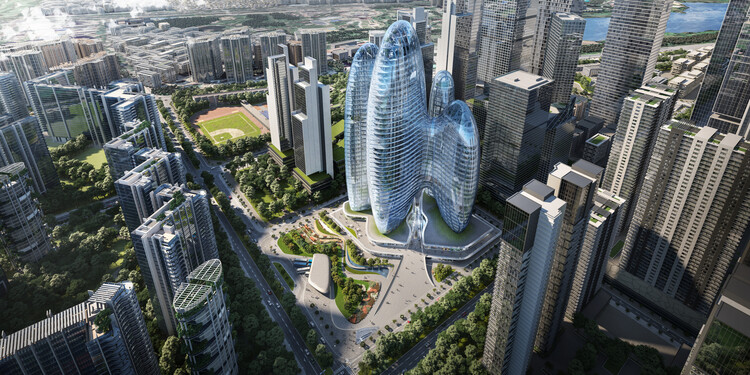
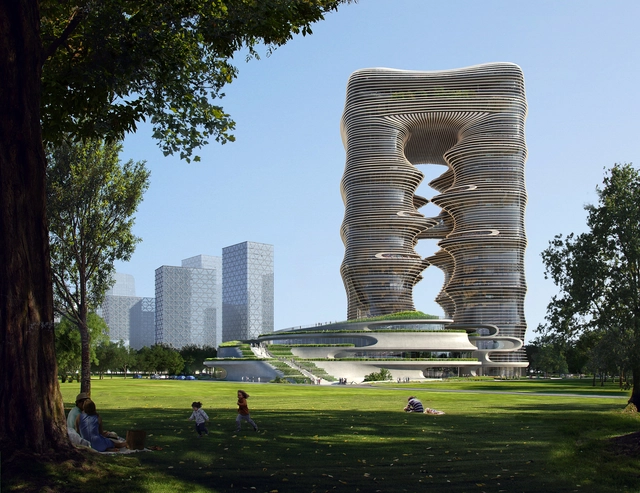
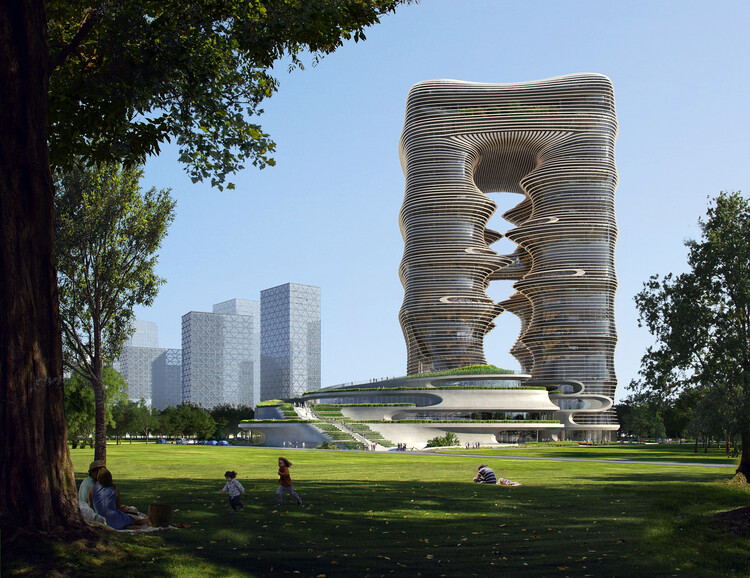
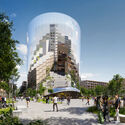
OMA has completed the Hangzhou Prism, a large-scale mixed-use development in Hangzhou's Future Tech City district, China, following a design and development process that began in 2016. Commissioned by Xinhu Real Estate Group and led by OMA Partner Chris van Duijn, with Michael Hadjistyllis serving as project architect, the project combines residential units, a hotel, offices, commercial spaces, and public amenities within a single building volume. Marking OMA's first completed project in Hangzhou, the development occupies a central site within one of the city's emerging innovation and business districts.
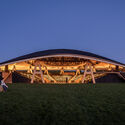
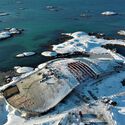
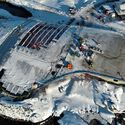
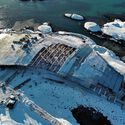
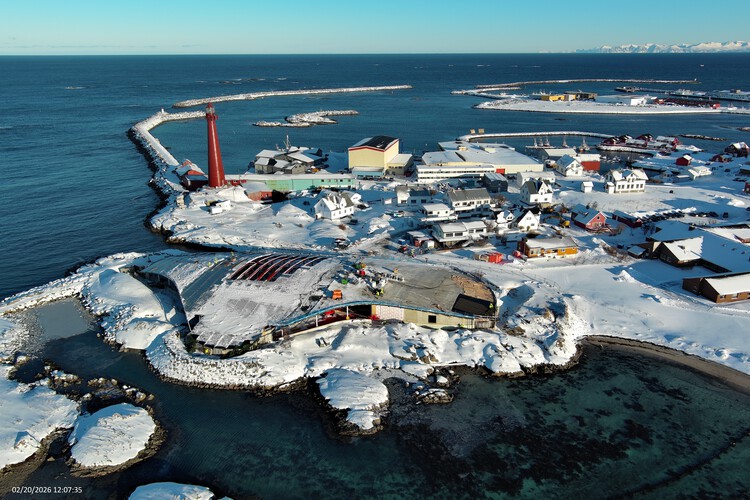
Located approximately 300 kilometers north of the Arctic Circle, on the island of Andøya in northern Norway, The Whale by Dorte Mandrup is currently under construction along the coastline of Andenes. The small settlement is situated near Bleiksdjupa, a deep-sea canyon that brings marine life close to shore and has contributed to the region's role as a whale-watching destination. Recent construction images show the building emerging from the rocky shoreline, maintaining a low profile that follows the contours of the site. The surrounding context, including the existing lighthouse and residential structures, situates the project within an active coastal environment.
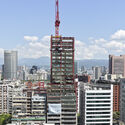
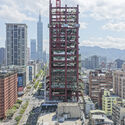
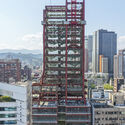
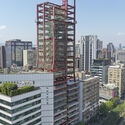
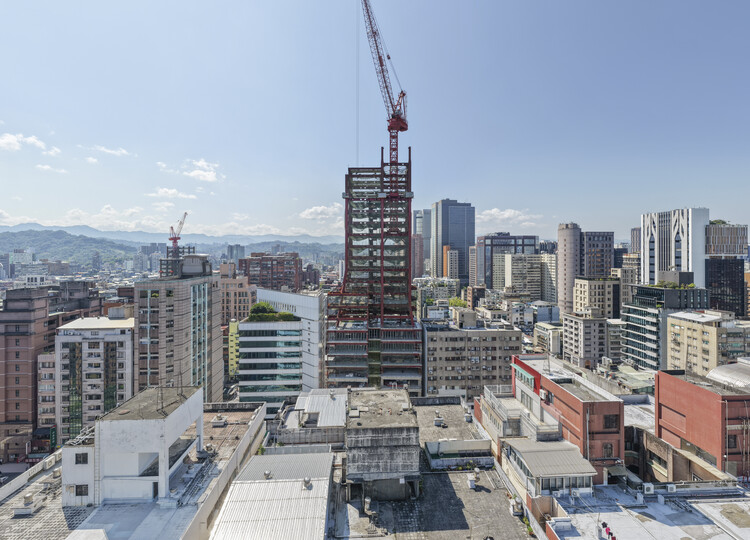
OMA's Metropolitan Village, also known as Taipei Xinyi–Wenchang Residence, is a new high-rise residential tower located in Taipei's Xinyi Central Business District. The project, led by David Gianotten and Chiaju Lin, with HCCH & Associates Architects Planners & Engineers as local collaborator, provides 11,961 m² of residential floor area on a 736 m² site. The 95 m, 23-storey building follows the concept of a "vertical village," reflecting the increasingly fluid boundary between living and working identified by the architects in post-pandemic Taipei. Commissioned by Continental Development Corporation, the project broke ground in 2024 and is scheduled for completion in 2027. Recent images show construction progress, with the highest structural element now being installed.
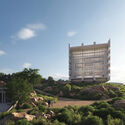
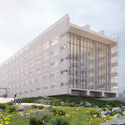
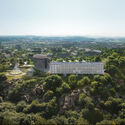
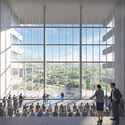
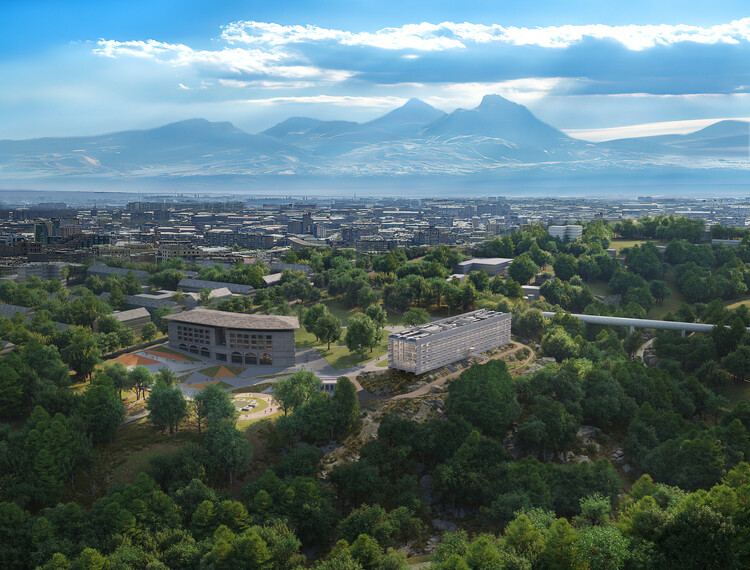
MVRDVhas started construction on the EU TUMO Convergence Center, a new educational and research facility in Yerevan, Armenia. Located in Tumanyan Park, the five-story building will expand TUMO's campus, providing spaces for free technology and creative education for teenagers and adults, alongside research and co-working areas for technology and design companies. Positioned on a hilly outcrop above the Hrazdan River Gorge, the project responds to the surrounding topography while establishing visual connections with the city, the gorge, and Mount Ararat. Construction officially commenced on 24 February, with local and international representatives in attendance.
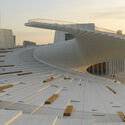
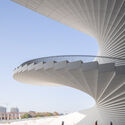
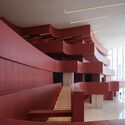
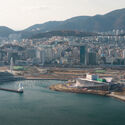
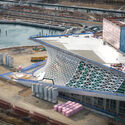
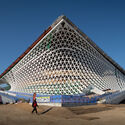
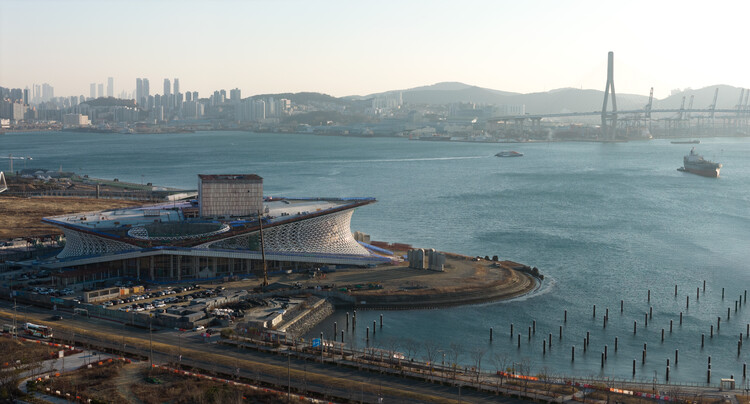
Commissioned in 2012 following an international design competition, Snøhetta's BusanOpera House is under construction on the city's North Port waterfront, with major works scheduled for completion in late 2026 and an opening planned for 2027. Conceived as the first opera house in South Korea's second-largest city, the project redefines the traditional opera house as an open and inclusive civic institution. Rather than operating solely as a venue for performance, the building is envisioned as a public destination that supports everyday use, collective experience, and long-term cultural engagement within Busan's evolving urban landscape.
Snøhetta, in collaboration with the Beijing Institute of Architectural Design (BIAD), has won the international competition to design the Beijing Art Museum in Tongzhou District, Beijing. The project officially broke ground on December 31, 2025, with completion and public opening anticipated in 2029. Conceived as a new landmark for the eastern part of the city, the museum will form part of Tongzhou's cultural and civic development strategy as Beijing's sub-center. The commission marks Snøhetta's second major cultural project in the Chinese capital, following the Beijing Library, which opened to the public in 2023 and has since become a key reference for contemporary civic architecture in the city.
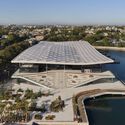
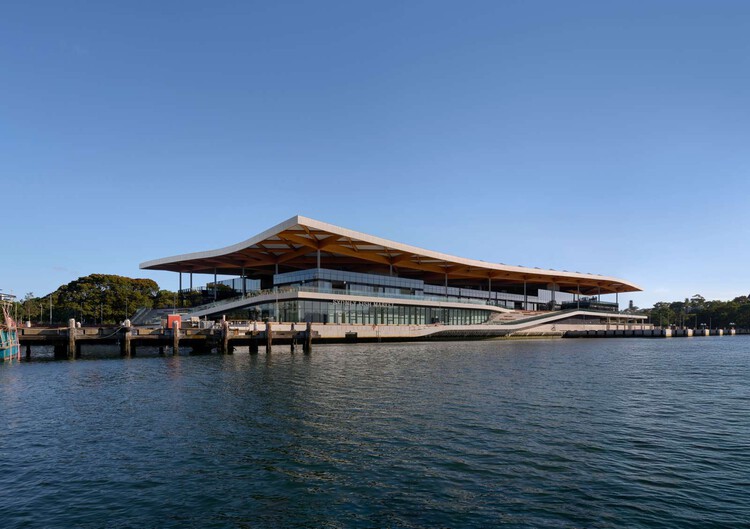
Set to open on January 19, 2026, the Sydney Fish Market marks the first completed project within the broader renewal of Blackwattle Bay on Sydney's inner harbour. Designed by 3XN in collaboration with BVN and Aspect Studios, and delivered by Multiplex, the purpose-built facility replaces the former market with a contemporary structure that combines an operating wholesale fish market with retail, dining, and publicly accessible waterfront spaces. Positioned approximately one mile southwest of Sydney's central business district, the project reframes one of the world's largest fish markets by volume as both working infrastructure and a civic destination.
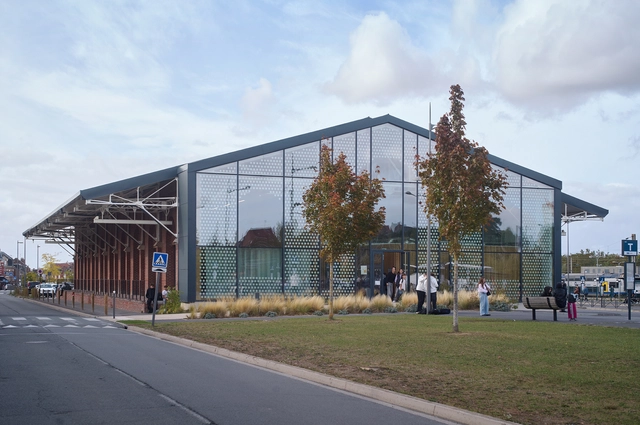
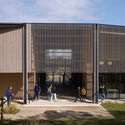
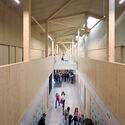
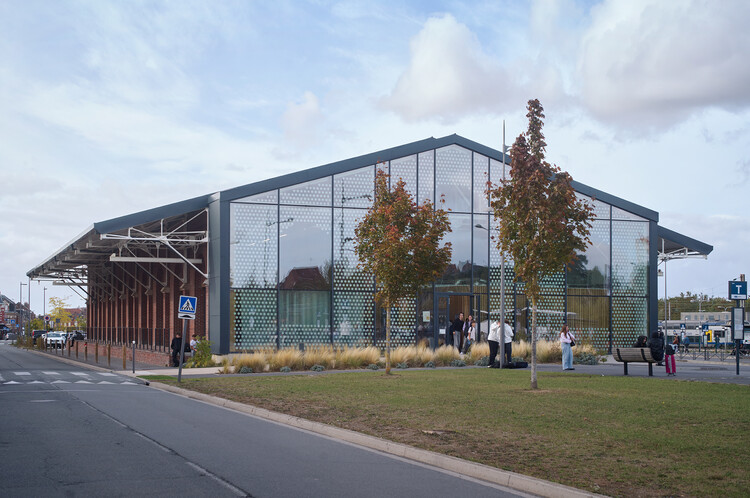
Coldefy, in collaboration with Relief Architecture, has completed the Robert Badinter Secondary School, the first timber-framed school in northern France. Designed to accommodate 650 students, the project is situated on a former railyard adjacent to the city's train station and within walking distance of the town center. The new school forms part of a wider urban renewal strategy aiming to consolidate transportation links and introduce new civic amenities to the area.
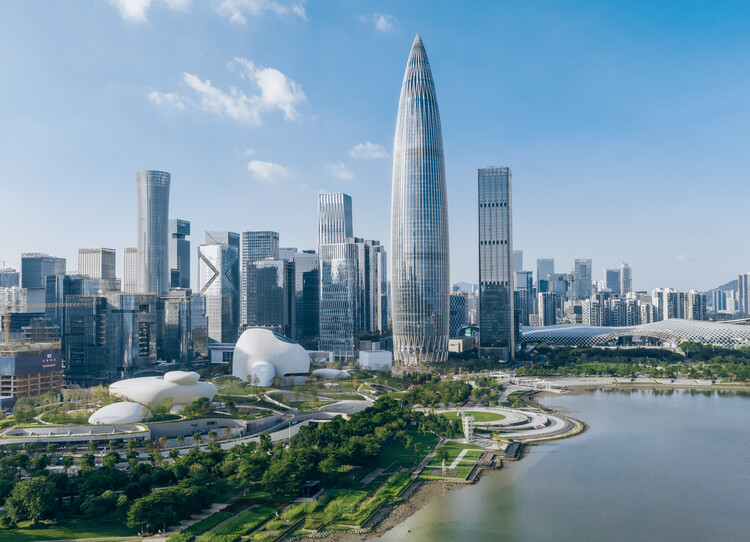
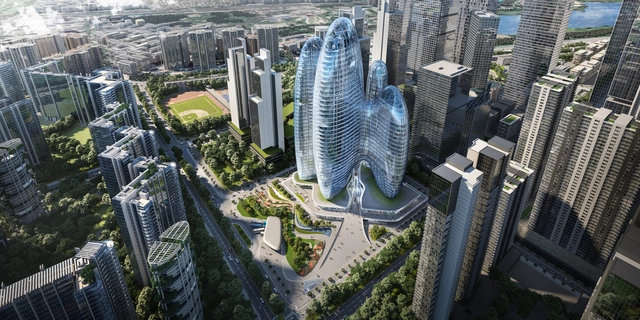
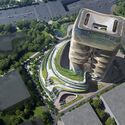
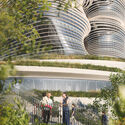
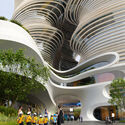
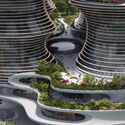
Construction of Zaha Hadid Architects' Yidan Center in Shenzhen, China, has reached full height. The new landmark will serve as the headquarters of the Chen Yidan Foundation and the Yidan Prize, organizations dedicated to promoting lifelong learning and innovation in education. The center will host facilities for academic research, cultural events, and exhibitions, supporting the foundation's mission to advance global education. Located adjacent to the Qianhai Museum, the Yidan Center helps define a new cultural quarter in China's third-most-populous city.
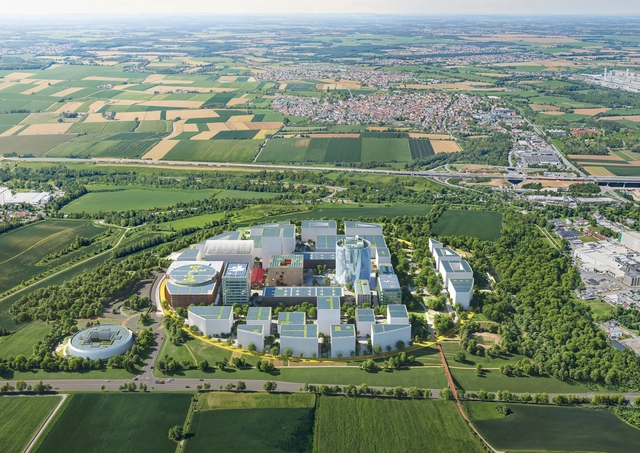
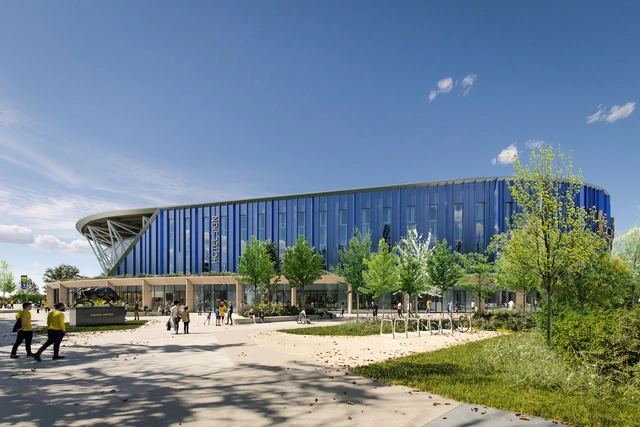
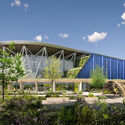
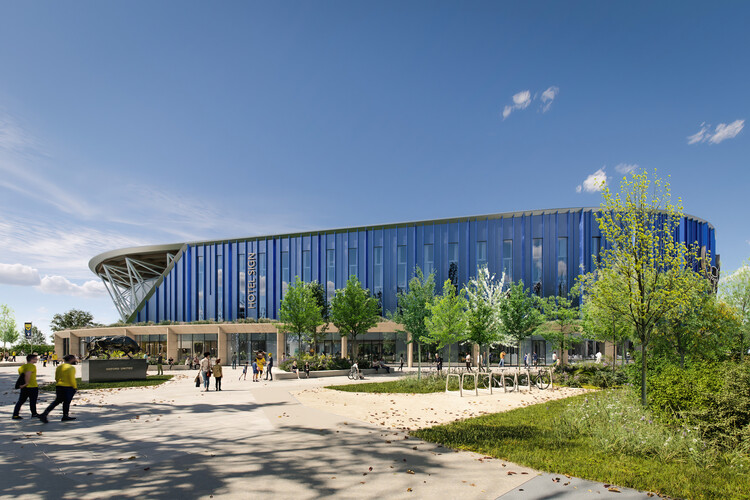
Oxford United Football Club's planning application for a new all-electric football stadium has been approved by Cherwell District Council. The scheme was developed by a team that includes AFL Architects, Mott Macdonald engineering services, Fabrik landscape design, and Ridge and Partners built environment consultants. Designed for a capacity of 16,000 spectators, the master plan also proposes a 1,000-person events space, a 180-bed hotel, a restaurant, a health and wellbeing centre, and a new public plaza with gardens.
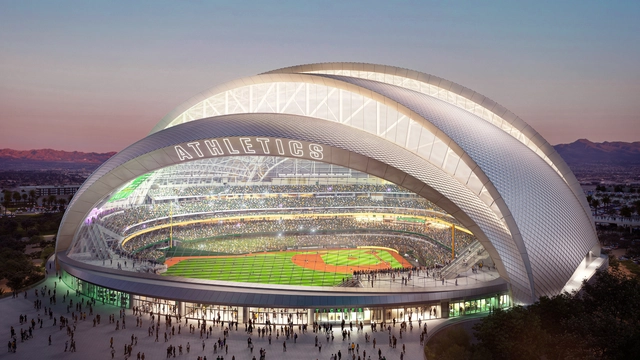
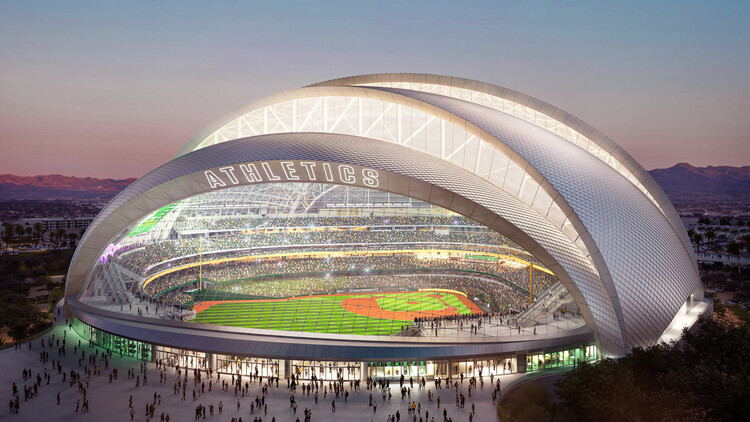
BIG – Bjarke Ingels Group, in collaboration with HNTB, has broken ground on its first-ever realized Major League Baseball stadium, marking a new chapter for the Athletics as they relocate to Las Vegas. The new A's Ballpark is scheduled to open ahead of the 2028 MLB season and will serve as the team's permanent home in the city. The architectural vision is supported by a broad team of collaborators, including Thornton Tomasetti, Henderson Engineers, CAA ICON, Mortenson, and McCarthy Building Companies. Located in what is widely known as "The Entertainment Capital of the World," the project reflects the growing presence of major sports infrastructure in Las Vegas.
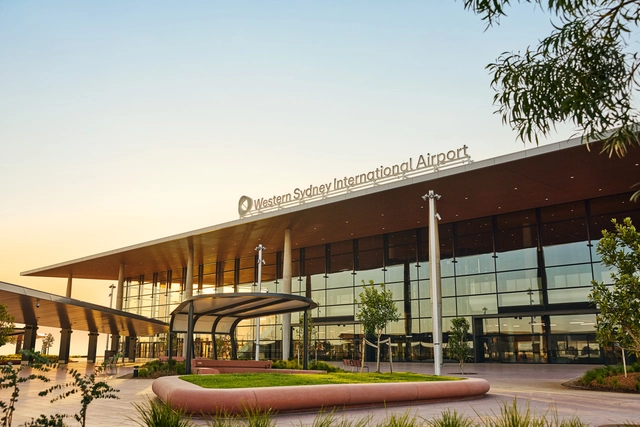
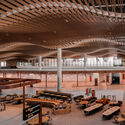
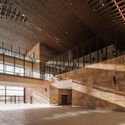
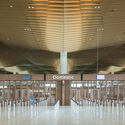
Western Sydney International Airport. Image Courtesy of Western Sydney International Airport
The first photos of the recently completed Western Sydney International (Nancy-Bird Walton) Airport (WSI) have just been unveiled, marking the delivery of Australia's first major airport in over half a century. The design was developed with Zaha Hadid Architects and COX Architecture involved in the initial design concept, and Woods Bagot as the leading design and delivery as part of Multiplex's design team. The terminal presents a new model for airport design, one that is grounded in its setting, responsive to its context, and oriented toward the future of travel. Located in Badgerys Creek on the Cumberland Plain, the terminal is positioned to serve as a long-term gateway to Greater Sydney. While major construction has concluded, final fit-outs of the terminal's retail precinct and airline lounges will be completed closer to the airport's official launch, as commercial agreements continue to progress. Western Sydney International Airport is on track to begin operations, including domestic, international, and air cargo services, in late 2026.
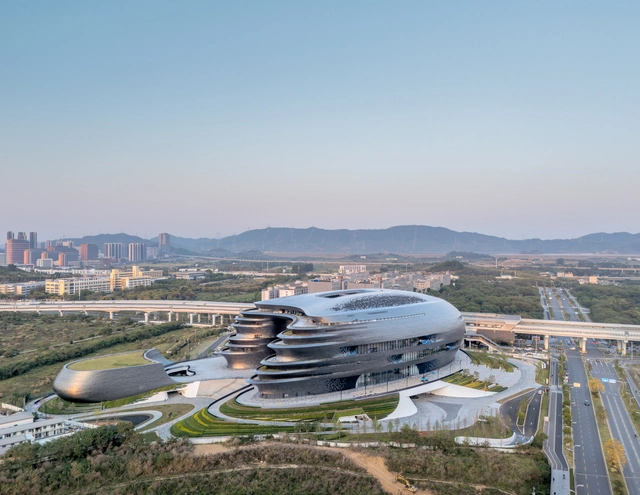
Zaha Hadid Architects has just revealed that the Shenzhen Science & Technology Museum, located in the Guangming District, has officially opened. Designed as a platform to highlight scientific research and technological innovation, the institution will explore the role of science in shaping the future. Adjacent to Guangming Station on Shenzhen's metro network, the design responds to its location as a solid, spherical volume facing the city, defining the southeast corner of the new Science Park. The museum aims to provide a space for public engagement with current developments in science and technology.