1. ArchDaily
  2. topography

topography: The Latest Architecture and News

Rethinking the Flat Datum: Designing Space with Incline and Intent

Subscriber Access | 

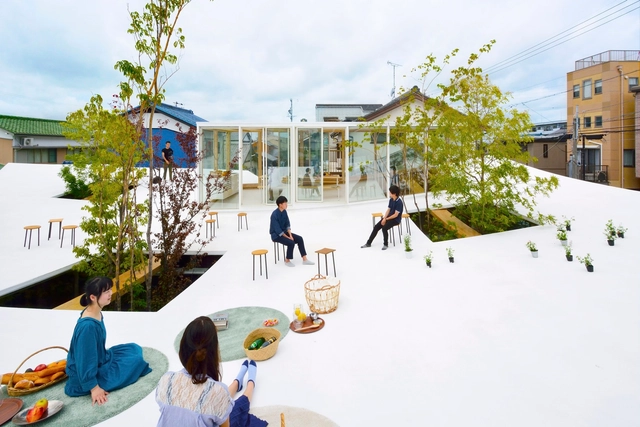
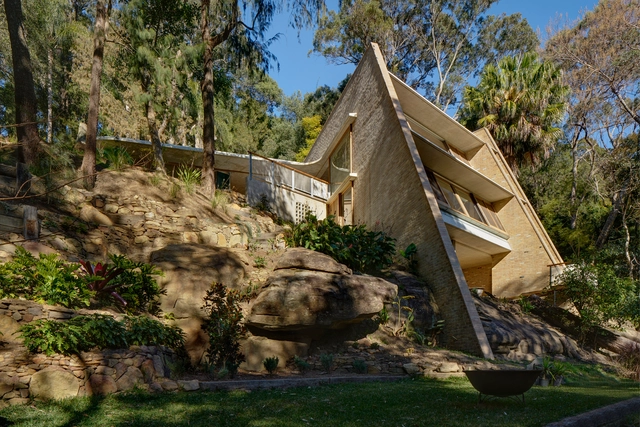
Historically, architecture and the built environment have insisted on creating flat, hard surfaces. In earlier eras, walking without paved ground meant mud-caked shoes, uneven footing, tripping hazards, standing water after rain, and high maintenance. Hence, as we shaped cities, we prioritized a smooth, continuous, solid horizontal datum. The benefits are real: easier walking, simpler cleaning, and straightforward programming—furniture, equipment, and partitions all prefer a level base. This universal preference for building on flat ground remains the norm and, for many practical reasons, will likely continue to be.

What's less recognized is that making a truly flat surface is surprisingly difficult—and many well-executed "flat" floors aren't perfectly flat at all. They are often gently sloped, calibrated to precise gradients for drainage. While interior spaces do not always require this, many ground floors and wet areas do incorporate subtle inclines as a safeguard—whether for minor flooding or to manage water that overflows from the street or plumbing when one of the discharge systems is malfunctioning.

Rethinking the Flat Datum: Designing Space with Incline and Intent - Imagen 1 de 4Rethinking the Flat Datum: Designing Space with Incline and Intent - Imagen 2 de 4Rethinking the Flat Datum: Designing Space with Incline and Intent - Imagen 3 de 4Rethinking the Flat Datum: Designing Space with Incline and Intent - Imagen 4 de 4Rethinking the Flat Datum: Designing Space with Incline and Intent - More Images+ 49

OMA Unveils Hillside Redevelopment Project in Busan, South Korea

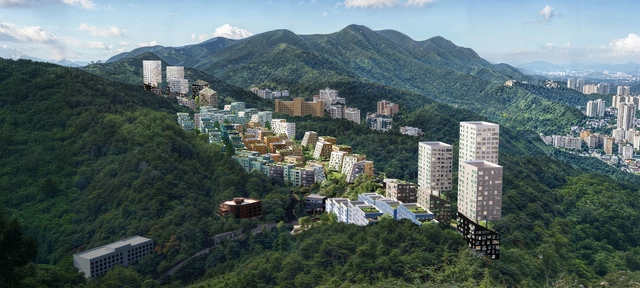
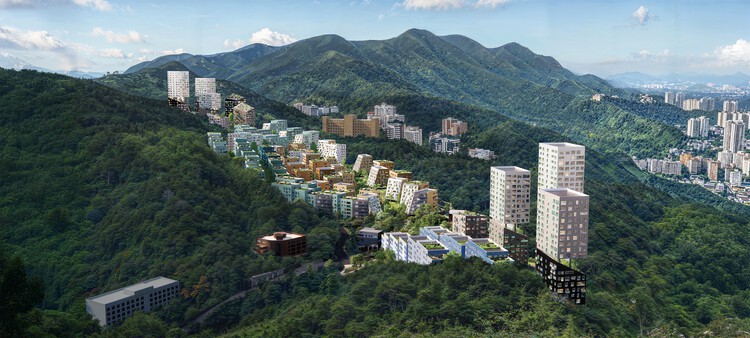
The Busan Slope Housing project by OMA addresses urban redevelopment on the steep hillsides of Busan, South Korea, drawing on the city's topographical complexity and historical settlement patterns. Developed in collaboration with the Busan Architecture Festival and the Department of Housing and Architecture, the project explores strategies to rethink hillside neighborhoods while responding to both contemporary housing needs and the social and spatial legacies of these areas. Rather than replacing these areas with conventional high-rise estates, OMA envisions a flexible, context-responsive framework that integrates contemporary housing typologies with the site's inherited structure.

OMA Unveils Hillside Redevelopment Project in Busan, South Korea - Image 1 of 4OMA Unveils Hillside Redevelopment Project in Busan, South Korea - Image 2 of 4OMA Unveils Hillside Redevelopment Project in Busan, South Korea - Image 3 of 4OMA Unveils Hillside Redevelopment Project in Busan, South Korea - Image 4 of 4OMA Unveils Hillside Redevelopment Project in Busan, South Korea - More Images+ 4

From Vietnam to Poland: 6 Unbuilt Residences Immersed in Nature

Subscriber Access | 

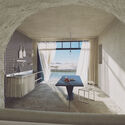
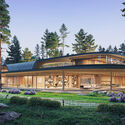
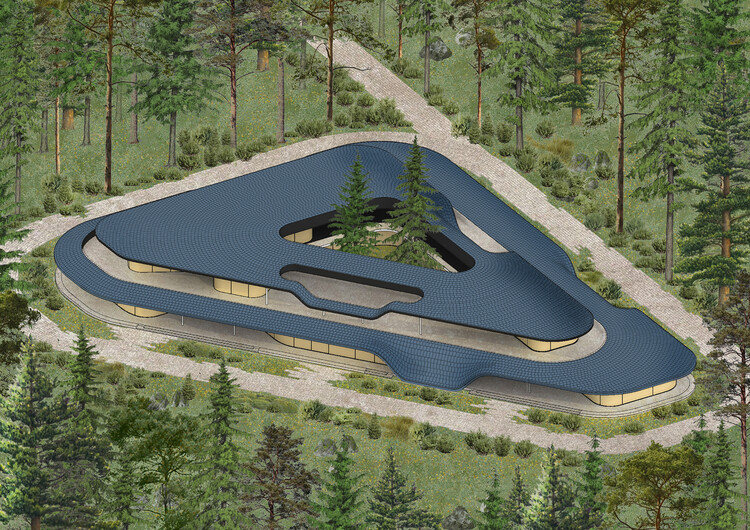
Across diverse climates and landscapes, architects are reimagining the home as a place deeply rooted in its surroundings, where architecture and environment work together to nurture well-being. This curated selection of unbuilt residences, submitted by the ArchDaily community, are conceived as sanctuaries, offering respite from the pace of urban life and drawing on the restorative qualities of greenery, water, and open air. Nature is utilized as an active presence, shaping courtyards, guiding circulation, and influencing the choice of materials and colors.

From Vietnam to Poland: 6 Unbuilt Residences Immersed in Nature - Image 14 of 4From Vietnam to Poland: 6 Unbuilt Residences Immersed in Nature - Image 23 of 4From Vietnam to Poland: 6 Unbuilt Residences Immersed in Nature - Image 26 of 4From Vietnam to Poland: 6 Unbuilt Residences Immersed in Nature - Image 5 of 4From Vietnam to Poland: 6 Unbuilt Residences Immersed in Nature - More Images+ 30

Contemporary Mosques: Using Context as Driver over Symbolism

Subscriber Access | 

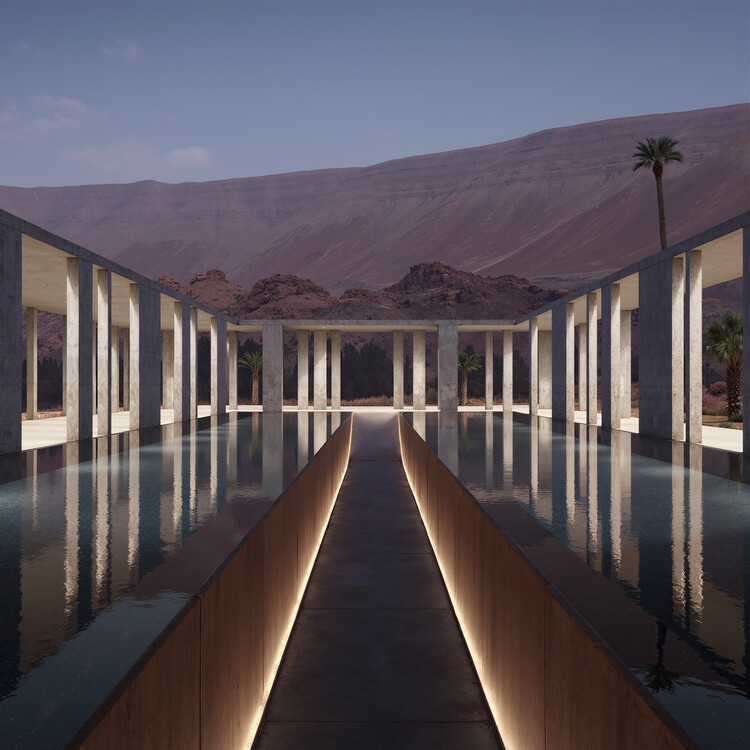
The configuration of the mosque, the worshipping place for Muslims, traces its history to the courtyard of the religion's founder. The first mosques were, therefore, simple open spaces marked for ritual prayer use. Over the years and centuries, they would gain multiple standard, functional features, such as the mihrab, a niche that indicates the direction of prayer, and the minbar, a pulpit for the preacher to give the sermon. Other elements also became common, such as domes and minarets, which were historically used for the call to prayer. These had the additional purpose of signifying the function of the building as a mosque and were used by rulers and benefactors to elevate its grandeur.

In contemporary times, mosques are not immune from architectural debate. Elements that have no religious function are questioned, as is the relationship between a mosque and its context. The discussion is especially stark in parts of the world with relatively new Muslim communities, where some theorists have advocated for the removal of symbolic elements on the basis that they are 'pastiche,' while others are nostalgic about the sentimentality associated with historical forms. Nonetheless, contemporary architects have been successfully elevating mosque architecture, fulfilling its functional requirements creatively, while allowing the building's context to drive the form.

Contemporary Mosques: Using Context as Driver over Symbolism - Image 1 of 4Contemporary Mosques: Using Context as Driver over Symbolism - Image 2 of 4Contemporary Mosques: Using Context as Driver over Symbolism - Image 3 of 4Contemporary Mosques: Using Context as Driver over Symbolism - Image 4 of 4Contemporary Mosques: Using Context as Driver over Symbolism - More Images+ 6

OMA / Chris van Duijn Wins Bid to Design Hongik University's New Campus in Seoul

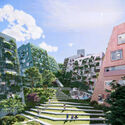
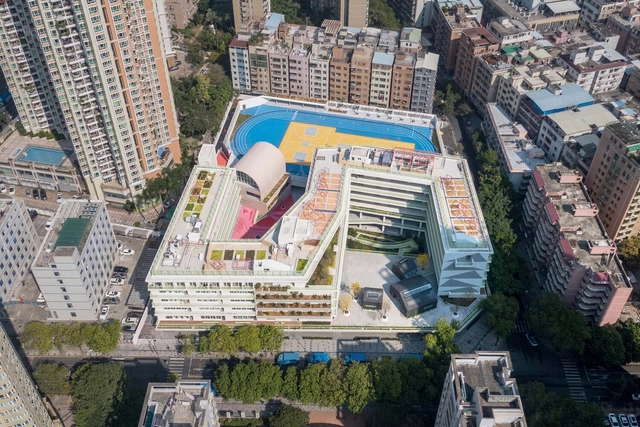
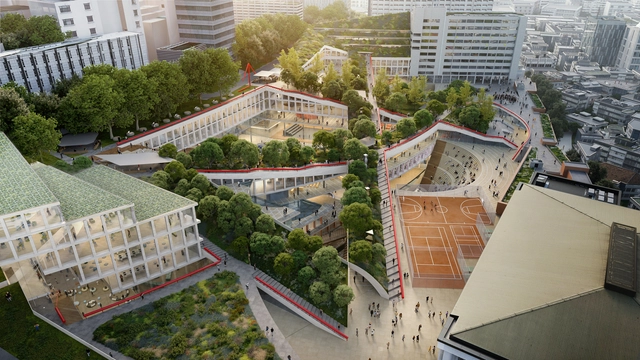
OMA / Chris van Duijn won the competition to design a new campus for Hongik University in Seoul, South Korea. The proposal introduces a cluster of low-rise buildings interconnected by a network of public spaces molded on the existing topography of the site. The design aims to reemphasize the university’s connection to the city and its neighboring areas and to introduce greenery and various open spaces creating a seamless connection between roof terraces, outdoor courtyards, and sunken plazas. The winning proposal was chosen from the entries from established international practices, including SANAA, Herzog & de Meuron, Renzo Piano Building Workshop, and David Chipperfield Architects.