No matter how long, how far, or how restful a trip away is, one of the most relaxing moments of any vacation is when you get home. When every muscle in the body relaxes as you collapse into your own chair, greeted by the comforting features of a home you didn’t previously realize you missed.
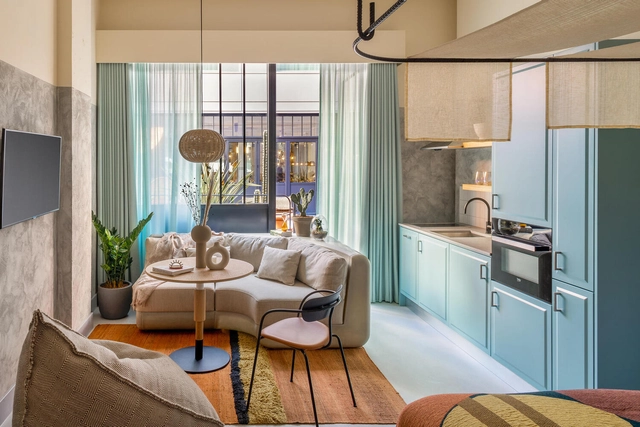
After the rise of Airbnb and other likeminded travel accommodation sites and services, providing real homes –or at least characterful spaces dressed up as them– to travelers searching for more familial home comforts, hoteliers, designers, and architects are taking note, and implementing features that turn the hotel room into a home away from home.
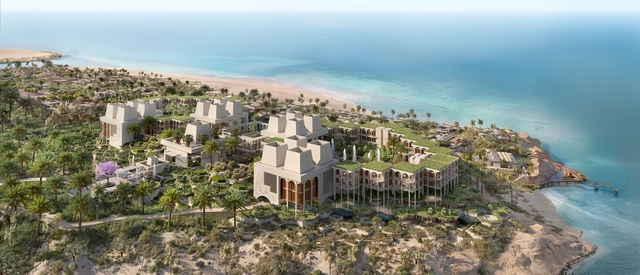
The Developer Red Sea Global has partnered with the wellness brand Clinique La Prairie to develop a high-end health resort in Amaala, located on the northwest coastline of Saudi Arabia. The resort will host 13 villas and 52 houses and suites. It will also feature a diagnostics lab, a museum, a beach club, workshops, training rooms, private dining spaces, and a cooking school, activities that ensure that the visitors embark on a journey of rejuvenation and self-discovery.
In hospitality, first impressions count. Corian® Solid Surface – an exclusive product of Corian® Design, a division of DuPont company – has become a more and more regular guest in hotels over the past decades as designers and architects look to create highly hygienic and adaptable interior designs. designboom and ArchDaily concluded its three-part webinar series with the material producer, this time to explore the future of hospitality design. Leading architectural and design experts joined the live conversation, including TBI Architecture & Engineering, JOI-Design and Ultraspace – watch above.
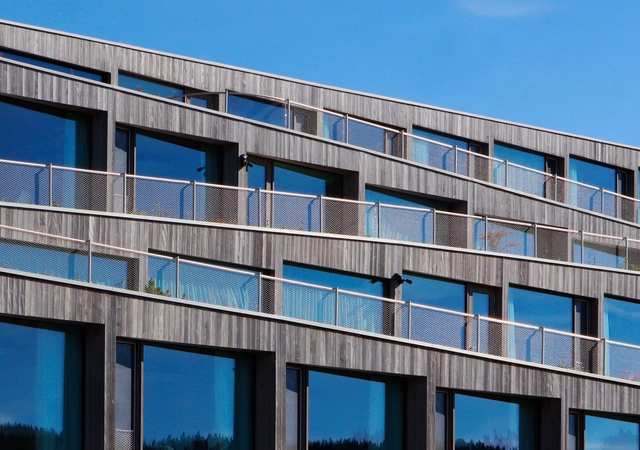
In a recent photo series, Paul Clemence turns his lens toward Bjarke Ingels Group's (BIG) Hôtel des Horlogers, located in the Swiss Village of Le Brassus in Switzerland. Previously known as Hôtel de France, which opened in 1857, Audemars Piguet reimagined the project. BIG, an international studio known for avant-garde architecture and experimentation, continues to see this claim to its end through the design of a compact structure made up of five floors, with its rooms connected in a single zig-zag path. Designed in collaboration with the Swiss design firm, CCHE, a futuristic structural form featuring layers of long ramps was assembled for Audemars Piguet's vision of a luxury hotel.
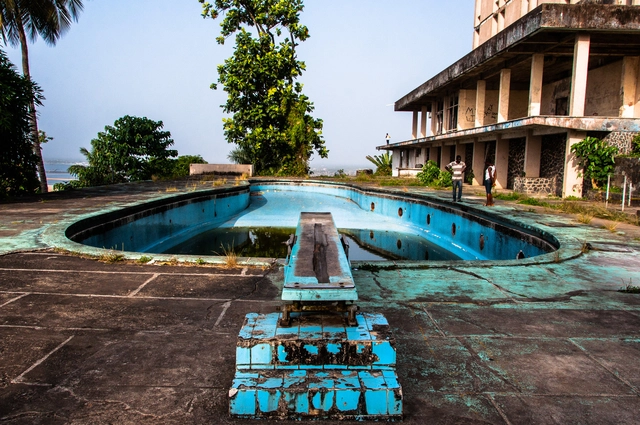
The luxury hotel, as an architectural typology, is distinctive. In effect, it's a self-contained community, a building that immerses the well-off visitor into their local context. Self-contained communities they might be, but these hotels are also vessels of the wider socioeconomic character of a place, where luxury living is often next door to informal settlements in the most extreme examples of social inequality.
Mayor of New York, Eric Adams, expressed his support for a state bill that would make it easier for the city to convert underutilized or vacant hotels into affordable and supportive housing. The mayor urges New York state legislators to unlock a critical tool in combating the affordable housing crisis and tackling homelessness in the process. The conversion framework proposed by the bill would allow authorities to create affordable housing units at two-thirds of the cost and one-third of the time necessary for ground-up construction.
Hotels are a hub for commerce, transportation and culture. Today, interior designers are redefining hospitality spaces to accommodate new forms of travel, communication and rest. From historic renovations to contemporary ground-up hotels, these projects center around leisure and memorable guest experiences. In turn, they express brand identity to rethink what interior design and hospitality will be in the future.
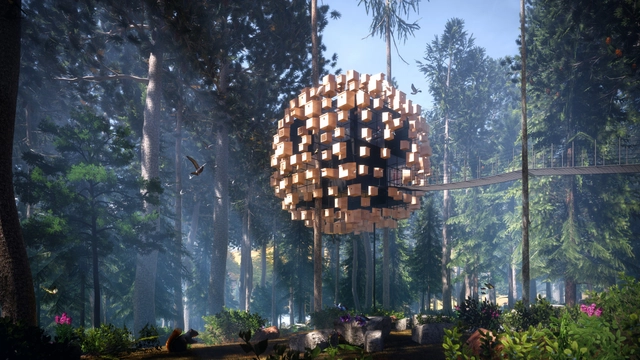
BIG revealed the design for a treetop hotel room wrapped in 350 bird houses created for the Treehotel in Lapland, Sweden. Designed in collaboration with ornithologist Ulf Ohman, the 34 square-metre Biosphere room seeks to enhance the surrounding biosphere by providing a habitat for local birds while allowing guests to be immersed in the surrounding forest. The project is the latest addition to the hotel's series of individually designed rooms created by some of Scandinavia's most renowned architects, such as Snøhetta, Rintala Eggerstsson, and Tham & Videgard.
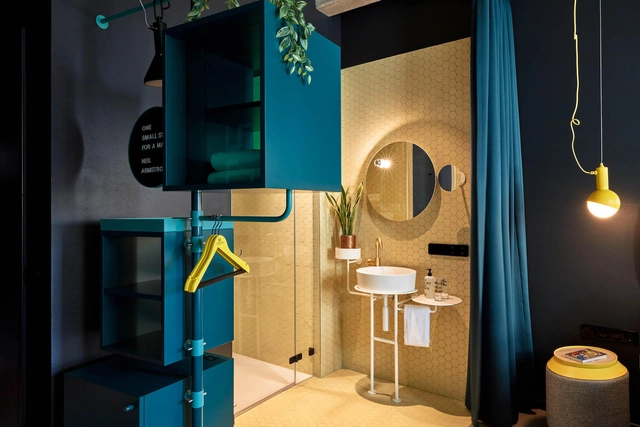
As a room everyone needs to visit, no matter what their social standing (or sitting), bathrooms can be one of the best ways to add character to a project. Used when we are at our most vulnerable, bathrooms are calm, solitary arenas, giving a few minutes of peace in an otherwise hectic environment. So the originality of the user experience can really stand out.
Whether they bring relaxation to hospitality, individuality to residential or drama, and culture to public space, bathrooms can both surprise and delight users, while allowing them to rest. Here are eight projects where a designer bathroom is an integral part of interior architecture.
All over the globe, countries are facing a housing crisis. United Nations statistics put the number of people who live in sub-standard housing at 1.6 billion, and 100 million of the world’s population are without a home. As conflicts and climate change forces refugees to move to new countries, and as housing prices around the world continue to rise, cities are having to grapple more and more with how to provide safe and affordable housing for their residents.
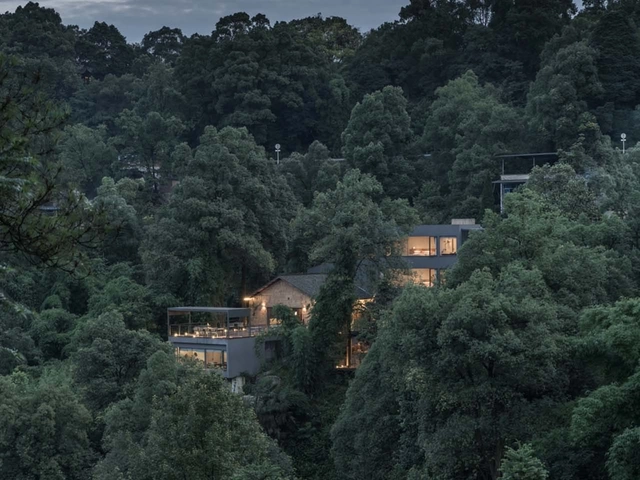
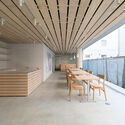
NanShan B&B Hotel / Priestman Architects. Image Courtesy of Luyi Photograph
A border city can be classified as an urban agglomeration close to the boundary of two countries, states, or regions. Nowadays, as our cities are rapidly expanding and our transportation modes continually upgrading, the boundary between cities and rural areas has been constantly pushed and redefined.
The new Piccadilly Hotel in the United Kingdom by FCBStudios has received planning approval from the Manchester City Council. Designed for Pestana’s Cristiano Ronaldo CR7 brand, the hotel is sited at the corner of Piccadilly and Newton Street with a lounge bar and rooftop terrace. The scheme reuses a Grade II listed building with an 11-story new build to mark the gateway to the Northern Quarter and city center.
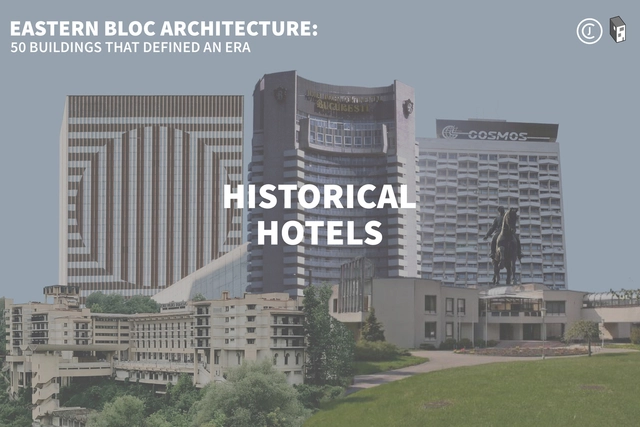
This article is part of "Eastern Bloc Architecture: 50 Buildings that Defined an Era", a collaborative series by The Calvert Journal and ArchDaily highlighting iconic architecture that had shaped the Eastern world. Every week both publications will be releasing a listing rounding up five Eastern Bloc projects of certain typology. Read on for your weekly dose: Historic Hotels.
https://www.archdaily.com/944207/eastern-bloc-architecture-historic-hotelsLucía de la Torre
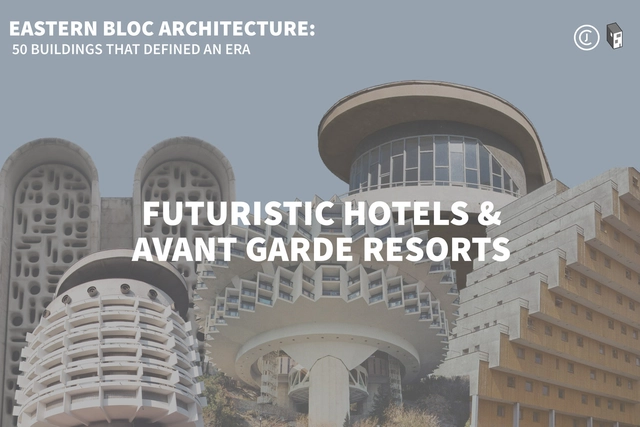
This article is part of "Eastern Bloc Architecture: 50 Buildings that Defined an Era", a collaborative series by The Calvert Journal and ArchDaily highlighting iconic architecture that had shaped the Eastern world. Every week both publications will be releasing a listing rounding up five Eastern Bloc projects of certain typology. Read on for your weekly dose: Futuristic Hotels and Avant-Garde Resorts.
https://www.archdaily.com/942248/eastern-bloc-architecture-futuristic-hotels-and-avant-garde-resortsLucía de la Torre
The world winners of the Prix Versailles 2019 were announced at the UNESCO headquarters in Paris, celebrating 12 projects in the categories of Shops & Stores, Shopping Malls, Hotels and Restaurants.
The world jury was composed of David Adjaye, Kazuyo Sejima, Francesco Bandarin, Iris Van Herpen, Philippe Starck, Alondra de la Parra, Ferran Adiá and Thomas Vonier. Read on to see the selected projects.

























.jpg?1609277051&format=webp&width=640&height=580)
.jpg?1609277115 "Courtesy of FCBStudios")

.jpg?1609276989 "Courtesy of FCBStudios")
.jpg?1609277252 "Courtesy of FCBStudios")
.jpg?1609277051)

.jpg?1569347552&format=webp&width=640&height=580)