


-
Architects: WEI architects/ELEVATION WORKSHOP
- Area: 990 m²
- Year: 2015


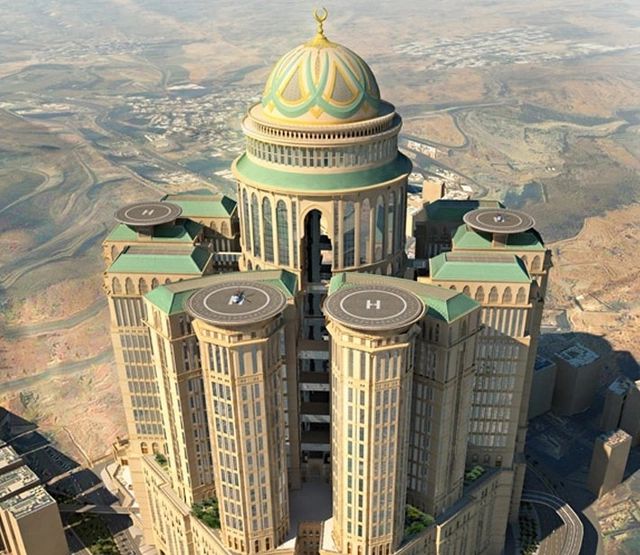
Mecca has unveiled plans to build the world's largest hotel by 2017. The 10,000-room Abraj Kudai hotel will be built in the Manafia district, just south of the Grand Mosque. It will be a city within a city, hosting 70 restaurants, food courts, a bus station, shopping mall, conference center, ballroom and five floors dedicated entirely to the Saudi royal family; all will be set within a cluster of 12 towers standing atop a 10-story podium and centered around a massive dome.
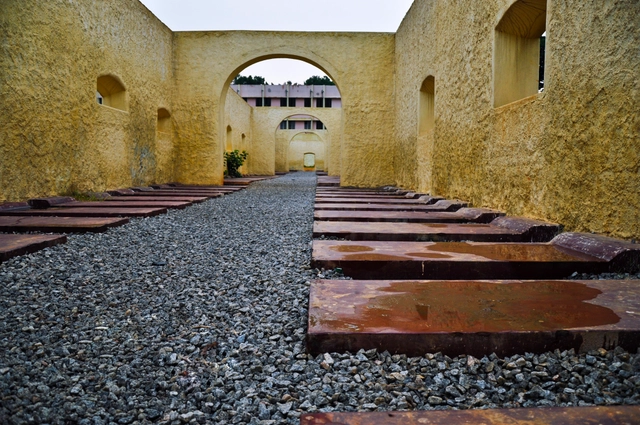
Prisons are often seen as problematic for their local communities. After centuries of correctional facilities discouraging economic growth and occupying valuable real estate as a necessary component of towns and cities, many of these institutions have been relocated away from city centers and their abandoned vestiges are left as unpleasant reminders of their former use. In fact, the majority of prisons built in the United States since 1980 have been placed in non-metropolitan areas and once served as a substantial economic development strategy in depressed rural communities. [1] However, a new pressure is about to emerge on the US prison systems: beginning in 2010, America's prison population declined for the first time in decades, suggesting that in the near future repurposing these structures will become a particularly relevant endeavor for both community development and economic sustainability. These abandoned shells offer architects valuable opportunities to reimagine programmatic functions and transform an otherwise problematic location into an integral neighborhood space.
Why repurpose prisons rather than starting fresh? The answer to this question lies in the inherent architectural features of the prison typology, namely the fact that these structures are built to last. People also often forget that prison buildings are not limited to low-rise secure housing units - in fact, prisons feature an array of spaces that have great potential for reuse including buildings for light industrial activity, training or office buildings, low-security housing, and large outdoor spaces. These elements offer a wide variety of real estate for new programmatic uses, and cities around the world have begun to discover their potential. What could the US learn from these examples, at home and overseas?
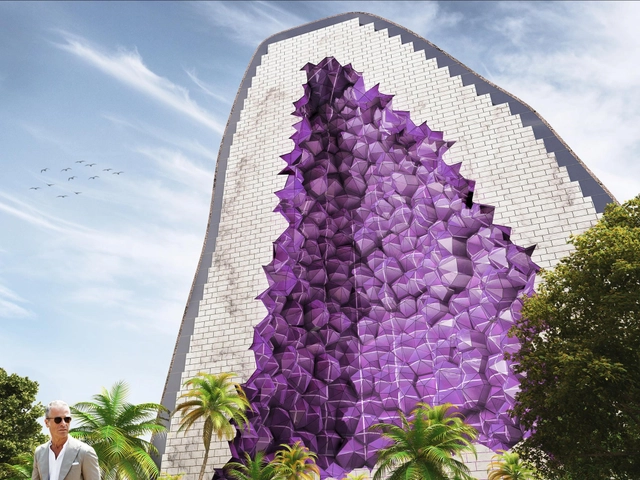
Cultures around the world attribute magical properties to the amethyst gem. The lustrous purple quartz is said to bring good fortune, heal illness, and calm the mind. It makes sense, then, that NL Architects have modeled their latest hotel chain proposal after an amethyst geode. Designed based on the original hotel layouts of John Portman, this visually striking tower series aims to serve as a symbol of hospitality and well-being for visitors around the world.
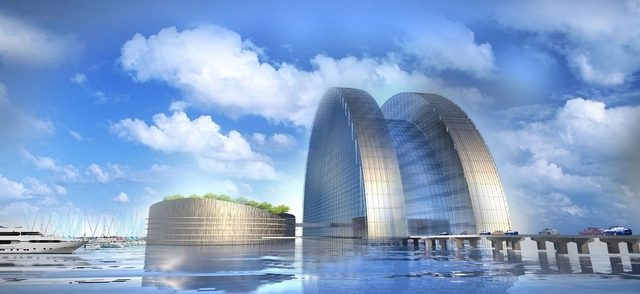
New York-based firm M Castedo Architects have unveiled their designs for the "Silver Pearl Hotel", a 1000-room luxury resort and conference facility for the Qatar 2022 World Cup located 1.5 kilometers off the Doha coastline. The $1.6 billion design consists of two 30-story semicircular towers connected by a full height, transparent climate controlled atrium, with unimpeded views of the sea beyond. Access to the hotel will be provided by a four lane elevated causeway over the sea - or alternatively by private yacht or helicopter, say the architects.
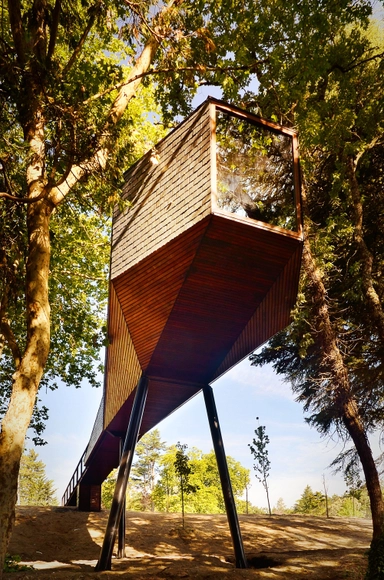
This Financial Times article describes the Post-Recession paradigm shift occurring in Portuguese architecture -- from construction to landscape, large to small. Pritzker Prize winners Alvaro Siza and Eduardo Souto de Moura have been leading this "micro" trend, designing hotels with exceptional materiality and craft. We've decided to round up some of these extraordinary structures, including: Casa Na Areia and Cabanas no Rio by Aires Mateus, Jorge Sousa Santos’ Rio do Prado, the Ecork Hotel by Jose Carlos Cruz and Villa Extramuros by Jordi Fornells. Last but not least, is ArchDaily’s building of the year for hospitality architecture -- the Tree Snake Houses from father Luís Rebelo de Andrade and son Tiago Rebelo de Andrade.