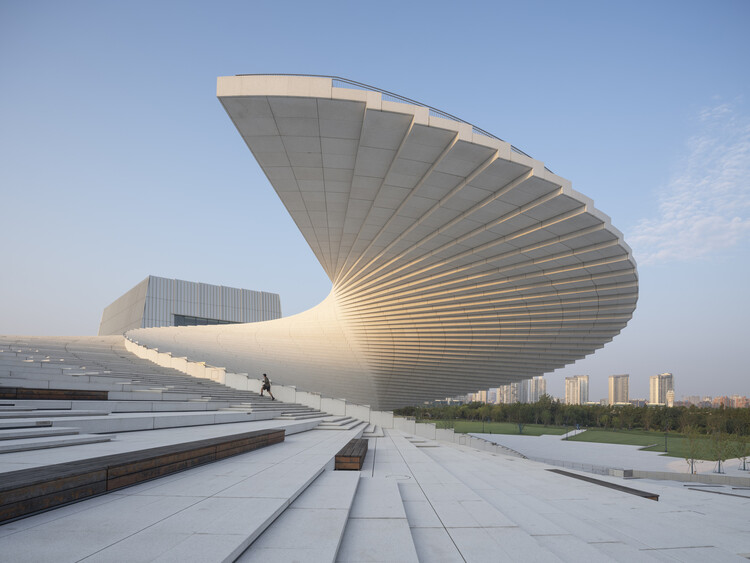
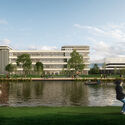
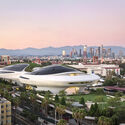
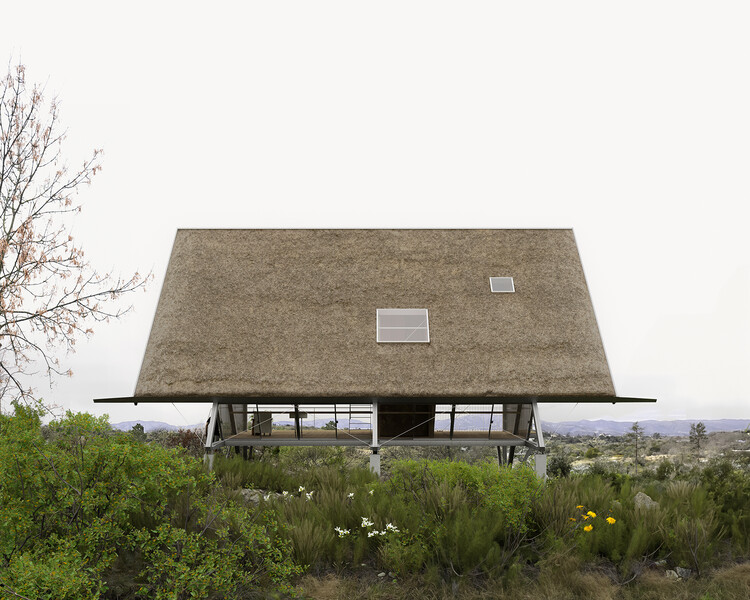
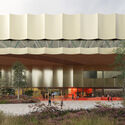
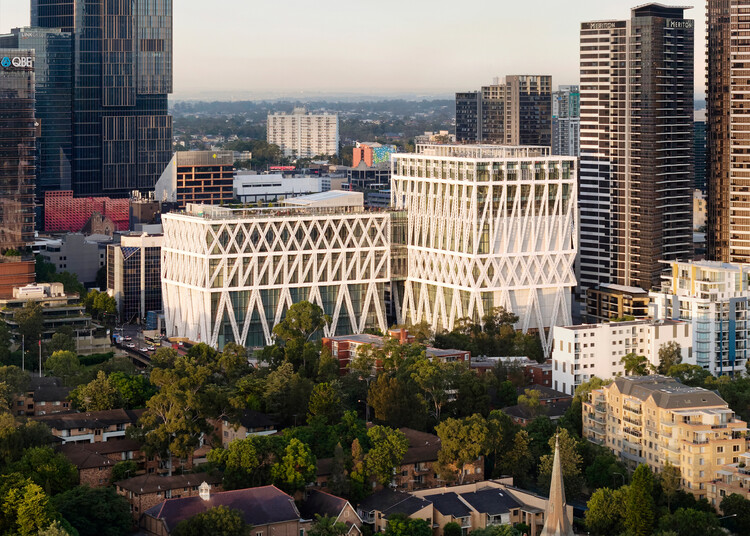
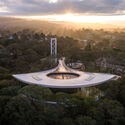
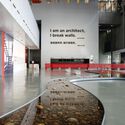
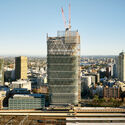
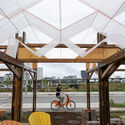
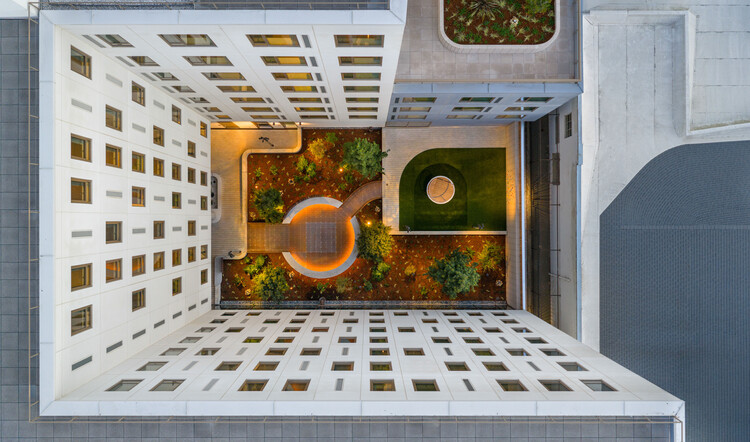
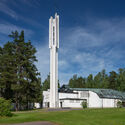
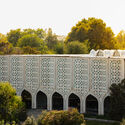
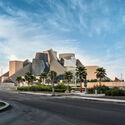
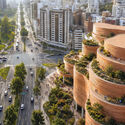
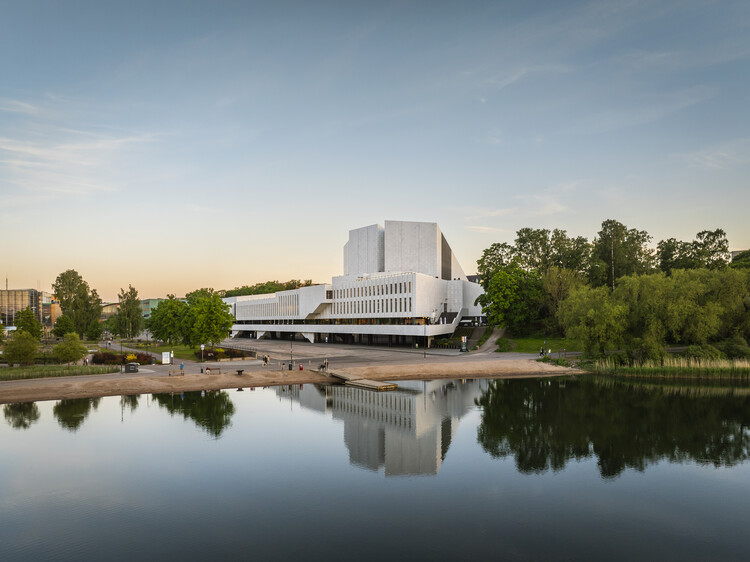
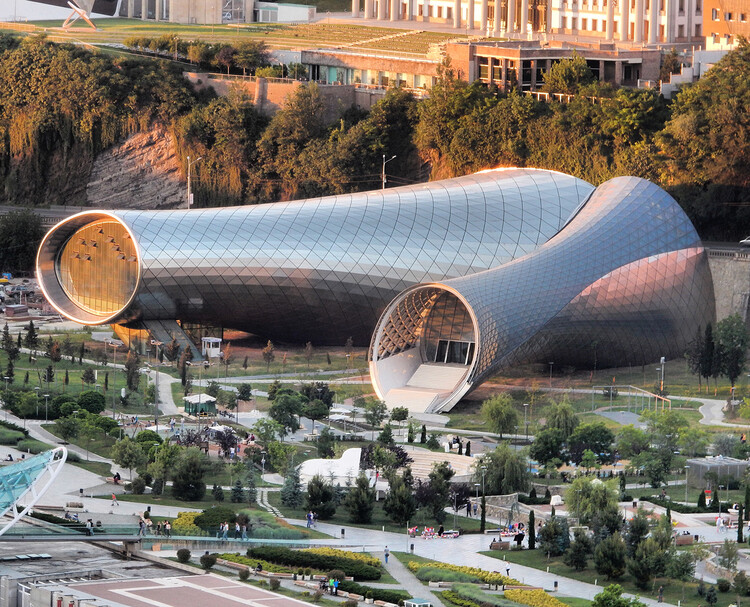
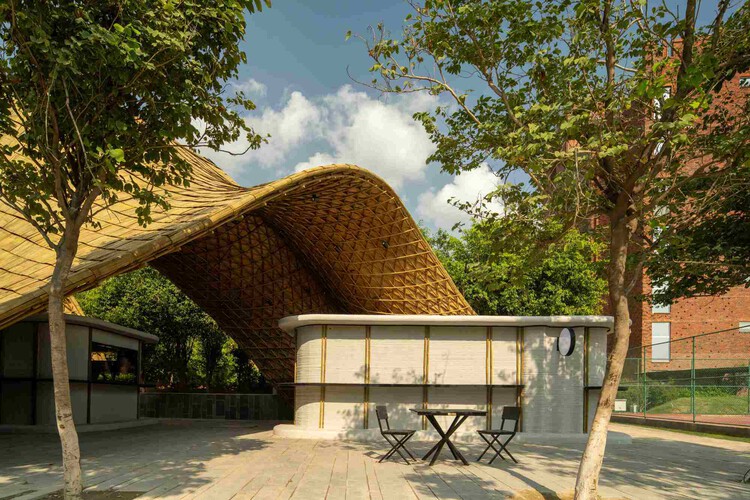
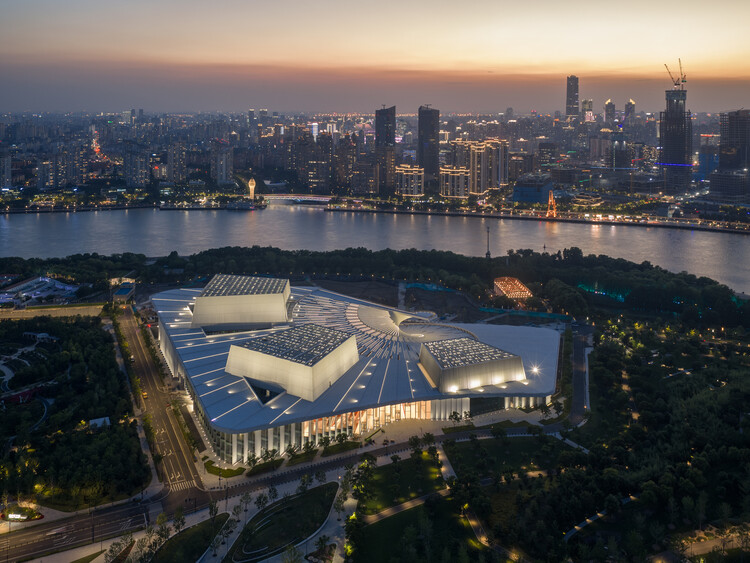
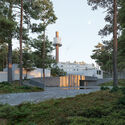
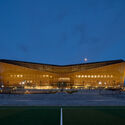
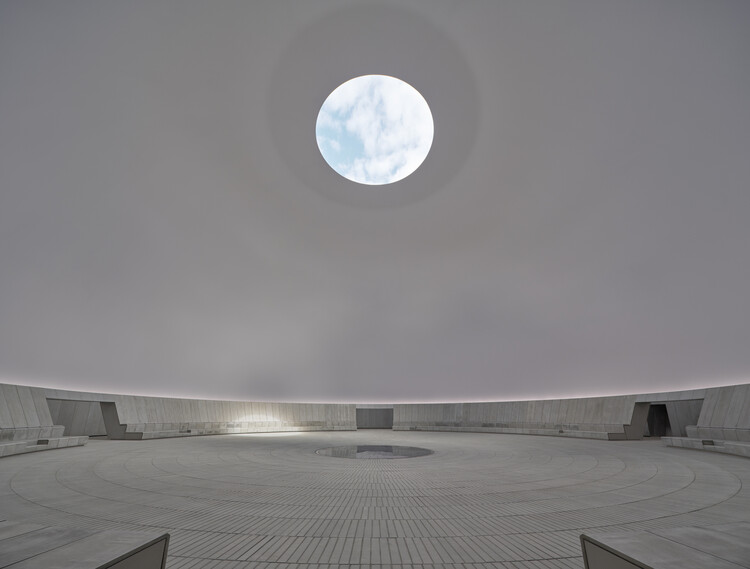
An international cultural venue was inaugurated this week after a decade-long construction process. Snøhetta's Shanghai Grand Opera House opened to the public on October 17, 2026, on the banks of the Huangpu River in Shanghai, China. Against a backdrop of declining cultural investment in several countries around the world, the project offers a new platform for the development of the arts. This week's coverage also included reports on classical and modern heritage, plans for international biennials and the recognition of two projects for their new approaches to architecture. On our radar this week, we feature an upcoming exhibition on Italian sculptor Costantino Nivola, updates on the 1901 Project in Chicago and a new gateway pavilion at the Goois Nature Reserve in the Netherlands.
This week, questions about housing, safety, and the future of cities came into focus, from the impact of natural hazards to architecture's role in shaping more inclusive urban environments. The International Day for Disaster Risk Reduction, observed on October 13 under the theme "Resilience Starts at Home," highlighted these questions just days after a magnitude 7.7 earthquake struck Panama, damaging buildings and prompting evacuations nationwide. Beyond disaster preparedness, the week's developments also reflect broader efforts to address housing needs, give existing buildings new purposes, and create spaces that support education, culture, and public life.
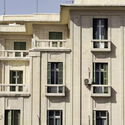
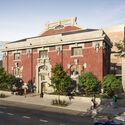
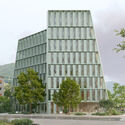
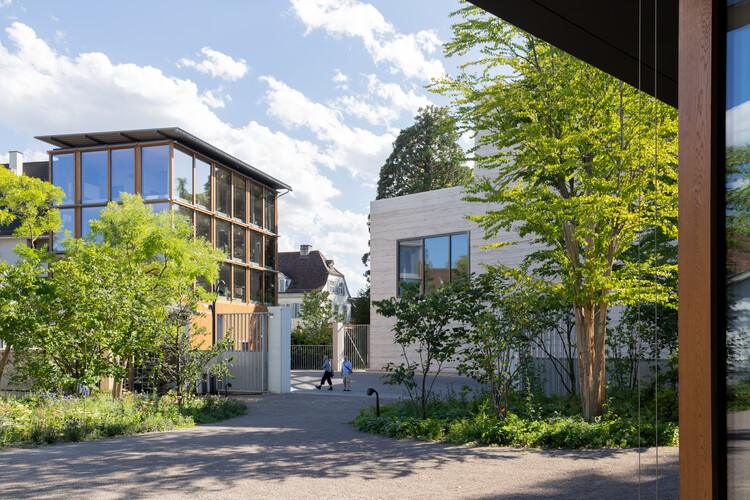
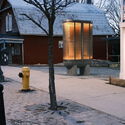
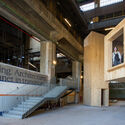
The week began with World Architecture Day, drawing attention to the global housing crisis as a fundamental element of human dignity, inclusion, and well-being. In a joint message between the UIA and the United Nations, this year's call is to focus disciplinary efforts on building not only residential structures but also systems to better distribute and use what already exists, proposals that enable new ways of living and alternatives for a more sustainable industry. Aligned with this concept, we featured three projects where reuse and representation converge, and three others that help establish a dialogue between what we consider old and what we can expect from the new. On this week's radar, we find another instance to reexamine the canons of modern architecture in Switzerland, the start of construction on a translucent yet hurricane-resistant building in the United States, and a winning entry for a mixed-use urban complex in Austria.
Architecture this week reflects on how buildings and cities adapt to changing cultural, social, and environmental conditions. From the expansion of established institutions and the preservation of architectural archives to new approaches to housing and the use of domestic space, several stories consider how architecture negotiates between existing contexts and future needs. These questions extend beyond individual buildings, touching on the role of public space, infrastructure, energy, and collective memory in shaping the built environment. At the same time, new projects and cultural programs across different contexts demonstrate how architecture can respond to local histories, urban transformation, and resource constraints while establishing new relationships between buildings, landscapes, and the communities that use them.
This week began with the United Nations' commemoration of the International Day of Peace, an invitation to ask what conditions are needed to cultivate nonviolence, social stability, and respect for human dignity. Against a backdrop of growing individual isolation, authoritarianism, and a multidimensional material crisis, we've gathered articles in which architecture mediates between conflict and coexistence through the construction of spaces for encounter and memory. Other news this week highlights a disciplinary tool that brings those two concepts together: the transformation of what we have already built to bring it up to date with our needs and aspirations, while another group of high-profile, large-scale projects opens in the Global North. On our radar, we also take a look at new projects in Dubai, Oxford, Portland and Paris, from major international firms.
Ben-Avid by Atelier Aveta. Featured in the Biennial's Central exhibition. Image Courtesy of Bienal Internacional de Arquitectura de Buenos Aires
Architecture this week turns toward the question of what the built environment can make possible, and what it asks in return. Discussions around democracy and public space consider how architecture can support participation, equity, and collective life, while new housing and cultural projects explore how buildings can respond to changing social needs through adaptability, shared space, and the reuse of existing structures. These concerns extend into the exhibition space, where the Tallinn Architecture Biennale examines the less visible costs of construction and the Buenos Aires Architecture Biennial looks at the many ways architecture shapes inhabitation. Across these different contexts, architecture emerges as a way of negotiating access, resources, community, and the long-term value of the built environment.
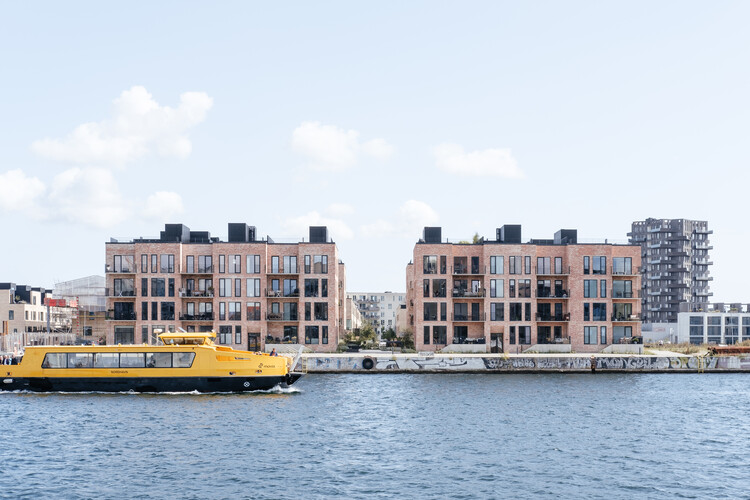
This week's stories share a common thread: the value of looking beyond established frameworks. Two French-Moroccan architects reflected on what architecture can learn from Moroccan culture and local knowledge, while the United Nations General Assembly voted to promote world map projections that more accurately represent the relative size of continents- a symbolic shift that challenges centuries of Eurocentric geographical representation, with direct implications for how we understand Africa and the Global South. A similar spirit of questioning convention runs through this week's featured projects, from city governments repurposing abandoned buildings for circular construction to the German Pavilion for the upcoming Venice Architecture Biennale addressing social isolation and democratic coexistence. On the Radar this week, we cover three recently announced projects: a new multifunctional sports complex in Hilversum that brings together sport, education, and community life around a continuous interior circuit; a low-density residential district in Yerevan where landscape restoration preceded construction; and a landscaped public plaza commissioned by the Las Vegas Raiders to replace underutilized parking lots adjacent to Allegiant Stadium.
A week of architecture news has highlighted the growing connections between environmental change, public systems, and the evolving role of architectural practice. Extreme weather events in different regions have drawn attention to the vulnerability of settlements, infrastructure, and territorial networks, while new approaches to housing demonstrate how changes in procurement, construction, and governance can influence architectural outcomes. At the same time, the recognition of established practitioners points to the lasting impact of architectural ideas across generations, as the profession continues to engage with questions of resilience, systemic change, and the broader conditions shaping the built environment.
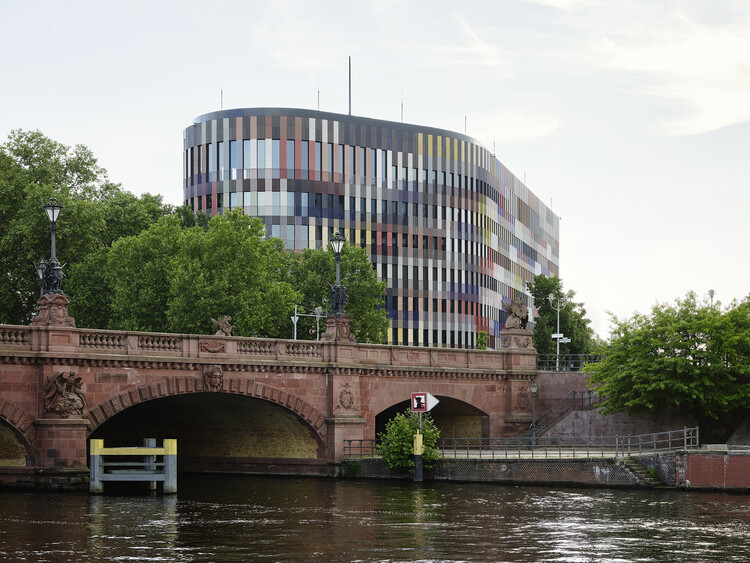
This week's news focused on how architecture engages with what already exists and communicates beyond the building itself. Several stories explored restoration and reuse, from the renewal of a historic university hall to the preservation of an artist's exhibition spaces and the incorporation of reclaimed materials into new construction. Elsewhere, architecture continued to serve as both subject and setting for exhibition, with new museum and cultural venue announcements examining architecture's broader social, technological, and ecological contexts. On the radar, three projects to watch: in Berlin, sauerbruch hutton has won the competition to extend the Federal Ministry of Defense's headquarters at the Bendlerblock; in Santa Barbara, SOM and Mithun have unveiled designs for a major new student housing complex at UC Santa Barbara; and, addressing a different kind of construction altogether, Paulo Tavares' practice Autonoma has launched Documental, an open-source platform that lets journalists, researchers, and civil organizations turn data, images, and satellite imagery into geolocated digital stories in defense of human and environmental rights.
This week's stories explore how architecture engages with questions of culture, access, and collective life, from new cultural institutions and exhibitions to public spaces and housing. This week, the 2026 NCARB by the Numbers report provided a broader perspective on the profession itself, showing that people of color accounted for 49% of licensure candidates in 2025 and women for 47%, compared with 21% and 28% among the overall architect population. The report offers one perspective on access within the profession, while projects and cultural initiatives further examine how architecture responds to different forms of public and collective life.
This week, architecture's relationship with culture took center stage through exhibitions, public projects, and new cultural infrastructure that extend architectural discourse beyond the building itself. While major exhibitions from Australia, Shanghai, Barcelona, and Copenhagen examined themes of housing, landscape, and place through research and design, newly unveiled projects in China and Italy demonstrate how museums, performance venues, and mixed-use projects are increasingly conceived as open public landscapes rather than isolated institutions, while new exhibitions and construction milestones reflect ongoing experimentation in adaptive reuse, context-responsive design, and flexible urban environments.
This week was marked by recognition and major announcements for the cultural industry. Amid international reports of both deliberate and natural destruction, UNESCO added 25 new sites of Outstanding Universal Value to its World Heritage List, protecting a diverse range of places that includes funerary landscapes and landmark works of modern architecture. Beyond heritage, contemporary architectural practice also received renewed recognition through Alejandro Aravena and Smiljan Radić, while new developments were announced for cultural projects across the United Arab Emirates, Ecuador, China, India, and the United States. Recent updates include the restoration of a landmark cinema in Los Angeles, a new museum dedicated to innovation and entrepreneurship in Bengaluru, and the topping out of a 39-story hybrid timber tower in Sydney.
This week in architecture, discussions around the lifespan of buildings, the evolution of cultural institutions, and climate-responsive design highlighted how contemporary practice increasingly extends beyond the moment of construction. From debates over demolition and adaptive reuse to new museums that integrate landscape and environmental performance, the week's developments reflect shifting priorities around permanence, transformation, and public value. Alongside these projects, major institutional announcements, from the RIBA Stirling Prize shortlist to the election of a new UIA leadership, offer insight into the architectural agendas shaping the profession across different scales and geographies.
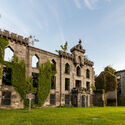
Architecture this week looked as much to the past as to the future. Across museums, restored landmarks, and large-scale urban redevelopments, the featured stories explored how architecture is continually reinterpreted through new cultural, political, and urban lenses. From reconsidering the architectural legacy of post-independence West Africa to transforming former prisons into energy-neutral neighborhoods and restoring twentieth-century cultural landmarks, the projects demonstrate how existing buildings and histories remain active participants in contemporary discourse. Alongside these interventions, the announcement of the World Architecture Festival shortlist and renewed attention to global urban growth provide a broader picture of a profession negotiating heritage, environmental responsibility, and rapidly changing cities.
This week belonged to the arts, with cultural architecture dominating headlines across the globe. Landmark buildings for major institutions advanced through important construction and design milestones, from the Shanghai Opera House to Abu Dhabi's new performing arts center, while two new museum commissions were announced following international competitions. Architecture also took centre stage as a subject of exhibition itself, with the Sharjah Architecture Triennial revealing its participant list and Austria unveiling its proposal for the 2027 Venice Architecture Biennale. Beyond these developments, this week's news compilation includes three upcoming urban design projects: in Seoul, South Korea, a new riverside neighbourhood in the Apgujeong district weaves residential towers around parkland connecting the city to the Han River; in Cardiff, Wales, a pedestrian and cycle bridge over the River Taff links waterfront neighbourhoods to new housing along the water's edge; and in Bengaluru, South India, the Museum of Art and Photography is expanding its public campus, adding new civic and cultural facilities alongside a major new sculpture park set within a UNESCO Biosphere Reserve in Tamil Nadu.
Recent events highlighted the many ways architecture responds to changing environmental, social, and cultural conditions. Major earthquakes in Venezuela, Japan, and Northern California renewed attention to the role of planning, infrastructure, and building practices in shaping resilience to natural hazards. As these questions continue to inform the built environment, the opening of the 2026 UIA World Congress of Architects in Barcelona brought together practitioners and researchers to discuss climate, housing, public space, and the future of the profession. Recent project announcements, preservation initiatives, completed works, and new design tools further reflected the range of approaches shaping architectural practice today, from heritage conservation and adaptive reuse to environmental performance and long-term planning.
From projects and institutions that reinforce the relationship between art and architecture to initiatives seeking new approaches to persistent urban and ecological challenges, this week's developments reflect a broader effort to reconsider established frameworks and expand the role of design in contemporary society. Whether through adaptive reuse, policy innovation, artistic experimentation, or critical research, architects and cultural organizations are exploring how existing systems can be transformed to address emerging realities. These questions resonate across new architectural projects that translate environmental conditions and civic aspirations into built form. In Chicago, the completion of the Obama Presidential Center positions architecture as a vehicle for public memory, while in Albania, OODA's Lighthouse reinterprets local landscapes and traditions through a tower overlooking the Adriatic coast. Meanwhile, Heatherwick Studio's proposed AlUla Manara visitor centre responds to the conditions of Saudi Arabia's desert landscape, combining scientific research and tourism within a destination dedicated to observing the night sky.