1. ArchDaily
  2. Latin America

Latin America: The Latest Architecture and News

Grand Prize Winners Announced for the 2025 Holcim Foundation Awards

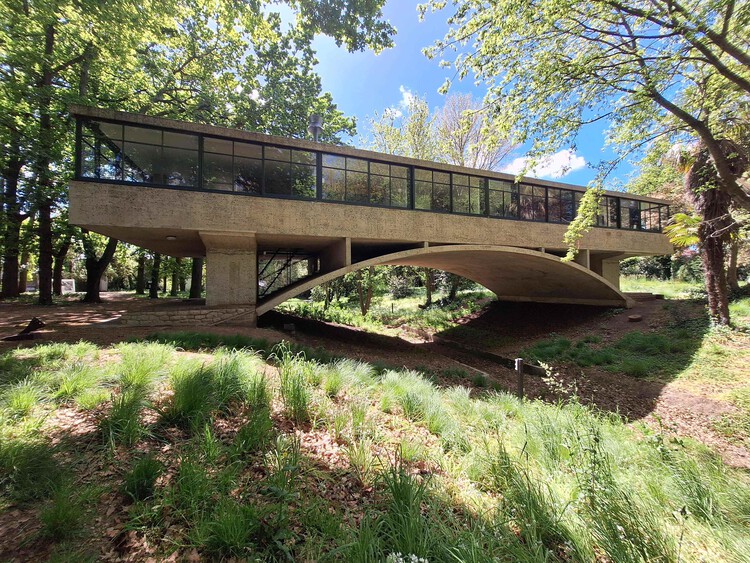
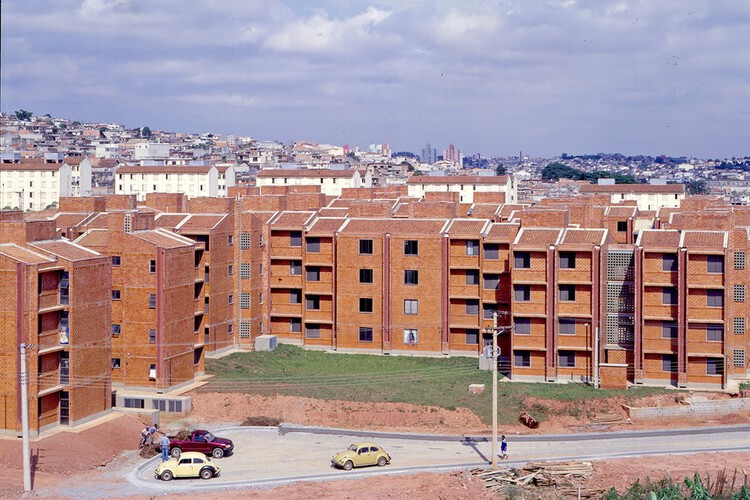
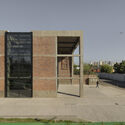
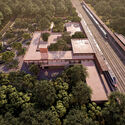
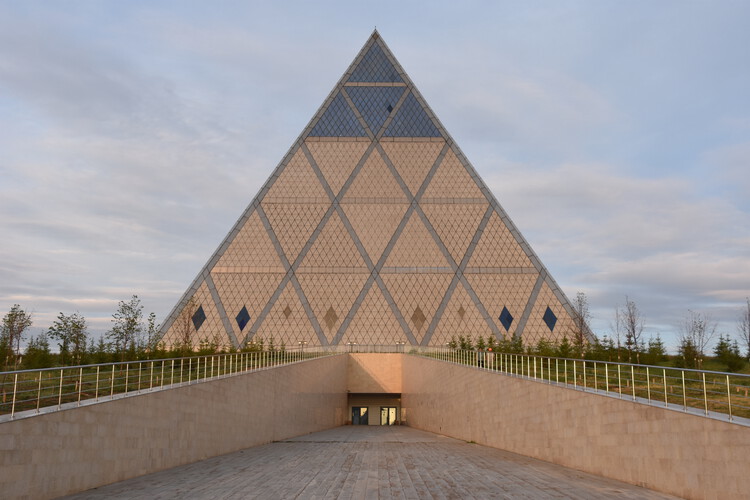
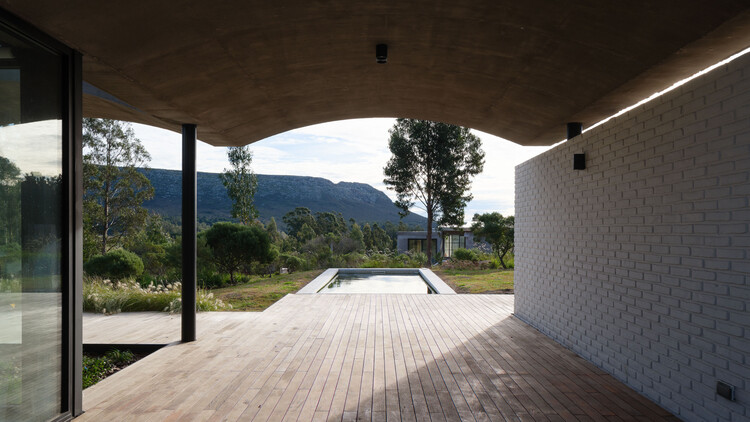
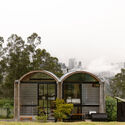
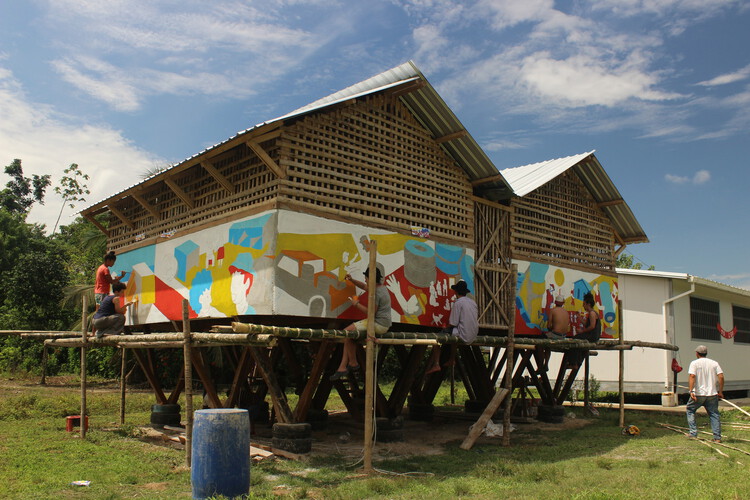
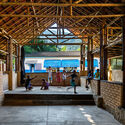
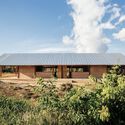
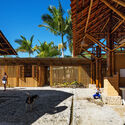
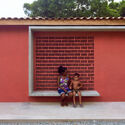
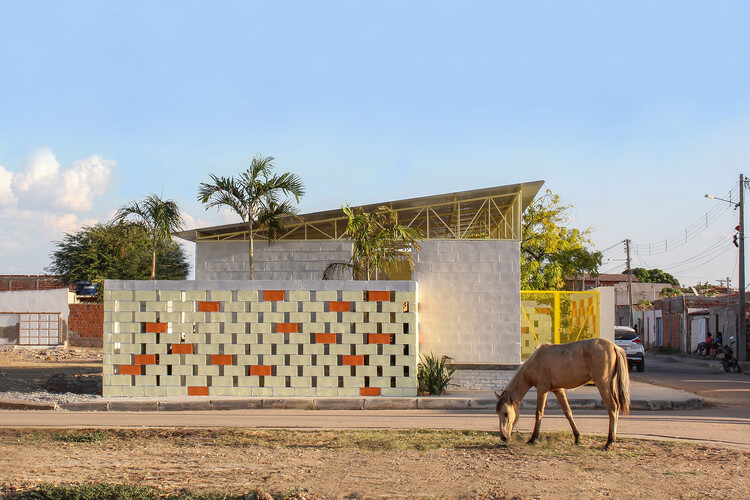
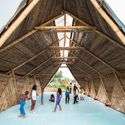
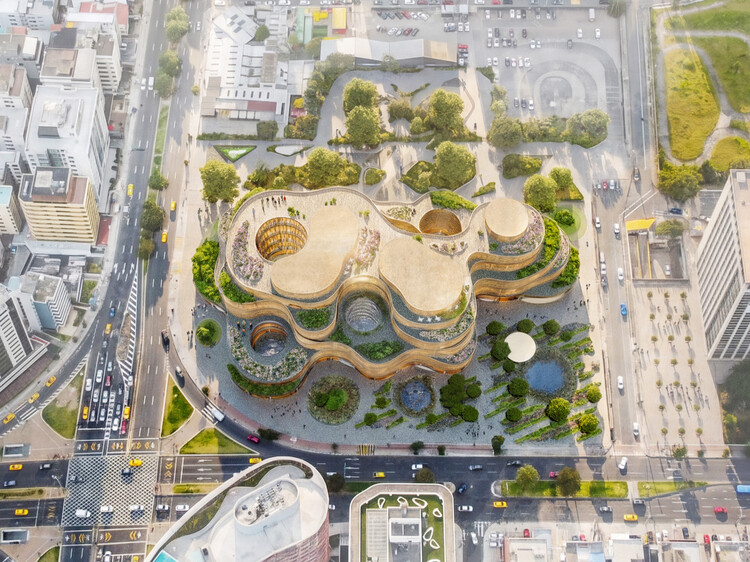
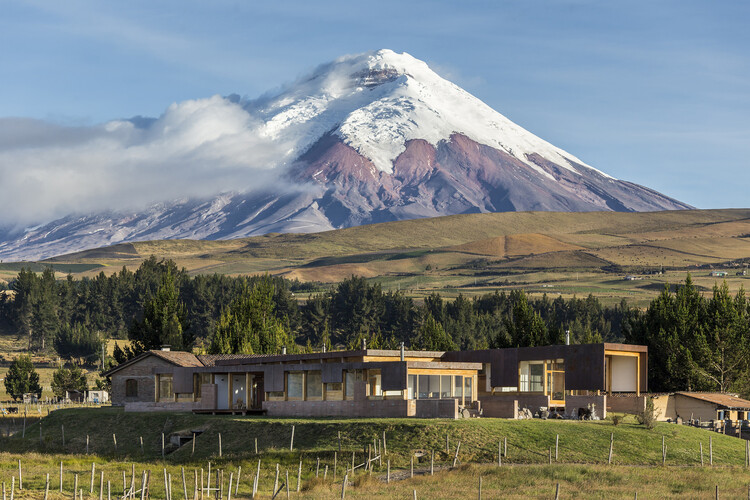
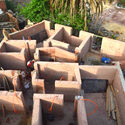
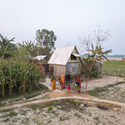
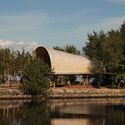
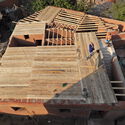
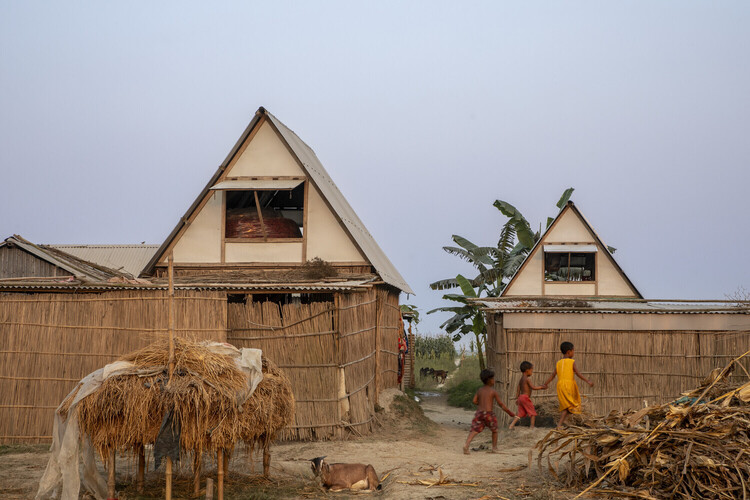
The Holcim Foundation for Sustainable Construction has announced the Grand Prize Winners of the 2025 Holcim Awards, selecting one project from each global region to represent the most impactful approaches to sustainable design in this cycle. This edition marks the introduction of the Grand Prize format, replacing the previous tiered distinctions to better acknowledge diverse regional contexts and avoid hierarchical rankings. Evaluated by juries chaired by Sou Fujimoto (Asia Pacific), Kjetil Trædal Thorsen (Europe), Sandra Barclay (Latin America), Lina Ghotmeh (Middle East and Africa), and Jeanne Gang (North America), the winning projects reflect the Foundation's principles of holistic, transformational, and transferable design.

Grand Prize Winners Announced for the 2025 Holcim Foundation Awards - Image 1 of 4Grand Prize Winners Announced for the 2025 Holcim Foundation Awards - Image 2 of 4Grand Prize Winners Announced for the 2025 Holcim Foundation Awards - Image 4 of 4Grand Prize Winners Announced for the 2025 Holcim Foundation Awards - Image 3 of 4Grand Prize Winners Announced for the 2025 Holcim Foundation Awards - More Images+ 10

From Diplomacy to Mobility: Six Legislative Responses Cities Are Using to Confront Climate Change

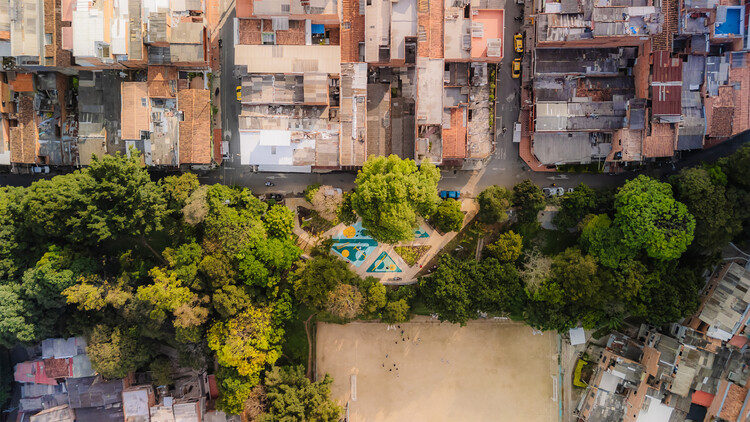
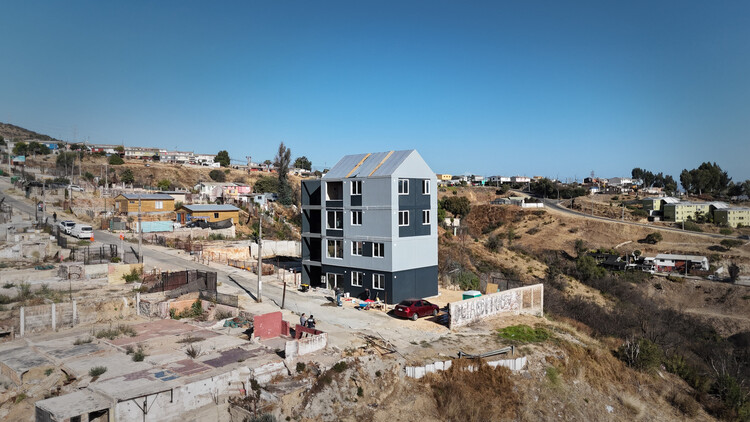
From building codes to mobility restrictions and new diplomatic roles within city governments, climate policy is increasingly being shaped at the local level through a widening range of legislative and institutional tools. Cities as varied as Sydney, Boston, New York, Paris, Miami, and dozens across Latin America are adopting targeted strategies that reflect their distinct environmental pressures and governance structures. These initiatives range from all-electric and net-zero construction requirements, to traffic-control measures designed to curb the social costs of private vehicle use, to emerging forms of urban diplomacy that coordinate responses to rising temperatures and biodiversity loss. Together, these approaches illustrate how territorial management is evolving in response to the accelerating climate crisis, and how local governments are experimenting with regulation and collaboration to confront challenges that are at once global and deeply place-specific.

From Diplomacy to Mobility: Six Legislative Responses Cities Are Using to Confront Climate Change - Imagen 1 de 4From Diplomacy to Mobility: Six Legislative Responses Cities Are Using to Confront Climate Change - Imagen 2 de 4From Diplomacy to Mobility: Six Legislative Responses Cities Are Using to Confront Climate Change - Imagen 3 de 4From Diplomacy to Mobility: Six Legislative Responses Cities Are Using to Confront Climate Change - Imagen 4 de 4From Diplomacy to Mobility: Six Legislative Responses Cities Are Using to Confront Climate Change - More Images+ 1

Highlights from BAL 2025: Latin American Architecture Biennial

Subscriber Access | 

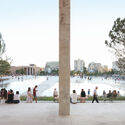
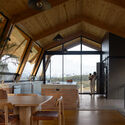
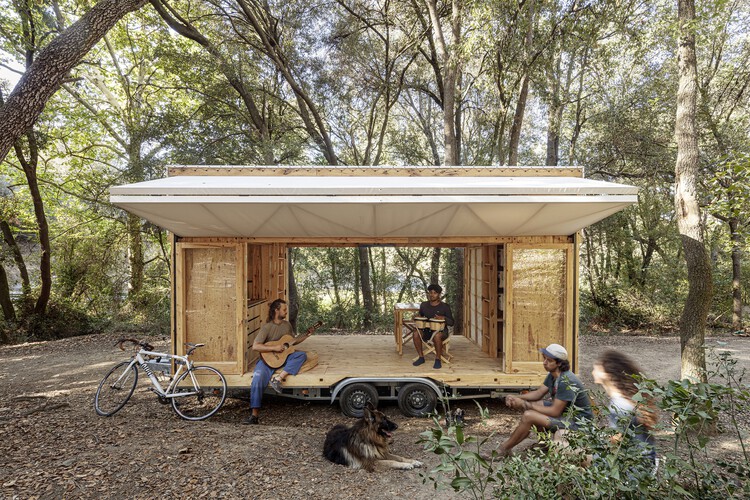
Held in Pamplona from the 23rd to the 26th of September, the 2025 Latin American Architecture Biennial (BAL) brought together emerging studios and established voices from across the continent. This year’s edition stood out for the diversity and depth of its participants: projects of striking formal and conceptual richness, developed by young yet remarkably mature offices. Together, they reflected the vitality of today’s Latin American architecture — thoughtful, inventive, and deeply aware of its context.

Highlights from BAL 2025: Latin American Architecture Biennial - Imagen 1 de 4Highlights from BAL 2025: Latin American Architecture Biennial - Imagen 2 de 4Highlights from BAL 2025: Latin American Architecture Biennial - Featured ImageHighlights from BAL 2025: Latin American Architecture Biennial - Imagen 3 de 4Highlights from BAL 2025: Latin American Architecture Biennial - More Images+ 30

Insights from La Feria De Diseño Medellín: Well-Being, Innovation, and Global Design Perspectives

 | Sponsored Content

Asking questions is the first step toward challenging what we take for granted and opening up new possibilities for planning and building. These questions, valuable in themselves, gain new strength when shared and examined through different perspectives. As they intersect with the experiences of professionals and brands, they weave together viewpoints that enrich the discussion. Design fairs and events around the world have become spaces where these conversations gain momentum, fostering connections and encouraging collaborative dynamics. In this landscape, Colombia has emerged as a hub, serving as a platform that promotes architecture and design across Latin America and the Caribbean while bringing the region's voice to the global stage.

Insights from La Feria De Diseño Medellín: Well-Being, Innovation, and Global Design Perspectives - Image 7 of 4Insights from La Feria De Diseño Medellín: Well-Being, Innovation, and Global Design Perspectives - Image 2 of 4Insights from La Feria De Diseño Medellín: Well-Being, Innovation, and Global Design Perspectives - Image 12 of 4Insights from La Feria De Diseño Medellín: Well-Being, Innovation, and Global Design Perspectives - Image 4 of 4Insights from La Feria De Diseño Medellín: Well-Being, Innovation, and Global Design Perspectives - More Images+ 8

Foster + Partners Designs High-Rise Office Tower for Sudameris Bank in Asunción, Paraguay

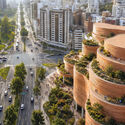
Foster + Partners has won an international competition to design the headquarters of Sudameris Bank in Asunción, Paraguay. The project, named Sudameris Plaza, is a 39-storey office tower featuring an exposed concrete frame and an angular form. It includes a landscaped plaza, art gallery, auditorium, and a large public garden at the tower's base. The studio aims to integrate greenery throughout the shared spaces of the building, fostering a strong connection with nature from within the tower.
Foster + Partners Designs High-Rise Office Tower for Sudameris Bank in Asunción, Paraguay - Image 1 of 4Foster + Partners Designs High-Rise Office Tower for Sudameris Bank in Asunción, Paraguay - Image 2 of 4Foster + Partners Designs High-Rise Office Tower for Sudameris Bank in Asunción, Paraguay - Image 3 of 4Foster + Partners Designs High-Rise Office Tower for Sudameris Bank in Asunción, Paraguay - Image 4 of 4Foster + Partners Designs High-Rise Office Tower for Sudameris Bank in Asunción, Paraguay - More Images+ 1

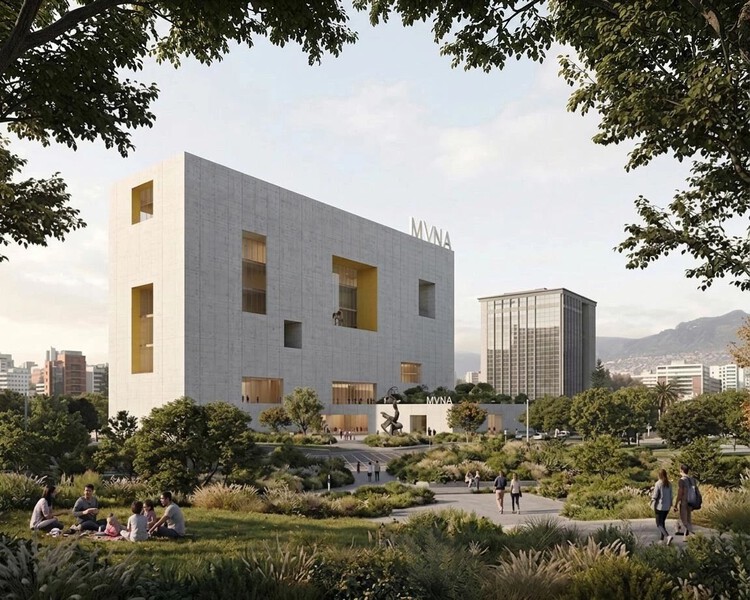
UMWELT and Plan Común to Transform Partially Demolished Housing Block Into a Museum in Villa San Luis, Chile

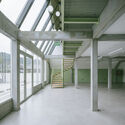
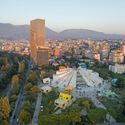
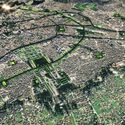
The residential project Villa San Luis, originally named Villa Compañero Ministro Carlos Cortés, was built between 1971 and 1972 on land that today lies in one of the highest-income areas of Santiago, Chile. Initially designed as an urban center for 60,000 middle-income residents, with staggered buildings and a civic center covering 3.4 of its 50 hectares, the project was redefined in the 1970s to accommodate the unhoused population in the eastern sector of the Chilean capital. The process was not without conflict. During the dictatorship, the new residents of the complex were evicted, and the land was acquired by the military. From then on, the complex entered a process of reappropriation and resignification that now appears to be reaching a new milestone: the conversion of one of its buildings into a memorial site and museum, through a project by UMWELT and Plan Común.
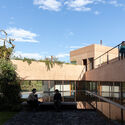
UMWELT and Plan Común to Transform Partially Demolished Housing Block Into a Museum in Villa San Luis, Chile - Imagem 1 de 4UMWELT and Plan Común to Transform Partially Demolished Housing Block Into a Museum in Villa San Luis, Chile - Imagem 2 de 4UMWELT and Plan Común to Transform Partially Demolished Housing Block Into a Museum in Villa San Luis, Chile - Imagem 3 de 4UMWELT and Plan Común to Transform Partially Demolished Housing Block Into a Museum in Villa San Luis, Chile - Imagem 4 de 4UMWELT and Plan Común to Transform Partially Demolished Housing Block Into a Museum in Villa San Luis, Chile - More Images+ 5