1. ArchDaily
  2. Religious Buildings

Religious Buildings: The Latest Architecture and News

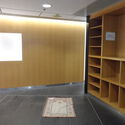
Architectural Rebuilding as Cultural Memory: The Paradox of Ever-Fresh Heritage

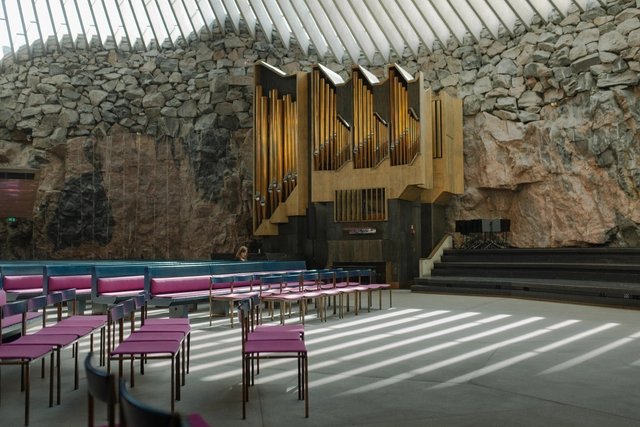
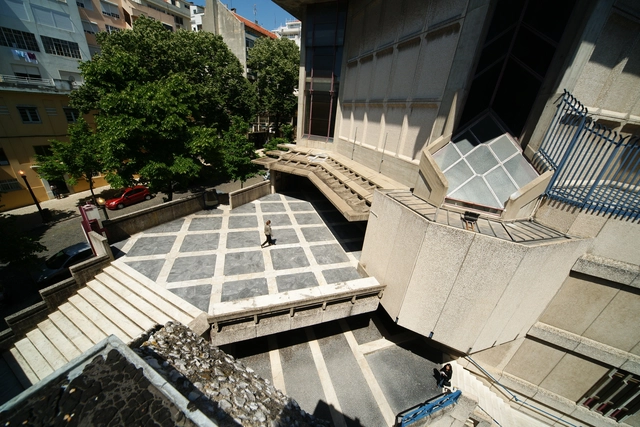
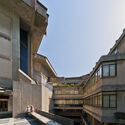
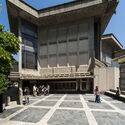
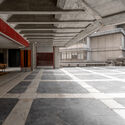
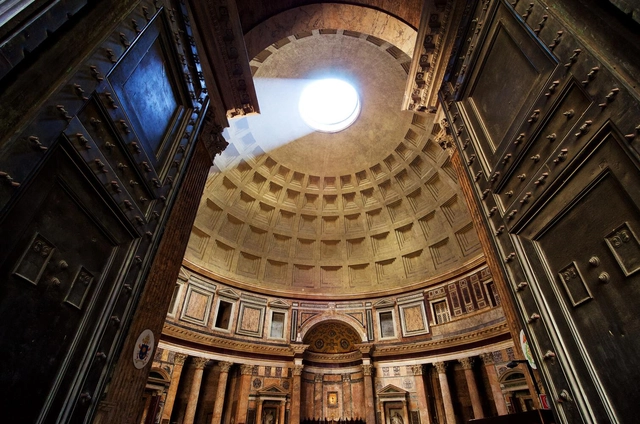
Architecture—one of the few cultural artifacts made to be publicly lived with, preserved, and often capable of standing for centuries—contributes significantly to the cultural identity of places and people. Historically, buildings have expressed institutional attitudes, influence, and power; they are clear demonstrations of culture. Yet longevity complicates preservation: when a structure is rebuilt, repaired, or entirely reassembled, in what sense is it still the same building?

There's the classic Ship of Theseus puzzle from Plutarch. if a ship's planks are replaced one by one over time, is it still the same ship? Thomas Hobbes adds a twist—if the original planks are reassembled elsewhere, which ship is "the original"? The paradox tests what grounds identity: material fabric, continuous use and history, or shared recognition. In architecture and conservation, it reframes preservation as a choice among keeping matter, maintaining form and function, or sustaining the stories and practices that give a place meaning.

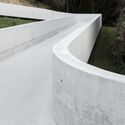
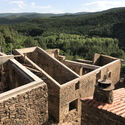
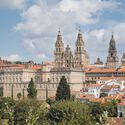
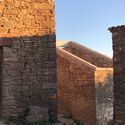
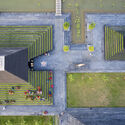
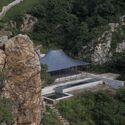
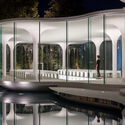
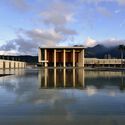
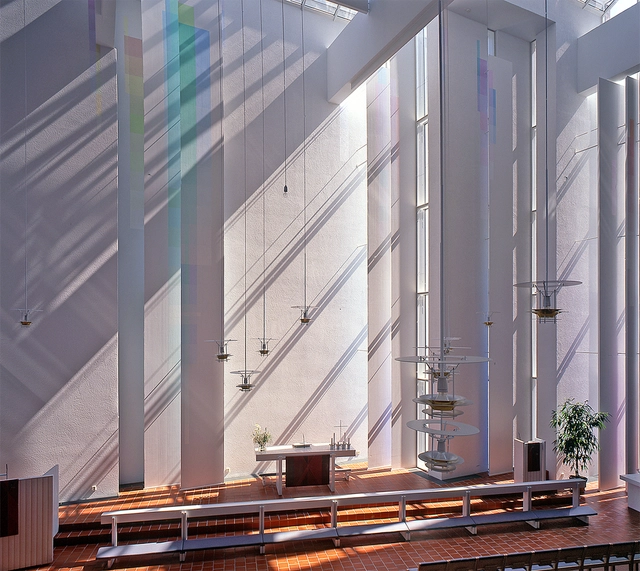
Architectural Rebuilding as Cultural Memory: The Paradox of Ever-Fresh Heritage - Imagen 1 de 4Architectural Rebuilding as Cultural Memory: The Paradox of Ever-Fresh Heritage - Imagen 2 de 4Architectural Rebuilding as Cultural Memory: The Paradox of Ever-Fresh Heritage - Imagen 3 de 4Architectural Rebuilding as Cultural Memory: The Paradox of Ever-Fresh Heritage - Imagen 4 de 4Architectural Rebuilding as Cultural Memory: The Paradox of Ever-Fresh Heritage - More Images+ 17

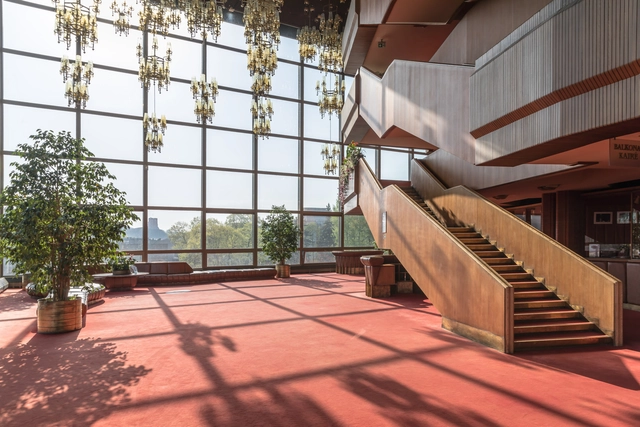
Inside the Construction of Niemeyer’s Cristo Rei Cathedral in Belo Horizonte, Seen Through Paul Clemence’s Lens

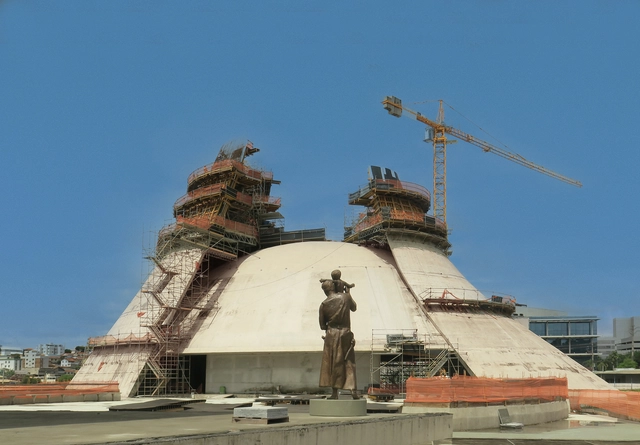
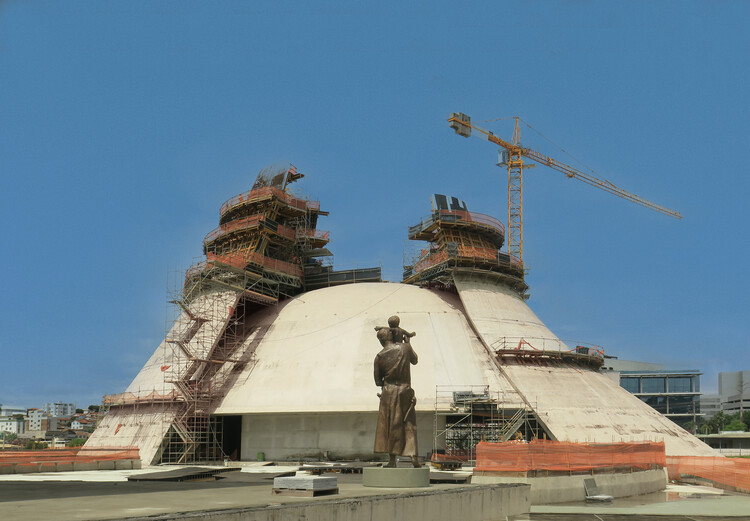
The Cristo Rei Cathedral is Oscar Niemeyer's design for the cathedral of Belo Horizonte, the capital of the state of Minas Gerais in southeastern Brazil. Conceived between 2005 and 2006, it is one of the late architect's final projects in the country. The design features a domed structure approximately 60 meters in diameter, suspended by two towering elements rising 100 meters high. Niemeyer referred to the project as a "square," consisting of a cathedral with a capacity for 3,000 people and an external altar designed to accommodate up to 20,000 worshippers for mass and public events. Construction began in 2013 and is still ongoing. Earlier this year, photographer Paul Clemence visited the site, documenting the building process and capturing the emergence of Niemeyer's signature curves.
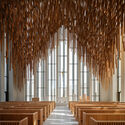
Inside the Construction of Niemeyer’s Cristo Rei Cathedral in Belo Horizonte, Seen Through Paul Clemence’s Lens - Image 1 of 4Inside the Construction of Niemeyer’s Cristo Rei Cathedral in Belo Horizonte, Seen Through Paul Clemence’s Lens - Image 2 of 4Inside the Construction of Niemeyer’s Cristo Rei Cathedral in Belo Horizonte, Seen Through Paul Clemence’s Lens - Image 3 of 4Inside the Construction of Niemeyer’s Cristo Rei Cathedral in Belo Horizonte, Seen Through Paul Clemence’s Lens - Image 4 of 4Inside the Construction of Niemeyer’s Cristo Rei Cathedral in Belo Horizonte, Seen Through Paul Clemence’s Lens - More Images+ 23

MVRDV and Zecc Architecten to Transform Vacant Church into Public Swimming Pool in Heerlen, the Netherlands

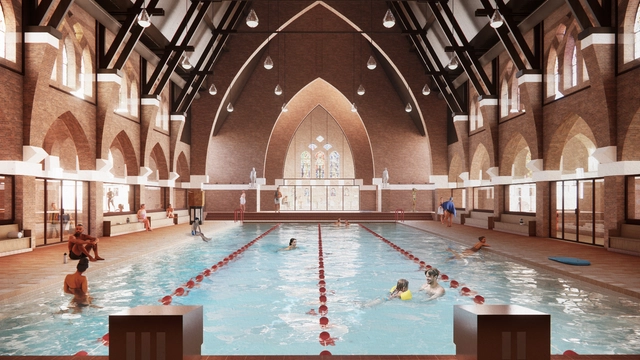
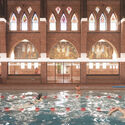
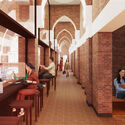
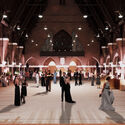
MVRDV and Zecc Architecten have won the competition to transform the St. Francis of Assisi Church in Heerlen into a public swimming pool. Originally built over 100 years ago, the church stopped hosting services in 2023, presenting the municipality with the opportunity to repurpose the building for community use. Nicknamed Holy Water, the adaptive reuse project is meant to give this listed national monument, with its recognizable silhouette, a new social function while preserving its historic elements. The design was created through a collaboration between MVRDV, Zecc Architecten, IMd Raadgevende Ingenieurs, Nelissen Ingenieursbureau, and construction economics consultancy SkaaL, and is expected to be completed at the end of 2027.

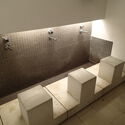
MVRDV and Zecc Architecten to Transform Vacant Church into Public Swimming Pool in Heerlen, the Netherlands - Imagen 1 de 4MVRDV and Zecc Architecten to Transform Vacant Church into Public Swimming Pool in Heerlen, the Netherlands - Imagen 2 de 4MVRDV and Zecc Architecten to Transform Vacant Church into Public Swimming Pool in Heerlen, the Netherlands - Imagen 3 de 4MVRDV and Zecc Architecten to Transform Vacant Church into Public Swimming Pool in Heerlen, the Netherlands - Imagen 4 de 4MVRDV and Zecc Architecten to Transform Vacant Church into Public Swimming Pool in Heerlen, the Netherlands - More Images+ 12

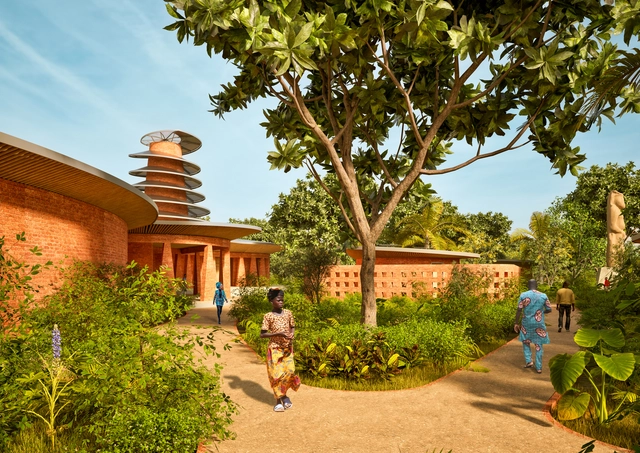
Kéré Architecture Unveils Design for a Spiritual and Community Center in Notsé, Togo

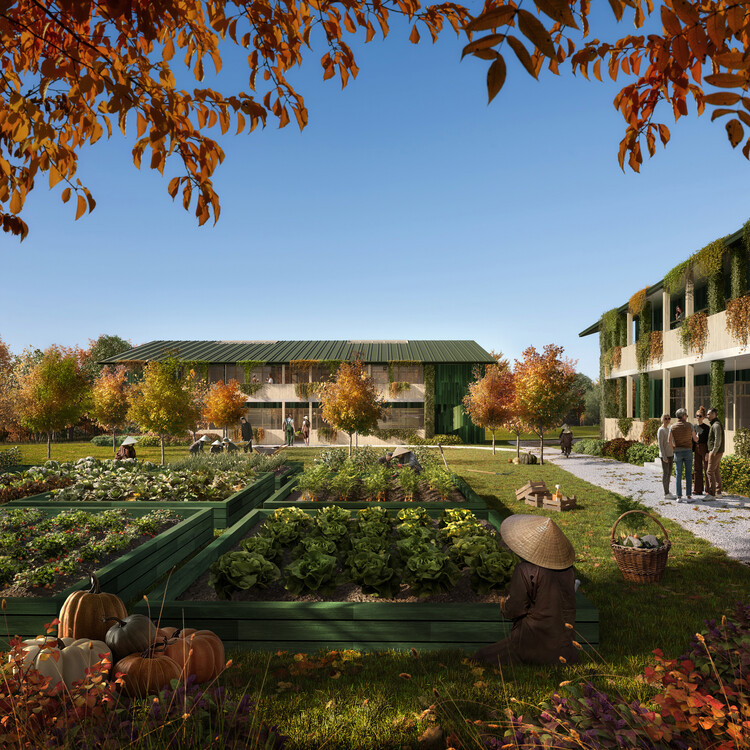
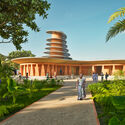
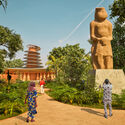
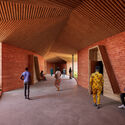
Kéré Architecture has revealed the design of a masterplan and series of buildings dedicated to the cultural and spiritual heritage of the Ewé people in the town of Notsé, in Togo. Commissioned by the Kothor Foundation, the center incorporates a sanctuary, several temples, a large-scale open-air amphitheater, as well as cultural functions such as exhibition halls, an auditorium, restaurants, and a reconstruction of the ancient royal palace of the Ewé Kingdom. The project, Francis Kéré's first in Togo, started construction in October 2024 and is scheduled for completion in February 2026.

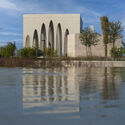
Kéré Architecture Unveils Design for a Spiritual and Community Center in Notsé, Togo - Image 1 of 4Kéré Architecture Unveils Design for a Spiritual and Community Center in Notsé, Togo - Image 2 of 4Kéré Architecture Unveils Design for a Spiritual and Community Center in Notsé, Togo - Image 3 of 4Kéré Architecture Unveils Design for a Spiritual and Community Center in Notsé, Togo - Image 4 of 4Kéré Architecture Unveils Design for a Spiritual and Community Center in Notsé, Togo - More Images+ 11

Spiritual Journeys: Religious Architecture in the Global South

Subscriber Access | 

Religious architecture has always had a unique power to transcend the physical realm, transporting visitors to a spiritual journey. In many belief systems, it serves as a space between the earthly and the universal divine. This designed experience can often be facilitated through different choices, where light, form, materiality, and circulation play essential roles. Furthermore, architecture and design hold the power to have a profound impact on one’s lived spiritual experience.

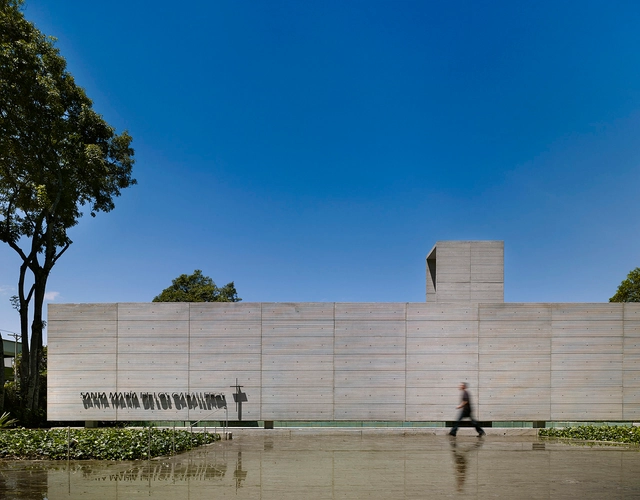
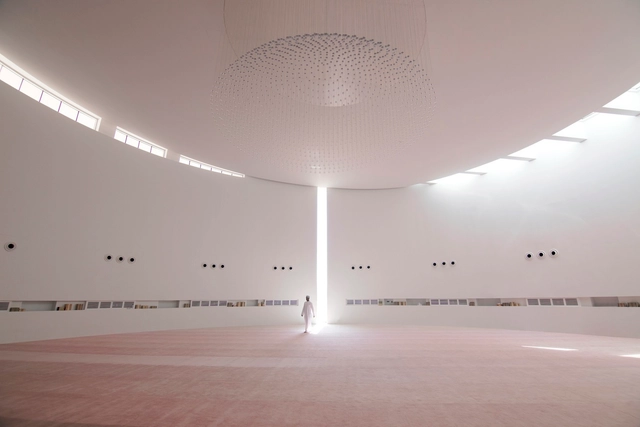
This exploration of religious architecture in the global south showcases the integration of tradition and contemporary innovation. Whether it’s the Omani Mosque, where heritage and Islamic tradition are honored, or the Abrahamic Family House that features a mosque, a church, and a synagogue in dialogue and coexistence. Form and public access are explored through a design in Brazil, while a monastery in Uganda expands its size to serve guests and novitiate.

Spiritual Journeys: Religious Architecture in the Global South - Image 1 of 4Spiritual Journeys: Religious Architecture in the Global South - Image 2 of 4Spiritual Journeys: Religious Architecture in the Global South - Image 3 of 4Spiritual Journeys: Religious Architecture in the Global South - Image 4 of 4Spiritual Journeys: Religious Architecture in the Global South - More Images+ 1

Studio Libeskind Reveals Design for the Memorial at the Tree of Life Synagogue in Pittsburgh

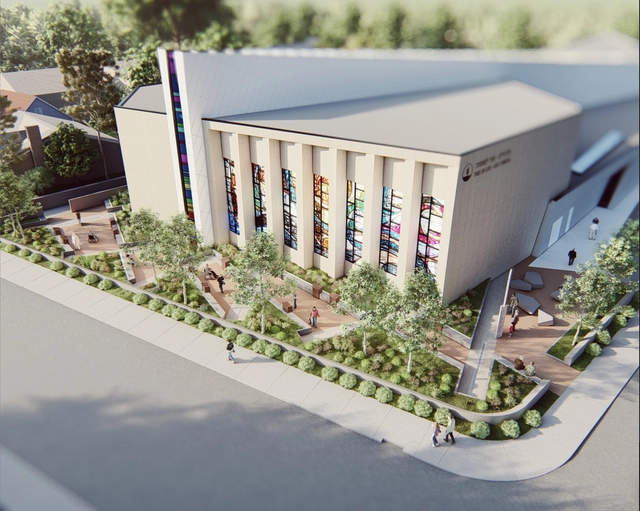
Studio Libeskind, working in close partnership with the Memorialization Working Group, has unveiled the preliminary design for the memorial for the 11 killed on 27 October 2018 at the Tree of Life Synagogue in Pittsburgh, United States. The design was developed in a process led by the victims’ families, communal leaders, and concretional representatives. The building’s official groundbreaking is expected in 2024.

Veszprém Architecture City Guide: Discover the Rich Heritage of One of Hungary's Oldest Cities

 | Sponsored Content

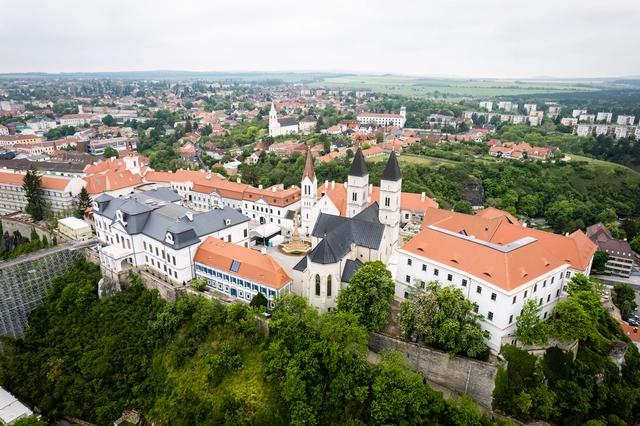
Though lesser known, the Hungarian city of Veszprém is one of the oldest and most important cities in the country. Designated as the European Union Capital of Culture for 2023, Veszprém boasts a longstanding history, visible through its evolving, yet well-preserved architectural monuments. In fact, one of the first notable observations as one walks through the city streets is its eclecticism and layers of historically diverse buildings, that sporadically arise. Despite the difference in styles and architectural languages, they collectively tell the story of the county and its spiritual and political relevance. Its pedestrian-friendly streets, many parks and public spaces, connect the Veszprém monuments, as one delves into a historic promenade.

Veszprém Architecture City Guide: Discover the Rich Heritage of One of Hungary's Oldest Cities - Featured ImageVeszprém Architecture City Guide: Discover the Rich Heritage of One of Hungary's Oldest Cities - Image 6 of 4Veszprém Architecture City Guide: Discover the Rich Heritage of One of Hungary's Oldest Cities - Image 17 of 4Veszprém Architecture City Guide: Discover the Rich Heritage of One of Hungary's Oldest Cities - Image 11 of 4Veszprém Architecture City Guide: Discover the Rich Heritage of One of Hungary's Oldest Cities - More Images+ 19

SOM Breaks Ground on New American Buddhist Cultural Society Temple in San Francisco

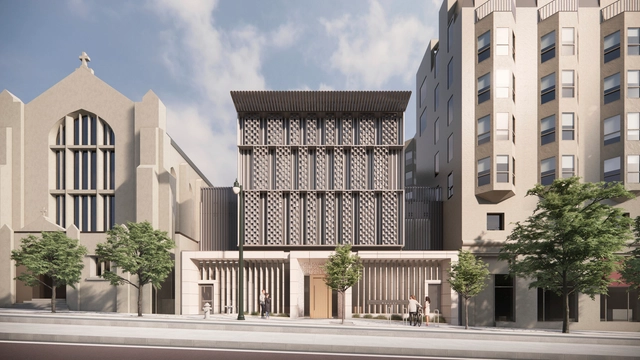
Designed by Skidmore, Owings & Merrill (SOM), the new American Buddhist Cultural Society Temple, also known as the San Bao Temple, has broken ground in San Francisco, California. Located on Van Ness Avenue, the new six-story facility will include a community center, a Buddhist shrine, and a meditation room on the upper levels, along with three levels of private dormitories for visiting monastics and volunteers. In the center of the building, a light-filled atrium offers additional amenities, such as a public art gallery, bookstore, teahouse, and community gathering hall. The temple is expected to open by the end of 2024.

SOM Breaks Ground on New American Buddhist Cultural Society Temple in San Francisco - Image 1 of 4SOM Breaks Ground on New American Buddhist Cultural Society Temple in San Francisco - Image 2 of 4SOM Breaks Ground on New American Buddhist Cultural Society Temple in San Francisco - Image 3 of 4SOM Breaks Ground on New American Buddhist Cultural Society Temple in San Francisco - Image 4 of 4SOM Breaks Ground on New American Buddhist Cultural Society Temple in San Francisco - More Images+ 12

Adapting The Sacred To Be Profane

It is easy to show cool images of adaptive reuse. The contrast of living history and control over it makes for dynamic visuals. But there is a deeper meaning to adaptive reuse. Architecture embodies humanity and humanity changes, so our buildings change.