Every housing crisis eventually becomes a land question, and every land question eventually becomes a values question. The United States' West Coast has arrived at that point. As cities from Los Angeles to Seattle search for parcels to build the affordable housing they have promised for years, they keep landing on the same answer: the park or the greenbelt. What looks like a zoning decision is a referendum on which form of wellbeing a city is willing to sacrifice for another.
As pillars of our cultural landscape, many masterpieces of the Modern Movement are often demolished, abandoned, or altered regardless of the context in which they are located. Preserving this architectural legacy highlights the role of architecture and design professionals in shaping built environments where continuity between the past and the present reinforces communities' sense of place. On Long Island, a coalition of advocates came together to save the A. Conger Goodyear House, which dates to 1938 and was designed by Edward Durell Stone. Considered one of the notable examples of the International Style in the United States, the house attracted significant attention throughout the 1940s, appearing in specialized journals, books, and popular publications.
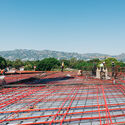
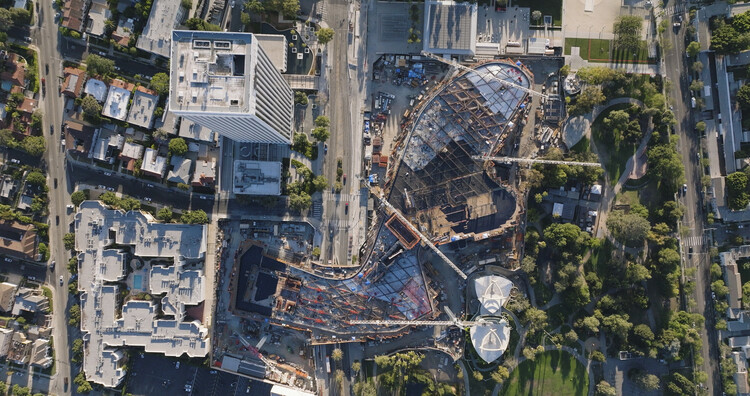
August 2023; An aerial perspective captures the sprawling scale of the horizontal construction sequence as the structure begins taking its organic shape across the site.. Image Courtesy of Clark Construction
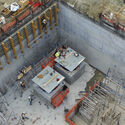
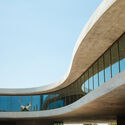
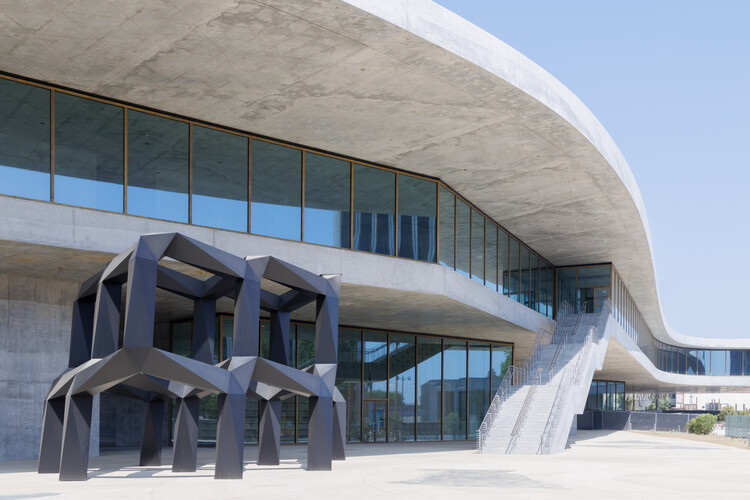
The recently opened David Geffen Galleries at LACMA are the result of more than a decade of effort across many fronts: the city, the county, the public, the architect, the engineers, the general contractor, and the many builders involved in translating an ambitious and visionary design into built form. The project has also been subject to unusually intense scrutiny, with responses ranging from admiration for its meticulous construction and architectural ambition to criticism of its scale, cost, concrete mass, and engineering complexity in earthquake-prone Los Angeles. Whatever one's position, the building remains an exceptionally sophisticated case study in how architecture is negotiated through construction.
This conversation approaches the David Geffen Galleries from the perspective of Clark Construction, the general contractor responsible for helping bring Peter Zumthor's design to completion. Carlos Gonzalez, Group President at Clark Construction, oversaw the construction process and shared with ArchDaily some of the technical, material, and logistical challenges behind the building. These range from its monolithic concrete structure and extensive post-tensioning system to the 56 seismic isolators that allow the building to move during an earthquake; from unpredictable ground conditions near the La Brea Tar Pits to the fabrication of solid bronze mullions and the integration of mechanical systems within the building's double-deck concrete structure.
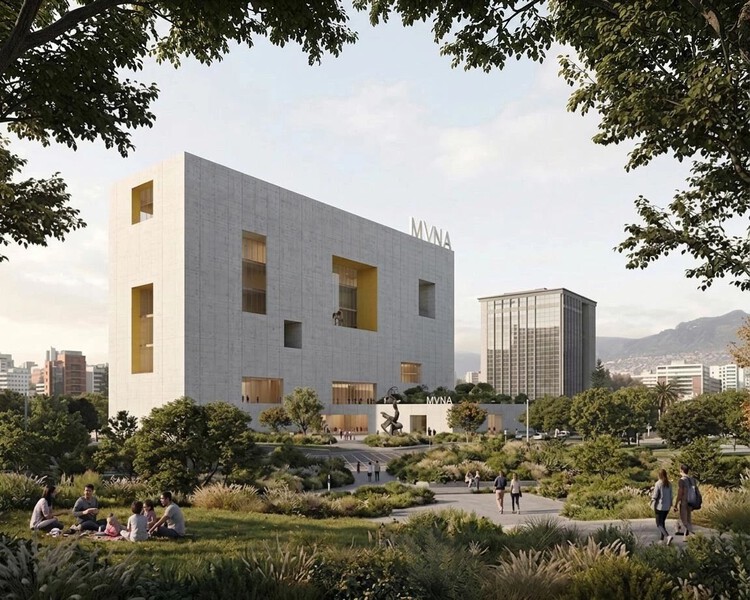
National Museum of Ecuador Proposal (MuNA). Image Courtesy of Studio Campo Baeza
The announcement of the winning proposal for Ecuador's new National Museum (MuNA) sparked one of the country's most significant architectural debates in recent years. The public response has since reshaped the competition itself while also raising broader questions about how a national museum gives architectural form to an interpretation of a nation. While the discussion began with a single design, it exposed a challenge that extends far beyond Ecuador.
National museums are not simply asked to represent a nation. They are asked to give it architectural form. Yet identity cannot be built directly. Before it becomes architecture, it must first be interpreted and translated through architectural decisions.
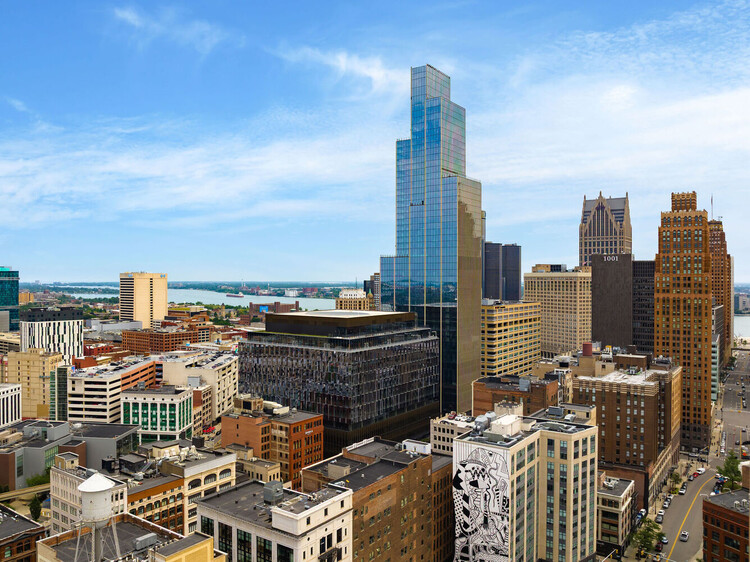
Hudson's Detroit mixed-used development. Aerial view.. Image Courtesy of Bedrock
Urban planning is often confused with adjacent disciplines: urban design, environmental policy, civic strategy, local politics, or data analytics. Moreover, the overlap in training and responsibilities between planning and urban practices makes the field difficult to define clearly. In practice, it is often easier to recognize the consequences of bad planning than to articulate the outcomes of good planning. When planning is working well for residents, it should disappear altogether. It should remove friction from daily life so that people would not think to credit a discipline at all. At its core, urban planning is the relationship people have with their environments, and when that relationship is functioning, the mechanics of housing, transportation, affordability, access, and inclusion should feel ordinary and expected.
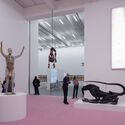
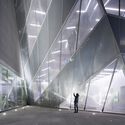
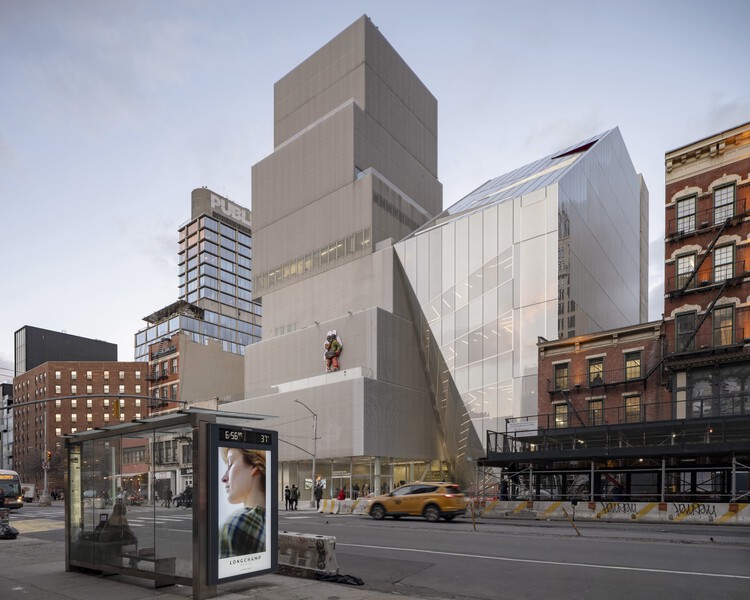
When the New Museum's original SANAA-designed building, a stack of shifted opaque boxes wrapped in a metal mesh skin, opened in 2007, it already seemed destined for some form of expansion to relieve the vertical pressure created by its constrained circulation and limited footprint. In March, the museum unveiled its long-anticipated addition, designed by OMA's Shohei Shigematsu and Rem Koolhaas. The angular and slightly set-back companion building doubles the museum's exhibition capacity while reshaping the institution's relationship to the city and to the original SANAA structure by Kazuyo Sejima and Ryue Nishizawa.
At the building's press opening, Koolhaas described the project "not simply as an extension but as a complement or counterpart." Shigematsu later elaborated: "We thought about designing a pair composed of two distinct and yet highly connected buildings. One is more vertical and introverted. The other is more horizontal and extraverted."
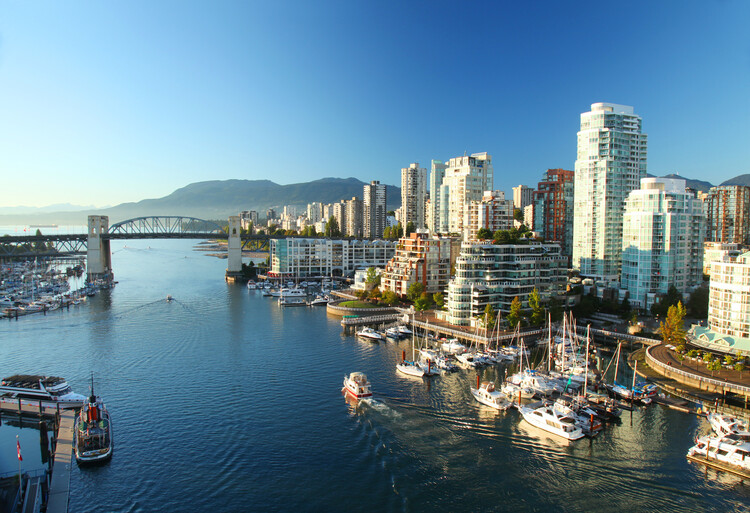
As the overview of the FIFA World Cup 2026 cities continues, we move on to what is currently the most livable city in North America, Vancouver. Dubbed the city of glass by artist Douglas Coupland, who was referring to the downtown's dominant steel-and-glass architectural aesthetic, the city actually boasts diverse architecture, from 20th-century Edwardian buildings to unique 21st-century modernist sites.
Vancouver is known for its good quality of life and access to nature. Although it comes at a price, the city offers high-quality services and ample recreational and public spaces, as seen in its architecture. There are many repurposed office and institutional buildings that have taken on a second life as public and hospitality spaces.
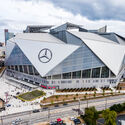
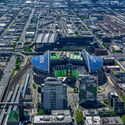
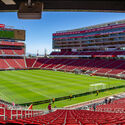
The FIFA World Cup 2026 will take place from June 11 to July 19, 2026, across North America, with matches hosted at 16 venues in Canada, Mexico, and the United States. For the first time, the tournament is being co-hosted by three countries: 11 venues in the United States, 3 in Mexico, and 2 in Canada. Since the 2018 FIFA Congress selected the venues to host the 2026 World Cup, the three North American countries have been working to deliver the tournament. This edition will be the first to feature 48 competing teams, expanded from 32. Unlike the 2022 Qatar World Cup, which required the construction of entirely new stadiums, the three host countries already have the necessary infrastructure in place, though several venues are taking the opportunity to upgrade their facilities, including Mexico City's Estadio Azteca, Arlington's AT&T Stadium, and Toronto's BMO Field.
https://www.archdaily.com/993287/explore-the-full-list-of-football-stadiums-for-the-2026-fifa-world-cup-in-united-states-mexico-and-canadaArchDaily Team
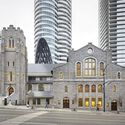
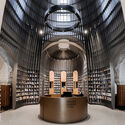
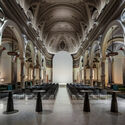
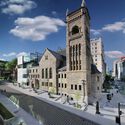
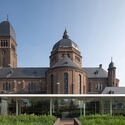
The conversion of disused religious temples through cultural programs constitutes one of the most compelling adaptive reuse strategies in contemporary urban planning. This functional compatibility seems to be rooted in the specific characteristics of churches: their central naves offer large-scale, clear floor plans and monumental cross-sections that easily accommodate the volumetric requirements of museums, theaters, or community hubs. Furthermore, the acoustic properties inherent to their vaulted ceilings, combined with intentional natural lighting filtered through stained glass windows or domes, create the spatial conditions for activities ranging from the performing arts to the exhibition of cultural artifacts. By assuming a public and cultural role, these buildings not only avoid demolition or physical abandonment but also preserve their status as urban and identity landmarks within the city fabric, revitalizing their immediate surroundings without altering their historical significance.
Throughout 2025 and early 2026, numerous museum projects were announced, advanced, or broke ground across multiple regions, with completion timelines largely extending from 2026 to 2030. Located across Asia, Europe, North America, and Central Asia, these developments reflect ongoing shifts in the role of cultural institutions within contemporary cities. Increasingly, museums are conceived not only as exhibition venues but as public-facing environments that accommodate education, research, and civic engagement. This expanded programmatic scope is often accompanied by architectural strategies that respond to urban conditions, spatial continuity, and the integration of cultural infrastructure into broader city-making processes.
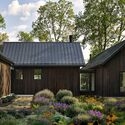
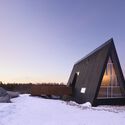
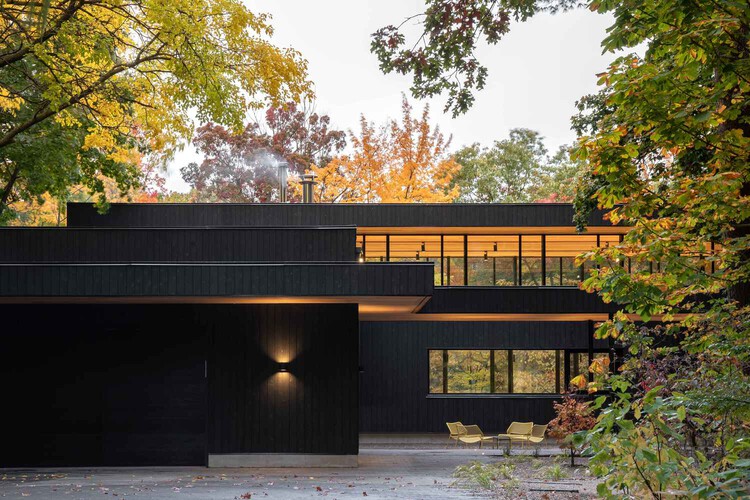
Shou Sugi Ban is a traditional Japanese technique for wood preservation that involves charring the surface of timber to create a protective layer. While its origins are rooted in practical durability, the method has been widely adapted into the modern built environment and shapes a unique and distinctive aesthetic. It is a material of contradiction: it remains bold in its visual language due to its dark tones, yet it simultaneously borrows from and complements its natural surroundings, allowing houses to settle quietly into their sites.
The charred finish among the 22 residences featured here across Canada and the United States serves as a common thread for navigating extreme climates. From humid lakefronts to dense forests, the carbonized skin acts as a resilient shield against diverse conditions. Beyond mere protection, these houses demonstrate how the material's texture changes with exposure to light, transforming from a flat matte in the shade to a silver-flecked, shimmering surface in direct sun. These projects also showcase the technique's ability to define architectural volumes, using the dark cladding to create sharp, monolithic silhouettes or to highlight the voids in a building's mass, such as recessed entryways and sheltered terraces.
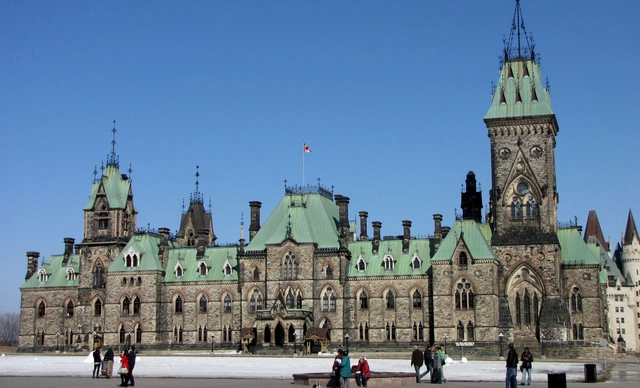
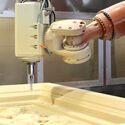
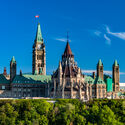
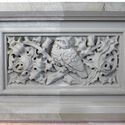
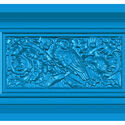
Heritage restoration has always been an intricate process that requires delicate balancing between preserving the integrity of historic materials while integrating contemporary techniques that can enhance accuracy, efficiency, and resilience. With the restoration process of Parliament Hill in Ottawa, Canada's capital city, this intersection of tradition and technology is now on full display. The East Block, built in 1865, offers a compelling example of how digital tools can support the efforts of heritage restoration and contribute to a centuries-old craft such as stone carving.
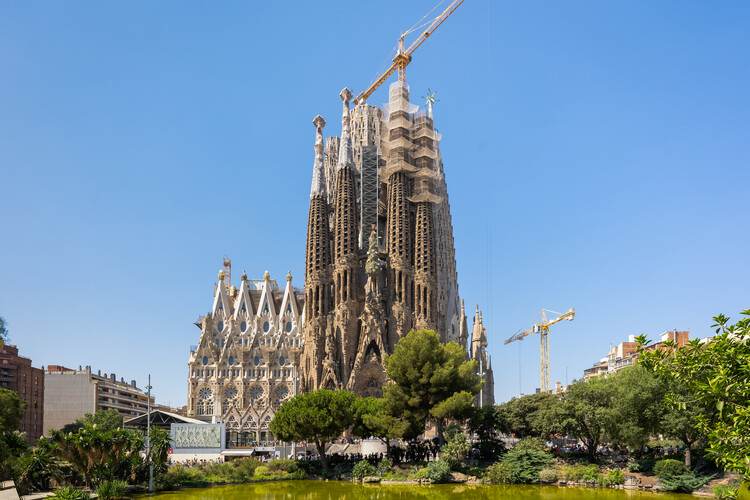
La Sagrada Familia by Antoni Gaudi. Image by Maksim Sokolov, via Wikimedia Commons, License CC BY-SA 4.0
As 2025 concludes, we look ahead to 2026, a year scheduled to deliver a diverse range of significant architectural projects across the world. The year is particularly notable for the completion of new infrastructure and cultural buildings, including long-term projects. Europe will be in the spotlight of the new year with the Milano Cortina 2026 Winter Olympics. This event will feature projects such as the Olympic Village by SOM and the Winter Olympics Arena by David Chipperfield Architects. Also in Milan, BIG is set to complete construction of the City Wave project as part of a new business district in the city. At the same time, after more than 140 years of its establishment, the architects around the world will also be watching for the long-awaited completion of Antoni Gaudí's La Sagrada Familia in Barcelona, announced for 2026.
The Holcim Foundation for Sustainable Construction has announced the Grand Prize Winners of the 2025 Holcim Awards, selecting one project from each global region to represent the most impactful approaches to sustainable design in this cycle. This edition marks the introduction of the Grand Prize format, replacing the previous tiered distinctions to better acknowledge diverse regional contexts and avoid hierarchical rankings. Evaluated by juries chaired by Sou Fujimoto (Asia Pacific), Kjetil Trædal Thorsen (Europe), Sandra Barclay (Latin America), Lina Ghotmeh (Middle East and Africa), and Jeanne Gang (North America), the winning projects reflect the Foundation's principles of holistic, transformational, and transferable design.
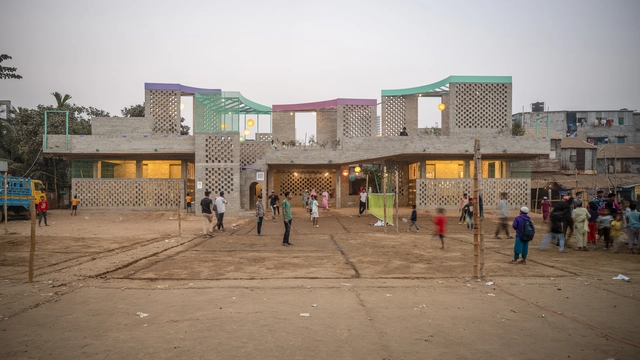
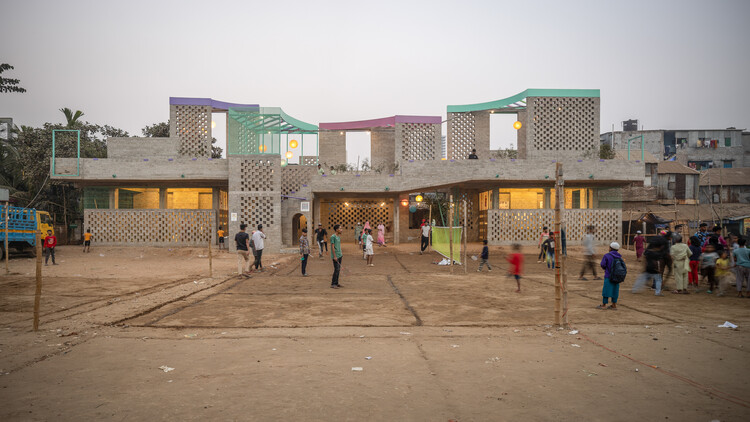
The second edition of the Ammodo Architecture Award has recognized 26 recipients for their contributions to socially and ecologically responsible design. Selected from 168 submissions spanning over 60 countries, the laureates represent a wide range of practices, from established offices to emerging collectives and community-led initiatives. Each recipient receives a grant ranging from €10,000 to €150,000 to support the continued development of their projects. Beyond recognition and financial support, the Ammodo Architecture initiative also functions as a knowledge platform, connecting awardees across regions and facilitating the exchange of ideas on key themes identified by the advisory committee.
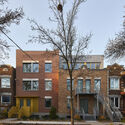
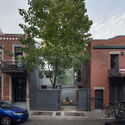
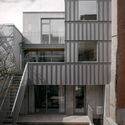
Montreal, the second largest city in Canada is home to a wide array of heritage residential architecture, most of it dating to the 19th and early 20th-century. These are particularly abundant in some of its central neighborhoods like the Plateau Mont-Royal. Interestingly, their preservation is not accidental; it is the result of decades of advocacy by influential figures who recognized the value of the city's built environment, such as Phyllis Lambert and Blanche Lemco Van Ginkel. Efforts like theirs were instrumental in landmark preservation battles that helped to ensure current municipal support. Today, the city has implemented a set of comprehensive heritage protection laws designed to safeguard the integrity of the city's historic neighborhoods.