1. ArchDaily

  2. Memory

Memory: The Latest Architecture and News

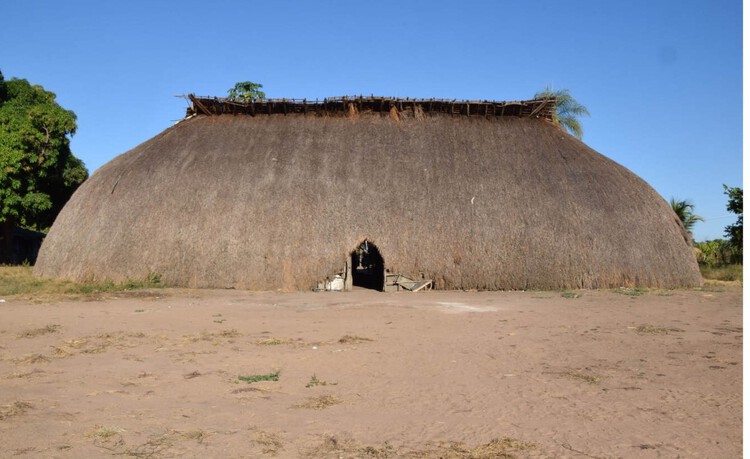
UNESCO Adds 26 New World Heritage Sites Highlighting African Heritage and Shared Prehistory

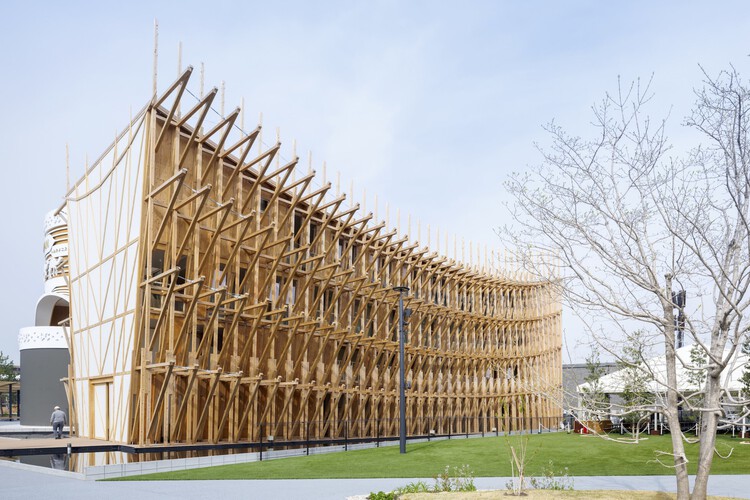
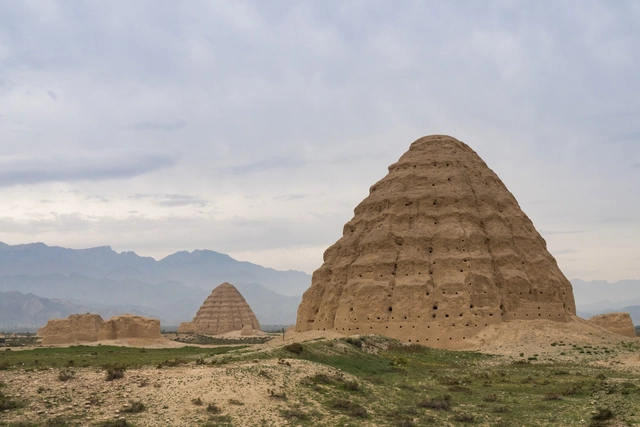
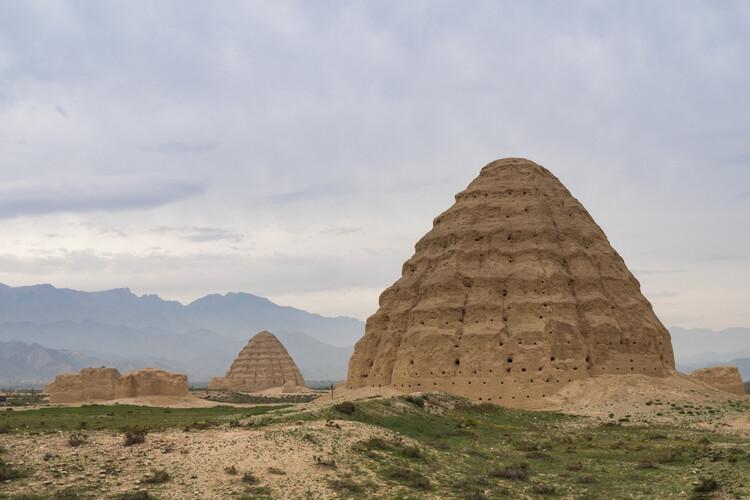
During the 47th session of the World Heritage Committee, held from July 6 to 16, 2025, at UNESCO Headquarters in Paris, France, 26 new properties were inscribed on the World Heritage List. In addition to examining new nominations, the Committee reviewed the conservation and management of existing sites, addressed the impact of climate change on heritage, and approved the extension of two existing sites to create new transboundary natural parks. According to UNESCO, the session placed the work of local communities at the center of safeguarding policies, reinforced efforts to preserve African heritage, and acknowledged the growing recognition of remembrance sites and the protection of humanity's shared prehistory. These 26 properties, located across 26 countries, now benefit from the highest level of international heritage protection.

UNESCO Adds 26 New World Heritage Sites Highlighting African Heritage and Shared Prehistory - Featured ImageUNESCO Adds 26 New World Heritage Sites Highlighting African Heritage and Shared Prehistory - 1 的图像 4UNESCO Adds 26 New World Heritage Sites Highlighting African Heritage and Shared Prehistory - 2 的图像 4UNESCO Adds 26 New World Heritage Sites Highlighting African Heritage and Shared Prehistory - 3 的图像 4UNESCO Adds 26 New World Heritage Sites Highlighting African Heritage and Shared Prehistory - More Images+ 1

Oshinowo Studio Reveals Design for New Commonwealth War Graves Memorial Honoring Sierra Leone’s WWI Carrier Corps

Lagos-based architects Oshinowo Studio have revealed a new memorial design commissioned by the Commonwealth War Graves Commission (CWGC) to honor the fallen of the Sierra Leone Carrier Corps during World War I. The design is an intervention into the existing Freetown Memorial, built in 1930 and designed by Sir Edwin Lutyens.

The existing podium, located outside the Secretariat Building in Freetown, commemorates soldiers of the First World War and later incorporated servicemen from the Second World War by removing a small mention of the men of the Carrier Corps, a removal this project seeks to address. Studio founder Tosin Oshinowo is the first woman and the first West African architect to design a memorial for the CWGC.

Archi/Tree/tecture: Lithuania’s Pavilion at the 2025 Venice Biennale Explores the Relationship Between Identity and Urban Nature

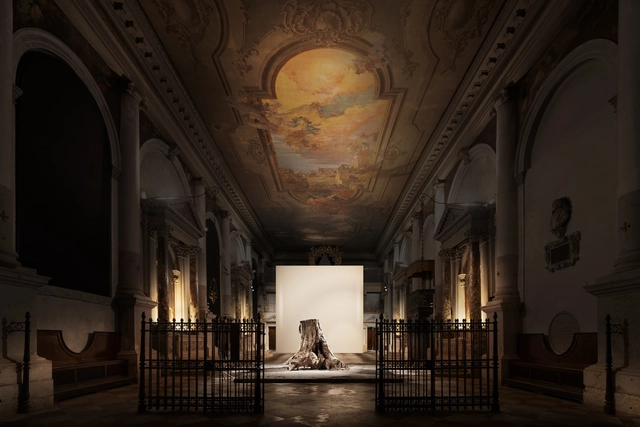
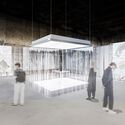
The Lithuanian Pavilion at the 2025 Venice Architecture Biennale presents Archi / Tree / tecture, a project by the National Architects Association. Commissioned by Juratė Tutlyte and curated by architect Gintaras Balčytis, the exhibition invites architects, students, communities, and visitors to reflect on the deep connections between architecture and urban nature. It positions the discipline as an interpretive medium that reveals the layered relationships shaping our cities, which in turn reflect these dynamic interactions. The proposal evokes an urban memory rooted in landscapes where fields and trees once stood, introducing the dimension of time into discussions on city ecosystems, sustainability, and resilience. The exhibition, an indoor installation designed by architects Paulius Vaitiekūnas, Andrius Pukis, and Vika Pranaitytė, will be set within the Church of Santa Maria dei Derelitti. The audiovisual and light installation in the pavilion was designed by the interdisciplinary art duo Lina Pranaitytė and Urtė Pakers, while the sculptural component of the installation was created by Kęstutis Lanauskas.

Archi/Tree/tecture: Lithuania’s Pavilion at the 2025 Venice Biennale Explores the Relationship Between Identity and Urban Nature - 1 的图像 4Archi/Tree/tecture: Lithuania’s Pavilion at the 2025 Venice Biennale Explores the Relationship Between Identity and Urban Nature - 2 的图像 4Archi/Tree/tecture: Lithuania’s Pavilion at the 2025 Venice Biennale Explores the Relationship Between Identity and Urban Nature - 3 的图像 4Archi/Tree/tecture: Lithuania’s Pavilion at the 2025 Venice Biennale Explores the Relationship Between Identity and Urban Nature - 4 的图像 4Archi/Tree/tecture: Lithuania’s Pavilion at the 2025 Venice Biennale Explores the Relationship Between Identity and Urban Nature - More Images+ 2

Armenian Pavilion at Venice Biennale 2025 Explores AI and Cultural Memory

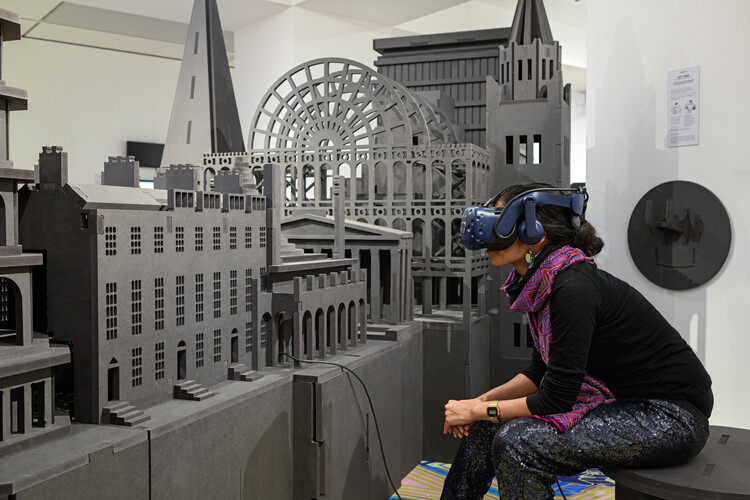
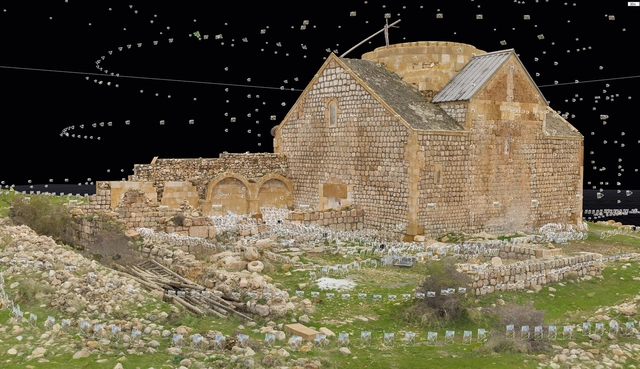
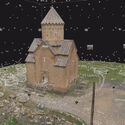
At the 19th International Architecture Exhibition - La Biennale di Venezia 2025, the Republic of Armenia presents "Microarchitecture Through AI: Making New Memories with Ancient Monuments." The pavilion brings attention to the challenges facing cultural heritage today, particularly loss through climate change, conflict, and neglect, while exploring how emerging technologies such as artificial intelligence may offer new methods for preservation and reinterpretation.

Armenian Pavilion at Venice Biennale 2025 Explores AI and Cultural Memory - Image 1 of 4Armenian Pavilion at Venice Biennale 2025 Explores AI and Cultural Memory - Image 5 of 4Armenian Pavilion at Venice Biennale 2025 Explores AI and Cultural Memory - Image 3 of 4Armenian Pavilion at Venice Biennale 2025 Explores AI and Cultural Memory - Image 4 of 4Armenian Pavilion at Venice Biennale 2025 Explores AI and Cultural Memory - More Images+ 3

The European Prize for Public Urban Space Announces Warsaw Park and Porto do Son Beach Design as 2024 Winners

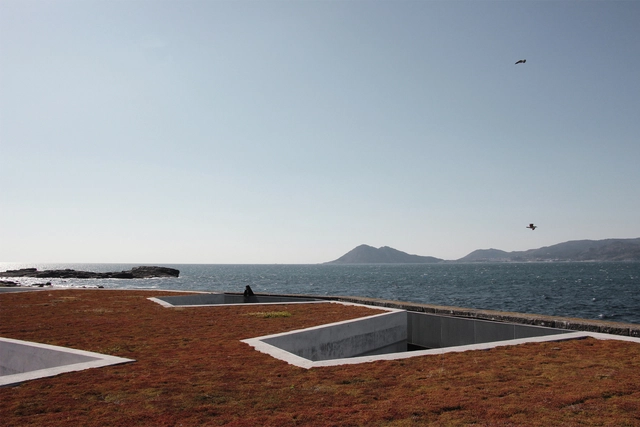
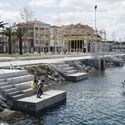
The 2024 European Prize for Urban Public Space has announced the overall winners for the 12th edition: For the General Category, the "Park at the Warsaw Uprising Mound" in Poland by studios topoScape and Archigrest received recognition its ability to honor the site's historical significance; while the Seafront Category prize was given to the "Beach Improvement and Redevelopment of the Harbour Edge" in Porto do Son, Spain, designed by CREUSeCARRASCO and RVR Arquitectos for its careful integration of natural and manmade elements. Selected from a list of 10 finalists, the projects were appreciated for their sensible response to local memory and an understanding of the interplay between various elements that interact with urban life.

The European Prize for Public Urban Space Announces Warsaw Park and Porto do Son Beach Design as 2024 Winners - Image 1 of 4The European Prize for Public Urban Space Announces Warsaw Park and Porto do Son Beach Design as 2024 Winners - Image 2 of 4The European Prize for Public Urban Space Announces Warsaw Park and Porto do Son Beach Design as 2024 Winners - Image 3 of 4The European Prize for Public Urban Space Announces Warsaw Park and Porto do Son Beach Design as 2024 Winners - Image 4 of 4The European Prize for Public Urban Space Announces Warsaw Park and Porto do Son Beach Design as 2024 Winners - More Images+ 12

Edmund Sumner Explores Memory and Emotional Spaces with Architectural Photography Exhibition in London

Starting on June 30th, 2024, Edmund Sumner presents the “Traces” exhibition, a solo show at Rodic Davidson Architects in London featuring architectural photography that explores cultural identity and historical significance across diverse landscapes. The show offers a profound exploration of architecture and design across diverse landscapes, including Europe, India, and Mexico, presenting a compelling intersection between photography and the built environment. Additionally, the photographer is expected to release his fifth book with Thames & Hudson in 2025.

Edmund Sumner Explores Memory and Emotional Spaces with Architectural Photography Exhibition in London - Image 1 of 4Edmund Sumner Explores Memory and Emotional Spaces with Architectural Photography Exhibition in London - Image 2 of 4Edmund Sumner Explores Memory and Emotional Spaces with Architectural Photography Exhibition in London - Image 3 of 4Edmund Sumner Explores Memory and Emotional Spaces with Architectural Photography Exhibition in London - Image 4 of 4Edmund Sumner Explores Memory and Emotional Spaces with Architectural Photography Exhibition in London - More Images+ 4

Architecture and Memory: The Sense of Smell and Recollection

Subscriber Access | 

When asked about his memories of the house where he spent part of his childhood, Finnish architect Juhani Pallasmaa says that more than sight, his memories are based on the smell of the house. According to him, each house has its own smell, which we do not always perceive when we are in it, but immediately recognize upon returning.

Architecture and Memory: The Sense of Smell and Recollection - Image 1 of 4Architecture and Memory: The Sense of Smell and Recollection - Image 2 of 4Architecture and Memory: The Sense of Smell and Recollection - Image 3 of 4Architecture and Memory: The Sense of Smell and Recollection - Image 4 of 4Architecture and Memory: The Sense of Smell and Recollection - More Images+ 5

Materializing the Intangible: 8 Memorials Around the World

Subscriber Access | 

Architecture is often associated with the idea of sheltering, ever since primitive constructions. However, memorials are among the few types of architecture that are not primarily intended to shelter, but to remember. A space that respectfully aims to keep alive the memory of those who have fallen in heroic acts or have been unfortunate victims of cruel historical events, which can, therefore, be perceived as a monument or a building with the purpose of materializing intangible emotions, creating collective memories that can be remembered through time.

Berlin 2020 Filmmaking Workshop: Framing Urban Memory Via Short Films

A one-week workshop for individuals interested in filming architecture and the city. Between 16 and 20 March at ZK/U in Berlin, we will benefit from feature and short films to discuss urban architecture, and to re-produce Berlin through filming. The target of the workshop is to make a short film within the boundaries of the city. As a Berliner, or an outsider to the city, participants will be making a film in and about Berlin within the theme of “Urban Memory.” The workshop is open to all, and film experience is not required.

This is a full-time workshop. Please contact Gul

Venice Biennale’s ‘Lightbox’ Exhibition Explores Material Memory

The European Culture Center’s Time Space Exhibition during the Venice Biennale 2018 features a new short film depicting the spatial qualities of light in architectural design, both as a material and metaphor.

This collaboration between architect and professor Jorge L. Hernández and photographer Carlos Domenech explores their endeavors in providing a lighting-based design solution for the Williamsburg, Virginia courthouse. Battling the issues of security and privacy of the court with the need for natural daylight, Hernández recreated the cupola, a vernacular roof turret intended for ventilation for illumination instead. Light, entering the courtroom from above, transforms the previously dull space and becomes, “an allegory for justice”.