1. ArchDaily
  2. Byzantine

Byzantine: The Latest Architecture and News

Subscriber Access

Art, Architecture, Archaeology: A Refuge for Artists at Amman’s Darat al Funun

Audio available

At a time when public support for the arts is under pressure in many countries, Darat al Funun — literally "House of the Arts" — stands by its long-standing mission to champion artists. "Artists are witnesses of their time," affirms Suha Shoman, its founder. "Maybe Art does not operate change, but it does record it […] it points fingers. At the same time, it speaks of, even if it's so difficult and at times so violent, it speaks of beauty as well."

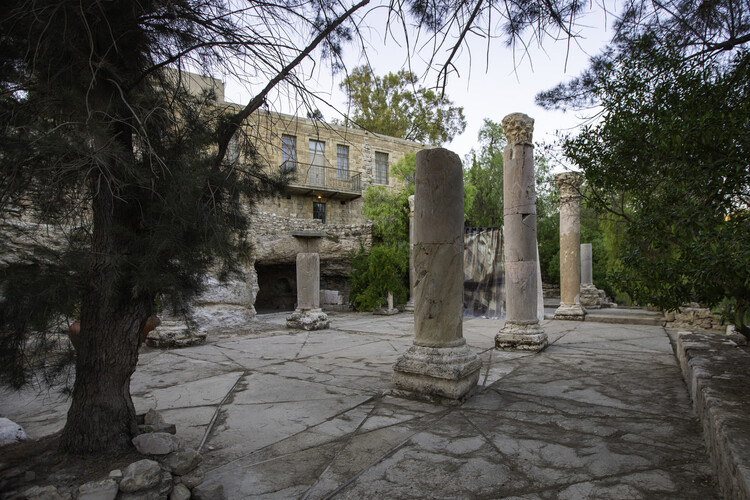
A place where the past remains present, Darat al Funun spreads in the hills of Jabal al Luweibdeh, on a rugged terrain overlooking the eye of downtown Amman, Jordan. Its landscape is warmly inviting and accessible to the public, with a lower entrance in the south and an upper one in the north. Across its cascading terraces, the site is visually permeable as well, demonstrating the foundation's core tenet: art is a civic necessity and a vessel for history.

Art, Architecture, Archaeology: A Refuge for Artists at Amman’s Darat al Funun - Image 1 of 4Art, Architecture, Archaeology: A Refuge for Artists at Amman’s Darat al Funun - Image 2 of 4Art, Architecture, Archaeology: A Refuge for Artists at Amman’s Darat al Funun - Image 3 of 4Art, Architecture, Archaeology: A Refuge for Artists at Amman’s Darat al Funun - Image 4 of 4Art, Architecture, Archaeology: A Refuge for Artists at Amman’s Darat al Funun - More Images+ 12

Subscriber Access

Exploring Cameroon's Cathedrals: a Heritage Influenced by Byzantine and Gothic Movements

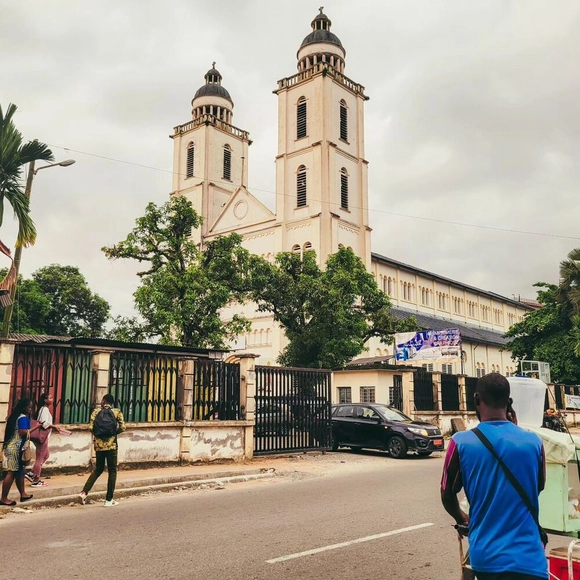
Cameroon boasts a rich architectural heritage of Catholic Christian worship buildings. These buildings encompass various styles, including contemporary designs, Terracotta brick explorations, and Gothic, and Byzantine architectural influences. Since the arrival of missionaries and colonial communities in 1890, numerous religious buildings have been constructed with the involvement of local communities. These buildings not only contributed to the development of the Christian faith but also served as venues for the exchange of architectural ideals between the local and foreign communities.

During this period, Cameroon explored the Gothic and Byzantine movements, which had reached their peak in Europe, to create these churches. They were interrogated through local building practices and now represent the historical heritage of the country's cathedrals.

Exploring Cameroon's Cathedrals: a Heritage Influenced by Byzantine and Gothic Movements  - Image 1 of 4Exploring Cameroon's Cathedrals: a Heritage Influenced by Byzantine and Gothic Movements  - Image 2 of 4Exploring Cameroon's Cathedrals: a Heritage Influenced by Byzantine and Gothic Movements  - Image 3 of 4Exploring Cameroon's Cathedrals: a Heritage Influenced by Byzantine and Gothic Movements  - Image 4 of 4Exploring Cameroon's Cathedrals: a Heritage Influenced by Byzantine and Gothic Movements  - More Images+ 8