
-
Architects: Mountain Soil Interior Design
- Area: 406 m²
- Year: 2026
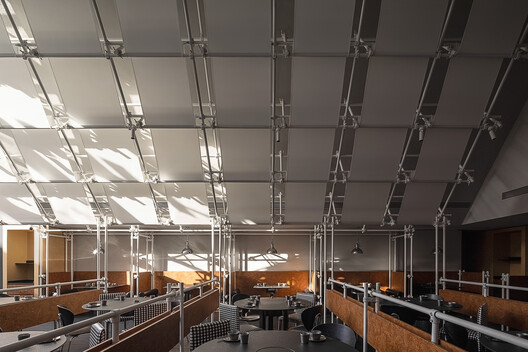
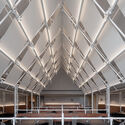
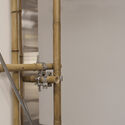
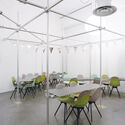
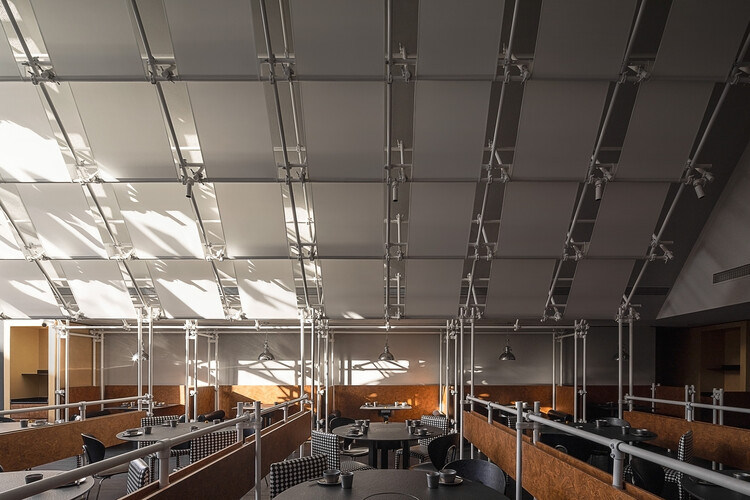
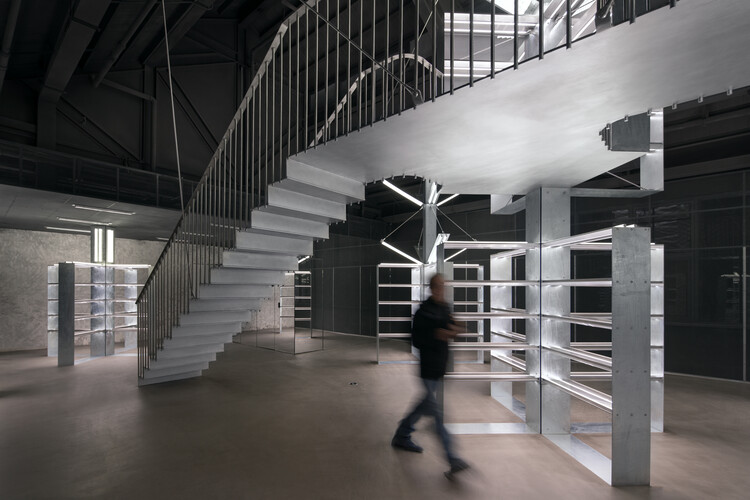
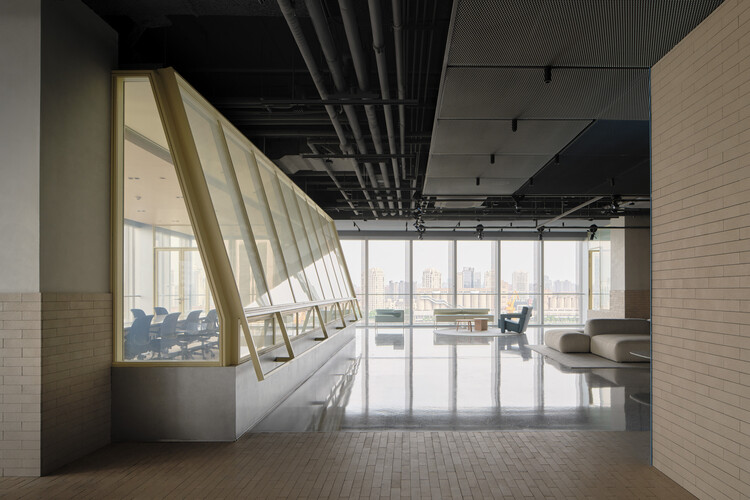
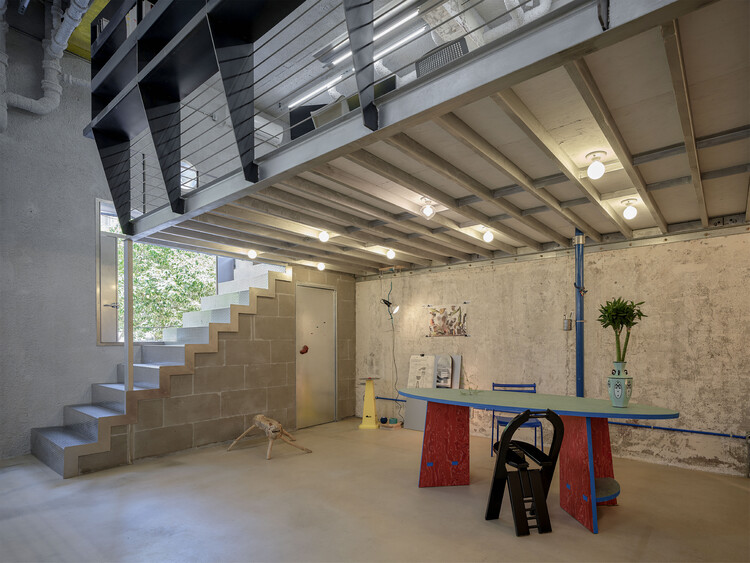
Scaffolding is perhaps one of architecture's most familiar temporary structures. It accompanies buildings through construction, maintenance, and renovation, only to disappear once its work is complete. Yet its apparent impermanence conceals a different kind of longevity. Scaffolding systems are designed to be assembled, dismantled, transported, and reused, with standardized components robust enough to withstand repeated handling and changing site conditions. Their temporary character lies less in the material itself than in the duration of each assembly.
This logic is not unfamiliar in furniture design. Dieter Rams's 606 Universal Shelving System, designed for Vitsœ in 1960, established a modular approach in which shelves, cabinets, and other components could be rearranged, expanded, or transported as circumstances changed. Similarly, IKEA's modular storage systems popularized and demonstrated how furniture can be understood as a collection of interchangeable parts rather than a singular, finished object. Although different in material and intended lifespan, these systems share an important principle: longevity can be achieved through adaptability rather than permanence of arrangement.

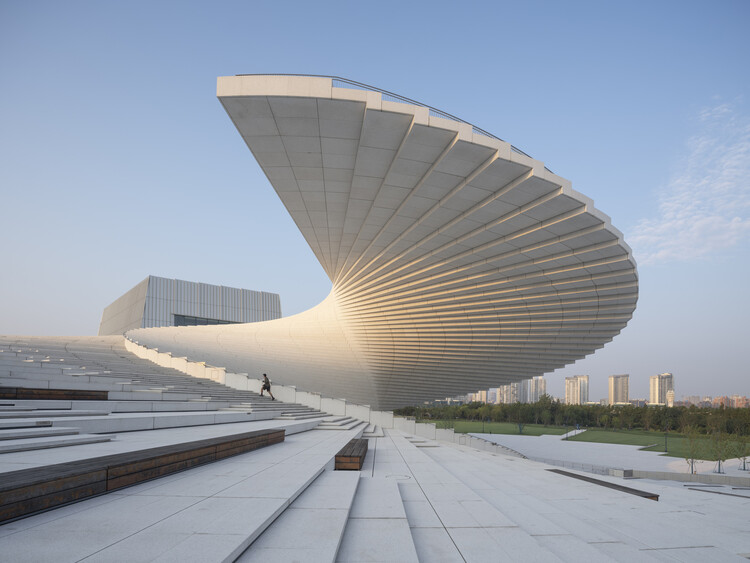
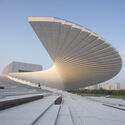
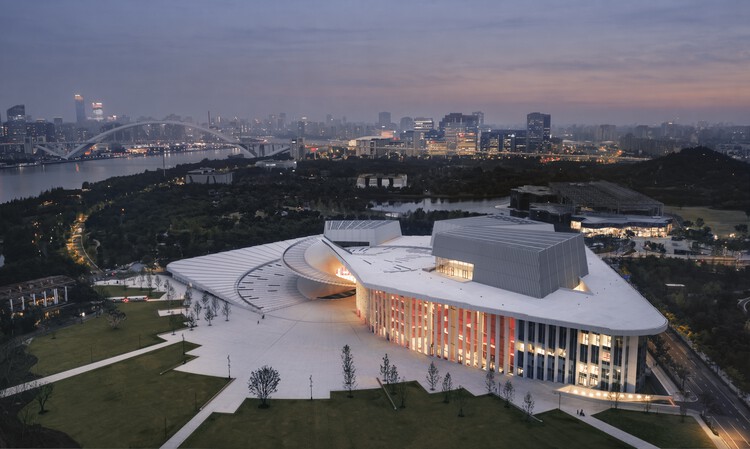
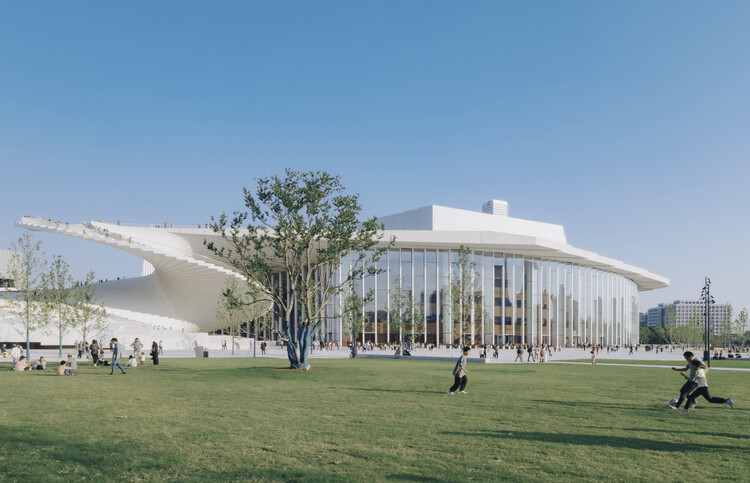
An international cultural venue was inaugurated this week after a decade-long construction process. Snøhetta's Shanghai Grand Opera House opened to the public on October 17, 2026, on the banks of the Huangpu River in Shanghai, China. Against a backdrop of declining cultural investment in several countries around the world, the project offers a new platform for the development of the arts. This week's coverage also included reports on classical and modern heritage, plans for international biennials and the recognition of two projects for their new approaches to architecture. On our radar this week, we feature an upcoming exhibition on Italian sculptor Costantino Nivola, updates on the 1901 Project in Chicago and a new gateway pavilion at the Goois Nature Reserve in the Netherlands.

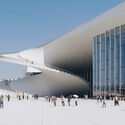
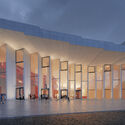
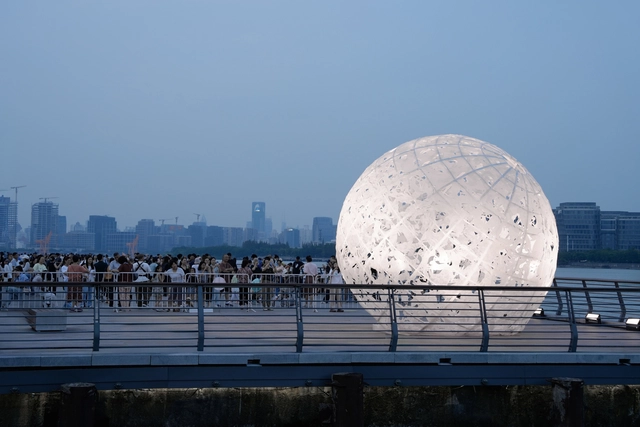
The Shanghai Grand Opera House, designed by Snøhetta in collaboration with East China Architectural Design & Research Institute (ECADI), Theatre Projects, and Nagata Acoustics, officially opened on October 17, 2026, along the Huangpu River in Shanghai, China. The opening marks the completion of a cultural project selected through an international design competition in 2016 and developed over the following decade. Located in the Expo Houtan district, the 146,786-square-meter building brings together three performance venues, production facilities, and publicly accessible spaces as part of the ongoing transformation of Shanghai's waterfront.




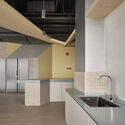
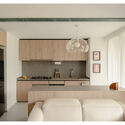
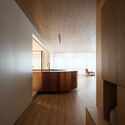
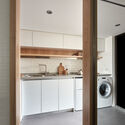
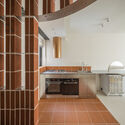
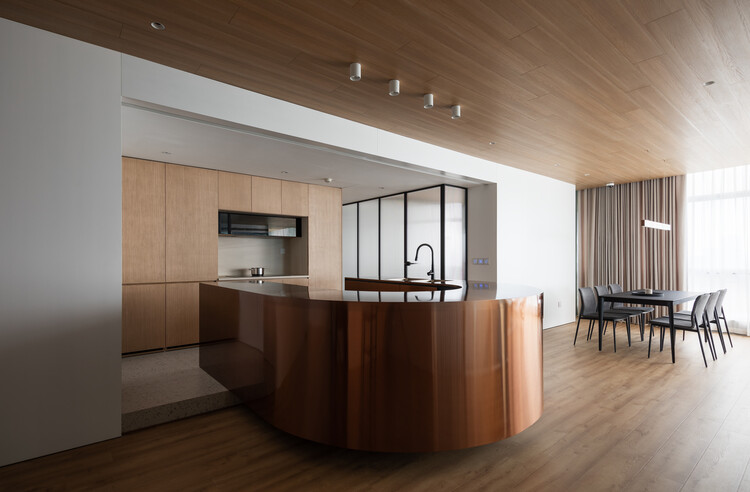
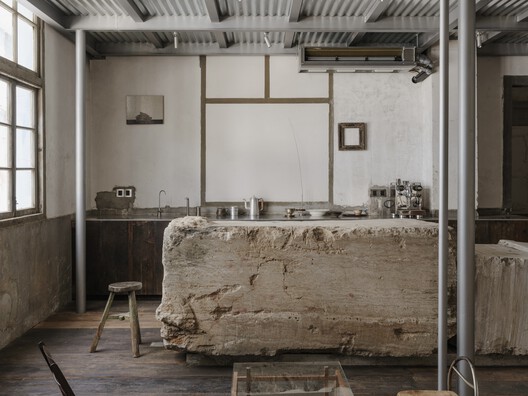
In compact homes, the kitchen is rarely only a room for cooking. It often operates as an edge: a service wall or a boundary between domestic work and social life. Its importance lies not only in food preparation, but in how it organizes the rest of the home, particularly due to limitations of plumbing and ventilation requirements. Before a living room can feel open, the kitchen often has to absorb the practical intensity of daily life: water, heat, smell, appliances, groceries, and storage.
This is especially visible in dense East Asian interiors, where domestic space is frequently shaped by limited area, changing family structures, hybrid work, and the cultural specificity of cooking. The open kitchen may be framed as a lifestyle feature, but in many apartments it is also a planning problem. It has to negotiate domestic labor, support informal gathering, and sometimes, as space-saving strategies, replace the hallway or foyer. More than a design gesture, the kitchen edge is therefore a spatial agreement between service and living.


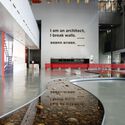
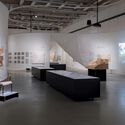
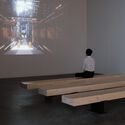
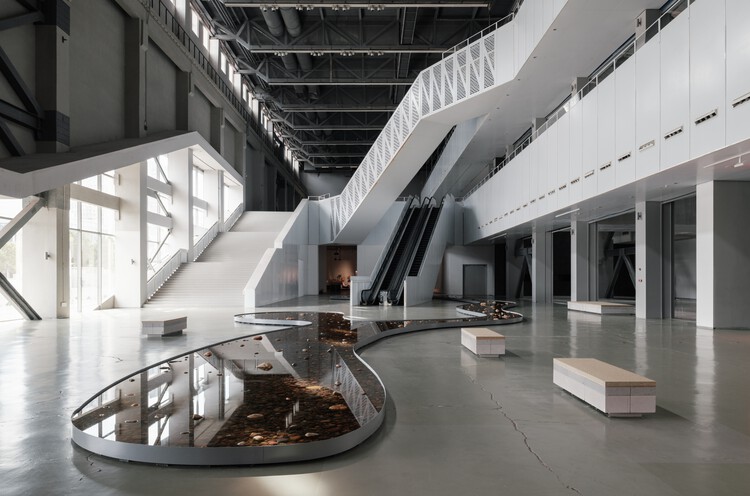
From 25 July to 25 October 2026, Shanghai's Power Station of Art (PSA) will host the first exhibition in China dedicated to the work of Brazilian architect Lina Bo Bardi. Titled "The Poetics of Survival," the exhibition was curated by Renato Anelli, and the display was designed by OPEN Architecture in a 2,300 m² space of the PSA contemporary art museum in Huangpu. The objective was to design "a stage where the audience gets a glimpse of the everyday reality of Brazil in Lina's time" through a journey across the architect's work and layered persona. The exhibition is not described as a retrospective, but as an "encounter with the master's poetics of survival," a late-20th-century concept describing how creative work becomes a tool to endure trauma such as historical oppression or extreme crisis. The concept serves as a common thread linking the reality portrayed and contemporary observers of a body of work "informed by her ingenuity, versatility, and generosity."