


-
Architects: Foster + Partners
- Area: 235500 m²
- Year: 2025
-
Manufacturers: Kalzip
-
Professionals: Foster + Partners, China Construction Third Engineering Bureau Co. Ltd, RLB, Buro Happold, Warrington Fire, +2
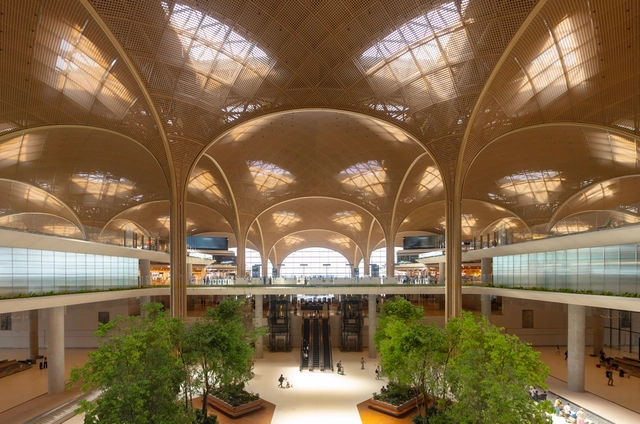
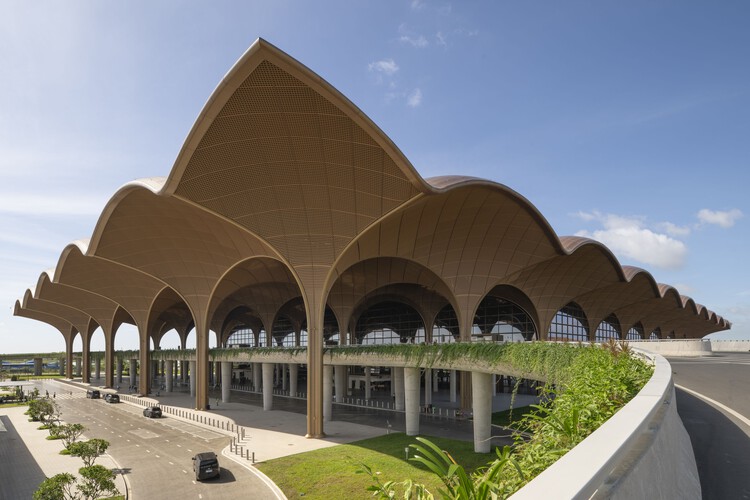
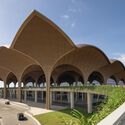
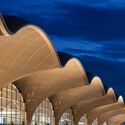
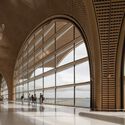
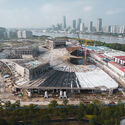
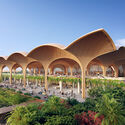
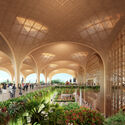
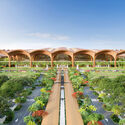
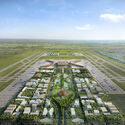
Foster + Partners has completed the Techo International Airport in Phnom Penh, Cambodia, marking a new chapter in the nation's vision for sustainable growth and improved regional connectivity. Situated 20 kilometers south of the city center, the airport's terminal building spans 235,500 square meters and forms the centerpiece of a 24-square-kilometer master plan. Drawing inspiration from Cambodia's vernacular architecture and tropical landscape, the design integrates cultural references and environmental responsiveness to create a contemporary yet contextually rooted gateway for international travel. The first phase, including the head house and northern pier, opened to the public in 2025, while the southern pier is scheduled for completion by 2030.
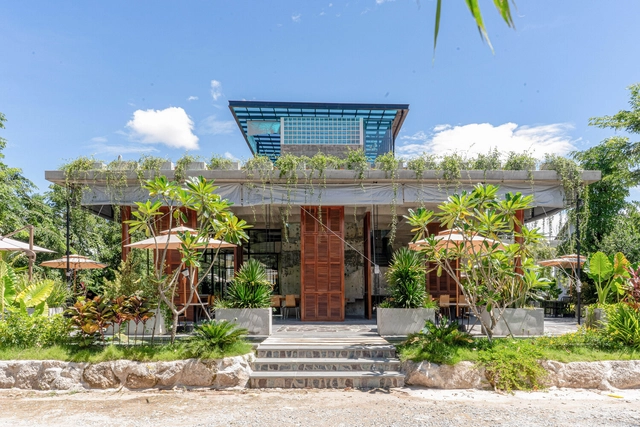
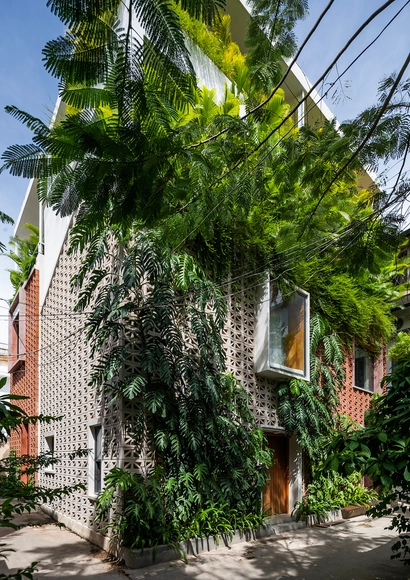
As 2024 comes to an end, the architectural world looks ahead to 2025, a year set to unveil transformative projects across the globe. From cultural landmarks in Asia, such as Sou Fujimoto's "Grand Ring" for Expo 2025 Osaka and MAD Architects' Hainan Science Museum in China, to dynamic urban developments like OMA's Harajuku Quest in Tokyo and David Chipperfield's Elbtower in Hamburg, these projects reflect a commitment to innovation, sustainability, and preserving cultural heritage.
In North America, Studio Gang's Shirley Chisholm Recreation Center in Brooklyn and the Lucas Museum of Narrative Art in Los Angeles highlight architecture's role in fostering community connections. Meanwhile, Europe anticipates Shigeru Ban's hybrid residential tower in Antwerp and Kengo Kuma's Visitor Center at Albania's Butrint National Park, showcasing the intersection of contemporary design and local context. As these projects take shape, they offer a glimpse into architecture's power to redefine spaces and inspire communities.
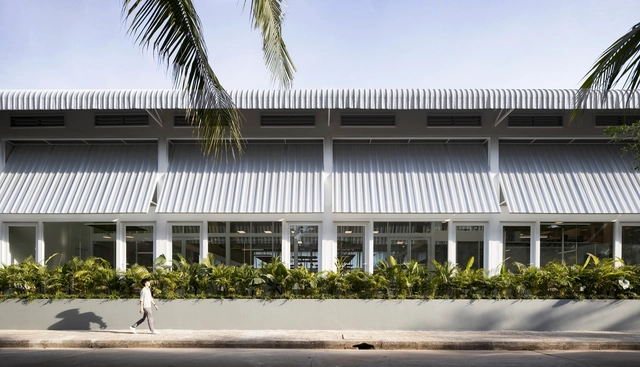

Construction is underway at the new Techo International Airport in Phnom Penh, Cambodia, designed by Foster + Partners. The project, located 20 kilometers from Cambodia’s capital city, draws inspiration from the vernacular architecture that defines the area, searching to provide adequate design solutions in response to the tropical climate. The commission, which was won following an international competition, includes the master plan for a new airport city in addition to the new terminal building.
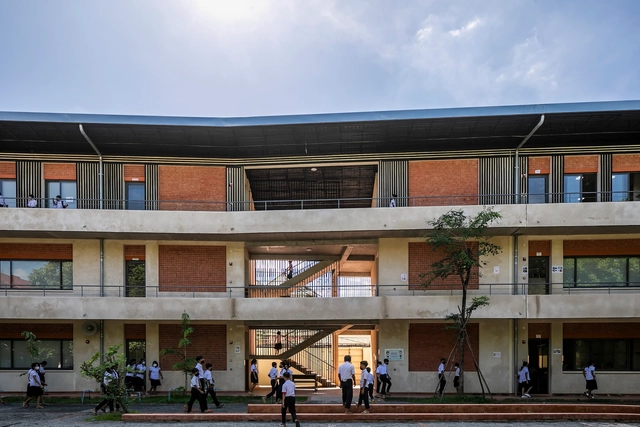
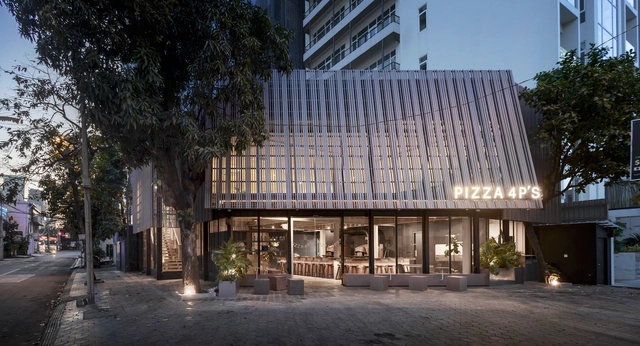
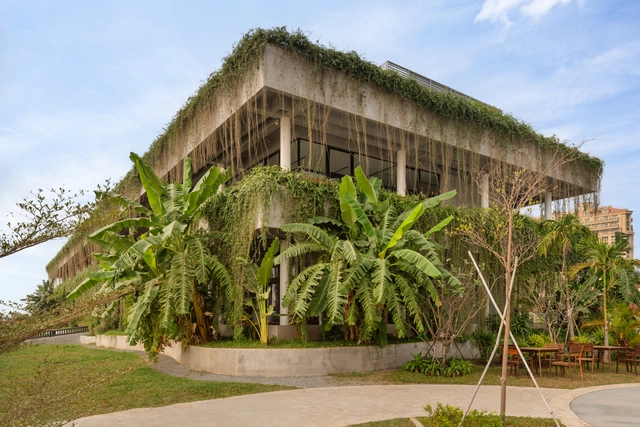
The Kingdom of Cambodia has a rich history of Khmer architecture. Built from the latter half of the 8th century to the first half of the 15th century, these structures are embodied by the iconic Angkor Wat temple complex. But new architecture is being built throughout Cambodia, projects that reinterpret culture and tradition to create modern spaces for contemporary life.
_David_Yeow.jpg?1541989495&format=webp&width=640&height=580)
_COOKFOX_Architects.jpg?1434039459&format=webp&width=640&height=580)
COOKFOX Architects has recently begun construction on The Neeson Cripps Academy, a high-tech and sustainable school to be built in Phnom Penh, Cambodia, as a gift from Velcro Companies to the Cambodian Children’s Fund.
The school, named for Cambodian Children’s Fund founder Scott Neeson and former Velcro Companies Chairman Robert Cripps, will employ multiple sustainable building practices, including water and energy efficiency via natural lighting, integrated solar shading, low energy lighting, and low flow water fixtures. An energy recovery system will further work to improve air quality inside classrooms by filtering outdoor air into the interior of the building, and on-site photovoltaic cells will provide a portion of the school’s energy needs.

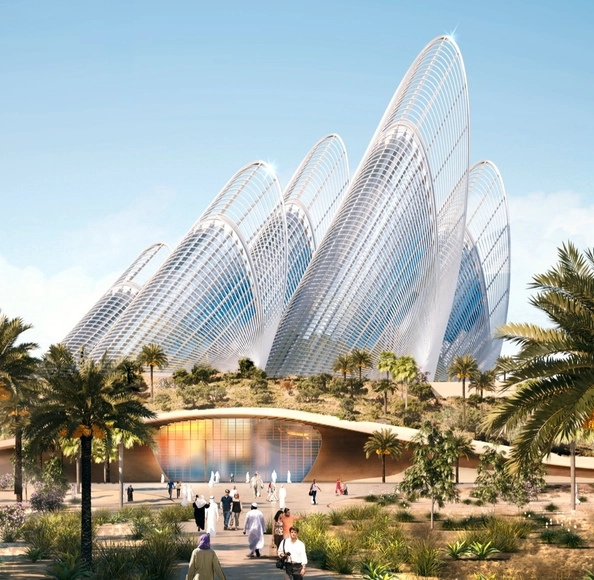
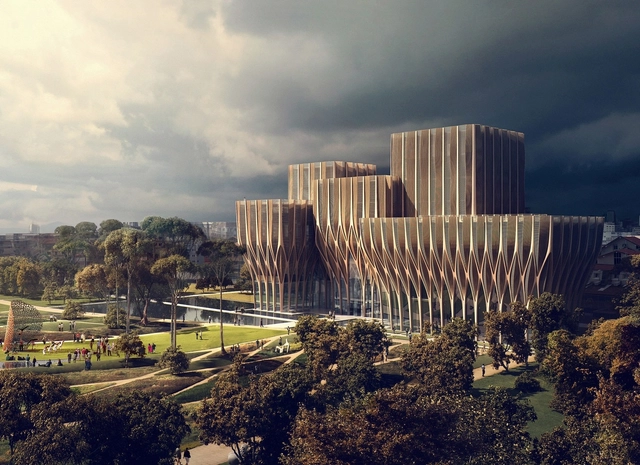
Zaha Hadid Architects have unveiled their design for the Sleuk Rith Institute in Phnom Penh. The highly-anticipated project, commissioned by the Documentation Center of Cambodia’s (DC-Cam), will serve as Cambodia’s go-to archive for Khmer Rouge history and a leading center for genocide studies in Asia.
Five wooden towers, inspired by ancient Angkorian architecture, will house the institute’s “cross-section of pursuits,” including a genocide research center, graduate school, museum, document archives and research library. As the towers rise, the structures will interweave and link, connecting various departments above the ground level and uniting the institution as a singular whole.
A virtual tour through the institute, after the break.

The Documentation Center of Cambodia’s (DC-Cam) has commissioned Zaha Hadid to design the much-anticipated genocide studies institute in Phnom Penh. The new campus, known as the Sleuk Rith Institute, will serve as an extension of DC-Cam’s work as the country’s go-to archive for Khmer Rouge history as well as a leading center for genocide studies in Asia. Within a modest campus, the institute will house a “cross-section of pursuits,” including a genocide studies center, a school, a museum for memorial and education purposes, and more.
"Youk Chhang's vision is inspirational,” stated Zaha Hadid. “His brief for the Sleuk Rith Institute calls for beauty and an optimism for the future to heal and reconnect a country, with the Documentation Centre of Cambodia being key to that process."










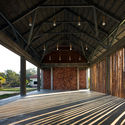

_David_Yeow.jpg?1541989531 "© David Yeow")
_David_Yeow.jpg?1541989588 "© David Yeow")
_David_Yeow.jpg?1541989612 "© David Yeow")
_David_Yeow.jpg?1541989888 "© David Yeow")
_David_Yeow.jpg?1541989495)

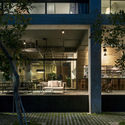
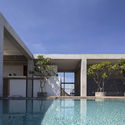


.jpg?1412951460 "South Facade and Memorial Park. Image © ZHA")
.jpg?1412951277 "Entrance. Image © ZHA")

