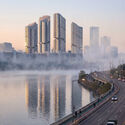
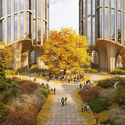
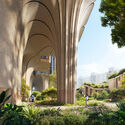
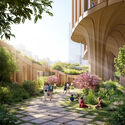
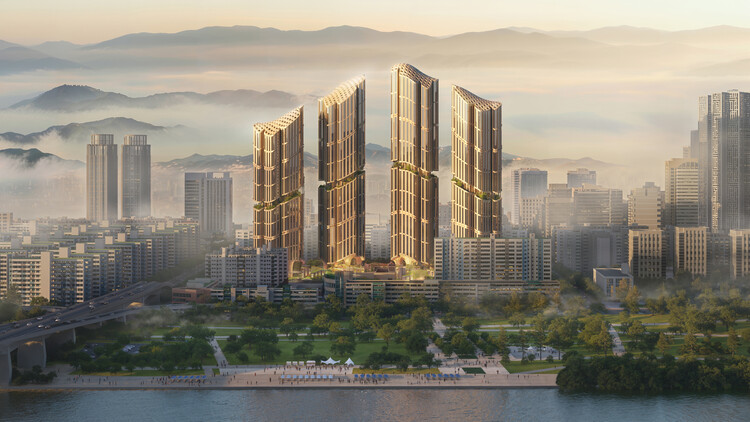
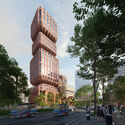
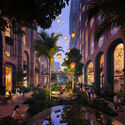
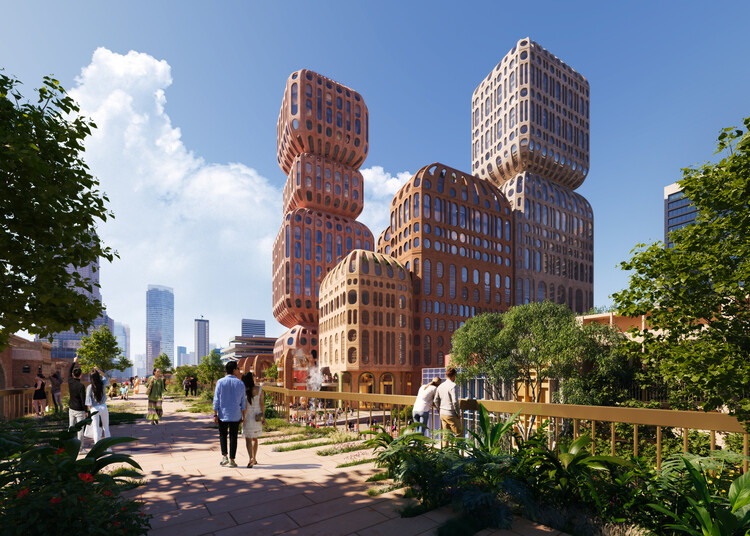
Heatherwick Studio has unveiled the first images of the design for the transformation of the Daegyo Apartments in Yeouido, Seoul. The project, the firm's first residential project in South Korea, was presented by Thomas Heatherwick to the Yeouido Daegyo Residents' Union at a meeting of their General Assembly on February 28, 2026. The development was first announced in mid-2025 as a community-led residential redevelopment, with the studio remaining involved throughout all phases of the project from concept to completion. The design is set to transform four residential buildings from 1975, aiming to establish a distinctive and appealing character, distinct from the average apartment building in Seoul.
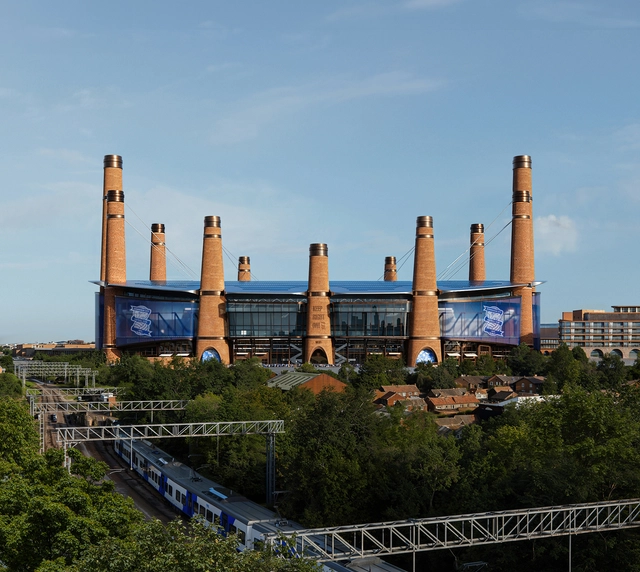
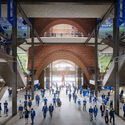
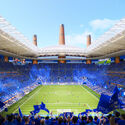
Heatherwick Studio and MANICA Architecture have released the design for Birmingham City Football Club's new stadium, set to anchor the forthcoming BirminghamSports Quarter in East Birmingham, England. The 62,000-seat venue, planned for Bordesley Green, forms part of a wider redevelopment strategy and coincides with the club's 150th anniversary. Developed through a competition led by filmmaker Steven Knight, the project aims to introduce a multifunctional sports and cultural venue integrated into its urban context.
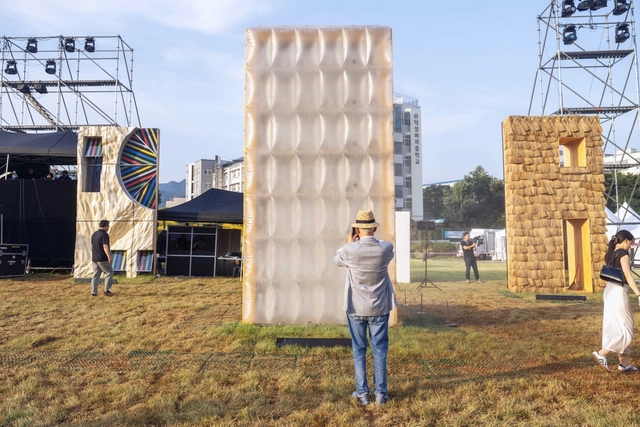
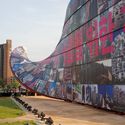
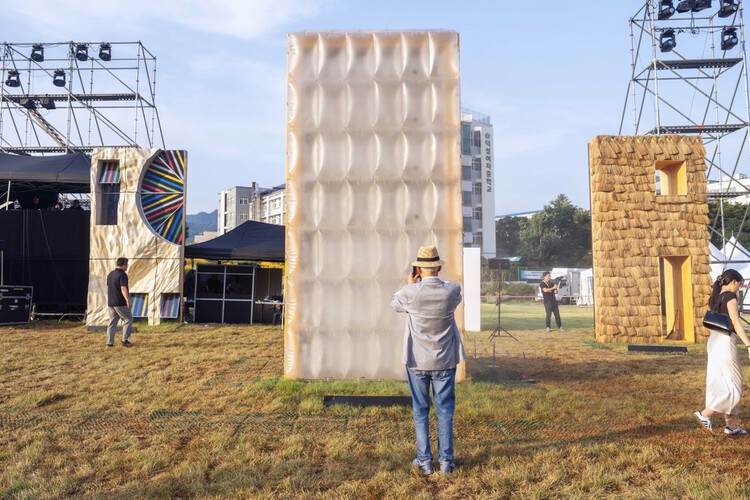
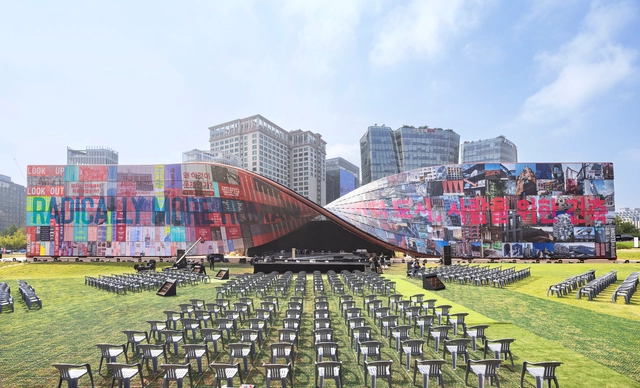
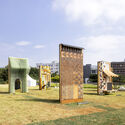
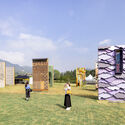
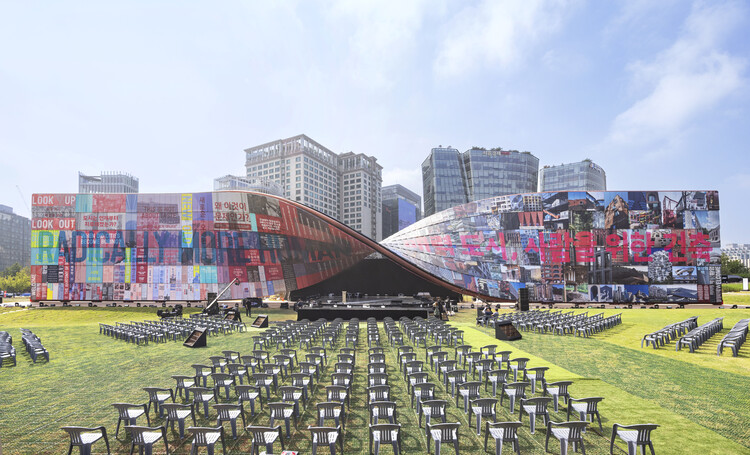
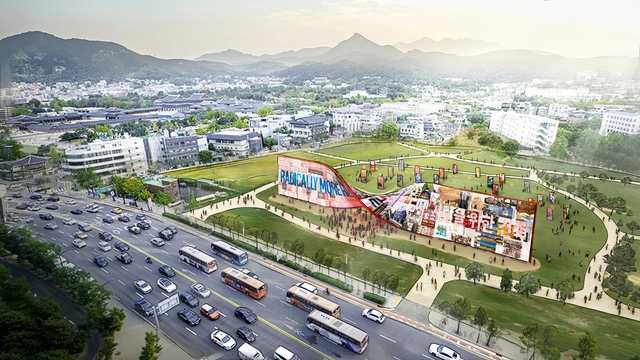
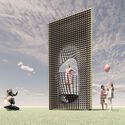
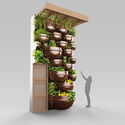
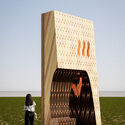
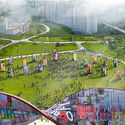
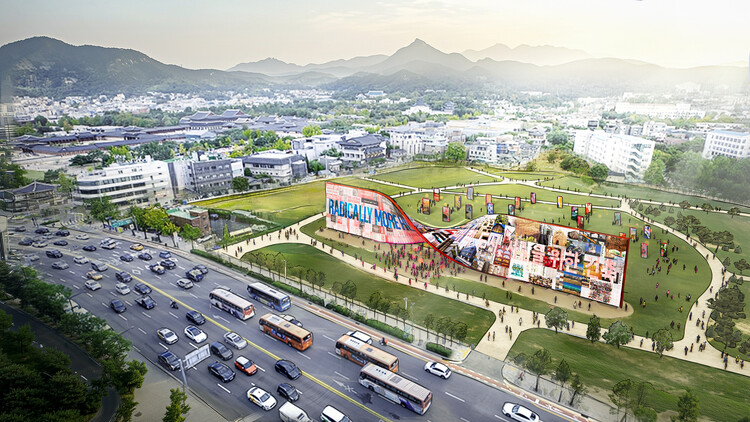
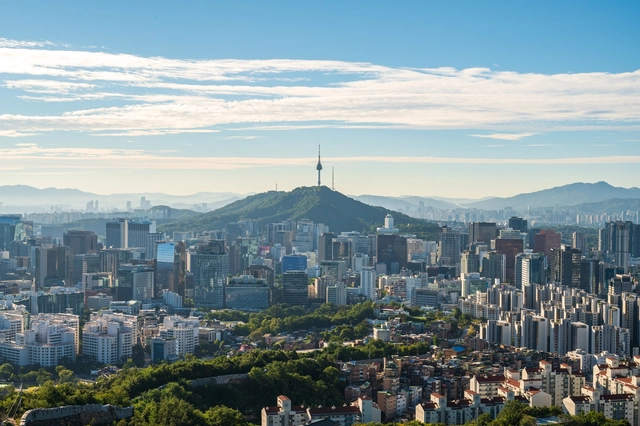
The 2025 edition of the Seoul Biennale of Architecture and Urbanism has announced the 24 designers commissioned to create the Walls of Public Life, a collective installation that explores how the exteriors of buildings can become more expressive, engaging, and emotionally resonant. Each contributor will produce a 2.4 by 4.8-meter building fragment, offering a reimagining of the architectural wall not as a backdrop, but as an active participant in public life. Installed along the north side of Songhyeon Green Plaza in central Seoul, the walls will form part of a larger urban intervention that includes the Humanise Wall, a four-storey, 90-meter-long installation to the south of the park.
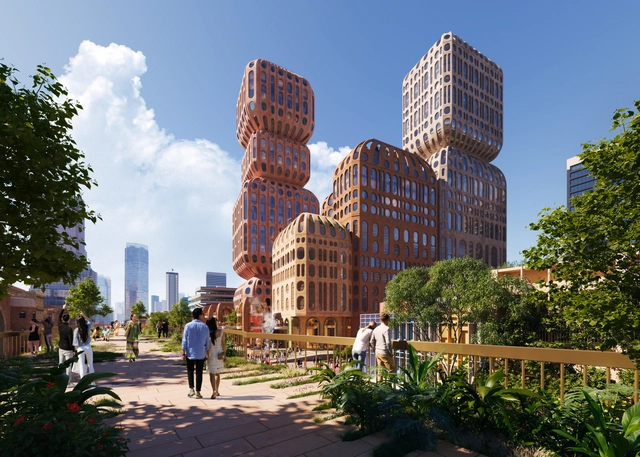
Heatherwick Studio has unveiled the first design images of Hatai, a new public space and two hotels in the heart of Bangkok's Silom district. The complex marks the studio's first project in Thailand and is located on the historic site of the original Narai Hotel, within a bustling business area. The project envisions 5,200 square metres of new public space, including elevated walkways and a publicly accessible ground level with retail and services. The building design draws inspiration from the craftsmanship of traditional Thai lanterns, featuring a series of stacked, rounded forms.
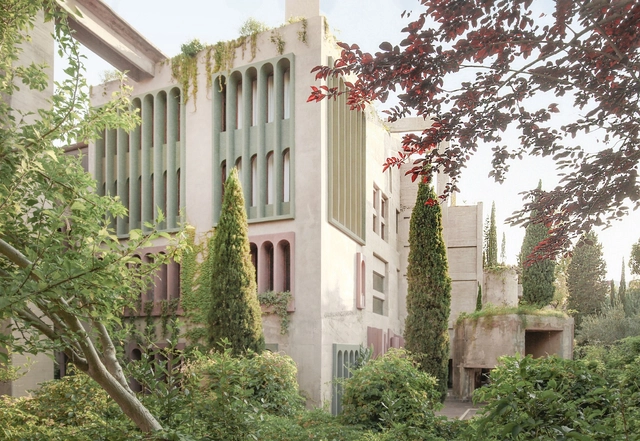
The twentieth century marked a definitive shift in the realm of architecture, as the Modernist movement broke from traditional building styles and encouraged experimentation and innovation. With the help of new materials and technologies, these times represent a crucial moment in the history of architecture as both cities and building styles evolved at an unprecedented rate. The structures that stand testament to this day are, however, nearing the age of a hundred years old. Their stark design features are not always embraced by the public, while the functionalist principles often hinder the adaptability of their interior spaces. Given that they also often occupy central positions within the city, there is increasing pressure to demolish these structures and redevelop the area in its entirety.
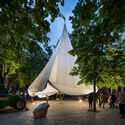
Thomas Heatherwick has been appointed as the General Director and curator of the 2025 Seoul Biennale of Architecture and Urbanism. In its fifth edition, the Seoul Biennale serves as a platform for addressing urban challenges faced by major global cities, fostering innovative solutions and public discussions around architecture and urbanism. As Asia's largest architecture biennale, scheduled to take place from September 1 to October 31, 2025, the exhibition will focus on making cities more joyful, engaging, and radically human-centered. At the heart of this mission is an ambitious public engagement program that directly involves citizens in shaping the Biennale. Through an open call, ten multidisciplinary teams, comprising architects, urban planners, sculptors, community organizers, metalworkers, and textile designers, have been selected to collaborate with local communities. These projects will respond to two central questions: How do buildings make people feel? And how can they be transformed to foster a deeper sense of connection?
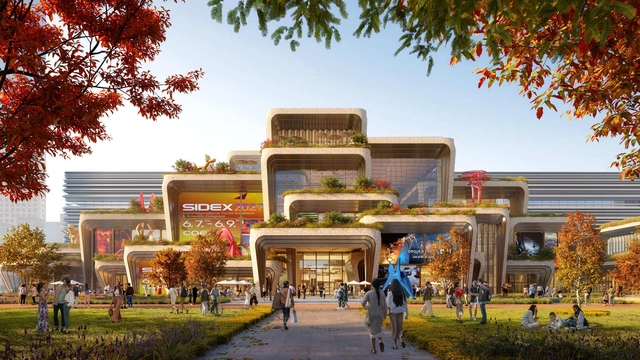
Heatherwick Studio has been selected to lead the redesign of the Coex Convention Centre in Seoul, following a competition aimed at reimagining the building's purpose and facade. In collaboration with the Korea International Trade Association (KITA), the studio's proposal seeks to transform the convention centre into a more open and inviting public space that reflects Seoul's evolving identity.
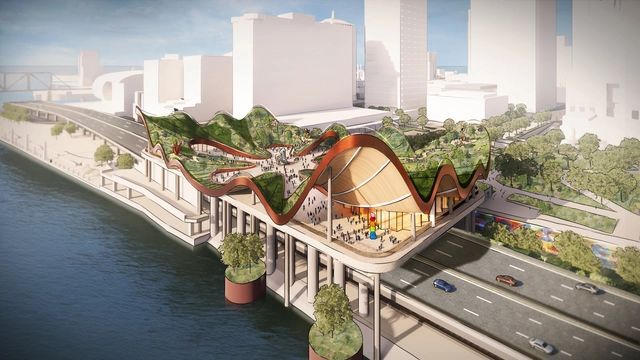
Heatherwick Studio has unveiled an ambitious vision to transform the Belvedere, a historic elevated riverfront space in downtown Louisville, Kentucky, into a reimagined public park in the United States. The project aims to breathe new life into the site, enhancing its connection to the Ohio River and creating a welcoming environment for both residents and visitors.
2025 promises to be a landmark in architecture, heralding a vibrant renaissance of creativity and exploration. As societies confront challenges such as climate change, rapid urbanization, and technological evolution, architecture is both a mirror to these dynamics and a compass pointing toward a sustainable and inclusive future. This year's architectural calendar offers abundant opportunities to celebrate the discipline's transformative power — from boundary-pushing festivals to thought-provoking exhibitions that explore pressing cultural and environmental narratives.
From well-established biennials to inaugural gatherings, including the World Architecture Festival 2025, Desert X Al Ula, and the COP Climate Conference, the 2025 calendar highlights themes such as sustainability, heritage, and community. These events underscore architecture's unique ability to shape a better future, addressing global challenges while honoring cultural diversity and design ingenuity.
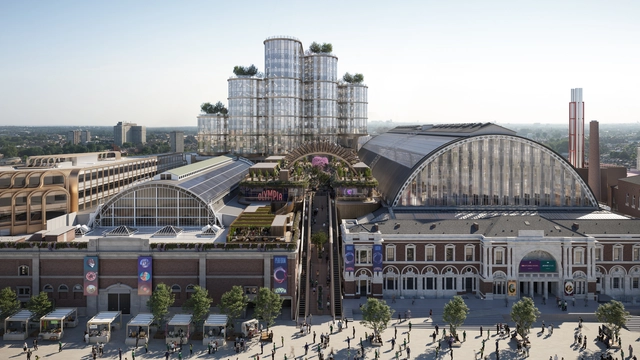
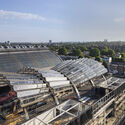
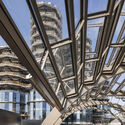
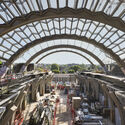
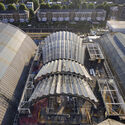
Heatherwick Studio has unveiled the design of a new large-scale glass canopy to become one of the main attractions of Olympia, an ambitious regeneration project aimed at transforming the 138-year-old exhibition halls in London into a global culture and entertainment destination. Originally designed by Sir Henry Edward Coe, Olympia is set to offer visitors a wide range of venues and activities, including two hotels, over 30 restaurants, bars and eateries, a 4,400-capacity live music hall, a theater, and spaces for the Wetherby Performing Arts School, in addition to over 2.5 acres of accessible public spaces. The revival project is co-designed by Heatherwick Studio and SPPARC.
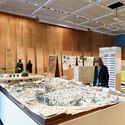
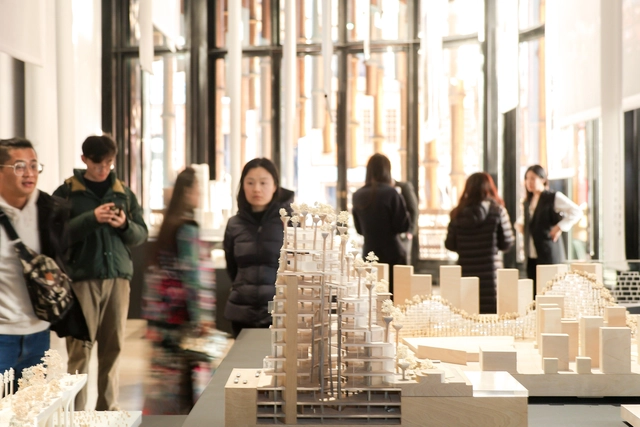
Heatherwick Studio’s exhibition “Building Soulfulness” just opened at the Bund Finance Center in Shanghai. Curated by Mami Kataoka, it will run from January 17th to March 14th, 2024. The display celebrates the studio’s designs, emphasizing their enduring connection with China. The exhibition is taking place at the Fosun Foundation inside the Bund Finance Center, which was designed by Heatherwick Studios and Foster + Partners back in 2017.
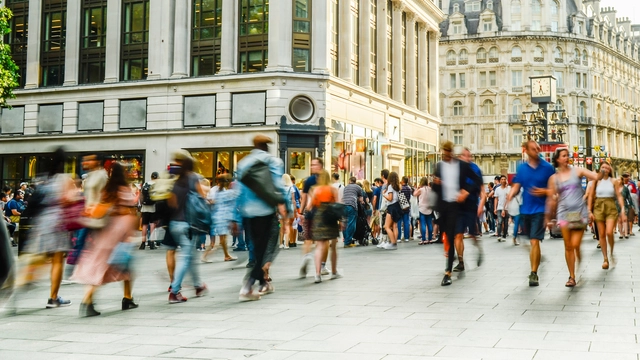
In his latest TED Talk, Thomas Heatherwick decries a condition affecting areas of the city defined by monotonous buildings, or what he calls “an epidemic of boringness.” While recognizing the functionality which drove these designs, he states that functionality alone cannot ensure that the structures become active parts of urban life, as they often fail to provoke an emotional response from passers-by. Heatherwick explains that, in his view, this emotional function, or the ability of buildings to mean something to their users and visitors, is essential. When it succeeds, architecture can positively contribute to the quality of life and well-being of its residents, promote social cohesion and contribute to a sense of identity. So how can architecture provoke a positive emotional connection and provide an enjoyable backdrop to the communities it serves?
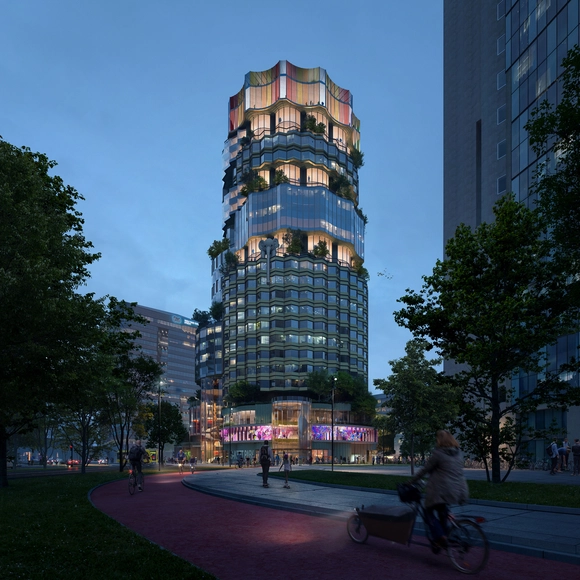
Heatherwick Studio and Barcode Architects have been selected to design a new hub for culture, work and leisure in the Jaarbeursplein central square in Utrecht, Netherlands. The project aims to respond to the city’s diverse population and to bring a sense of warmth and fun to the square, according to the architects. Nicknamed Oopen, the building’s design integrates a colorful collection of cylinders that stand out against the backdrop of the neighborhood. The team has partnered with Edge, a sustainable real estate development company, to help bring the vision to life. Construction is set to start in 2025 and the building will be delivered in 2028.
With many high streets hollowing out and the National Health Services Association pushed to its limits, Heatherwick Studio is calling for a new kind of health space in metropolitan cities. The Health Street initiative is placed right at the heart of urban communities, reimagining the way we look at well-being and the holistic health of complete localities. Moreover, this radical approach to health creation is based on integrating community-led facilities into the local high streets.
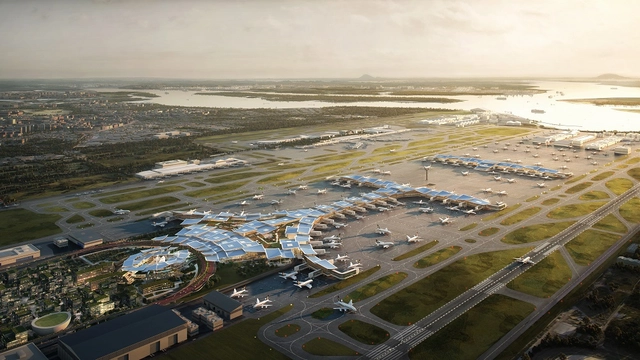
KPF and Heatherwick Studio have revealed the design for the fifth terminal of Changi Airport in Singapore. The concept behind it revolves around the concept of “airport as a city”, presenting itself as a social extension of the namesake district of Changi, at the eastern end of Singapore. The terminal is planned to add a capacity of 50 million passengers per year. Instead of a single monotonous structure, the terminal is comprised of a series of human-centered social spaces, offering different qualities of light, atmosphere, and experience to both visitors and residents of Singapore.
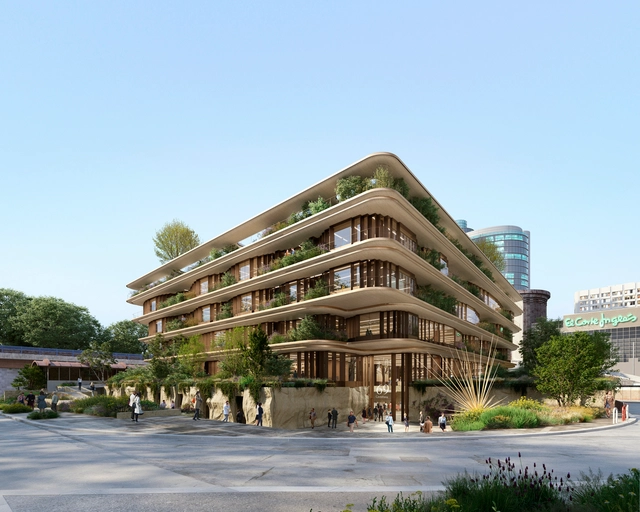
Heatherwick Studio has been selected to design an office building in Madrid for the Spanish department store chain El Corte Ingles. The studio's first project to be built in Spain, Castellana 69 embodies a comprehensive sustainability strategy while also promoting a new vision of the office space. Developed together with local practices CLK architects and BAC Engineering Consultancy Group, Castellana 69 features a green inner courtyard, taking advantage of a strong connection between indoor and outdoor spaces.