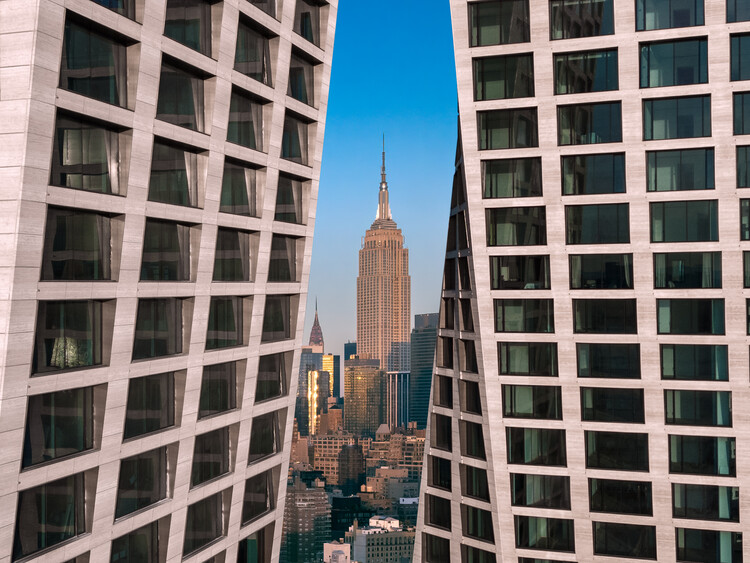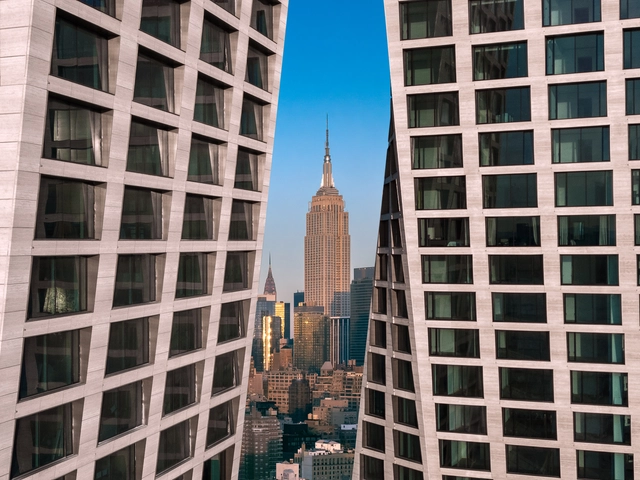
In the complex ecosystem of architectural development, where innovative concepts meet market realities, a distinct role exists to bridge diverse professional interests and realize impactful spaces. Elisa Orlanski Ours exemplifies this function. This is the domain of Elisa Orlanski Ours, a designer, educator, and industry leader. As Chief Planning & Design Officer at Corcoran Sunshine Marketing Group, Elisa founded her department two decades ago. Now, her extensive portfolio spans condominium skyscraper master plans and individual branded villas across continents, including significant New York City developments like Hudson Yards and 220 Central Park South, as well as international developments in collaboration with prominent architectural firms like SHoP Architects, BIG, Herzog & de Meuron, Adjaye Associates, and SO-IL. Her strategic perspective on bringing projects from schematic phase to final sale provides valuable insights into the industry's intricate workings. ArchDaily's Managing Editor, Maria-Cristina Florian, had the opportunity to discuss these critical topics with Elisa in the following interview.

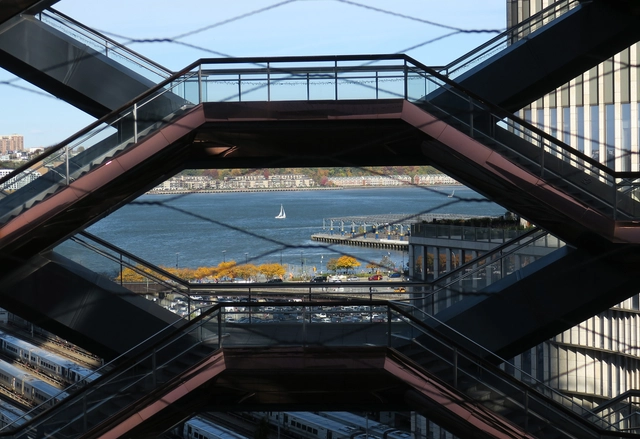
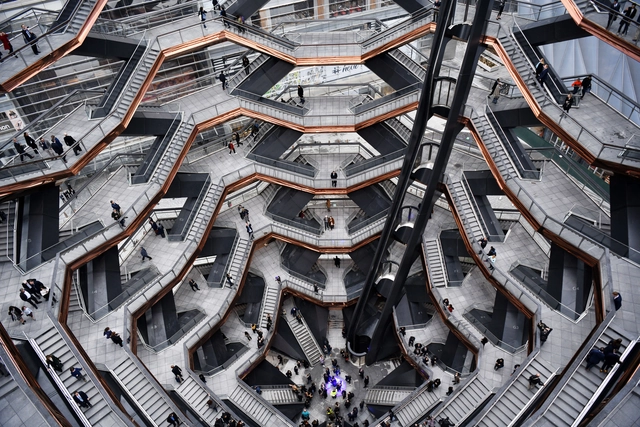
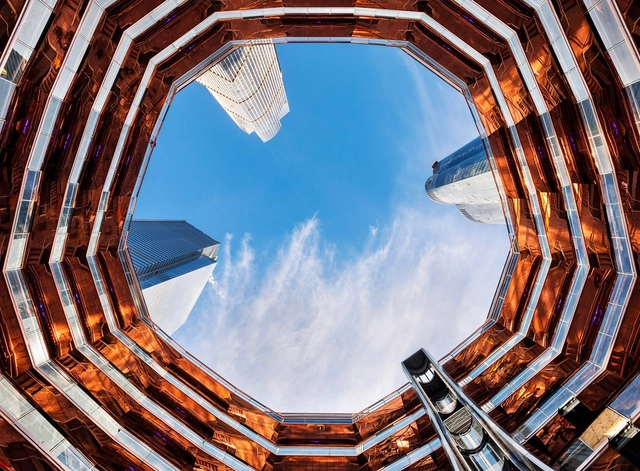
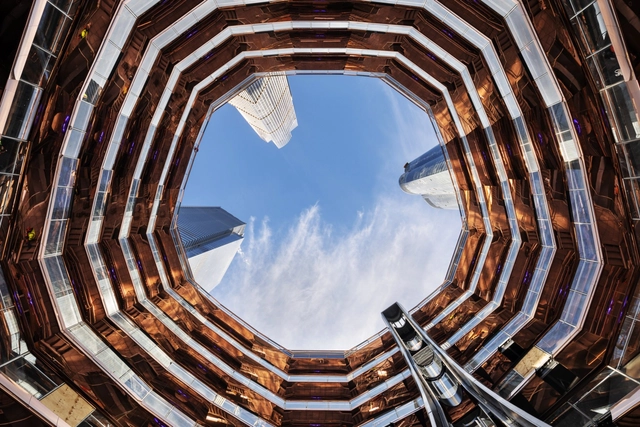
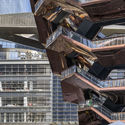
In October 2024, "The Vessel" at Hudson Yards in New York City reopened to the public after being closed for nearly three years due to multiple suicides. Originally designed by Heatherwick Studio and opened in 2019, the 150-foot monumental staircase was closed in January 2021 after four individuals, all under the age of 25, tragically took their own lives within an 18-month span. This photo series by Paul Clemence captures "The Vessel" as it reopens, offering a fresh look at its design and renewed role in the city.

In recent years, Public-Private Partnerships (PPPs) have become a significant model for delivering large-scale infrastructure projects around the world. These partnerships bring together the strengths of both the public sector, represented by governments or municipalities, and the private sector, combining their resources, expertise, and investment power. In the context of architecture and urban development, PPPs are increasingly being used to address the complex needs of growing cities, helping to finance, build, and maintain critical projects that would be difficult for either sector to accomplish alone. But what exactly are PPPs, and how do they function in the built environment? This article explores the concept of PPPs, providing examples from across the globe to illustrate how these partnerships are shaping the future of urban spaces, sometimes beyond commercial gains. Furthermore, by exploring the different projects, the article aims to develop a framework around PPPs' positive and negative potential impacts.

On April 10, 2024, the New York Landmarks Conservancy bestowed the Preservation Leadership Award to author and urbanist Roberta Brandes Gratz. A longtime preservation activist, Gratz served on the City’s Landmarks Preservation Commission. She also led the successful effort to restore the Eldridge Street Synagogue, now the Museum at Eldridge Street. The following is a slightly edited version of the speech Gratz delivered at the 34th annual Lucy C. Moses Preservation Awards.
Courtesy of Adjaye Associates/The Peebles Corporation
A team competing to fill Site K, a vacant full-block plot of land directly across from the Jacob K. Javits Center in Manhattan between West 35th and West 36th Streets, has unveiled a scheme for a tower that, if built, would be Adjaye Associates’ tallest to date.
Following it's closure in January 2021, the 150-foot monumental staircase in Hudson Yards have reopened to the public on May 28th, but with a ban on solo visitors. The closure was confirmed after three individuals committed suicide since its opening in 2019, all under the age of 25. The structure was “temporarily closed” amid consultations by the firm with suicide-prevention experts and psychiatrists about how to prevent more potential suicides.
The 50 Hudson Yards skyscraper by Foster + Partners has topped out in New York. As one of the largest office buildings in the city, the project has become the fourth-biggest office tower by square footage. The 58-story office tower includes very large floor plates for up to 500 employees on each floor. The tower is the latest in a series of projects rounding out the Hudson Yards on the western edge of Manhattan.
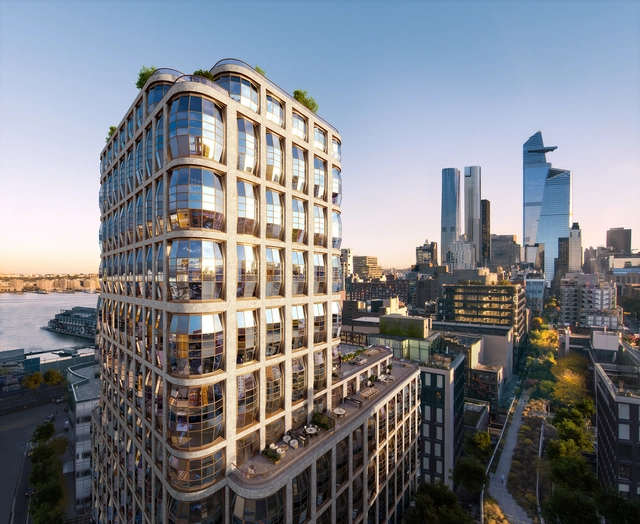
New renderings were unveiled for Heatherwick’s first residential project in New York, currently under construction. The recently dubbed “Lantern House”, in West Chelsea’s neighborhood, will join a series of developments, expanding the High Line's facades.
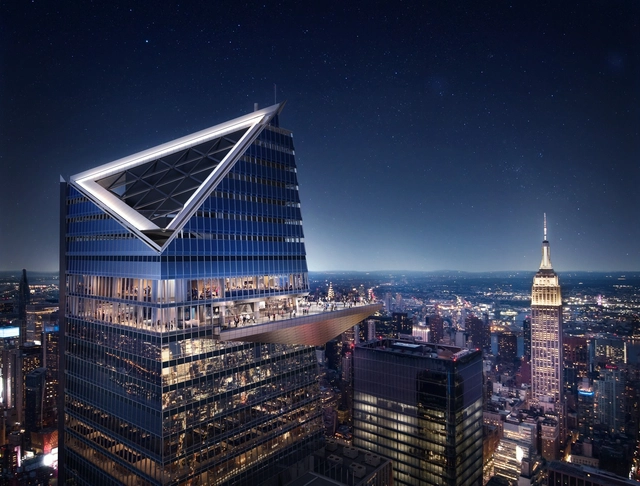
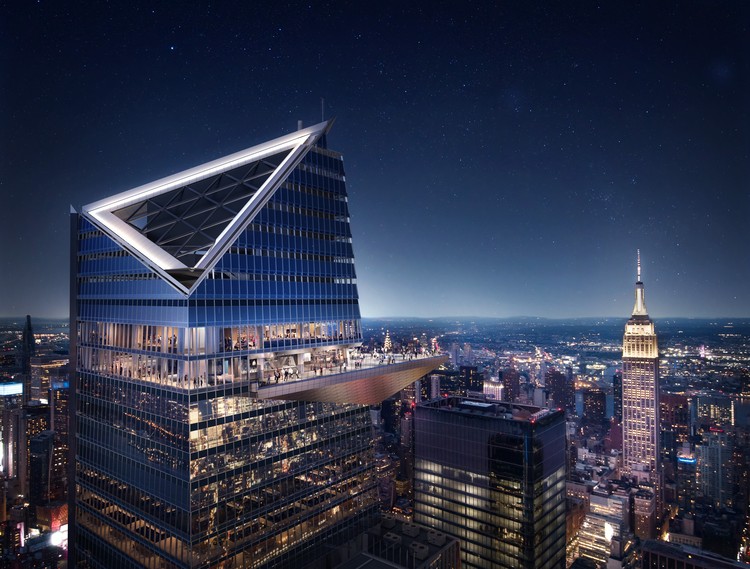
The highest outdoor observation deck in the western hemisphere is set to open in March of 2020 in New York City. Designed by Kohn Pedersen Fox (KPF), the Edge cantilevers 80 feet from the 100th floor of 30 Hudson Yards. At a record-setting height of 1,131 feet, Edge will reveal never-before-seen views of The City, Western New Jersey and New York State spanning up to 80 miles.
In recent months, two events have done more harm to the “brand” of architecture in the public’s perception than anything I’ve experienced in the 40 years that I have been in the profession.
First, there was the grand opening of New York City’s Hudson Yards, a massive $20 billion development on Manhattan’s far west side. This first phase opened after seven years of construction and included an obligatory gathering of “world class” architects—Kohn Pedersen Fox, Diller Scofidio + Renfro, SOM, The Rockwell Group—as well a folly by designer Thomas Heatherwick.
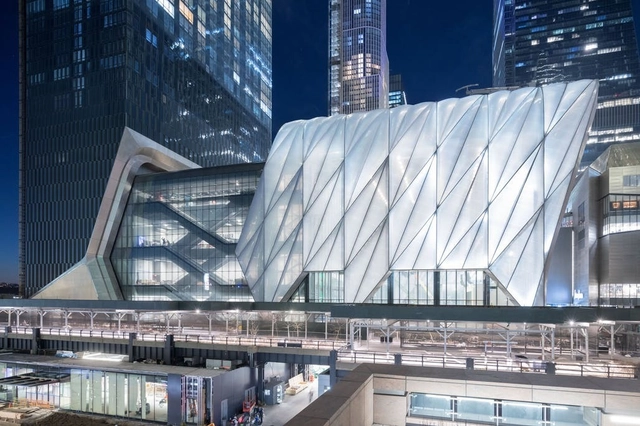
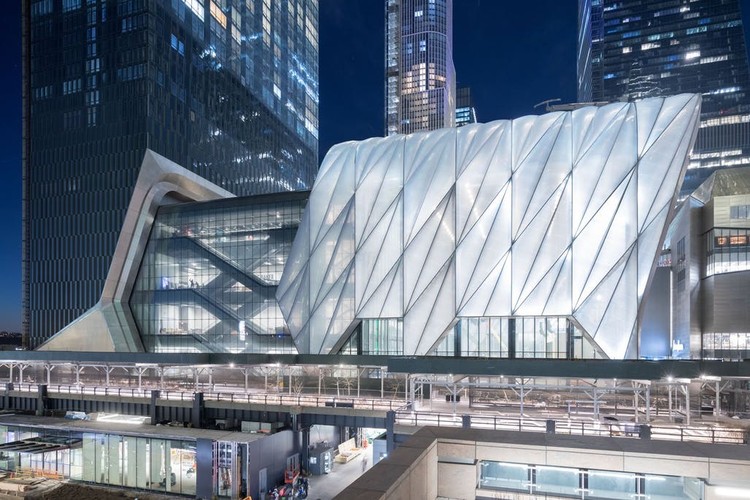
Diller Scofidio + Renfro and Rockwell Group's iconic Shed has opened after more than a decade in the making in New York City. The building features a 120-foot telescopic shell in Hudson Yards that can extend out from the base building when needed for larger performances. Clad in ethylene tetrafluoroethylene (ETFE) “pillows,” the project is connected to the High Line on 30th Street to bring performances and art to the city's newest neighborhood,
“Hudson Yards’ Large Honeycomb… Hudson Yards’ New Shawarma Sculpture…” Call it what you want, but the Vessel has created quite a buzz over the past couple of weeks, and it is not just because of its impressive architecture, or the panoramic view at the top (to which some claimed that getting there was an uncalled for work-out).
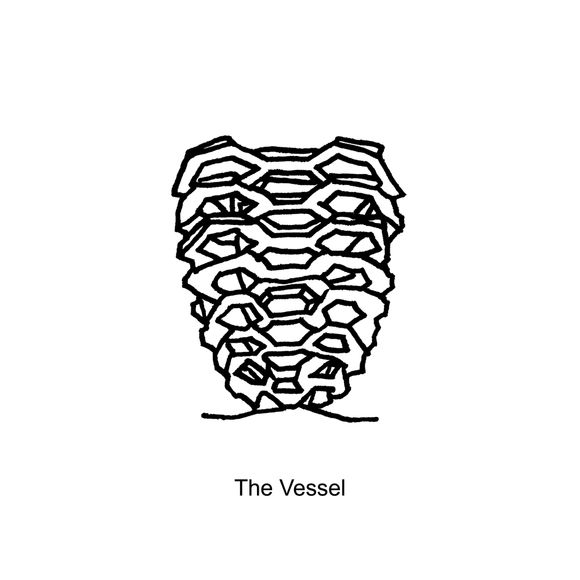
After coming across different nicknames of Hudson Yards’ now-famous point of attraction, architectural designer and illustratorChanel Dehond selected some of the most amusing ones and transformed them into sketches.
Tell us, ArchDaily readers, what do you call the Vessel?
New York City’s Hudson Yards has opened its doors to the public, and the reviews are flooding in. Built on Midtown Manhattan’s West Side, the project is New York’s largest development to date and the largest private real estate venture in American history, covering almost 14 acres of land with residential towers, offices, plazas, shopping centers, and restaurants. A host of architecture firms have shaped the development, including BIG, SOM, Diller Scofidio + Renfro, Rockwell Group, and many others.
Read on to find out how critics have responded to Hudson Yards so far.
Vessel. Image Courtesy of Michael Moran for Related-Oxford
New York City’s long-awaited Hudson Yards has finally opened its doors to the public for the first time. Built on Midtown Manhattan’s West Side, the project is New York’s largest development to date and the United States’ largest private real estate development, covering almost 14 acres of land (more than 56,000 sqm) with polished residential towers, offices, plazas, gardens, shopping centers, and restaurants, all designed by some of the world’s most iconic architects.
Skidmore, Owings & Merrill have revealed new images of their design for 35 Hudson Yards, a new tower that will be part of the largest private real estate development in the history of the United States. SOM provided architectural design and structural engineering services for the mixed-use tower in New York, which is set to become the tallest residential building in Hudson Yards. Standing 1,000 feet tall, the project will express transitions in program as a series of setbacks twisting around the tower.
Architecture and design firm DXA studio was awarded Grand Prize for their design for an urban pathway in New York City. Submitted for Construction Magazine’s 2019 Design Challenge, the project would span 9th Avenue to connect the new Moynihan Train Hall to the High Line and Hudson Yards. The design was created to push the boundaries of contemporary steel construction and create a signature public pathway for New York.
Construction has begun on “The Spiral,” a 1,031-foot-tall project in New York’s Hudson Yards designed by Bjarke Ingels Group. The fifth supertall to be added to the area, The Spiral was commissioned by developer Tishman Speyer as part of the ongoing revitalization of the Midtown West region of Manhattan.
The tower is named after its defining feature - an "ascending ribbon of lively green spaces" that extend the High Line "to the sky," says Bjarke Ingels. The scheme will offer 2.85 million of office space, with the anchor tenant Pfizer occupying 18 floors, according to New York YIMBY.