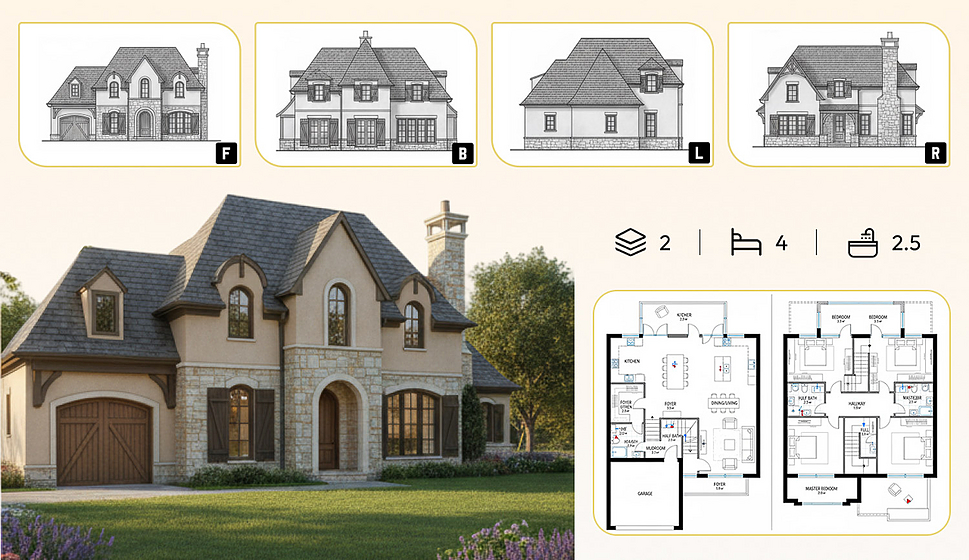
This guide covers a workflow that moves from project parameters to generated floor plans, 3D perspective views, exterior design exploration, and site context visualization, using AI tools in place of preliminary CAD and rendering work.
This guide covers a workflow that moves from project parameters to generated floor plans, 3D perspective views, exterior design exploration, and site context visualization, using AI tools in place of preliminary CAD and rendering work.
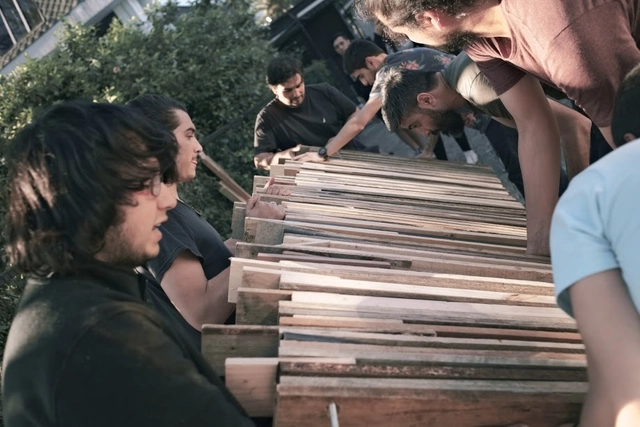
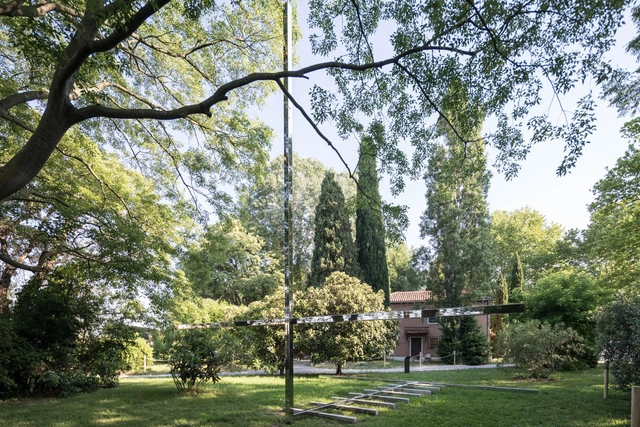
The Faculty of Architecture and Art at Universidad del Desarrollo held activities as part of the Detonating Experience II 'Contact with Matter,' which takes place three times during the program and aims to introduce future architects to each curricular cycle. Each exercise brought students closer to the construction and design of full-scale objects. The "Table" Workshop was led by the prominent firm Grupo Talca, featuring architects Rodrigo Sheward and Martín del Solar, while the EDII "Mast" was directed by professors Yanko Bugueño and Diego Martínez along with teaching assistant Magdalena Gallegos.
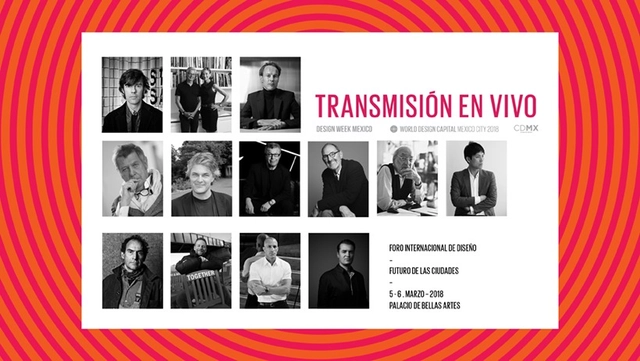
As part of the official program of World Design Capital CDMX 2018, thirteen renowned architects, designers, urban planners, writers, and artists will analyze the challenges, policies, and opportunities facing our cities. In a century marked by the city as a key driver of social interaction, discussing how urban areas function is essential to making them more sustainable and efficient, while improving the quality of life for their residents. The speakers will present their vision, share best practices, and contribute to the dialogue on new strategies for change that foster the well-being of our cities and their populations through design.
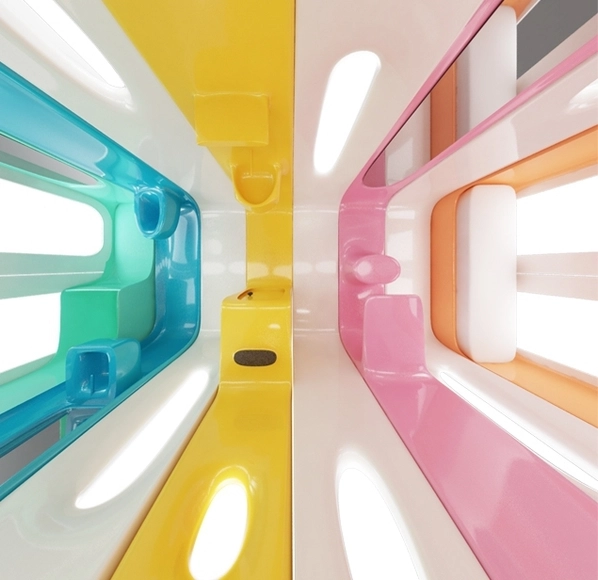
Among the various housing solutions—ranging from half-houses to 3D-printed homes—a new sustainable option stands out for its Lego-like assembly. Named “Slice,” the apartment designed by Iranian architect Nasim Sehat features identical, functional modules that lock together based on the user's needs.
The modules are configured as a shower, toilet, kitchen, office, and bedroom, along with an empty module to buffer functions, totaling eight “rooms.” Sehat—who is based in Shanghai and developed the concept by observing local urban habits—proposes that these Slices be booked online.

Bike-sharing services have been gaining increasingly more users in several Brazilian cities. In São Paulo, Yellow's system will make 20,000 bikes available using an innovative dockless model, eliminating the need to pick up or return them to specific stations. They will be monitored via GPS through chips from Vodafone Brasil—the local partner of Datora Mobile—allowing users to connect to and locate the bikes via an app. Operations began on August 2.
The São Paulo Association of Art Critics (APCA) announced yesterday the winners of the 2018 APCA Awards. The awards are divided into ten categories covering architecture, visual arts, cinema, literature, fashion, popular music, radio, theater, children's theater, and television.
The ceremony honoring all the winners of this APCA Award will take place on a date to be announced in the first half of 2019, when the organization will celebrate its 62nd awards ceremony.
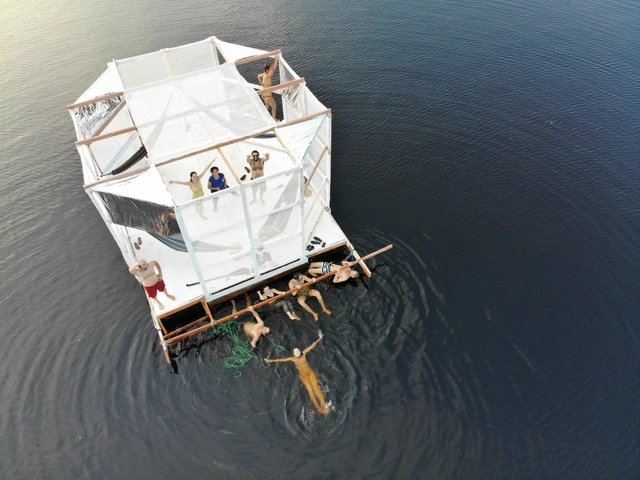
Floating is one of humanity's oldest ways of living and traveling. Today, this ancestral practice is drawing significant interest due to the increasing frequency of flooding caused by climate change.
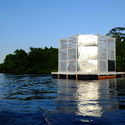
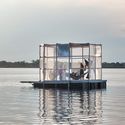
Riverside communities in the Amazon rainforest have used various floating strategies for centuries. By studying local architectural solutions and utilizing contemporary materials technology, architect Marko Brajovic and designer Nacho Martí, co-directors of the Architectural Association Visiting School Amazon, organized an international workshop to experiment with floating architecture.
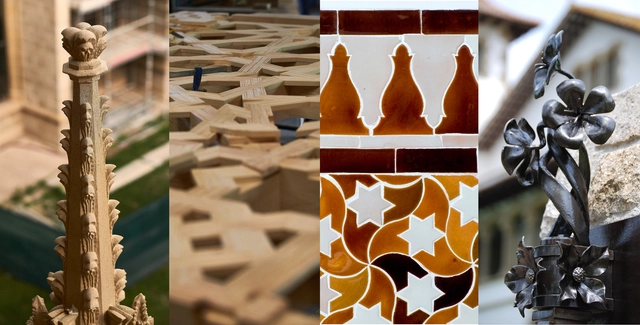
The winners of the second edition of the Richard H. Driehaus Building Arts Awards, which recognize leading masters in Spain's traditional building crafts, have recently been announced. With a total of 84 nominations received, the traditional building crafts were grouped into four categories, with each category presenting an annual award of €10,000 and a commemorative plaque.
The first category covers arches and vaults, vaulted staircases, stone carving, and other masonry and stone-cutting work. The jury selected Cantería Jaurrieta, from Olite (Navarra), run by Valeriano Jaurrieta and Agustina Rodríguez Orduña, to receive this award.

The winners of the Vila dos Mellos Competition, promoted by Escola da Cidade, have been announced. Aiming to select five model single-family residential designs featuring rationalized construction for the Vila dos Mellos Condominium—a development that plans for the construction of 101 homes—the competition specified that each lot would receive one of the five winning designs, chosen at the discretion of the new owner.

UPDATE: This article has generated a much larger response than expected, and we feel it is our duty to clarify the situation. At no point does the article suggest that the project in Artur Nogueira is a plagiarism of the French project. Plagiarism, by definition, is presenting someone else's intellectual work as one's own, and this article makes no such claim. What it does state is that the project in Brazil is a copy of the French one, without accusing anyone of plagiarism or clarifying whether or not permission was granted to copy the design. We were contacted by the owner of Colégio Futura Plus, who informed us that during the design process, French architect Raphaelle Hondelatte was contacted and authorized the use of the elements mentioned in the text—specifically, the yellow giraffe and the cantilevered white volume. As soon as we receive new information, we will update the article again.
To what extent can architecture draw inspiration from references without being considered a copy of another building? This discussion raises diverse and controversial opinions that prompt us to reflect on the issue of architectural copyright and recall the infamous architectural replicas produced in recent years in China, which mimic everything from iconic buildings to the French capital itself.
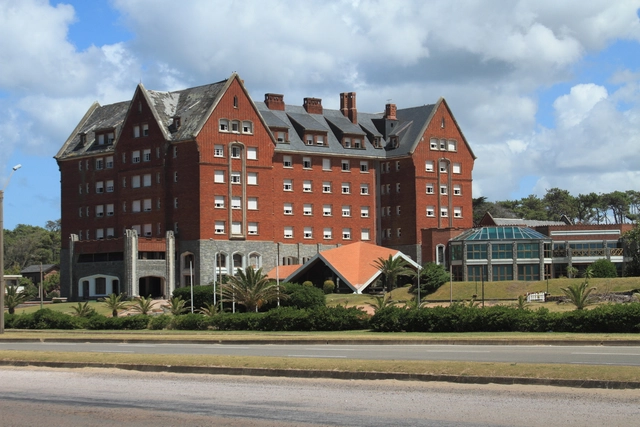
Media and social networks are abuzz. This time, the controversy centers on a proposal by architect Rafael Viñoly to build a three-building complex—including a skyscraper rising well over 250 meters tall—on the site of the former San Rafael Hotel in Punta del Este, Uruguay.

As Europe's second most visited built heritage site, behind only the Colosseum in Rome, St. Mark's Basilica in Venice receives over 5 million visitors annually. Yet, under the strain of this massive influx, the 11th-century Byzantine mosaic floors seem to be succumbing to the effects of the floating city's tides.
The undulations in the basilica's floor are visible to the naked eye—feet have not touched them for a decade, as visitors are only allowed to walk on synthetic carpet runners—and they have even cracked at the most critical points, especially in the center of the building. Currently, only 20% of the geometric marble and stone patterns are original; the rest has been restored over the last ten centuries by the artisans of the St. Mark's Workshop.
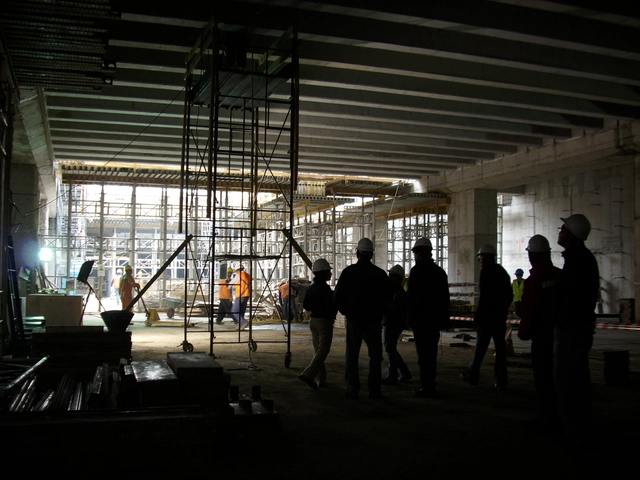
With the aim of "reducing response times and streamlining the processing of certificates, permits, and final approvals," Chile will launch a digital platform called DOM en Línea, as reported by the newspaper La Tercera.
Currently, every municipality, regardless of size, has a Municipal Works Department (DOM). This department is responsible for ensuring compliance with local urban planning and construction regulations. Consequently, the DOM is tasked with authorizing new construction projects through an in-person, paper-based process; therefore, the DOM en Línea platform will allow these procedures to be completed online.
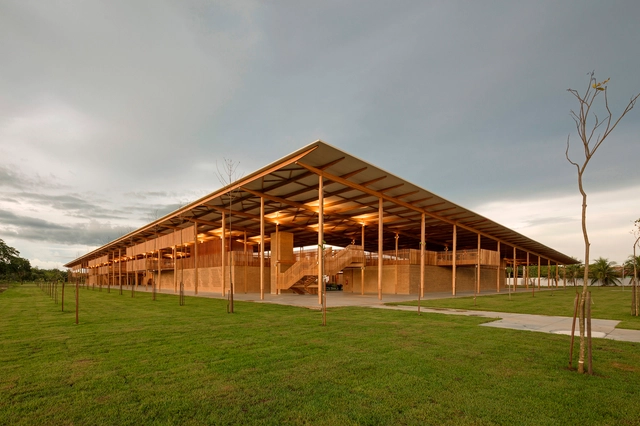
The Illinois Institute of Technology College of Architecture has announced the four finalists for the MCHAP.emerge, the emerging practice award of the Mies Crown Hall Americas Prize - MCHAP, which recognizes the most outstanding architectural works in North and South America. Every two years, the prize is awarded at an event held at IIT's S. R. Crown Hall, Mies van der Rohe's masterpiece in Chicago.
Among the finalists for this edition is a Brazilian project: the Children's Village in Formoso do Araguaia, Tocantins, designed by Rosenbaum and Aleph Zero. Of the other three finalists, two are from Mexico and one is from the United States.

The online portal of Exame magazine published a list of professions and roles that "are on the decline in Brazil," based on hiring numbers for the first quarter of 2018. The article points to cost reductions and the introduction of new technologies as the main factors driving the decline in demand for certain professionals.
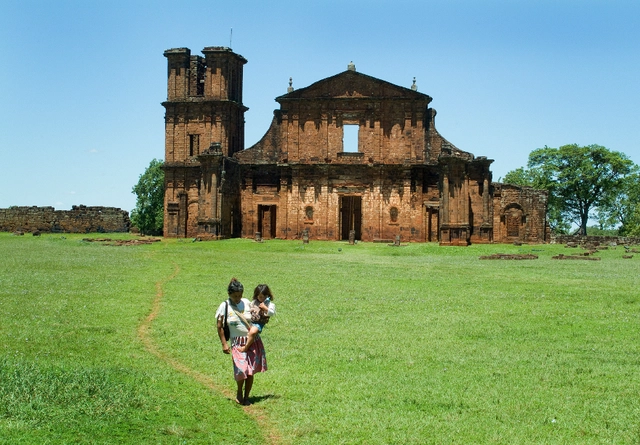
A place of reference for the memory and identity of the Guarani people, the Tava, located in the area of the São Miguel Arcanjo Historical Site in São Miguel das Missões (RS), was built and inhabited by their ancestors at the request of their deity, Nhanderu. This sacred site has been recognized as MERCOSUR Cultural Heritage. The decision was made and announced at the XVII Meeting of the MERCOSUR Cultural Heritage Commission, held on October 30 and 31 in Montevideo, Uruguay.
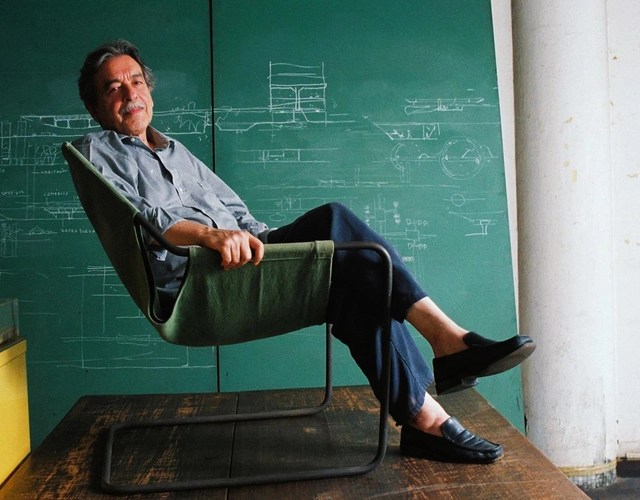
Nine of the architect's unbuilt projects, which have never been exhibited in Brazil and were only previously shown at the Venice Biennale in 2000, are featured in the exhibition, which opens in his honor a month and a half before his 90th birthday. In total, the show brings together 11 of his most radical and experimental works, which share common themes of water, nature, landscape, and territory beyond the architectural scale.
.jpg?1534172500&format=webp&width=640&height=580)
Ultimately, the construction concluded with a celebration. With the completion of "Not Only a Playhouse" ("Uma Casa de Brincar e Não Só..."), Casa da Arquitectura – Portuguese Centre for Architecture handed over the facility last Friday, August 10, to the residents of the Guarda Housing Complex in Perafita, Matosinhos, Portugal. Music and performances brought a lively close to two weeks of intense work during the second edition of "O Lugar de Partilha" (The Sharing Place).
.jpg?1537337248&format=webp&width=640&height=580)
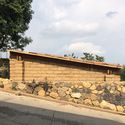
Today, we left the offices of PienZa Sostenible before dawn to head toward Tlalnepantla, in the state of Morelos—one of the many regions affected by the events of September 2017 across seven states in Mexico. After a few hours of conversation and comparing data regarding the reconstruction efforts that began almost immediately, we reached our destination, where the Rosales Milla family warmly welcomed us to show us their new home, built of adobe and wood.
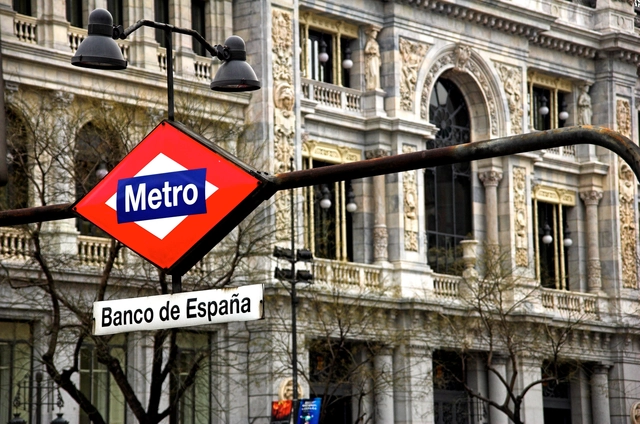
In 2019, Madrid Metro (Spain) will mark 100 years since the opening of its first line, which ran between Puerta del Sol station and the station located at the Cuatro Caminos depots. Designed by architect Antonio Palacios, the depots are currently at risk of demolition.
To commemorate this milestone, Madrid Metro launched a public call for ideas last November to design a logo that will serve as the corporate image for all centennial celebrations.
Last November, the Comptroller General of Chile ordered the halt of construction of the so-called vertical ghettos in the municipality of Estación Central (Santiago). In response, on Friday, December 14, a group of real estate developers filed a series of injunctions against the resolution, while the Chilean Chamber of Construction raised concerns regarding the suspension of projects, as reported by the Chilean newspaper El Mercurio.
At the same time, the Colegio de Arquitectos de Chile (Chilean Association of Architects), the Association of Architectural Offices (AOA), the Association of Works Directors and Municipal Works Department Professionals of Chile, the Association of Independent Reviewing Architects of Chile, and the National Association of Independent Reviewers issued a document obtained by El Mercurio. In it, they claim they "have seen [their] right to practice their profession with confidence affected [...] due to the legal uncertainty currently facing our field."
_-Homenaje_a_la_poesia_-f01.jpg?1534629437&format=webp&width=640&height=580)
As Line 3 of the Santiago Metro begins its trial run on its way to becoming the Chilean capital's sixth line, other cities are starting studies to install cable cars and improve train frequencies. Meanwhile, biodiversity is celebrating great news. This and more in this edition of La ciudad chilena en la prensa, the ArchDaily section where we bring you updates on Chile's major cities.

Under the title “More Living, More Humanizing,” the 14th Spanish Biennial of Architecture and Urbanism (BEAU) presented the winning projects of its latest edition today, Thursday the 19th, in Santander. This exhibition, housed in a temporary pavilion in Santander's Pereda Gardens, showcases the works selected in the categories of Panorama of Works, 2nd Research Exhibition, and 7th Thesis Projects Exhibition.
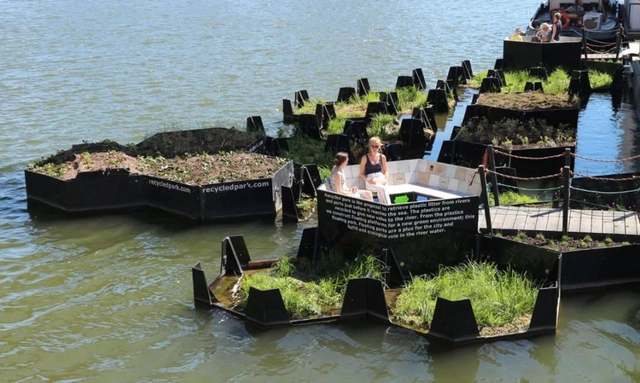
After nearly five years of design, plastic recovery, recycling, fundraising, and intensive collaboration, the first floating park made of recycled plastic has opened. The prototype was installed in the Port of Rotterdam, Europe's largest seaport, located in the second-largest Dutch city.
Measuring 140 square meters, the so-called “Recycled Park” demonstrates the potential of discarded materials. For this project, the Recycled Island Foundation collected plastics over a year and a half by installing “traps” in polluted rivers before they could reach the sea.

Works designed by renowned architects have always drawn attention, especially from tourists who, passing through new cities, seek to catch a quick glimpse of the best those places have to offer. While this phenomenon is not new, services like Airbnb, which allow short stays in rented homes, have given it a new dimension.
This is currently the case in the Bouça Neighborhood in Porto, designed by Álvaro Siza Vieira. Conceived in the 1970s as a social housing project promoted by the Local Support Ambulatory Service (SAAL), the complex—originally built as permanent housing for workers—has always attracted architecture enthusiasts and fans of Siza's work. In recent years, however, it has also begun attracting temporary residents to units listed for rent.




.jpg?1537337248)