From the pavilions of Osaka and Venice, to the roundtables of Belém, another year comes to a close. December invites us to pause and look back at the moments that defined architecture and cities in 2025. Reflection is not only an act of memory, but of foresight — a way to understand where we've been in order to imagine where we might go next. From shifting cultural narratives to material and technological breakthroughs, this past year underscored the importance of experimentation and adaptation across the built environment.
This month, ArchDaily explores the Year in Review, gathering the year's most compelling stories, ideas, and voices. The coverage revisits the projects, interviews, and essays that shaped the conversation, while recognizing the architects and thinkers who left a lasting impact on the discipline. It also looks ahead, identifying the most anticipated projects and issues of 2026, and the emerging directions they suggest.
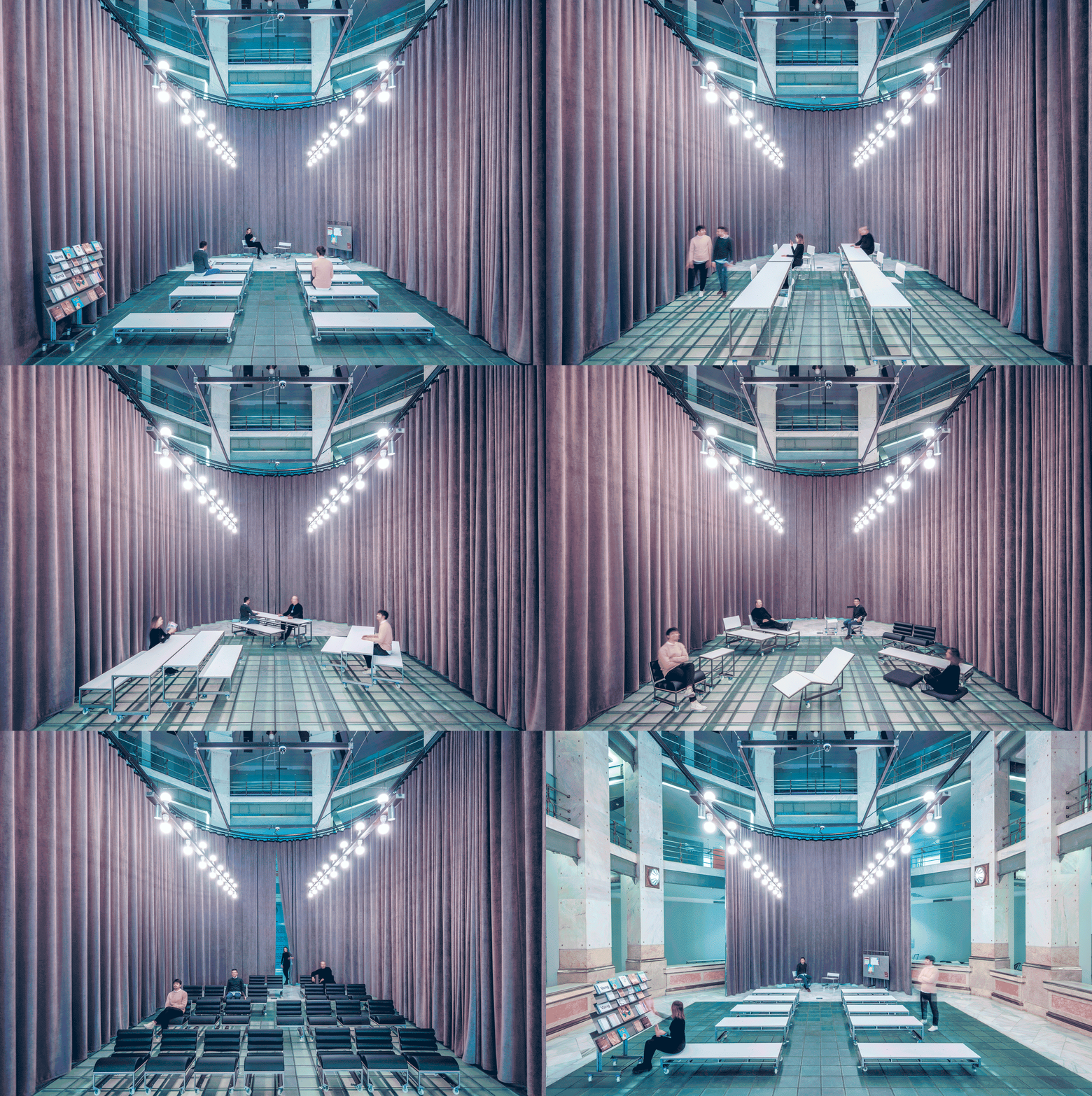
Can academic projects explore new directions and contribute to public discourse on global and local issues? The 2025 Politecnico di Torino Architecture Students Award aimed to address these questions, showcasing how architectural research, training, and experimentation can be integrated into a school curriculum.
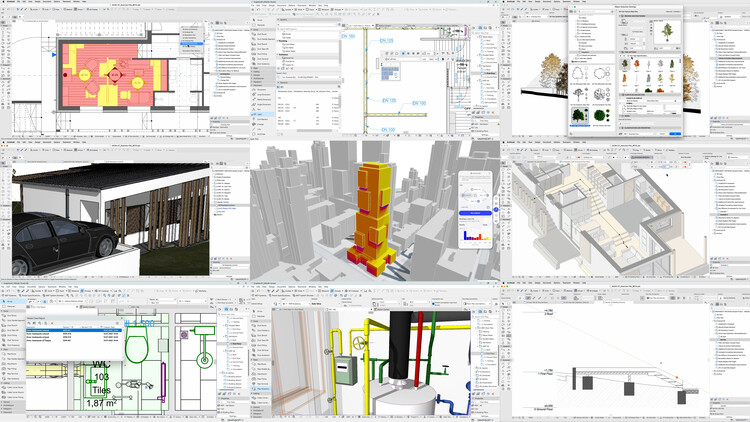
When architects are still students, a moment often marks a turning point: their first encounter with software. It's not just about learning a tool but discovering a space where ideas transcend physical models, taking shape in a digital environment and beginning a relationship many will carry throughout their careers. What happens next? Software keeps evolving, and with it, the design experience. In recent years, this evolution has accelerated—machine learning, AI, prompts, and integrated workflows have moved from the periphery to the core of design practice, becoming part of the shared language between software and users. As these tools take hold, a key question emerges: How will this reshape our experience of designing architecture in the future?
Peace of mind is essential when selecting tapware for a commercial project. As a global leader in premium architectural fixtures and fittings, ABI Interiors is committed to delivering sustainable, design-led solutions that meet architects' practical and creative needs across commercial, residential, and large-scale developments.
Buildner, in partnership with the Government of Dubai, has announced the results of the 2024/25 House of the Future competition. Following the success of its inaugural edition in 2023, this second edition invited architects and designers worldwide to develop an affordable, expandable, and forward-thinking prototype home tailored to the evolving needs of Emirati families.
Organized in collaboration with the Mohammed bin Rashid Centre for Government Innovation and the Sheikh Zayed Housing Programme, the competition offered a total prize fund of €250,000 (1 million AED). Winning entries are now being reviewed for potential inclusion in the UAE's national catalogue of housing designs, which provides citizens with a selection of pre-approved, innovative home models.
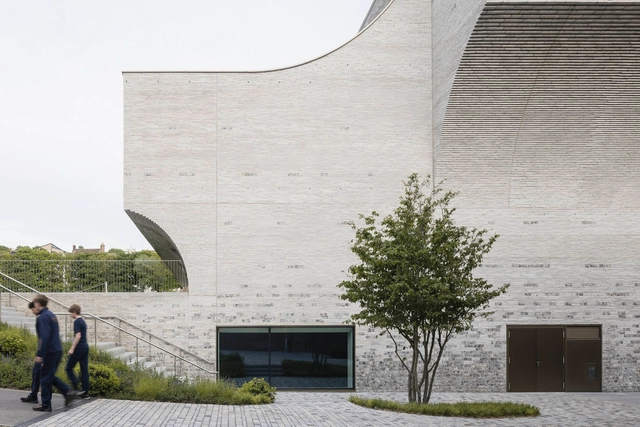
The shortlist for the prestigious BRICK AWARD 26 has been announced, revealing 50 exceptional brick buildings from across the globe. Organized by wienerberger, the biennial award celebrates architectural innovation and craftsmanship in brick and ceramic design, recognizing projects that push the boundaries of material, form and context. This year's selection spans five continents and 21 countries, highlighting the enduring relevance of brick in contemporary architecture; from intimate homes and cultural institutions to industrial facilities and public spaces. Winners will be announced in Vienna in June 2026, with all shortlisted entries featured in the BRICK 26 Book.
Buildner, in partnership with the Government of Dubai, has announced the results of the 2024/25 House of the Future competition. Following the success of its inaugural edition in 2023, this second edition invited architects and designers worldwide to develop an affordable, expandable, and forward-thinking prototype home tailored to the evolving needs of Emirati families.
Organized in collaboration with the Mohammed bin Rashid Centre for Government Innovation and the Sheikh Zayed Housing Programme, the competition offered a total prize fund of €250,000 (1 million AED). Winning entries are now being reviewed for potential inclusion in the UAE's national catalogue of housing designs, which provides citizens with a selection of pre-approved, innovative home models.
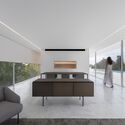
Innovation is at the core of architecture, expressed through new approaches to design, material experimentation, and, of course, ways of living. As a result, the conception of buildings and indoor spaces is constantly evolving. This evolution is especially evident in regions with a rich cultural heritage, such as Spain, where innovation reinterprets traditional ways of relating to space. This attentiveness to memory and daily life extends into interiors, where each intervention has the potential to actively reshape how people experience a space and open new possibilities for living and interaction.
For nearly 65 years, the DETAIL brand has stood for meticulous research and comprehensive architectural documentation. The magazine articles and specialist books demonstrate how outstanding architecture is planned, designed, and executed. They provide in-depth knowledge of building construction, building typologies, and technical aspects of architecture.
DETAIL has become especially renowned for its construction drawings, which are carefully researched by editors and redrawn by an in-house CAD team in a standardized style.
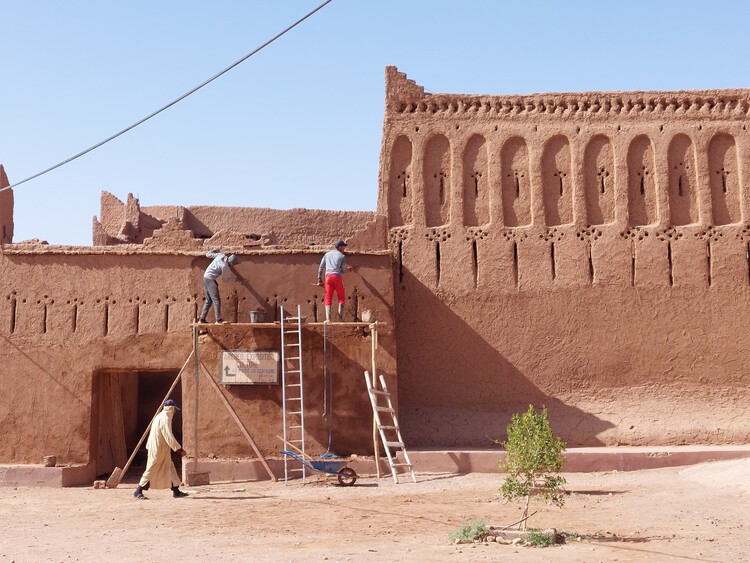
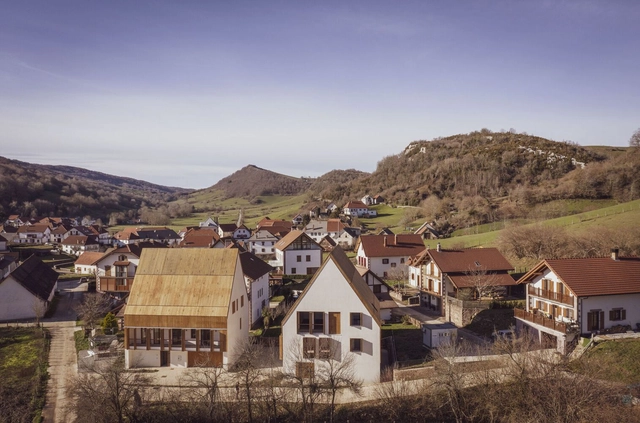
Andanzas y visiones españolas is the book in which Miguel de Unamuno collects his experiences during excursions through Spain's cities and countryside, accompanied by friends and colleagues. More than a precise geographical description, the text consists of narratives in which each region and every feature of the territory leaves a deep imprint on his thought. The literary discourse actively weaves the diversity of setting, climate, and contextualism as foundational threads, presenting the territory not only as a physical place but also as a space for reflection and contemplation. This attentive engagement with the landscape—so diverse within Spanish architecture—also resonates in the built environment, fostering in contemporary practice a sensitive adaptation to the country's varied climatic conditions, both through design strategies and material choices.
https://www.archdaily.com/1031789/context-responsive-architecture-in-spain-7-projects-highlighting-material-strategiesEnrique Tovar
Les Bains des Docks Aquatic Centre. Image Courtesy of VELUX Commercial
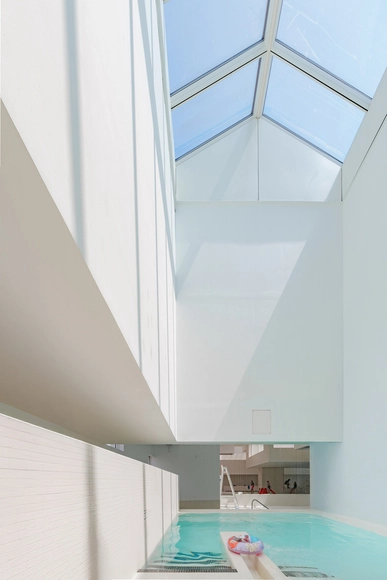
Condensation, maintenance, and humidity are three familiar challenges that continue to test the buildings we design and construct. Whether stemming from climate conditions, limited airflow, or the specifics of construction detailing, these factors affect not only the durability of materials but also the everyday comfort and performance of inhabited spaces. When the setting is an aquatic center or an indoor swimming pool, the demands are even greater. The constant presence of steam, moisture accumulation, and the risk of mold can compromise both energy efficiency and the user experience. In such environments, ventilation and access to daylight, beyond their aesthetic value, become essential tools for maintaining equilibrium, enhancing indoor comfort, and ultimately improving how the space is perceived and utilized.
https://www.archdaily.com/1030573/letting-the-sky-in-4-case-studies-of-daylight-solutions-in-aquatic-architectureEnrique Tovar
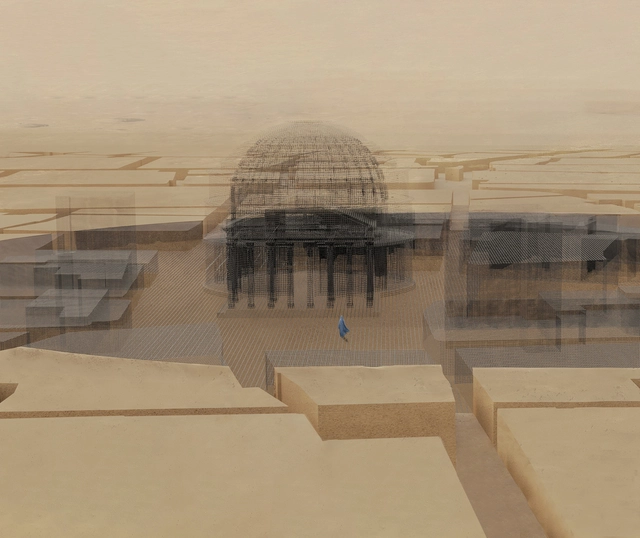
Buildner has announced the results of its competition, the Last Nuclear Bomb Memorial No.5. This competition is held each year to support the universal ban on nuclear weapons. In 2017, on the 75th anniversary of the 1945 bombings of Nagasaki and Hiroshima, which claimed the lives of over 100,000 people, the United Nations adopted the Treaty on the Prohibition of Nuclear Weapons.
In recognition of this treaty, Buildner invites conceptual designs for a memorial to be located on any known decommissioned nuclear weapon testing site. The conceptual memorial is intended to reflect the history and ongoing threat of nuclear weapons, aiming to promote public awareness of nuclear disarmament.
The challenge is intended to bring attention to the history and dangers of nuclear weapons. Participants are tasked with designing a space that commemorates nuclear warfare victims and conveys the need for a nuclear-free future. As a 'silent' competition, submissions are not allowed to include any text, titles, or annotations.
The next edition of this competition, the Last Nuclear Bomb Memorial No. 6, has been launched with an early bird registration deadline of June 12, 2025.
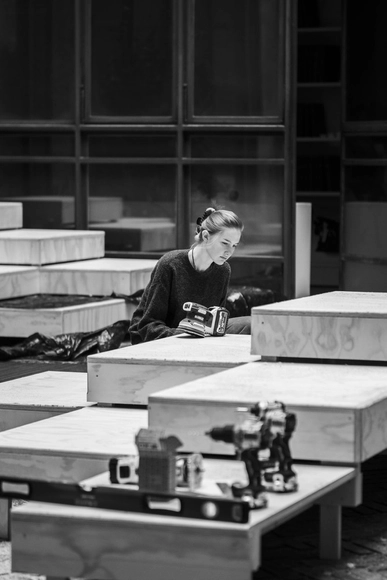
As the first postgraduate institute in architectural education born from connections with some of the most influential figures in contemporary design, Yacademy offers everyone who steps through its doors the chance to grow—both professionally and personally. Here, young architects experience a comprehensive journey designed to enhance their skills, sharpen their sensitivity, and foster meaningful relationships. A cornerstone of this journey is the construction workshop.
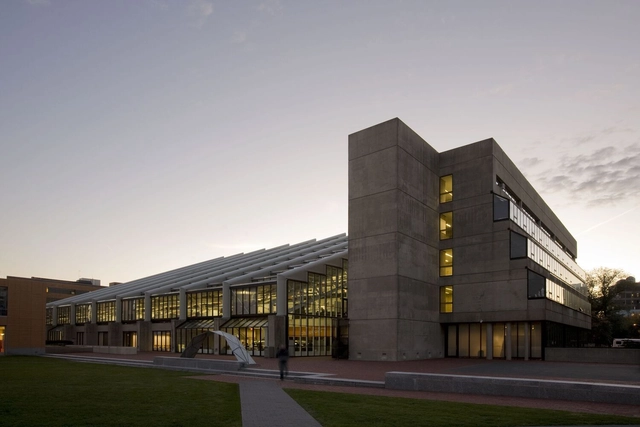
The Advanced Management Development Program (AMDP) stands as Harvard's premier leadership program for seasoned real estate professionals and executives, offering a unique opportunity to reshape perspectives on the evolving built environment. Tailored for high-level practitioners and firm leaders, the program spans just one year, with five weeks spent on Harvard's campus, culminating in the coveted title of Harvard alum. As one recent graduate aptly put it, "I would describe the program as a crash course in how to think differently and most importantly a chance to meet inspiring classmates who are looking to do the same thing."
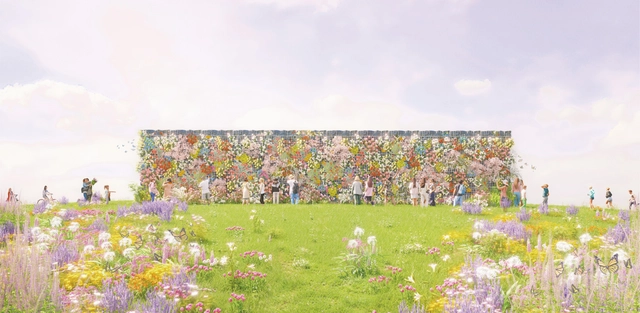
Buildner has announced the results of its Museum of Emotions Competition Edition 5. The Museum of Emotions is an annual international design competition that tasks participants with exploring the extent to which architecture can be used as a tool to evoke emotion.
The Second Studio (formerly The Midnight Charette) is an explicit podcast about design, architecture, and the everyday. Hosted by Architects David Lee and Marina Bourderonnet, it features different creative professionals in unscripted conversations that allow for thoughtful takes and personal discussions.
A variety of subjects are covered with honesty and humor: some episodes are interviews, while others are tips for fellow designers, reviews of buildings and other projects, or casual explorations of everyday life and design. The Second Studio is also available on iTunes, Spotify, and YouTube.
This week David and Marina of FAME Architecture & Design discuss the Design-Build model of home construction. They cover the definition of the Design-Build model; lack of licensed architects in Design-Build companies; efficiency and economy; quality of construction; how costs are lowered; lack of transparency; who should / shouldn't engage with Design-Build companies; and more.
https://www.archdaily.com/1022287/the-second-studio-podcast-the-problem-s-with-design-buildThe Second Studio Podcast
The Second Studio (formerly The Midnight Charette) is an explicit podcast about design, architecture, and the everyday. Hosted by Architects David Lee and Marina Bourderonnet, it features different creative professionals in unscripted conversations that allow for thoughtful takes and personal discussions.
A variety of subjects are covered with honesty and humor: some episodes are interviews, while others are tips for fellow designers, reviews of buildings and other projects, or casual explorations of everyday life and design. The Second Studio is also available on iTunes, Spotify, and YouTube.
This week David and Marina of FAME Architecture & Design share their favorite aspects of being an architect. They discussed ongoing learning opportunities; building something from nothing; architecture comradery; construction; appreciation for man-made and natural objects; technical drawings; when architecture projects are finished; and more.
https://www.archdaily.com/1021748/the-second-studio-podcast-6-reasons-to-love-architectureThe Second Studio Podcast
The Second Studio (formerly The Midnight Charette) is an explicit podcast about design, architecture, and the everyday. Hosted by Architects David Lee and Marina Bourderonnet, it features different creative professionals in unscripted conversations that allow for thoughtful takes and personal discussions.
A variety of subjects are covered with honesty and humor: some episodes are interviews, while others are tips for fellow designers, reviews of buildings and other projects, or casual explorations of everyday life and design. The Second Studio is also available on iTunes, Spotify, and YouTube.
This week David and Marina of FAME Architecture & Design are joined by Architect Jai Kumaran, founding partner of West of West to discuss his background; the influence his father’s work had on his career; attending architecture school; why he pursued a master’s degree; starting and growing an office; exploring project types; branding in architecture; and more!