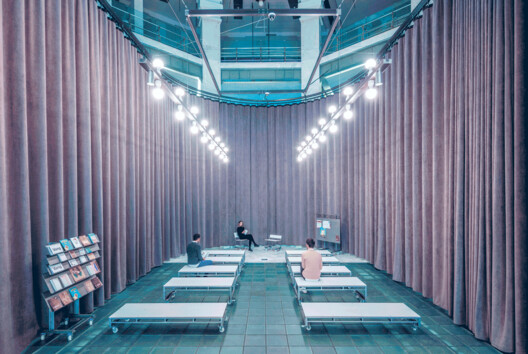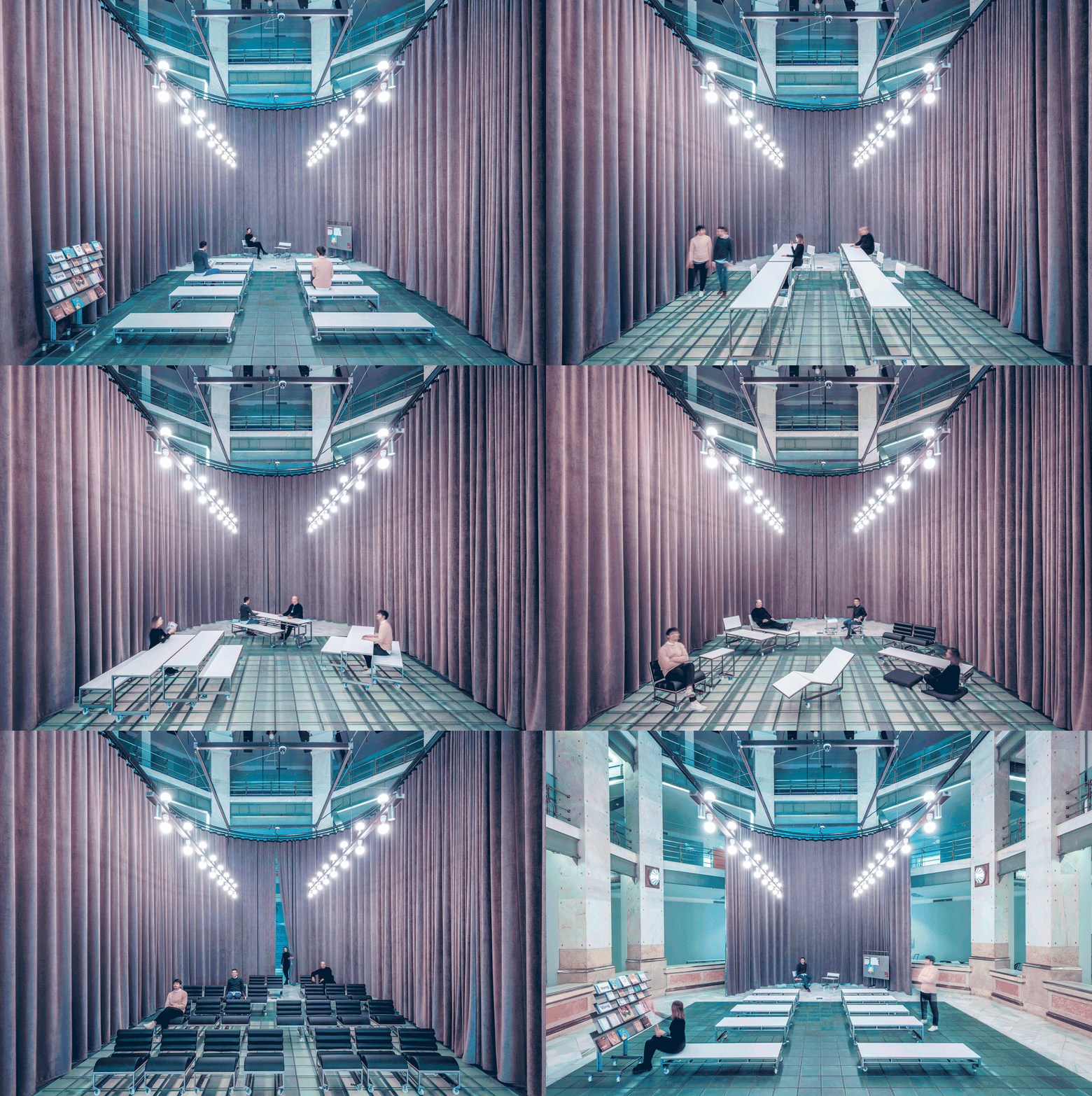
Innovation is at the core of architecture, expressed through new approaches to design, material experimentation, and, of course, ways of living. As a result, the conception of buildings and indoor spaces is constantly evolving. This evolution is especially evident in regions with a rich cultural heritage, such as Spain, where innovation reinterprets traditional ways of relating to space. This attentiveness to memory and daily life extends into interiors, where each intervention has the potential to actively reshape how people experience a space and open new possibilities for living and interaction.



In Spain, design reveals a layered character, with architecture that intertwines multiple material strategies, where identity and contemporaneity come together. In step with a changing global scenario, contemporary architecture, particularly that which embraces the future, weaves together practices such as material reuse, circular design, attention to well-being, and greater flexibility, reshaping the ways we live. These explorations are not only addressed on international stages but also take shape in projects that pursue new approaches, attentive to both design and the life unfolding in each space.
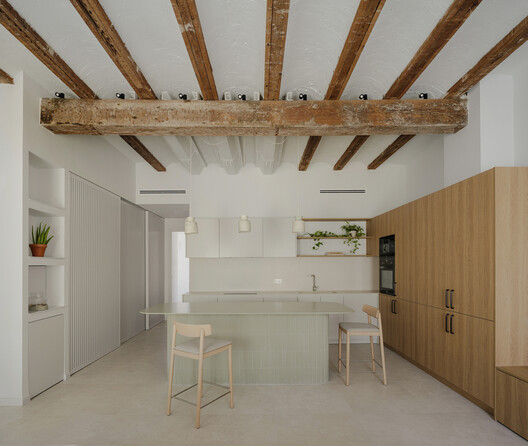
Flexibility, lighting, furniture, and materials have become key tools for reinterpreting everyday life and shaping new ways of living. Beyond optimizing resources or responding to diverse needs, the strategies presented below create environments that engage with the future through solutions and products developed in Spain. From versatile spaces and lighting that transform perception to elements that adapt to different uses and materials that expand design possibilities, each resource contributes to redefining how we live.
Related Article
Social Modern Housing in Spain: Addressing the Crisis with Adaptable and Sustainable Solutions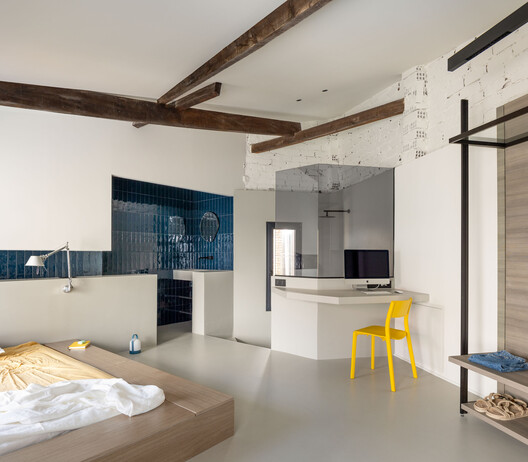
Flexible and Compact Interior Spaces for Modern Living
The evolution toward more versatile interiors shows how spaces increasingly demand flexibility. Within this emerging interior design trend, bedrooms, living rooms, and other shared areas are already demonstrating their ability to adapt to different dynamics and uses, shifting from solid barriers to light veils that organize space without leaving a permanent mark. To address this need for lightness and dynamism, anodized aluminum links are a functional solution: they serve as decorative elements, space dividers, or even as part of the ceiling. Their presence illustrates how interiors are becoming increasingly ambivalent, open to multiple interpretations.
Bathrooms provide another example of this transformation. New visions of bathroom furniture are simplified and adaptable to a variety of design approaches and styles. Their versatility also allows modification for different dimensions and needs. The range of furniture offers options for diverse tastes and aesthetic preferences, reinforcing the idea that adaptability and fluidity will continue to shape how all interior spaces are inhabited.

Human-Centered Innovative Lighting Solutions
Contemporary approaches to well-being, which contribute to shaping the atmosphere of interiors, have given artificial light a central role, as it can directly influence mood and health. Lighting has become an active element within spaces, with luminaires enhancing the experience of those who inhabit them according to the activity, time of day, or individual needs, reinforcing a people-centered design.
Technical lighting solutions provide precise control over light, including dimmable systems, adaptable color temperatures, and innovative technologies that optimize functionality and comfort. Lighting designs with a couture approach add a more sensory and expressive dimension: through their materiality, shape, and arrangement, luminaires transform light into an active and emotional component of the environment.
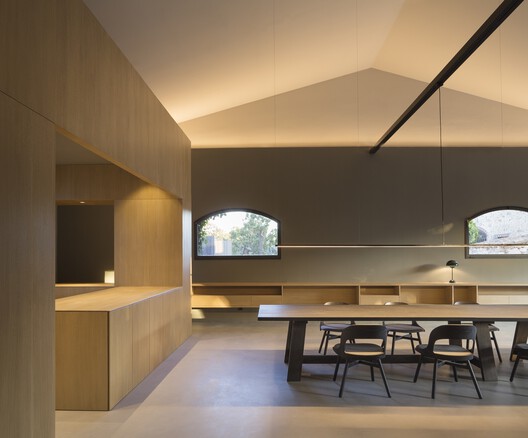
The combination of these approaches demonstrates how light not only defines the way we inhabit interiors today but will continue to shape increasingly adaptable, sensitive, and people-centered spaces, capable of responding to constantly evolving needs and experiences.
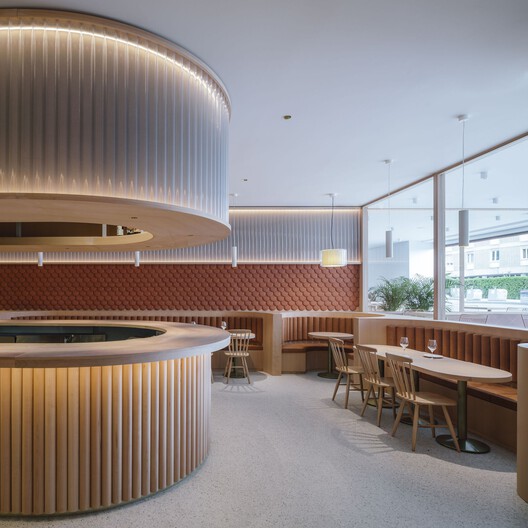
Modular, Comfortable, and Environmentally Aware Furniture Design
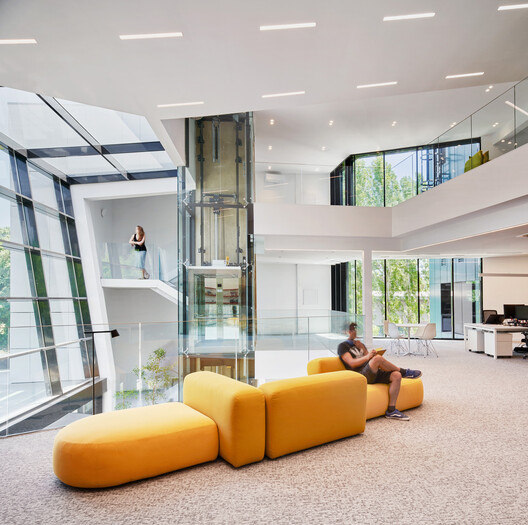
Furniture is playing an increasingly important role in shaping the interior atmosphere, influencing how spaces are perceived and inhabited. Interior elements are now designed according to principles of modularity and versatility, responding to people's needs and diverse experiences and adapting to different contexts of use. When these principles are applied to high-quality, thoughtfully crafted pieces, they not only encourage interaction and comfort but also help create welcoming and balanced environments.
A focus on low-impact practices guides the production and design of furniture, incorporating recycled or responsibly sourced materials, alongside manufacturing processes that reduce energy consumption and waste. This approach not only reduces the ecological footprint but also encourages the creation of durable and adaptable pieces that integrate seamlessly into various interior environments. In this way, furniture aligns with one of the central concerns of contemporary architecture: minimizing the environmental impact of the built environment and its constituent elements.
Revaluing Wood and Exploring Innovative Materials
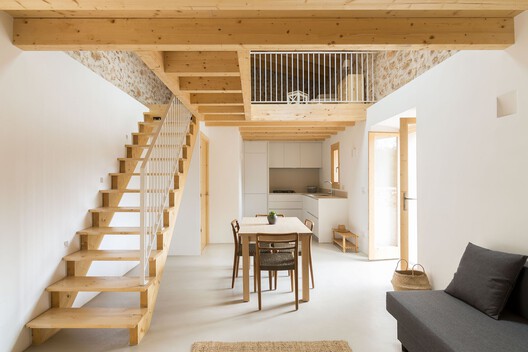
The revaluation of materials, especially wood, is evident in furniture, drawing on a production tradition centered on careful craftsmanship and the responsible use of resources. International standards and sustainable practices guide the use of these materials, ensuring that each piece minimizes its impact on the environment. This approach balances aesthetics and function, producing durable products that gain value over time, adapt to different needs, and enrich the spaces they occupy.
The focus on new materials serves the same objective: reducing environmental impact. In Spain, for example, compounds have been developed that combine rice husks, limestone, and PVC. This material, known as ecofiber stone composite, is used in WPC profiles for both indoor and outdoor applications. It also paves the way for more experimental exploration of other materials, testing textures, behaviors, and processes that offer alternatives to traditional approaches.
At the intersection of tradition and emerging trends, memory and the future, and technical solutions and human-centered approaches, these strategies demonstrate that innovation in interiors goes beyond technology itself. Changes in the way we design and produce can transform everyday life, making spaces more comfortable, flexible, and stimulating. Creativity, technique, and attention to the well-being of occupants drive the future of interiors, inspiring projects in Spain and around the world to expand design possibilities and redefine how we inhabit spaces.


.jpg)