This week in architecture, discussions around the lifespan of buildings, the evolution of cultural institutions, and climate-responsive design highlighted how contemporary practice increasingly extends beyond the moment of construction. From debates over demolition and adaptive reuse to new museums that integrate landscape and environmental performance, the week's developments reflect shifting priorities around permanence, transformation, and public value. Alongside these projects, major institutional announcements, from the RIBA Stirling Prize shortlist to the election of a new UIA leadership, offer insight into the architectural agendas shaping the profession across different scales and geographies.
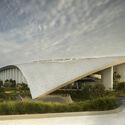
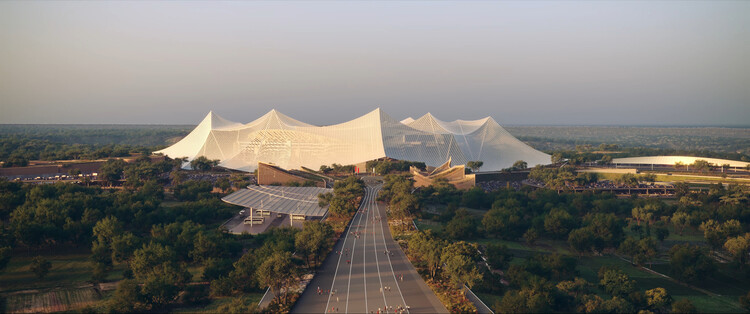
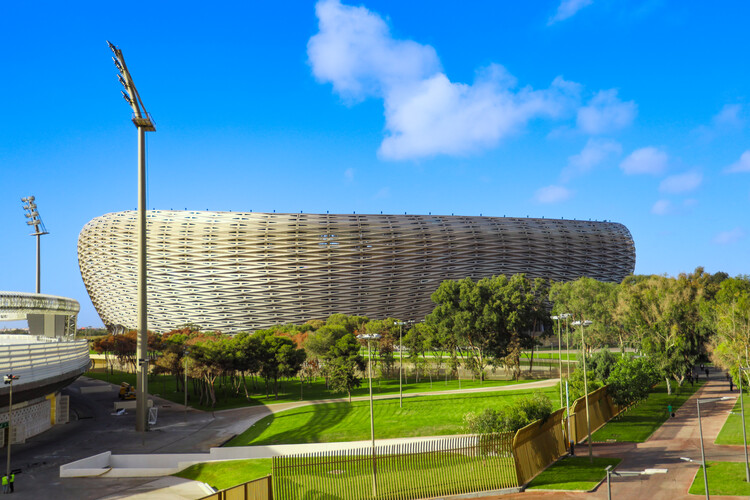
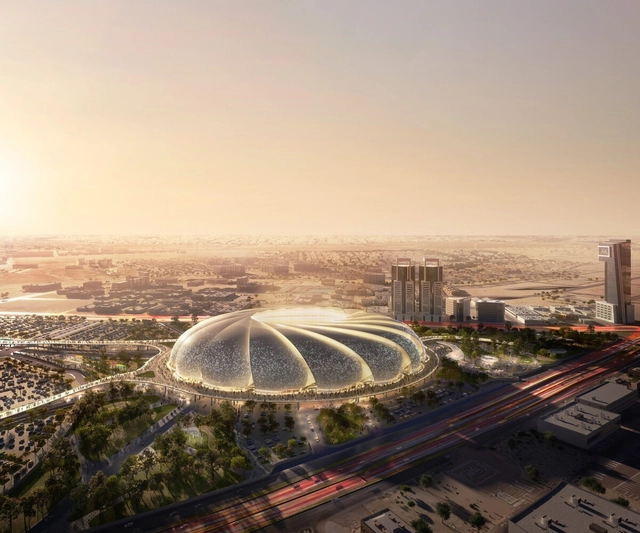
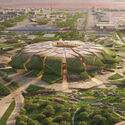
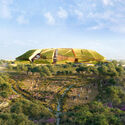
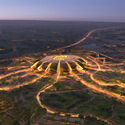
Grand Stade Hassan II in Morocco by Populous and Oualalou + Choi. Image Courtesy of Oualalou + Choi
The conclusion of the FIFA World Cup 2026 marks the end of the tournament's largest edition to date. Hosted across Canada, Mexico, and the United States, the competition expanded to 48 national teams and brought together sixteen host cities distributed across three countries. For decades, FIFA World Cups have served as catalysts for architectural production. Each edition has generated a distinct collection of stadiums, transportation investments, public spaces, and urban interventions that often remain part of their host cities long after the tournament concludes. While recent competitions have become associated with landmark stadium projects and ambitious national building programs, the 2026 edition followed a different trajectory, relying primarily on existing venues adapted to FIFA's technical and operational requirements.
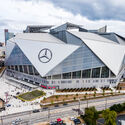
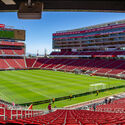
The FIFA World Cup 2026 will take place from June 11 to July 19, 2026, across North America, with matches hosted at 16 venues in Canada, Mexico, and the United States. For the first time, the tournament is being co-hosted by three countries: 11 venues in the United States, 3 in Mexico, and 2 in Canada. Since the 2018 FIFA Congress selected the venues to host the 2026 World Cup, the three North American countries have been working to deliver the tournament. This edition will be the first to feature 48 competing teams, expanded from 32. Unlike the 2022 Qatar World Cup, which required the construction of entirely new stadiums, the three host countries already have the necessary infrastructure in place, though several venues are taking the opportunity to upgrade their facilities, including Mexico City's Estadio Azteca, Arlington's AT&T Stadium, and Toronto's BMO Field.
https://www.archdaily.com/993287/explore-the-full-list-of-football-stadiums-for-the-2026-fifa-world-cup-in-united-states-mexico-and-canadaArchDaily Team
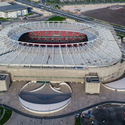
The Prince Moulay Abdellah Stadium in Rabat has officially opened as Morocco's new national stadium, following its inauguration by Crown Prince Moulay El Hassan on September 4, 2025. Designed by Populous, the stadium has a capacity of 68,700 and was developed under the direction of the National Agency for Public Facilities of Morocco to meet FIFA standards, enabling it to host matches up to the semi-finals of the 2030 FIFA World Cup. The redevelopment replaces the original 1983 stadium, positioning it as Morocco's flagship sports venue ahead of a series of international events.
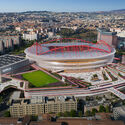
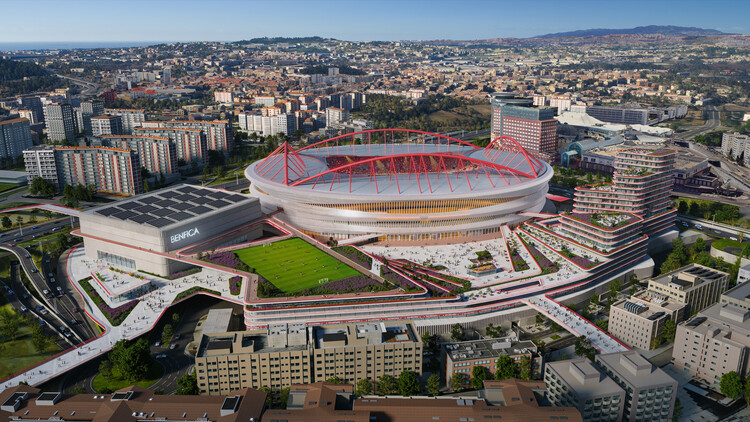
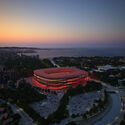
Estadio da Luz, Daytime Aerial. Image Courtesy of Populous
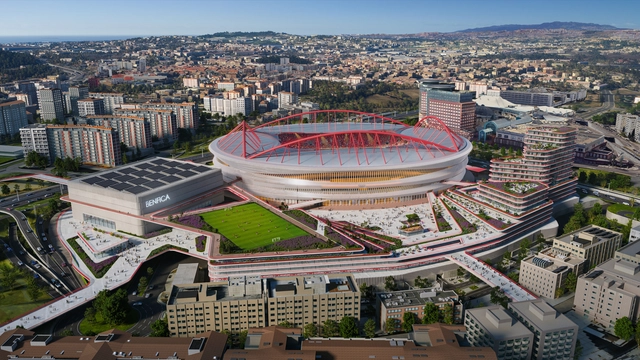
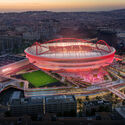
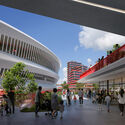
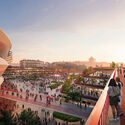
Populous has unveiled the design for a new master plan for the Estádio da Luz in Lisbon, in collaboration with Lisbon-based architecture firm Saraiva + Associados. Commissioned by S.L. Benfica, the project aims to upgrade the stadium and introduce new mixed-use and public facilities within the surrounding precinct. Populous describes the project as part of a wider trend in stadium-led urban development, referencing parallels with venues like Wembley Stadium and the Etihad Campus. According to the firm, the design responds to the stadium's existing context while supporting future expansion and new forms of public engagement. Completion is expected in alignment with upcoming internationalsporting events, including the 2030 FIFA World Cup.
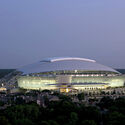
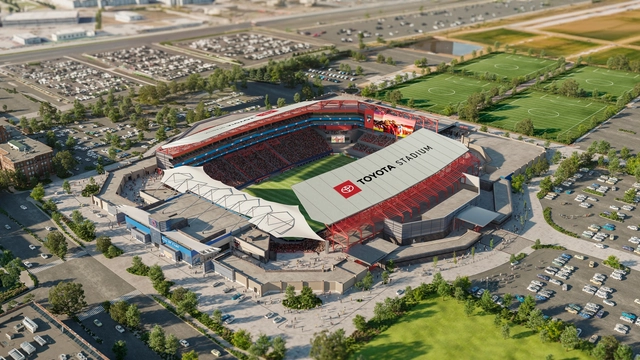
Renovation work has officially commenced at FC Dallas' Toyota Stadium in Frisco, Texas, with architecture firm HKS leading the redesign. Originally opened in 2005 with a seating capacity of approximately 20,000, the stadium is undergoing a phased transformation to improve functionality, expand amenities, and prepare for the 2026 FIFA World Cup, with the intention of hosting one of the teams for training. Construction began on the east side and will progress incrementally, allowing the venue to remain operational for home games throughout the process. Completion is scheduled for 2028.
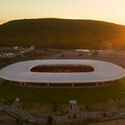
Aramco Stadium / Populous (Al Khobar). Image Courtesy of FIFA / Saudi Arabia 2024 Bid
Saudi Arabia was officially announced as the 2034 FIFA World Cup host. The country plans to build 11 new stadiums and refurbish four of its existing venues. The proposed host cities include Riyadh, Jeddah, Al Khobar, Abha, and the yet-unbuilt Neom, a 170-kilometer-long linear city proposed to be built on the Red Sea coast. Additionally, the plan involves 134 training sites across the country, with 73 newly built facilities.
Released on December 11, 2024, the announcement came as no surprise, given that only one bid was submitted for each of the 2030 and 2034 World Cup tournaments. Spain, Portugal, and Morocco have been confirmed as joint hosts for the 2030 event, while Saudi Arabia has been chosen to host the 2034 edition.
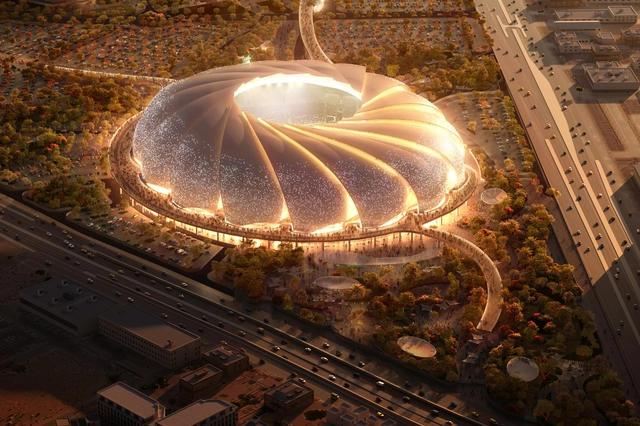
Populous has unveiled the design for the King Salman Stadium and Masterplan, set to become the largest-capacity stadium in Saudi Arabia and the primary headquarters for the Saudi Arabia national football team. Developed with the Royal Commission for Riyadh City and the Ministry of Sports, the stadium is located in northern Riyadh, adjacent to King Abdulaziz Park. Scheduled for completion in late 2029, the venue is also announced as one of the primary locations for the 2034 FIFA World Cup, set to be hosted by Saudi Arabia, whose bid includes the construction of 11 new stadiums and the refurbishment of 4 existing ones.
Sports-focused architecture office Populous has been confirmed as the lead designer of the Aramco Stadium, one of the main locations scheduled to host the upcoming 2027 AFC Asian Cup and the 2034 FIFA World Cup. The office has also been commissioned with the design of the surrounding master plan in Al Khobar, Saudi Arabia. The new 47,000-seat venue will be compliant with international standards for premier football competitions, aiming to establish Al Khobar as an international sporting destination.
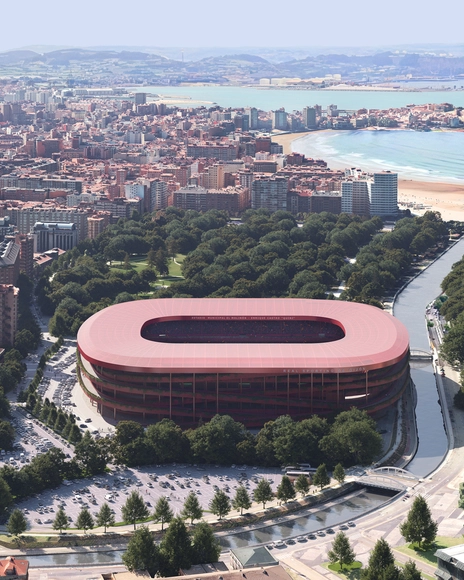
In preparation for the city of Asturias, Spain, to become one of the hosts of the FIFA World Cup in 2030, the El Molinón stadium is proposed to undergo a major remodeling process. Home Real Sporting de Gijón, the stadium is reimagined by the architecture office Sordo Madaleno together with Orlegi Sports. The proposal aims to increase the stadium’s capacity to accommodate 9,000 additional visitors to the 33,650 fixed seats during the World Cup. It also strives to reconnect the venue to its surroundings and the city of Gijón, Asturias.
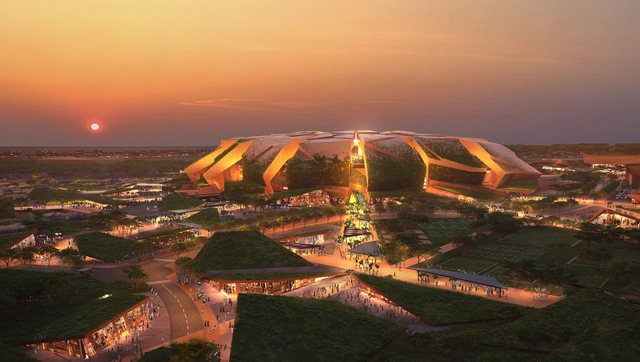
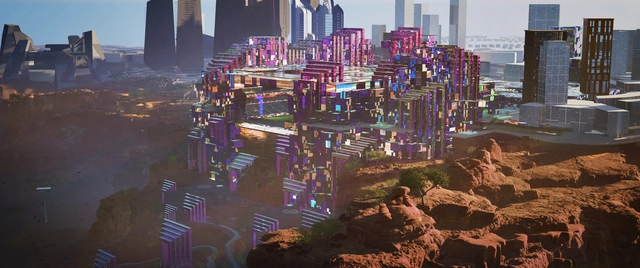
Populous, along with the Board of Directors of the Qiddiya Investment Company, has unveiled the design for the Prince Mohammed Bin Salman Stadium, a new multi-use venue to contribute to the offerings of Qiddiya City, a new district dedicated to sports and entertainment near Riyadh, Saudi Arabia. Located atop the 200m-high Tuwaiq cliff, the stadium, featuring a vast array of integrated technologies and innovative systems, is anticipated to host some of the country’s biggest sports, entertainment, and cultural events.
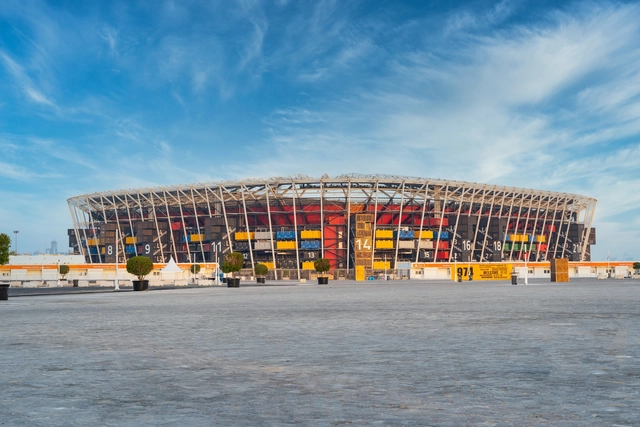
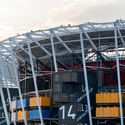
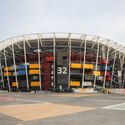
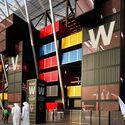
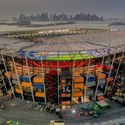
Reports show that authorities have begun dismantling Stadium 974 after it hosted seven matches during FIFA World Cup, with six group games and one Round of 16 knockout matches. It was also the only stadium built for the World Cup without air conditioning, so it only hosted evening matches. According to the BBC, construction workers moved on the site on 9 December to “take the stadium out of tournament mode.” The structure was designed to be the first FIFA-compliant stadium that can be fully dismantled and re-purposed after the tournament ends. While Qatar called this a “beacon of sustainability,” experts warn that the real sustainability of the scheme depends on several factors, including when and where the stadium will be reused.
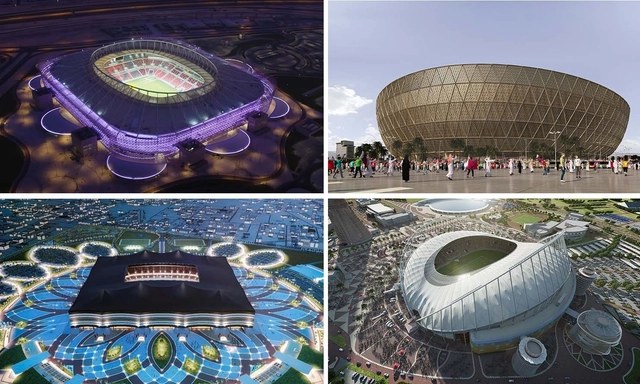
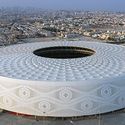
After years of preparation, the 2022 World Cup, one of the most anticipated global events of this year, was finally launched. The quadrennial international men's football championship is being held for the first time in an Arab country, Qatar, from the 21st of November to the 18th of December 2022. Ever since FIFA announced that Qatar will host the 2022 World Cup back in 2010, preparations for a total of 8 stadiums have been in full force, especially since it will be held in a country with critical climate conditions.
The World Cup will take place between November and December. This is due to the host country’s climate in June and July when Qatar can reach average temperatures of 40 to 50°C.
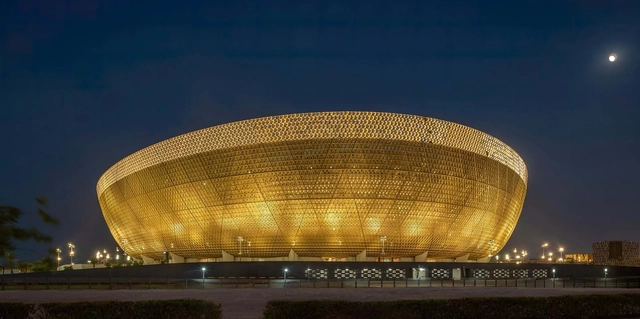
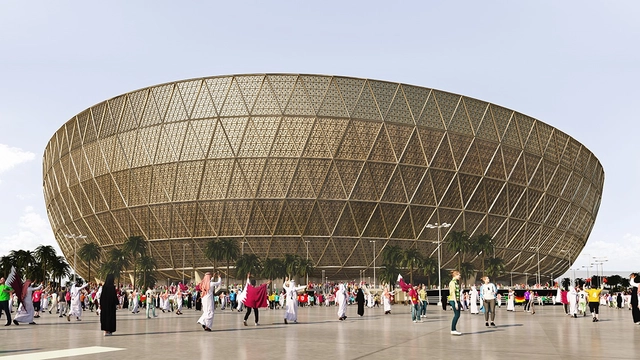
The Lusail Stadium, the largest stadium in Qatar and the centerpiece venue for the FIFA World Cup Qatar 2022™, is now open to the public. On 9 September, the stadium hosted the Lusail Super Cup final between Al Hilal SFC and Zamalek, an event seen as the precursor to the FIFA World Cup Qatar that will be played later this year. Located in Lusail City, 15 kilometers north of Doha, the 80,000-seat stadium aims to create an immersive atmosphere for both players and spectators. The building was designed with Foster + Partners’ joint venture partner Arup, and sports specialist Populous.
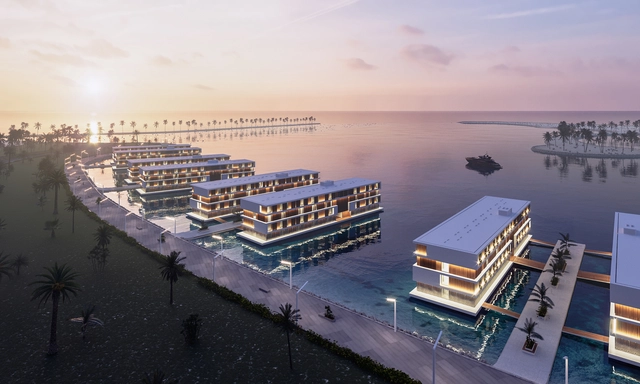
Located on Qetaifan Island North in proximity to Lusail International Stadium, which will host the opening and final games of the FIFA World Cup 2022, ADMARES and Sigge Architects are developing 16 floating hotels to serve tourists and fans that will be visiting Qatar.
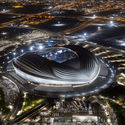
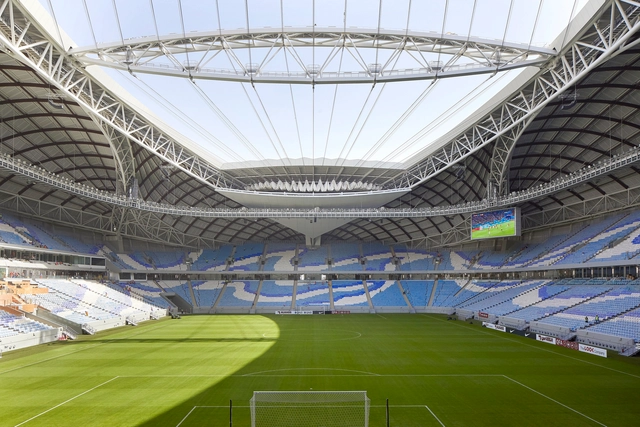
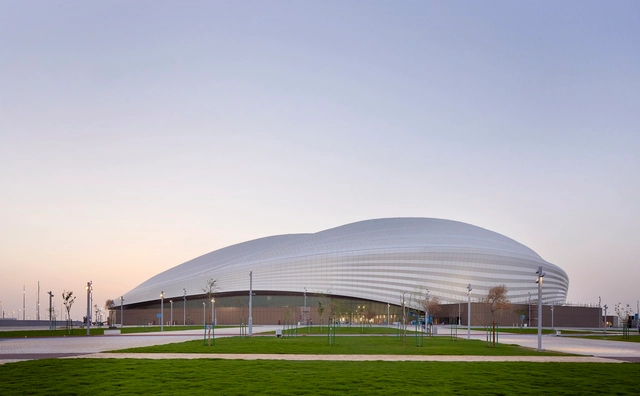
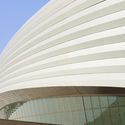
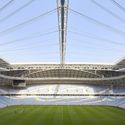
Construction has been completed on the Al Janoub Stadium, the first stadium commissioned for the 2022 FIFA World Cup in Qatar. Designed by Zaha Hadid Architects and Aecom, and situated in the city of Al Wakrah, the stadium underwent a design process beginning in 2013, and was inaugurated on May 16th 2019.
The organizers behind the FIFA 2022 Qatar World Cup have released new images of the Foster + Partners-designed Lusail Stadium. Merging contemporary and historical influences, the “sleek, bold shape” of the arena is inspired by the bowls and vessels used in the Middle East across centuries.