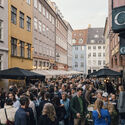
The first edition of the Copenhagen Architecture Biennial opens today and runs until October 19, transforming the city into a platform for architectural dialogue and exchange. Organised by CAFx (Copenhagen Architecture Forum), the new biennial expands on the former Copenhagen Architecture Festival, shifting from an annual format to a broader, more ambitious platform for architectural exploration. Led by Josephine Michau, CEO and Founder of CAFx and curator of the Danish Pavilion at the Venice Architecture Biennale 2023, the Biennial launches under the theme "Slow Down," reflecting on how societies can respond to the pressures of rapid population growth, resource consumption, and environmental challenges by rethinking the pace of change in the built environment. The theme builds on the concept of a "Great Deceleration," inviting participants to envision spaces that promote sustainability, longevity, and mindful engagement with the built environment.



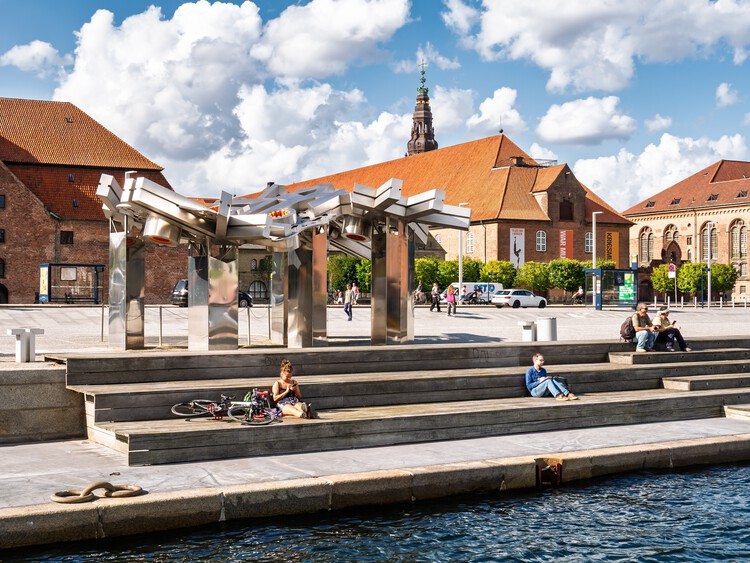
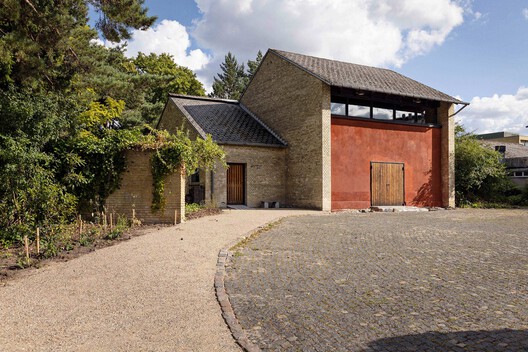
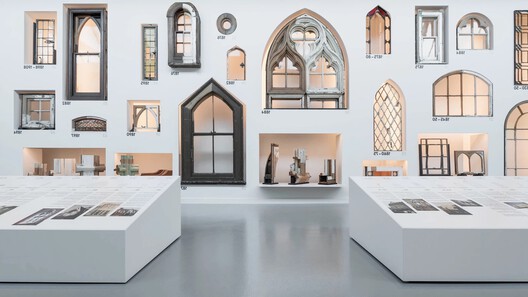
With over 250 events, including city walks, film screenings, lectures, exhibitions, performances, and harvest gatherings, exploring approaches to sustainable futures through architecture, the theme focuses on the idea of prioritizing transformation over demolition, building for multiple species, and fostering new communities while emphasizing care for the built environment. Highlights from the exhibitions and installations include The Chapel Retold at Frederiksberg Hospital, a transformation of an old chapel and garden, and two Royal Danish Academy pavilions: one built from unfired clay tiles and another dedicated to the spatial qualities of daylight. The Little Eelgrass Pavilion outside BLOX evolves with public participation, while the VILLUM Window Collection hosts exhibitions by Yoshiharu Tsukamoto and Rem Koolhaas on the cultural significance of windows. Additional projects include Pillars, constructed from excavated materials in Hospitalshaven, Textile Topography, which repurposes discarded fabrics into an outdoor workshop, and City Shrine by Dicki Lakha, reinterpreting Tibetan prayer wheels through contemporary architecture.
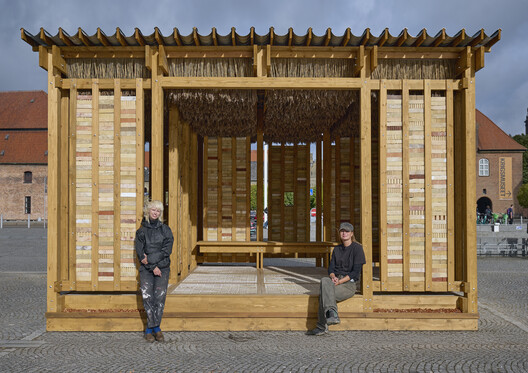
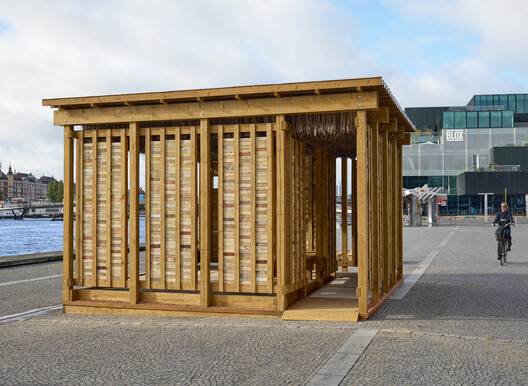
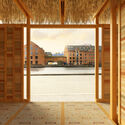
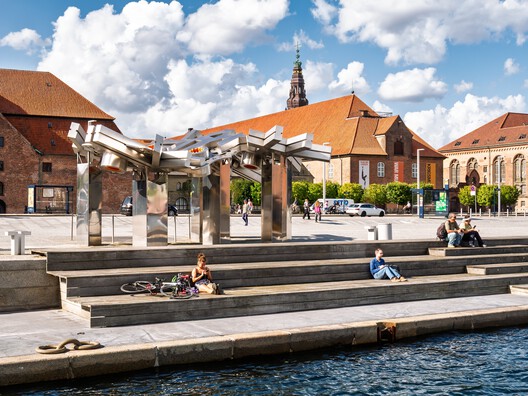
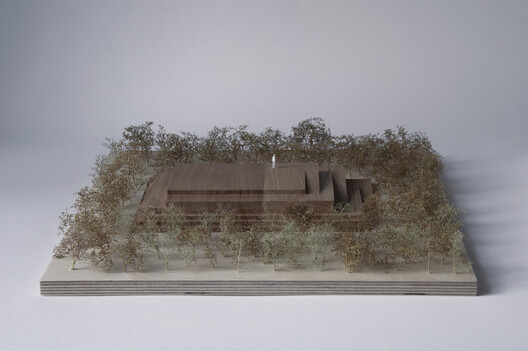
Following an open call earlier this year, two projects were selected for the inaugural edition of the Copenhagen Architecture Biennial. Barn Again by Tom Svilans x THISS Studio and Inside Out, Downside Up by Slaatto Morsbøl are planned for Copenhagen's Cultural District, at Søren Kierkegaards Plads and Gammel Strand. Conceived as modular pavilions, the projects reinterpret material reuse and explore how slowing down the building industry can be expressed through architectural and aesthetic experimentation. Developed with recycled, regenerative, and reusable materials in collaboration with Revalu, Dreyers Foundation, and Buro Happold, the pavilions function as hubs for the Biennial's public program while reflecting its focus on circular design, zero waste, and long-term ecological impact.
Related Article
Copenhagen Architecture Biennial 2025 Reveals 'Slow Pavilion' Designs Built from Reused Materials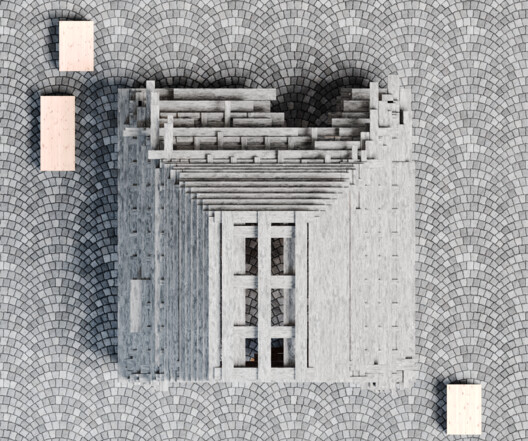
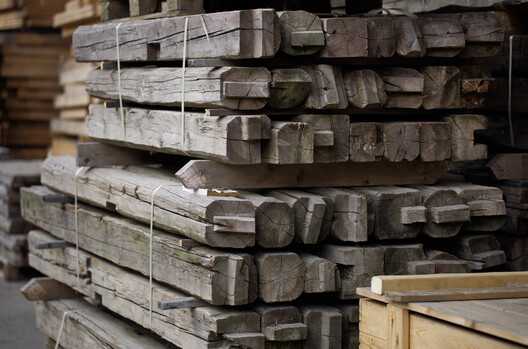
In addition to the pavilions, the Biennial also presents a group exhibition titled "Slow Down," spanning two venues and bridging the geography between Denmark and Sweden: Halmtorvet 27 in Copenhagen and the Form/Design Center in Malmö. Bringing together transdisciplinary contributions at the intersection of art and architecture, the exhibition examines alternatives to the fast-paced status quo, exploring how cultural narratives can shift toward slower, more sustainable futures. Selected from several hundred international applicants, visitors are invited to engage in work presented by Dark Matter Labs, Studio Tideland with Emma Rishøj, and CENTRALA, among many others. Through installations, spatial experiments, and conceptual works, the exhibition seeks to give physical form to alternative imaginaries, engaging with themes such as shock and surge, friction and frenzy, weariness and whirl, while offering new perspectives on architecture's role in shaping cultural tempo.
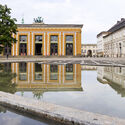
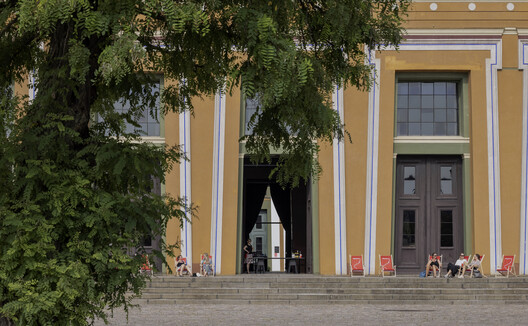
Alongside these installations and exhibitions, the program features Open House, offering free access to sites across the city that are typically closed to the public. Participants have the opportunity to explore contemporary Danish architecture, historically significant buildings, private residences, and climate-adaptive landscapes, including the Medicinal Museum in Copenhagen. The event provides a chance to visit hidden and lesser-known spaces, revealing both iconic and secret corners of the city's architectural and cultural landscape.
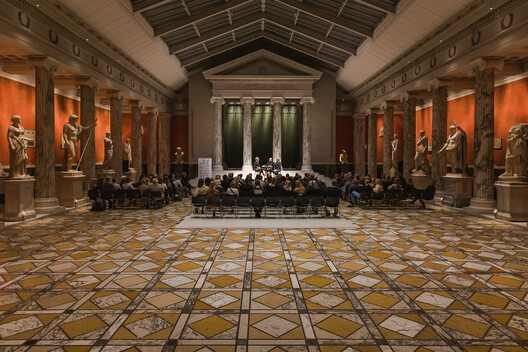
As part of the Biennial's program, Assemble! brings together architects, engineers, developers, poets, economists, and activists to explore how systemic change in the building sector can be shaped through new regulations, ownership models, and design processes. Held at the Danish Architecture Center on September 18–19, the two-day event is conceived as a structural experiment and policy rehearsal, turning ambitious ideas into actionable strategies. The first day, Breaking Barriers Through Law, opens with Katherine Richardson and features proposals from Kate Orff on climate adaptation, Indy Johar on a global pause in construction, and Anders Lendager on circular ownership models, followed by panels and case studies with practitioners across the sector. The second day, From Policies to Practices, shifts focus to implementation through panels, presentations, and a participatory workshop with The Green Youth Movement. Speakers include Frederik J. Preisler, HY William Chan, Esther Kjeldahl, Liv Sejrbo Lidegaard, Christele Harrouk, and Christian Poll, with sessions moderated by Kristoffer Lindhart Weiss and Christine Roj.
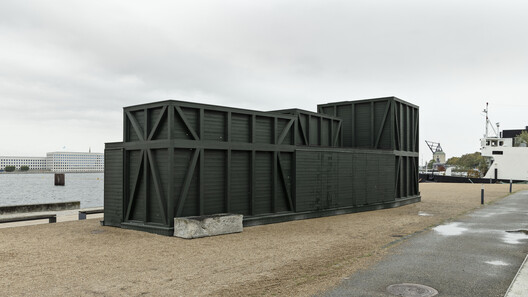
On September 19 at CAFx, Halmtorvet 27, ArchDaily will announce its fifth edition of Next Practices 2025. Since 2020, the initiative, formerly known as Best New Practices, has highlighted emerging architecture teams who challenge conventional approaches and expand the boundaries of the field. Across its first four editions, Next Practices recognized 85 teams from 32 countries, showcasing innovative work in sustainability, heritage, and community engagement. The fifth edition continues this focus, amplifying underrepresented voices and exploring architecture's potential to address global challenges, including climate change, inequality, and urbanization, through bold ideas and locally grounded strategies.
In related news, the inaugural Bukhara Biennial opened on September 5, 2025, with more than 70 site-specific commissions by over 200 participants from 39 countries, activating the historic core of the Uzbek city. Meanwhile, the 19th Venice Architecture Biennale continues through November 23, 2025, presenting 65 National Pavilions and contributions from more than 750 participants working in interdisciplinary and multi-generational teams. Looking ahead, a Pan-African Biennale of Architecture is scheduled to debut in 2026 in Nairobi, Kenya.
Editor's Note: This article was originally published on August 21, 2025, and updated on September 18, 2025, to announce the official opening.