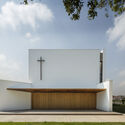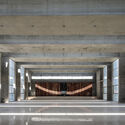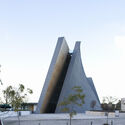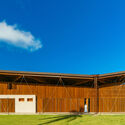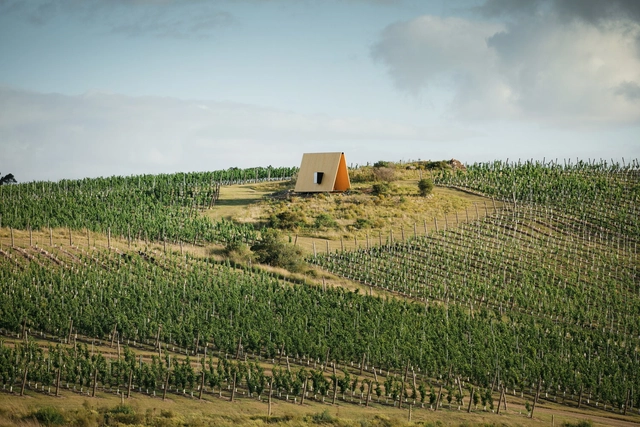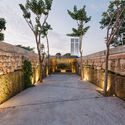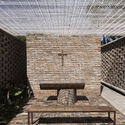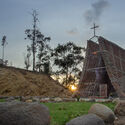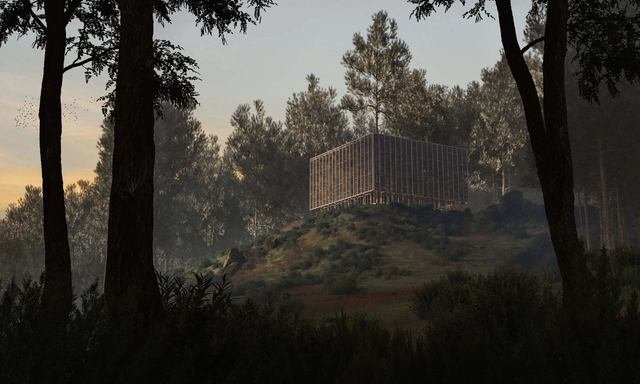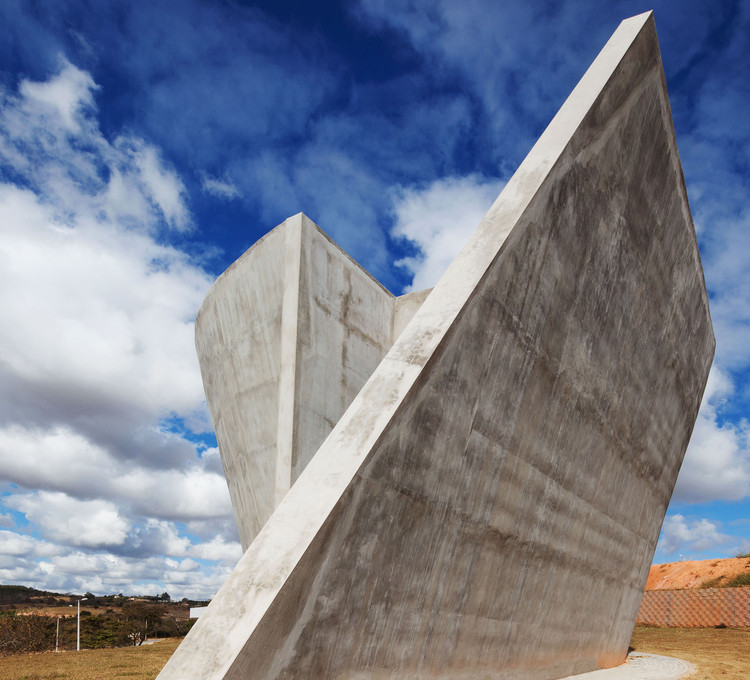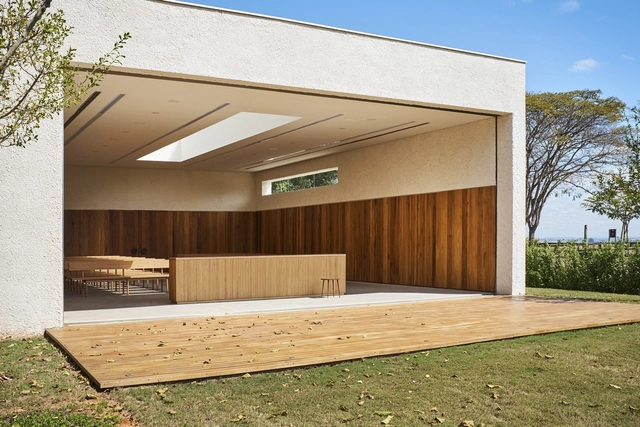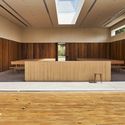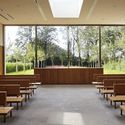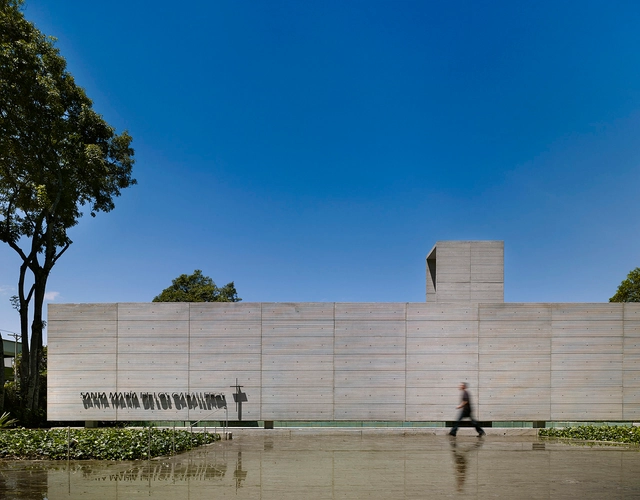
At a global level, contemporary architecture continues to explore tools and design methodologies to integrate nature into habitable spaces, given its proven benefits and contributions to improving people's quality of life. While there are diverse religious beliefs around the world, religious architecture generally expands beyond its uses and functions to connect with the sacred. Senses, memories, and emotions are transmitted in these spaces through the use of certain materials, spatial organizations, and even sounds and aromas that enhance experiences in atmospheres of spirituality, divinity, and reflection. In Mexico, Chile, Ecuador, Brazil, and Uruguay, projects for places of worship open to the outdoors reflect an architecture that adapts to different natural environments while maintaining the premise that each religion is tied to a social identity and requires a particular connection with its community and surrounding landscape.
Modernism in architecture emerged at the beginning of the twentieth century, fueled by advancements in science and engineering and a deliberate departure from historical styles. It championed a focus on social equity, urban development, efficiency, and functional design, marking a significant shift in architectural philosophy. Originating primarily in Europe and the United States, modernism captivated the global imagination with its innovative redefinition of space and architecture. Its spread to Asia was facilitated by cross-cultural exchanges—East Asian architects who studied under prominent modernists and European architects working in East Asia through international collaborations or colonial-era influences.
As communities grow more multicultural and increasingly diverse, these spaces serve as physical manifestations of religious inclusion, encouraging the acceptance of religious and ethnic minorities within multicultural landscapes. Their proliferation reflects a growing need for inclusive environments that cater to diverse spiritual needs while promoting interfaith understanding. However, designing and implementing these spaces presents complex challenges, often sparking debates about representation, neutrality, and the very nature of sacred space. These discussions underscore the delicate balance architects must strike in creating spaces that are both universally welcoming and spiritually meaningful.
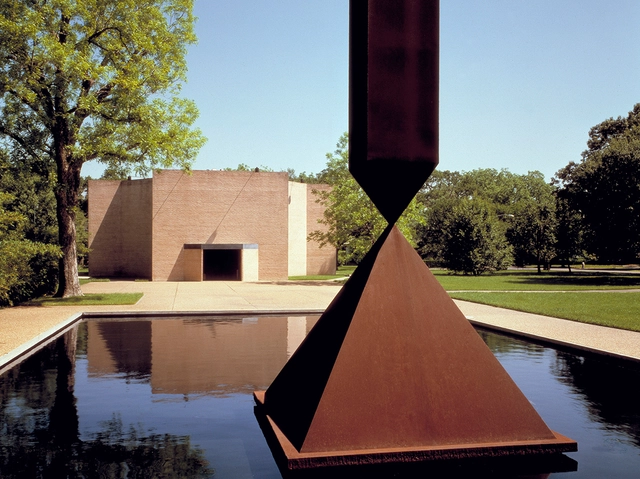
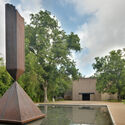
Rothko Chapel / Philip Johnson, Howard Barnstone, Eugene Aubry. Image via Huston Museum District, under policy of fair use
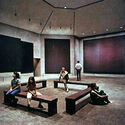
The Rothko Chapel, a celebrated structure appreciated for its profound meditative space, has announced its reopening to the public on December 17th. Following the extensive damage caused by Hurricane Beryl last July, the custodians of the structure announced its indefinite closure, as a team of art conservators, engineers, and volunteers began the extensive work to restore both the architecture and the invaluable artworks stored within. The Chapel's reopening marks a significant milestone in the recovery process, making this sanctuary of contemplation accessible once again to the community.
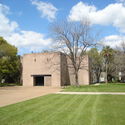
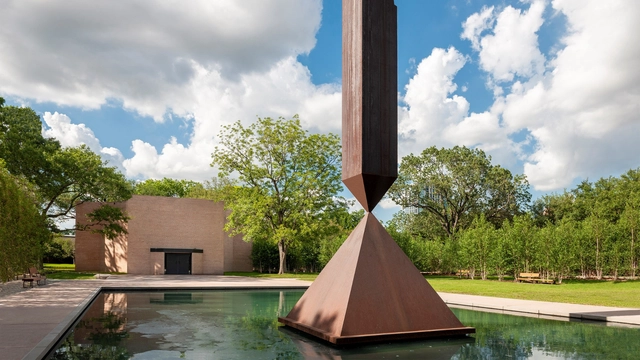
Rothko Chapel. Image via Huston Museum District, under policy of fair use
Built in 1971, the Rothko Chapel in Huston, Texas, was conceived as an intimate sanctuary for people of every belief, while in front of the chapel, Barnett Newman's sculpture "Broken Obelisk" stands in memory of Dr. Martin Luther King Jr. In 1964, Mark Rothko was commissioned by John and Dominique de Menil to create a meditative space for his site-specific paintings. Rothko’s vision clashed with that of the initial architect, Philip Johnson, over the scale and grandiosity of the building, which he felt distracted from the art. The project underwent several revisions with different architects, including Howard Barnstone and Eugene Aubry. Now officials have announced the indefinite closing of the chapel, after having sustained severe damage during Hurricane Beryl, the Category 1 storm that hit Houston on July 9.
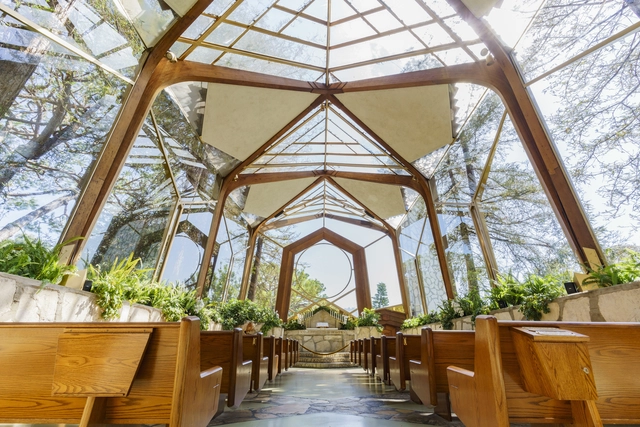
The Wayfarers Chapel, known locally as "The Glass Church," was designed by Lloyd Wright, the eldest son of architect Frank Lloyd Wright, and completed in 1951. Located in the Palos Verdes peninsula in Los Angeles, its design aimed to blend the lines between architecture and nature, with large-span glass panels opening up to space toward the redwood canopies. Last year, the structure was designated a national historic landmark. Now, due to “accelerated land movement” in the area, the structure, which has been closed off to the public since February, was announced to be disassembled to protect it from further damage.
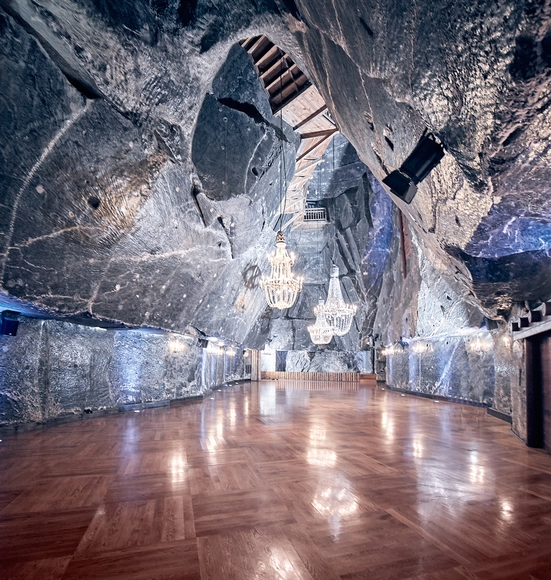
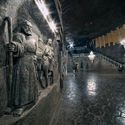
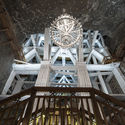
The Republic of Poland boasts diverse geographical territories and cultural tribes that span thousands of years. Its cities and towns reflect a whole spectrum of styles, from Romanesque architecture to Gothic Revival and postmodernist residential and commercial structures. In addition to its unique topography and rich urban fabric, the country houses 17 UNESCO World Heritage Sites. One site, however, has stood out from the rest and given the country a royal status. Tucked beneath the Malinowka stream, just outside the southern city of Krakow, is one of the world's oldest and largest hand-chiseled underground mines that has been transformed into an expansive, all-inclusive complex. From a naturally-healing health center to a secluded church and an underground bungee jumping platform, this colossal adaptive reuse project is the Wieliczka Salt Mine.
The Chapel of St. Ignatius in Seattle, designed by Steven Holl Architects, has been honored by the American Institute of Architects (AIA) with its Twenty-five Year Award. AIA’s award is conferred on a building that has set a precedent, stood the test of time for 25 to 35 years and continues to set standards of excellence for its architectural design and significance. The Chapel of St. Ignatius finished in 1997, reflects the ideal of the Jesuit practice, a religious order of the Catholic Church, in which no single method of worship is prescribed. Instead, the sect recognizes that “different methods helped different people.” That idea is reflected in the Chapel of St. Ignatius, Seattle University’s main chapel, where differences in light unify to support the worship and ritual needs of the university community.
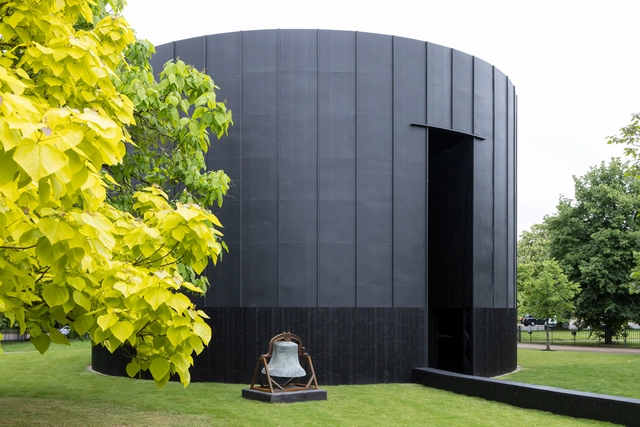
The 21st Serpentine Pavilion, Black Chapel, designed by Chicago-based artist Theaster Gates opens today, on June 10, 2022. On display until the 16th of October 2022, the project is realized with the architectural support of Adjaye Associates with Goldman Sachs’ patronage. In 2021, the Pavilion events program was planned to reflect Gates’ concept of interlinking architecture and music, particularly emphasizing artistic explorations of monastic sounds and hymns. The pavilion will act as a platform for Serpentine’s live program throughout the summer, offering the public space of reflection, connection, and joy.
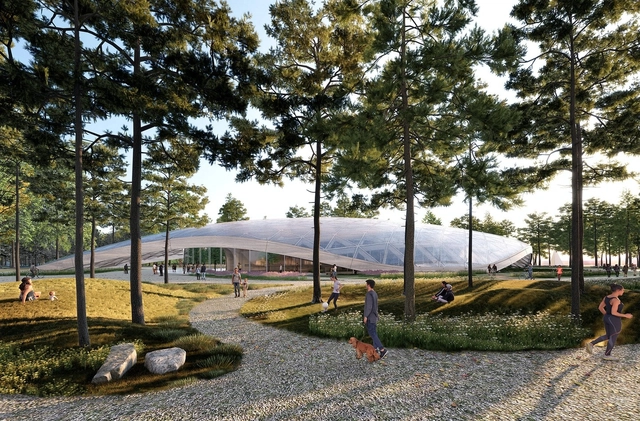
Cavatina Concert Hall by Cavatina. Image Courtesy of Cavatina
The diversity of civic spaces in cities and rural areas have continuously showcased how strongly they explore human connections regardless of program, construction technique, scale, and geography. Ranging from educational facilities and museums, to art centers, libraries, religious halls, and memorials, these projects have enriched urban fabrics with cultural programs that have provided members of the community with places to learn, entertain, create, and unwind.
This week’s curated selection of Best Unbuilt Architecture highlights cultural projects submitted by the ArchDaily community from across the world. From a water management system that targets the natural crises in Egypt to a structurally intertwined memorial in the United States, this round up of unbuilt projects showcases how architects responded to the contextual and spatial needs of their projects through innovative and local solutions. The article also includes projects from Italy, China, Uruguay, Poland, Iran, Hungary, Russia, and the United Kingdom.
Trahan Architects broke ground on the new Chapel of St. Ignatius and Gayle and Tom Benson Jesuit Center at the Loyola University in New Orleans. The new spiritual site and the community gathering space draw on elements of the Jesuit tradition, central to the University's heritage. Through the circular design, the light-filled interior space and the predominance of natural materials, Trahan Architects creates a space of universal spirituality at the heart of the campus.
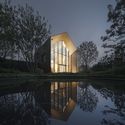
Tucked beneath the dense trees of Al-Ozer Forest in Mount Lebanon, Byblos-based architects and visual artists of JPAG Atelier created a secluded retreat away from humans and the chaos of the urban life. The Earth Chapel is a unique sanctuary that lets its visitors experience both the simplicity of the architecture and the richness of the surrounding landscapes, all at once.
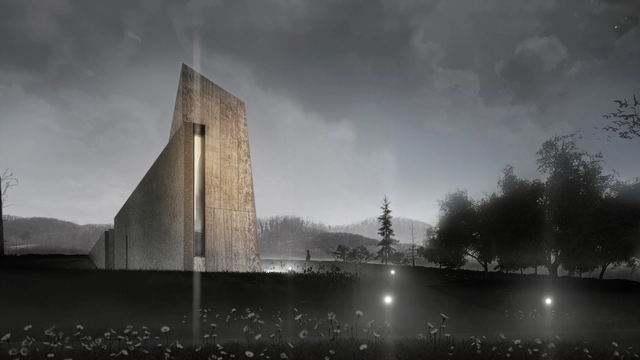
Zovik Chapel and Cemetery. Image Courtesy of Nenad Fabijanić
10 projects, 10 functions. Featuring a multitude of different programs, this week’s curated selection of Best Unbuilt Architecture highlights diverse and innovative conceptual approaches. Submitted by our readers, this variety of proposals includes sports, religious, cultural, educational, and social purposes.
Compiling projects from all over the world, this article puts together a Buddhist temple in Bangkok, Thailand, a ring-shaped experience center and eco-tourism catalyst for Latvia, a cemetery in Bosnia and Herzegovina, and the biggest extreme sports park in Russia. Moreover, unconventional office spaces are underlined with an innovation start-up center in Vietnam, headquarters in Shenzhen, and Tirana’s new municipality building.
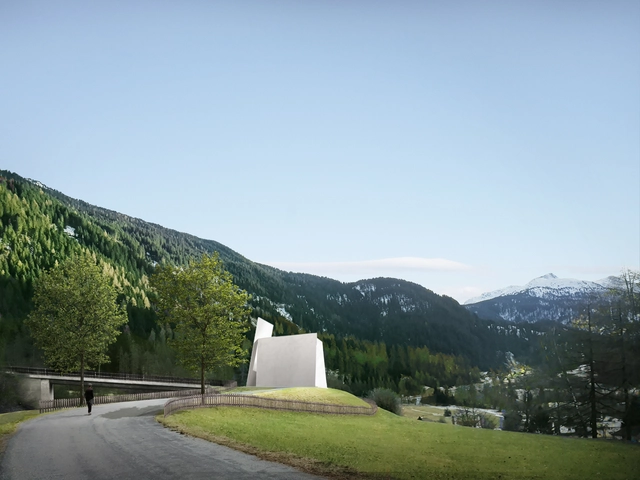
Herzog & de Meuron have designed a new motorway chapel for Andeer, Switzerland. The new project is sited on A13, the road that connects the village with Chur to the north, and to Ticino and Italy to the south. The idea for the chapel in Andeer was inspired by the site alone and its location, from the road itself.
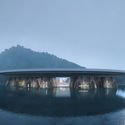
OPEN Architecture’s anticipated project Chapel of Sound has finally topped out on November 15th with the pouring of its broad concrete roof.
The project, which is expected to open in the summer of 2020, includes a semi-outdoor amphitheater, an outdoor stage, and viewing platforms, overlooking the mountainous rural area of the Jinshanling Great Wall.