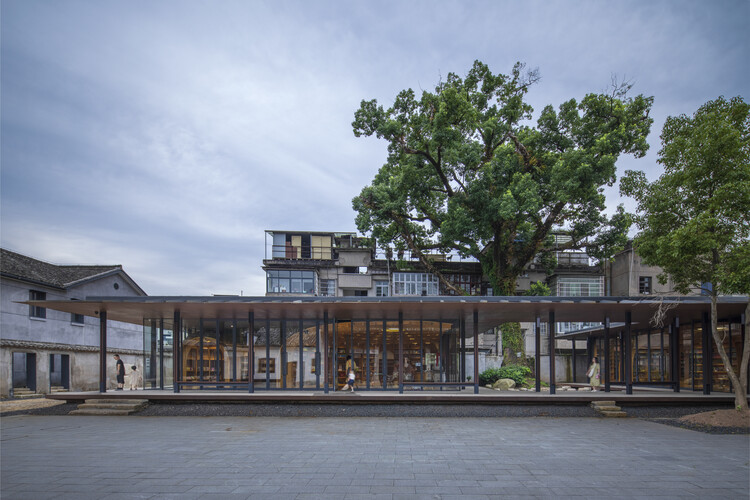
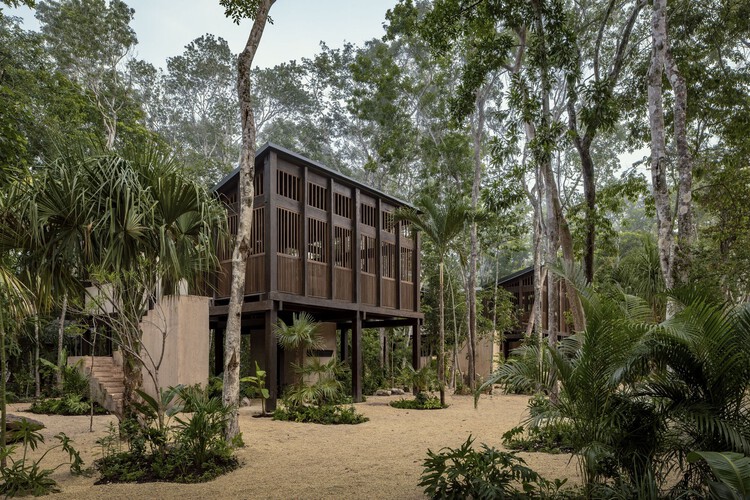
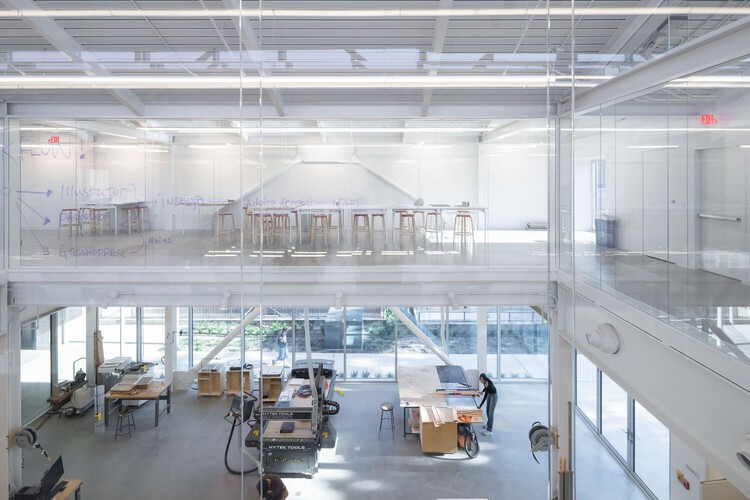
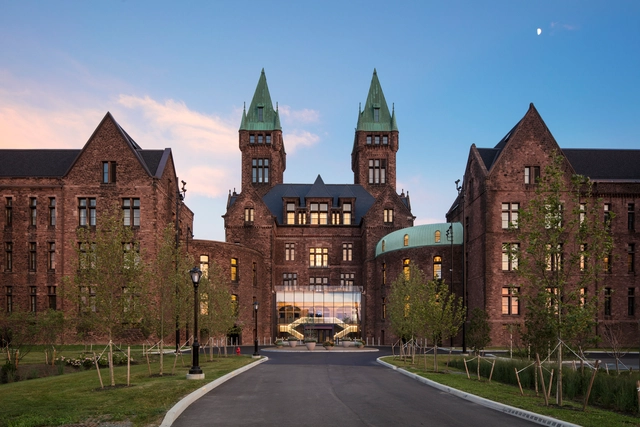
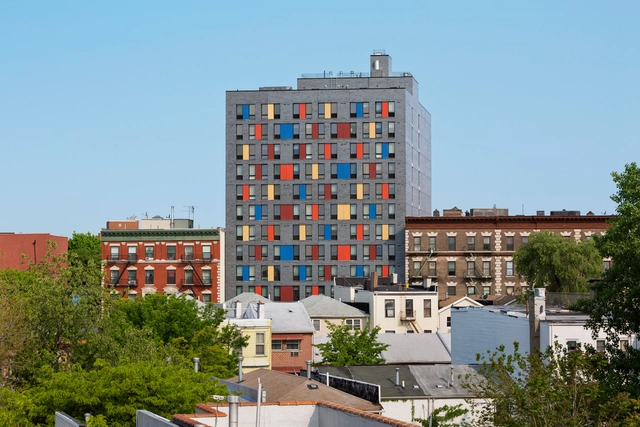
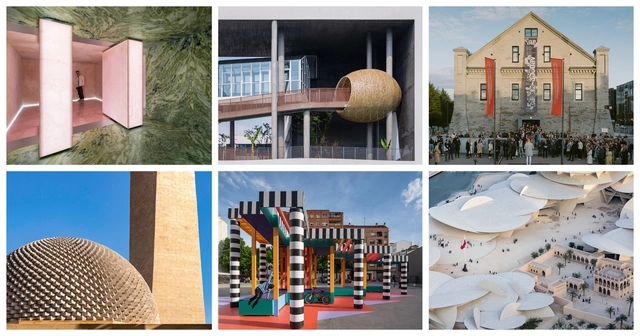
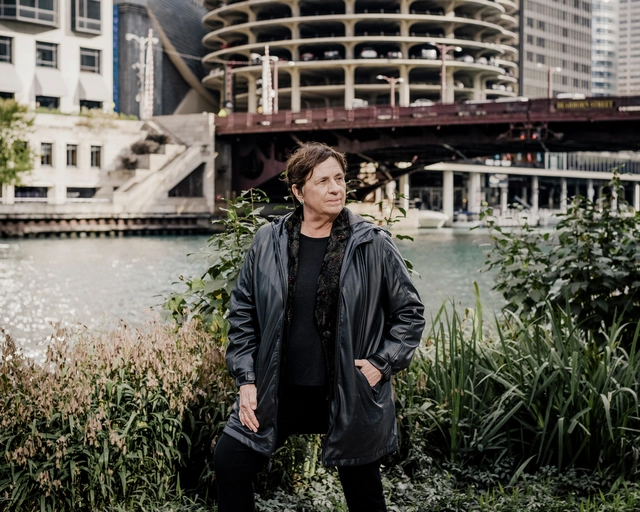
Songyang Culture Neighborhood by Liu Jiakun, the 2025 Pritzker Architecture Prize laureate. Image Courtesy of Arch-Exist
This week's news brings together developments in professional recognition, cultural programming, and large-scale urban strategy, reflecting the multiple scales at which architecture shapes contemporary discourse. As the field anticipates the next Pritzker Architecture Prize announcement, conversations around authorship, civic responsibility, and long-term impact unfold alongside the American Institute of Architects' 2026 Honorary Fellowship appointments, situating individual achievement within broader institutional frameworks. At the same time, updates from Riyadh to London foreground the role of architecture in both enabling new cultural platforms and safeguarding post-war heritage. Complementing these narratives, the reassignment of the 2029 Asian Winter Games and progress on expansive public landscapes highlight how cities are aligning infrastructure delivery, environmental resilience, and territorial planning with long-term economic and social agendas.
The American Institute of Architects (AIA) has elevated 78 architects to its College of Fellows, recognizing members whose work has demonstrated a sustained impact on the discipline and on society. Fellowship is described as one of the Institute's highest honors and is conferred upon architects who have advanced design excellence, strengthened professional practice, expanded architectural education, or contributed to public service. Selected by a nine-member Jury of Fellows chaired by Sanford Garner of RG Collaborative, this year's cohort reflects a wide range of geographic and professional backgrounds, with honorees representing firms, public agencies, and academic institutions across the United States.
Organized by ASF with Susan Chin of DesignConnects, in collaboration with the American Institute of Architects New York, and American Institute of Architects Continental Europe, Nordic American Connections: Conversations on Architecture and Design is a four-part series that presents prominent architects, critics and scholars to reflect on Scandinavian and Nordic design’s enduring impact in shaping modern American design since the 19th century.
This opening panel features Rosalie Genevro, Peter MacKeith, Thomas Phifer, and Tod Williams.
Organized by ASF with Susan Chin of DesignConnects, in collaboration with the American Institute of Architects New York, and American Institute of Architects Continental Europe, Nordic American Connections: Conversations on Architecture and Design is a 4-part series that presents prominent architects, critics and scholars to reflect on Scandinavian and Nordic design's enduring impact in shaping modern American design since the 19th century.
Courtesy of AIA Conference on Architecture & Design
The future of architecture isn't just being drawn—it's being coded. Since mathematician John W. Tukey coined the term "software" in 1958 in The American Mathematical Monthly, its influence has steadily expanded, from revolutionizing science and engineering to quietly transforming architecture. What was first embraced as an innovation for structural calculations and drafting has since revealed a much broader potential, becoming a creative driver in architectural narrative and practice.
While that transformation has already taken root—software now embedded in the way we design and think—it continues to evolve. At the recent AIA Conference on Architecture & Designin Boston, current innovations made it clear that we're entering a new chapter: one where software and artificial intelligence aren't just enhancing workflows but actively shaping sustainability, regulation, and decision-making. Architects and software developers now treat code with the same logic as a material—shaped not by modeling or carving, but through parameters, cycles, constant evolution, and feedback. At the same time, architects are working with AI as a co-pilot in the design process, collaborating with it to support decision-making and enhance the design.
https://www.archdaily.com/1030942/ai-and-architecture-software-at-aia25-from-code-to-concrete-in-the-digital-futureEnrique Tovar
Influential figure Deborah Berke, FAIA, LEED AP, has been announced as the recipient of the 2025 AIA Gold Medal, in recognition of her four-decade career integrating design prowess, and academic leadership demonstrating social and environmental responsibility. Her work, encompassing residential, institutional, and adaptive reuse projects, demonstrates a commitment to sustainability and community engagement. Founding Deborah Berke Partners (now TenBerke) in 1982 and serving as the first female dean of the Yale School of Architecture, she has held various leadership positions within the architectural profession and contributed to discussions on design ethics, sustainability, and education.
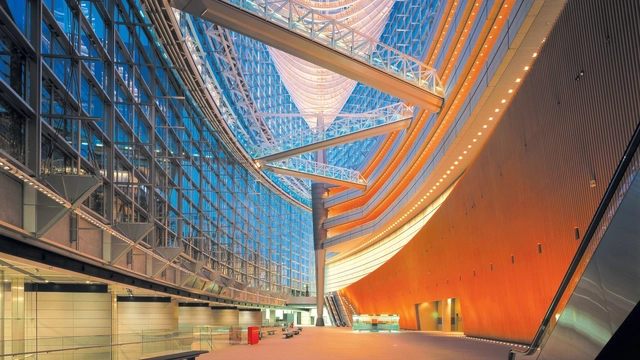
Rafael Viñoly Architects’ Tokyo International Forum has been honored with the prestigious AIA Twenty-five Year Award. Celebrating its “distinctive transparent character and capacity to engage with the public in the largest metropolitan area in the world.” Rafael Viñoly Architects was first selected to design the structure through Japan’s first international design competition facilitated by Kenzo Tange, the architect of Tokyo’s City Hall and the first Japanese laureate of the Pritzker Prize.
If you follow housing policy in America, you may have noticed a particular term cropping up a lot recently: social housing. Maybe you’ve read a longform academic article, live in a city that is codifying a social-housing policy like Seattle or Atlanta, or seen one of the recent mentions in The New York Times, highlighting U.S. and Viennese success stories. On the design front, Dezeen is running a social-housing revival series.
In an effort to find effective strategies to mitigate the adverse effects of climate change, the Biden-Harris administration has released a draft of a new legislative initiative that strives to impose a National Definition for Zero Emissions Buildings. Overseen by the U.S. Department of Energy (DOE), the draft proposes a standardized and verifiable base for defining the common minimum conditions for such buildings, as well as pathways for transparent verifications by public and private entities. DOE has now launched a ‘request for information' asking for feedback from industry, academia, research laboratories, and other stakeholders before finalizing the document.
Spanning continents and cultures, architecture-focused events serve as platforms for the gathering of diverse groups of professionals to share innovations and embark on dialogues regarding some of the most pressing matters faced by our profession. Embodying the spirit of collaboration, highlighting local cultures and practices, and fostering open debates, this year’s list of events covers a diverse range of biennales, forums, city-wide celebrations, international fairs, and awards.
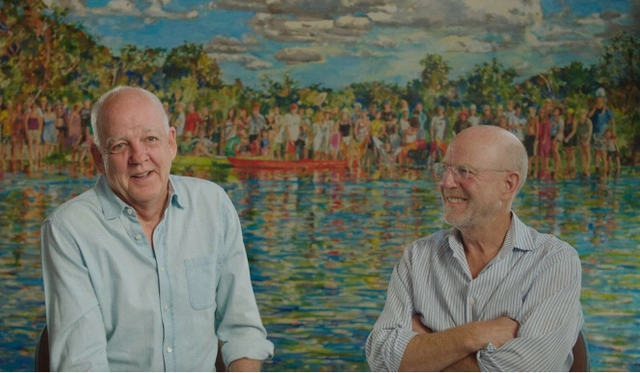
The American Institute of Architects has announced David Lake and Ted Flato, the founders of Texas-based firm Lake|Flato Architects, as the winners of the 2024 AIA Gold Medal. The pair was selected by the jury for their ability to make "sustainability exciting in a way few other architects have accomplished." Founded in San Antonia in 1984, their office set out to make environmentally conscientious design both accessible and exciting, by finding ways to strengthen he bond between humans and nature.
If you’ve been in the profession of architecture long enough, you come to know a certain rarified subset of fellow professionals: Those who call themselves “architects,” who have a degree, and who may even be licensed and members of the AIA, but who do not practice architecture. They simply like being an “architect.”
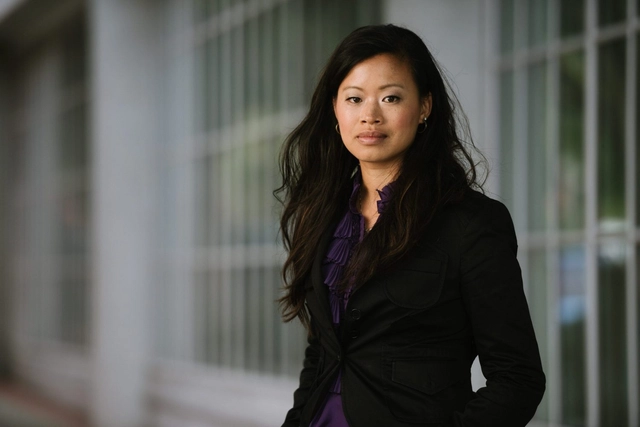
The American Institute of Architects has elected Evelyn Lee as the 2025 President-elect. During the AIA annual meeting, Lee has been selected to take the position of 2024 First VP President-Elect, and afterward to become president in 2025. AIA has also elected Heather Philip-O'Neal to serve as Treasurer between 2024-2025, and Latoya N. Kamdang as the elected At-large Director.
Evelyn Lee is the Global Head of Workplace Strategy and Innovation at Slack Technologies, Founder of the Practice of Architecture, and Co-Host of the Podcast Practice Disrupted. She is also a member of the National Organization of Minority Architects (NOMA). From 2020 to 2021, she served as the first female Treasurer to the AIA National Board. She is also widely published, having managed a monthly column for Contract magazine, in addition to various other online publications, where she developed recurring content on the business of architecture. Additionally, Evelyn Lee has been featured as a speaker, panelist, and moderator at national design and architecture conferences, including AIA National Convention, Dwell on Design, and Women in Green.
Every “Year In Review” assessment of anything is both myopic and timely. That being said, 2022 was a "Boom" time for architects (and the building industry in general). This snapshot will change in 2023 when this year’s manufactured interest rate jumps will crib death this short and intense boom.
But some things have more meaning than can be found in the moment. 2022 proved that the “Mad Men” model in the profession as a white male clubhouse is over. Gender and race inequalities remain in architecture, but they are acknowledged flaws in urgent need of correction. Beyond these evolutions and revolutions, a new generation of architects is changing the profession.
The American Institute of Architects (AIA) has named Carol Ross Barney, FAIA, as the recipient of the 2023 AIA Gold Medal, the institution’s highest annual honor. The award recognizes and applauds Carol Ross Barney’s focus on design excellence, social responsibility, and generosity. Through her transformative projects, she has endeavored to make the world a better place and, according to the jury, made “an indelible mark on the profession.”
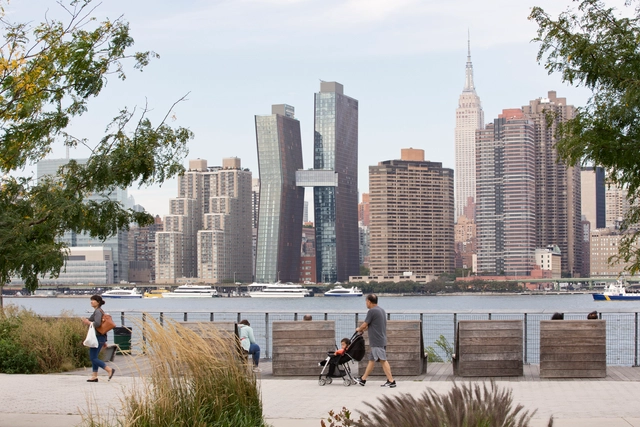
American Copper Buildings. Image Courtesy of SHoP Architects
The first and only formal architecture union in the American private sector was just formed by Bernheimer Architecture's employees after two years of the union campaign. The Union aims to reframe the discipline and profession and create an established sector of better labor rights standards and work conditions. The BA Union will be associated with the International Association of Machinists and Aerospace Workers to reshape the industry at a large scale and work on Industrywide problems like long hours and low pay.