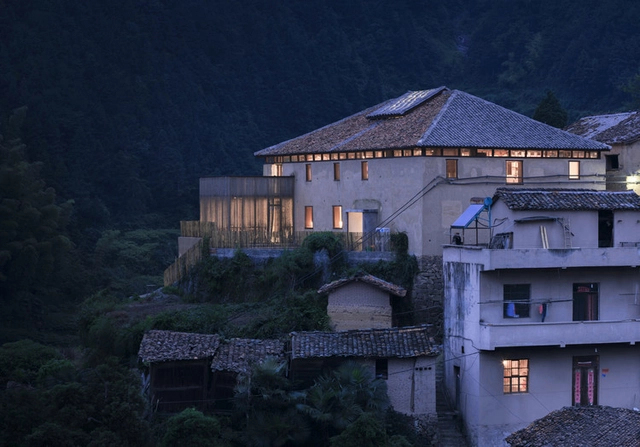
The immensity of China leads to the diversity of customs and climatic conditions. Each area has its own unique materials, construction methods, and climate adaptation measures. The regional characteristics of Chinese architecture are generally preserved in rural buildings. But we cannot overlook how contemporary technology may considerably improve the living and use conditions of rural buildings. What is the best way to create a balance between classic or inherent technology and new ones? How would the construction of rural architecture provide inspiration for the development of Chinese architectural cultural symbols?
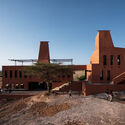
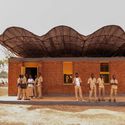
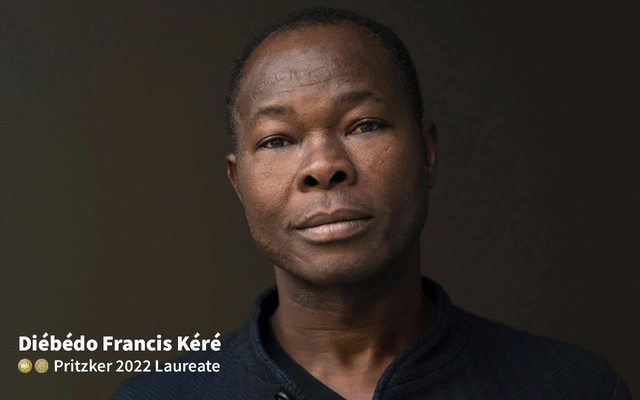
2022 Pritzker Architecture Prize winner Diébédo Francis Kéré reported the great solutions of Burkina Faso. Kéré insists to build comfortable buildings at a reasonable price; to make users happy and inspire them to dream of a better life. The pride of the local culture is reinforced by the use of local materials and traditional techniques. And then Kéré‘s works in other countries show cultural emblems of Burkina Faso, which are the consequence of his own cultural accumulation.
Pritzker Prize 2022 Laureate Francis Kéré is known for “empowering and transforming communities through the process of architecture”, as the jury stated in its citation. In this recently published video, Martha Thorne, Dean of IE School of Architecture and Design and former executive director of the Pritzker Architecture Prize, shares some of the reasons why Francis Kéré has won the Pritzker Prize 2022.
Meet 2022 Pritzker Architecture Prize winner, Francis Kéré, Burkina Faso-born black architect, in an interview about his architectural philosophy, with Louisiana Channel. As the official statement of the Pritzker Architecture Prize notes, “Through buildings that demonstrate beauty, modesty, and invention, and by the integrity of his architecture and geste, Kéré gracefully upholds the mission of this Prize”, continually “empowering and transforming communities through the process of architecture.”
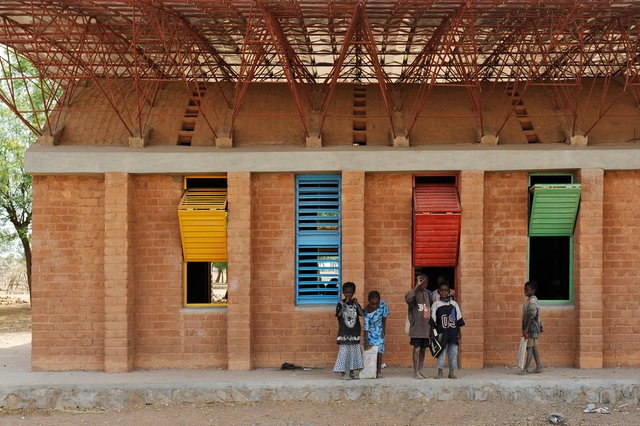
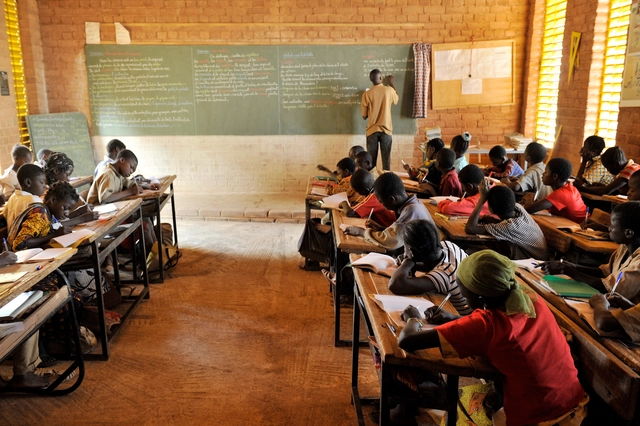
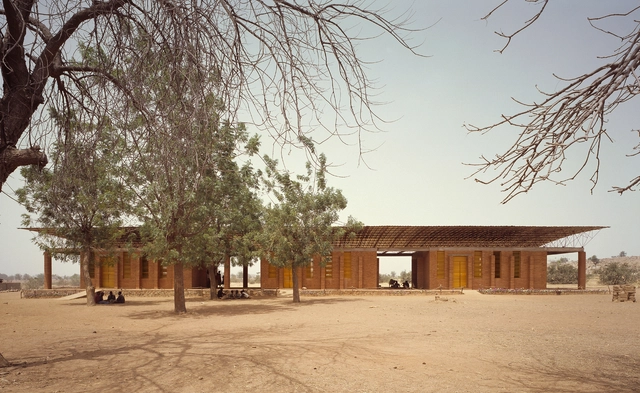
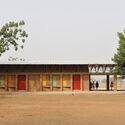
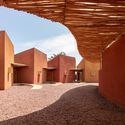
Clay walls have a high thermal inertia. This means that they act as a climate buffer that creates a thermal delay in the flow of heat from the outside to the inside, absorbing it during the day and releasing it overnight. The material is especially suitable for hot and dry climates, such as that of Gando, where Francis Kéré built his first school. After years of studying abroad, Kéré returned to his home community with the intention of building this school with the same materials historically used by locals, which many originally viewed as strange, as he said in this lecture. Despite the initial prejudice, it was the combination of local materials and techniques with Kéré’s acquired knowledge that ultimately gave strength to the project.
https://www.archdaily.com/978851/how-does-francis-kere-use-materials-to-respond-to-local-climate-conditionsValeria Montjoy and Eduardo Souza
The election of Kéré is not only symbolic in a time of identity demands, where the institutions that make up the mainstream are required to more faithfully represent the social, cultural, and sexual realities that make up our societies, but it also confirms the recent approach of the Pritzker Prize jury.
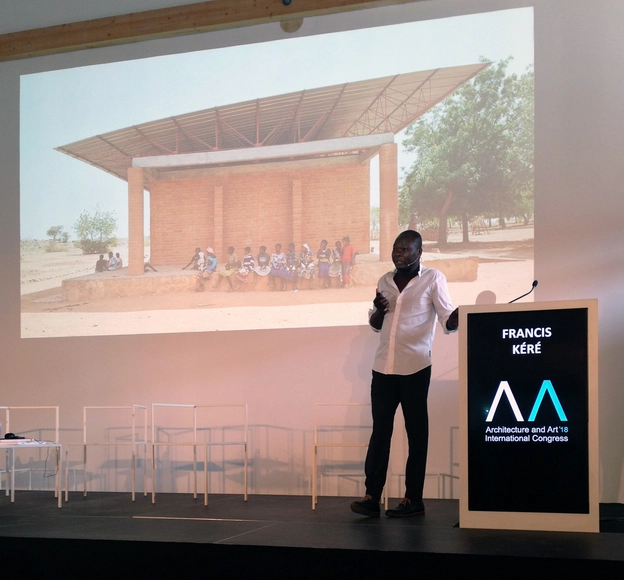
"I Draw on Paper, but I Prefer to Draw on the Ground". This phrase caught my eye during Diébédo Francis Kéré's speech at the AAICO (Architecture and Art International Congress), which took place in Porto, Portugal from September 3 to 8, 2018. After being introduced by none other than Eduardo Souto de Moura, Kéré began his speech with the simplicity and humility that guides his work. His best-known works were built in remote places, where materials are scarce and the workforce is of the residents themselves, using local resources and techniques.
African architecture has received deserved international attention in the last decade and one of the main responsible for this is, undoubtedly, Diébédo Francis Kéré, 2022 Pritzker Prize Winner. Born in Gando, Burkina Faso, Kéré graduated in architecture at the Technische Universität Berlin, in Germany. Today, he maintains branches of his firm, Kéré Architecture, in both countries, through which he seeks to develop works in the "intersection of utopia and pragmatism", exploring the border between Western architecture and local practice.
Known for involving community in the construction process of its buildings, Kéré and his office have developed works that go beyond the conventional limits of architecture and touch on themes such as local economy, migration, culture and equity. We had the pleasure and privilege of talking with the architect about some of his projects and his broader vision on architecture. Read the full interview below.
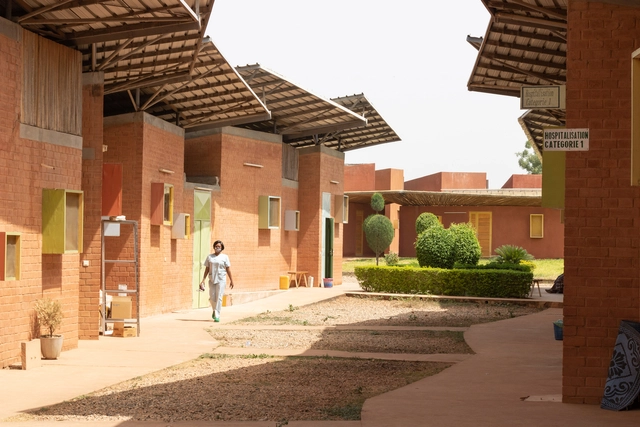
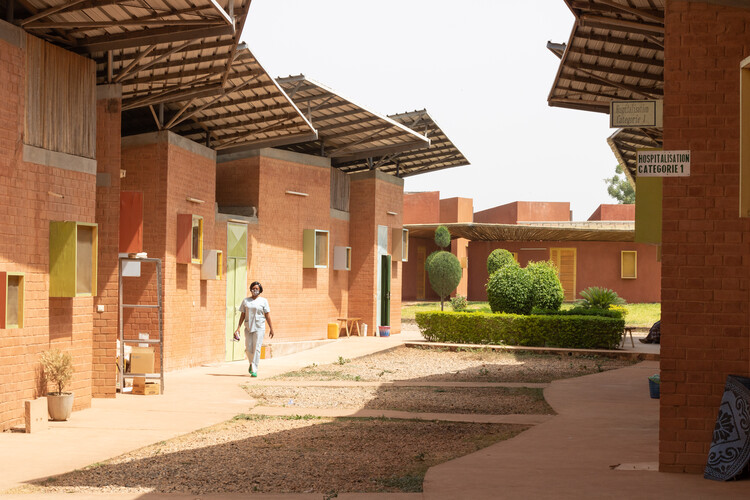
Surgical Clinic and Health Center. Cortesia de Francis Kéré
"I just wanted my community to be a part of this process," Diébédo Francis Kéré said in an ArchDaily interview published last year. It's hard to think of another phrase that so well sums up the modesty and impact caused by the newest winner of the Pritzker Prize of Architecture, whose work gained notoriety precisely for involving the inhabitants of his village in the construction of works that combine ethical commitment, environmental efficiency, and aesthetic quality.
Diébédo Francis Kéré founded his architecture practice Kéré Architecture, in Berlin, Germany in 2005, after a journey in which he started advocating for the building of quality educational architecture in his home country of Burkina Faso. Deprived of proper classrooms and learning conditions as a child, and having faced the same reality as the majority of children in his country, his first works aimed at bringing tangible solutions to the issues faced by the community.
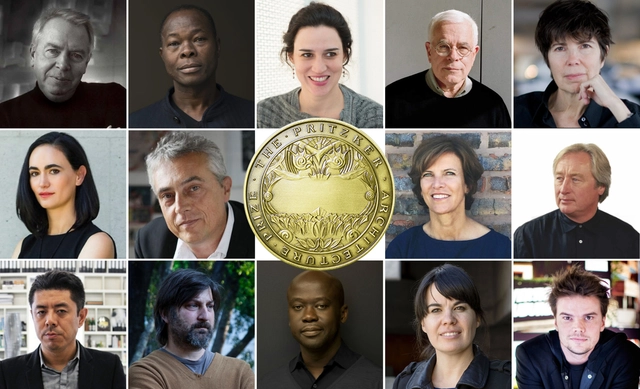
“Through buildings that demonstrate beauty, modesty, boldness, and invention, and by the integrity of his architecture and geste, Kéré gracefully upholds the mission of this Prize,” explains the official statement of the Pritzker Architecture Prize. Announced today by Tom Pritzker, Chairman of The Hyatt Foundation, Francis Kéré is the 51st winner of the award founded in 1979, succeeding Anne Lacaton and Jean-Philippe Vassal. Praised “for the gifts he has created through his work, gifts that go beyond the realm of the architecture discipline”, the acclaimed architect is present equally in Burkina Faso and Germany, professionally and personally.
As part of our yearly tradition, we have asked our readers who should win the 2022 Pritzker Prize, the most important award in the field of architecture.
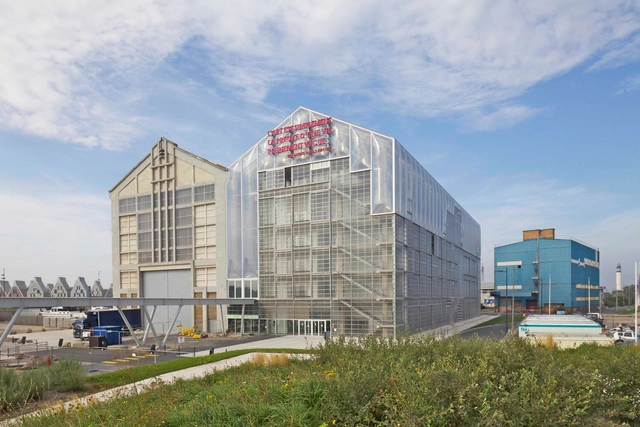
FRAC Nord-Pas de Calais- Anne Lacaton and Jean-Philippe Vassal . Image Courtesy of Philippe Ruault
The "2022 Pritzker Architecture Prize Laureate will be announced on March 15th at 10 am EST", states the official website of the Prize. Architecture's most relevant recognition is set to reveal its laureate(s) next week, aligned with the usual March announcement. “Architecture’s Nobel Prize” has been honoring every year, since 1979, a living architect or architects with significant achievements to humanity and the built environment.