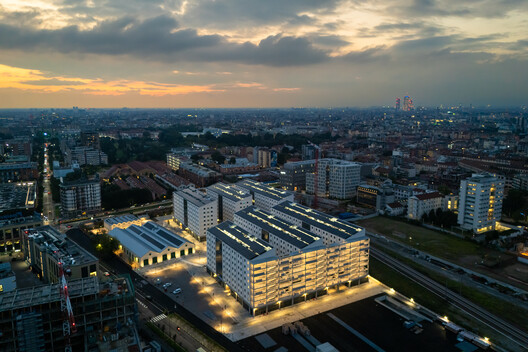
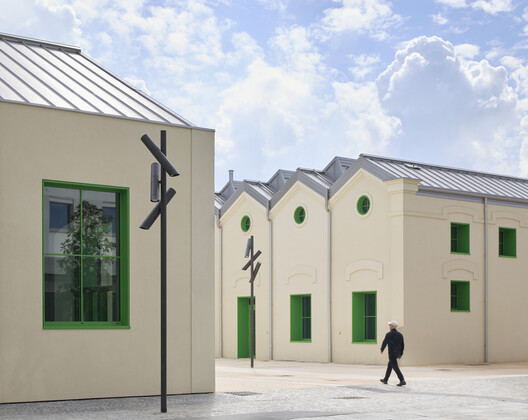
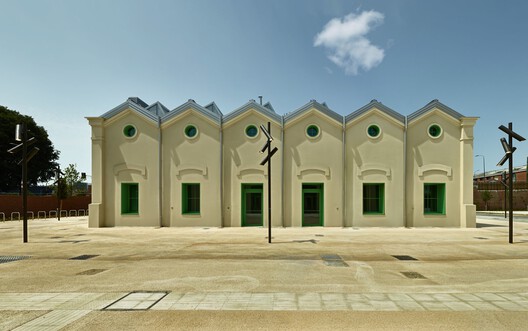
The first images have been released of the completed Athletes' Village for the 2026 Winter Olympics in Milan, following its official handover to the Milano Cortina Foundation ahead of the Games in February. Developed by COIMA and designed by Skidmore, Owings & Merrill (SOM), the project has been envisioned as both a temporary residence for athletes and a long-term urban asset for the city. Delivered in 30 months and ahead of schedule, the Village is located within the Porta Romana railway yard, and comprises six new residential buildings and the restoration of two historic structures: the former Squadra Rialzo locomotive workshop and the Basilico building. Together, they provide housing for athletes during the Games, along with 40,000 square meters of community spaces, landscaped courtyards, and three sports courts.

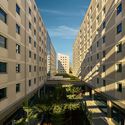
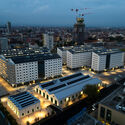
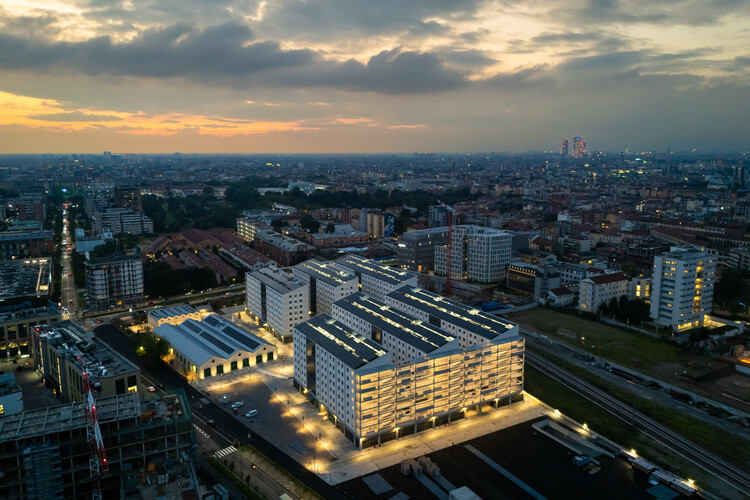
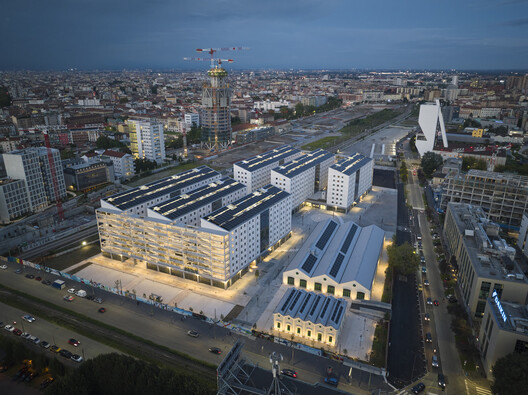
Following the Games, the Village will be transformed into Italy's largest student housing complex, with 1,700 beds ready for the 2026/27 academic year. The conversion will be completed in just four months, enabling a rapid transition from an Olympic facility to a permanent urban neighborhood. Rental prices will be set below the market average, addressing the city's shortage of affordable student accommodation. The Olympic Plaza and surrounding public spaces will be reprogrammed to feature retail, dining, and cultural activities, creating a new neighborhood that is integrated into the wider Porta Romana master plan, which also includes 320 affordable housing units, commercial spaces, and extensive green areas. At street level, flexible podiums will accommodate evolving programs, transforming from athlete support spaces to student and public amenities. These will be organized around three thematic anchors: The Scene for media and cultural events, The Social for coworking and community spaces, and Live Well for fitness and wellness.
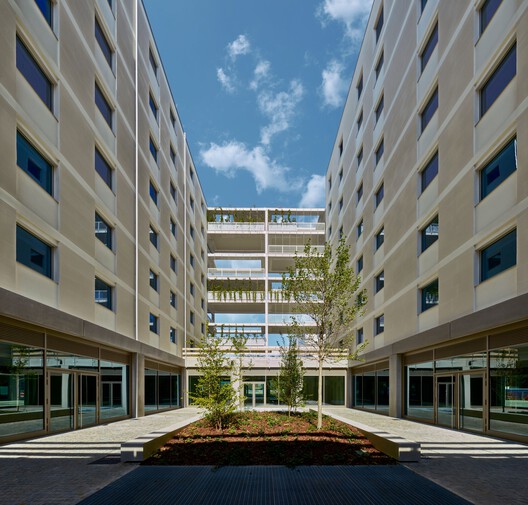
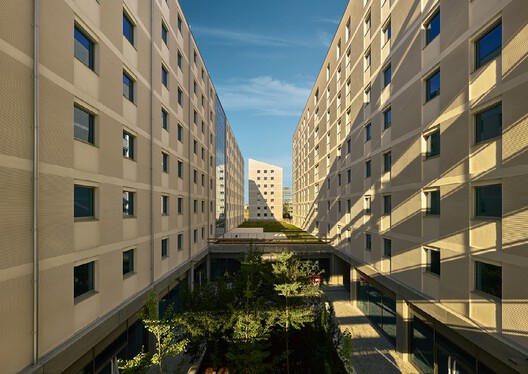
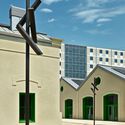
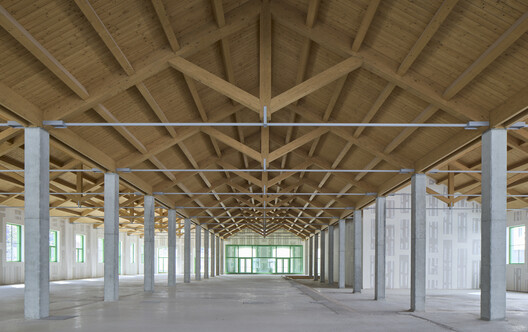
The site takes architectural inspiration from its industrial heritage and Milanese urban typologies. The plan adopts the rhythm of the surrounding streetscape, creating a porous urban block with pathways that link to the wider Porta Romana Railway Area Master Plan. The historic structures on site, located near Via Giovanni Lorenzini, will retain their masonry, wood, and iron interiors while being adapted for flexible public uses. Their restoration will highlight the area's transition from an industrial center to a contemporary urban district. The new buildings reinterpret the neighborhood's linear bar typology with a contemporary material palette. Communal terraces shaded by vertical plantings serve as shared spaces, acting as connective bridges and outdoor study rooms while enhancing environmental performance. The integration of greenery throughout the site supports climate resilience and occupant well-being.
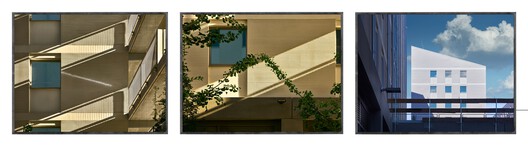
The project prioritizes environmental performance, aligning with Milan's Air and Climate Plan and EU Taxonomy requirements. The residential buildings are designed to meet Nearly Zero Energy Building (NZEB) standards, and have achieved LEED Gold and WiredScore Platinum certifications. Strategies include the elimination of fossil fuels, the use of heat pumps, a 1 MW photovoltaic system, stormwater reuse, and infrastructure for sustainable mobility, such as bicycle networks and EV charging. Mass timber construction, prefabricated facades, and modular design helped reduce embodied carbon.
Spanning two cities, two regions, and two autonomous provinces, Milano Cortina 2026 will be the most geographically extensive Winter Olympics to date, covering 22,000 square kilometers across Northern Italy. Taking place from February 6 to 22, 2026, the Games will make use of more than 90% pre-existing or temporary venues, emphasizing a legacy-oriented approach to design and infrastructure. The network of sites ranges from Milan's San Siro Stadium, Fiera Milano Rho Ice Park, Santa Giulia Arena, and Unipol Forum, to Cortina d'Ampezzo's alpine centers and sliding track, the slopes of Bormio and Livigno, the Nordic arenas of Val di Fiemme, the biathlon venue in Anterselva, and the historic Verona Arena.
Milan's preparations for the 2026 Winter Olympics are driving significant urban transformations across the city. Among the notable projects, David Chipperfield Architects Berlin, in collaboration with Arup, has completed the Milano Santa Giulia Arena, a new venue for the Games. Bjarke Ingels Group (BIG) and Atelier Verticale are developing the CityWave office complex, set to become Europe's largest integrated urban solar roof. Meanwhile, Kengo Kuma & Associates is delivering a biophilic mixed-use development on the former Rizzoli industrial site, reimagining the area as a vibrant urban hub.
We invite you to check out ArchDaily's comprehensive coverage of Milano Cortina 2026 Winter Olympics.
Editor's Note: This article was originally published on October 1, 2025, and updated on October 14, 2025, to include new photographs.