Beyond being a source of life, the power of the sun in architecture has long been tied to humanity's need to harness and control it as a vital resource. Since ancient times, solar energy has been used to measure time, support planting and harvesting, and provide protection from heat and cold. Today, solar radiation plays a significant role in global energy consumption. Architectural solutions based on materials, technologies, and environmental analysis are developed with an understanding of solar energy's capacity to transform the interior environment of buildings. But how can buildings be transformed into sources of clean energy?
As the primary interface between interior spaces and the external environment, facades play a central role in both the performance and architectural expression of buildings. Increasingly, they are no longer seen as static envelopes, but as active mediators between climate, energy, use, and aesthetic. In dense urban contexts, however, they are also gaining relevance for another reason: while roof surfaces are often limited, fragmented, or already occupied by technical equipment, vertical envelopes remain largely underutilized in terms of energy production.
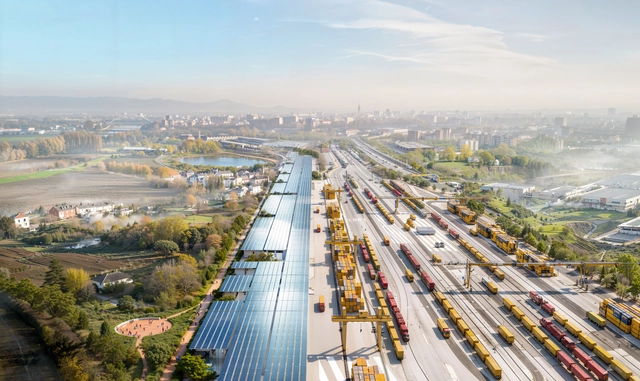
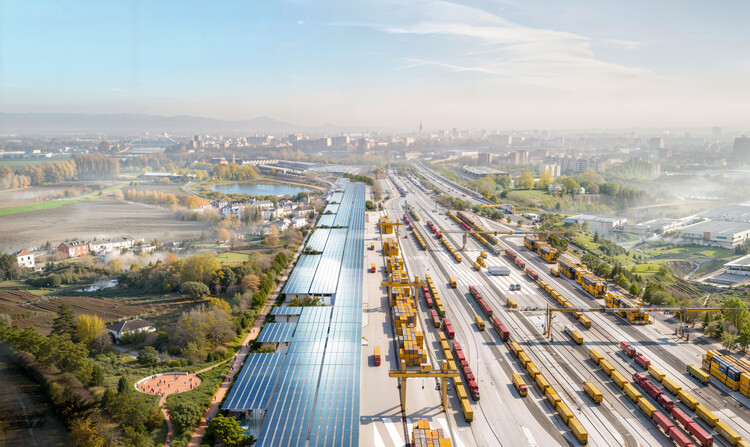
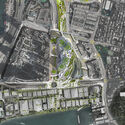
Alessandria Hub Aerial View. Image Courtesy of Carlo Ratti Associati
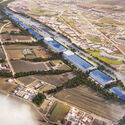
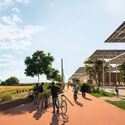
CRA-Carlo Ratti Associati, in collaboration with The Blossom Avenue Partners, has been announced as the winner of the international competition for the urban and architectural design of X-Change, a major multimodal logistics hub located on the site of a former railway yard in Alessandria, Italy. The project reimagines a traditionally introverted typology, rail distribution infrastructure by integrating logistics with energy production, ecological regeneration, and public life. Conceived as one of Southern Europe's largest intermodal hubs, X-Change is set to support Alessandria's evolving role as a backport to Genoa, leveraging future fast rail freight connections.
Transforming urban buildings into clean energy plants is a bold and powerful strategy to combat the climate crisis, reduce dependence on centralized grids, and promote more resilient, sustainable cities. Since 2010, cities have been responsible for over 75% of global electricity use, a demand historically met by fossil fuels as urbanization has increased since the Industrial Revolution. By the late 19th century, hydroelectric power began gaining relevance as a renewable alternative. However, with rapid advancements in solar technology, urban buildings now have the unprecedented potential to become self-sufficient power hubs.
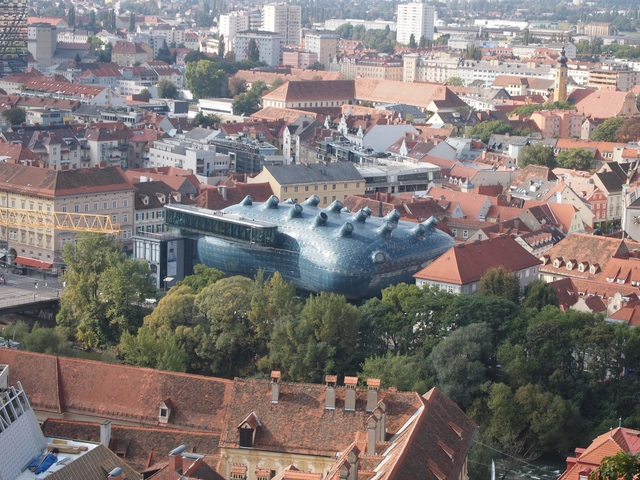
Situated along the River Mur in the Lend district, the Kunsthaus challenges traditional architectural norms with its organic, free-flowing design. Rejecting orthogonal geometry, the museum seamlessly merges art, architecture, and public interaction, redefining the concept of a cultural institution. Its impact extends beyond aesthetics, sparking urban revitalization in a once-overlooked neighborhood, and bringing cultural vibrancy and economic activity.
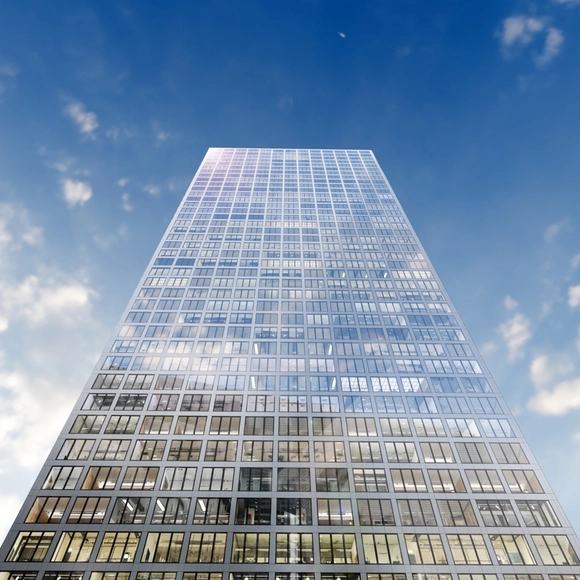
40-storey building utilizing ClearVue BIPV products, solar glazing, and solar cladding. Image Courtesy of ClearVue
People frequently claim that finding smart solutions to problems requires a creative approach that involves thinking outside the box. This premise has become a widely accepted idea in the field of technology, where numerous historical breakthroughs have emerged from innovative methods. Prominent examples in power generation include the discovery of the photovoltaic effect by Edmund Becquerel in 1839 and the development of the first commercial solar panel by Charles Fritts later that century. These milestones have enabled the integration of solar panels as essential components of clean energy generation within architecture, driving a significant shift toward renewable energy.
This shift is currently manifesting as a tipping point between power generation and the built environment, driven by a transition that promotes creative thinking and encourages new perspectives. Today, sustainable energy production extends beyond merely installing solar panels on roofs; it aims to integrate various building elements into the energy system. ClearVue's Building-Integrated Photovoltaics (BIPV) exemplifies this innovation by harnessing nearly all facade components as sources of power production. This vision opens new possibilities for the design of urban structures, promoting a more sustainable approach that aligns with contemporary needs.
https://www.archdaily.com/1022702/powering-up-through-the-facade-maximizing-energy-with-building-integrated-photovoltaicsEnrique Tovar
In just one hour, more solar energy hits the Earth than the world uses in a year—and solar roofs are here to harness it. These sleek, high-tech panels are revolutionizing how we think about energy, generating clean electricity that can cut your carbon footprint by up to 80% and save thousands on energy bills. Not only are solar panels becoming more efficient and durable, but they also blend seamlessly into modern architecture, turning homes into power plants.
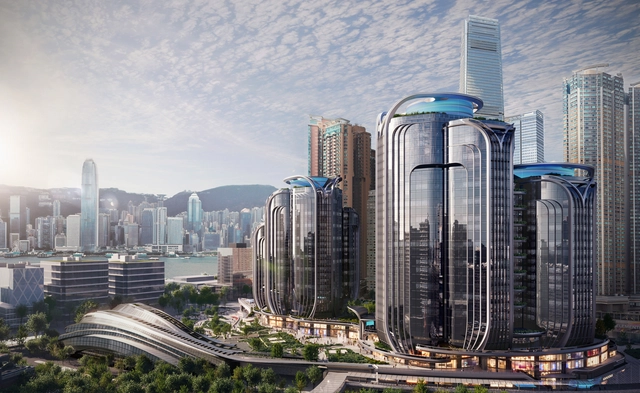
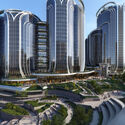
Construction has reached the roof level in Zaha Hadid Architect’s development above Hong Kong High-Speed Rail West Kowloon Terminus. Adjacent to the West Kowloon Cultural District, this development connects established and emerging neighborhoods with a network of public gardens and landscaped plazas. Designed by Zaha Hadid Architects (ZHA), it seeks to integrate seamlessly with the surrounding station and rooftop park, offering civic, office, and retail spaces.
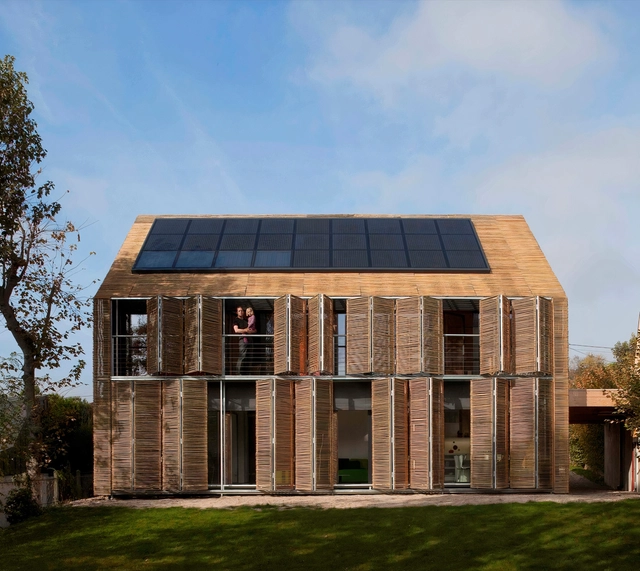
It seems like everyone is going solar these days. In the United States, the net solar power generation has increased by more than 113,000 million kilowatt hours in the last decade. Solar integration with residential projects saves homeowners money on energy bills and increases property value over time. As solar integration technology advances, the advantages span beyond financial and environmental; solar panels are assuming an aesthetic role in modern architecture, too.
Solar integration is becoming an expectation among new construction homebuyers. Architects and designers must adapt accordingly to increase the availability of photovoltaic integration in residential developments. However, with careful planning and execution, solar panels can be better incorporated during the design and construction phases. This article outlines how homebuilders can meet consumer demands for solar integration, creating an easy-to-follow pathway for accommodating changing home design trends.
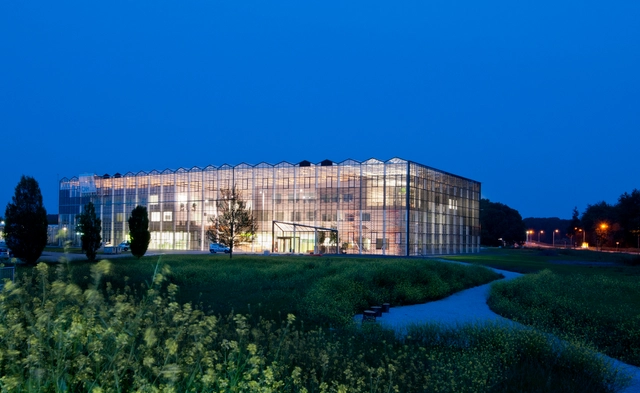
Greenhouses are elegant and ingenious structures that incorporate simplicity in design while creating light-filled spaces that shape indoor climates. With walls and roofs composed mainly of transparent or translucent materials, these structures harness solar energy to create a controlled environment. As advances in materials and environmental management progress, they can seamlessly be integrated into architectural designs, offering innovative solutions that blend functionality with aesthetics. Beyond their original role in plant cultivation, they have evolved into projects that emphasize sustainability, education, and conservation. At their core, they offer experiences of exploration and discovery, showcasing the intricate relationship between sunlight, plants, and indoor environments.
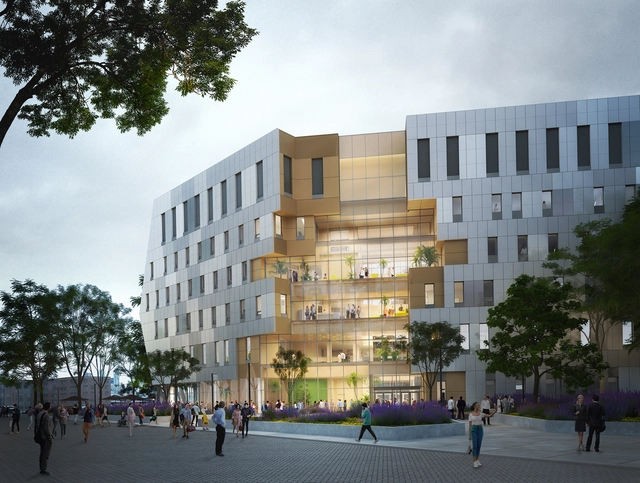
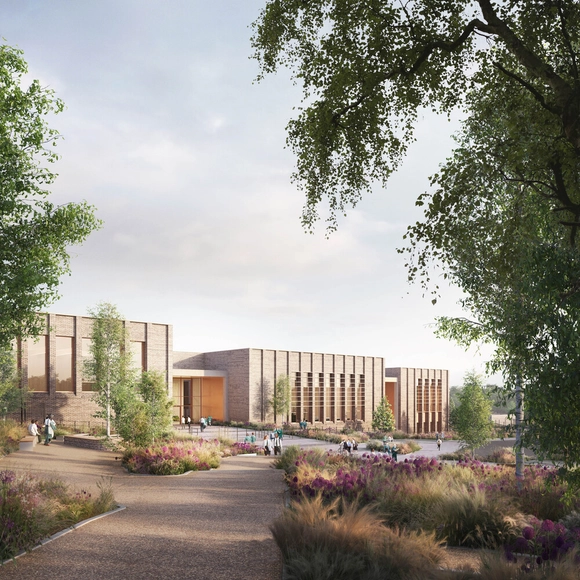
Diamond Schmitt and MVRDV have unveiled the design for a new building for the Scarborough Academy of Medicine and Integrated Health (SAMIH) at the University of Toronto’s Scarborough Campus. The new addition, featuring laboratory spaces, classrooms, and offices, aims to function as a communal and gathering space for the community. The functions are distributed around a five-story atrium that opens toward the exterior on both sides of the building and establishes a destination point within the pedestrian flows of the campus. Solar panels integrated into the façade help power the building, while the warm finishes of the interior contribute to creating a welcoming atmosphere.
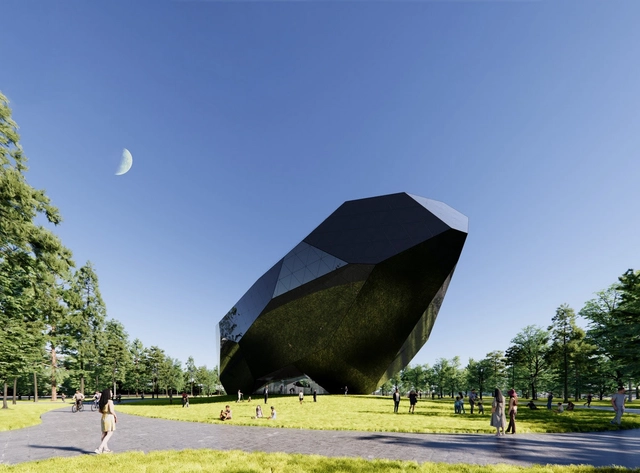
OPEN Architects has just revealed the architectural designs for two separate cultural projects situated along the coastline of Yantai,China. One of them is “The Space Crystals,” a futuristic digital museum and experiential hub resembling an otherworldly entity that has mysteriously descended upon a seaside mark. Meanwhile, “Sea Square” is square-shaped, providing a library and community service facility, levitating above a restored sea dock. The two structures engage in a spatial and temporal conversation, one reaching towards the sky and the other facing the sea, bridging the present, the past, and the future.
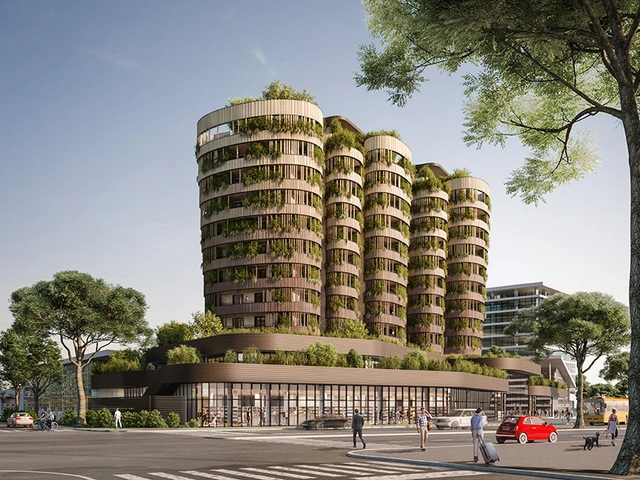
Mario Cucinella Architects has unveiled the design for the new Piazza dei Navigatori in Rome, Italy. Planned as a mixed-use development, the design is predominantly for residential spaces, with a retail and office component, parking, and "plant rooms". The development is located in an area rich in natural elements, which heavily inspires this urban agglomeration.
Designed by Atkins, a new zero-carbon secondary school in West Sussex has received planning permission from the West Sussex County Council. The school will be created at Homes England’s new Brookleigh development near Burgess Hill and will offer educational facilities to 900 local children. The building is designed to generate its own renewable energy on-site, eliminating the need for any fossil fuels. It also aims to achieve Passivhaus certification, the highest standard od energy efficiency a building can reach.
The building construction industry currently accounts for 40% of annual greenhouse gas emissions, due to its high carbon embodiment and carbonated energy demands. Building-integrated photovoltaics (BIPV) is a sustainable solution to address these concerns and to contribute to a net-positive world. This advanced technology can be utilized in solar building envelopes, skylights, windows, and balcony railings to produce green energy.
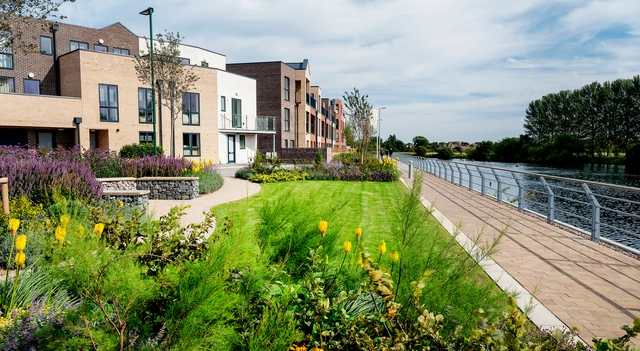
Courtesy of Trent Basin, Nottingham, UK. Blueprint Regeneration, Martine Hamilton Knight
A new report from the Intergovernmental Panel on Climate Change (IPCC) states that global warming of 1.5°C (2.7 °F) is essentially inevitable in coming decades. The question now is whether the world can prevent further, more destructive warming of 2°C (3.6°F), or, even worse, 3°C (5.4°F), which is what current policies put us on a trajectory to experience. Our economies can only put another 420 gigatons of greenhouse gas emissions into the atmosphere if we want a good chance of keeping a temperature increase to 1.5°C instead of 2°C. At our current pace, the world’s carbon budget will be used up before 2030. We need to phase out fossil-fuel use, build thousands of new clean power plants -- and swiftly move to power our homes, offices, schools, and transportation systems with clean energy.
Climate change remains a foremost concern in global politics, economics, and scientific research, particularly as it pertains to the architecture and construction industries. This heightened culpability for the field of architecture stems from the fact that the construction industry contributes to 40% of global emissions, and the demand in the building sector is only projected to increase by 70% by 2050. Renewable energy is part of a 21st-century sustainability paradigm that responds to climate change and environmental degradation, strengthening the momentum for global energy transformation. Renewable energy production strategies are necessary to mitigate future energy security issues as traditional sources of fuel become increasingly scarce, and an indispensable part of designing for sustainability in architecture.
https://www.archdaily.com/961422/integrating-solar-technology-into-facades-skylights-roofing-and-other-building-elementsLilly Cao