Public space is often understood as belonging to no one in particular, collectively accessible yet institutionally maintained, yet a growing number of initiatives are challenging this assumption by testing shared management and distributed ownership models. In Paris, Adoptez un banc introduces a sponsorship-based approach, allowing individuals and groups to support temporarily and symbolically claim responsibility for historic public furniture without compromising its collective use. Elsewhere in the city, community gardens operating under the Main Verte framework demonstrate a self-managed model, in which public and private landowners retain ownership while delegating day-to-day control to citizen associations for food production and shared use. In New York, Common Corner represents a third pathway, based on institutional collaboration and participatory design, where public agencies, nonprofits, designers, and residents co-produce public space within a public housing context. Taken together, these three cases suggest that care, authorship, and responsibility can be distributed across citizens and institutions, producing more resilient, locally grounded urban environments.
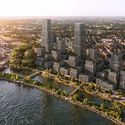
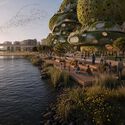
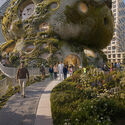
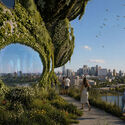
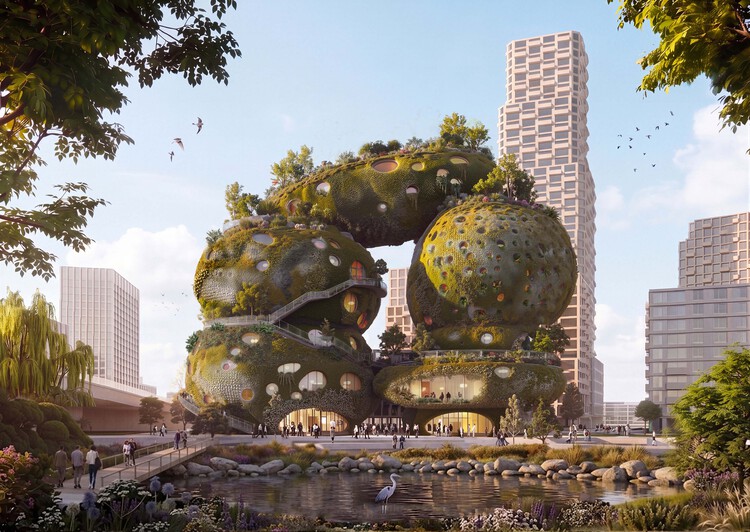
MVRDV has won the international design competition organized by the social enterprise Shift to design the Shift Embassy, a new cultural destination planned for Rotterdam's developing Waterkant district. Conceived as a hybrid of architecture and landscape, the proposal, titled Rotterdam ROCKS! combines exhibition spaces, hospitality, education, public amenities, and ecological infrastructure within a publicly accessible building intended to support Shift's mission of engaging visitors with environmental and societal challenges. The project will form part of Waterkant, a large-scale urban development on the south bank of the Maas, planned to include 3,750 homes alongside schools, workplaces, cultural venues, and public spaces.
The 21st Century ROAD to Housing Act, a bipartisan United States Senate housing bill, automatically became law on 11 July 2026. Officially the "Renewing Opportunity in the American Dream (ROAD) to Housing Act," the bill has been called the most significant housing measure in the country since the National Affordable Housing Act in 1990, and "the most comprehensive housing legislation in decades." In a context of global housing crisis, the text revises federal housing programs and expands available financing options, provides grants for communities, targets regulatory requirements for construction, and addresses the concentration of ownership. This law contributes to worldwide initiatives for adequate housing, such as limits on short-term rentals, taxing unoccupied residential units, and the transformation and adaptive reuse of existing structures, with the dual objective of increasing the number of residential units and making existing ones available.
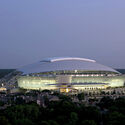
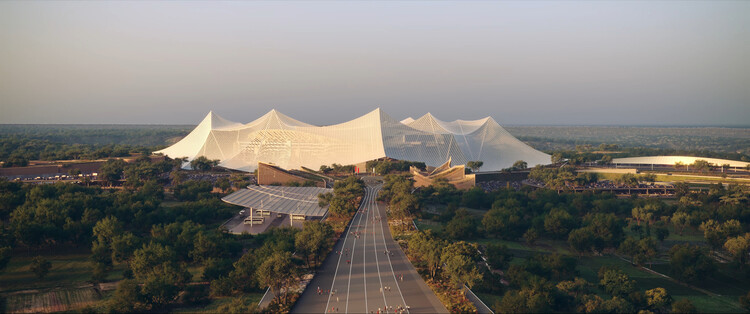
Grand Stade Hassan II in Morocco by Populous and Oualalou + Choi. Image Courtesy of Oualalou + Choi
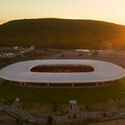
The conclusion of the FIFA World Cup 2026 marks the end of the tournament's largest edition to date. Hosted across Canada, Mexico, and the United States, the competition expanded to 48 national teams and brought together sixteen host cities distributed across three countries. For decades, FIFA World Cups have served as catalysts for architectural production. Each edition has generated a distinct collection of stadiums, transportation investments, public spaces, and urban interventions that often remain part of their host cities long after the tournament concludes. While recent competitions have become associated with landmark stadium projects and ambitious national building programs, the 2026 edition followed a different trajectory, relying primarily on existing venues adapted to FIFA's technical and operational requirements.
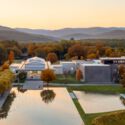
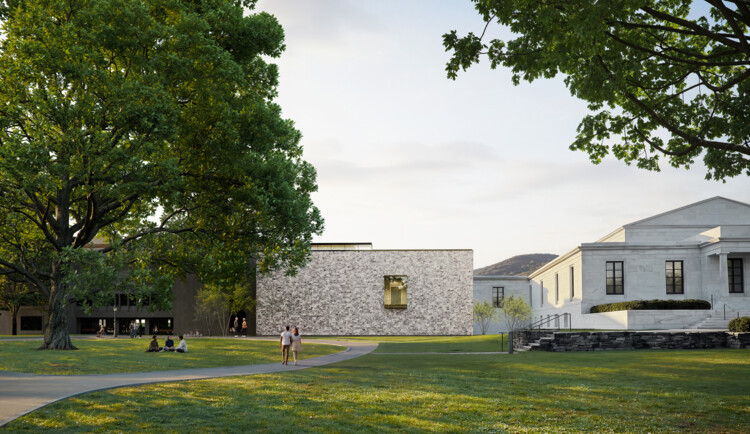
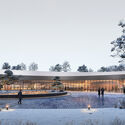
The Clark Art Institute, a prominent art institution located in the Berkshires of western Massachusetts, United States, has unveiled images of the design for the extension of its current facilities. The institution, opened in 1955, is both an art museum and a center for research, critical discussion, and higher education in the visual arts. The new wing, commissioned to Selldorf Architects in October 2024, will expand the current gallery and art storage space and connect the Museum Building and the Manton Research Center, previously renovated by the same firm. The new building will be complemented by a landscape design by Reed Hilderbrand, reinforcing the experience of the architecture, art, and surrounding Berkshire landscape.
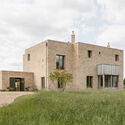
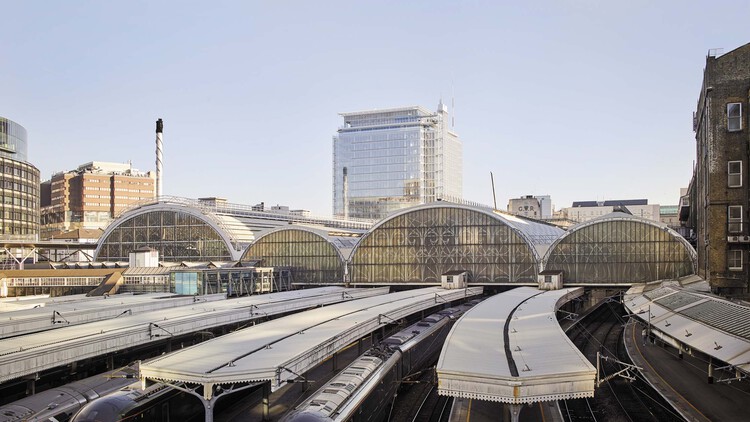
The Royal Institute of British Architects (RIBA)has announced the six shortlisted projects for the 2026 RIBA Stirling Prize, marking the award's 30th anniversary. Established in 1996, the Stirling Prize recognizes the building considered to have made a contribution to the evolution of architecture in the United Kingdom. This year's shortlist spans a broad range of typologies, including a new public square above one of London's busiest transport interchanges, the adaptive reuse of a 1970s theater into a cultural venue, a high-density residential development, two projects for Cambridge colleges, and a family home set on the edge of Epping Forest. The winner will be announced on October 15 at Old Billingsgate in London.
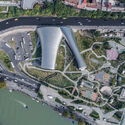
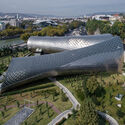
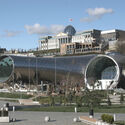
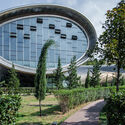
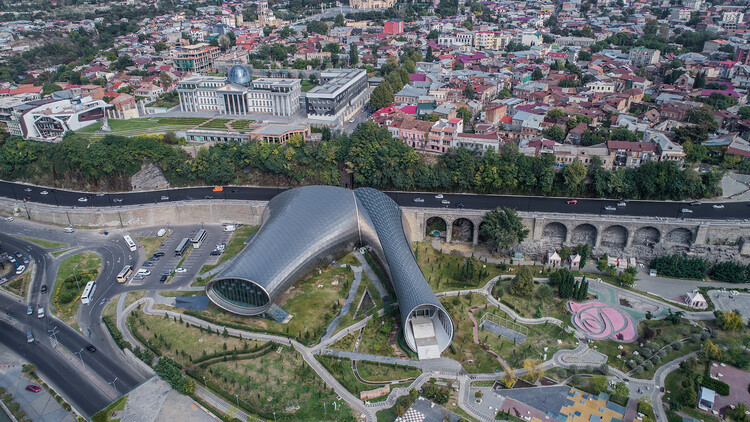
On July 13, 2026, Tbilisi City Hall issued a permit to dismantle Rike Park's tube-shaped Music Theater & Exhibition Hall. The complex, designed by the Italian firm Studio Fuksas, was never officially opened since its completion in 2012, around the same time as the firm's Tbilisi Public Service Hall. The design has been a source of controversy between authorities and citizens since its commission in 2011, when it was built during the government of the United National Movement (UNM), and was suspended after the change of government in 2012. The two structures, often referred to as the "Rike Tubes," were originally intended to house a music theater and exhibition space but remain to this day without any official use.
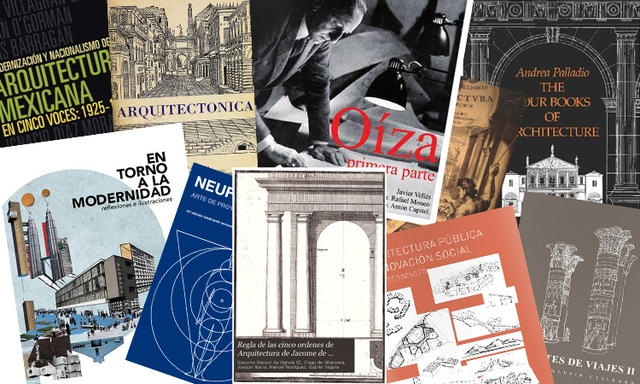
An architect's training requires a wide range of knowledge. Various disciplines, such as art, mathematics, history, and sociology, enrich their cultural background, providing the tools and knowledge necessary to make the world around us a better place. Books are an essential resource for this learning process, and thanks to the internet, there are no longer any excuses to stop expanding our knowledge base.
We have searched the web to curate a unique selection of architecture books in Spanish that you can read on your computer or download directly to a tablet. The list includes classics of Vitruvian architecture, drawing manuals, and universal accessibility design guides, along with references to the work of inspiring architects.
We hope you enjoy reading these books!
https://www.archdaily.com/1182690/28-architecture-books-in-spanish-to-download-and-read-onlinePola Mora
Architecture this week looked as much to the past as to the future. Across museums, restored landmarks, and large-scale urban redevelopments, the featured stories explored how architecture is continually reinterpreted through new cultural, political, and urban lenses. From reconsidering the architectural legacy of post-independence West Africa to transforming former prisons into energy-neutral neighborhoods and restoring twentieth-century cultural landmarks, the projects demonstrate how existing buildings and histories remain active participants in contemporary discourse. Alongside these interventions, the announcement of the World Architecture Festival shortlist and renewed attention to global urban growth provide a broader picture of a profession negotiating heritage, environmental responsibility, and rapidly changing cities.
During July and until August 19, Aedes – Architecture and Space in Berlin will be showcasing the exhibition "A Structure of Feeling: On a New Generation of Architects in China." Aedes is a non-profit cultural institution founded in 1980. Focusing on the intersections of architecture, the city, and society, its continuous public program has presented around 600 exhibitions over more than four decades of work. In 2001, the space presented TUMU, an exhibition bringing a generation of young independent Chinese architects to international attention. Twenty-five years later, "A Structure of Feeling" showcases the work of a new generation working under changed conditions. Nine practices are represented in twelve projects transforming the existing urban fabric, rural development, and contemporary forms of spatial production.
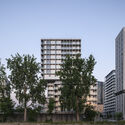
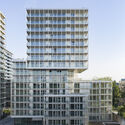
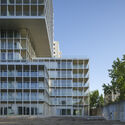
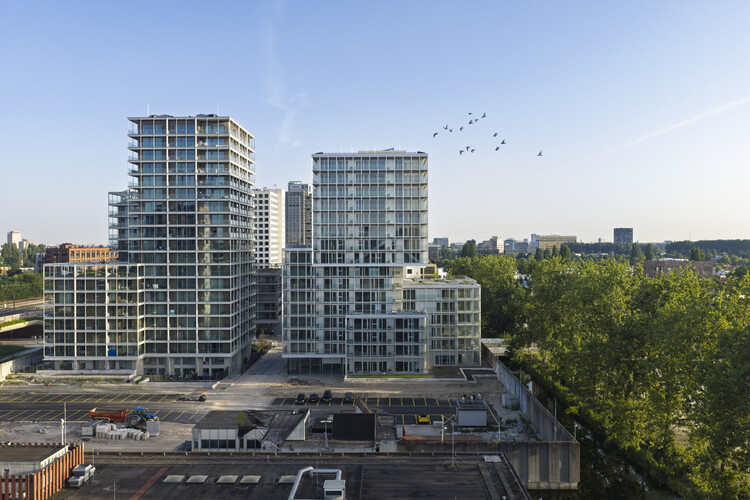
The Martin, a residential building designed by OMA's David Gianotten and Mariano Sagasta, has been completed in Amsterdam's Bajes Kwartier. Located within the Central Cluster of the 7.5-hectare redevelopment, the project is the latest completed component of OMA's master plan to transform the former Bijlmerbajes prison complex, which operated between 1978 and 2016, into a mixed-use, energy-neutral neighborhood. The completion follows that of The Jay in 2025, while a third residential building, The Cardinal, is expected to be finished in 2030.
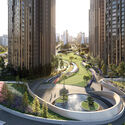
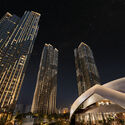
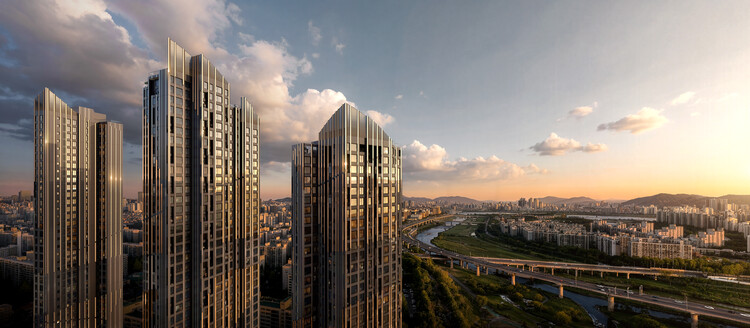
Studio Libeskind, in collaboration with HJ Design Partners and Seoul-based SAMOO Architects & Engineers, has designed a new high-density residential development in Seoul, South Korea. The Daechi Ssangyong 1 Redevelopment Project replaces an existing five-building, 630-unit complex in Daechi-dong, Gangnam-gu, with six new residential towers up to 49 storeys tall and nearly 1,000 housing units. The project is being developed for the Daechi Ssangyong 1 Redevelopment Union by Samsung C&T, with construction expected to begin in 2027 and be completed in 2030.
The World Architecture Festival (WAF) has announced the shortlist for its 2026 Awards, recognizing completed buildings, future projects, interiors, and landscape works from around the world. The finalists, selected from hundreds of submissions, will compete at this year's festival, taking place at the Broward County Convention Center in Fort Lauderdale, Florida, from November 18–20, 2026. During the first two days of the event, shortlisted teams will present their projects live to international judging panels, with category winners advancing to the festival's Super Jury for the final awards.
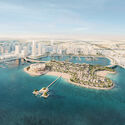
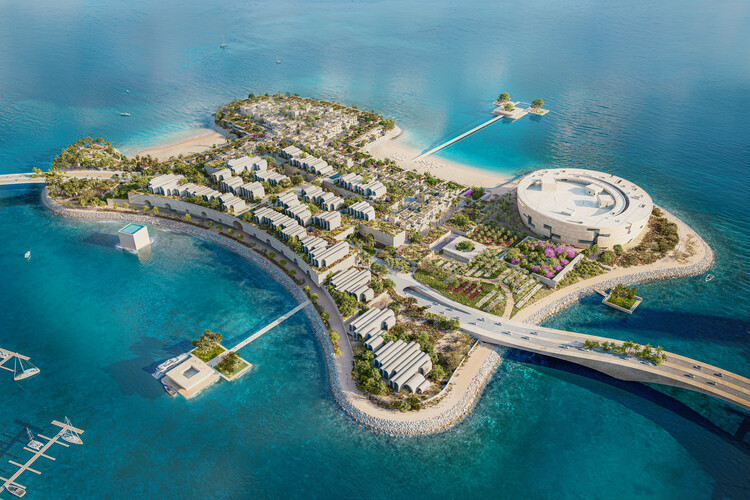
South aerial view of Al Maha Island, 2026. Render . Image Courtesy of Herzog & de Meuron
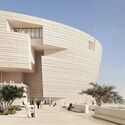
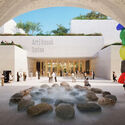
Al Maha Island is a 230,000 m² human-made island located off the coast of Lusail, Qatar. Built as an entertainment and leisure destination north of Doha, it opened in 2022, just ahead of the FIFA World Cup. In 2024, Qatar Museums released renderings of the future Lusail Museum, designed by Swiss architecture office Herzog & de Meuron and located on the southern tip of the island. Most recently, the firm revealed updated images of the island masterplan and the museum's exterior design. The new Lusail Museum will house a collection of Orientalist art, exploring the movement of people and ideas across the globe, past and present, and will offer opportunities for study and debate on contemporary global issues. It is expected to become the cultural anchor of Lusail City, in a building conceived by Jacques Herzog as "a vertically layered souk, or miniature city contained within a single building."
In June 2026, the refurbished Teatro Mauri reopened its doors on Cerro Bellavista in Valparaíso, formerly Chile's main port. The building forms part of Latin America's modernist legacy and stands adjacent to La Sebastiana, one of the renowned residences of the poet Pablo Neruda. It was designed by architect Alfredo Vargas Stoller, author of other icons of modern architecture in Valparaíso, such as the Edificio Cooperativa Vitalicia and the Conjunto de Viviendas Vargas in Viña del Mar. Teatro Mauri opened in 1951 as a venue for performances and cinema. Following a fire in the early 1990s, it fell into disrepair, serving only sporadically as a venue for local parties and events. In 2015, it was purchased by the Sociedad Chilena de Autores e Intérpretes (SCD), which commissioned its restoration from architects Laura Garrido and Gregorio Garretón.
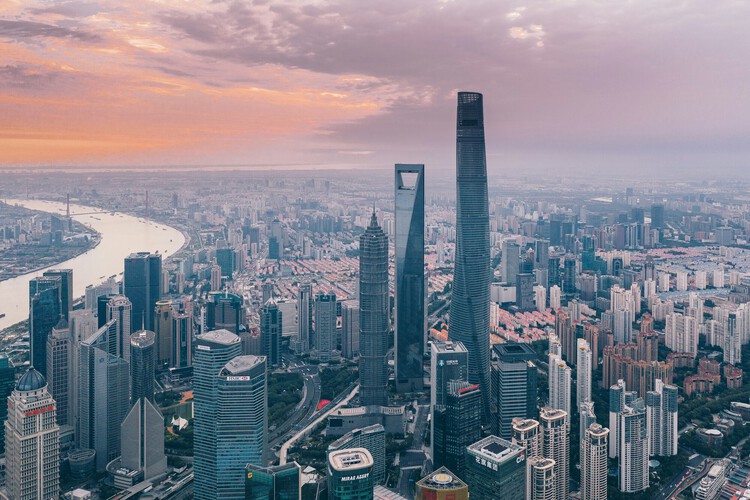
Every year on July 11, World Population Day draws attention to the demographic trends reshaping societies around the globe. In 2026, the United Nations marks the occasion under the theme, "Realizing the Hopes and Aspirations of Young People – Today and for the Future," highlighting how young people's decisions about education, employment, housing, relationships, and family life are increasingly influenced by the cities they inhabit. Drawing on Lives, Choices and Futures, a global survey of more than 108,000 young adults across 73 countries, this year's campaign underscores the close relationship between demographic change and the social, economic, and spatial conditions of cities.
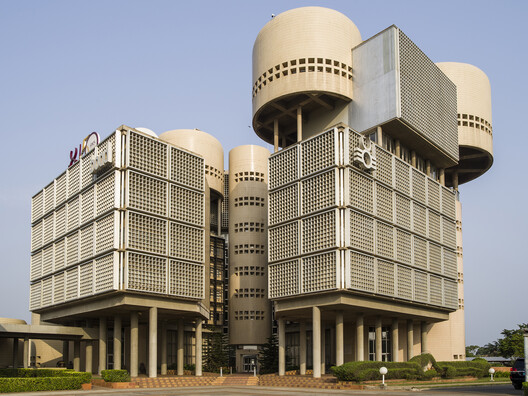
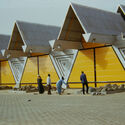
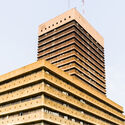
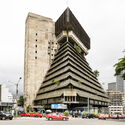
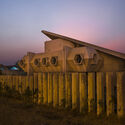
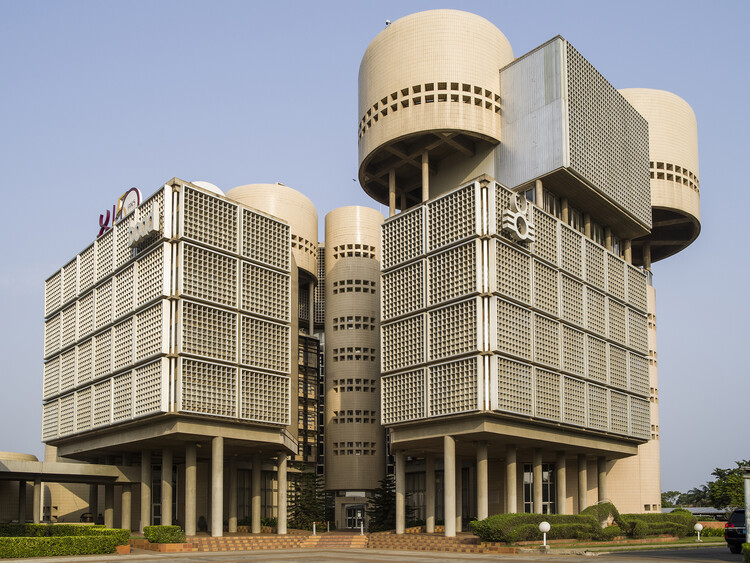
The Museum of Modern Art in New York inaugurated the exhibition Architects of Liberation: Modernism in Western Africa on July 5, 2026, on view through January 2, 2027. The exhibition examines African modern architecture from the late 1950s through the early 1980s in the context of political independence in the region. Works span seven countries: Benin, Cameroon, Côte d'Ivoire, Ghana, Nigeria, Senegal, and Togo. The display is organised around anchor projects selected as "entry points" into categories such as cityscapes, education, and housing. It is curated by Martino Stierli, The Philip Johnson Chief Curator of Architecture and Design, and Ikem Stanley Okoye, guest curator and associate professor at the University of Delaware, with Mallory Cohen, curatorial associate in the Department of Architecture and Design.
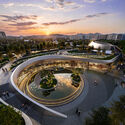
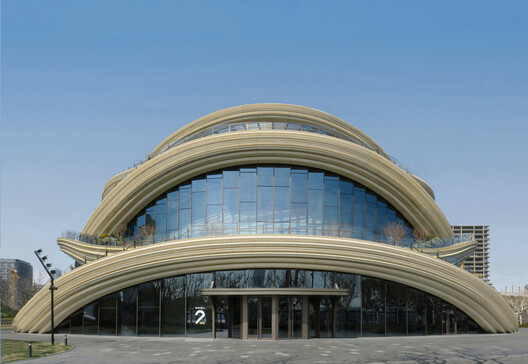
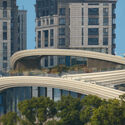
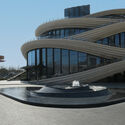
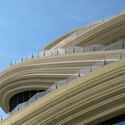
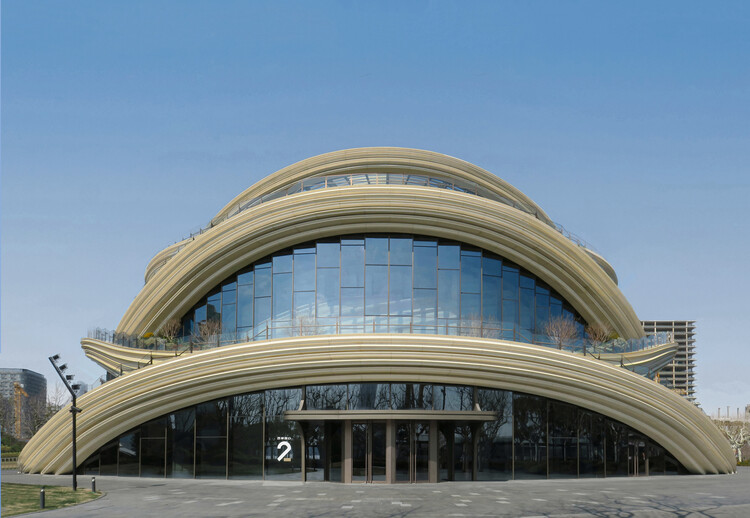
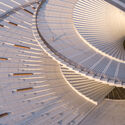
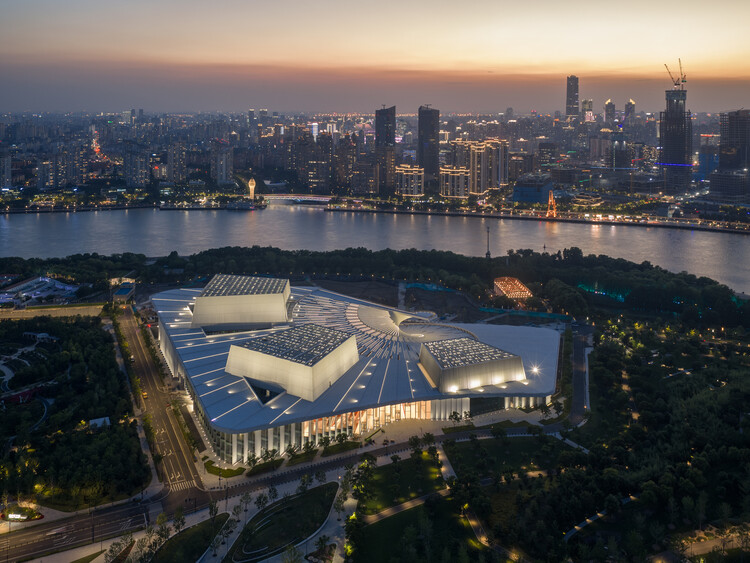
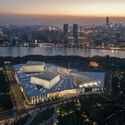
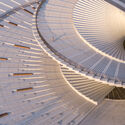
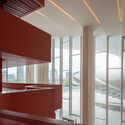
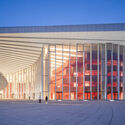
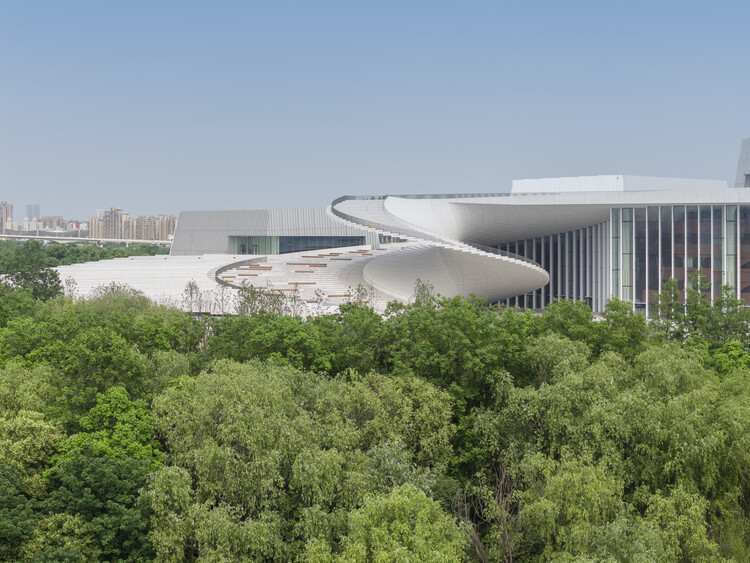
Photographer Paul Clemence has documented West Bund Orbit, Heatherwick Studio's public exhibition hall on Shanghai's West Bund waterfront, in a photo series exploring the project's evolving architectural identity. Located in Xuhui District along the Huangpu River, the building was conceived as a cultural destination within the area's emerging Financial Hub while extending the network of public spaces that define the redeveloped riverfront. Rather than focusing solely on the building as an object, Clemence's photographs examine the relationship between architecture, circulation, and landscape, revealing how the project's interconnected pathways and layered form engage both the waterfront and the surrounding city.
This week belonged to the arts, with cultural architecture dominating headlines across the globe. Landmark buildings for major institutions advanced through important construction and design milestones, from the Shanghai Opera House to Abu Dhabi's new performing arts center, while two new museum commissions were announced following international competitions. Architecture also took centre stage as a subject of exhibition itself, with the Sharjah Architecture Triennial revealing its participant list and Austria unveiling its proposal for the 2027 Venice Architecture Biennale. Beyond these developments, this week's news compilation includes three upcoming urban design projects: in Seoul, South Korea, a new riverside neighbourhood in the Apgujeong district weaves residential towers around parkland connecting the city to the Han River; in Cardiff, Wales, a pedestrian and cycle bridge over the River Taff links waterfront neighbourhoods to new housing along the water's edge; and in Bengaluru, South India, the Museum of Art and Photography is expanding its public campus, adding new civic and cultural facilities alongside a major new sculpture park set within a UNESCO Biosphere Reserve in Tamil Nadu.
National Museum of Ecuador (MUNA). Image Courtesy of Studio Campo Baeza
Studio Campo Baeza, based in Madrid, together with Quito-based Maoda, has won the international competition to design the new National Museum of Ecuador (MUNA) in Quito. Their proposal, titled Echoes of the Sun, was selected by a national and international jury from 17 finalist entries in the second phase of the competition. The public competition initially attracted 148 teams from around the world, with 20 shortlisted to develop design proposals before the winning scheme was announced during a public ceremony in Quito on July 6, 2026.
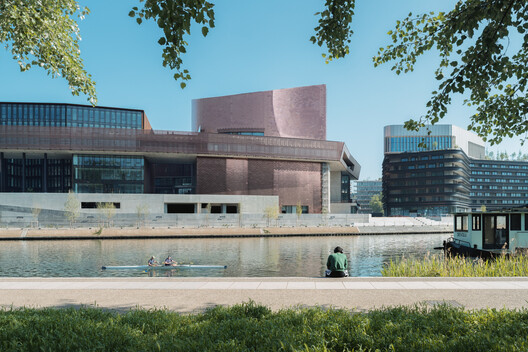
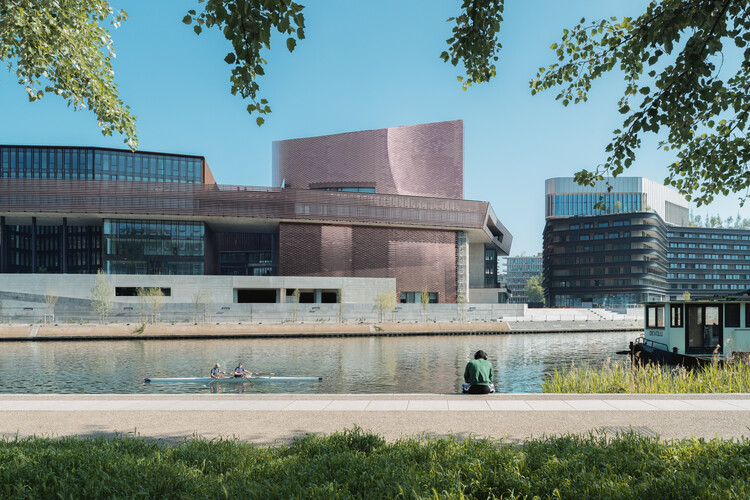
A new space dedicated to contemporary art on the Île Seguin, in the Greater Paris area, is opening in October 2026. The new cultural institution, named "Large," will be housed in a building designed by Catalan architects and Pritzker Prize recipients RCR Arquitectes, the studio's first project in Paris. It is situated on La Pointe des Arts, a large-scale redevelopment of the Île Seguin's former industrial area into a mixed-use complex spanning more than 53,000 m² and focused on arts and culture. The project's architectural massing follows the stratification concept set out in the masterplan by Ateliers Jean Nouvel. The institution will open with the exhibition "Imaginary Engine: From Masterpieces of the Collection Renault to Artists of Today," bringing together 55 artists from 23 countries to explore the relationship between humanity and machines, in tribute to the site's industrial history and Renault's decades-long collaboration with artists.
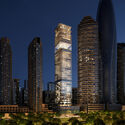
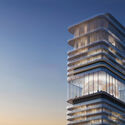
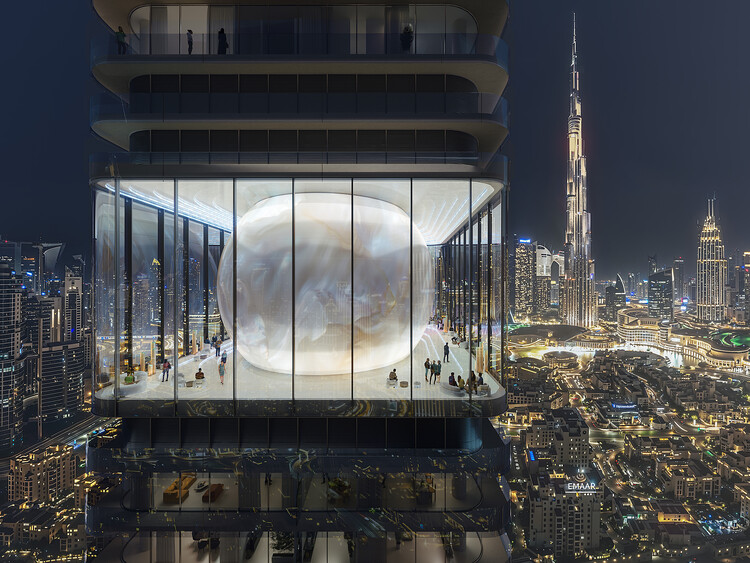
MVRDV has been selected to design Inaura, a mixed-use hotel and residential tower in DowntownDubai, developed by Arada. The project will rise to 210 meters on a site located between Downtown Dubai and Business Bay, with views toward the Burj Khalifa and the Dubai Fountain. Following the competition, MVRDV will continue its involvement as design guardian, while Dubai-based Dewan Architects + Engineers will act as lead consultant. The interiors will be developed based on a concept by MVRDV, aligned with the developer's focus on fitness, wellness, and lifestyle-related programs.
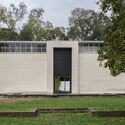
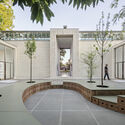
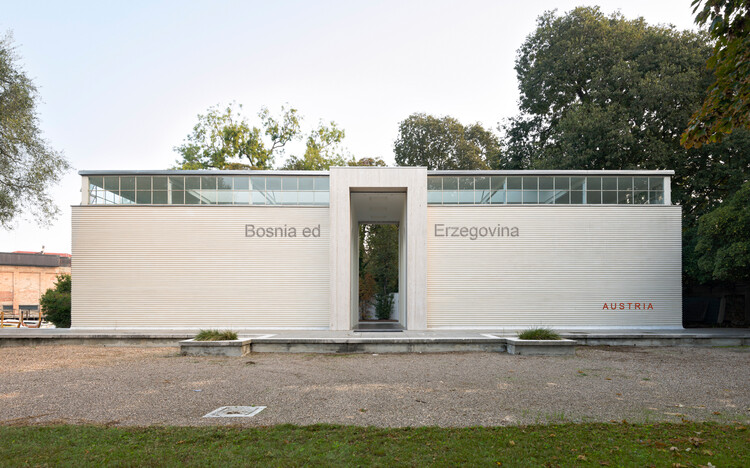
Austria has announced Koncesija / Konzession / Concession(e) as its contribution to the 20th International Architecture Exhibition – La Biennale di Venezia. Curated by architects Adna Babahmetović and Ajna Babahmetović together with curator Sebastian Höglinger, the project proposes temporarily granting the Austrian Pavilion to Bosnia and Herzegovina through a cooperative concession. Selected through Austria's open competition process, the pavilion examines questions of national representation, diplomacy, and architectural exchange by responding to the absence of a Bosnian national pavilion in the Giardini, where the Biennale's historic national pavilions are located.