

-
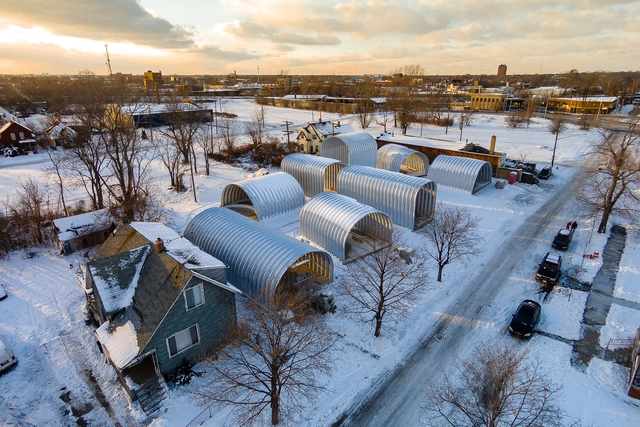
Architects: 1+1+ Architects
- Area: 800 ft²
- Year: 2022
-
Manufacturers: Simpson Strong Tie
-
Professionals: HD Structural

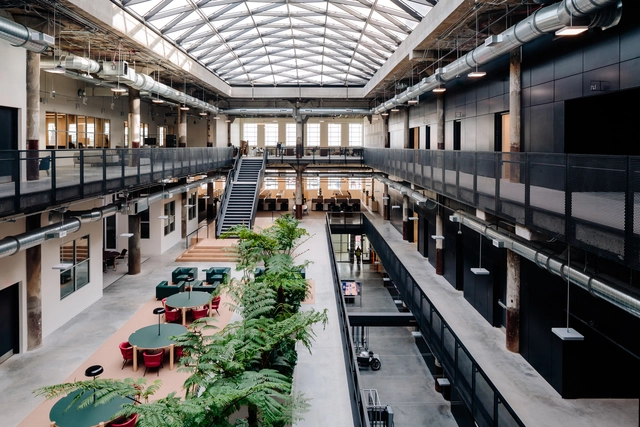
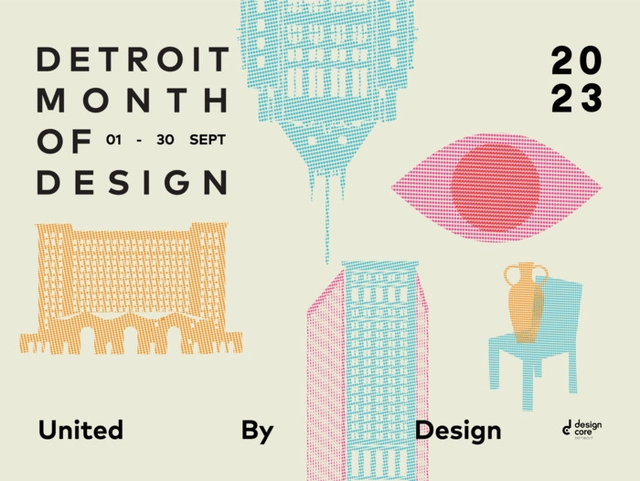
Design Core Detroit presents the 13th Annual Detroit Month of Design Festival.
Every September, partners across Detroit—from emerging studios to established companies and educational institutions—come together to show off their latest works and ideas. These cross-disciplinary events take place in all corners of the city, highlighting the talent and innovation that makes Detroit a UNESCO City of Design. The first and only UNESCO City of Design in the U.S.
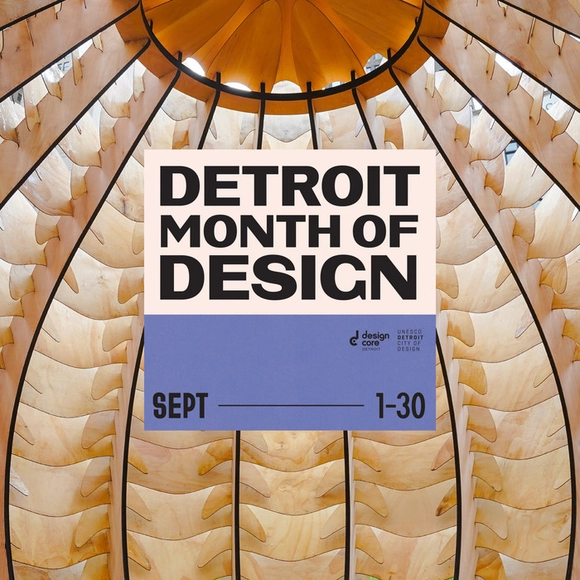
Every September, partners across Detroit—from emerging studios to established companies and educational institutions—come together to show off their latest works and ideas. These cross-disciplinary events take place in all corners of the city, highlighting the talent and innovation that makes Detroit a UNESCO City of Design. The first and only UNESCO City of Design in the U.S.

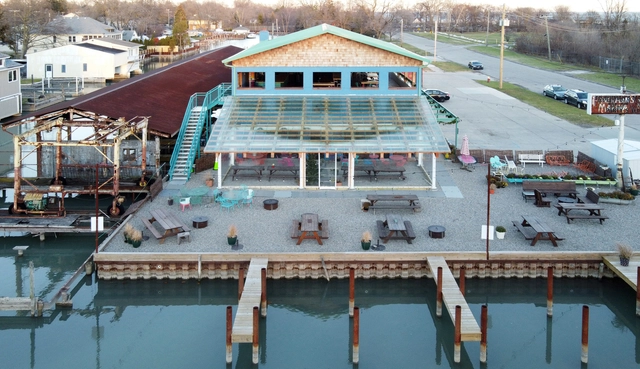
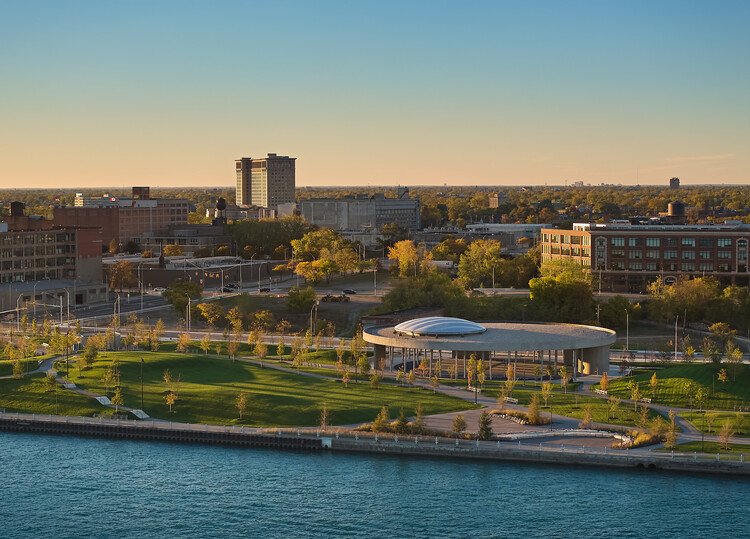
Talk Tree To Me is an interactive design project installed for the Month of Design—a month-long design festival in Detroit. The project is a collaboration by Spackman Mossop Michaels (SMM)—a landscape architecture and urban design firm in Detroit and New Orleans—and its partners Detroit Riverfront Conservancy and Sierra Club Michigan Chapter. The project is part urban eco-scavenger hunt and part interactive exhibit. Residents can explore the Detroit Riverfront throughout the month and interact via text message with a collection of 12 different species of trees that have been programed with the real-life thoughts and questions of local Detroiters. The exhibit is live during the entire month of September 2020.
.jpg?1579725554&format=webp&width=640&height=580)
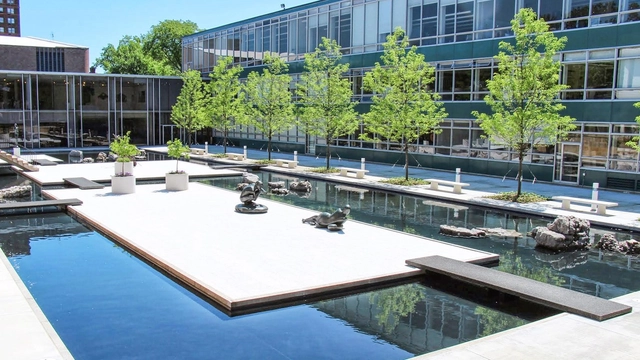
For most of the 20th century, Detroit was our nation’s economic dynamo. This heritage is reflected in the treasure trove of outstanding historic homes, buildings, and factories that still define the cityscape. While Detroit has struggled into the 21st century, its role as a center for architectural innovation is undiminished. With stunning early 20th-century mansions, grand Art Deco skyscrapers, and surprising mid-century masterpieces, the Motor City has more to offer than most realize. Explore the Cranbrook Academy of Art, Lafayette Park, Eastern Market, private homes, and special projects by local preservation organizations. Learn about how Detroit is rebounding while experiencing the innovative and seminal works of great architects like Eliel Saarinen, Daniel Burnham, Cass Gilbert, John Burgee, Albert Kahn, Minoru Yamasaki, and Mies van der Rohe along the way.
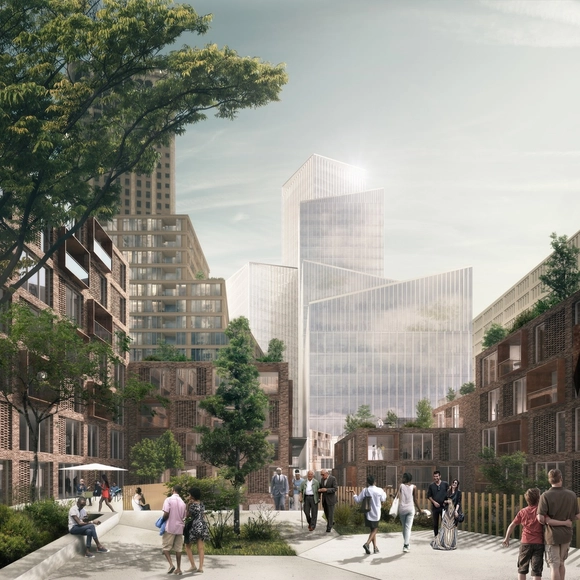
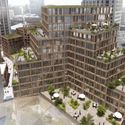
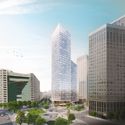
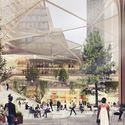
Schmidt Hammer Lassen Architects has unveiled the design of their first-ever project in the United States: the Monroe Blocks, a new mixed-use development that will become an iconic symbol of the rejuvenation and future development of downtown Detroit. Prioritizing public access both indoors and out, SHL’s scheme will consist of Detroit’s first new highrise office tower in decades, more than 480 residential units and a network of new public plazas and green spaces.
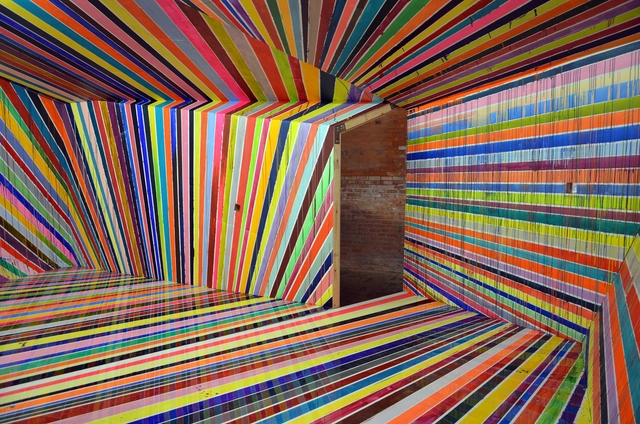

Since infrastructure is the embodiment of long-term investments, its impact in determining the organization of flows extends well into the future, both for developed and developing countries. Whereas the former are confronted with the need to maintain and renew highways, electrical grids, sewage systems, and the like, the latter are scrambling to meet the needs of their own expanding populations. In both cases, massive investments for retrofitting or for new infrastructure are key to sustaining the human habitat. This topic: “Infrastructure Space” will be the focus of the 5th International Forum for Sustainable Construction in Detroit, USA from April 7 to April 9, 2016.

Panelists: Sou Fujimoto, Japanese architect, renowned for his synthesis of nature and architecture & Walter Hood, landscape architect, specializing in the public realm and urban environment
Moderator: Reed Kroloff, architect and urban designer, former director of Cranbrook Academy of Art

Nadau Architects, the winning team of the Reanimate the Ruins international ideas contest, have shared with us their proposal to revive Detroit's historic Packard Automotive Plant, the former factory which has become an icon of the city's post-industrial decline. By developing a proposal which frees the land from unwanted structures and knits the colossal 1 kilometer-long building back into the urban landscape, Nadau Lavergne Architects have created a design which returns both a sense of community and some economic hope back to the building.
Read more about the proposal after the break
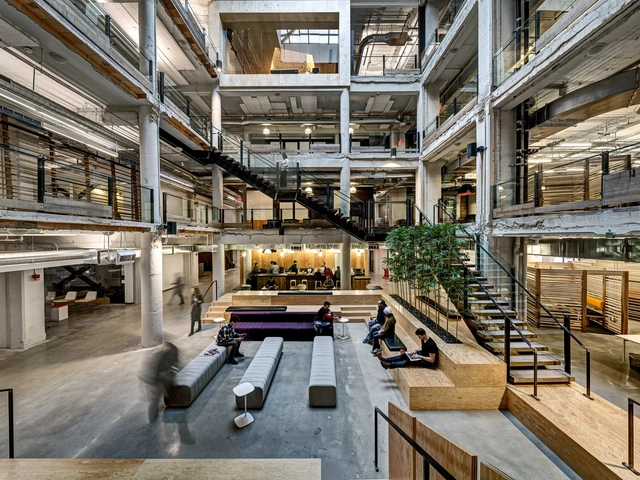

CAR and SHELL or Marinetti’s Monster, recently awarded second place in the 2014 eVolo Skyscraper Competition, asks pertinent questions about an "insatiable" desire for growth in urban centres. Based on the premise that we "can no longer stand idly by and watch our cities consume themselves with an anxious need for expansion", Daniel Markiewicz and Mark Talbot's proposal seeks to demonstrate what a "city in the sky" could look like in suburban Detroit. The project is conceived as a vertical neighbourhood, or "a rich vertical urban fabric." Three main grids (streets, pedestrian pathways, and structure) are intertwined to create a box-shaped wireframe to which traditional/contemporary houses and other diverse programs (such as recreational and commercial areas) can be plugged in.





.jpg?1579726465 "© James Ewing; Jason Keen; Jason Robinson")
.jpg?1579727982 "© James Ewing; Jason Keen; Jason Robinson")
.jpg?1579725889 "© James Ewing; Jason Keen; Jason Robinson")
.jpg?1579726395 "© James Ewing; Jason Keen; Jason Robinson")
.jpg?1579725554)