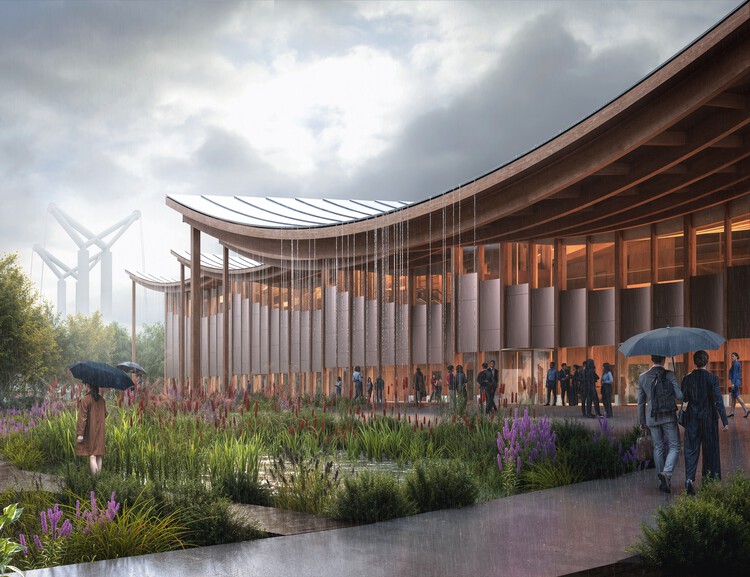
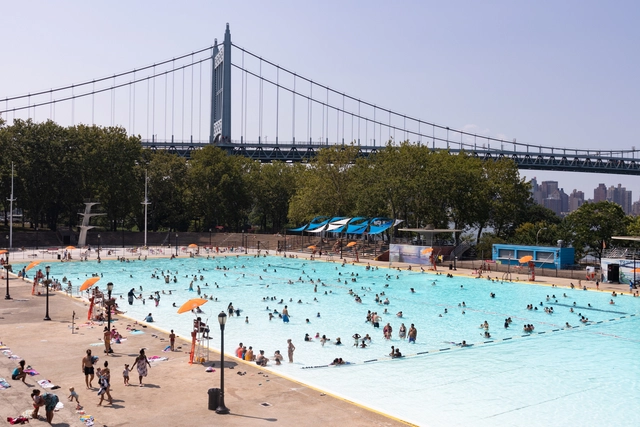
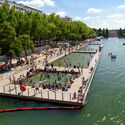
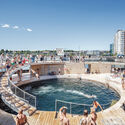
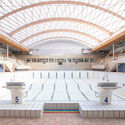
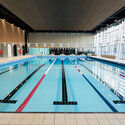
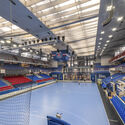
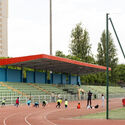
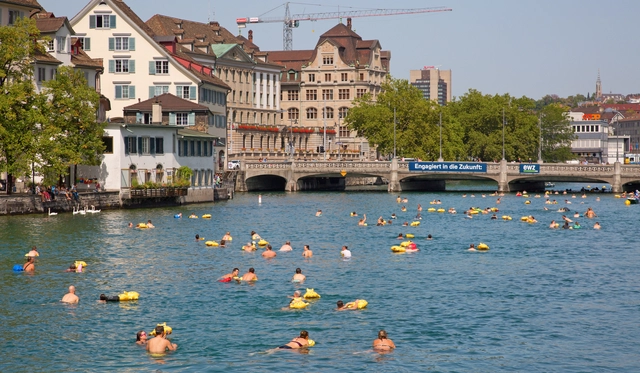
When one thinks of public spaces, the image of a pool rarely comes to mind. Public spaces are the center of civic life, places where most interactions, activities, and behaviors follow strict social and cultural norms to ensure the safety and comfort of all users. In contrast, swimming and bathing represent something more intimate and primordial, a sensorial experience distinct from any other. In addition to the health benefits, the act of floating in space creates a break from everyday life and its constraints.
As social spaces, public baths, and pools offer an even more unusual experience. Here, regular conduct rules and norms no longer apply. Social nudity becomes the new norm, and, as people strip off their clothes, they also lose their status markers, transforming the pool into an egalitarian oasis. Across history, these often-discredited spaces offered a heightened social experience, fostering connections and bringing a new element to dense urban environments. As a typology present since antiquity, public baths and pools have also been a disputed space, as a manifestation of difficult topics such as gender and racial segregation, gentrification, and surveillance in contrast to the freedom they promise.
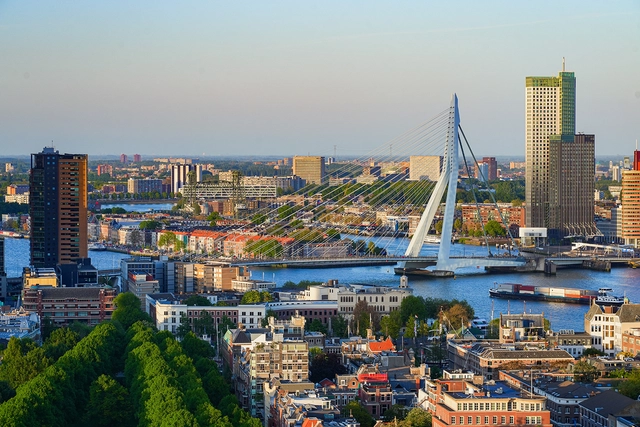
As we reach mid-2024, European cities showcase various urban development markers that are shaping the trajectory for the remainder of the year. Under themes of urban mobility in Brussels, sustainability in Valencia, Smart Cities in Rotterdam, and urban cooling in Paris, each city is making noteworthy progress on the road to meet the 2030 targets set by the Paris Agreement. In these diverse urban fabrics, European cities are committed to defining challenges and working towards shaping a climate-conscious future.
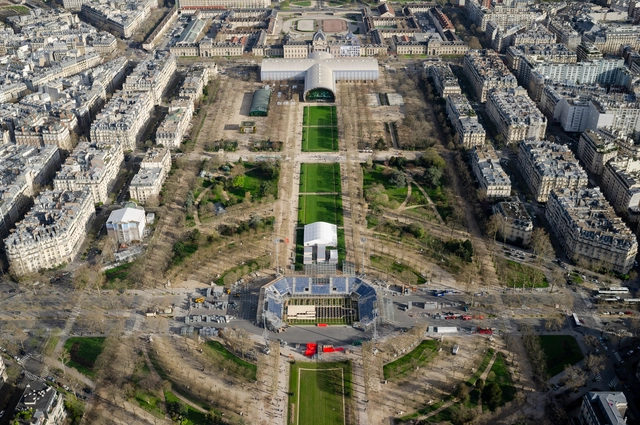
With just one month to go until the XXXIII Olympic Games in Paris, the city is in a final push to ensure that the landscape and infrastructure are ready for the world’s largest sporting event. Set to start on July 26 and continue until August 11, 2024, the Paris City Council has approved numerous initiatives to transform the city. Aiming for a greener, healthier, and more mobile Paris, the city has undergone massive changes to showcase its modern advancements and rethink the structure of the Olympic Games.
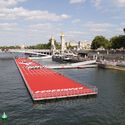
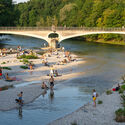
Throughout history, rivers played a crucial role in the social structures of cities. Along riverbanks, communities often congregated for socializing, swimming, and fishing. Swimming in rivers was a popular summertime activity enjoyed by people of all ages. Whether it was the Thames in London or the Seine in Paris, rivers were bustling with swimmers; integrated into urban lifestyles.
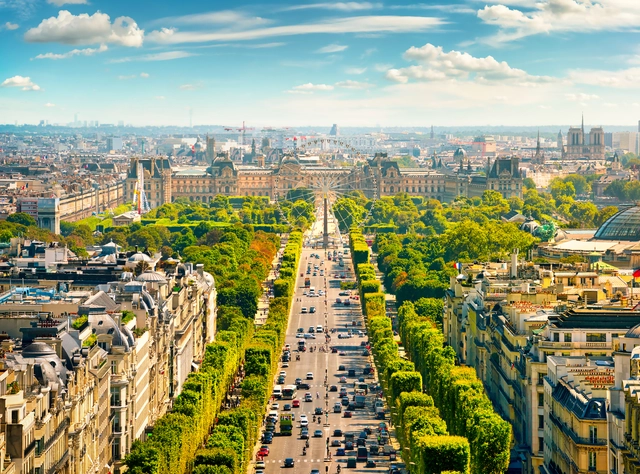
via Shutterstock | givaga | View on Avenue des Champs Elysses
As the countdown to the XXXIII Olympic Games in Paris ticks away, the city is making preparations that will completely shift its urban landscape and infrastructure. Set to be the largest event ever organized in France, the games will start on 26 July and continue till 11 August 2024. With only 200 days left, the Paris City Council has approved around 43 new initiatives acting as a catalyst for the city's transformation – aiming for a greener, healthier, and mobile Paris. From cleaning the Seine River to building a cycling lane, activating a transit line, and banning non-essential city traffic, the heart of the French capital is on a mission against time to revitalize its historic urban core.
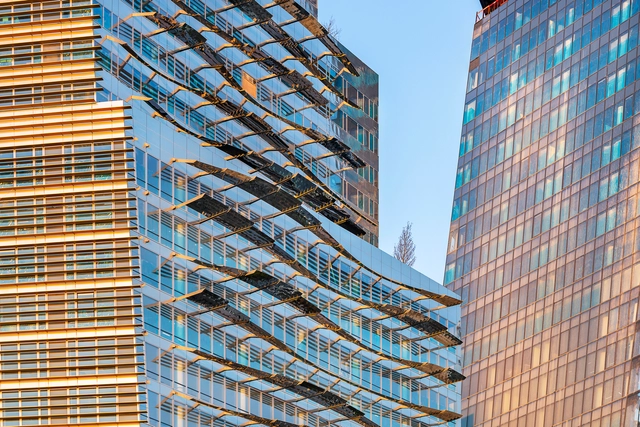
Carefully placed within the urban context and the product of searched perspectives and precise gestures, Ateliers Jean Nouvel's mixed-use project Tours Duo is set to become a landmark for Eastern Paris. Located close to the Paris ring boulevard and in the vicinity of a vast expanse of railway infrastructure, the project's site was the main driving point for the design, giving it its iconic shape. The project featuring two inclined towers nears completion, and photographer Jad Sylla shows the structures changing the Parisian skyline.
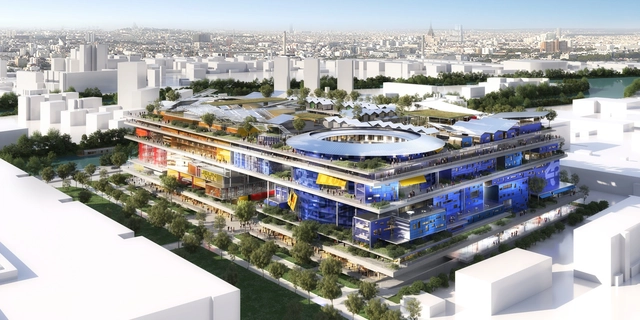
Ateliers Jean Nouvel's new mixed-use development in the Greater Paris area defines a complex vertical neighbourhood that caters to the latest changes in living, working and leisure. Located in the Gennevilliers Neighbourhood, on the banks of the river Seine, Jeuneville aims to create a sustainable and inspiring living environment, a place of synergy designed for a new generation of city dwellers and a new economy.
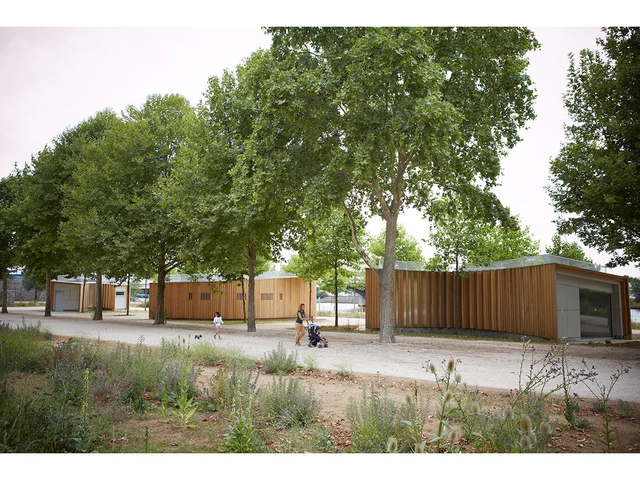
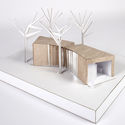
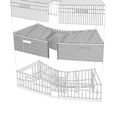
Paris-based h2o architectes revealed their designs for three pavilions to be constructed along the Seine River, near the western entrance of the Lagravère Park in Colombes.
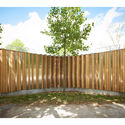
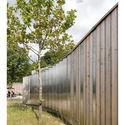
The pavilions are woven into the existing landscape, creating a dialogue between the architecture and surrounding nature. The three small structures were designed according to function and are spread out along the promenade.