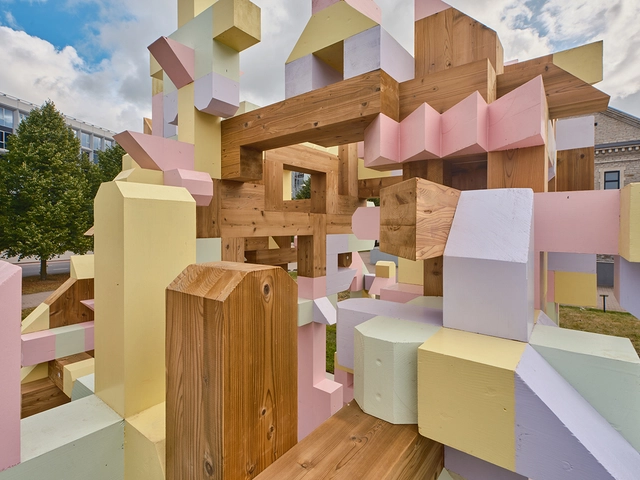
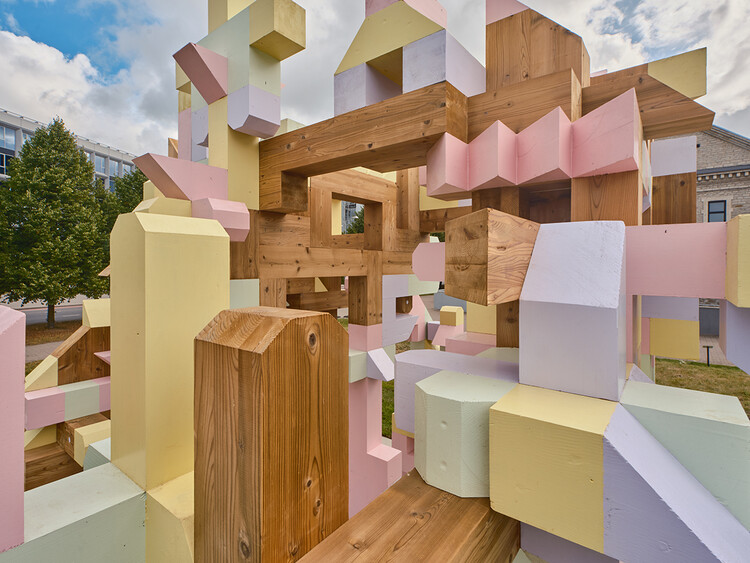
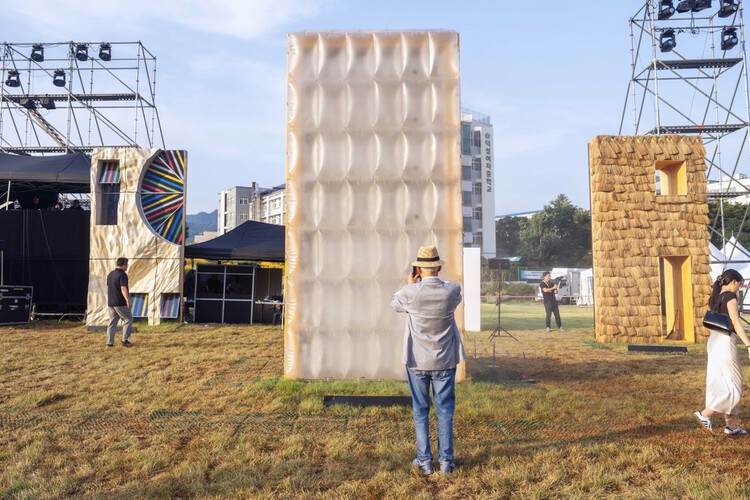
The Tallinn Architecture Biennale (TAB) has been organized by the Estonian Centre for Architecture (ECA) since 2011. Since its founding, it has become Estonia's leading international festival dedicated to architecture and the built environment. The ECA recently announced that the upcoming edition will be curated by Stuudio TÄNA and Mark Aleksander Fischer, winners of the Curatorial Competition for the 8th International Tallinn Architecture Biennale (TAB 2026). Their winning proposal, titled "How Much?", poses the question of what affordability truly means in architecture today. The event, which in previous editions has included exhibitions, lectures, seminars, tours, satellite events, and installations across Tallinn, seeks to open a space for reflection on how architecture and design can be genuinely cost-effective, addressing the broader implications of cost and consumption. TAB 2026 will take place in the Estonian capital from 9 September to 30 November 2026.
This week's architectural developments highlighted how design operates as a form of social and culturalinfrastructure, linking care, community, and context across scales. From London's reinterpretation of the almshouse model to the transformation of urban gateways in Phnom Penh and Tirana, architecture reflected a shared interest in spaces that foster connection and adaptability. Parallel to these urban and infrastructural works, new cultural projects in Paris and Hanoi explored how museums and performance spaces can renew public institutions through material experimentation and spatial flexibility.
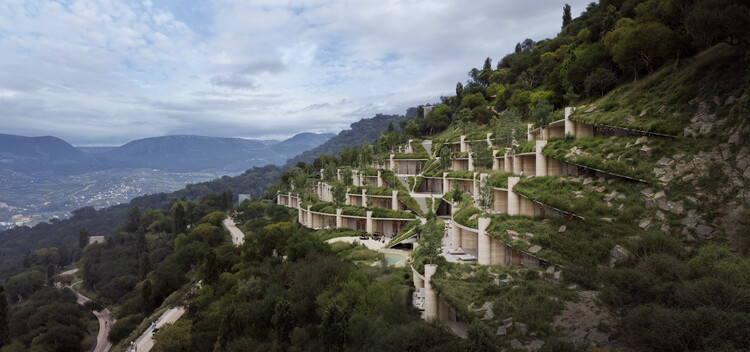
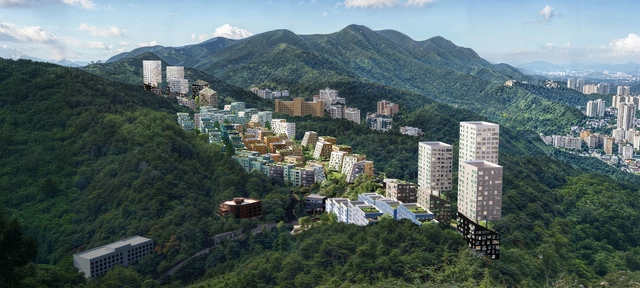
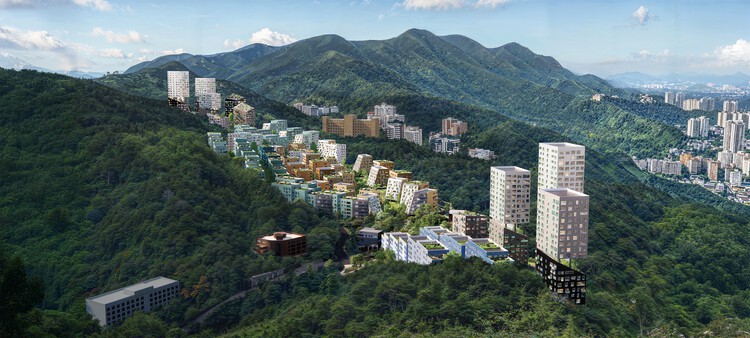
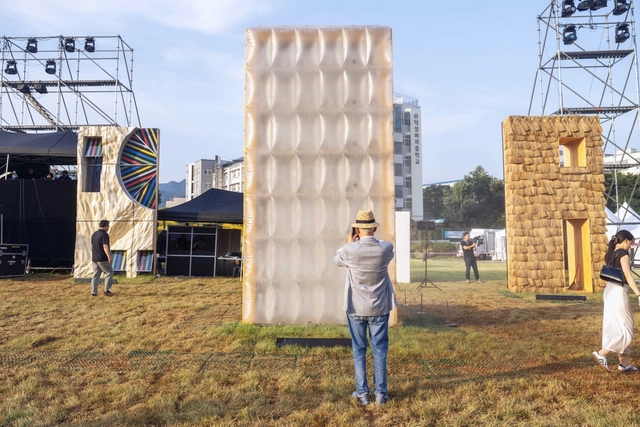
The Busan Slope Housing project by OMA addresses urban redevelopment on the steep hillsides of Busan, South Korea, drawing on the city's topographical complexity and historical settlement patterns. Developed in collaboration with the BusanArchitecture Festival and the Department of Housing and Architecture, the project explores strategies to rethink hillside neighborhoods while responding to both contemporaryhousing needs and the social and spatial legacies of these areas. Rather than replacing these areas with conventional high-rise estates, OMA envisions a flexible, context-responsive framework that integrates contemporaryhousing typologies with the site's inherited structure.
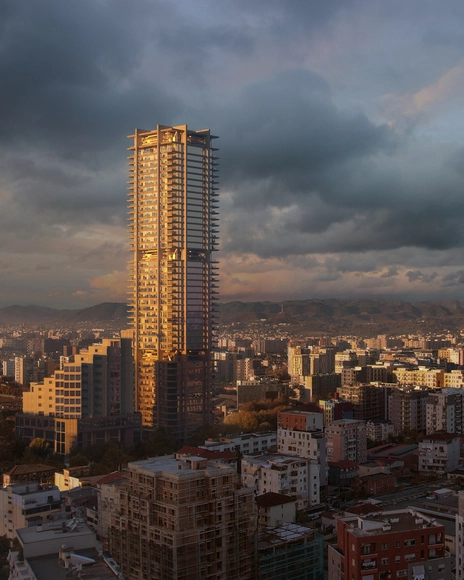
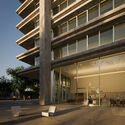
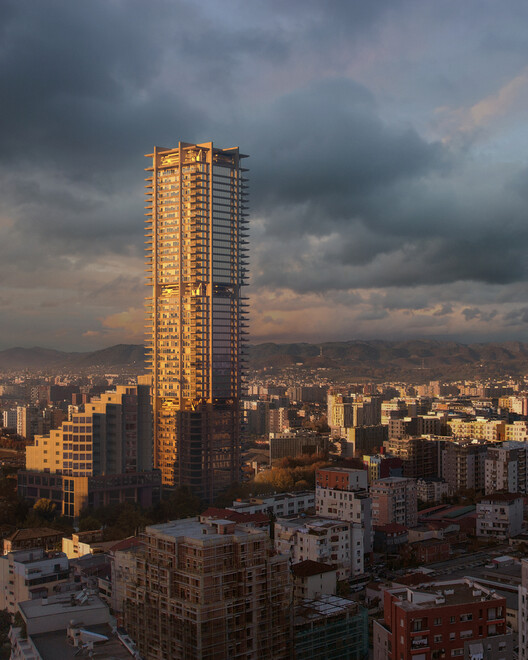
Oricon Tower project by Eduardo Souto de Moura and OODA. Exterior render. Image Courtesy of Plomp
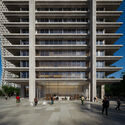
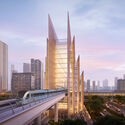
Eduardo Souto de Moura and OODA have unveiled the design of the Oricon Tower, a 180-meter mixed-use skyscraper planned for Tirana, Albania. Located near OODA's recently completed Bond Tower, the project is part of the city's ongoing transformation under the Tirana 2030 Masterplan, which envisions a denser and more connected urban core. The tower will house offices, residences, retail areas, and a hotel, contributing to the city's evolving skyline and serving as a new urban gateway between Tirana's historic center and its expanding western districts.
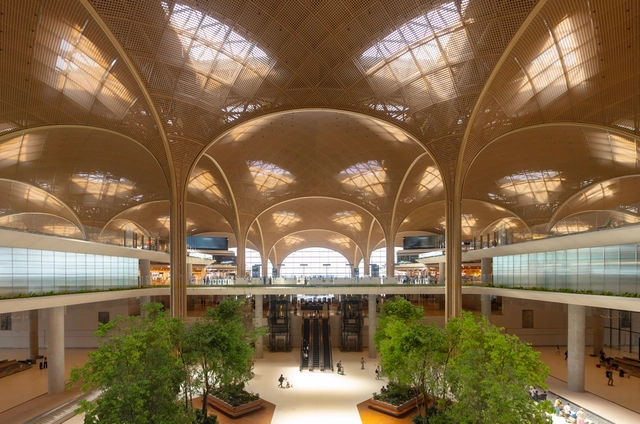
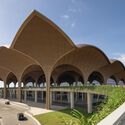
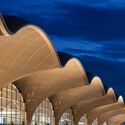
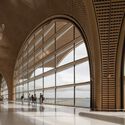
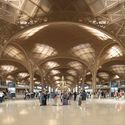
Foster + Partners has completed the Techo International Airport in Phnom Penh, Cambodia, marking a new chapter in the nation's vision for sustainable growth and improved regional connectivity. Situated 20 kilometers south of the city center, the airport's terminal building spans 235,500 square meters and forms the centerpiece of a 24-square-kilometer master plan. Drawing inspiration from Cambodia's vernacular architecture and tropical landscape, the design integrates cultural references and environmental responsiveness to create a contemporary yet contextually rooted gateway for internationaltravel. The first phase, including the head house and northern pier, opened to the public in 2025, while the southern pier is scheduled for completion by 2030.
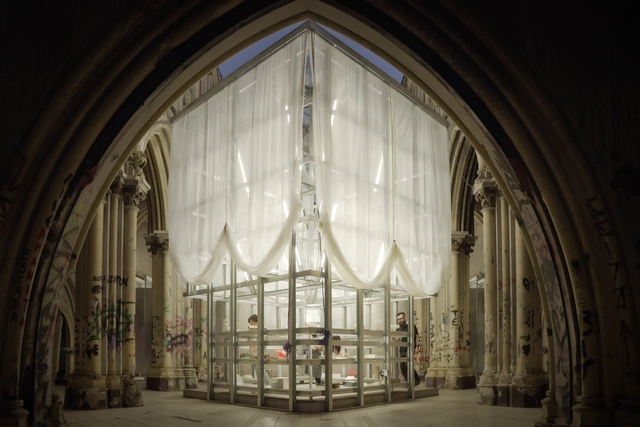
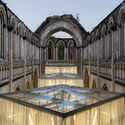
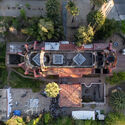
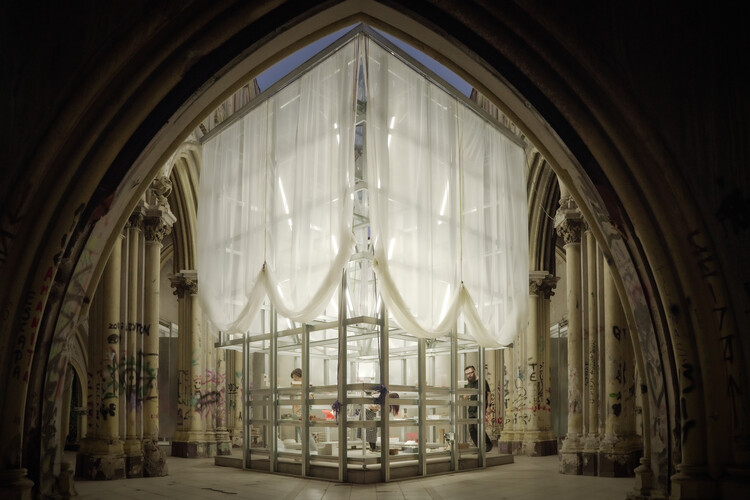
Between September 25 and October 5, 2025, the XXIII Chilean Architecture and Urbanism Biennial took place in Santiago. Under the title "DOUBLE EXPOSURE: (re)program · (re)adapt · (re)construct," the event was organized around the idea of "understanding architecture not as the production of the new, but as the ability to reactivate what already exists." Based on this premise, the curatorial team, composed of Ángela Carvajal and Sebastián López (Anagramma Arquitectes) together with Óscar Aceves, conceived a circuit of eight venues located in downtown Santiago. Their goal was to revive and reclaim urban spaces through a series of free public activities that drew around 70,000 visitors. Among the reactivated sites, the ruins of the San Francisco de Borja Church stood out. Burned during the social outburst of October 2019, the site hosted a temporary pavilion that served as a venue for talks, readings, art installations, discussions, and community events.
In addition to photographing the studios, Goodwin asked each practice the same question: "What makes for a good office space and office culture for you?" Their responses accompany the images, offering insight into how architects define the atmosphere of their workplaces. Studio Okami describes its workplace as a "home office away from home," while Brut highlights the role of shared meals and greenery in softening their penthouse space.
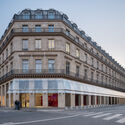
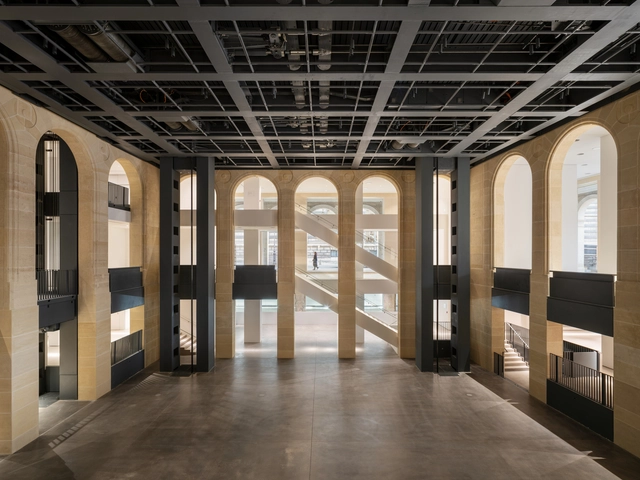
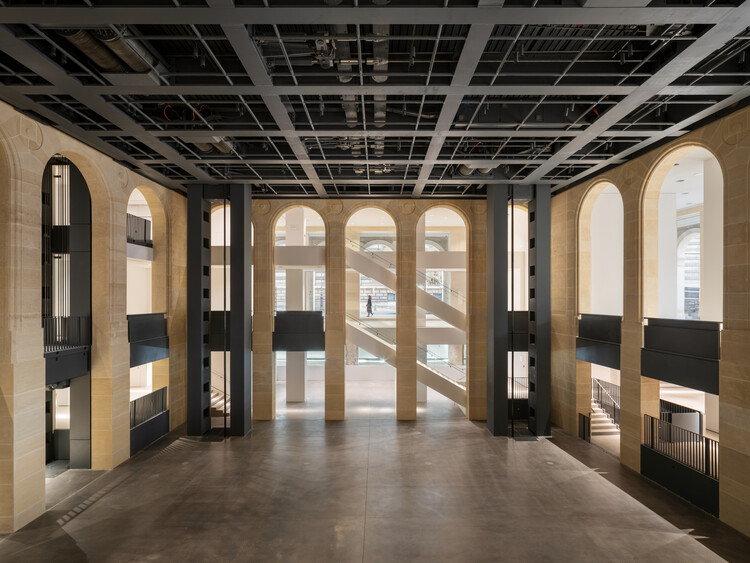
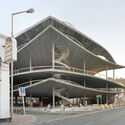
On October 25, 2025, the Fondation Cartier Pour l'Art Contemporain will open its new premises to the public with an inaugural exhibition drawn from its own Collection, entitled Exposition Générale. Located in the heart of Paris, the new space occupies a Haussmannian building that once housed the Grands Magasins du Louvre, recently reimagined by Jean Nouvel. Conceived as a dynamic architecture with five mobile platforms, the building was designed to expand the possibilities of a traditional exhibition venue. These mechanisms aim to accommodate all forms of visual expression, including photography, cinema, the performing arts, science, and craft, within a space that resonates with the urban life of Paris and engages with questions of urban planning and ecology. Within these parameters, the inaugural exhibition brings together more than 600 works by over 100 artists in a contemporary scenography designed by Formafantasma.
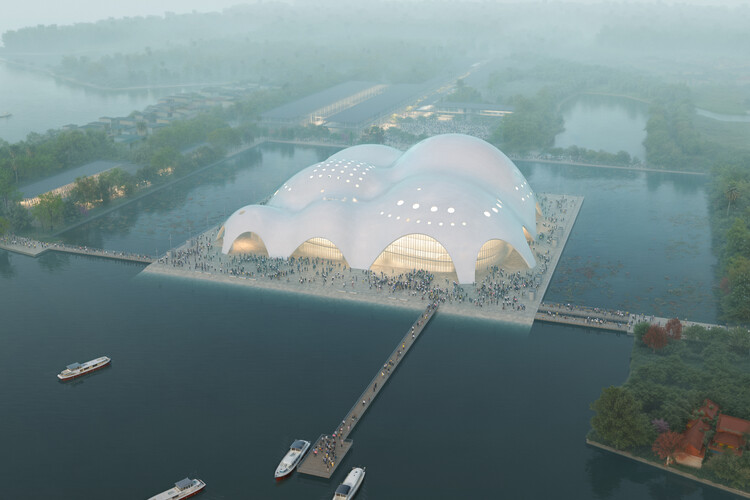
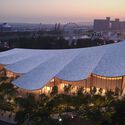
Isola Della Musica Opera and Convention hall by Renzo Piano Building Workshop. Render. Image Courtesy of RPBW
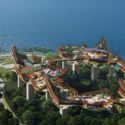
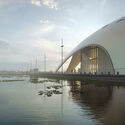
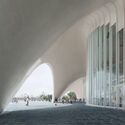
Renzo Piano Building Workshop (RPBW), in collaboration with Sydney and Hanoi-based PTW Architects, has begun construction of the Isola della Musica, a new opera house and convention center in Hanoi, Vietnam. Commissioned by Sun Group, the project was first conceived in 2017 and forms part of a broader masterplan that reshapes the existing boundary between West Lake and Đầm Trị Lake. Inspired by the region's history of pearl cultivation, the building features a series of curved concrete shells whose forms and surfaces evoke the texture and luminosity of mother-of-pearl.
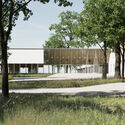
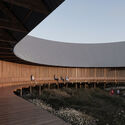
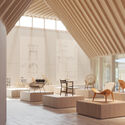
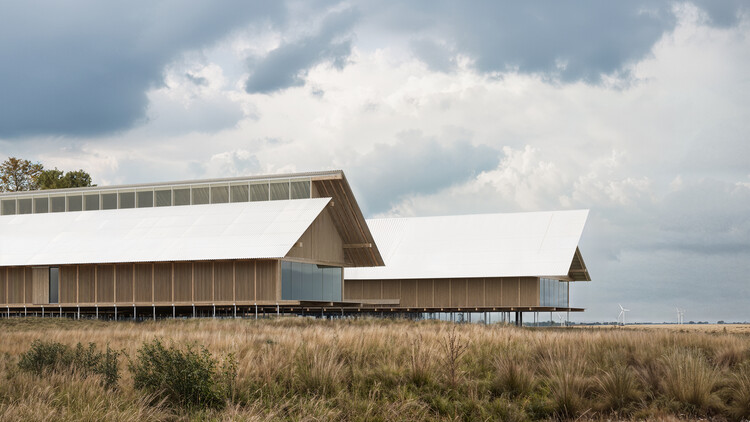
Cobe has revealed the design for Museum Wegner in Tønder, Denmark, a new cultural institution dedicated to the life and work of renowned Danish designer Hans J. Wegner. The museum will be located at Hestholm, a historicfarm dating back to 1445, and will combine the adaptive reuse of existing structures with a contemporaryextension. Selected as the project architect in February 2024 following a competitive interview process, Cobe is now moving the design toward realization with strong local and national support.
This week in architecture, global recognitions and new unveilings underscored the field's growing commitment to climate awareness, cultural continuity, and adaptive reuse. From Expo 2025 Osaka's closing ceremonies to international award announcements, the focus turned to architects and designers redefining the relationship between place, material, and community. Alongside these recognitions, major new projects, from Dubai to California, illustrated how design continues to evolve across scales: shaping cities, preserving heritage, and addressing urgent global challenges through context-driven architecture.
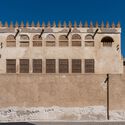
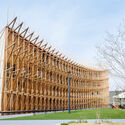
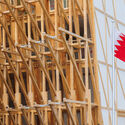
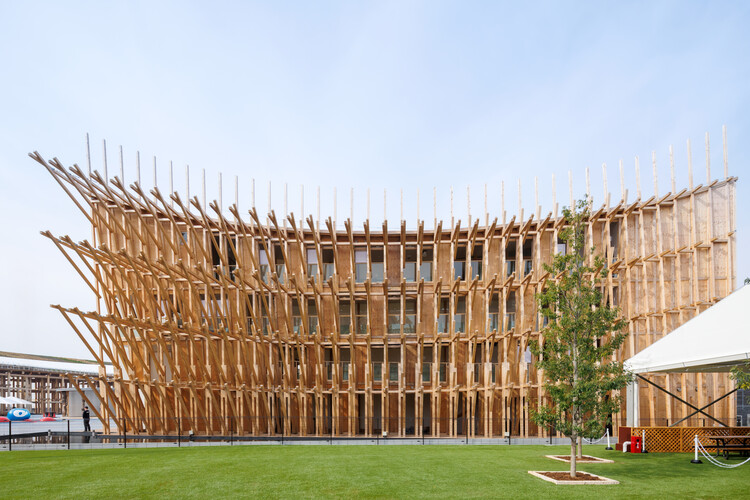
Bahrain's architectural participations in the international exhibitions have gained increasing global recognition, marked most recently by major awards at Expo 2025 Osaka and the Venice Architecture Biennale. These milestones reflect a broader trajectory in which the country's design culture, rooted in climatic intelligence and cultural continuity, has become a prominent voice in international conversations on context-driven architecture.
This growing visibility builds upon a deep architectural lineage. Bahrain's identity has long been shaped by its position as a maritime crossroads of the Arabian Gulf, where the legacy of pearling settlements and the compact urban fabric of Muharraq and Manama reveal a dialogue between local traditions and global exchange. Today, that dialogue evolves through practices that merge preservation with experimentation, translating heritage into a contemporary architectural language that is both place-specific and forward-looking.
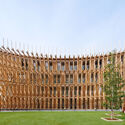
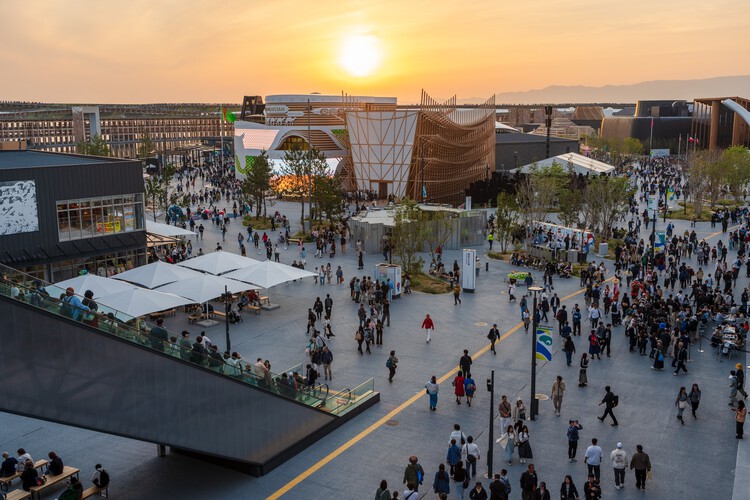
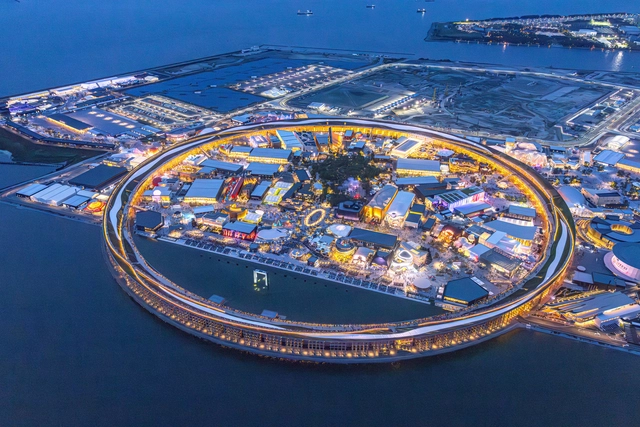
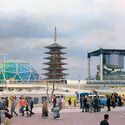
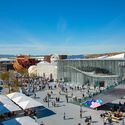
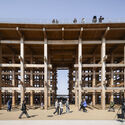
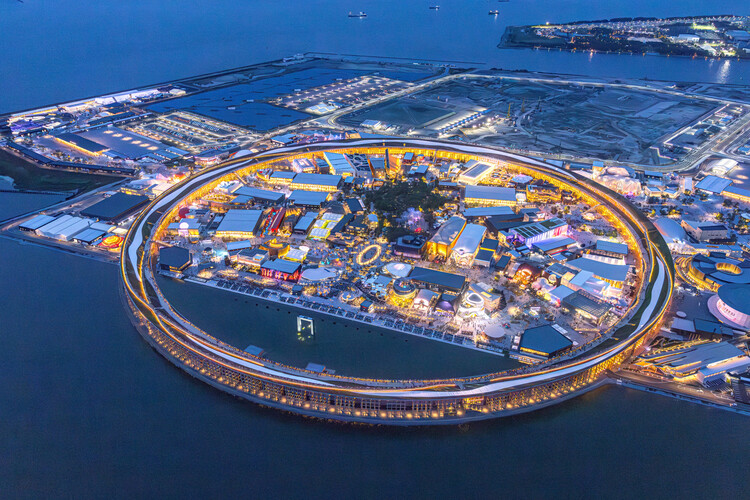
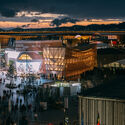
Monday, October 13th, marked the conclusion of Expo Osaka 2025. The exhibition gathered representatives from 165 countries and international organizations and welcomed around 28 million visitors to Yumeshima, a reclaimed site in Osaka Bay. The site was reimagined through a masterplan and bounded by a Guinness World Record-breaking wooden circular structure, both designed by Sou Fujimoto Architects. Over 184 days, participants were able to visit the self-built, modular, and shared pavilions, national exhibitions, and public activities organized under the overarching theme "Designing Future Society for Our Lives." During its six-month run, the Expo set out to explore three pivotal subthemes, Saving Lives, Empowering Lives, and Connecting Lives, as an invitation to bring together new perspectives for our built and social ecosystem.
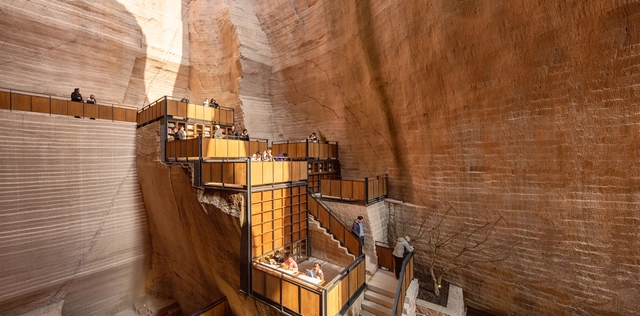
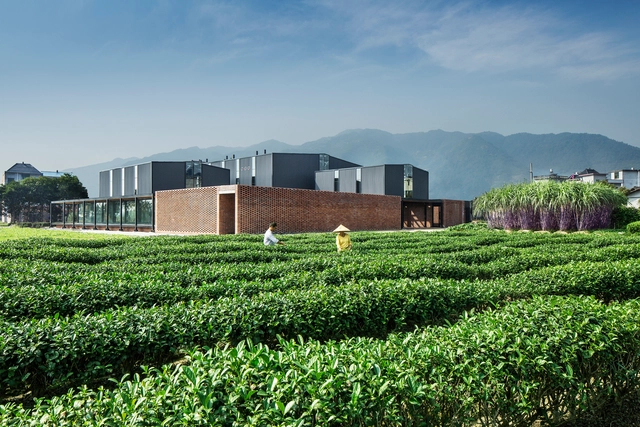
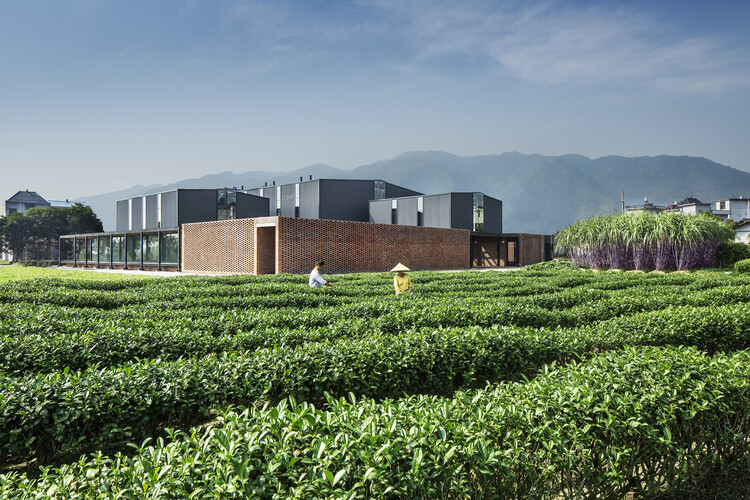
The Créateurs Design Awards (CDA) announced Xu Tiantian, Founder and Principal Architect of DnA_Design and Architecture, as the recipient of the 2026 edition of Le Prix Charlotte Perriand. The award celebrates architects whose work embodies innovation, social responsibility, and a deep engagement with community and place. The architect was recognized for her transformative work bridging urban and rural communities through innovative design interventions. Her approach to architecture was acknowledged as a tool for cultural preservation and rural revitalization, making her an exemplary recipient of this honor, previously awarded to prominent architects such as Frida Escobedo, Jeanne Gang, Kazuyo Sejima, and Ryue Nishizawa.
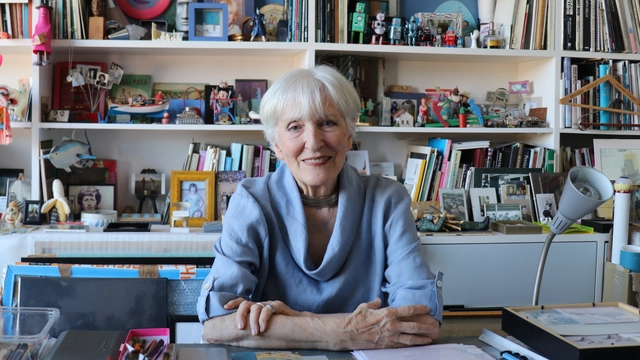
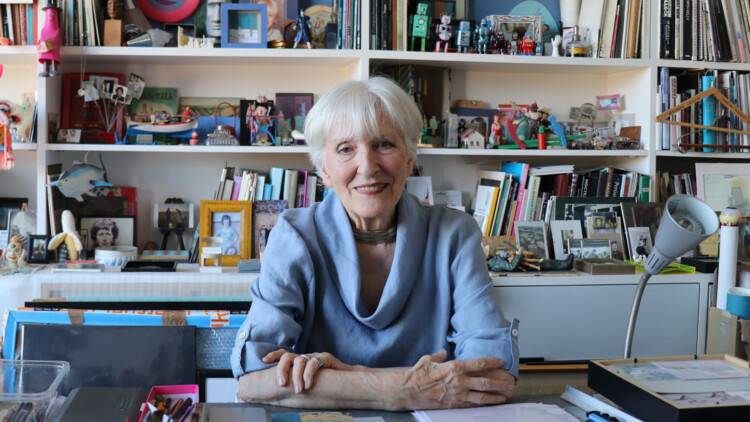
Dutch artist Madelon Vriesendorp has been named the recipient of the 2025 Soane Medal, becoming the first UK-based female artist to receive the award since its launch in 2017. A co-founder of Office for Metropolitan Architecture (OMA), Vriesendorp is widely recognized for her surrealist and humorous visual language that has shaped how modern and postmodernarchitecture is represented and understood. Her work, which blends playfulness with critical thought, has provided architecture with vivid, memorable imagery that continues to influence generations of architects.
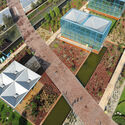
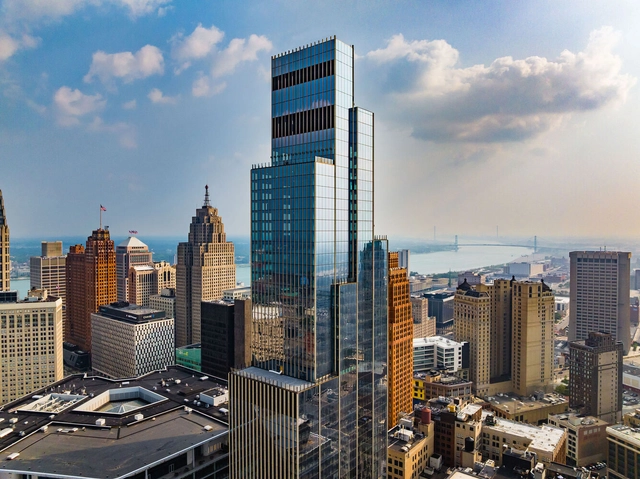
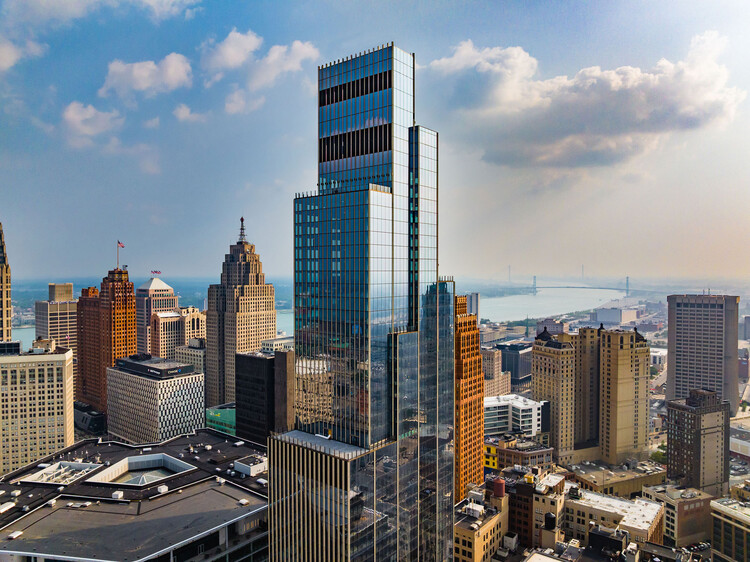
Hudson's Detroit mixed-used development. Aerial view. Image Courtesy of Bedrock
Detroit-based Bedrock development group has announced the completion of the first phase of its Hudson's Detroit mixed-use project in the city center. The project was first unveiled in 2017, when the company presented plans for a 1.2-million-square-foot development designed by SHoP Architects to be built on one of downtown Detroit's long-abandoned sites, formerly occupied by the J.L. Hudson's Department Store. Once the tallest department store in the world and a central gathering place for the city throughout much of the 20th century, the site has now been reimagined as a contemporary urban destination. After nearly a decade of planning and construction, Hudson's Detroit aims to bring new activity and public space to a location emblematic of the city's commercial and cultural past.
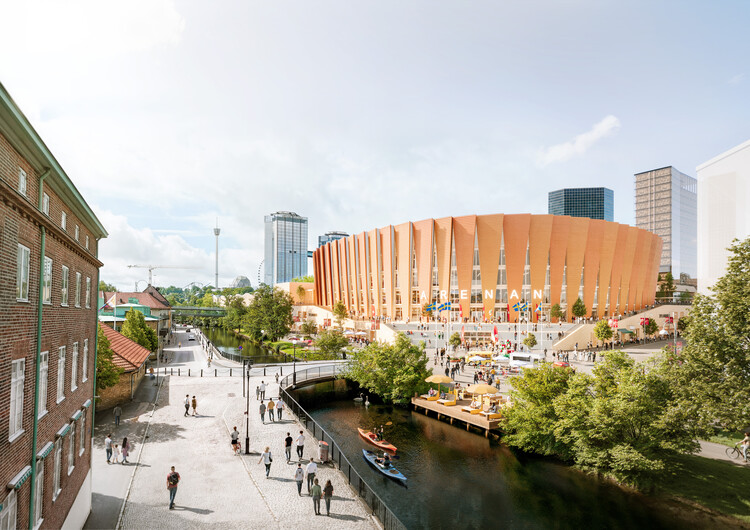
Gothenburg's New Arena Quarter. Image Courtesy of White Arkitekter
This week, architectural conversations were shaped by themes of resilience, equity, and cultural relevance, brought into focus by World Architecture Day. Across global contexts, the discipline continues to expand its understanding of strength, not only as structural endurance but as a framework for inclusive, adaptable, and environmentally conscious design. From strategies for gender-equitable public space to new commissions grounded in memory and reconciliation, recent developments reflect how architecture is increasingly positioned as a tool for social engagement and long-term stewardship in the face of ongoing global challenges.