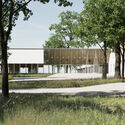
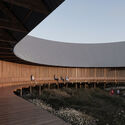
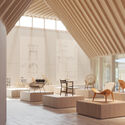
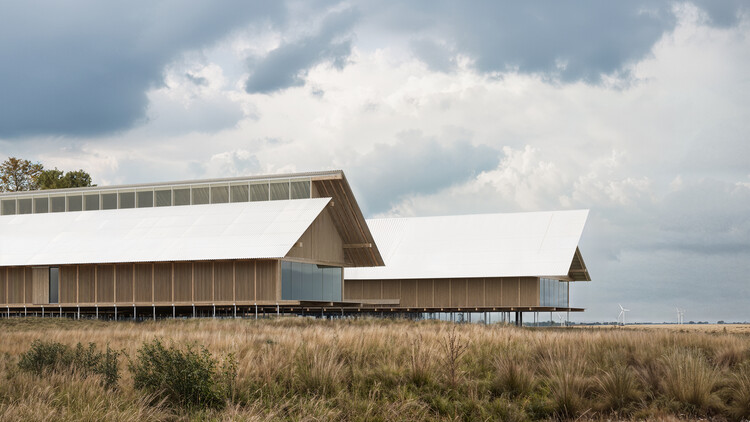
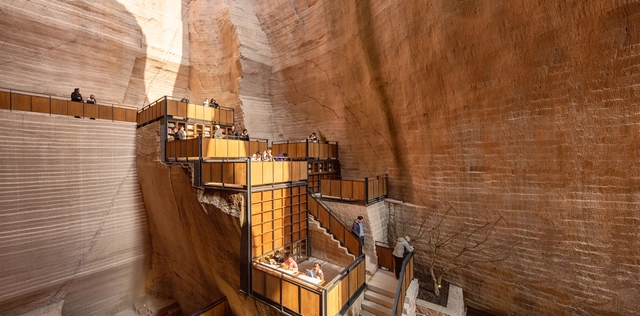
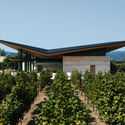
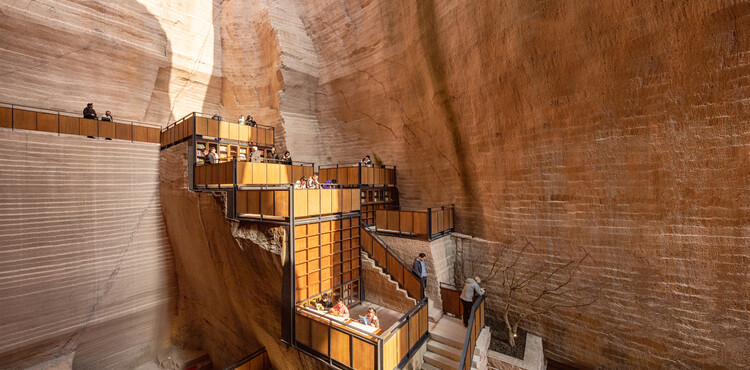
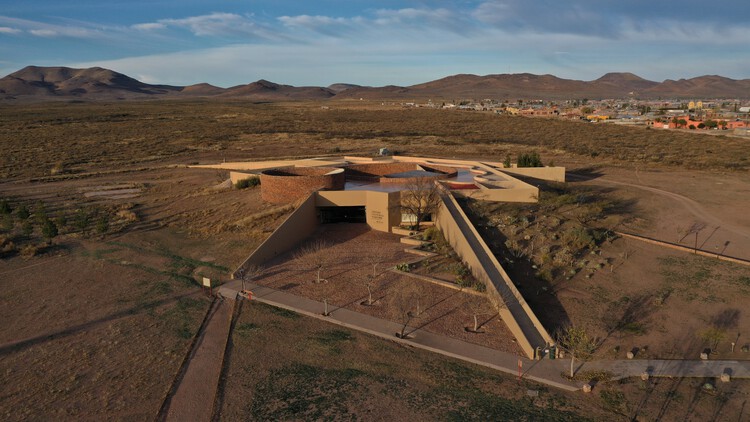
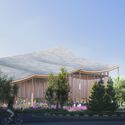
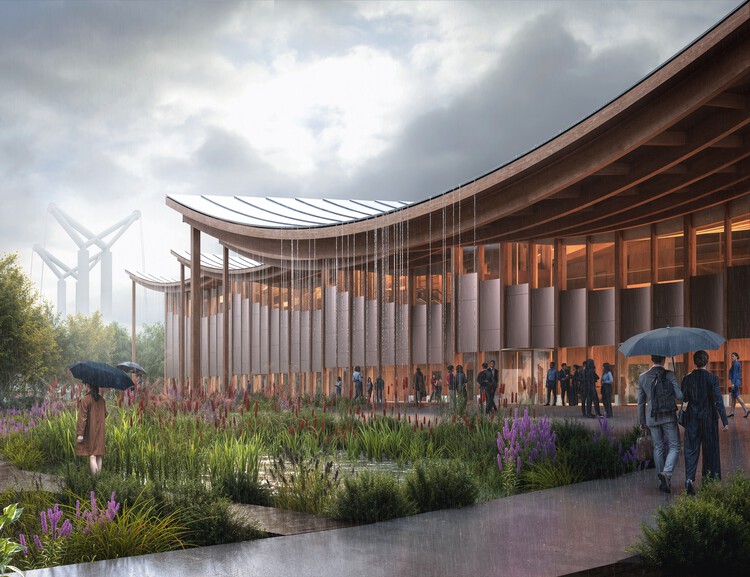
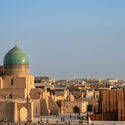
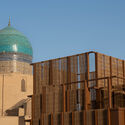
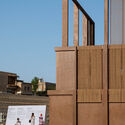
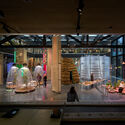
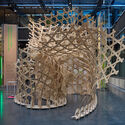
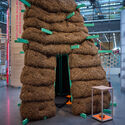
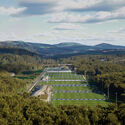
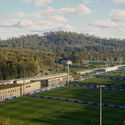
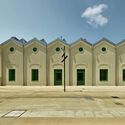
Cobe has revealed the design for Museum Wegner in Tønder, Denmark, a new cultural institution dedicated to the life and work of renowned Danish designer Hans J. Wegner. The museum will be located at Hestholm, a historicfarm dating back to 1445, and will combine the adaptive reuse of existing structures with a contemporaryextension. Selected as the project architect in February 2024 following a competitive interview process, Cobe is now moving the design toward realization with strong local and national support.
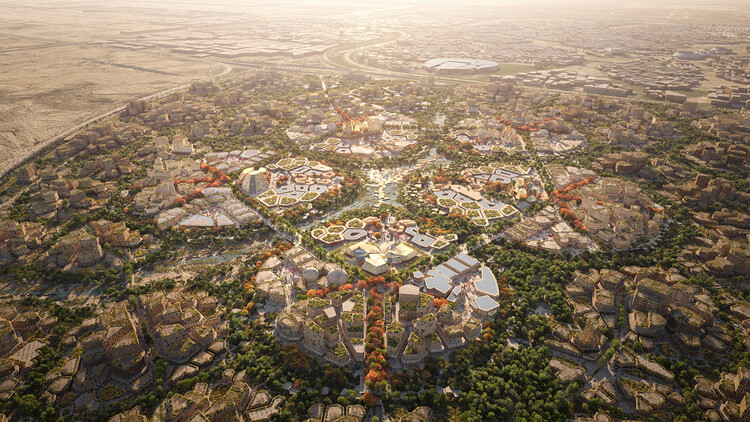
This week in architecture, global recognitions and new unveilings underscored the field's growing commitment to climate awareness, cultural continuity, and adaptive reuse. From Expo 2025 Osaka's closing ceremonies to international award announcements, the focus turned to architects and designers redefining the relationship between place, material, and community. Alongside these recognitions, major new projects, from Dubai to California, illustrated how design continues to evolve across scales: shaping cities, preserving heritage, and addressing urgent global challenges through context-driven architecture.
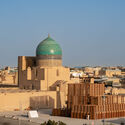
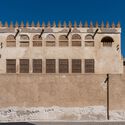
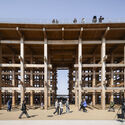
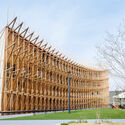
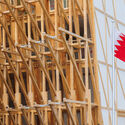
Bahrain's architectural participations in the international exhibitions have gained increasing global recognition, marked most recently by major awards at Expo 2025 Osaka and the Venice Architecture Biennale. These milestones reflect a broader trajectory in which the country's design culture, rooted in climatic intelligence and cultural continuity, has become a prominent voice in international conversations on context-driven architecture.
This growing visibility builds upon a deep architectural lineage. Bahrain's identity has long been shaped by its position as a maritime crossroads of the Arabian Gulf, where the legacy of pearling settlements and the compact urban fabric of Muharraq and Manama reveal a dialogue between local traditions and global exchange. Today, that dialogue evolves through practices that merge preservation with experimentation, translating heritage into a contemporary architectural language that is both place-specific and forward-looking.
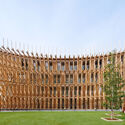
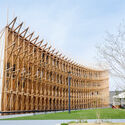
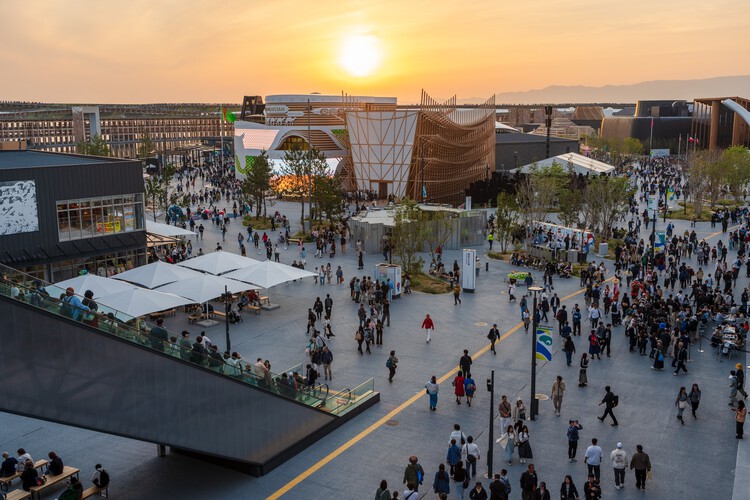
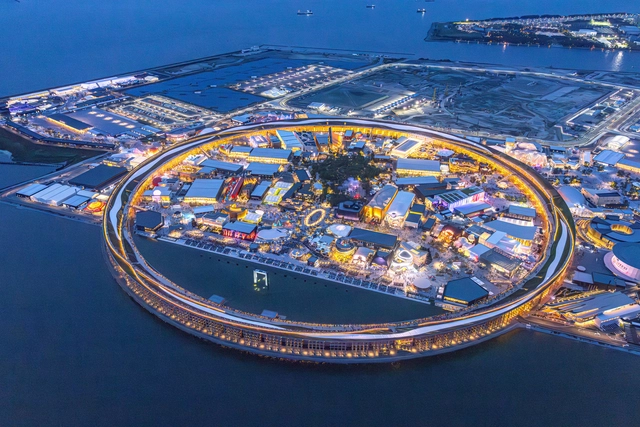
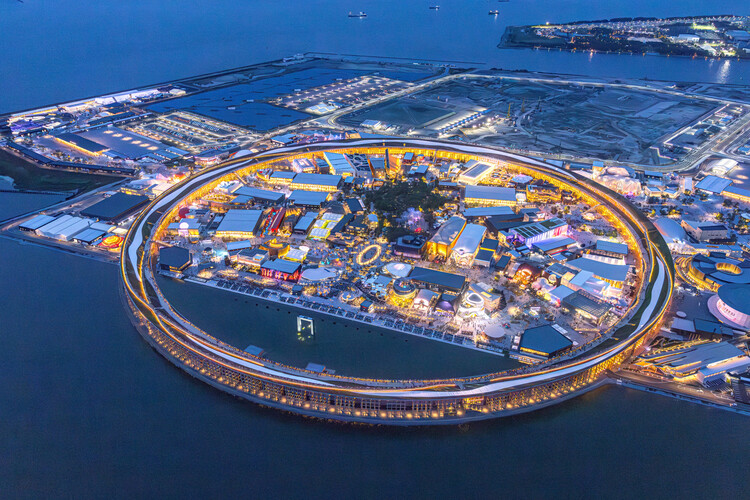
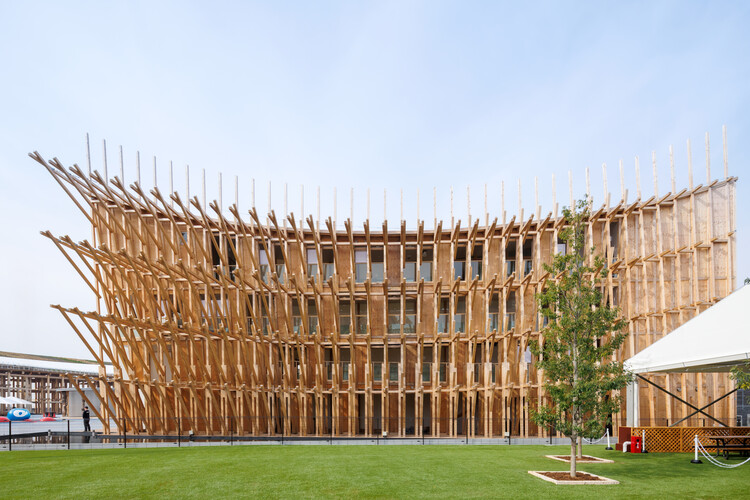
Monday, October 13th, marked the conclusion of Expo Osaka 2025. The exhibition gathered representatives from 165 countries and international organizations and welcomed around 28 million visitors to Yumeshima, a reclaimed site in Osaka Bay. The site was reimagined through a masterplan and bounded by a Guinness World Record-breaking wooden circular structure, both designed by Sou Fujimoto Architects. Over 184 days, participants were able to visit the self-built, modular, and shared pavilions, national exhibitions, and public activities organized under the overarching theme "Designing Future Society for Our Lives." During its six-month run, the Expo set out to explore three pivotal subthemes, Saving Lives, Empowering Lives, and Connecting Lives, as an invitation to bring together new perspectives for our built and social ecosystem.
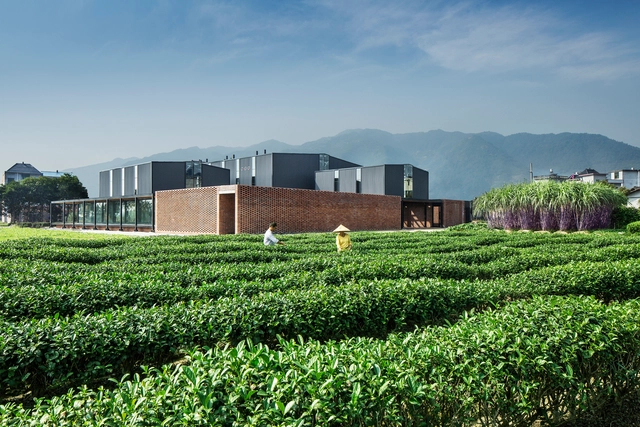
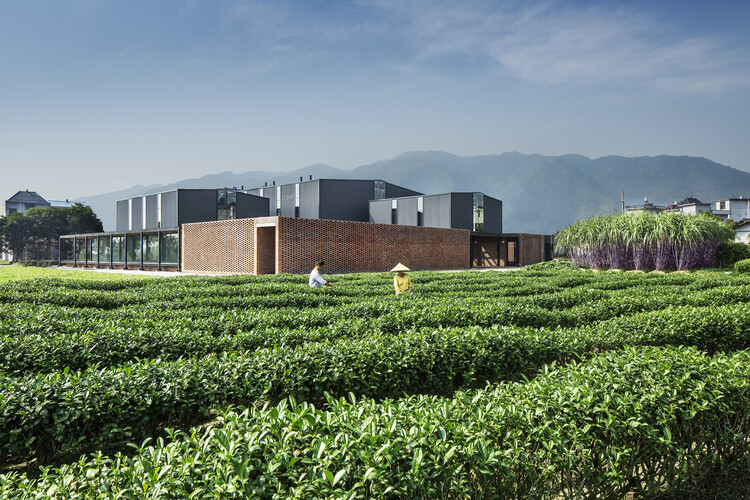
The Créateurs Design Awards (CDA) announced Xu Tiantian, Founder and Principal Architect of DnA_Design and Architecture, as the recipient of the 2026 edition of Le Prix Charlotte Perriand. The award celebrates architects whose work embodies innovation, social responsibility, and a deep engagement with community and place. The architect was recognized for her transformative work bridging urban and rural communities through innovative design interventions. Her approach to architecture was acknowledged as a tool for cultural preservation and rural revitalization, making her an exemplary recipient of this honor, previously awarded to prominent architects such as Frida Escobedo, Jeanne Gang, Kazuyo Sejima, and Ryue Nishizawa.
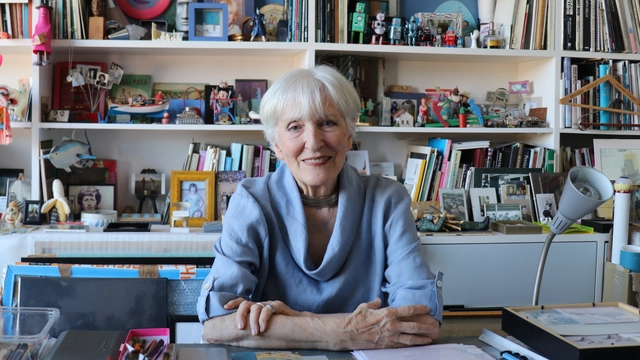
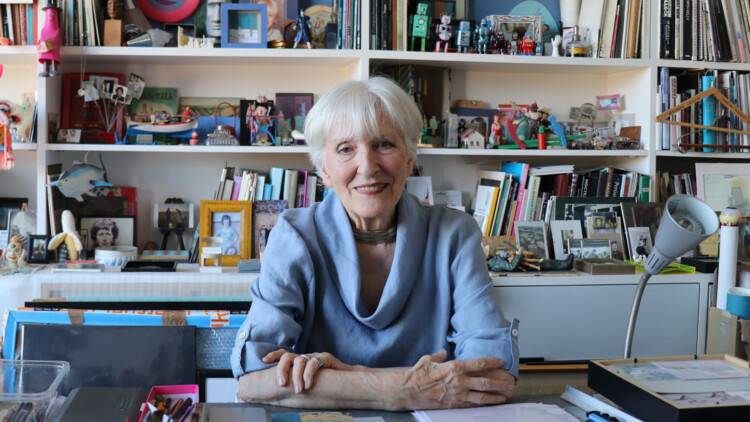
Dutch artist Madelon Vriesendorp has been named the recipient of the 2025 Soane Medal, becoming the first UK-based female artist to receive the award since its launch in 2017. A co-founder of Office for Metropolitan Architecture (OMA), Vriesendorp is widely recognized for her surrealist and humorous visual language that has shaped how modern and postmodernarchitecture is represented and understood. Her work, which blends playfulness with critical thought, has provided architecture with vivid, memorable imagery that continues to influence generations of architects.
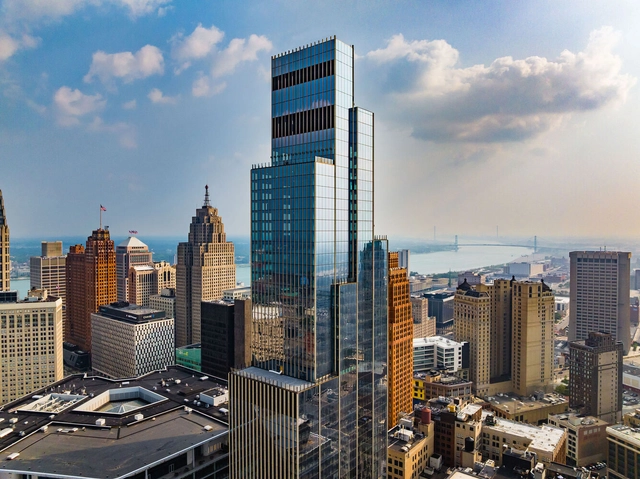
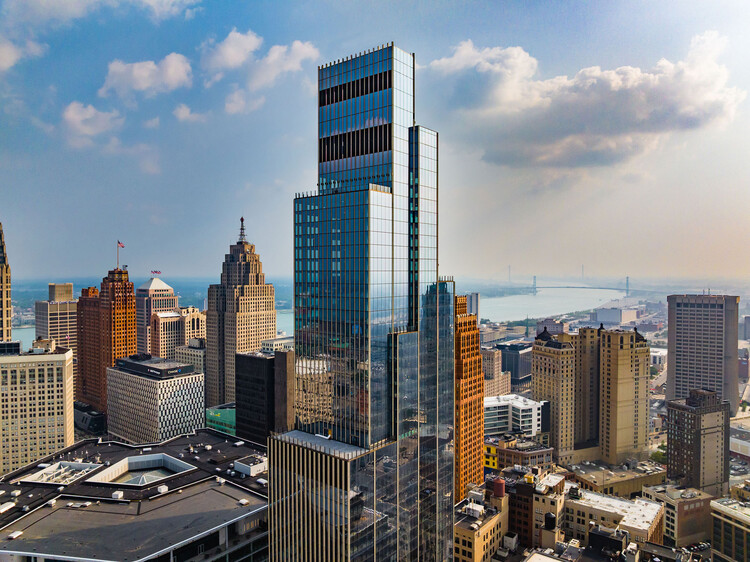
Hudson's Detroit mixed-used development. Aerial view. Image Courtesy of Bedrock
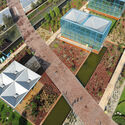
Detroit-based Bedrock development group has announced the completion of the first phase of its Hudson's Detroit mixed-use project in the city center. The project was first unveiled in 2017, when the company presented plans for a 1.2-million-square-foot development designed by SHoP Architects to be built on one of downtown Detroit's long-abandoned sites, formerly occupied by the J.L. Hudson's Department Store. Once the tallest department store in the world and a central gathering place for the city throughout much of the 20th century, the site has now been reimagined as a contemporary urban destination. After nearly a decade of planning and construction, Hudson's Detroit aims to bring new activity and public space to a location emblematic of the city's commercial and cultural past.
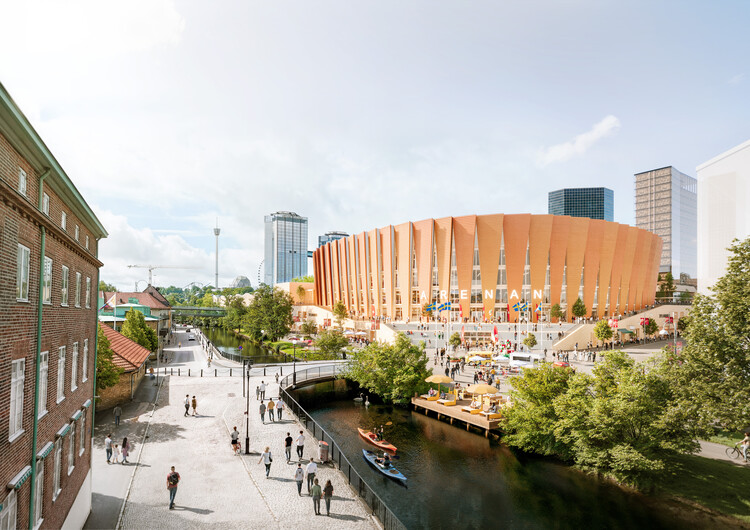
Gothenburg's New Arena Quarter. Image Courtesy of White Arkitekter
This week, architectural conversations were shaped by themes of resilience, equity, and cultural relevance, brought into focus by World Architecture Day. Across global contexts, the discipline continues to expand its understanding of strength, not only as structural endurance but as a framework for inclusive, adaptable, and environmentally conscious design. From strategies for gender-equitable public space to new commissions grounded in memory and reconciliation, recent developments reflect how architecture is increasingly positioned as a tool for social engagement and long-term stewardship in the face of ongoing global challenges.
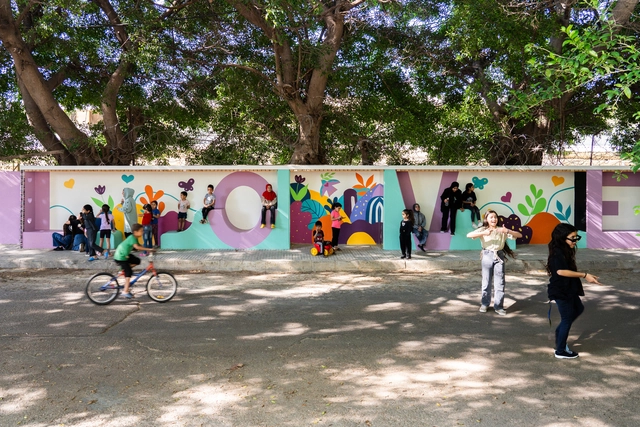
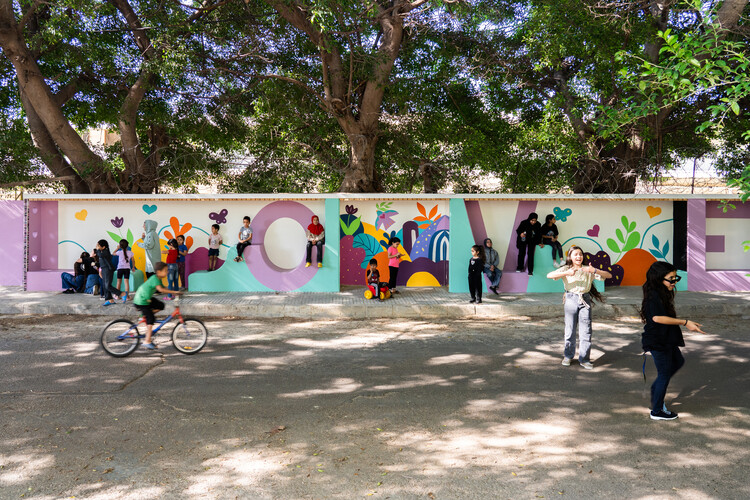
Adolescent Girls Co-Design and Build their Public Spaces in Beirut June 2024. Image Courtesy of CatalyticAction
Make Space for Girls (MSFG) is a London-based charity that campaigns for public spaces and parks in the United Kingdom to be more inclusive of teenage girls. The organization conducts research on how public spaces are used and designed, raises awareness about perceived inequalities in their use, and collaborates with public and private institutions to promote the representation of teenage girls in the planning and design of outdoor environments. Their research indicates that their exclusion from the design of parks and public spaces often leaves them without places where they feel welcomed or valued, and that parks and public spaces for older children and teenagers are currently designed for the default male. From 8 to 15 October, the organization is running a fundraising campaign to support the implementation of its new three-year strategy aimed at promoting more inclusive public spaces.
Today, on the first Monday of October, we celebrate World Architecture Day. This year, the International Union of Architects (UIA) has set the theme "Design for Strength," a powerful call to action that resonates deeply with the UN's focus on urban crisis response. In a world facing unprecedented environmental and social disruptions, this theme challenges us to move beyond temporary fixes. It asks: How can our buildings and cities not only withstand shocks but also foster equity, continuity, and resilience?
While the concept of strength in architecture can easily evoke images of reinforced concrete and steel, a more profound interpretation is emerging, one that defines strength not as mere rigidity, but as a holistic capacity to endure and adapt. This includes many facets, from ecological resilience and stewardship to long-lasting concepts of social resilience or the long-lasting conservation of existing urban structures, all contributing to a built environment more able to respond to the multitude of crises faced by cities worldwide.
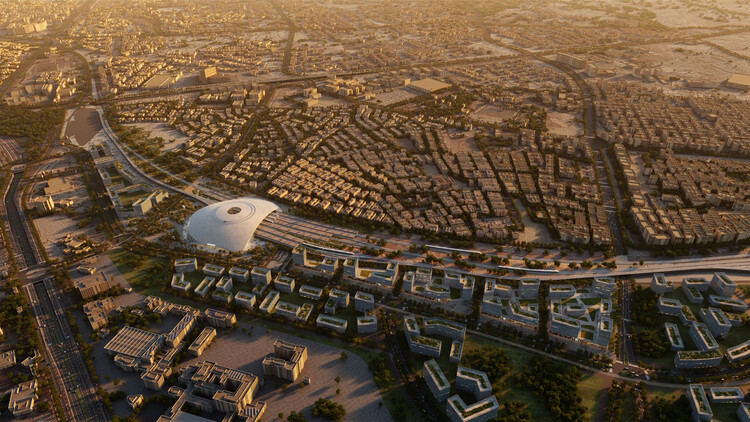
New Casa Sud Train Station by OUALALOU+CHOI . Image Courtesy of OUALALOU+CHOI
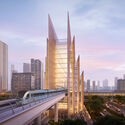
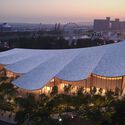
OUALALOU+CHOI has won the international competition for the design of the new Casa Sud Train Station in Casablanca, Morocco. Based in Paris and Casablanca, the architecture and urban design practice led by Tarik Oualalou and Linna Choi is recognized for its work exploring the relationship between architecture, infrastructure, and public life. The winning proposal envisions the new station as both an infrastructural hub and a civiclandmark, addressing the needs of a rapidly expanding metropolis while contributing to the urban and social fabric of Morocco's economic capital.
ReSa Architects. Photo by Antonin Kanant and Revati Shah
The Lisbon Architecture Triennale announced as the winner of the fifth edition of the Début Award the Indian office ReSa Architects. The office is known for its collective approach to spatial practice, treating architecture as a process of rewriting social and bodily relations. In previous editions, the award recognized the work Vão (Brazil, 2022), Bonell+Dòriga (Spain, 2019), Umwelt (Chile, 2016) and Jimenez Lai, from Bureau Spectacular (USA, 2013).
The announcement was made on October 4, during the opening festivities of the Triennale, which in this edition awarded the Lifetime Achievement Award to the architect, Yasmeen Lari from Pakistan, the first person from the global south to receive the honor. Lari joins Marina Tabassum (2022 award winner), Denise Scott-Brown (2019), the duo Lacaton & Vassal (2016), Kenneth Frampton (2013), Álvaro Siza (2010), and Vittorio Gregotti (2007).
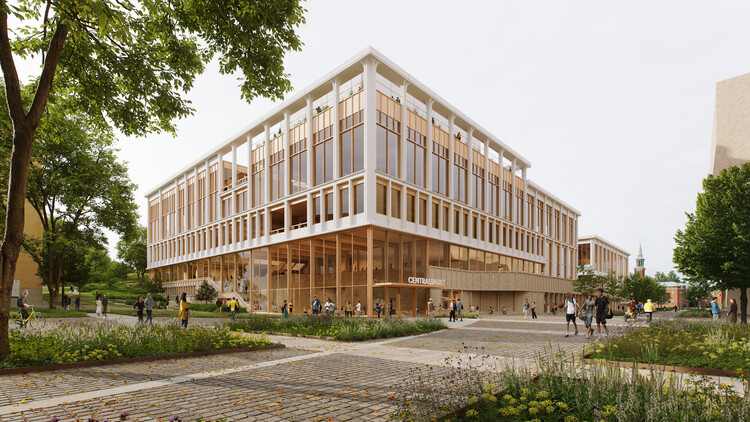
Centralbadet public swimming and sports center project in Sweden. Entrance render. Image Courtesy of Plankton Group
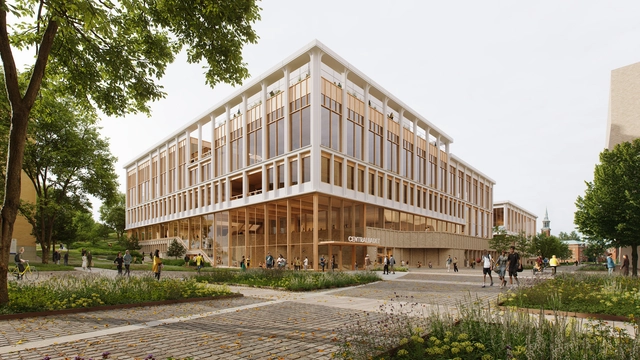
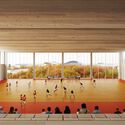
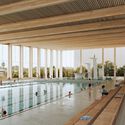
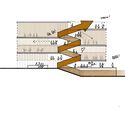
Henning Larsen has been selected to design Gothenburg's new Centralbadet, a public swimming and sports facility intended to strengthen the city's network of community and health-oriented spaces. The winning team includes Winell & Jern Architects, Ramboll, and John Dohlsten, Sports Science Lecturer at the University of Gothenburg. Organized by the City of Gothenburg, the competition included teams such as BIG and Wingårdh Arkitektkontor. The new center is planned as a multifunctional public facility that supports both everyday recreation and organized sport for residents of all ages.
French-Lebanese architect Lina Ghotmehhas been recognized on the TIME100 Next 2025 list, an annual ranking of emerging leaders and innovators across disciplines. Known for her sensitive approach to context and materiality, Ghotmeh has built an international portfolio that bridges tradition and modernity. In her TIME profile, written by Danish architect Bjarke Ingels, Ghotmeh is praised for combining historical awareness with forward-looking experimentation. The acknowledgment positions her as the only architect on this year's list, highlighting the continued presence of design voices in a ranking that typically spans entertainment, politics, science, and business.
September marks a shift in seasonality worldwide, bringing with it a renewed focus on cultural and architectural events that encourage reflection on contemporary global challenges. This week's major news highlighted international exhibitions and design initiatives addressing questions of resilience, urban transformation, and collective futures, alongside new projects dedicated to preserving both cultural and natural heritage. Across continents, biennales, urban developments, and restoration efforts are shaping a broader conversation on how architecture and design can foster adaptation, memory, and coexistence in rapidly changing environments.
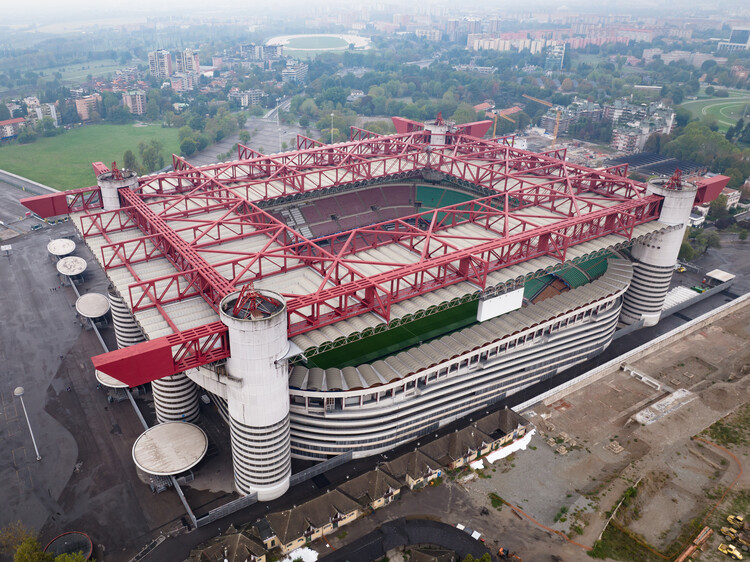
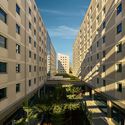
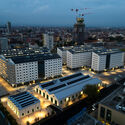
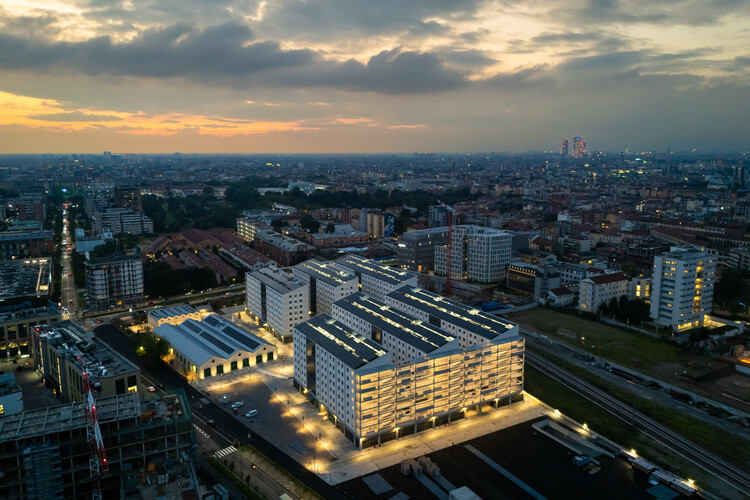
The first images have been released of the completed Athletes' Village for the 2026 Winter Olympics in Milan, following its official handover to the Milano Cortina Foundation ahead of the Games in February. Developed by COIMA and designed by Skidmore, Owings & Merrill (SOM), the project has been envisioned as both a temporaryresidence for athletes and a long-term urban asset for the city. Delivered in 30 months and ahead of schedule, the Village is located within the Porta Romana railway yard, and comprises six new residential buildings and the restoration of two historic structures: the former Squadra Rialzo locomotive workshop and the Basilico building. Together, they provide housing for athletes during the Games, along with 40,000 square meters of community spaces, landscaped courtyards, and three sports courts.
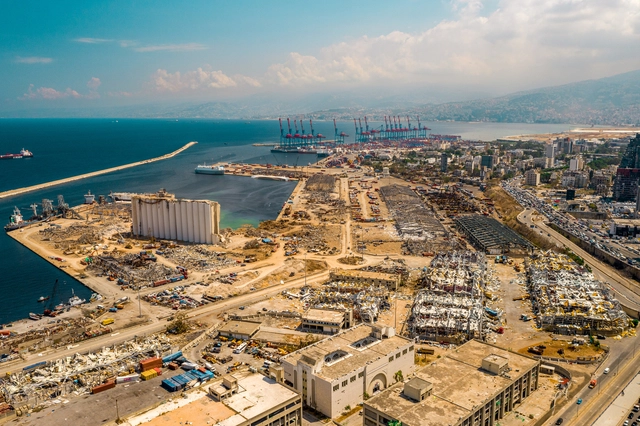
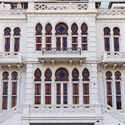
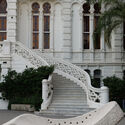
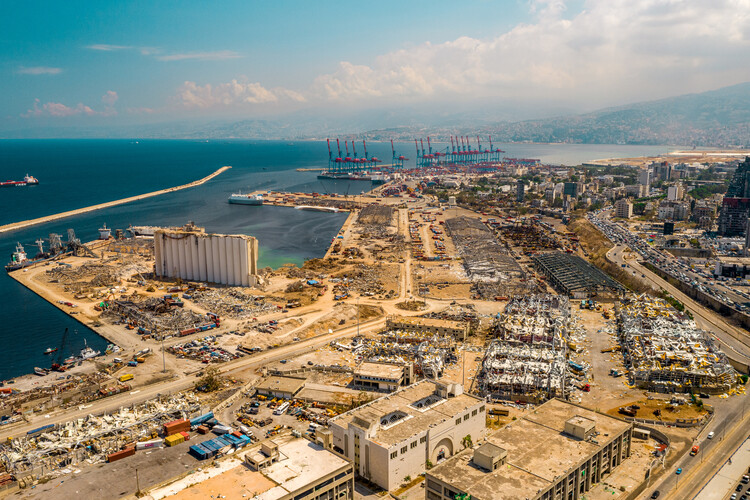
A blast destroyed 40% of the city of Beirut on August 4, 2020. Five years after the port explosions, the UNESCO Director-General visited Lebanon to assess the institution's work in the capital city. UNESCO's efforts have been based on the recognition that the explosion destroyed numerous buildings and historic neighborhoods that were home to a community of cultural professionals, leaving a void in the city's cultural landscape and economy. The organization mobilized international efforts to restore, reactivate, and safeguard Beirut's heritage buildings, schools, museums, and cultural institutions, seeking to provide a comprehensive response to protect the city's cultural fabric. During the visit in September, new restoration and reconstruction programs were announced, including the rehabilitation of the Mar Mikhael train station and Beirut's Grand Theatre, as well as support for cultural industries in Tyre and Baalbek.