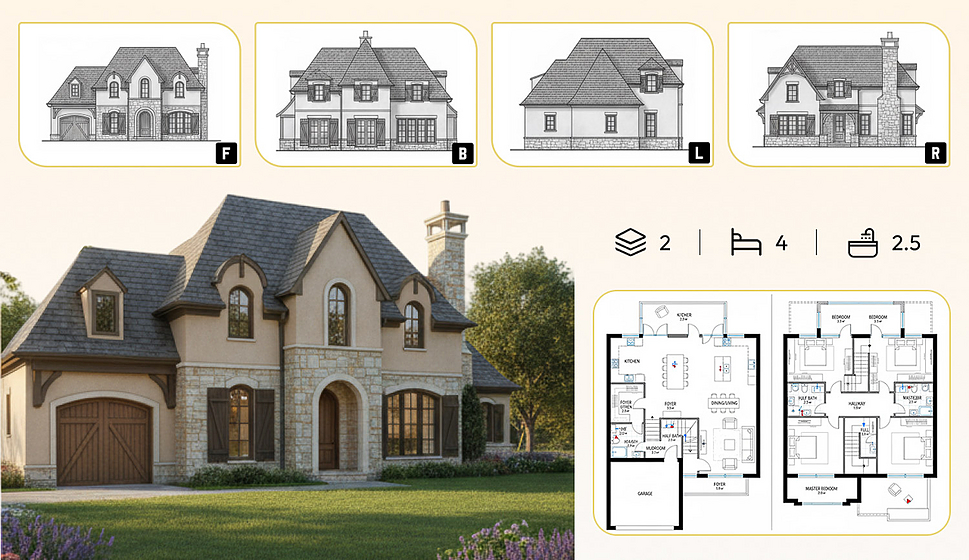
This guide covers a workflow that moves from project parameters to generated floor plans, 3D perspective views, exterior design exploration, and site context visualization, using AI tools in place of preliminary CAD and rendering work.
This guide covers a workflow that moves from project parameters to generated floor plans, 3D perspective views, exterior design exploration, and site context visualization, using AI tools in place of preliminary CAD and rendering work.

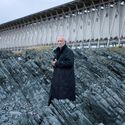
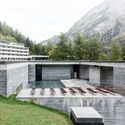
German filmmaker Wim Wenders is set to present "From Inside Out – The Architecture of Peter Zumthor," a new documentary examining the work and architectural approach of Pritzker Prize-winning architect Peter Zumthor. Running for 114 minutes, the film uses 3D cinematography to document Zumthor's buildings through the perspectives of visitors, users, inhabitants, and craftspeople. The documentary will have its world premiere in September 2026 as part of the Venice International Film Festival's Venice Open – Out of Competition program.

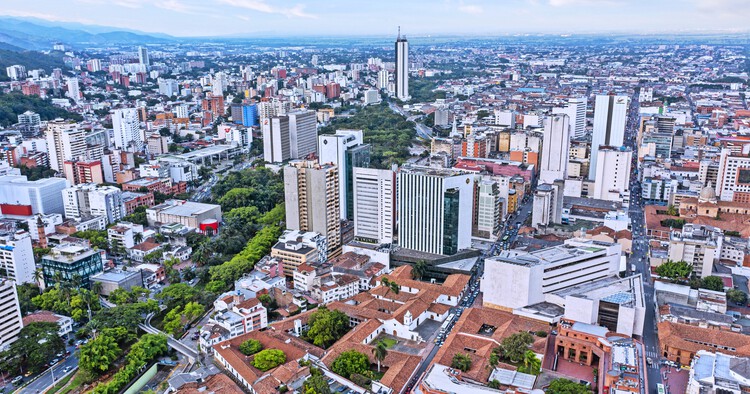
On Monday, 10 August 2026, a magnitude 7.4 earthquake struck Colombia's Pacific and Caribbean coasts. While the seismic event lightly affected the southern border of Panama and the northern border of Ecuador, Colombia has declared a national state of emergency. The earthquake has caused 111 deaths according to official reports, with the toll expected to rise as search and rescue efforts continue. According to the Servicio Geológico Colombiano (SGC), the epicentre was located 96 kilometres beneath the surface near San José del Palmar, a rural area in the northwest of the Chocó province. Infrastructure damage extends to densely populated cities including Cali, Pereira, Manizales, and Armenia, affecting an area with a population of about 3.5 million people. This seismic event follows four others that occurred less than two months ago in Japan, the United States, and Venezuela, adding to reconstruction efforts already underway worldwide.

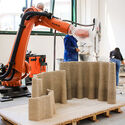
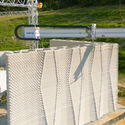
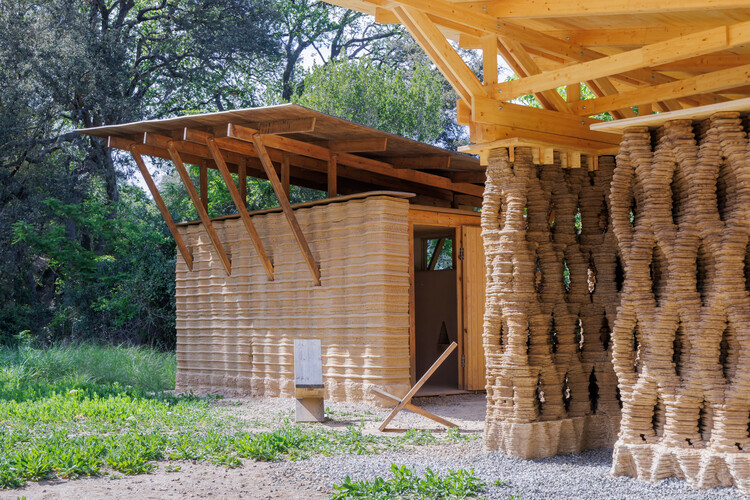
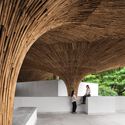
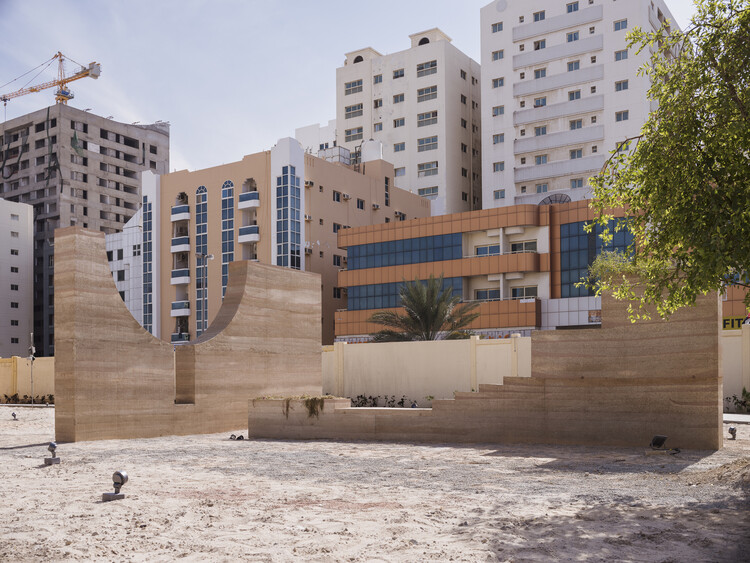
In 2021, a collaboration between the Italian architecture studio Mario Cucinella Architects and WASP, an Italian 3D-printing company, led to the development of TECLA: a house 3D-printed entirely from raw earth. Five years later, the technology behind it has grown, quietly spreading across several continents and design practices. By controlling the speed, angle, and path of the extruder nozzle, architects are able to create more than just walls. Throughout the years, they have been experimenting with how to shape the 3D-printed material into detailed surface motifs, reintroducing relief, texture, and intricate patterns directly into the structure. In this way, they are attempting to bridge earth-building traditions with digital computation, in an era where code is starting to influence form and material expression in architecture.

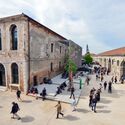
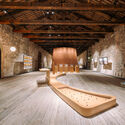
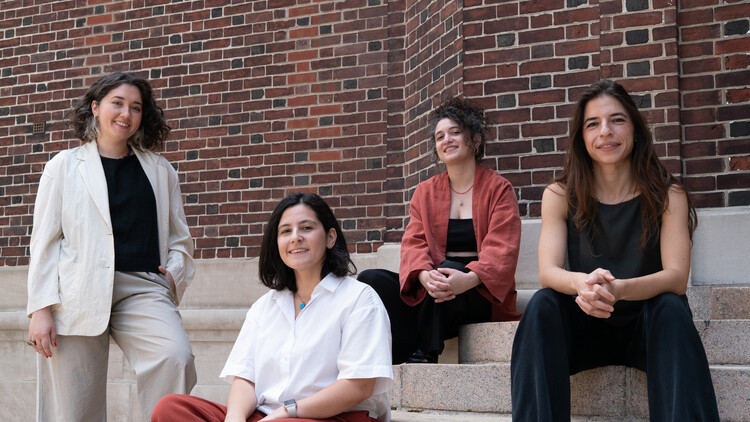
The Türkiye Pavilion has announced "Spolia Futures" as its official exhibition for the 20th International Architecture Exhibition of La Biennale di Venezia, which will take place from May 8 to November 21, 2027. Commissioned by the Istanbul Foundation for Culture and Arts (İKSV), the exhibition will be curated by ba-be commons, a research collective composed of Başak Eren, Asya Ece Uzmay, Beril Sarısakal Erkent, and Ece Yetim. The proposal was selected through an open call and two-stage evaluation process to represent Türkiye at the 2027 edition of the Venice Architecture Biennale. The proposal examines spolia, traditionally understood as the reuse of architectural elements, as an evolving architectural method rather than solely a historical practice.

Every year on August 9, and since 1994, UNESCO has commemorated the International Day of the World's Indigenous Peoples. The United Nations has not yet adopted an official definition for the term 'Indigenous peoples,' but considers, for social recognition, self-identified non-dominant groups of society, with distinct language, culture, and beliefs, organized in separate social, economic, and political systems. From a territorial perspective, the UN understands the term through historical continuity with pre-colonial or pre-settler societies, and the group's strong links to territories and surrounding natural resources. The persistence in maintaining and reproducing ancestral environments and systems is also recognized as an element of identity, encompassing other designations such as first peoples/nations, aboriginals, or ethnic groups. Following the occasion's aim to raise awareness, in this article we present contemporary reflections, regional cases, and interviews about ancestral constructive knowledge and how it can build the future.

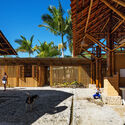
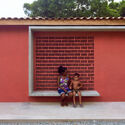
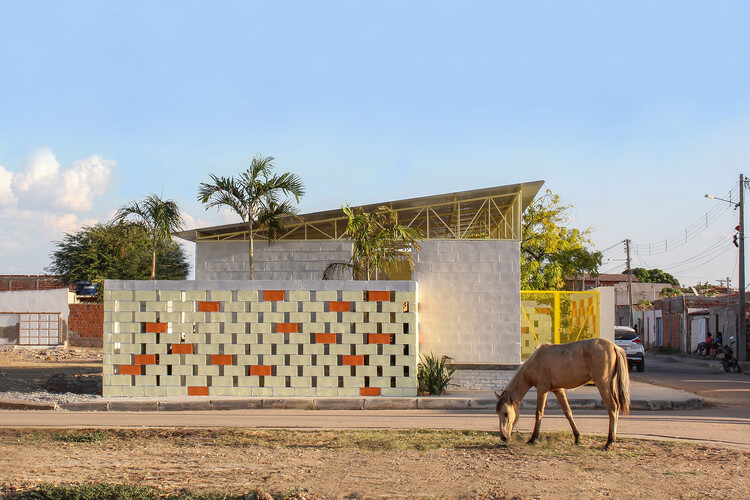
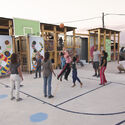
In 2021, the IBGE (Brazilian Institute of Geography and Statistics) released a survey regarding the number of cultural and social facilities in Brazil's cities. The findings were alarming: only 29.6% of Brazilian municipalities had cultural and social facilities such as museums, while theaters and concert halls were present in only 23.3% of cities. This overview speaks volumes about the scarcity of such spaces in Brazilian cities. In this context, when a women's cooperative in Maranhão or a volunteer group in Bahia decides to build their own cultural and community facility, the gesture not only fills a material gap but reclaims, on their own initiative, a right that should be guaranteed by public policy.

Architecture has long been understood as a discipline created by humans and for humans. But in We the Bacteria: Notes Toward Biotic Architecture, Beatriz Colomina and Mark Wigley challenge that assumption, arguing that "microbes invented architecture." From this premise unfolds an alternative history of architecture that shifts the focus away from human exceptionalism and toward the microorganisms that have shaped life, environments, and the built world for billions of years.
The book explores the idea that architecture cannot be understood separately from the microbial worlds that shape it, suggesting that "architecture inhabits humans just as much as humans inhabit architecture." Rather than inert objects, buildings emerge as dynamic ecosystems that Colomina and Wigley go as far as describing as "an expanded gut shared with others," where microbes, materials, people, and countless other forms of life continuously coexist, exchange, and evolve.

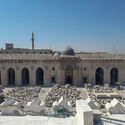
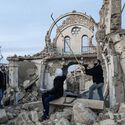
A war can erase a skyline overnight. Roofs collapse, streets become impassable, and landmarks that once oriented everyday life are reduced to rubble. The most profound loss often remains invisible. Buildings can be surveyed, photographed, scanned, and, eventually, rebuilt. The knowledge that produced them is far more fragile. It survives in the hands of stonemasons who understand how a limestone vault carries its load, carpenters who know how timber joints respond to seasonal movement, plasterers who mix lime by memory rather than measurement, and residents whose everyday rituals keep these buildings in use. When these people are displaced, killed, or forced to abandon their trades, reconstruction inherits a problem that no drawing or digital model can solve. Stone can always be quarried again. Recovering the knowledge to shape it takes much longer.
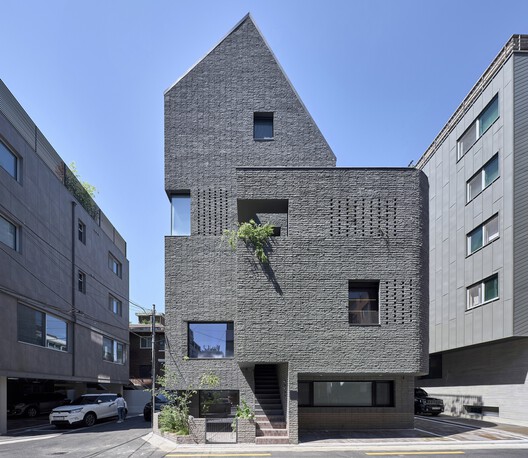
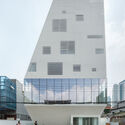
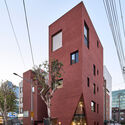
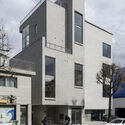
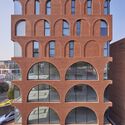
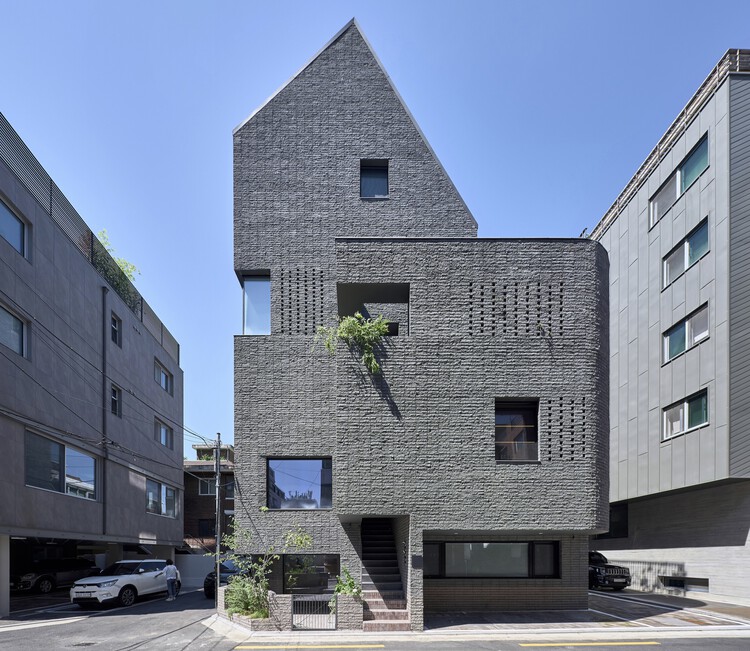
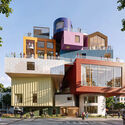
With over 80% of its population living in urban centers and a national density exceeding 500 people per square kilometer — soaring to over 15,000 in Seoul — South Korea faces intense competition for usable land. In response, contemporary Korean architecture offers compelling examples of mixed-use interventions that negotiate tight urban lots to blend public engagement with high-efficiency utility. By vertically stacking distinct programs, integrating public art centers, corporate headquarters, and commercial hubs alongside residential and other functions, these multi-layered developments transform spatial constraints into dynamic urban interfaces.

Buildner has announced the results of its fourth annual Home of Shadows international architecture ideas competition. The competition series is designed to focus on the vital interplay between light and shadow in creating functional and inviting living spaces. It highlights the importance of natural light in home design, essential for creating comfortable, inviting, and practical environments.
Light is viewed as a language through which architects communicate emotions in their designs, with shadows playing an equally significant role in influencing the ambiance of a space. The balance between light and shadow allows for the creation of spaces with depth and texture, setting different moods for various purposes. Often, this balance can be achieved through the strategic placement of windows and doors.

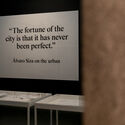
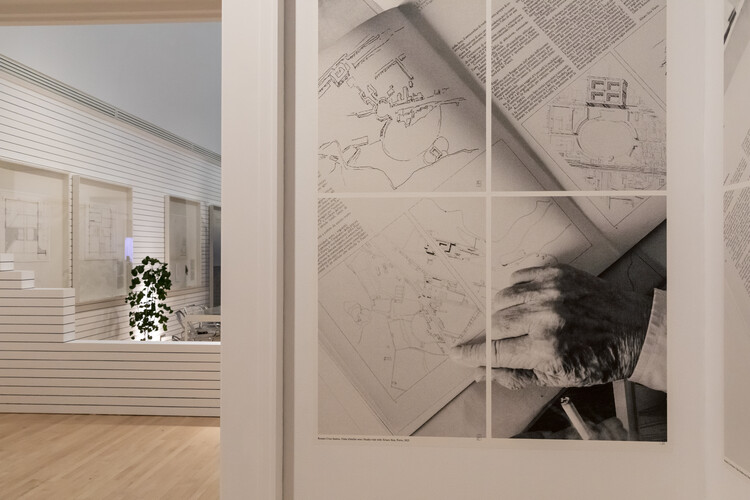
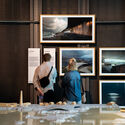
The Canadian Centre for Architecture (CCA) is presenting "The fortune of the city is that it has never been perfect," an exhibition dedicated to the urban work of Portuguese architect Álvaro Siza. On view in the institution's Main Galleries from May 21, 2026, to January 10, 2027, the exhibition examines Siza's approach to city-making through a selection of projects that engage with the historical, social, and physical conditions of existing urban environments.
Curated by Giovanna Borasi with Laura Aparicio Llorente as curatorial assistant, the exhibition explores how Siza's architectural practice extends beyond the design of individual buildings to encompass neighborhoods, public spaces, and broader urban structures. Rather than presenting the city as a fixed or idealized condition, the exhibition focuses on Siza's method of working with existing contexts, considering history, topography, infrastructure, and everyday life as fundamental components of the design process. Through this perspective, the exhibition reflects on questions surrounding urban transformation, the continuity of the built environment, and the relationship between architecture and planning.

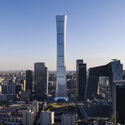
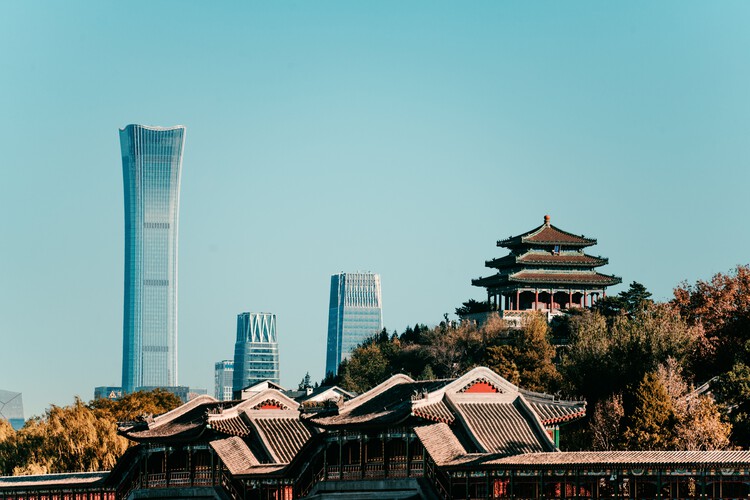
UNESCO-UIA World Capital of Architecture is a title created jointly by UNESCO and the International Union of Architects (UIA). On 5 August 2026, Beijing was named World Capital of Architecture for 2029, a title awarded every three years to a city that hosts a year of architecture-focused programming timed to coincide with the UIA World Congress of Architects. The designation was made upon the recommendation of the Joint Committee for the World Capital of Architecture, chaired by architect Dominique Perrault. It follows the recent conclusion of the UIA World Congress of Architects 2026 in Barcelona, current World Capital of Architecture, and builds on the experience of Rio de Janeiro and Copenhagen.

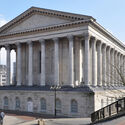
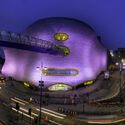
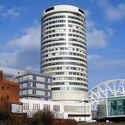
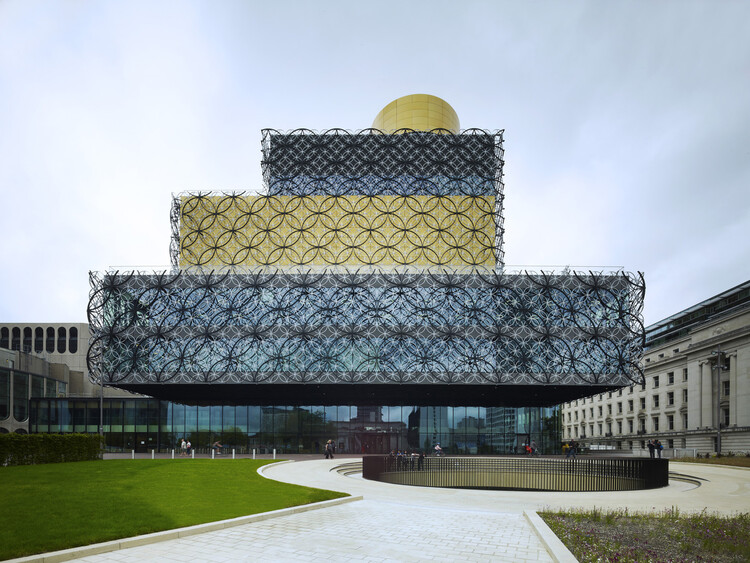
The architecture of Birmingham reflects the city's history as one of the first industrial centers of England. The wealth generated in the city and the surrounding region led to the grandeur of the Victorian era in the nineteenth century. Heavy bombardment during the Second World War caused widespread destruction. This was followed by rapid reconstruction in the 1950s-70s, introducing rational modernism and brutalist ambition, which characterizes large parts of the city center today. A few decades later, erasure returned to Birmingham, with reconsideration of some of the decisions of the mid-twentieth century. Famously, the Bullring Centre and the Birmingham Library were torn down to make way for twenty-first-century redevelopments, adding new layers of richness to the city's built environment.

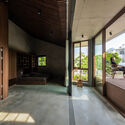
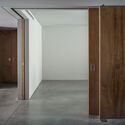
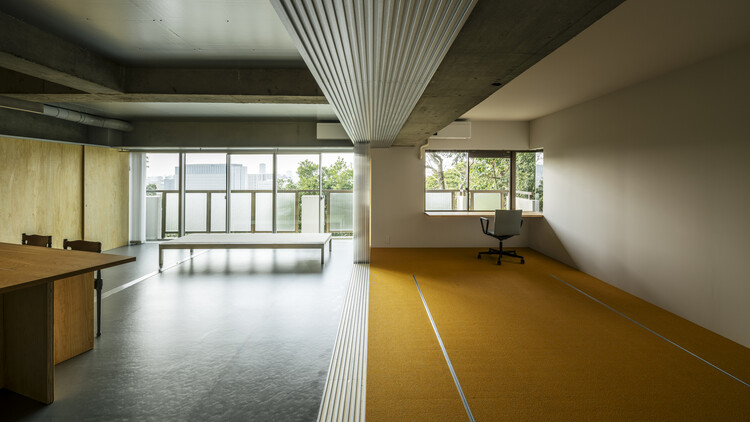
Sliding doors are often discussed through efficiency. They save the swing radius of a conventional door, allow compact rooms to function more easily, and help small apartments borrow a few extra centimeters of usable space. Yet in many interiors, their more interesting role is not only spatial economy. Sliding partitions transform the reading of the room itself. A bedroom, study, guest room, dining area, or workspace can appear when a panel is closed, disappear when it is opened, and remain ambiguous when the boundary is translucent or partial.
This makes the sliding partition especially useful in domestic contexts shaped by density, changing family structures, hybrid work, and climatic negotiation typical of regions like East and Southeast Asia. It allows privacy without permanence, enclosure without full separation, and openness without the loss of control. Unlike the fixed wall, it does not insist that a room has only one identity. Instead, it allows domestic space to respond to time: day and night, guests and family, work and rest, exposure and retreat.

This week, architecture's relationship with culture took center stage through exhibitions, public projects, and new cultural infrastructure that extend architectural discourse beyond the building itself. While major exhibitions from Australia, Shanghai, Barcelona, and Copenhagen examined themes of housing, landscape, and place through research and design, newly unveiled projects in China and Italy demonstrate how museums, performance venues, and mixed-use projects are increasingly conceived as open public landscapes rather than isolated institutions, while new exhibitions and construction milestones reflect ongoing experimentation in adaptive reuse, context-responsive design, and flexible urban environments.

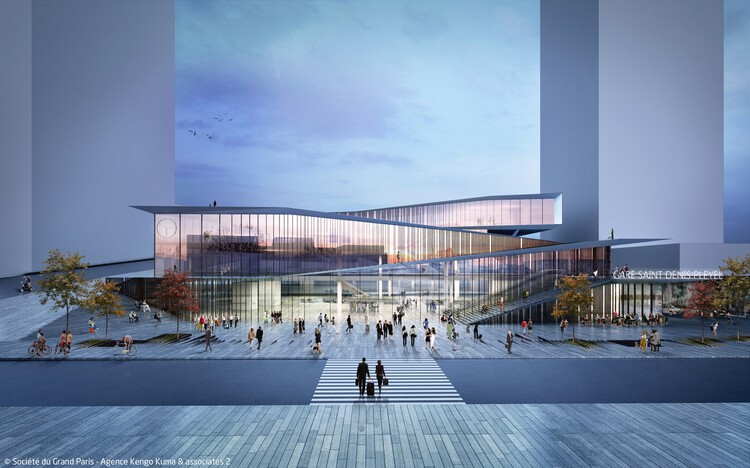
The Grand Paris Express project consists of 200 kilometers of new, fully automated metro lines, 68 new stations, and four new orbital lines (15, 16, 17, and 18), in addition to the extension of Line 14. The network is being delivered in phases between 2024 and 2031: Line 14's 8 stations are fully operational following its 2024 extension, Line 18 is the most advanced of the new lines, with testing underway ahead of its first opening, and civil engineering is largely complete on many sections, with tracks, systems, architectural fit-out, and testing now progressing station by station. Each of the 68 stations is assigned to a specific architect or architectural team, sometimes in collaboration with landscape architects for above-ground elements.

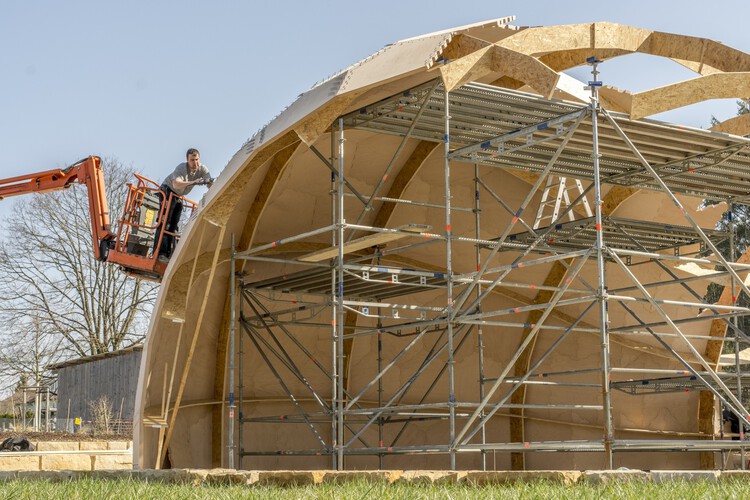
In 1968, the furniture designer and RCA professor David Pye published The Nature and Art of Workmanship, a book built around a distinction between "workmanship of risk" and the "workmanship of certainty." Pye was not writing about architecture, and despite how the phrase gets used today, he was not really writing about hands versus machines either. He pointed out that a printing press, entirely mechanical, still depends on someone judging the ink and the register, while a woodturner working a lathe by hand can follow a template closely enough that almost nothing is left to chance.
Workmanship of risk, in Pye's definition, is any process where the outcome is not fixed in advance but depends on the judgment, dexterity, and attention the maker exercises while the work is still underway. Workmanship of certainty is the opposite condition, as the result is settled before production begins, locked into a jig, a mold, or a program, so that everything downstream is execution. Pye was careful to note that neither mode is inherently superior and that a numerically controlled machine, calibrated to leave room for drift, can sit closer to risk than a hand tool run to a fixed template.

As pillars of our cultural landscape, many masterpieces of the Modern Movement are often demolished, abandoned, or altered regardless of the context in which they are located. Preserving this architectural legacy highlights the role of architecture and design professionals in shaping built environments where continuity between the past and the present reinforces communities' sense of place. On Long Island, a coalition of advocates came together to save the A. Conger Goodyear House, which dates to 1938 and was designed by Edward Durell Stone. Considered one of the notable examples of the International Style in the United States, the house attracted significant attention throughout the 1940s, appearing in specialized journals, books, and popular publications.

Buildner has announced the results of its third edition Architect's Stair international architecture ideas competition. The event invited designers to reflect on one of architecture's oldest and most symbolic elements: the stair. Beyond its functional role as a connector of levels, the stair was positioned here as a medium of architectural storytelling—an invitation to explore ideas of procession, sequence, space, and form.

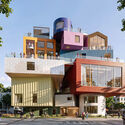
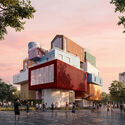
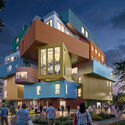
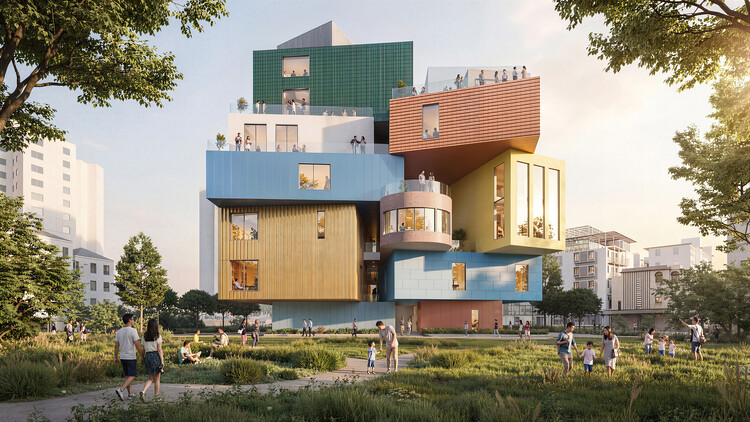
Designed by MVRDV, Bihailou Art Village is a mixed-use cultural and commercial centre currently under construction in Shenzhen, China. Located in the Shatoujiao neighborhood near the Hong Kong border, the mixed-use project combines cultural, commercial, and public programs within a vertically stacked composition derived from the firm's "Vertical Village" concept. Designed to accommodate independently operating venues while maintaining publicly accessible circulation, the development reinterprets the scale and spatial character of the surrounding urban fabric through a series of distinct volumes.

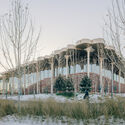
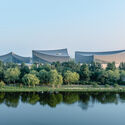
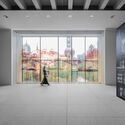
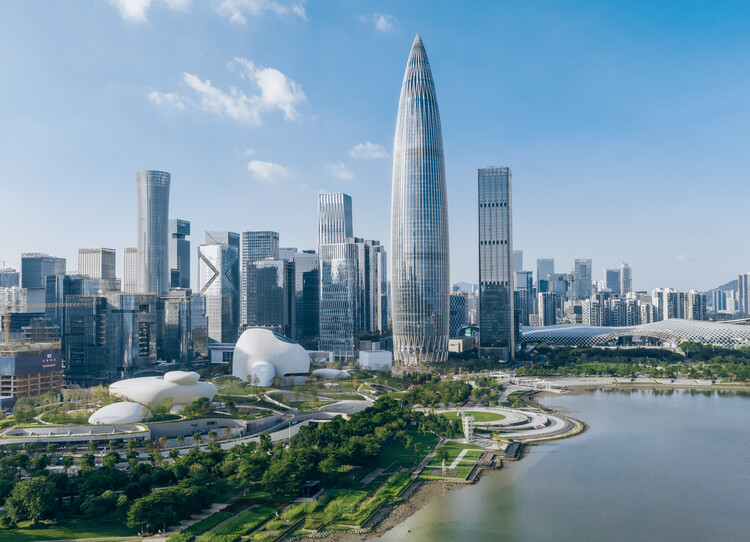
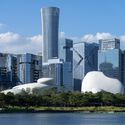
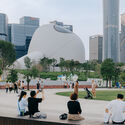
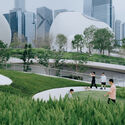
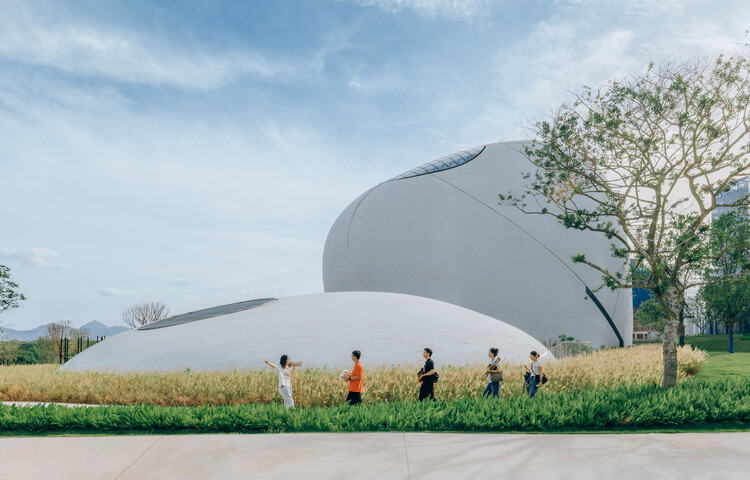
MAD / Ma Yansong's Shenzhen Bay Culture Square exhibition hall and park project began in 2018, with the project completed in 2020. The 188,000 m² building sits on a site area of approximately 51,000 m² along the city's waterfront, at the heart of Houhai, Nanshan District, the headquarters hub of Shenzhen's Greater Bay Area. The masterplan for the site, which includes the Creative Design Hall, the Shenzhen Science and Technology Museum, and a vast public green space, was announced by MAD in 2020 and was expected to be completed in 2023. After eight years, the project, led by Ma Yansong, Dang Qun, and Yosuke Hayano, is now complete and is intended to serve as a cultural facility for design and cultural exchange.

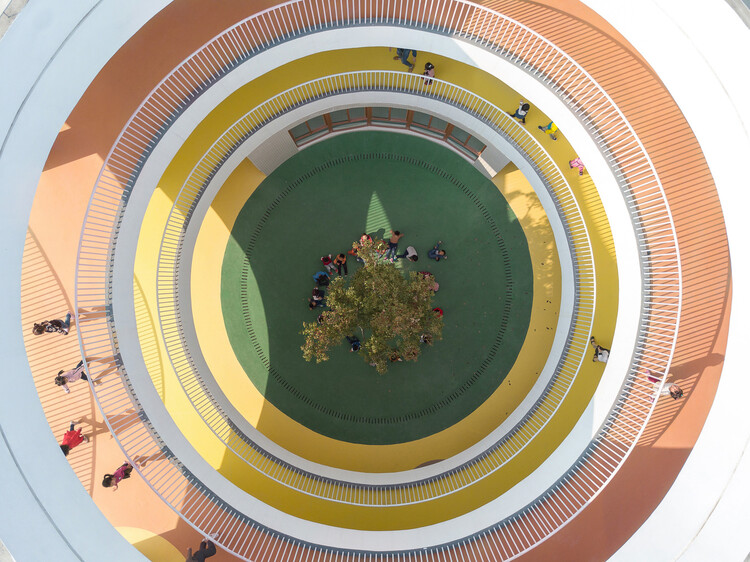
The center of a plan is never simply empty space. Once rooms and routes begin to organize around it, the center starts to structure the entire plan. It may contain a courtyard, a stair, a garden, or a shared room. It can also preserve something already present on the site or support a process that architecture does not fully control. What occupies this position determines how the surrounding spaces are arranged, connected, and used.
In A Pattern Language, Christopher Alexander, Sara Ishikawa, and Murray Silverstein describe shared spaces as most effective when they sit at the center of gravity of everyday life and remain connected to the routes people use most. Their argument suggests that a center matters not because it occupies the geometric middle, but because the surrounding rooms, paths, and activities give it spatial weight. The projects included here extend that idea beyond communal space, showing how the center can organize circulation, collective use, environmental systems, and the relationship between architecture and what already exists on the site.

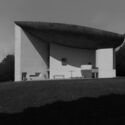
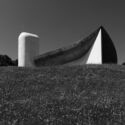
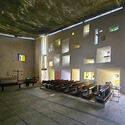
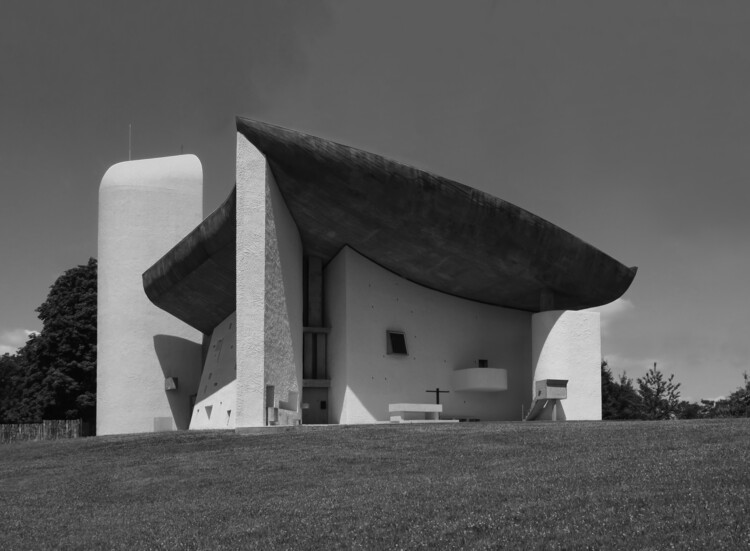
Photographer Paul Clemence has unveiled a new photo series documenting Le Corbusier's Notre Dame du Haut in Ronchamp, France. The collection revisits one of the 20th century's most influential works of religious architecture through an exploration of light, materiality, and atmosphere, highlighting the sculptural qualities of the chapel and the changing relationship between its concrete surfaces and natural illumination. Combining black-and-white exterior photographs with color interior images, the series presents a new documentation of a building that continues to shape architectural discourse more than seven decades after its completion.

The idea of a "Great Green Wall" designates a large-scale reforestation initiative undertaken specifically to halt desertification. Currently underway in Africa to prevent the advancement of the Sahara Desert and in China around the Gobi Desert, it is a landscape, agriculture, economic, and social development project in reaction to the rise of global temperatures, over-farming, and unsuitable land management. Both projects, currently underway, are intersectional initiatives involving governments from different countries, civil society organisations, and both individual volunteers and organised groups, guided by the idea of a unified response to global environmental issues through wildlife restoration. It is a large-scale, infrastructural application of a 'green' or 'wildlife corridor': a linear strip of vegetation or natural landscape that connects fragmented ecosystems and wildlife populations separated by human development on a continental scale.