Architect, researcher, and editor based in Istanbul with a master’s degree in Alternative Architectural Practices. Pursuing a second bachelor’s degree in Sociology to further explore the evolving relationship between cities and their inhabitants.
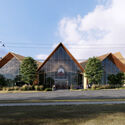
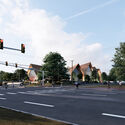
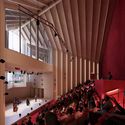
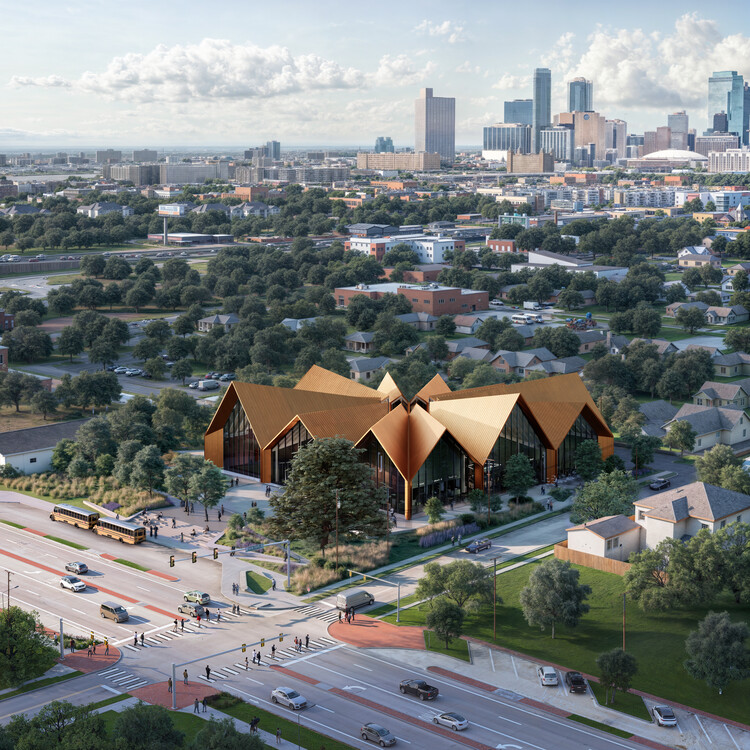
Bjarke Ingels Group (BIG) has unveiled new images of the National Juneteenth Museum, offering a closer look at the design of the 72,000-square-foot institution planned for Fort Worth, Texas. Designed in collaboration with Alligood Song Architecture and architect of record KAI Enterprises, the project is scheduled to begin construction in fall 2026 and will serve as a national center dedicated to preserving the history and legacy of Juneteenth. Led by activist Dr. Opal Lee, widely recognized as the "Grandmother of Juneteenth," the museum combines exhibition spaces with community-oriented programs intended to support both cultural preservation and neighborhood revitalization.
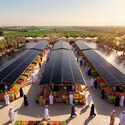
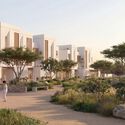
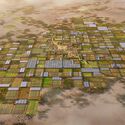
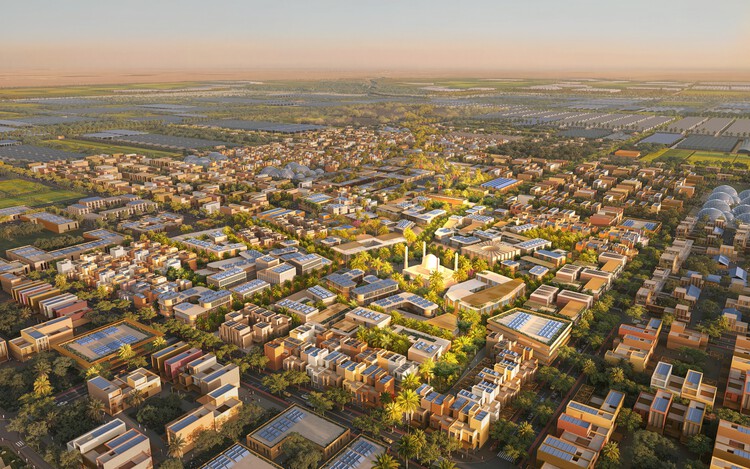
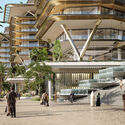
Foster + Partners, in collaboration with Dar Al-Handasah, has revealed the master plan for Al Najd Agricultural City in Dhofar, southern Oman. Covering approximately 54 million square feet, the development is conceived as a self-sustaining agricultural and urban settlement designed to respond to the region's environmental conditions and agricultural landscape. Commissioned by the Ministry of Housing and Urban Planning and the Ministry of Agriculture, Fisheries, and Water Resources, the project forms part of the objectives outlined in Oman Vision 2040, which seeks to strengthen food security, diversify the national economy, and support sustainable development initiatives.
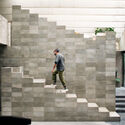
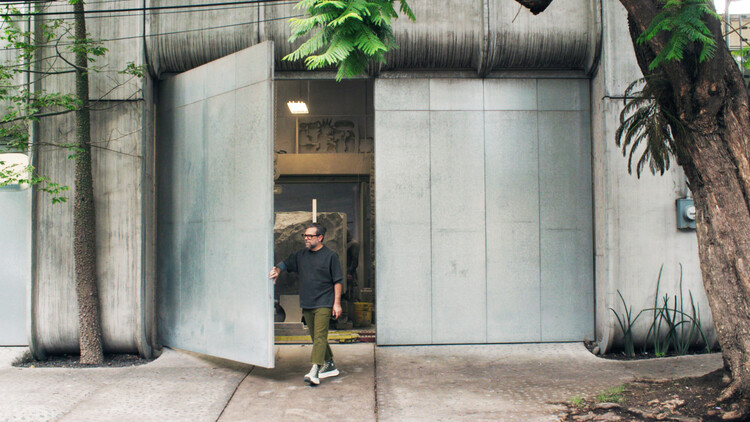
Mexican sculptor Pedro Reyes has developed a multidisciplinary practice that spans sculpture, architecture, social engagement, and activism. Trained as an architect, Reyes approaches sculpture as both a material and a collective process, combining traditional stone carving with participatory projects that address contemporary social issues. His work frequently explores transformation, whether through physical materials or community action, positioning sculpture as a tool for reimagining social realities. In a 2025 interview with Louisiana Channel, Reyes discusses the influence of architecture on his artistic practice, the concept of "social sculpture," and the importance of preserving craft traditions in an increasingly automated world.
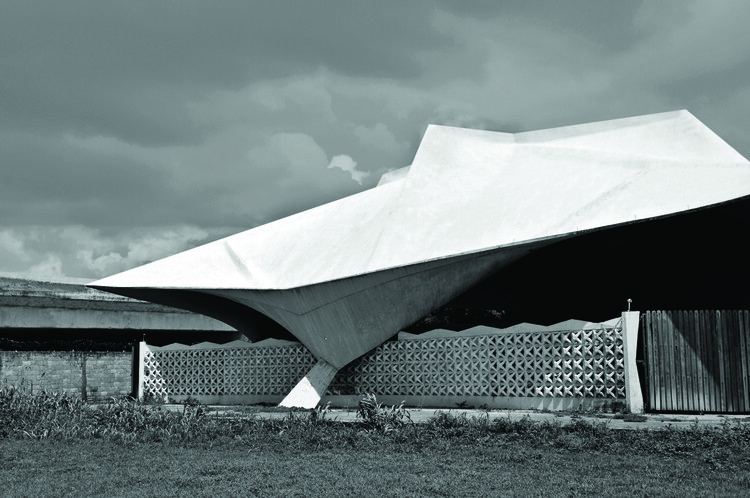
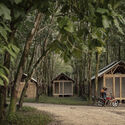
Alex Martínez Suárez, “View of Erwin Cott and Manuel Salvador Gautier, Capilla del Hogar Escuela Salesiana de Haina, Santo Domingo, República Dominicana, built 1965,” 2013. From the 2026 grant to Alex Martínez Suárez for the publication “Concrete under the Sun: Brutalism in the Dominican Republic”. Image Courtesy of Alex Martínez Suárez
The Graham Foundation has announced the recipients of its 2026 Grants to Individuals program, awarding a total of $506,000 to 54 projects that investigate architecture through exhibitions, films, publications, and research initiatives. Selected from more than 600 submissions to the Foundation's September 2025 application cycle, the grants support work by 86 architects, artists, curators, designers, filmmakers, historians, scholars, and writers, reflecting a broad range of interdisciplinary approaches to the built environment and its cultural, social, and political dimensions.
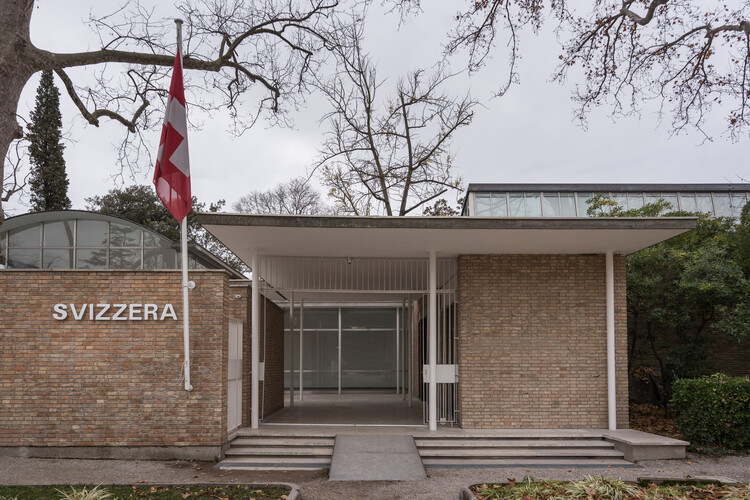
Architect and urbanist Paola Viganò has been selected by Pro Helvetia to curate the Swiss Pavilion at the 20th International Architecture Exhibition – La Biennale di Venezia. Chosen following a unanimous recommendation from the selection jury, Viganò's proposal explores water as a territorial, ecological, and political condition, taking Switzerland's role as "Europe's water tower" as its conceptual point of departure. Developed with StudioPaolaViganò and an interdisciplinary team, the project examines water not only as a resource but also as a subject, a legal entity, and a force that shapes landscapes, infrastructures, and the built environment.
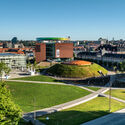
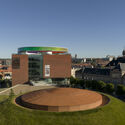
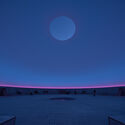
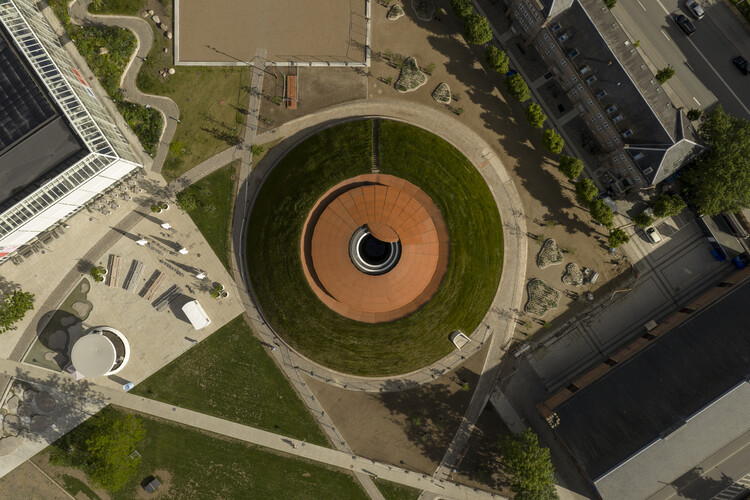
Denmark's ARoS AarhusArt Museum has unveiled As Seen Below – The Dome, a new Skyspace by American artist James Turrell that completes The Next Level, the museum's approximately 4,000-square-metre underground expansion designed by Schmidt Hammer Lassen. Opened to the public on 19 June 2026, the project marks the culmination of more than two decades of collaboration between the City of Aarhus, ARoS, and the Danish architecture practice, following the completion of the museum building in 2004 and the addition of Olafur Eliasson's Your Rainbow Panorama in 2011. Located beneath the redesigned Musikhusparken in central Aarhus, the installation forms the centerpiece of the museum's latest expansion and adds a new large-scale work by Turrell to its collection.
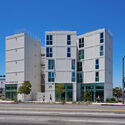
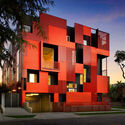
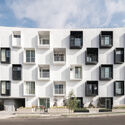
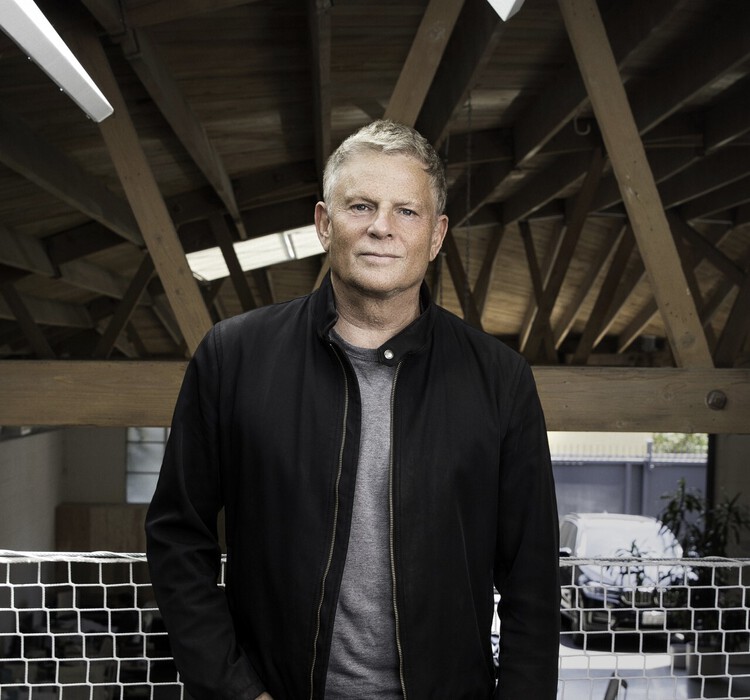
Lorcan O'Herlihy, the Irish-born architect, educator, and founder of Los Angeles-based Lorcan O'Herlihy Architects (LOHA), has died at the age of 66. His death was confirmed by the firm on June 14, 2026. Over a career spanning more than three decades, O'Herlihy became known for advancing an architectural practice centered on housing, urbanism, and social engagement, helping shape conversations around density, affordability, and the civic role of design in contemporary cities.
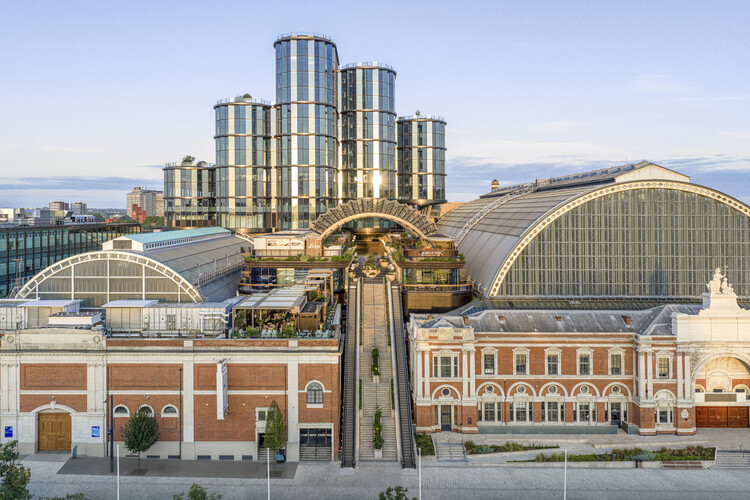
Heatherwick Studio and SPPARC have unveiled the first phase of the transformation of Olympia, a historic exhibition complex in West London, into a mixed-use cultural destination. Originally opened in 1886, the Victorian landmark is undergoing a large-scale redevelopment that aims to reconnect the 14-acre site with the surrounding city through new public spaces, cultural venues, hospitality programs, and commercial facilities. The opening is marked by the completion of a new public canopy, which introduces elevated pedestrian circulation and serves as a gateway into the broader master plan while framing new views across Olympia's historic roofscape. The intervention forms part of a broader master plan that will be implemented through 2026 and 2027.
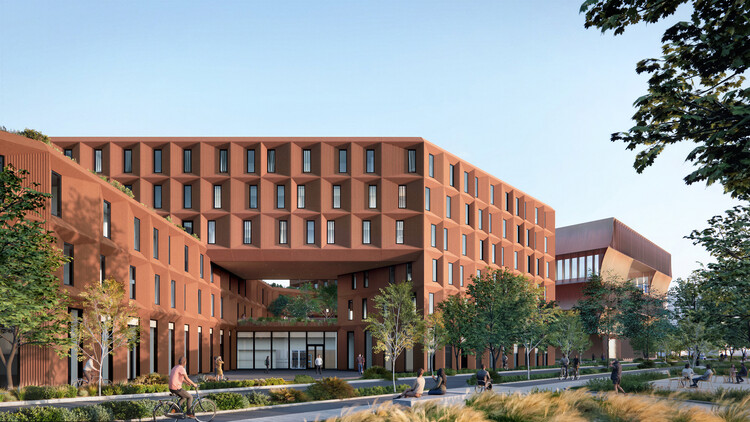
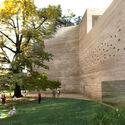
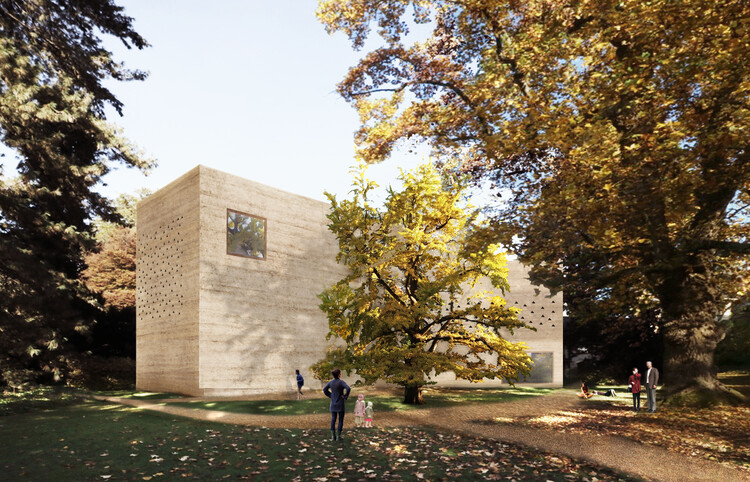
The extension project of the Fondation Beyeler with Atelier Peter Zumthor New museum building, view from Iselin-Weber Park. Image Courtesy of Atelier Peter Zumthor
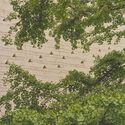
The Fondation Beyeler in Riehen, near Basel, will begin opening its expanded campus to the public this autumn, with the full ensemble set to be accessible in January 2027. The project brings together the museum building designed by Renzo Piano Building Workshop and opened in 1997 with a series of new additions by Peter Zumthor, as well as several repurposed historic structures. Through the expansion, the institution increases its exhibition capacity while extending its grounds to include a larger public landscape. The development represents a new phase for the Fondation Beyeler, building on its focus on the relationship between art, architecture, and nature.
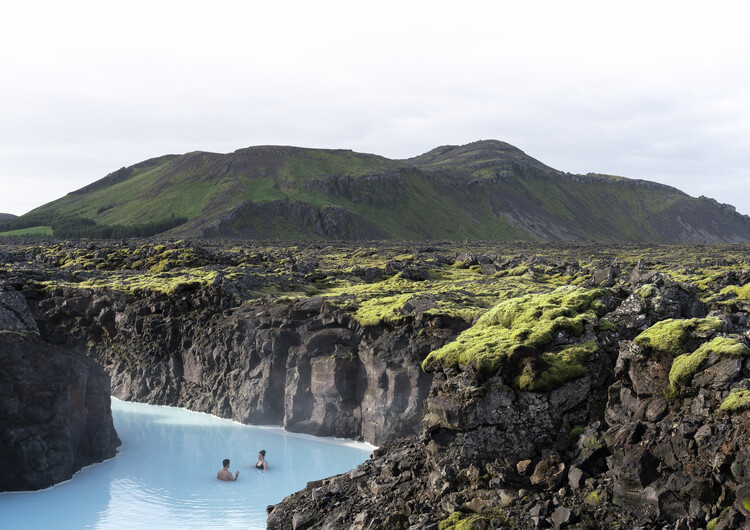
The Icelandic Pavilion at the 20th International Architecture Exhibition – La Biennale di Venezia will present SOAK: Rituals of Collective Belonging, an exhibition examining Iceland's bathing culture through the lens of architecture, public space, and social interaction. Commissioned by Halla Helgadóttir, Iceland Design and Architecture, the project is curated by Marcos Zotes, partner at Basalt Architects, and developed through a multidisciplinary collaboration between Basalt Architects, design studio Gagarin, and artist Rán Flygenring. SOAK marks the second Icelandic participation in the Architecture Biennale selected through an open call process, following Lavaforming by s.ap architects, which represented Iceland at the 2025 edition.
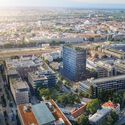
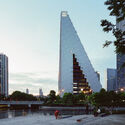
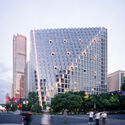
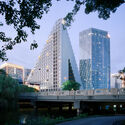
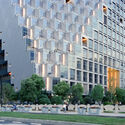
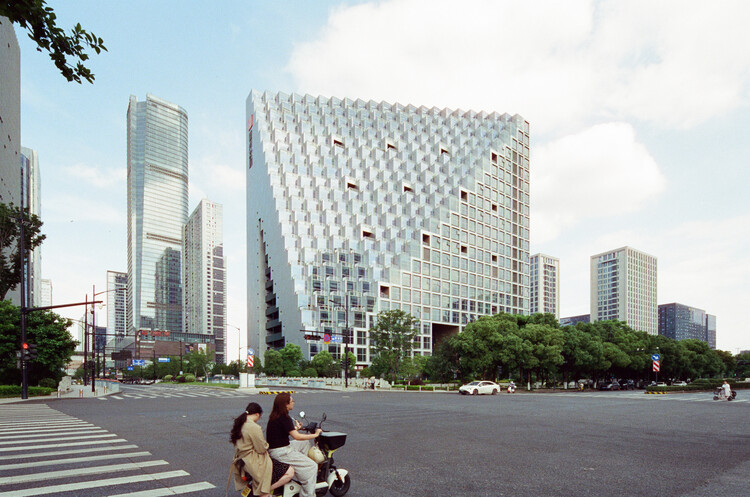
OMA has completed the Hangzhou Prism, a large-scale mixed-use development in Hangzhou's Future Tech City district, China, following a design and development process that began in 2016. Commissioned by Xinhu Real Estate Group and led by OMA Partner Chris van Duijn, with Michael Hadjistyllis serving as project architect, the project combines residential units, a hotel, offices, commercial spaces, and public amenities within a single building volume. Marking OMA's first completed project in Hangzhou, the development occupies a central site within one of the city's emerging innovation and business districts.
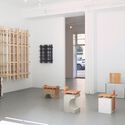
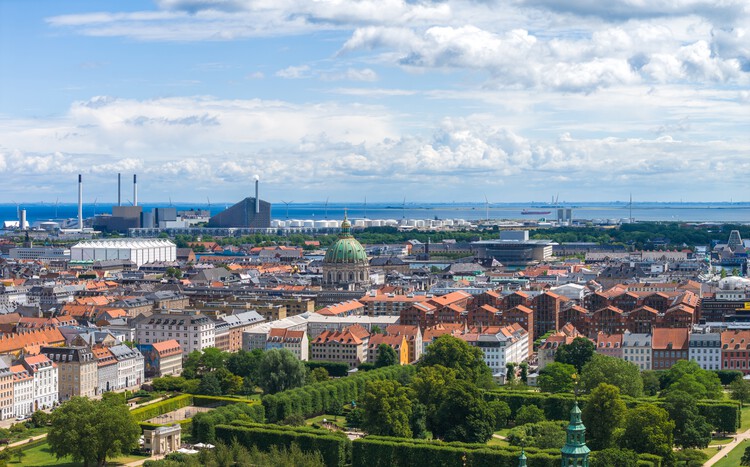
From June 10-12, 2026, 3daysofdesign returns to Copenhagen with a city-wide program of exhibitions, installations, talks, and showroom presentations organized around the theme "Make This Moment Matter." Taking place across eight Design Districts throughout the Danish capital, this year's festival brings together design brands, cultural institutions, studios, and practitioners to explore contemporary questions shaping design and the built environment. As part of the program, Cobe and ArchDaily will host the public launch of a guest-edited edition of Cobe Notes, under the theme Thresholds, at the Cobe Bookcafé, Nordhavn on June 10.
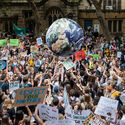
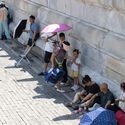
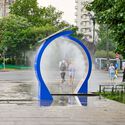
As Europe experiences one of its earliest and most intense heatwaves in recent years, World Environment Day 2026 arrives amid renewed discussions about climate adaptation, urban resilience, and the capacity of cities to respond to increasingly extreme temperatures. Across Portugal, France, Italy, Spain, Germany, Switzerland, Ireland, and the United Kingdom, temperatures have surged well above seasonal averages, prompting heat alerts, school closures, emergency planning measures, and growing concerns about the performance of buildings and public infrastructure under prolonged heat stress. The convergence of these highlights a reality that is becoming increasingly worldwide: climate change is no longer solely an environmental concern but an issue that is fundamentally reshaping the spaces where people live, work, and gather.
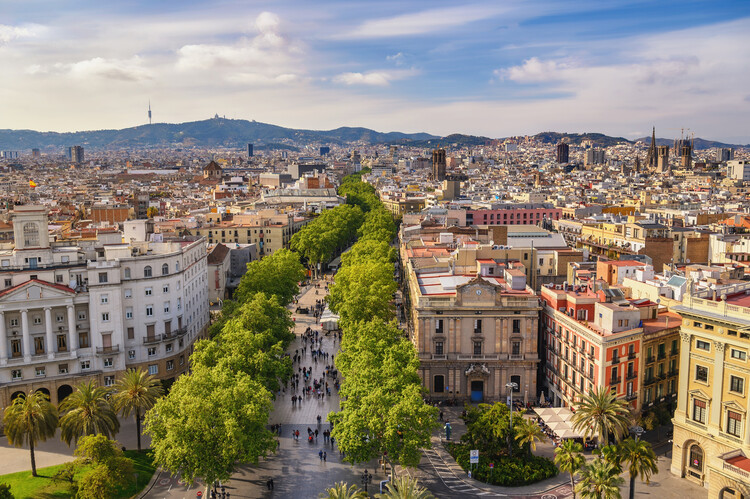
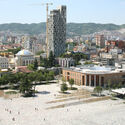
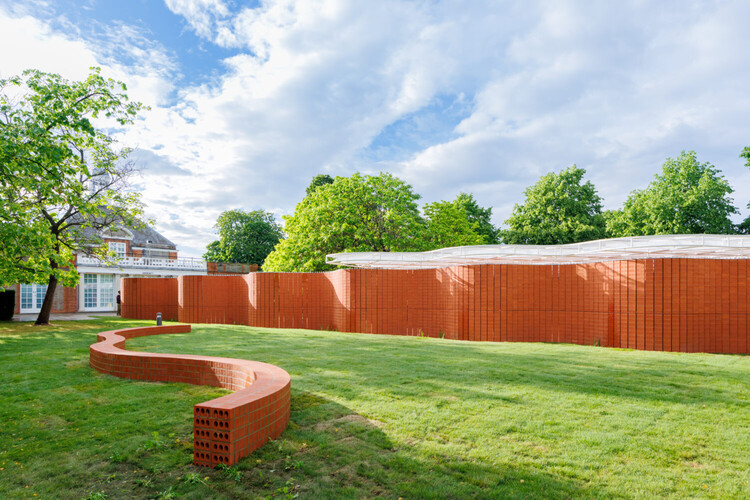
This week, architecture's cultural dimension took center stage through a series of new platforms, institutional developments, and public-facing projects that expand how the discipline is discussed, preserved, and experienced. From the announcement of participants for the inaugural Pan-African Biennale in Nairobi and the unveiling of Concéntrico Festival's urban interventions across Logroño, to the opening of La Biennale di Venezia's new archival headquarters at the Arsenale, architecture emerged as a vehicle for research, exchange, and collective reflection. Alongside these initiatives, projects such as the expansion of Crystal Bridges Museum in Arkansas and the opening of the 2026 Serpentine Pavilion demonstrate how cultural institutions continue to invest in new spaces for gathering and engagement. This week's selection spans Kenya, Spain, Albania, Saudi Arabia, Italy, Lebanon, the United Kingdom, and the United States, reflecting the diverse contexts in which cultural institutions, public events, and architectural initiatives continue to evolve.