Architect, researcher, and editor based in Istanbul with a master’s degree in Alternative Architectural Practices. Pursuing a second bachelor’s degree in Sociology to further explore the evolving relationship between cities and their inhabitants.
From June 10-12, 2026, 3daysofdesign returns to Copenhagen with a city-wide program of exhibitions, installations, talks, and showroom presentations organized around the theme "Make This Moment Matter." Taking place across eight Design Districts throughout the Danish capital, this year's festival brings together design brands, cultural institutions, studios, and practitioners to explore contemporary questions shaping design and the built environment. As part of the program, Cobe and ArchDaily will host the public launch of a guest-edited edition of Cobe Notes, under the theme Thresholds, at the Cobe Bookcafé, Nordhavn on June 10.
As Europe experiences one of its earliest and most intense heatwaves in recent years, World Environment Day 2026 arrives amid renewed discussions about climate adaptation, urban resilience, and the capacity of cities to respond to increasingly extreme temperatures. Across Portugal, France, Italy, Spain, Germany, Switzerland, Ireland, and the United Kingdom, temperatures have surged well above seasonal averages, prompting heat alerts, school closures, emergency planning measures, and growing concerns about the performance of buildings and public infrastructure under prolonged heat stress. The convergence of these highlights a reality that is becoming increasingly worldwide: climate change is no longer solely an environmental concern but an issue that is fundamentally reshaping the spaces where people live, work, and gather.
This week, architecture's cultural dimension took center stage through a series of new platforms, institutional developments, and public-facing projects that expand how the discipline is discussed, preserved, and experienced. From the announcement of participants for the inaugural Pan-African Biennale in Nairobi and the unveiling of Concéntrico Festival's urban interventions across Logroño, to the opening of La Biennale di Venezia's new archival headquarters at the Arsenale, architecture emerged as a vehicle for research, exchange, and collective reflection. Alongside these initiatives, projects such as the expansion of Crystal Bridges Museum in Arkansas and the opening of the 2026 Serpentine Pavilion demonstrate how cultural institutions continue to invest in new spaces for gathering and engagement. This week's selection spans Kenya, Spain, Albania, Saudi Arabia, Italy, Lebanon, the United Kingdom, and the United States, reflecting the diverse contexts in which cultural institutions, public events, and architectural initiatives continue to evolve.
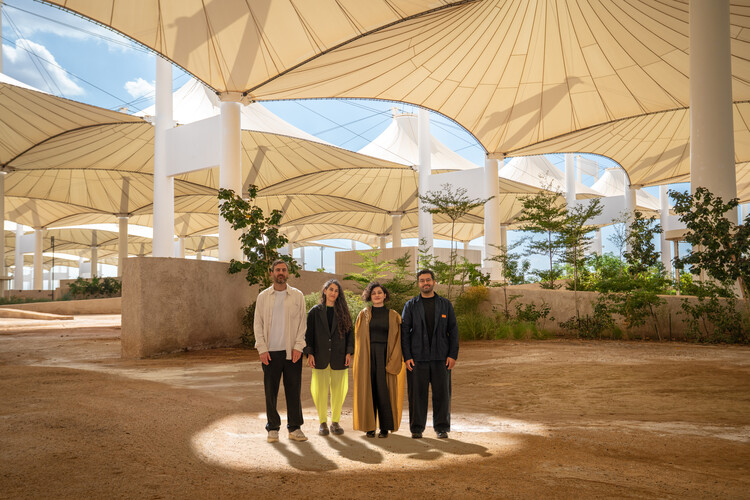
AlMusalla Prize 2027 - Group portrait, from left to right_ Jessam Al-Jawad (Al-Jawad Pike), Zeina Koreitem (MILLIØNS), Meriem Chabani (New South), Ali Ismail Karimi (Civil Architecture). Image Courtesy of Diriyah Biennale Foundation
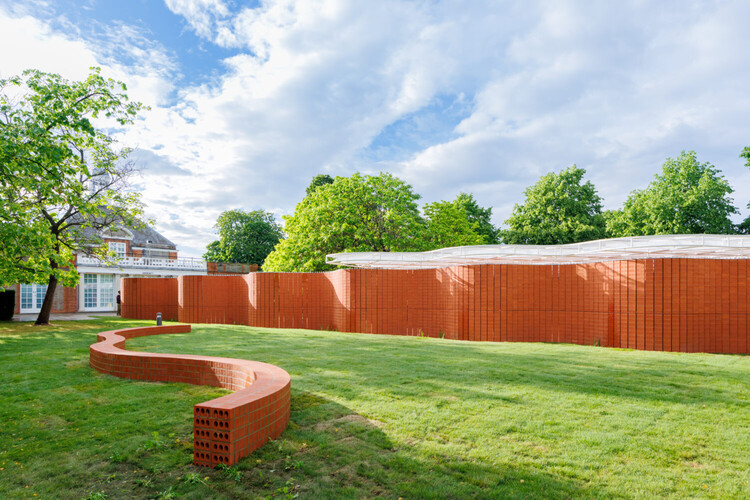
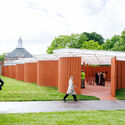
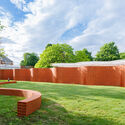
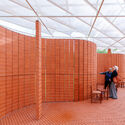
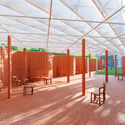
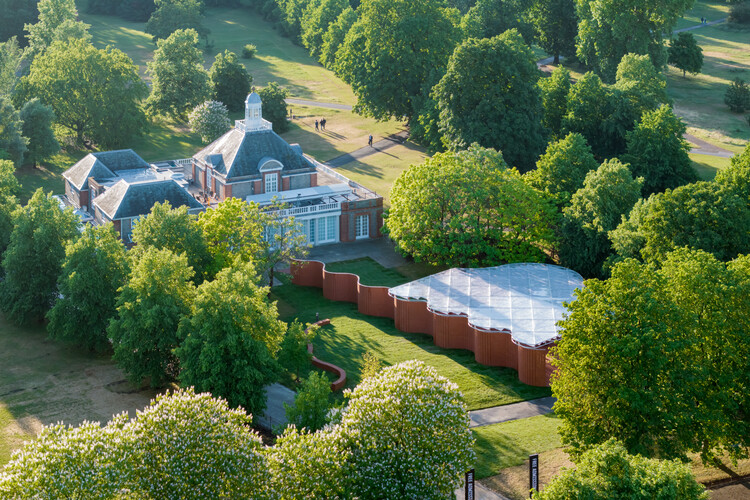
The 2026 Serpentine Pavilion, titled "a serpentine," designed by Mexico City-based architecture studio LANZA atelier, will open to the public on 6 June 2026 at Serpentine South in London. Newly released preview-days images show the completed structure ahead of its seasonal activation, which will run through 25 October 2026 and include Serpentine's annual programme of public events. Now in its 25th edition, the Serpentine Pavilion marks a milestone for the annual commission first launched in 2000 with Zaha Hadid's inaugural project. To commemorate the anniversary, Serpentine Galleries will also collaborate with the Zaha Hadid Foundation and the Architectural Association on a parallel programme reflecting on the Pavilion's legacy and its role in contemporary architectural discourse.
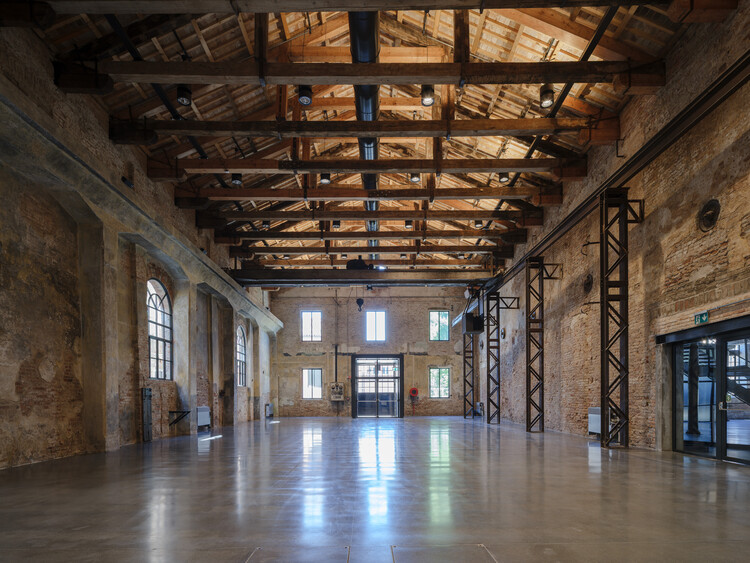
La Biennale di Veneziahas inaugurated the new home of its Historical Archive – International Centre for Research on Contemporary Arts at the Arsenale, relocating the institution's archival collections and research activities to a restored complex within one of its principal exhibition sites. The opening introduces a new permanent headquarters for the archive, bringing together facilities for conservation, research, public consultation, and cultural programming within the historic Arsenale. To mark the occasion, La Biennale organized a three-day program of performances, lectures, conversations, and public visits, highlighting the archive's role within the institution's broader ecosystem of exhibitions, festivals, and educational initiatives.
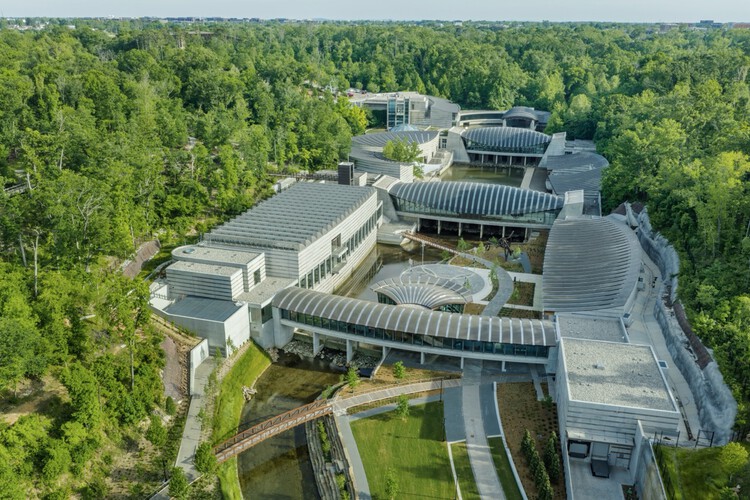
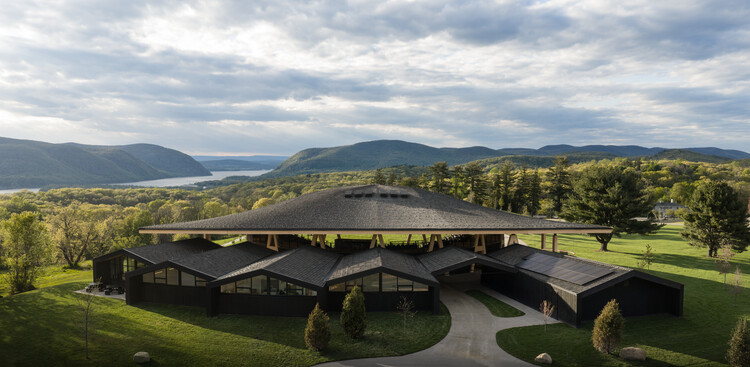
Crystal Bridges Museum of American Art in Bentonville, Arkansas, will open a major 114,000-square-foot expansion to the public on June 6–7, 2026. Designed by Safdie Architects, the project extends the museum's original architecture while introducing new galleries, educational facilities, public gathering spaces, and landscape connections across the institution's 134-acre campus. The addition represents the completion of a long-term development strategy for the museum, enhancing both its exhibition capacity and its engagement with the surrounding Ozark landscape.
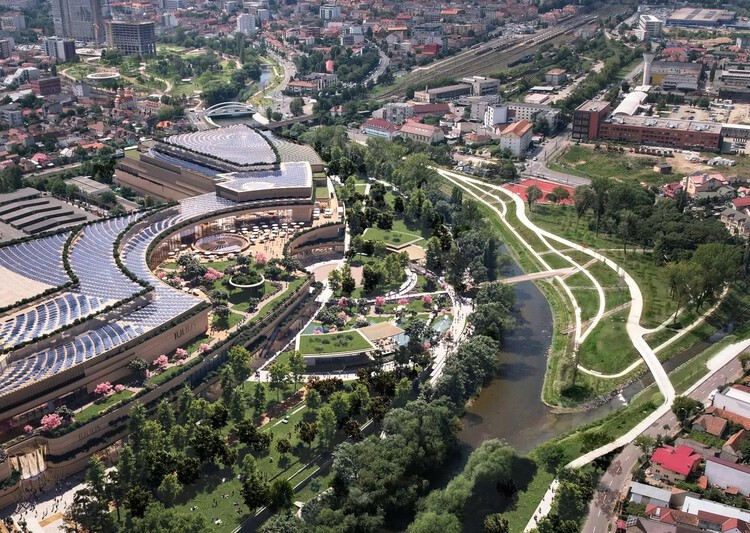
A former industrial site along the Someș River in Cluj-Napoca, Romania, is being transformed into a large-scale mixed-use district that reconnects the city with its waterfront. Designed by UNStudio in collaboration with Felixx Landscape Architects and Planners for developers IULIUS and Atterbury Europe, the RIVUS project combines urban regeneration, adaptive reuse, landscape design, and new public infrastructure within a single framework. Developed through a public participation process involving local residents, the proposal will transform the former Carbochim industrial platform into a river-oriented district organized around public space, mobility, and everyday urban activity.
Tsuyoshi Tane is a Japanese architect born in 1979 in Tokyo and based in Paris, where he founded ATTA – Atelier Tsuyoshi Tane Architects in 2006. Working across cultural, institutional, and landscape-related projects, Tane has developed an architectural approach that positions memory as a fundamental design driver. In his interview with Louisiana Channel, filmed in his Paris studio, Tane reflects on architecture as a discipline of observation and thought, arguing that meaningful design emerges from carefully reading the traces embedded within a site. For him, architecture is not produced on a blank slate but begins with an inquiry into what already exists, physically, culturally, and emotionally, beneath the surface of a place.
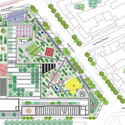
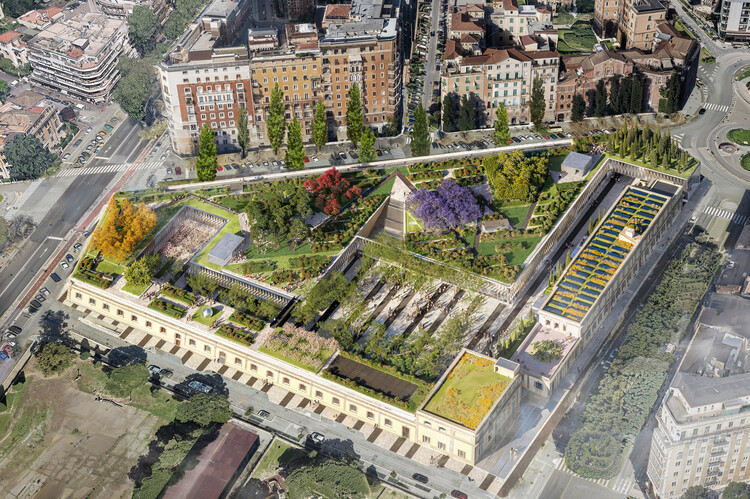
Stefano Boeri Architetti, Depositi Delle Vittorie Render. Image Courtesy of Stefano Boeri Architetti
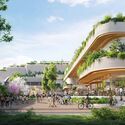
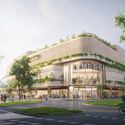
The Rome City Council has approved a Memorandum for the urban regeneration of the Depositi delle Vittorie in Piazza Bainsizza, a former ATAC depot in Rome dating back to the early 1900s. Abandoned for nearly two decades and now privately owned, the site is set to be transformed into a multifunctional complex designed by Stefano Boeri Architetti. The project envisions the adaptive reuse of the former transportation infrastructure through the introduction of cultural, educational, commercial, co-working, and leisure functions, alongside new public spaces and extensive landscaped areas.
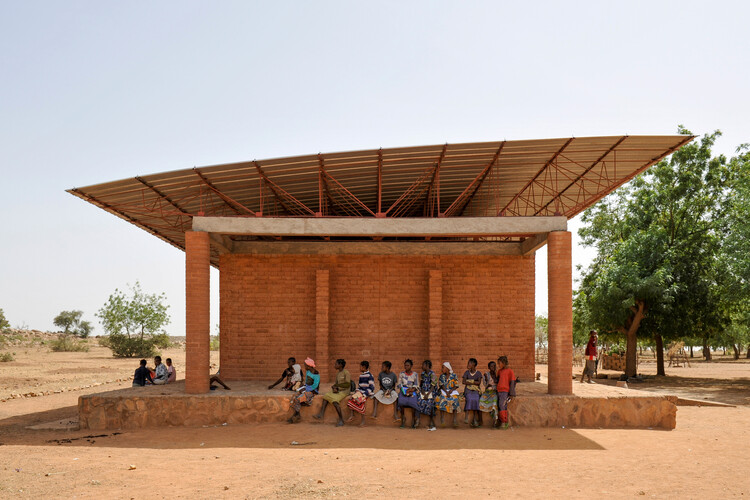
Observed annually on May 25, Africa Day commemorates the founding of the Organization of African Unity in 1963, now the African Union. Established during a period marked by independence movements across the continent, the day recognizes not only political solidarity but also the cultural, social, and intellectual histories that continue to shape African societies today. Within architecture and urbanism, these histories are reflected in evolving conversations around nation-building, heritagepreservation, climate-responsive design, material innovation, and community-centered practice.
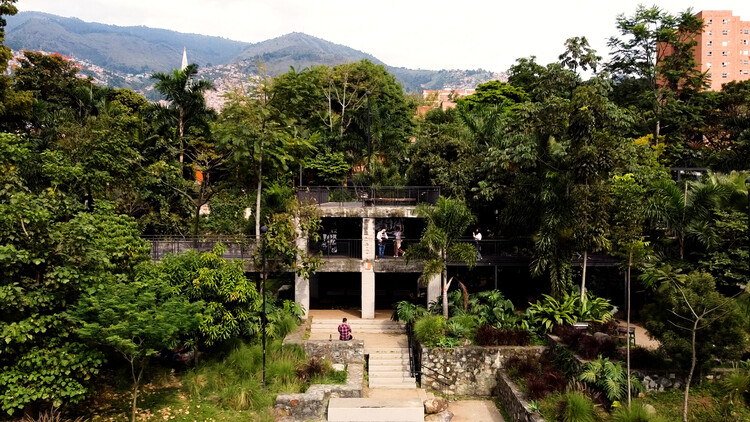
Parque Prado, Colombia, by Connatural Arquitectura en el Paisaje, Category 5 Winner of the UIA 2030 Award. Image Courtesy of International Union of Architects (UIA)
This week's stories reveal a growing focus on reconnecting design with physical reality, whether through construction, landscape, public space, or collective participation. From the curatorial direction of the upcoming Venice Architecture Biennale 2027 to internationally recognized projects addressing flood resilience, affordable housing, and ecological restoration, many of the week's discussions challenged architecture's increasing detachment from material, environmental, and social conditions. At the same time, major cultural interventions, temporary structures, and public forums explored how institutions and civic spaces can become more accessible, adaptable, and engaged with everyday urban life.
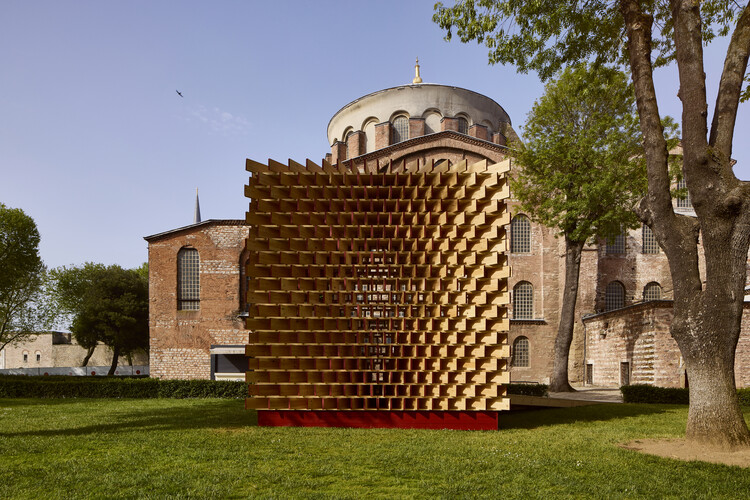
Global Design Forum Istanbul concluded its inaugural edition between May 13 and 16, 2026, bringing together architects, designers, urbanists, and cultural practitioners through a city-wide programme of installations, talks, screenings, and public events. Presented by London Design Festival in collaboration with People Places Ideas, the forum was developed and curated by Artistic Director Melek Zeynep Bulut and Forum Content Advisor Beatrice Galilee. Organized around the theme "Worlds in Contact," the programme featured contributions from figures including Lina Ghotmeh, Marina Tabassum, Liam Young, Tom Dixon, Lesley Lokko, Ma Yansong, Andrew Waugh, and Olaf Grawer, positioning Istanbul as a platform for interdisciplinary discussions on design and the built environment.
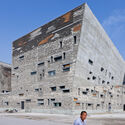
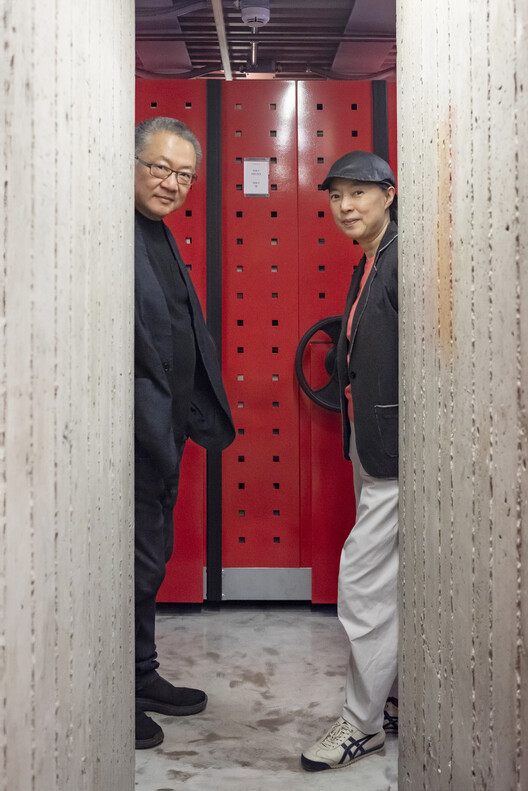
The curatorial direction reflects many of the ideas developed through the work of Amateur Architecture Studio, founded by Wang Shu and Lu Wenyu in 1997. Their projects have consistently explored the reuse of salvaged materials, regional construction techniques, and the continuity between historic and contemporary forms of building. Across both urban and rural contexts, the studio's work often emphasizes craft traditions, collective memory, and the spatial qualities embedded within everyday environments.
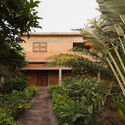
Mexican architecture practice LANZA atelier has unveiled new details for the 2026 Serpentine Pavilion, titled "a serpentine," which will open to the public on 6 June 2026 at Serpentine South. Designed by studio founders Isabel Abascal and Alessandro Arienzo, the project reinterprets the historic serpentine or crinkle-crankle wall through a lightweight brick structure integrated into the landscape of Hyde Park. Marking the 25th edition of the annual commission, the pavilion will remain on view through October 2026 and serve as a venue for Serpentine's public programme of performances, talks, screenings, and community events.