1. ArchDaily

  2. Japanese Architecture

Japanese Architecture: The Latest Architecture and News

"A Place Remembers What Has Happened:" Tsuyoshi Tane on Memory as a Design Driver in Louisiana Channel Interview

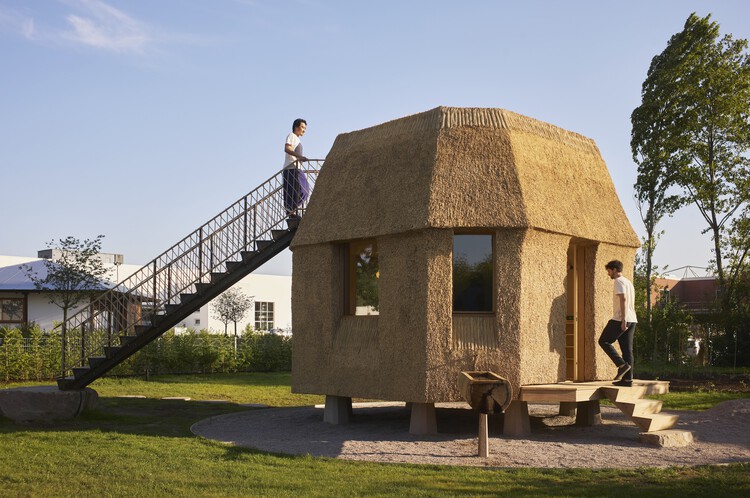
Tsuyoshi Tane is a Japanese architect born in 1979 in Tokyo and based in Paris, where he founded ATTA – Atelier Tsuyoshi Tane Architects in 2006. Working across cultural, institutional, and landscape-related projects, Tane has developed an architectural approach that positions memory as a fundamental design driver. In his interview with Louisiana Channel, filmed in his Paris studio, Tane reflects on architecture as a discipline of observation and thought, arguing that meaningful design emerges from carefully reading the traces embedded within a site. For him, architecture is not produced on a blank slate but begins with an inquiry into what already exists, physically, culturally, and emotionally, beneath the surface of a place.

"A Place Remembers What Has Happened:" Tsuyoshi Tane on Memory as a Design Driver in Louisiana Channel Interview - Image 1 of 4"A Place Remembers What Has Happened:" Tsuyoshi Tane on Memory as a Design Driver in Louisiana Channel Interview - Image 2 of 4"A Place Remembers What Has Happened:" Tsuyoshi Tane on Memory as a Design Driver in Louisiana Channel Interview - Image 3 of 4"A Place Remembers What Has Happened:" Tsuyoshi Tane on Memory as a Design Driver in Louisiana Channel Interview - Image 4 of 4A Place Remembers What Has Happened: Tsuyoshi Tane on Memory as a Design Driver in Louisiana Channel Interview - More Images+ 3

“Built Environment: An Alternative Guide to Japan” Exhibition in Montréal Examines Resilient Japanese Architecture

The exhibition Built Environment: An Alternative Guide to Japan at the Université du Québec à Montréal's (UQAM) Centre de design will be on view until January 25, 2026. Curated by Shunsuke Kurakata, Satoshi Hachima, and Kenjiro Hosaka, it features a selection of 80 projects from Japan's 47 prefectures, including works by renowned Japanese architects such as 2014 Pritzker Prize laureate Shigeru Ban, Kengo Kuma, the designer of the Museum of Modern Art's renovation in New York Yoshio Taniguchi, celebrated landscape architect and sculptor Isamu Noguchi, and 2019 Pritzker Prize laureate Arata Isozaki. The selection aims to offer a renewed perspective on Japan through innovative buildings, civil engineering projects, and landscape designs. Organized in collaboration with the Japan Foundation and presented with the support of the Consulate General of Japan in Montreal, the exhibition is conceived as a traveling project exploring the resilience of Japanese architecture and infrastructure in the face of natural disasters and climate change.

Shigeru Ban Named Recipient of the 2026 AIA Gold Medal

The American Institute of Architects (AIA) announced on Thursday, December 4, 2025, that architect Shigeru Ban is the recipient of the 2026 AIA Gold Medal. The award is the AIA's highest individual honor, recognizing individuals whose work has had a lasting influence on the theory and practice of architecture. On this occasion, the Japanese architect's work was highlighted for its inventive use of renewable materials such as paper and timber, his innovation in timber architecture, his commitment to social service through design, and his 30 years as an educator at universities including Harvard, Cornell, and Columbia. Previous honorees include Deborah Berke, the first female dean of the Yale School of Architecture, in 2025; David Lake and Ted Flato of the San Antonio–based practice Lake|Flato in 2024; and civic design leader Carol Ross Barney in 2023.

Shigeru Ban Named Recipient of the 2026 AIA Gold Medal - 1 的图像 4Shigeru Ban Named Recipient of the 2026 AIA Gold Medal - 2 的图像 4Shigeru Ban Named Recipient of the 2026 AIA Gold Medal - 3 的图像 4Shigeru Ban Named Recipient of the 2026 AIA Gold Medal - 4 的图像 4Shigeru Ban Named Recipient of the 2026 AIA Gold Medal - More Images+ 1

Light, Material, Reaction: How Active Surfaces® Transform Cybernet Systems’ Tokyo Headquarters

 | Sponsored Content

The new headquarters for Cybernet Systems was designed around the Japanese architectural concept of flexibility, promoting well-being, collaboration, and productivity. As a global leader in Computer-Aided Engineering, supporting industrial production through advanced digital solutions, the headquarters, located in the Fuji Soft Akihabara Building in Tokyo, embodies the company's commitment to creating a dynamic, technology-driven community.  

Developed by MB-AA (Matteo Belfiore Architect & Associates) and Shukoh, in collaboration with Cybernet Systems, the project translates corporate values into spatial design. Minimalism, natural light, and openness define the environment. Transparent partitions and adaptable layouts foster communication while allowing each employee to personalize their workspace. Well-being, creativity, flexibility, and technology form the core of the project.

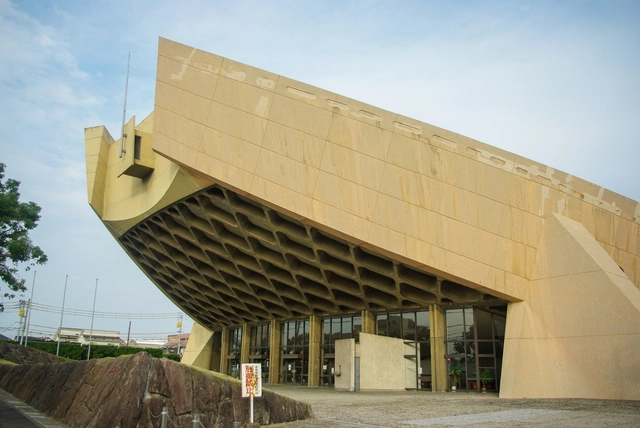
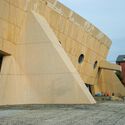
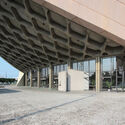
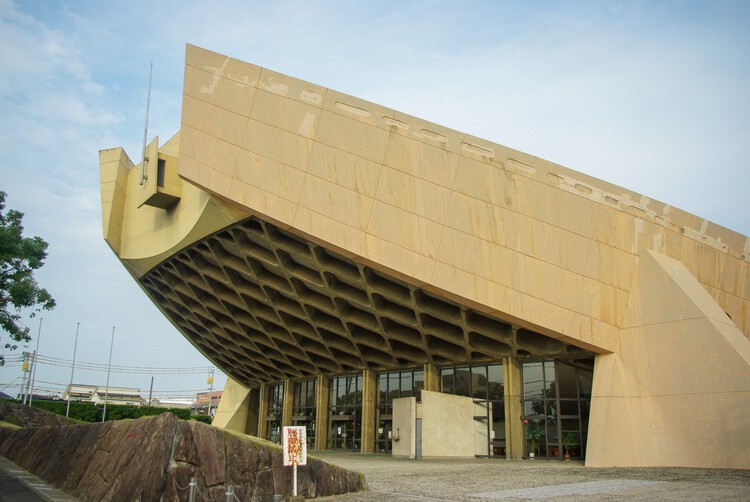
Citizen-Led Campaign Proposes New Use for Kenzo Tange's Kagawa Gymnasium, Facing Demolition

In February 2023, the governor of Kagawa Prefecture, Japan, announced the planned demolition of the Kagawa Prefectural Gymnasium, designed by Pritzker Prize-winning architect Kenzo Tange. Discussion surrounding its fate dates back to its permanent closure in 2014, after a roof leak caused structural problems in the ceiling boards. Since then, several organizations have worked to save the building, including a petition by the World Monuments Fund and an effort by a promotional council to nominate it as a UNESCO World Cultural Heritage site in 2021. Despite these initiatives, on August 7, 2025, the Kagawa Prefectural Government officially announced a public competitive bidding process to select a contractor for the demolition, something the Former Kagawa Prefectural Gymnasium Regeneration Committee is determined to prevent.

Citizen-Led Campaign Proposes New Use for Kenzo Tange's Kagawa Gymnasium, Facing Demolition - Image 1 of 4Citizen-Led Campaign Proposes New Use for Kenzo Tange's Kagawa Gymnasium, Facing Demolition - Image 2 of 4Citizen-Led Campaign Proposes New Use for Kenzo Tange's Kagawa Gymnasium, Facing Demolition - Image 3 of 4Citizen-Led Campaign Proposes New Use for Kenzo Tange's Kagawa Gymnasium, Facing Demolition - Image 4 of 4Citizen-Led Campaign Proposes New Use for Kenzo Tange's Kagawa Gymnasium, Facing Demolition - More Images+ 1

"Artisans of the Reiwa Era" Documentary Showcases Traditional Japanese Wood Construction and Craftsmanship

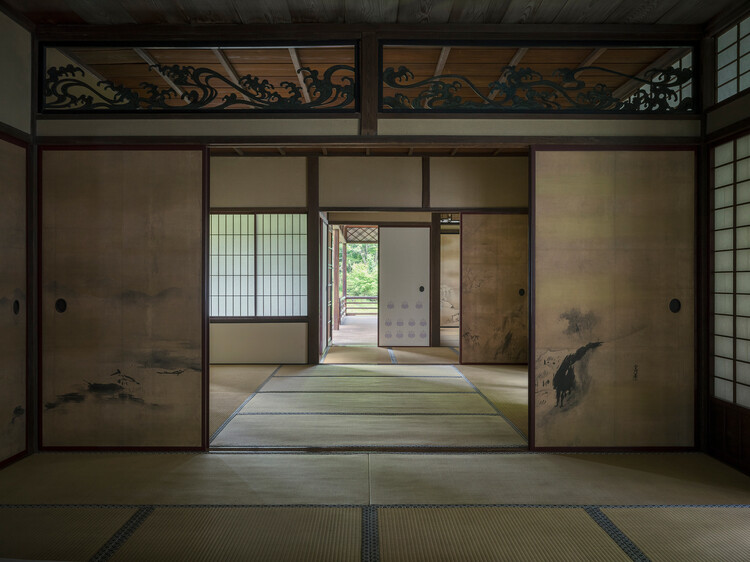
Rinshunkaku is a notable example of early Edo-period residential architecture. Originally built in the Wakayama Prefecture by the Kishu Tokugawa family, the villa was relocated to Sankeien, a traditional Japanese garden in the city of Yokohama, during the Taisho era (1912-1926). The garden was created in the early 20th century by businessman and art patron Sankei Hara and features a number of historic buildings relocated from Kyoto, Kamakura, and other areas of Japan. Rinshunkaku, one of the garden's gems, is a prime example of traditional Japanese architecture and wood construction. Its historical value motivated a large-scale restoration project in 2019, documented in the film Artisans of the Reiwa Era (Reiwa no Shokunin-tachi), filmed and edited by Katsumasa Tanaka and Hiroshi Fujiki. The documentary offers a close, detailed view of Japanese craftsmanship and wood expertise, highlighting rare traditional techniques and paying tribute to the artisans who preserve them.

"Artisans of the Reiwa Era" Documentary Showcases Traditional Japanese Wood Construction and Craftsmanship - Imagen 1 de 4"Artisans of the Reiwa Era" Documentary Showcases Traditional Japanese Wood Construction and Craftsmanship - Imagen 2 de 4"Artisans of the Reiwa Era" Documentary Showcases Traditional Japanese Wood Construction and Craftsmanship - Imagen 3 de 4"Artisans of the Reiwa Era" Documentary Showcases Traditional Japanese Wood Construction and Craftsmanship - Imagen 4 de 4Artisans of the Reiwa Era Documentary Showcases Traditional Japanese Wood Construction and Craftsmanship - More Images+ 7

A Restored Module from Tokyo’s Nakagin Capsule Tower Goes on Year-Long Display at MoMA

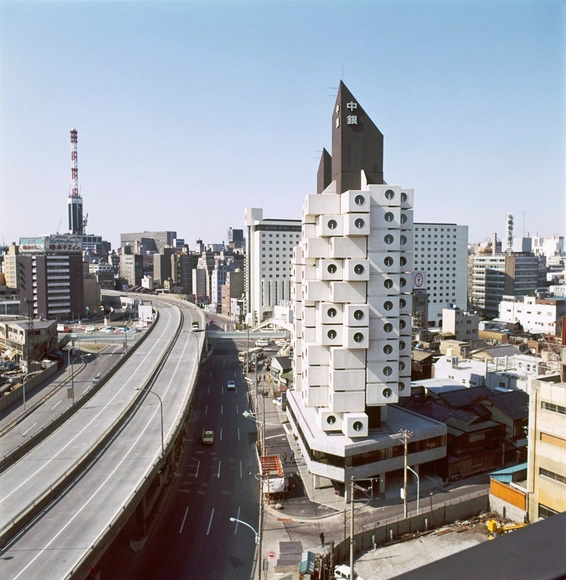
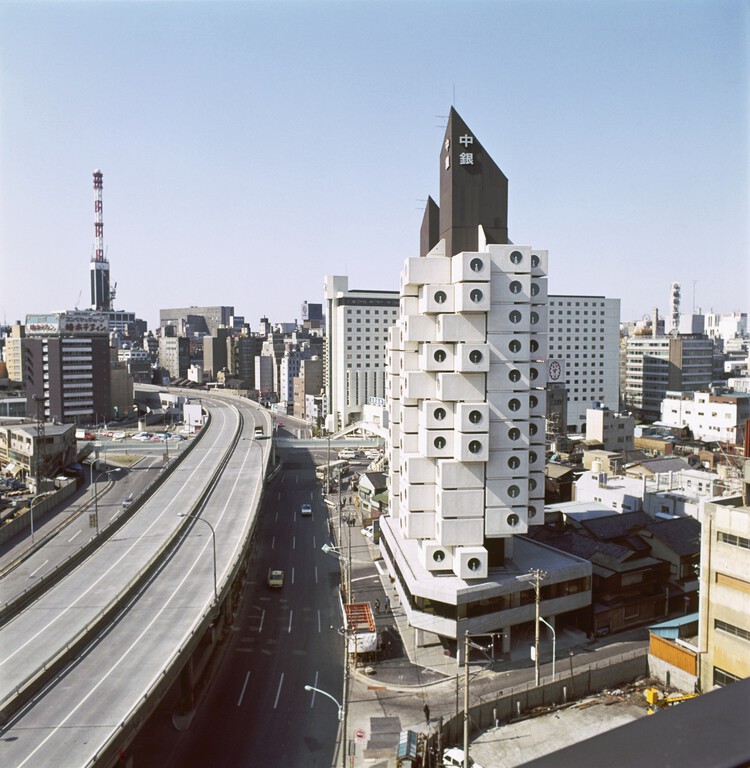
The Museum of Modern Art (MoMA) in New York is hosting an exhibition dedicated to Japanese architect Kisho Kurokawa's Nakagin Capsule Tower from July 10, 2025, through July 12, 2026. Titled The Many Lives of the Nakagin Capsule Tower, the exhibition offers a retrospective on the building's 50-year lifespan. Constructed in Tokyo's Ginza district in 1972 and dismantled in 2022, the tower is presented through contextual materials, original drawings, archival recordings, and a fully restored capsule. The exhibition invites reflection on how cities address aging buildings and the rapid transformation of urban areas. The diverse materials documenting the tower's continuous evolution over five decades encourage viewers to consider how architecture might endure by taking on new roles and functions beyond its original purpose.

A Restored Module from Tokyo’s Nakagin Capsule Tower Goes on Year-Long Display at MoMA - Imagen 1 de 4A Restored Module from Tokyo’s Nakagin Capsule Tower Goes on Year-Long Display at MoMA - Imagen 2 de 4A Restored Module from Tokyo’s Nakagin Capsule Tower Goes on Year-Long Display at MoMA - Imagen 3 de 4A Restored Module from Tokyo’s Nakagin Capsule Tower Goes on Year-Long Display at MoMA - Imagen 4 de 4A Restored Module from Tokyo’s Nakagin Capsule Tower Goes on Year-Long Display at MoMA - More Images+ 11

“The Kind of Architecture I Try to Achieve Is a Rainbow:” In Conversation With Kengo Kuma

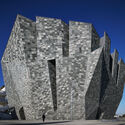
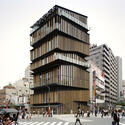
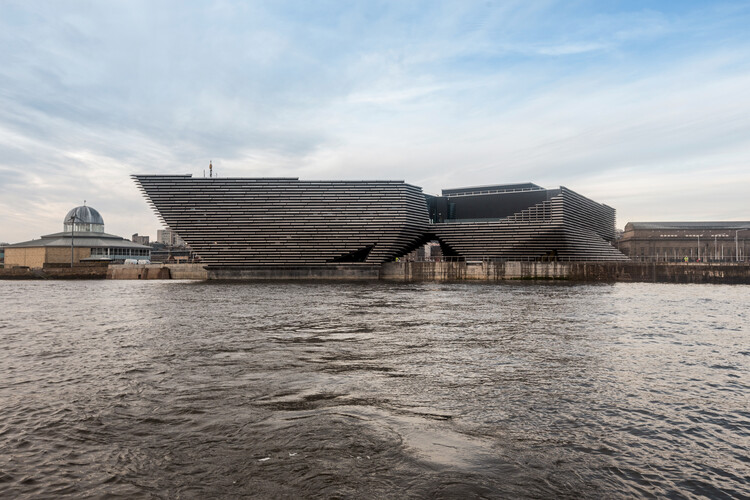
In my 2008 interview with Kengo Kuma in Manhattan—the Tokyo-based architect was in town for a lecture at Cooper Union and to oversee the construction of a house renovation in nearby Connecticut— he summarized the intention of his work for me, "The closest image to the kind of architecture I try to achieve is a rainbow." The architect designs his buildings as a chef would prepare a salad or a florist arrange a bouquet of flowers—by carefully selecting ingredients according to their size, shape, and texture. He then tests whether they should touch, overlap, or keep a distance to let the airflow pass through. The process is closer to a trial-and-error scientific experiment rather than an artistic exercise in projecting visionary forms and images. Although his buildings surely look strikingly artistic and utterly breathtaking. They are both precise and loose, primitive and refined, material and transient. The architect's fascination with materiality is startling, and despite having completed many dozens of buildings all over the world over the course of his distinctive career, in our conversation last month over Zoom, Kuma told me, "I stand at the beginning of a long process of material exploration."

“The Kind of Architecture I Try to Achieve Is a Rainbow:” In Conversation With Kengo Kuma - Image 1 of 4“The Kind of Architecture I Try to Achieve Is a Rainbow:” In Conversation With Kengo Kuma - Image 2 of 4“The Kind of Architecture I Try to Achieve Is a Rainbow:” In Conversation With Kengo Kuma - Image 3 of 4“The Kind of Architecture I Try to Achieve Is a Rainbow:” In Conversation With Kengo Kuma - Image 4 of 4“The Kind of Architecture I Try to Achieve Is a Rainbow:” In Conversation With Kengo Kuma - More Images+ 27

Shigeru Ban Receives the 2024 Praemium Imperiale for Architecture

Japanese architect and humanitarian Shigeru Ban has been named the 35th Laureate of the Praemium Imperiale Award for Architecture. Established in 1988 by the Japan Art Association, the annual award seeks to recognize exceptional achievements in Painting, Sculpture, Architecture, Music, and Theatre/Film. Shigeru Ban's contributions to architecture have been significant, not only for the distinctive design aesthetics but also for the innovative use of materials, particularly in the context of emergency interventions and humanitarian work.

Shigeru Ban Receives the 2024 Praemium Imperiale for Architecture - Imagen 1 de 4Shigeru Ban Receives the 2024 Praemium Imperiale for Architecture - Imagen 2 de 4Shigeru Ban Receives the 2024 Praemium Imperiale for Architecture - Imagen 3 de 4Shigeru Ban Receives the 2024 Praemium Imperiale for Architecture - Imagen 4 de 4Shigeru Ban Receives the 2024 Praemium Imperiale for Architecture - More Images+ 2

A Look Back at the 9 Japanese Architects Honored with the Pritzker Prize

Last week, Japanese architect and social advocate Riken Yamamoto was announced as the 2024 Pritzker Architecture Prize Laureate, becoming the 9th Japanese architect honored with the profession's most prestigious award. Throughout the 45-year history of the Pritzker Prize, Japan stands out as the nation with the highest number of laureates. While geography is not a criterion in the selection of the laureates, Japanese architecture consistently impresses with its interplay of light and shadow, the careful composition of spaces, soft transitions between interior and exterior, and attention to detail and materiality. An ingrained culture of building also celebrates diverse designs and encourages global dialogue and the exchange of ideas and best practices. Read on to rediscover the 9 Japanese Pritzker laureates and glimpse into their body of work.

A Look Back at the 9 Japanese Architects Honored with the Pritzker Prize - Image 1 of 4A Look Back at the 9 Japanese Architects Honored with the Pritzker Prize - Image 2 of 4A Look Back at the 9 Japanese Architects Honored with the Pritzker Prize - Image 3 of 4A Look Back at the 9 Japanese Architects Honored with the Pritzker Prize - Image 4 of 4A Look Back at the 9 Japanese Architects Honored with the Pritzker Prize - More Images+ 6

Combining Danish and Japanese Architecture, BIG Unveils Holiday Homes On Sagi Island, Japan

BIG has released sneak peek images into their “Not A Hotel Setouchi” project in Japan. The scheme draws inspiration from the surrounding beauty and Japanese landscape artworks, situated in the southwest cape of Sagi Island, overlooking the Seto Inland Sea. Consisting of three distinct holiday villas, Not A Hotel aims to blend Japanese and Danish architectural influences.

Combining Danish and Japanese Architecture, BIG Unveils Holiday Homes On Sagi Island, Japan - Image 1 of 4Combining Danish and Japanese Architecture, BIG Unveils Holiday Homes On Sagi Island, Japan - Image 2 of 4Combining Danish and Japanese Architecture, BIG Unveils Holiday Homes On Sagi Island, Japan - Image 3 of 4Combining Danish and Japanese Architecture, BIG Unveils Holiday Homes On Sagi Island, Japan - Image 4 of 4Combining Danish and Japanese Architecture, BIG Unveils Holiday Homes On Sagi Island, Japan - More Images+ 10