1. ArchDaily
  2. HouseEurope!

HouseEurope!: The Latest Architecture and News

UIA 2026 Barcelona Announces Full Program, Detailing Formats, Exhibitions, and City-Wide Itineraries

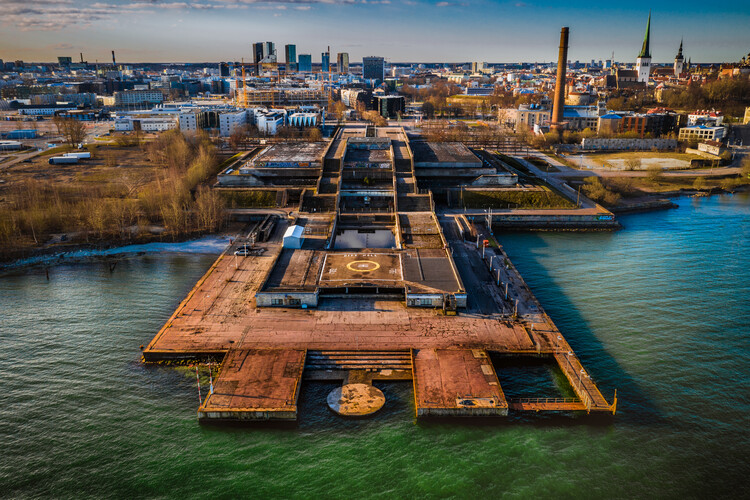
The UIA World Congress of Architects 2026 Barcelona has released its full program, outlining the structure, participants, and range of activities scheduled to take place from June 28 to July 2, 2026. Expanding on the previously introduced theme, Becoming. Architectures for a Planet in Transition, the Congress is conceived as a distributed event across multiple venues and urban contexts rather than a single-site conference. Organized by the International Union of Architects (UIA) in collaboration with the Higher Council of the Colleges of Architects of Spain (CSCAE) and the Architects' Association of Catalonia (COAC), the event is expected to gather approximately 10,000 participants and 250 speakers from more than 130 countries.
UIA 2026 Barcelona Announces Full Program, Detailing Formats, Exhibitions, and City-Wide Itineraries - 1 的图像 4UIA 2026 Barcelona Announces Full Program, Detailing Formats, Exhibitions, and City-Wide Itineraries - 2 的图像 4UIA 2026 Barcelona Announces Full Program, Detailing Formats, Exhibitions, and City-Wide Itineraries - 3 的图像 4UIA 2026 Barcelona Announces Full Program, Detailing Formats, Exhibitions, and City-Wide Itineraries - 4 的图像 4UIA 2026 Barcelona Announces Full Program, Detailing Formats, Exhibitions, and City-Wide Itineraries - More Images+ 18

The OBEL Award Reveals "Systems’ Hack" as the Theme for Its 2026 Edition

©OBEL Foundation

The OBEL Foundation has announced "Systems' Hack" as the focus of its 2026 cycle, setting the conceptual framework that will guide the foundation's activities and the selection of the next OBEL Award. Founded in 2019, OBEL recognises architecture's potential to act as a tangible agent of positive social and ecological change, supporting approaches that expand how the built environment is defined and shaped. The 2026 theme calls on architecture to critically engage with the systems that underpin contemporary society, including infrastructure, energy, food, water, education, and information, and to examine how these interconnected networks might be reconfigured in response to accelerating global challenges.

The OBEL Award Reveals "Systems’ Hack" as the Theme for Its 2026 Edition - Imagem 1 de 4The OBEL Award Reveals "Systems’ Hack" as the Theme for Its 2026 Edition - Imagem 2 de 4The OBEL Award Reveals "Systems’ Hack" as the Theme for Its 2026 Edition - Imagem 3 de 4The OBEL Award Reveals "Systems’ Hack" as the Theme for Its 2026 Edition - Imagem 4 de 4The OBEL Award Reveals Systems’ Hack as the Theme for Its 2026 Edition - More Images+ 3

“For Decades We Have Valued the New More than the Old”: In Dialogue with OBEL Award 2025 Winners HouseEurope!

Subscriber Access | 

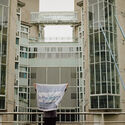
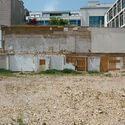
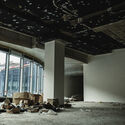
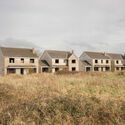
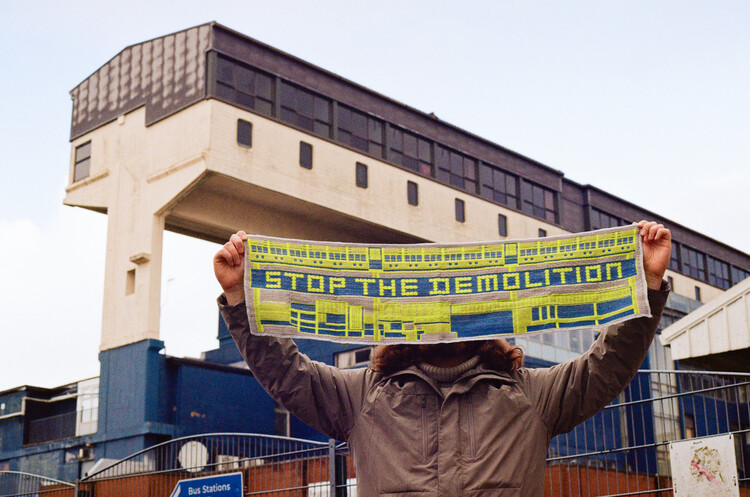
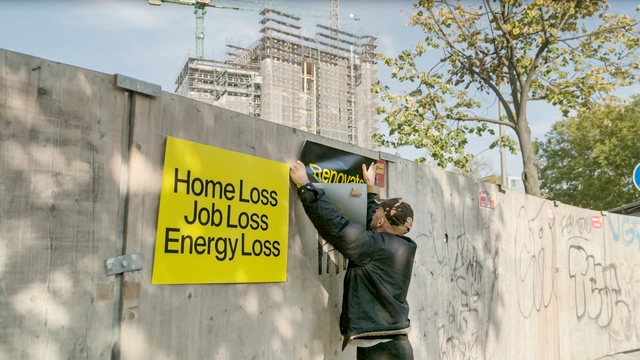
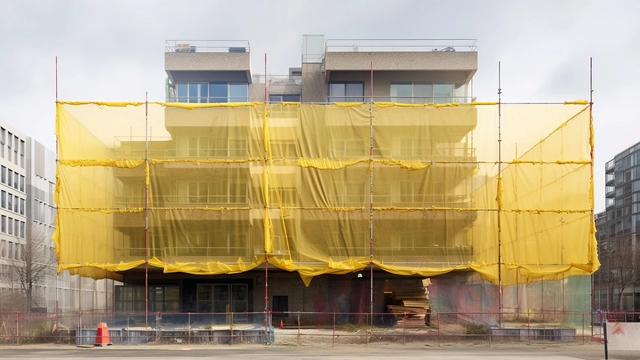
The potential of existing buildings to shape cities and communities in flux through reuse and adaptation is the key focus of HouseEurope! and their activism: addressing the pressing challenge across much of Europe, where it is often easier, cheaper, and faster to demolish buildings than to renovate. For decades, construction policies, industrial practices, and market systems have favored new development, often undervaluing the cultural, social, and environmental significance of existing structures. For their work advocating systemic change in architecture, HouseEurope! received the 2025 OBEL Award under the theme "Ready Made." In a conversation with ArchDaily, collective members of HouseEurope! Alina Kolar and Olaf Grawert discussed the organization's approach to architecture, policy, and collective action.

The Role of Architects Is Shifting: From Solitary Visionaries to Collective Activists

 | In Collaboration

For a long time, architecture was understood as an essentially individual activity, dependent on the figure of a creative genius and centered on the ability to solve problems through drawing. Over time, this image began to fade. The protagonism once concentrated in a few names reached its peak during the era of the starchitects and gradually became distributed among offices, collectives, and multidisciplinary teams. Today, architects are expanding their boundaries into other fields such as gastronomy, music, design, and the corporate world, applying spatial thinking to address challenges of various kinds. As social, environmental, and political crises deepen, the role of the architect continues to evolve from a solitary author to a mediator, activist, and collective agent of transformation. This shift reflects an ethical awakening and a recognition that design, regulation, and care are inseparable dimensions of contemporary practice.

To Build Law: The CCA Documents HouseEurope!’s Campaign for Legal Change in European Architecture

During 2024, the Canadian Centre for Architecture (CCA) launched a three-part documentary and exhibition series titled Groundwork, exploring alternative modes of practice in light of the current climate crisis. The process began with a series of studio visits in search of offices addressing substantial questions for contemporary architecture through practice, culminating in the selection of three projects: Xu Tiantian's "minimal intervention" museum on Meizhou Island, Carla Juaçaba's community pavilions in a coffee field in Minas Gerais, and bplus.xyz (b+)'s European Citizens' Initiative for a new legal framework to facilitate the renovation and transformation of existing buildings. The latter, HouseEurope!, was recently recognized as the winner of the seventh edition of the OBEL Award and was showcased at the international exhibition of the Venice Architecture Biennale 2025.

To Build Law: The CCA Documents HouseEurope!’s Campaign for Legal Change in European Architecture - Image 1 of 4To Build Law: The CCA Documents HouseEurope!’s Campaign for Legal Change in European Architecture - Image 2 of 4To Build Law: The CCA Documents HouseEurope!’s Campaign for Legal Change in European Architecture - Image 3 of 4To Build Law: The CCA Documents HouseEurope!’s Campaign for Legal Change in European Architecture - Image 4 of 4To Build Law: The CCA Documents HouseEurope!’s Campaign for Legal Change in European Architecture - More Images+ 14

“Recycle!” Exhibition at the Danish Architecture Center Explores Creative Approaches to Material Reuse

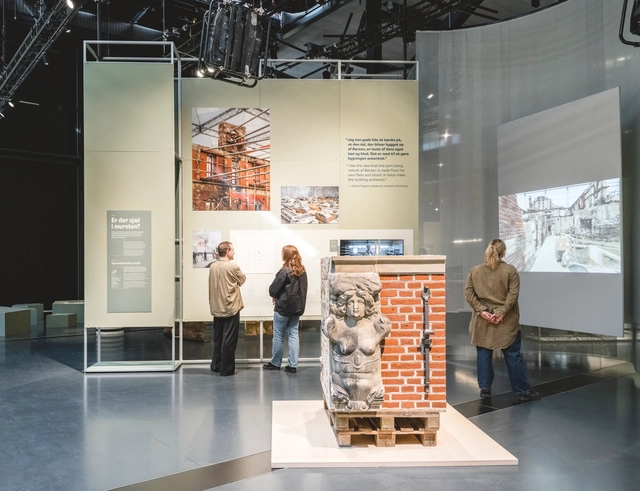
A new architecture and design exhibition opened on April 11, 2025, at the Danish Architecture Center in Copenhagen. Titled Recycle!, it explores recycling and reuse as a new way of creating, living, and building within the urgent context of the current climate crisis. The exhibition goes beyond presenting recycling and reuse as necessities; instead, it frames them as positive cultural shifts taking root in the construction industry and society at large. One of the exhibition's goals is to highlight the importance of resource awareness by posing the question: How can we increase the conservation, reuse, and transformation of what we already have?

“Recycle!” Exhibition at the Danish Architecture Center Explores Creative Approaches to Material Reuse - Image 1 of 4“Recycle!” Exhibition at the Danish Architecture Center Explores Creative Approaches to Material Reuse - Image 2 of 4“Recycle!” Exhibition at the Danish Architecture Center Explores Creative Approaches to Material Reuse - Image 3 of 4“Recycle!” Exhibition at the Danish Architecture Center Explores Creative Approaches to Material Reuse - Image 4 of 4“Recycle!” Exhibition at the Danish Architecture Center Explores Creative Approaches to Material Reuse - More Images+ 18

Discover the Full List of Special Projects and Participants of the 2025 Venice Architecture Biennale

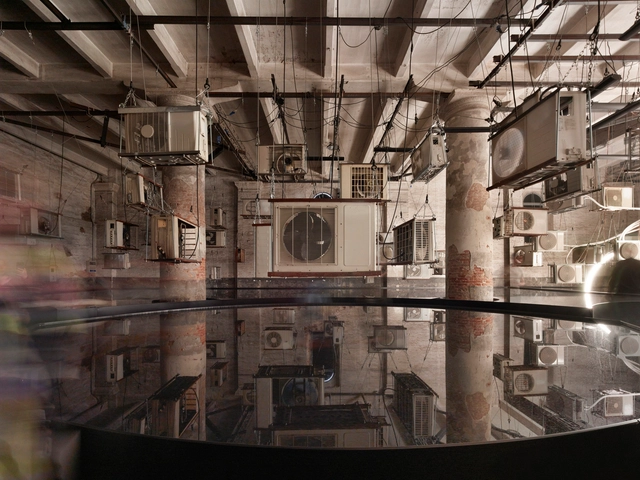
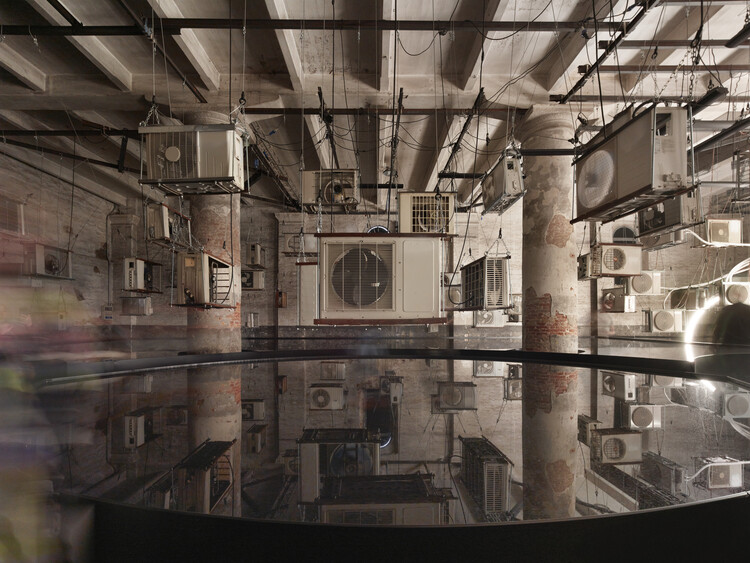
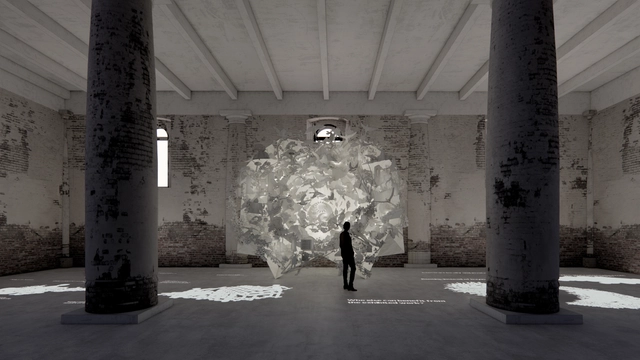
The 19th International Architecture Exhibition, organised by La Biennale di Venezia under Carlo Ratti's curatorship and the theme "Intelligens. Natural. Artificial. Collective," is set to transform Venice into a "Living Laboratory" of experimentation and collaboration. This year's special projects extend beyond the exhibition grounds, integrating into various city locations and Forte Marghera in Mestre, providing an alternative perspective that expands the reach of architectural discourse.

The Biennale promises to be a dynamic platform uniting over 750 participants from diverse backgrounds, including architects, engineers, mathematicians, climate scientists, and artists. Such a broad coalition of over 280 projects underlines the Exhibition's focus on inclusivity and interdisciplinary collaboration, an essential aspect for adaptation. The selection process proposed a bottom-up, open call approach through the Space for Ideas initiative, which ran between May and June 2024. It encouraged participation from global teams, from Pritzker Prize winners and Nobel laureates to emerging architects and scientists.

Discover the Full List of Special Projects and Participants of the 2025 Venice Architecture Biennale - Image 1 of 4Discover the Full List of Special Projects and Participants of the 2025 Venice Architecture Biennale - Image 2 of 4Discover the Full List of Special Projects and Participants of the 2025 Venice Architecture Biennale - Image 3 of 4Discover the Full List of Special Projects and Participants of the 2025 Venice Architecture Biennale - Image 4 of 4Discover the Full List of Special Projects and Participants of the 2025 Venice Architecture Biennale - More Images+ 16