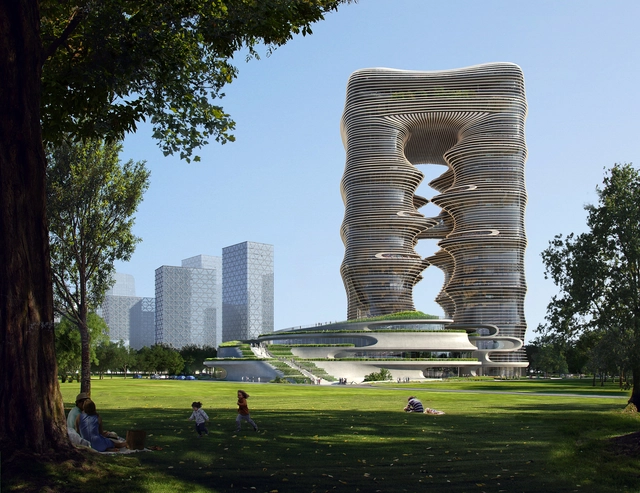
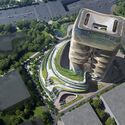
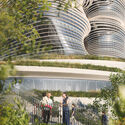
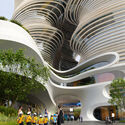
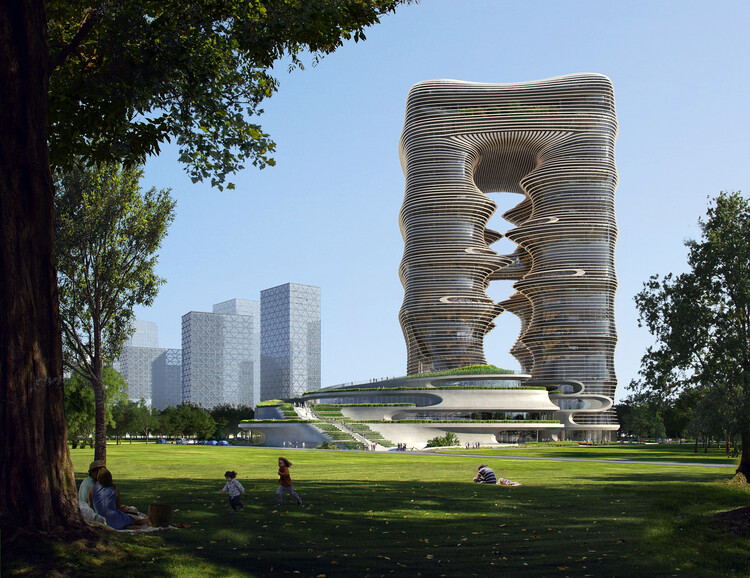
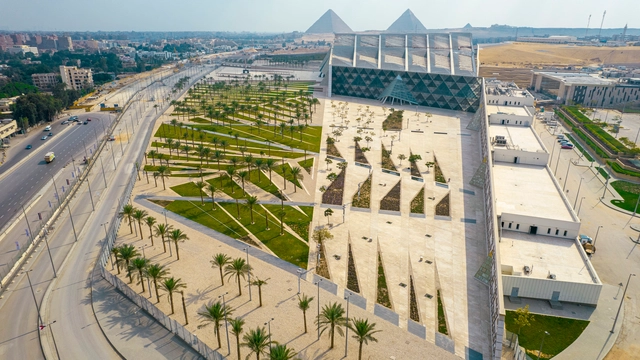
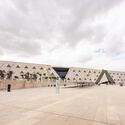
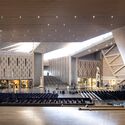
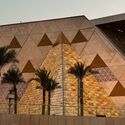
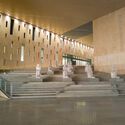
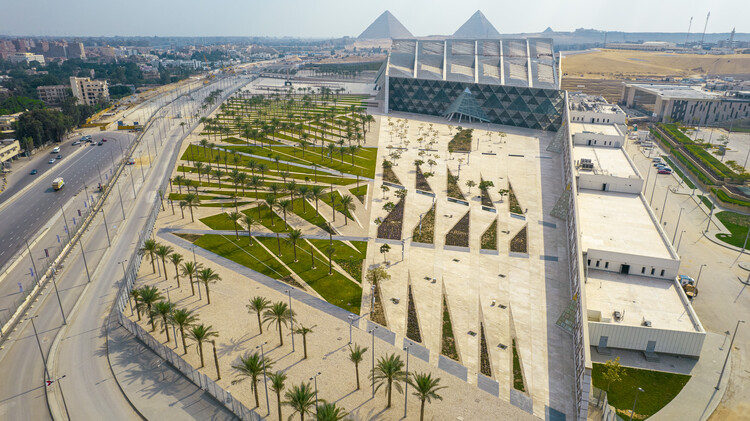
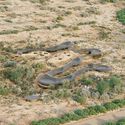
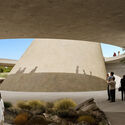
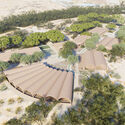
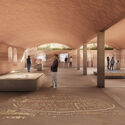
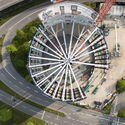
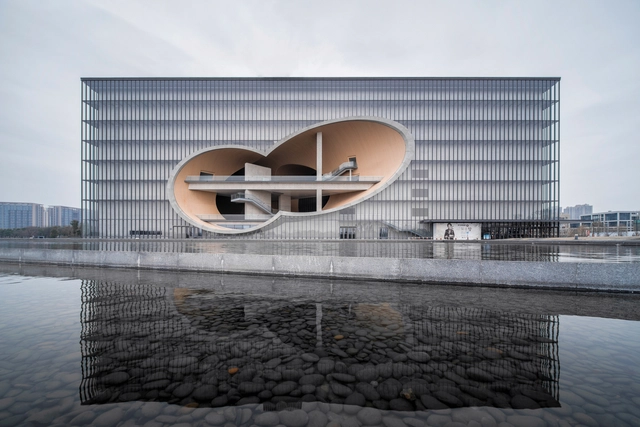
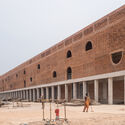
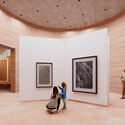
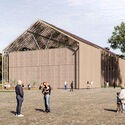
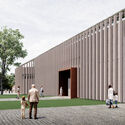
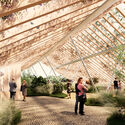
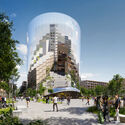
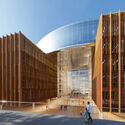
Construction of Zaha Hadid Architects' Yidan Center in Shenzhen, China, has reached full height. The new landmark will serve as the headquarters of the Chen Yidan Foundation and the Yidan Prize, organizations dedicated to promoting lifelong learning and innovation in education. The center will host facilities for academic research, cultural events, and exhibitions, supporting the foundation's mission to advance global education. Located adjacent to the Qianhai Museum, the Yidan Center helps define a new cultural quarter in China's third-most-populous city.
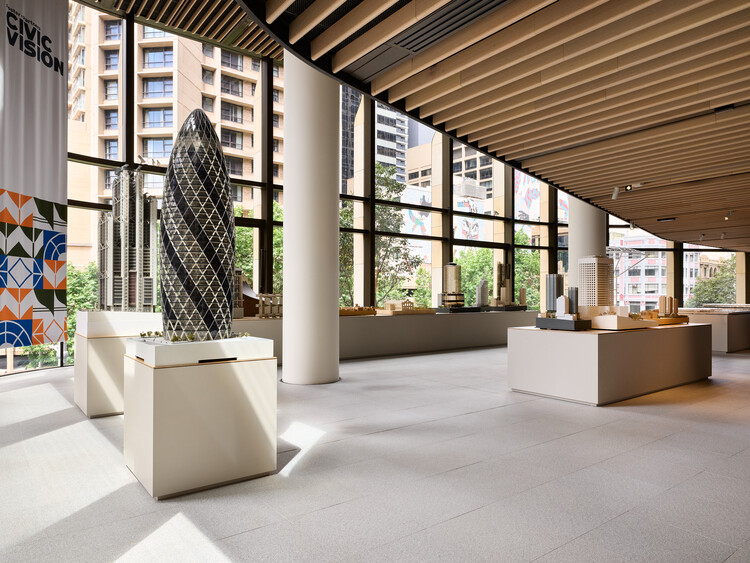
Foster + Partners has opened Civic Vision, the first comprehensive exhibition of the practice's work to be presented in Australia. On view until December 21, 2025, at Parkline Place, the firm's latest completed project in Sydney, developed by Investa on behalf of Oxford Properties Group and Mitsubishi Estate Asia, the exhibition offers an in-depth overview of Foster + Partners' global portfolio since its founding in 1967 by Norman Foster. It explores the evolution of the practice's design approach and its exploration of civic architecture across different contexts and scales.
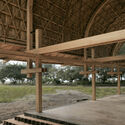
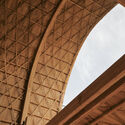
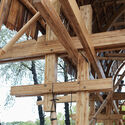
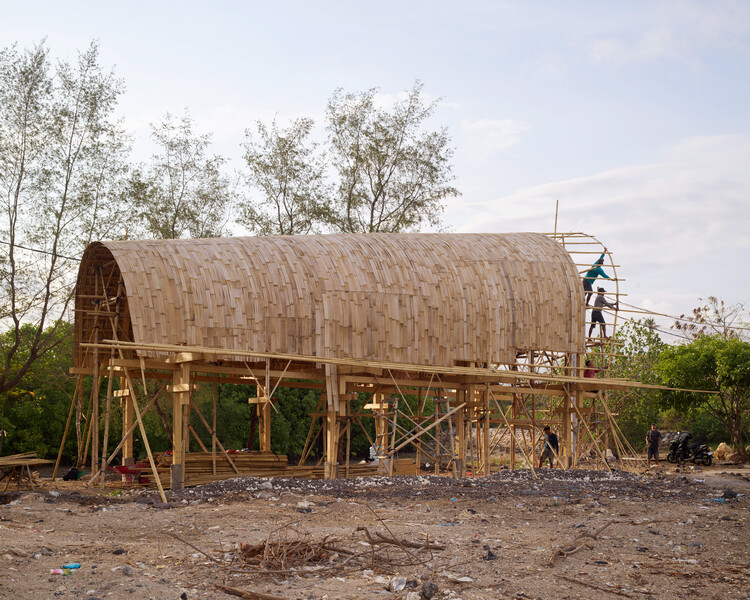
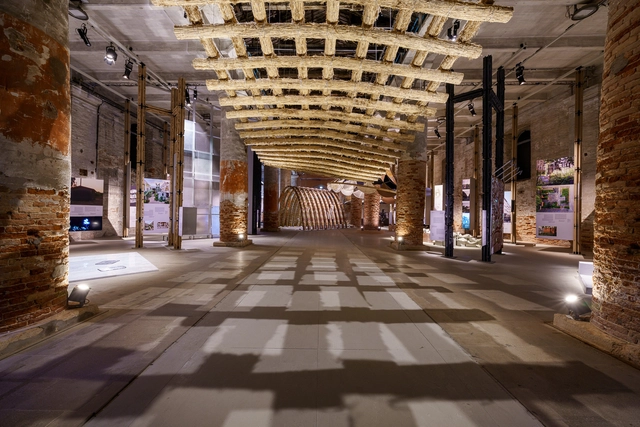
Bauhaus Earth is a Berlin-based non-profit organization working toward a systemic transformation of the built environment. Its mission includes transitioning to bio- and geo-based materials, reusing existing buildings, and restoring ecosystems. Together with the Bamboo Village Trust, a philanthropic financial vehicle, and Kota Kita, a participatory urban design organization, Bauhaus Earth has developed BaleBio, a bamboo pavilion designed by Cave Urban and rising above Mertasari Beach in Denpasar, Bali. The pavilion transforms a disused car park into an open community meeting space, offering a counterpoint to the city's tourism-driven coastal development. Designed as a regenerative building, BaleBio stores carbon instead of emitting it, challenging the extractive construction model that is replacing traditional wood and bamboo craftsmanship with concrete structures across the island.
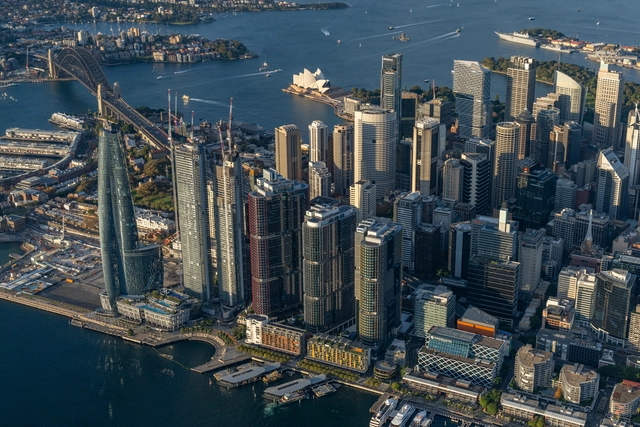
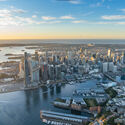
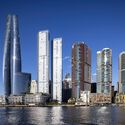
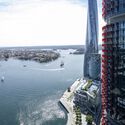
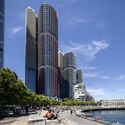
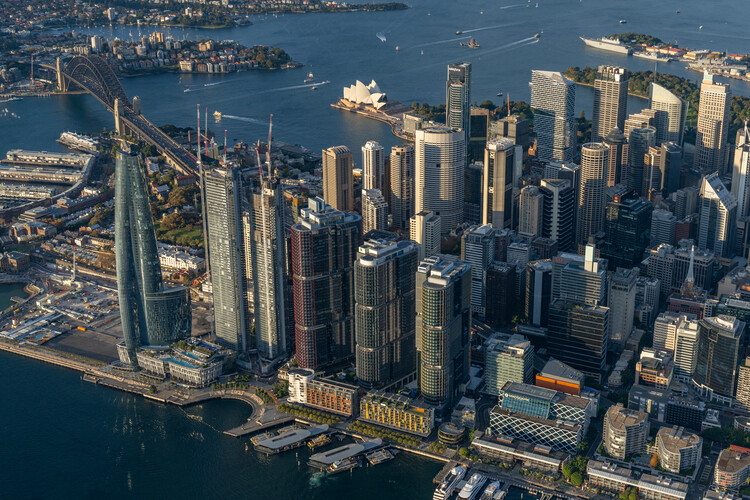
RSHP has announced the completion of the Barangaroo South Masterplan in Sydney, marking the realization of a 15-year redevelopment that has reconnected the city's north-western harbour edge to its urban core. Once a disused container port, the 22-hectare site has been transformed into a mixed-use, carbon-neutral precinct, integrating commercial, residential, and public spaces along the waterfront. Developed in collaboration with Lendlease following an internationaldesign competition, the masterplan is organized into three zones: Barangaroo South, a high-density extension of the Central Business District; Barangaroo Reserve, a reconstructed natural headland that reintroduces native landscapes to the harbour; and Barangaroo Central, a low-density residential area linking the northern and southern ends of the development.
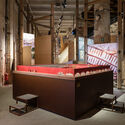
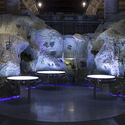
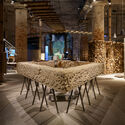
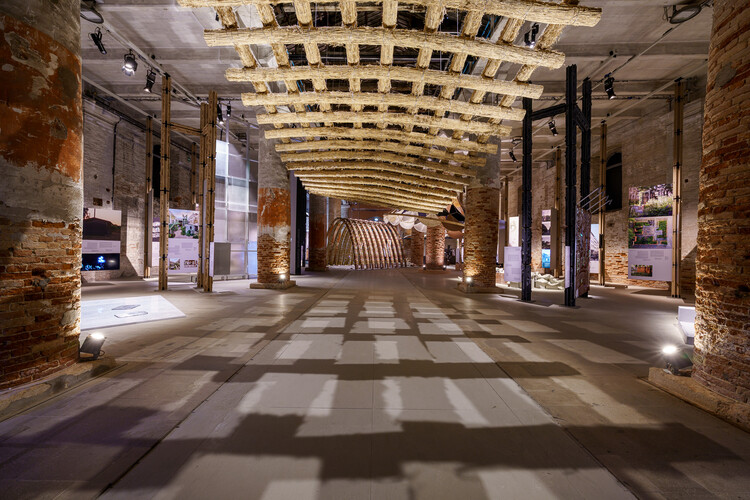
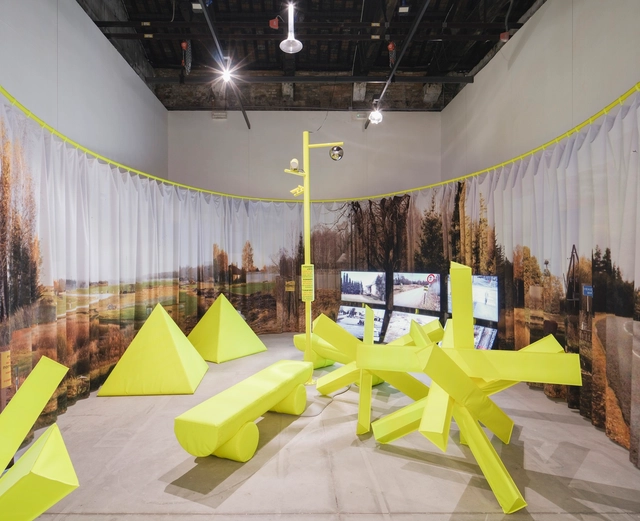
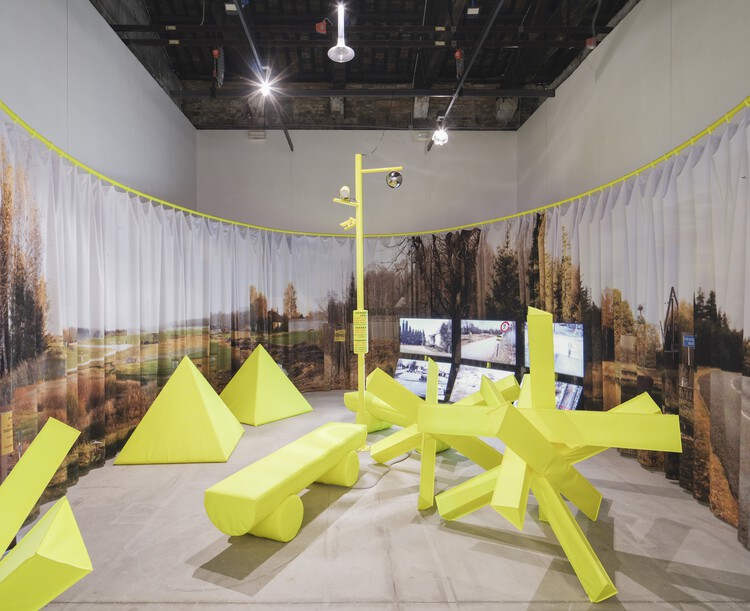
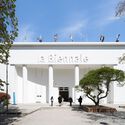
With just a few days left before the six-and-a-half-month 19th Venice Architecture Biennale comes to an end, it is possible to look back on some of the most notable contributions within its thematic framework. Marked by the largest call for participants to date, the Biennale's diversity of topics and the range of installations on display go beyond easy recapitulation. As part of that reflection, several initiatives can be highlighted as illustrative of the principles reflected in the curatorial theme, "Intelligens. Natural. Artificial. Collective." The concepts interwoven in Carlo Ratti's title form a call to address the urgent need for substantial solutions amid the accelerating climate crisis, positioning the Biennale as a platform for diverse design proposals and experiments organized around three forms of intelligence: natural, artificial, and collective. Beyond the national pavilions and numerous collateral events held throughout Venice over the past six months, among the more than 700 participants are projects that, through practice, embody four shared intentions: opening conversations about the future, proposing systemic responses to local realities, placing technology at the center of design innovation, and pursuing material research rooted in local sensitivity.
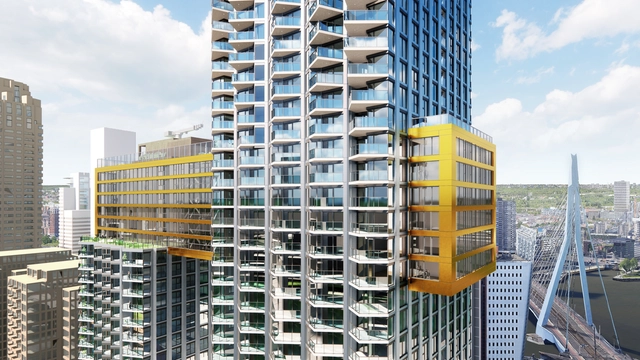
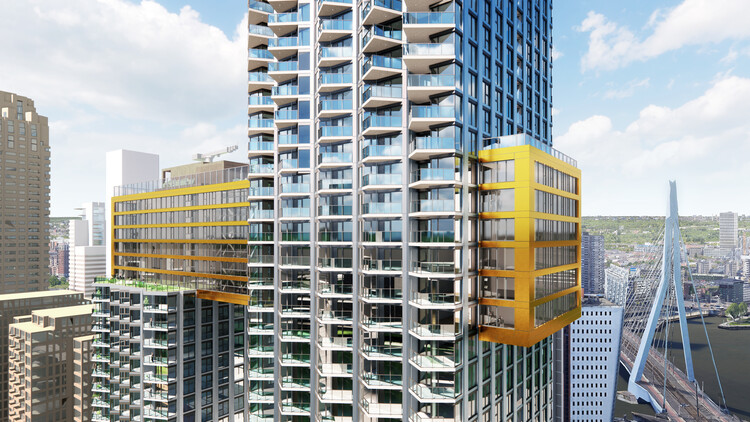
The Sax residential towers by MVRDV. Render. Image Courtesy of MVRDV
The City of Rotterdam, developers BPD and Synchroon, and architecture firm MVRDV have officially begun construction on The Sax, a major residential project located on Rotterdam's Wilhelminapier. Designed to contribute to the city's ongoing densification efforts, the development will deliver 916 apartments within two interconnected towers. Once completed, The Sax will make Wilhelminapier the most densely populated area in the Netherlands, making the project an example of compact urban growth. The design comprises two towers, combining a wide mix of housing types and shared amenities with strong connections to public transport and sustainable mobility solutions, including parking for 1,800 bicycles and a fully automated car garage. With its silver façade and undulating balconies, the building's form echoes the shape of a saxophone, reflecting the character of Rotterdam.
Left to right, top to bottom: AAU Anastas, heneghan peng architects, Níall McLaughlin Architects, Studio Anne Holtrop, Tatiana Bilbao ESTUDIO, Toshiko Mori Architect, Trahan Architects. Image Courtesy of The teams and Malcolm Reading Consultants
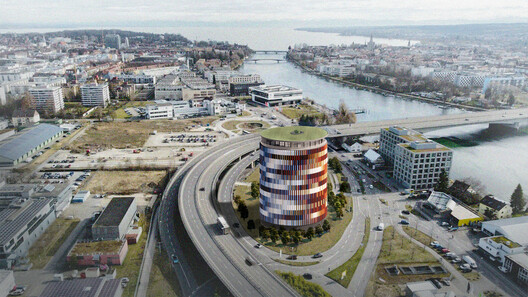
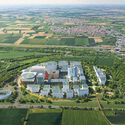
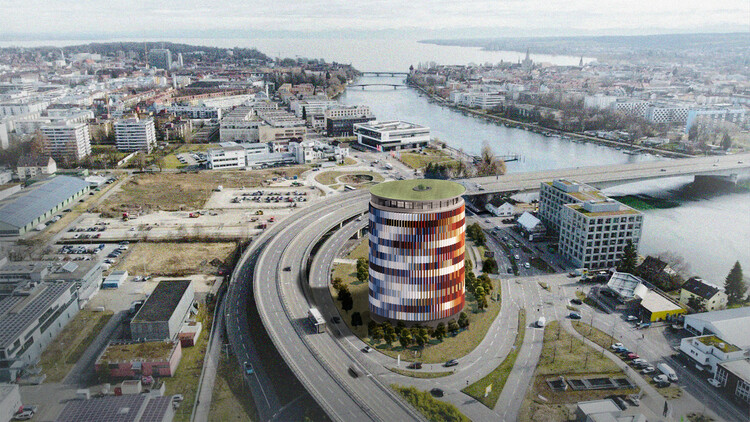
As the 19th Venice Architecture Biennale enters its concluding weeks, the global architecture scene continues to unveil significant projects and recognitions. This week's highlights include Studio Libeskind's residential complex in Prague; sauerbruch hutton's Panorama Constance exhibition building in Germany, and CRA–Carlo Ratti Associati's digitally fabricated bivouac for the upcoming Milano Cortina 2026 Winter Olympics. In New York, Venezuelan artist Miguel Braceli designed a major public artwork for the city's waterfront, addressing themes of migration, diversity, and the complexities of geopolitical identity. The week also brought recognition to sustainable and creative achievements, from the Holcim Foundation's regional awards for sustainable construction to the publication of Tadao Ando. Sketches, Drawings, and Architecture by Taschen, celebrating nearly five decades of the architect's design process.
Two views, by Marie-Louise Raue. Image Courtesy of The Architecture Drawing Prize
The eighth edition of The Architecture Drawing Prize has revealed its 15 winners, following a radical restructuring of its judging criteria to reflect the evolving landscape of architectural representation. For the first time, the competition assessed all entries together, rather than by category, embracing the growing influence of digital and AI-assisted tools in the creative process.
Launched in 2017 and co-curated by Make Architects, Sir John Soane's Museum, and the World Architecture Festival (WAF), the Prize celebrates the art and skill of architectural drawing across multiple modes of creation. Sponsored by Iris Ceramica Group and supported by ArchDaily as media partner, this year's edition attracted a record number of more than 200 submissions from around the world. Drawings were evaluated for their technical skill, originality, and capacity to convey architectural ideas through diverse techniques, ranging from traditional hand drawings to complex hybrid compositions.
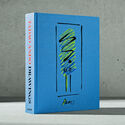
Taschen's new book, published in October 2025, Tadao Ando. Sketches, Drawings, and Architecturepresents an in-depth exploration of the Japanese architect Tadao Ando's creative process, bringing together over 750 sketches, drawings, models, and technical plans developed over nearly five decades. Created in close collaboration with Ando himself, the book provides a rare view into how his ideas take shape, from the immediacy of the first pencil lines to the precision of architectural drawings that define his built works. Through these materials, the publication highlights Ando's enduring focus on the relationship between hand, thought, and space.
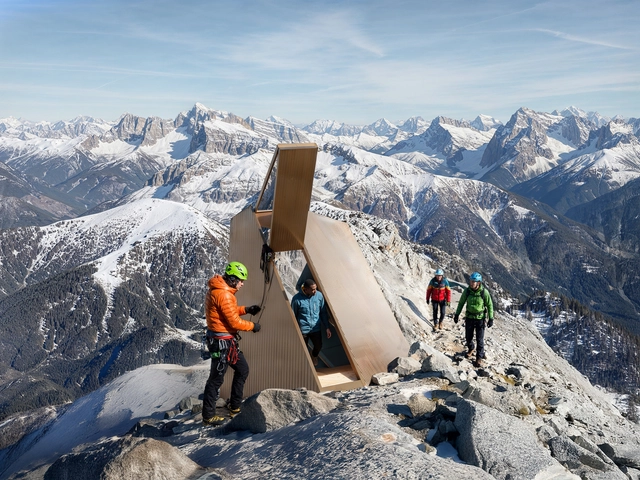
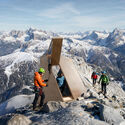
CRA–Carlo Ratti Associati, in collaboration with Salone del Mobile.Milano, recently unveiled the design of a digitally fabricated bivouac set to debut as an urban pavilion during the 2026 Winter Olympics in Milan. The digitally fabricated wooden structure is designed to be self-sufficient, incorporating systems for energy production and storage, as well as water harvesting through air condensation. After its debut at Milano Cortina 2026, the structure is planned to be airlifted by helicopter to its permanent high-altitude location in the Italian Alps, where it will serve as a refuge for mountaineers.
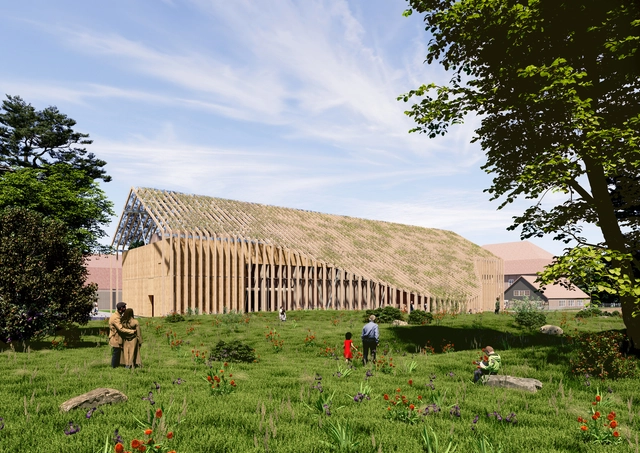
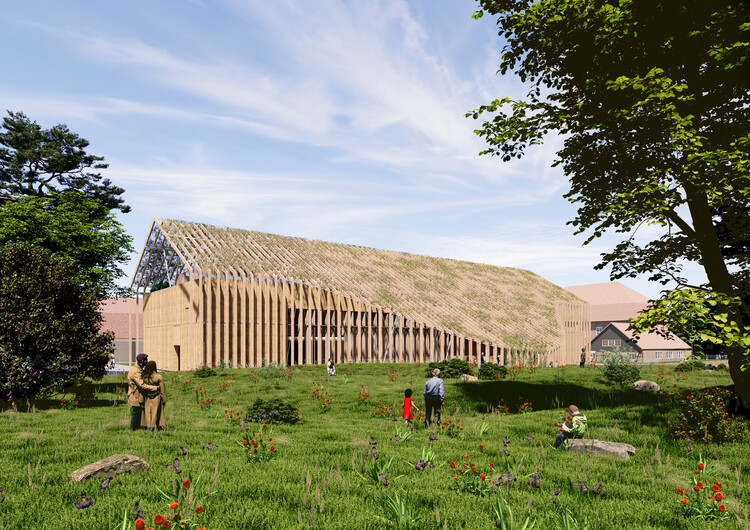
Museum Erhardt by Kéré Architecture. Exterior garden view. Render . Image Courtesy of Kéré Architecture
Construction has officially begun on the Museum Ehrhardt in Plüschow, northeast Germany, marking the first cultural project in Germany by Francis Kéré and his firm Kéré Architecture, as well as their first museum building in Europe. Developed in cooperation with HK Architekten and Hermann Kaufmann + Partner ZT GmbH, the 1,400-square-meter museum will be dedicated to photography and contemporary art. The initiative was launched by Dr. Jens Ehrhardt, son of the artist Alfred Ehrhardt (1901–1984), together with his wife Elke Weicht-Ehrhardt, to honor the painter, photographer, and filmmaker who was a leading figure of Germany's New Objectivity movement. The museum will stand near the Baltic Sea, adjacent to Schloss Plüschow, an artist residency and gallery.