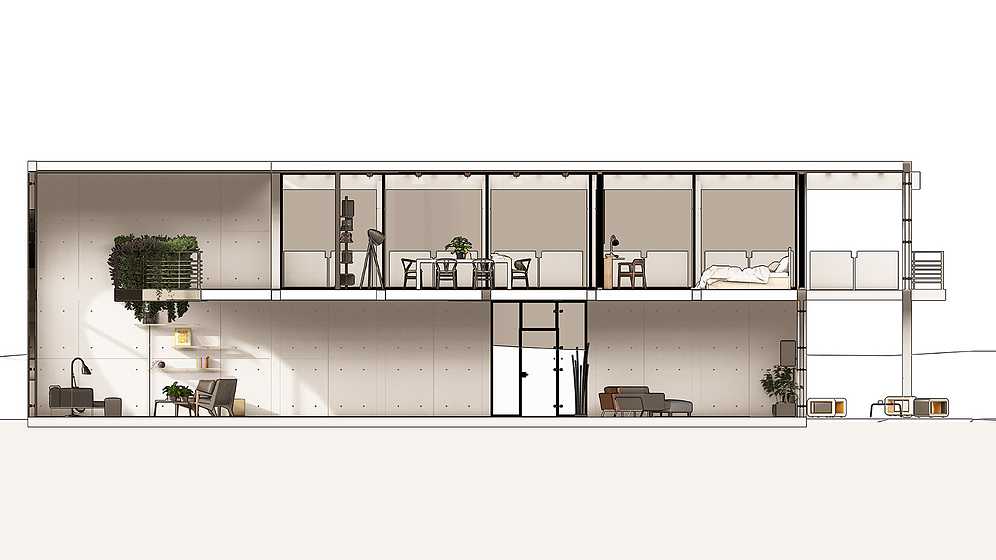
Produce personalized presentation boards that distill complex concepts into simple visual representations with a few helpful tools and effects.


Produce personalized presentation boards that distill complex concepts into simple visual representations with a few helpful tools and effects.
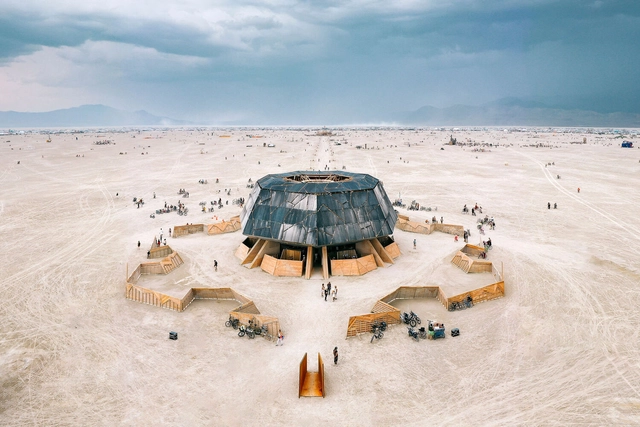
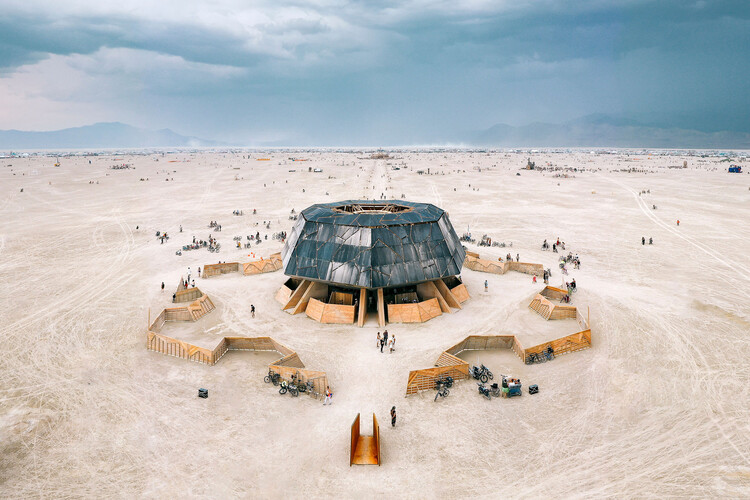
Each year, Burning Man transforms Nevada's Black Rock Desert into a temporary city where large-scale installations define both the landscape and the collective experience. Serving as a platform for experimental design, the event brings together artists, architects, and interdisciplinary teams to create works that blur the boundaries between sculpture and architecture. These temporary structures often function as gathering spaces, landmarks, or immersive environments, embodying the festival's guiding principle of impermanence.
The 2025 edition introduced projects that examined themes of ecology, memory, and connectivity while responding to the challenges of building in the desert. Ranging from intimate interactive pieces to monumental landmarks, the installations encouraged reflection, participation, and community engagement before disappearing at the close of the event.
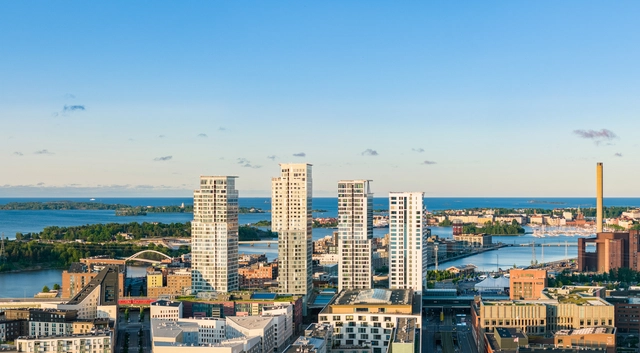
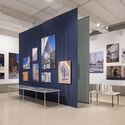
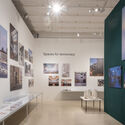
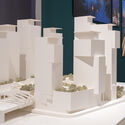
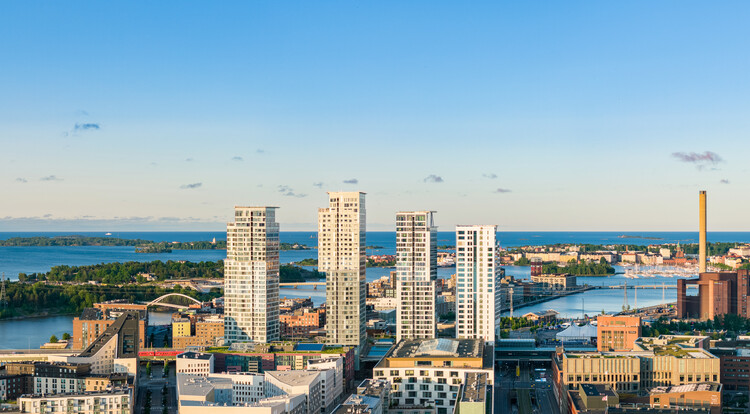
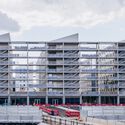
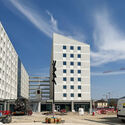
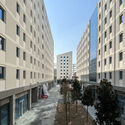
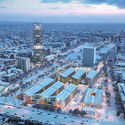
From September 6 to October 15, 2025, the Aedes Architecture Forum in Berlin will host an exhibition on the Finnish architectural firm Helin & Co. The show aims to examine the firm's role in shaping Helsinki over the past two decades. Titled Heart and Horizon, it reflects the practice's approach of combining the human scale ("Heart") with an engagement with urban space along the waterfront ("Horizon"). A central focus is placed on three projects that have been fundamental to Helsinki's transformation: the Kamppi Centre, a networked urban quarter with mobility hubs, cultural and residential areas; the Kalasatama Centre, a new district on the former harbour that combines urban density with views of the sea; and the Sello District Centre in Espoo, a multifunctional complex with a library, music school and concert hall.
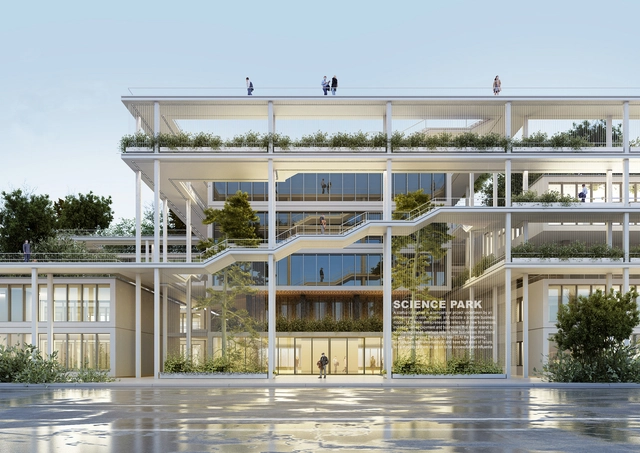
In today's world, learning is no longer confined to classrooms or defined by formal education alone, it happens everywhere, in many forms. From music halls and sensory libraries to neurodiversity training centers and public schools reimagined, the spaces that support learning are becoming just as varied as the ways we learn. This selection of unbuilt educational projects submitted by the ArchDaily community reflects that shift, exploring how architecture can embrace difference, nurture curiosity, and create environments that support a broad spectrum of cognitive, emotional, and social needs.
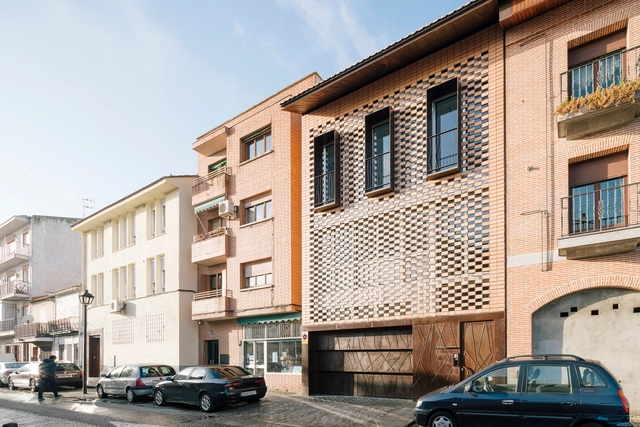
Spain combines cultural diversity and a long constructive tradition that is directly reflected in its architecture. The country is home to influential schools, a consistent body of theoretical production, an active generation of architects, and a well-established construction industry with strong capabilities in innovation, standardization, and export. Contemporary Spanish architecture is marked by a plurality of approaches and by the articulation between material tradition, technology, and performance.
In this context, materials play a central role in the conception, expression, and functionality of buildings. Steel, glass, brick, stone, and wood remain essential inputs in architectural practice, but their role goes far beyond raw matter. Once industrially processed, these materials unfold into a wide range of products and systems such as technical panels, ventilated façades, structural components, extruded cladding, and brise-soleil systems.
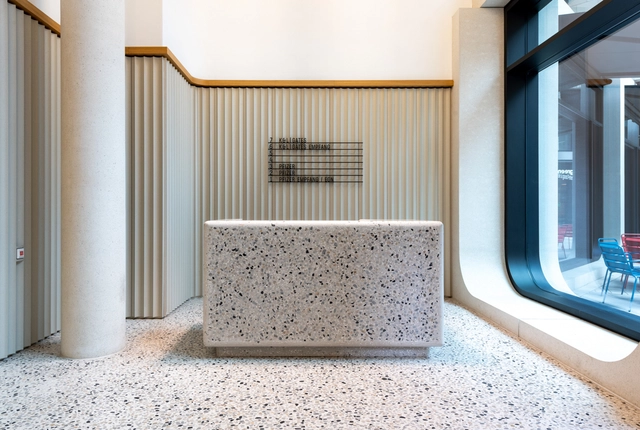
Stones hold time. Some are formed by the sudden solidification of magma, like basalt, whose dense structure and dark color result from rapid cooling at the surface. Others, such as granite, are born slowly in deep magmatic chambers, where gradual cooling allows the growth of visible crystals, creating unique patterns and colors. There are also sedimentary rocks, formed by the compaction of mineral and organic debris over millions of years, with tones that reflect their chemical composition and the environment in which they were deposited. Transforming this geological diversity into a single continuous surface, terrazzo is a cementitious or mineral composite in which fragments of marble, granite, quartz, basalt, and other lithologies are embedded in a binding matrix, then polished to reveal the structure and luster of each particle. Unlike a homogeneous surface, terrazzo acts as a mineralogical showcase, where each aggregate retains its identity while contributing to a coherent whole, which can become a floor, wall cladding, or even furnitures.
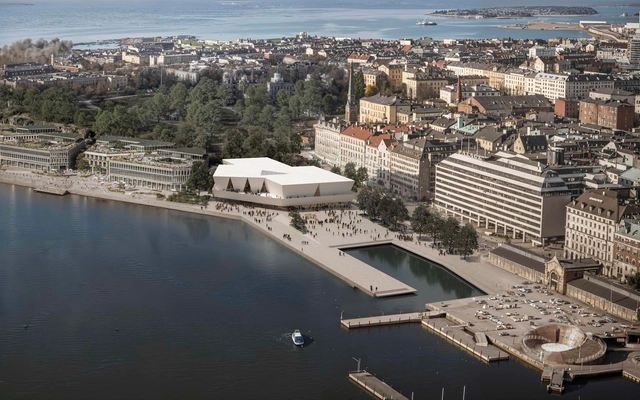
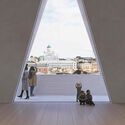
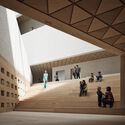
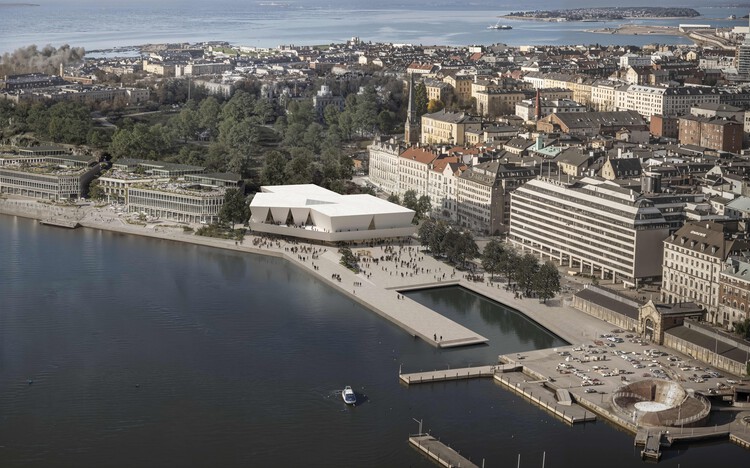
The international design competition to select the architect for Finland's new Museum of Architecture and Design in Helsinki has concluded with the announcement that JKMM Architects has been awarded first prize. The Helsinki-based practice's proposal, known during the competition as Kumma, was chosen from 624 entries submitted from around the world. The open and anonymous competition, launched in April 2024, sought conceptual designs for a new 10,050-square-meter cultural institution to be built on the city's South Harbor waterfront. Construction is scheduled to begin in 2027, with completion and public opening planned for 2030.
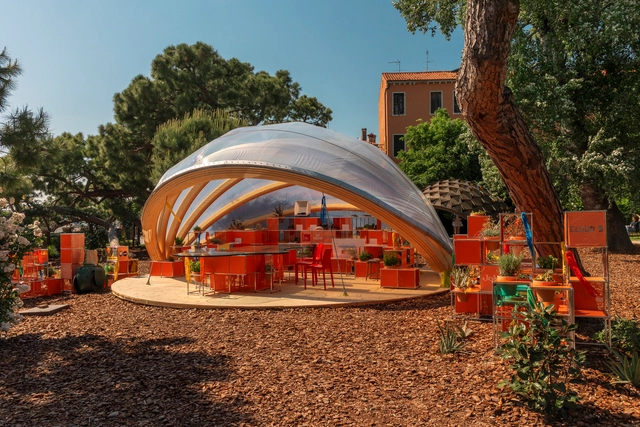
The European Cultural Centre Italy has organized the ECC Awards since 2010 to recognize artists, architects, designers, and academics in their respective fields. The Awards highlight projects featured in the Time Space Existence exhibition, which runs in parallel with the Venice Architecture Biennale and showcases tangible approaches to building more sustainably, aiming to position architecture as a force for environmental and social repair. The seventh edition of Time Space Existence is a group exhibition spanning three Venetian venues: Palazzo Bembo, Palazzo Mora, and the Marinaressa Gardens. This year, the exhibition focuses on the themes of Repair, Regenerate, and Reuse, emphasizing the essential role of architects and designers as agents of positive change in shaping sustainable, inclusive, and regenerative ways of living.
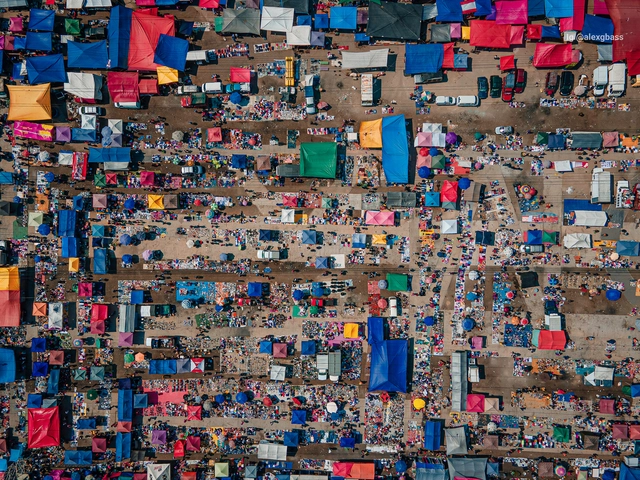
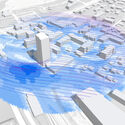
City Science, a rapidly expanding profession, is the scientific study and engineering of urban systems. It uses advanced technologies, big data, and complex systems physics to tackle challenges such as decarbonization, mobility, and livability. At its core, city science is about data-driven solutions. It employs statistics, modeling, and artificial intelligence to reveal the hidden dynamics of cities, from energy use to human movement. It employs strategies that reduce carbon emissions, enhance efficiency, and foster urban environments that are more sustainable and resilient.
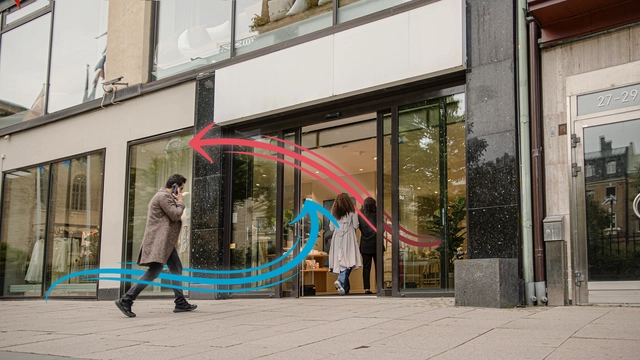
In Jacques Tati's Mon Oncle (1958), architecture itself becomes a character: sliding doors, an automatic fountain, gates that emit mechanical sounds, devices that both enchant and frustrate the inhabitants. The comedy arises precisely from the fact that these seemingly trivial systems silently shape everyday life. More than six decades later, the observation seems prophetic. In contemporary buildings, countless systems work autonomously and discreetly, going unnoticed when they function well. Among them, automatic doors, traditionally seen as secondary elements, are emerging as part of a new "invisible infrastructure": connected, efficient, and intelligent systems that support comfort, sustainability, and operational resilience.
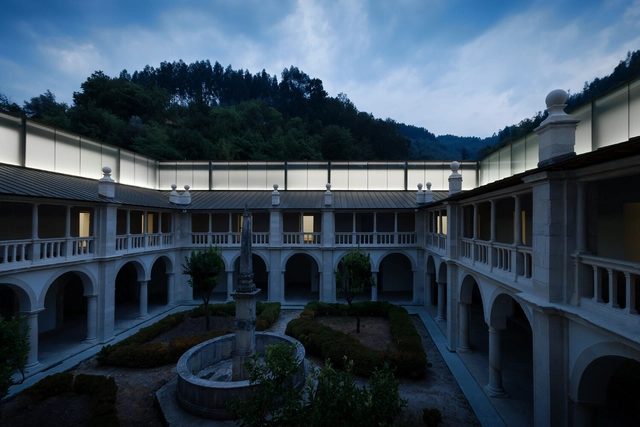
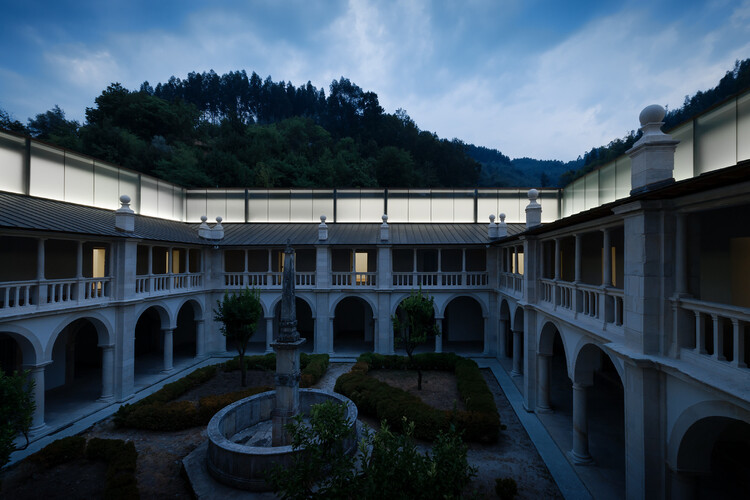
Monasticism emerged from a deep impulse to withdraw—a radical pursuit of spirituality and transcendence. The word itself comes from the Greek μόνος (mónos), meaning “alone,” reflecting the ideal of the holy hermit who retreats from the world to dedicate life entirely to the divine. By the late 3rd century, in Egypt and Palestine, the first Christian monks began to follow this path, creating ways of life that would later give rise to a distinct architecture centered on seclusion.
Centuries later, however, this legacy faces an uncertain fate. With the decline of religious vocations from the 1960s onward, countless convents and monasteries were sold, destroyed, or repurposed as hotels, cultural centers, or residences. Even the few that maintain their original function often lack structural updates to meet contemporary needs. In this context, architecture assumes a crucial role: how can these spaces be renovated and reused without becoming mere sets, stripped of the spirituality and memory that once defined them?
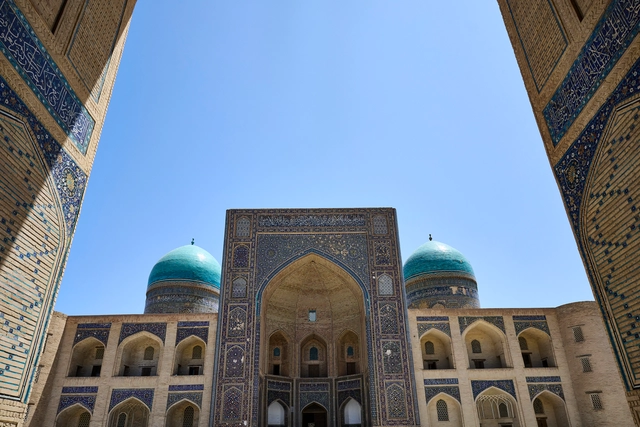
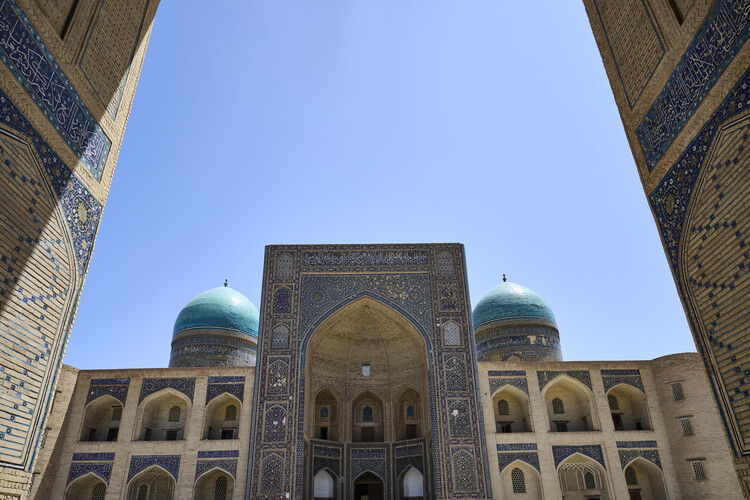
The inaugural edition of the Bukhara Biennial opened on September 5, 2025, bringing over 70 site-specific commissions by more than 200 participants from 39 countries to the historic core of the Uzbek city. Commissioned by the Uzbekistan Art and Culture Development Foundation (ACDF) and Commissioner Gayane Umerova, the Biennial is described as the largest and most diverse cultural event in Central Asia to date. Curated by Diana Campbell under the theme Recipes for Broken Hearts, the ten-week event is staged across a constellation of newly restored sites, including madrassas, caravanserais, and mosques, all part of Bukhara's UNESCO World Heritage listing. Beyond an exhibition platform, the biennial is framed as part of a broader master plan, positioning culture as a catalyst for urban transformation and heritage renewal.
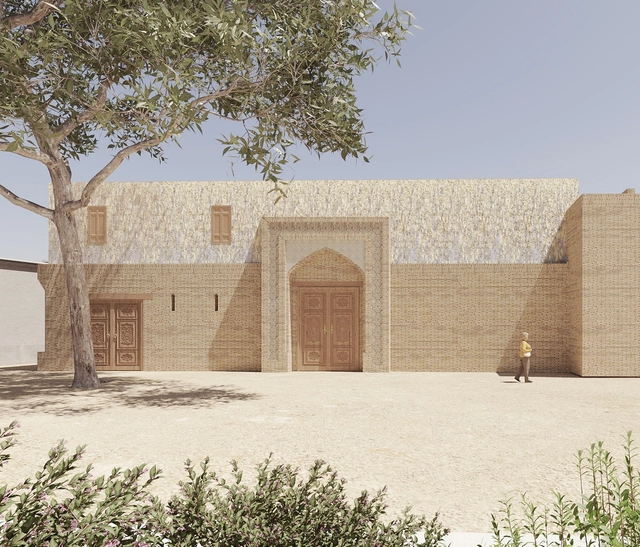
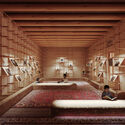
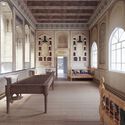
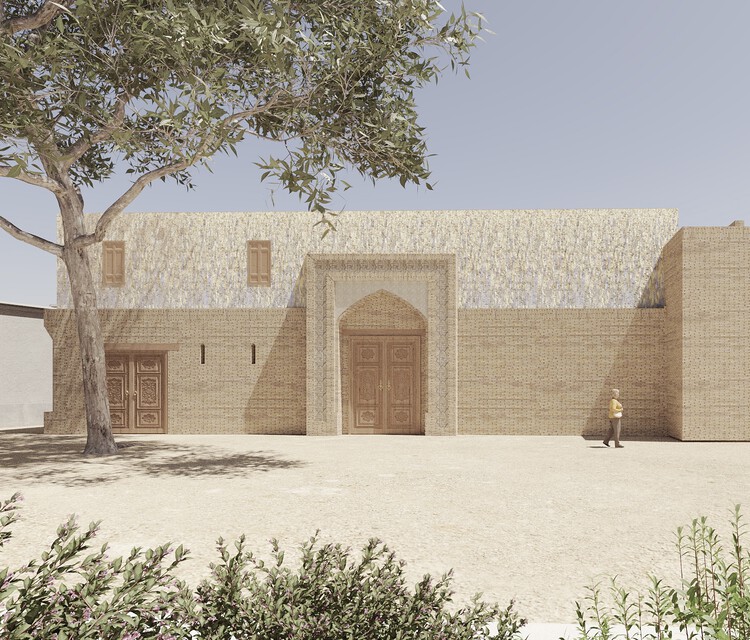
Lina Ghotmeh — Architecture has recently unveiled images of a project to transform a historic residence in Bukhara, Uzbekistan, into a "21st-century cultural destination." The proposal envisions a museum dedicated to the ideas and influence of Jadidism, a Muslim reform movement that advocated for the modernization of education across Central Asia during the late 19th and early 20th centuries.
The project was commissioned by the Uzbekistan Art and Culture Development Foundation (ACDF), established in 2017 to preserve, promote, and nurture the country's heritage, arts, and culture, while integrating them into the global art world and cultural landscape. Scheduled to open to the public in 2027, the museum is part of the ACDF's broader efforts to create landmark cultural institutions that engage audiences worldwide.
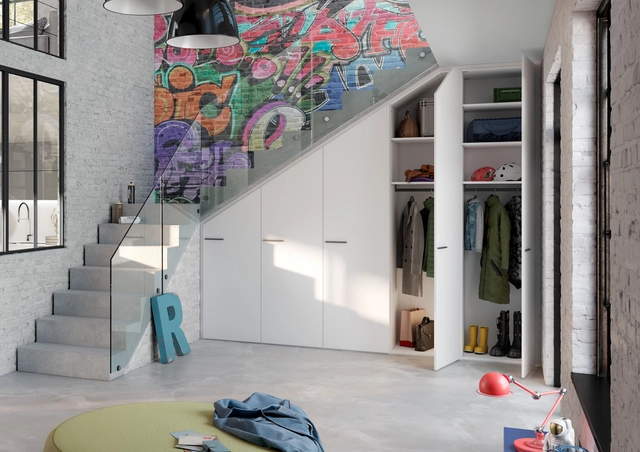
The capsule wardrobe concept, popularized in the 1970s by Susie Faux, proposes an exercise in synthesis: a compact set of versatile pieces, capable of combining in countless ways to suit different occasions. In visual culture, there are a few metaphors for this: in cartoons like Doug Funnie or Dexter's Laboratory, opening the closet revealed rows of identical clothes, ready to simplify life (and, in the case of animators, the work). In the real world, figures like Steve Jobs turned this logic into a method, adopting a daily uniform to eliminate the small but recurring decision of "what to wear?", freeing up time and energy for more important matters.
For others, however, this would be far from a burden. Choosing what to wear is a pleasurable moment, capable of setting the tone for the day and influencing one's mood. In this sense, the wardrobe is also an extension of identity, a space where practical and symbolic choices meet. Unsurprisingly, expressions like "coming out of the closet" or "skeleton in the closet" are deeply rooted in language, revealing the cultural dimension of this element of the home. In contemporary interior design, this notion has gained new layers: the wardrobe can define the character of a space, guide circulation, influence perception, and even shape the atmosphere of an environment.
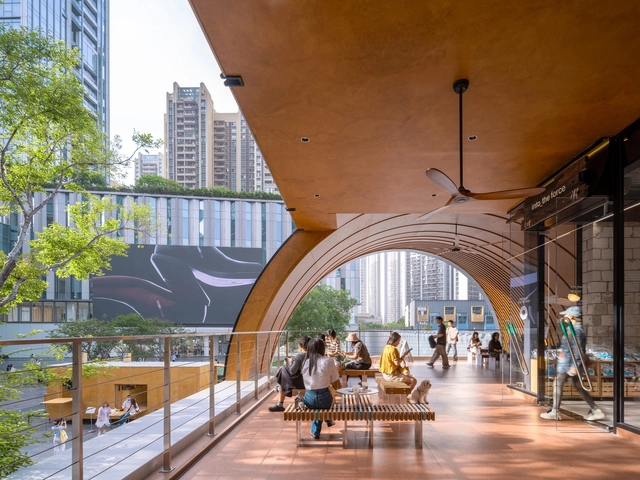
The noise of overlapping conversations, the flashing lights of a billboard, hurried footsteps on the sidewalk, and the constant hammering of a nearby construction site: public spaces are sometimes experienced as environments where stimuli accumulate and often overwhelm us. Each person perceives and responds to these sensory inputs differently, and recognizing neurodiversity means understanding that some individuals require more time to adapt, slower-paced journeys, or more gradual interactions with their surroundings. These encounters raise fundamental questions about contemporary public space: how can it accommodate the diversity of ways people perceive and inhabit it? How can we envision it as a space that embraces all ways of experiencing it?
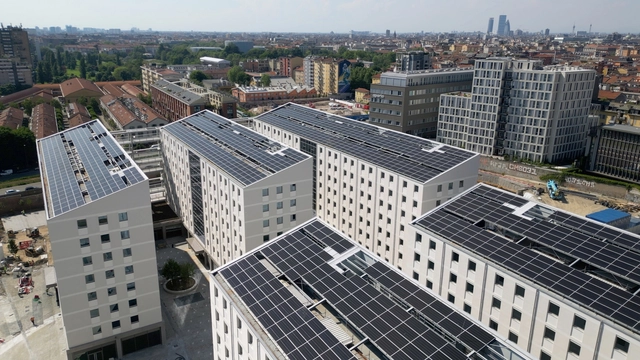
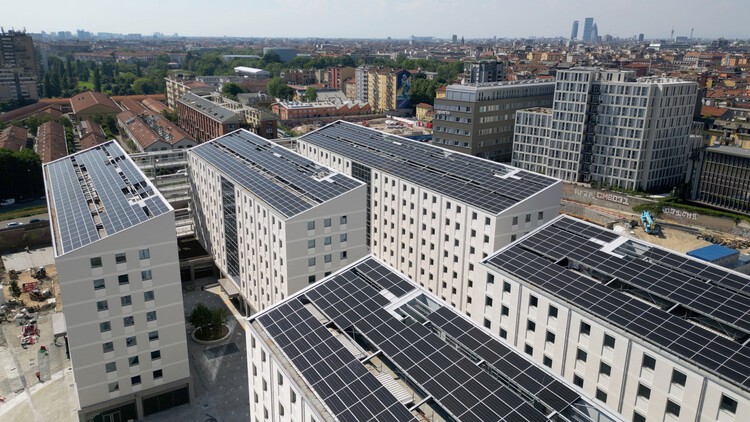
Skidmore, Owings & Merrill (SOM) has designed the Olympic Village for the Milano-Cortina 2026 Winter Olympic and Paralympic Games, located on the site of the former Porta Romana railway yard in Milan. Now nearing completion, the project is set for handover to the Milano Cortina Foundation in the fall, ahead of the Games. In April 2025, ArchDaily editors had the opportunity to tour the construction site, observing the progress of the residential buildings, public spaces, and restored historic structures that will define the new urban district. The village forms a key component of the Porta Romana Railway Yard Master Plan and will serve a dual purpose: housing Olympic athletes during the event and transitioning into student and affordable housing afterward.
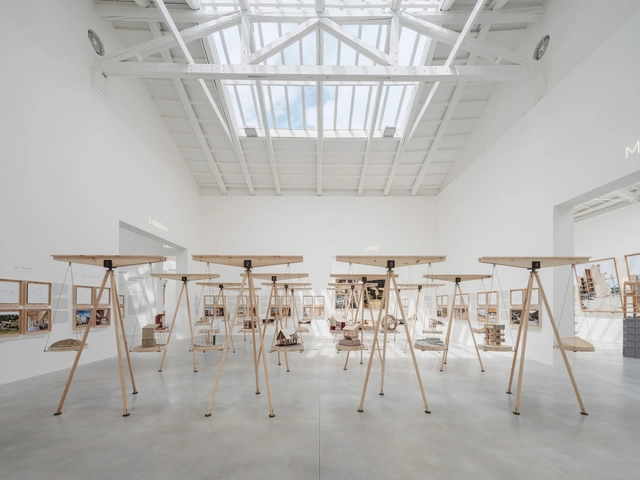
Internalities: Architectures for Territorial Equilibrium is the title of the Spanish exhibition at the 19th Venice Architecture Biennale. Curated by Galician architects Roi Salgueiro Barrio and Manuel Bouzas Barcala, the project presented in the pavilion’s central hall aims to "explore key strategies for decarbonizing architecture in Spain."
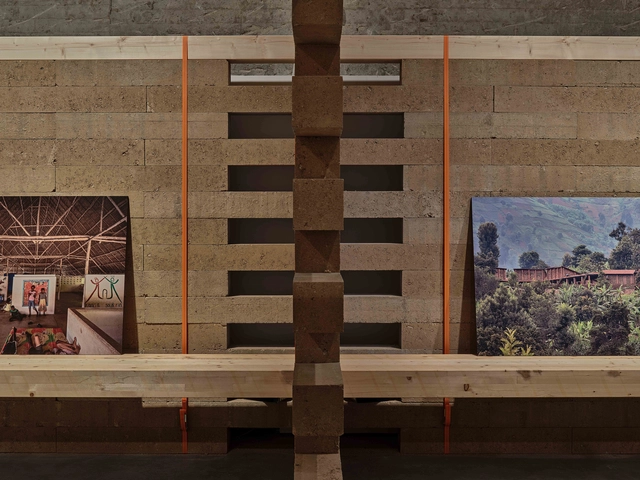
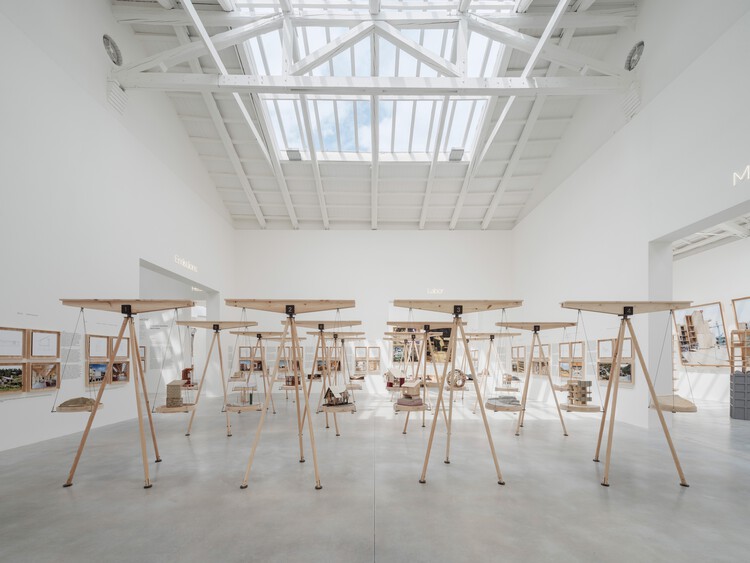
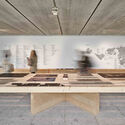
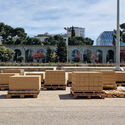
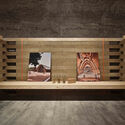
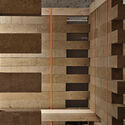
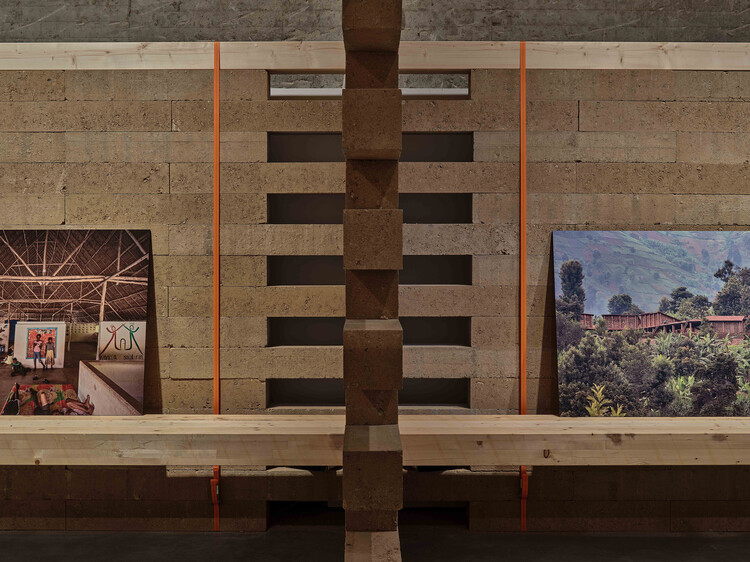
Working with the site instead of against it, the exhibition "Architecture is Cooperation," curated by Josep Ferrando, emphasizes the value of cooperation at the essence of architecture. Showcasing the work of professionals, organizations, and communities in cooperation projects driven from Spain, the installation takes shape through an exhibition design in earth and wood. The choice of these materials is understood not only from their aesthetic or symbolic qualities but also from their functionality and commitment to the principles of the circular economy. Until September 30, 2025, the exhibition will be on view at the Casa de la Arquitectura in Madrid, highlighting the necessary attention of architecture to the demands of the most vulnerable societies and communities by aligning the constructive language with the content of the exhibition.
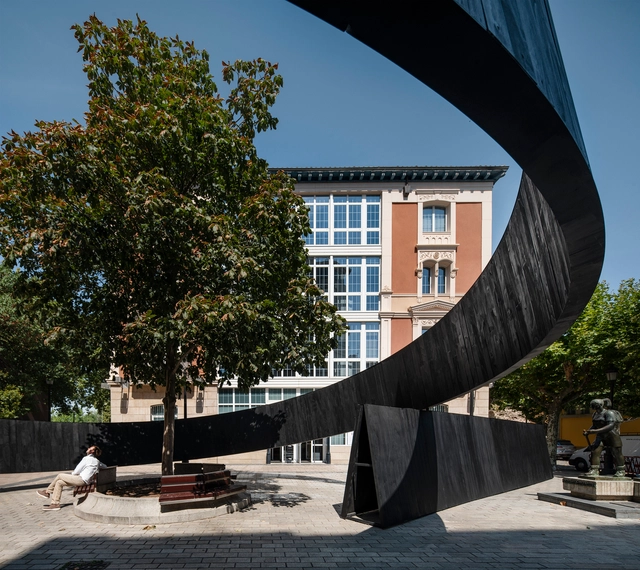
As cities continue to develop, we are seeing ever more well-planned, thoroughly executed, and tightly regulated approaches to shaping urban centres and their surrounding spaces—for better and for worse. As codes, restrictions, and guidelines improve and tighten, urban environments become safer, more balanced, and less prone to surprise. Yet the flip side is that highly managed districts can drift toward over-order and sanitisation, shedding the messy, accretive character that once produced alleyways, residual spaces, and unexpected sequences of movement—conditions often born from ongoing community improvisation in the grey zones of regulation.
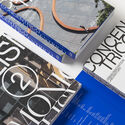
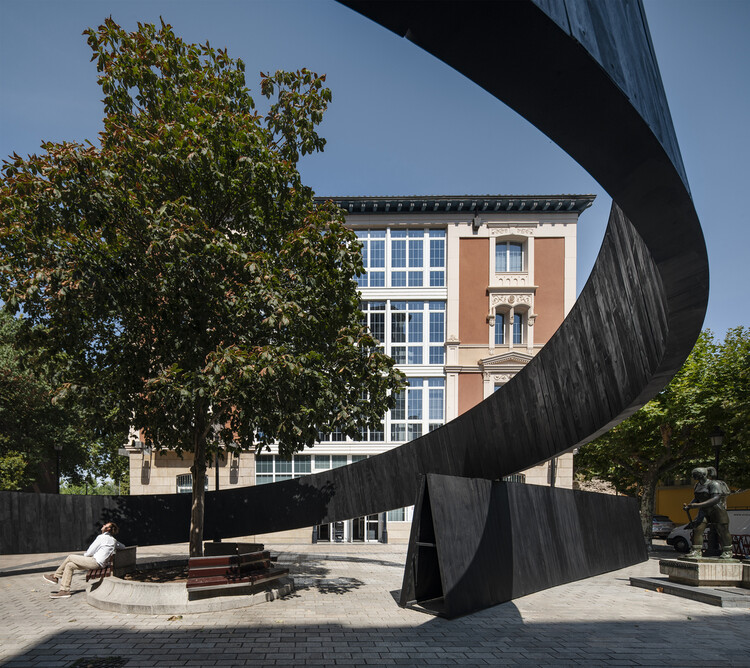
In response, a growing number of initiatives around the world are proposing short-term urban installations that test alternate futures for the city. These works aim to provoke dialogue between what the city is and what it could offer its communities through thoughtful, context-specific spatial practices. One notable example is Concéntrico, the international festival in Logroño, Spain, conceived as an urban innovation laboratory. Marking its tenth edition, the festival is about to publish Concéntrico: Urban Innovation Laboratory, a book that surveys a decade of urban design and collective transformation shaped through successive editions of the festival. Its launch is paired with an international tour designed to share a decade of insights on collective transformation and design.
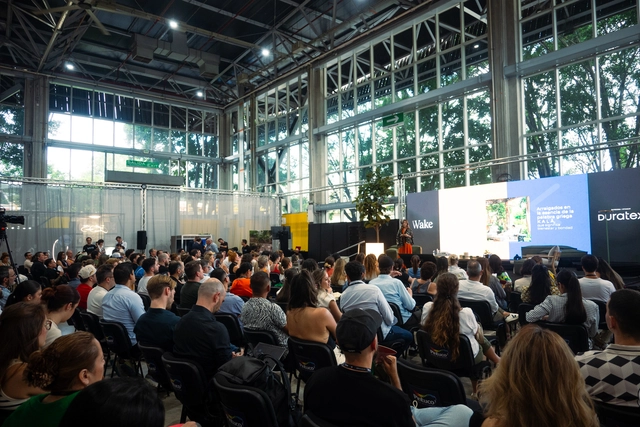
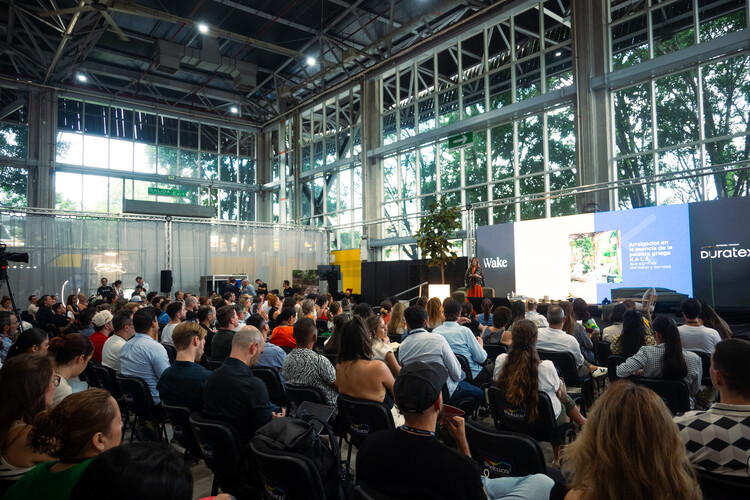
Asking questions is the first step toward challenging what we take for granted and opening up new possibilities for planning and building. These questions, valuable in themselves, gain new strength when shared and examined through different perspectives. As they intersect with the experiences of professionals and brands, they weave together viewpoints that enrich the discussion. Design fairs and events around the world have become spaces where these conversations gain momentum, fostering connections and encouraging collaborative dynamics. In this landscape, Colombia has emerged as a hub, serving as a platform that promotes architecture and design across Latin America and the Caribbean while bringing the region's voice to the global stage.
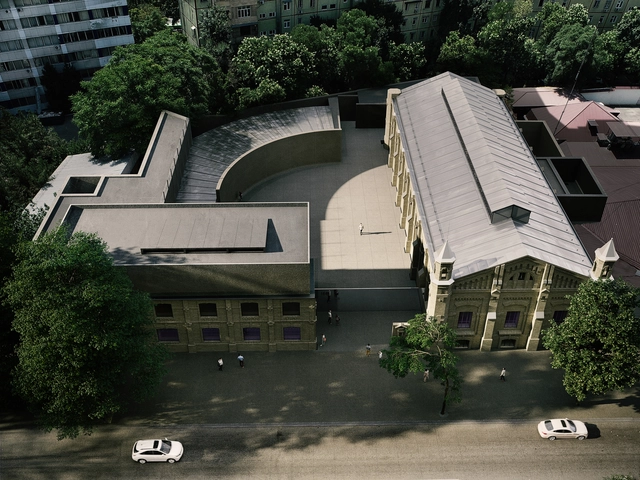
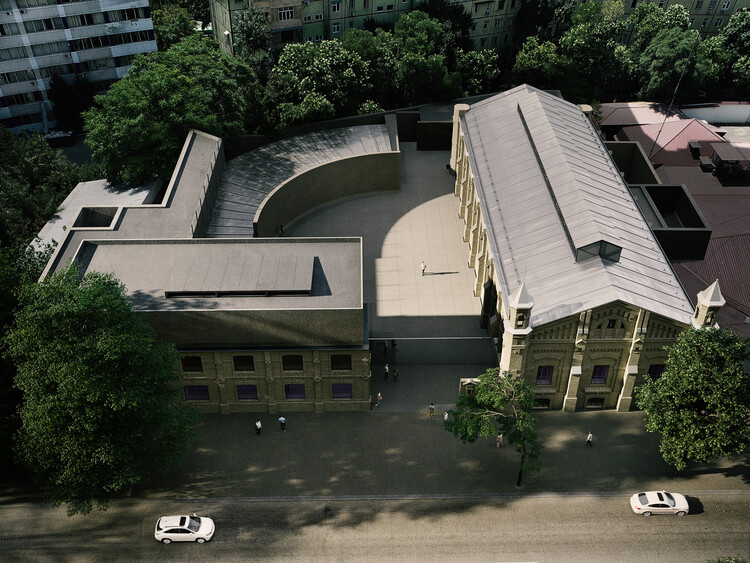
The Uzbekistan Art and Culture Development Foundation (ACDF) has announced the transformation of a 1912 industrial building in Tashkent into the Centre for Contemporary Arts (CCA), set to become the first permanent institution dedicated to contemporary art and research in Central Asia. Designed by the French architecture practice Studio KO, led by Karl Fournier and Olivier Marty, the project integrates preservation of the city's industrial heritage with a new cultural identity for the historic site. The building, originally designed by Wilhelm Heizelmann, known for the Treasury Chamber, was constructed as a diesel station and depot for Tashkent's first tram line. After decades of serving the city's electricity network, the structure was transferred to the Foundation in 2019 as part of Uzbekistan's long-term cultural development strategy. Under the leadership of Gayane Umerova, the project now represents a major step in shaping a contemporary cultural infrastructure for the region.
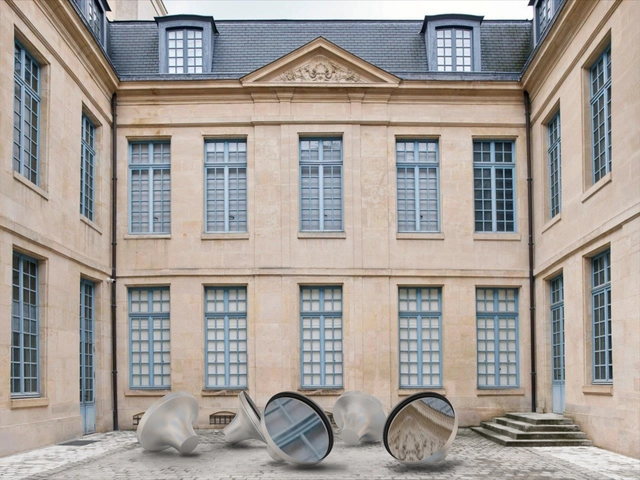
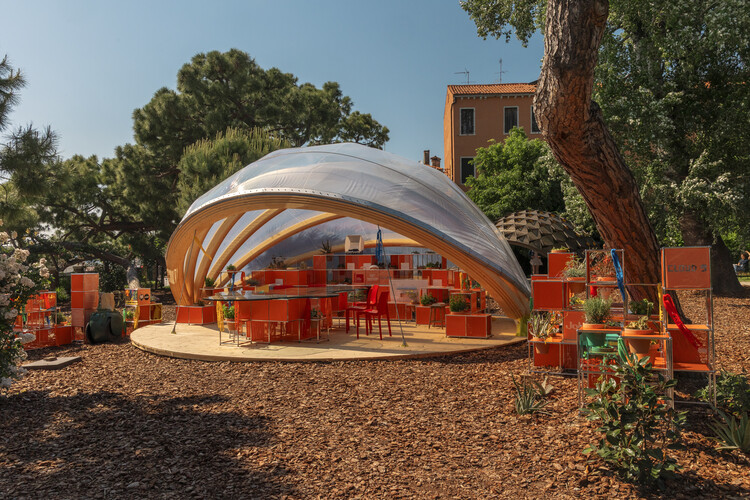
This year, the Maison&Objet interior design trade fair and the city-wide celebration Paris Design Week joined forces to highlight emerging designers, bring renewed value to French métiers d'art, and temporarily transform heritage landmarks with contemporary design visions. Both events began on September 4, turning Paris into a city-wide design festival. Galleries, showrooms, and concept stores opened their doors, while renowned landmarks became venues for designers from more than 30 countries. The abundance and diversity of the program have drawn comparisons to Milan Design Week, while giving Paris a distinct platform on the global design calendar. This article presents a selection of installations and exhibitions of architectural interest that emerge from the synergy between the two initiatives.
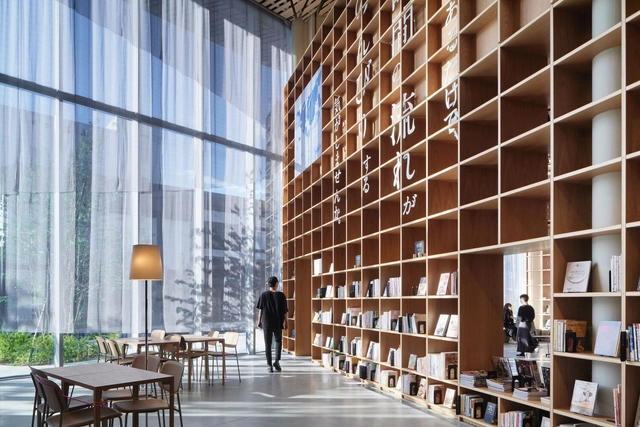
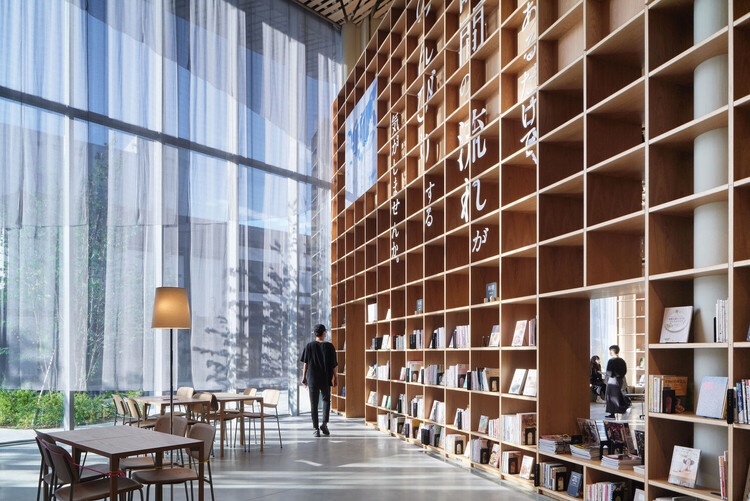
In traditional Chinese medicine, acupuncture works through strategically placed needles that trigger healing throughout the entire body. Urban planner Jaime Lerner's concept around targeted architectural interventions find success in China as well as neighboring countries in Asia, where localities are revitalized through simple interventions. Libraries, specifically, are bringing in social, cultural, and economic transformation to the continent.


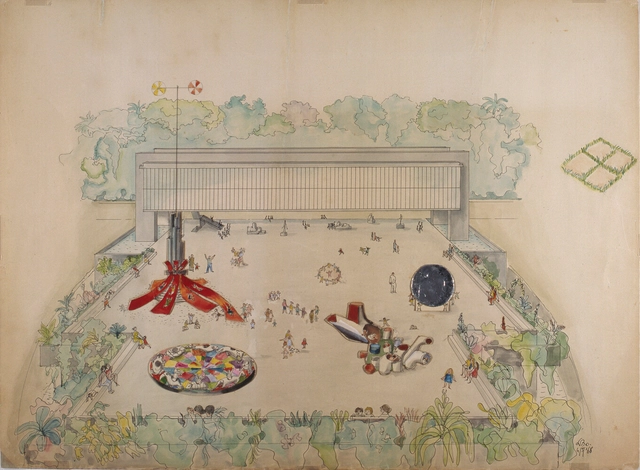
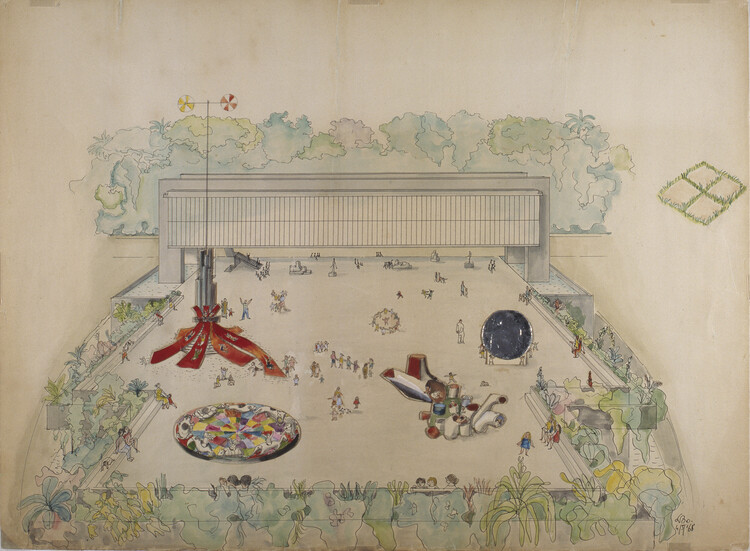
Aldo van Eyck and Lina Bo Bardi were two subversive figures. Their visions of collectivity and playfulness—though applied to very different kinds of structures—shared a common ground: an idea of architecture that goes beyond design. For both, architecture was a living space, animated by appropriation, movement, and exchange. From Dutch playgrounds to thw São Paulo Museum of Art, their ideals intertwined, reinforcing the notion of an architecture where anyone could become a child again.
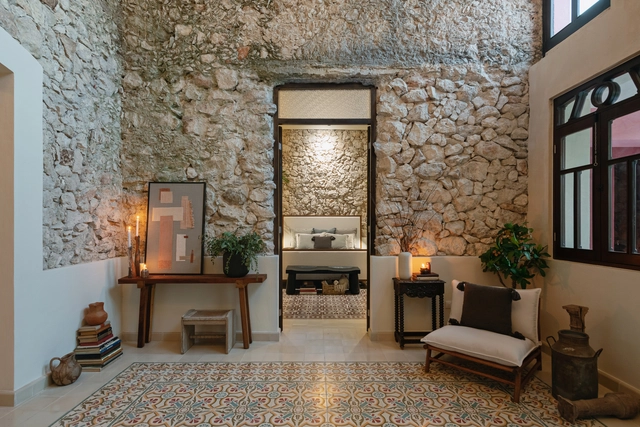
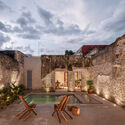
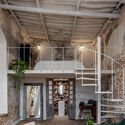
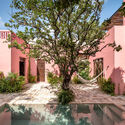
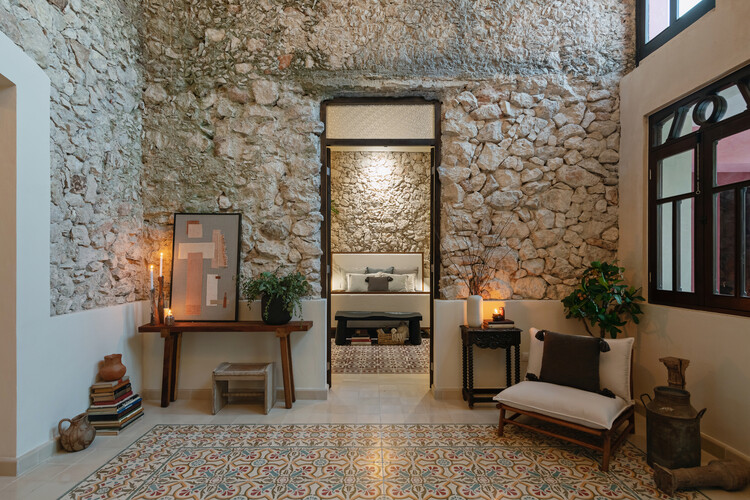
In the pursuit of connecting with the architectural traditions of cities and integrating their natural environments into design projects, the contemporary reinterpretation of colonial homes in Mexico faces the challenge of enhancing the contrast between the old and the new. Through the conservation of historical elements, the reuse of materials, and the fusion with contemporary design, the architecture of Mérida recognizes in its original colonial configuration new opportunities to create spaces in line with today’s demands. From achieving a direct connection with nature to naturally lighting and ventilating interior spaces, numerous ancient constructions, whether in ruins or not, choose to highlight their architecture by giving them a new life.