1. ArchDaily
  2. Natural Light

Natural Light: The Latest Architecture and News

Harnessing Vertical Light: Strategies for Spatial Depth and Comfort

 | In Collaboration

Architecture goes beyond its fundamental function of defining spaces and providing protection; it shapes the user experience, influencing sensations of comfort, spaciousness, and well-being. Among the many elements that make up a building, openings play a crucial role in connecting the interior and exterior, balancing privacy with transparency, and allowing the entry of natural light and ventilation. In particular, natural light transforms environments, defines atmospheres, and enhances architectural details, making spaces more dynamic and inviting.
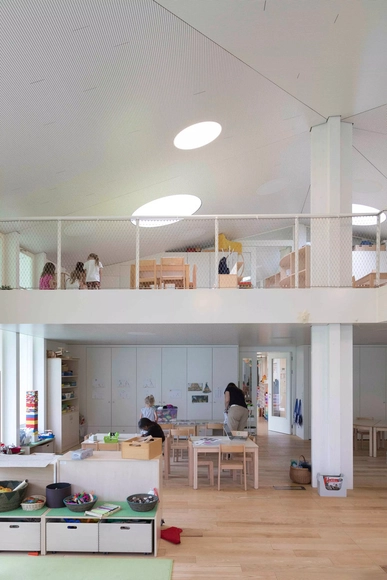
Composing with Light: Atmospheres and Strategies at the Kompetenzzentrum Breisgau

 | Sponsored Content

In Plato's allegory of the cave, light symbolizes knowledge: it is what guides the human being out of the shadows of ignorance and toward truth. In many religions, light is also associated with divinity, as a manifestation of the sacred. Over time, light ceased to be merely a symbol of reason and became an instrument of sensitivity, a living material capable of shaping atmospheres, influencing perception, and revealing meaning.

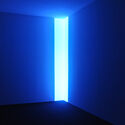
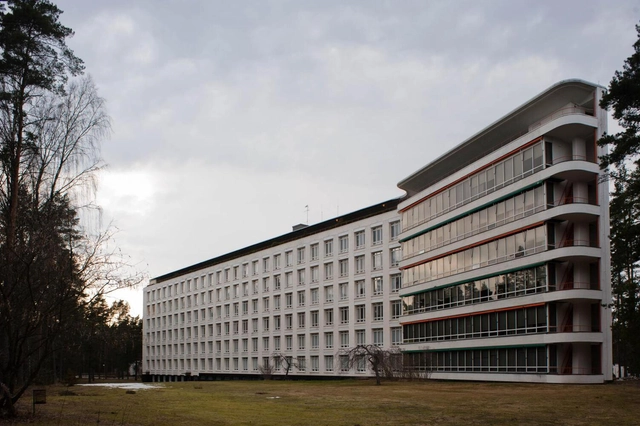
Light is masterfully used in the quiet spaces of Tadao Ando, for example, where it seeps in like a sacred substance between concrete walls. In Alvar Aalto's buildings, it is delicately modulated to converse with the Nordic sky. In James Turrell's immersive installations, it becomes body, color, and experience. But light also manifests in the most ordinary gestures: in every precisely oriented window, or every shadow carefully drawn to reveal what is not immediately visible. Like a conductor before the score and the orchestra, the architect can compose with light accentuating volumes, softening boundaries, and giving rhythm and intensity to the spaces we inhabit.

Letting the Sky In: 4 Case Studies of Daylight Solutions in Aquatic Architecture

 | Sponsored Content

Condensation, maintenance, and humidity are three familiar challenges that continue to test the buildings we design and construct. Whether stemming from climate conditions, limited airflow, or the specifics of construction detailing, these factors affect not only the durability of materials but also the everyday comfort and performance of inhabited spaces. When the setting is an aquatic center or an indoor swimming pool, the demands are even greater. The constant presence of steam, moisture accumulation, and the risk of mold can compromise both energy efficiency and the user experience. In such environments, ventilation and access to daylight, beyond their aesthetic value, become essential tools for maintaining equilibrium, enhancing indoor comfort, and ultimately improving how the space is perceived and utilized.

Beyond Form: How Light and Shadow Define Architectural Atmosphere

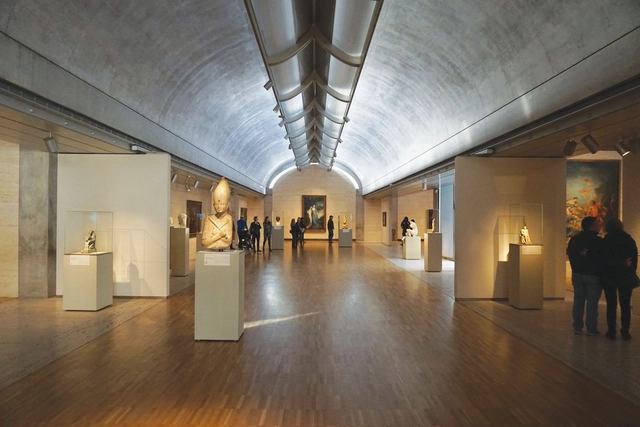
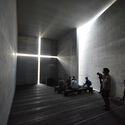
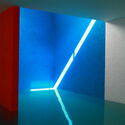
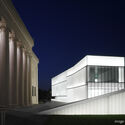
Architecture is often defined by its physical form, materials, and structural elements, but light and shadow truly shape the experience of space. These elements influence perception, guide movement, and evoke emotional responses, transforming static structures into dynamic environments. Throughout history, architects have harnessed the interplay of light and shadow, using it as a fundamental design tool to create atmosphere and meaning.

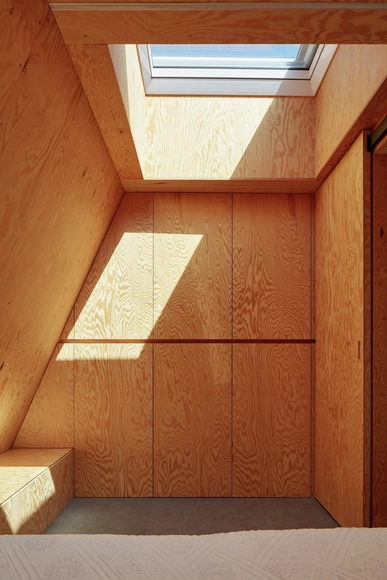
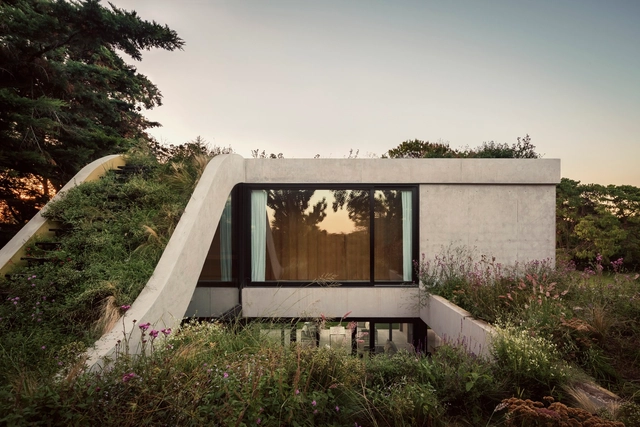
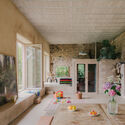
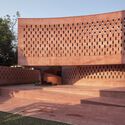
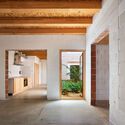
Beyond Form: How Light and Shadow Define Architectural Atmosphere - Imagen 1 de 4Beyond Form: How Light and Shadow Define Architectural Atmosphere - Imagen 2 de 4Beyond Form: How Light and Shadow Define Architectural Atmosphere - Imagen 3 de 4Beyond Form: How Light and Shadow Define Architectural Atmosphere - Imagen 4 de 4Beyond Form: How Light and Shadow Define Architectural Atmosphere - More Images+ 48

How to Frame a View Worth Framing? Vitruvian Principles and the Ideal Window

 | Sponsored Content

Windows are an essential architectural element whose basic function, though simple, remains vital. Primarily designed to let in natural light and facilitate air circulation, they play a constant role in everyday life, presenting an interesting duality. From an artistic perspective, painters such as Johannes Vermeer and Henri Matisse have used them as expressive tools, exploring their ability to frame views and tell stories. In contrast, windows have transcended traditional scales and designs within their contemporary and minimalist architectural dimension, creating fluid spatial connections between inside and outside. Beyond formal and stylistic innovation, this evolution finds resonance in the foundational concepts and treatises that have guided architecture since the past.

Buildner’s Home of Shadows Competition: Winners of the Artificial Light-Free Home Challenge

Buildner has announced the results of its second annual Home of Shadows international architecture ideas competition. This competition series is designed to focus on the vital interplay between light and shadow in creating functional and inviting living spaces, highlighting the importance of natural light in home design, which is essential for creating comfortable, welcoming, and practical environments.

Rebuilding with 3D Printing: For Everyday.Life Designs Community-Focused Homes for ICON's Initiative99 Competition

United Kingdom-based office For Everyday.Life (FEL) is one of the three selected winners for the Open Category of ICON’s Initiative 99, an open competition aiming to promote affordable home designs that can be built for under $99,000 employing ICON’s 3D printing technologies. FEL’s project, titled “Housing Salinas,” focuses on community living while applying principles of long-term sustainability, and social and environmental responsibility.