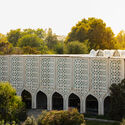
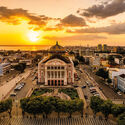
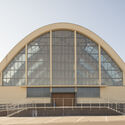
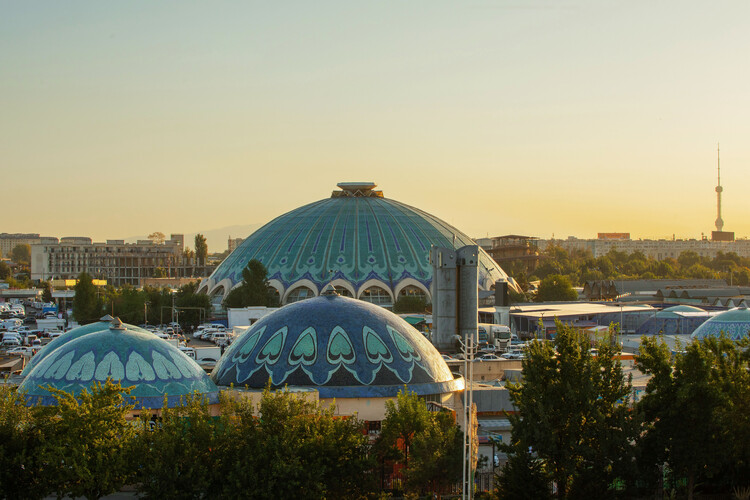
The UNESCO World Heritage Committee has announced 25 new inscriptions to the World Heritage List during its 48th session, expanding the international register with sites that reflect a wide range of architectural, cultural, and natural heritage. The 2026 additions include 19 cultural properties, five natural sites, and one mixed property, alongside approvals for two significant boundary modifications and one revision to the criteria of an existing inscription. Spanning every inhabited continent, the newly recognized places range from archaeological landscapes and historic urban centers to modernist architecture and industrial heritage, underscoring the diversity of the built environment and the evolving scope of heritage conservation.
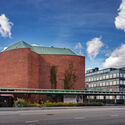
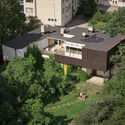
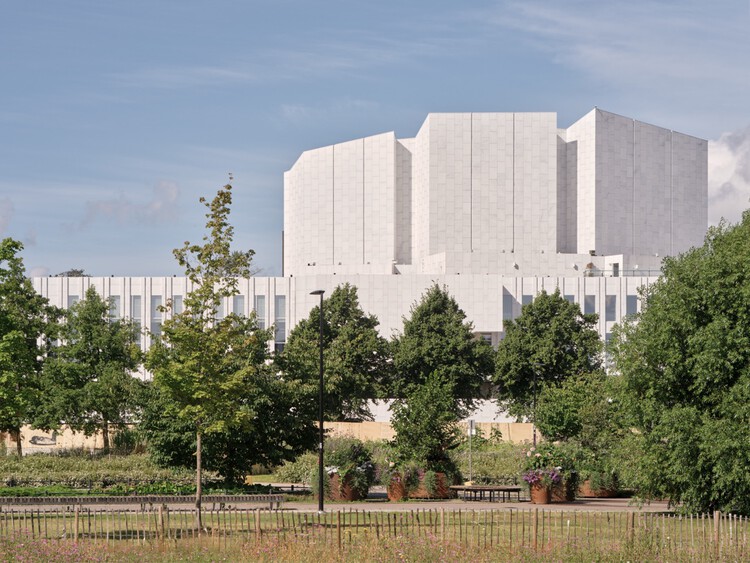
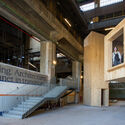
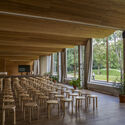
The UNESCO World Heritage Committee has inscribed Aalto Works, a collection of thirteen buildings and architectural ensembles across Finland designed by Aino Marsio-Aalto, Elissa Aalto, and Alvar Aalto, on the UNESCOWorld Heritage List. The designation recognizes the international significance of a body of work that helped redefine modern architecture through a human-centered approach, emphasizing the relationship between buildings, everyday life, nature, and social well-being. Spanning projects completed between the late 1920s and the 1980s, the series represents Finland's contribution to the Modern Movement while acknowledging the collaborative practice of the Aaltos and their studio.
Recent events highlighted the many ways architecture responds to changing environmental, social, and cultural conditions. Major earthquakes in Venezuela, Japan, and Northern California renewed attention to the role of planning, infrastructure, and building practices in shaping resilience to natural hazards. As these questions continue to inform the built environment, the opening of the 2026 UIA World Congress of Architects in Barcelona brought together practitioners and researchers to discuss climate, housing, public space, and the future of the profession. Recent project announcements, preservation initiatives, completed works, and new design tools further reflected the range of approaches shaping architectural practice today, from heritage conservation and adaptive reuse to environmental performance and long-term planning.
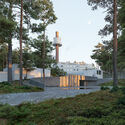
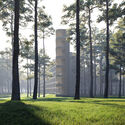
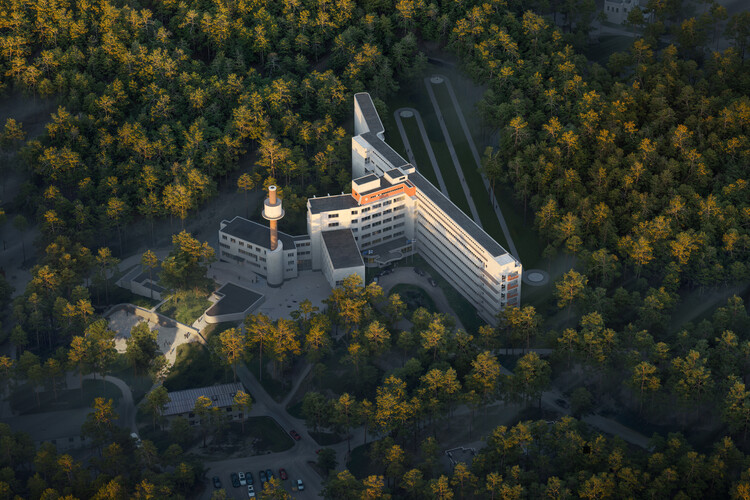
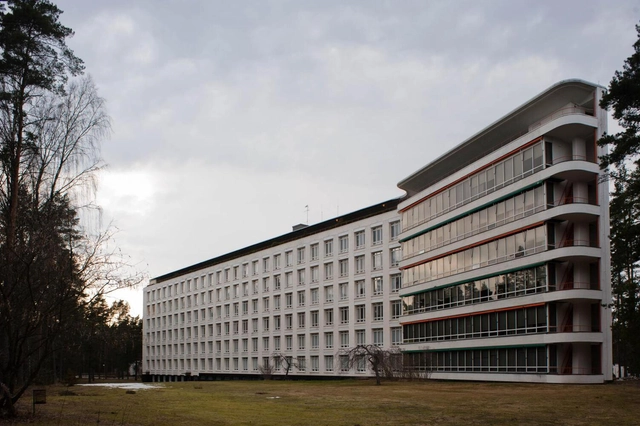
Aino and Alvar Aalto's Paimio Sanatorium is a recognized example of modern architecture for healing, representing a patient-centered approach to hygienism that treated the building itself as a medical instrument. Built between 1929 and 1933, it was designed as a nature-oriented tuberculosis sanatorium, later used as a hospital, and today operates as a tourist attraction. The property comprises the main building together with fourteen additional structures, granted protection in Finland in 1993 under the Finnish Building Protection Act. The complex was included on UNESCO's tentative list in 2004 and is part of the "Aalto Works" nomination, with a decision expected in July 2026. Snøhetta has developed a masterplan representing a new vision for the modernist complex, reimagining it as a destination combining hospitality, wellness, cultural spaces, and arenas for international dialogue.
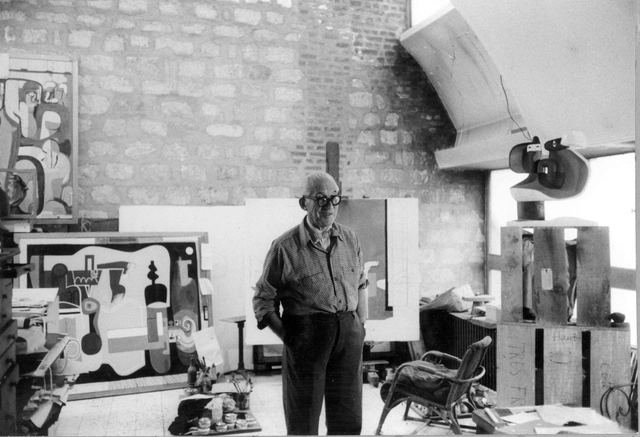
Modernism in architecture was perhaps the first truly global building design philosophy. Established at the beginning of the twentieth century, its early proponents were heavyweights from Europe, such as Le Corbusier, Walter Gropius, and Mies van der Rohe. In 1923, Le Corbusier published his seminal written work, usually translated into English as Towards a New Architecture. Newness, and a rejection of history, was one of the central tenets of modernism. This manifested itself in the use of new materials such as steel and concrete, which gave rise to an unprecedented freedom of formal expression.
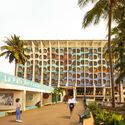
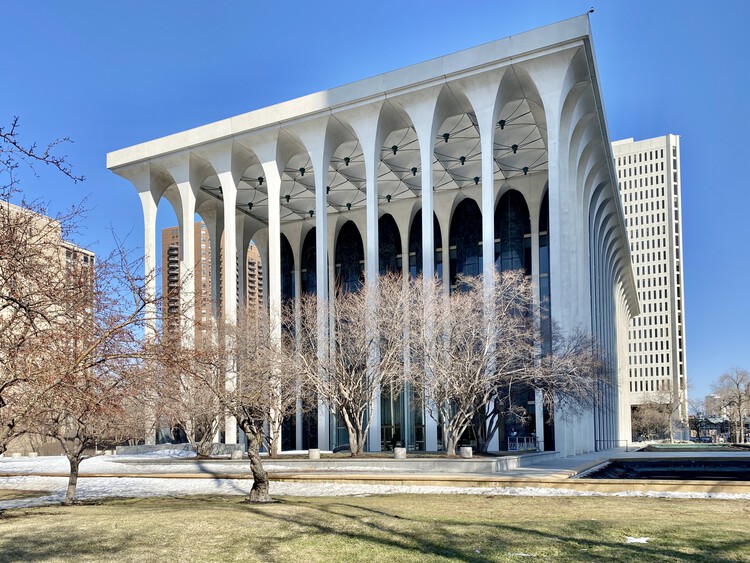
By the middle of the twentieth century, Modernism was adopted across the world by countries recovering from the Second World War and overcoming the legacy of colonialism. It became the language of reconstruction and of nation-building, reinforced by its rejection of the past. Its emphasis on technology suited this brave new world of industry, large-scale development, and new building types. Fast-forwarding to a century after its birth, Modernism itself has become the legacy. As buildings progressively become obsolete or reach the end of their design lives, there is an appreciation of the heritage value of these structures, both as designed items and as symbols of the spirit of the age in which they were built. Here, we look at five Modernist buildings from five regions going through adaptive reuse proposals. Where form once followed function, here, the function must follow the form.
Architecture and Design Museum Helsinki invites visitors to explore Alvar, Aino and Elissa Aalto’s architecture and design from the perspective of wellbeing. The multidisciplinary exhibition boldly asks what these classics can contribute to contemporary discussions on the design of wellbeing.
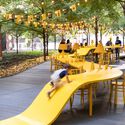
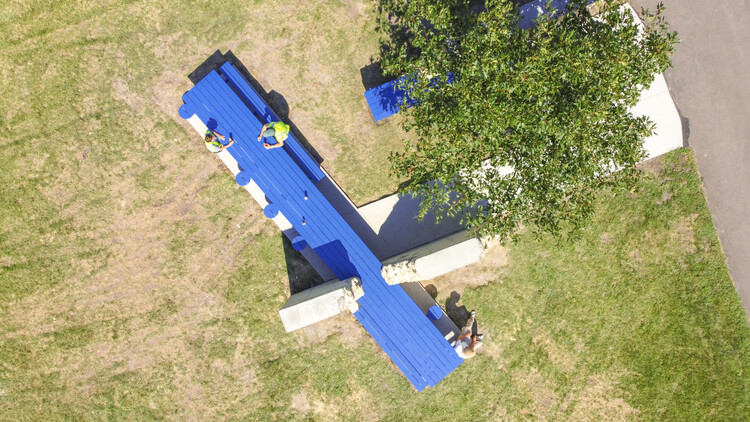
A long table can sit almost anywhere and still do the same work. It can stretch beneath a market canopy, run along a school dining hall, or occupy the center of a shared living room, and it immediately changes the room's temperature.
That is why the long table is less an object than a spatial instrument. It does not guarantee a connection, and it rarely looks "inclusive" by default. Instead, it sets conditions: a shared edge, a common rhythm of arrival, a field of mutual visibility, or a rule that turns eating into a scene with others. Food studies describe this practice as commensality, the act of eating together and the social order it can create, reinforce, or contest. But what matters here is not a specific dimension or the table's function, but the way a long surface holds difference, conversation, and silence; intimacy and distance; the decision to join and the right to hesitate.
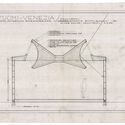
Every architectural project is the result of deliberate choices. Beyond form and function, buildings embody technical, political, and cultural decisions that shape their relationship with both their surroundings and the people who inhabit them. ArchDaily’s AD Narratives series explores these processes by bringing together accounts that trace projects from initial conception to built realization. In parallel, the AD Classics series turns to works of historical significance, presenting not only the stories behind these buildings but also technical drawings that allow for a deeper, more informed reading of their architecture.
Cultural diplomacy refers to the use of cultural expression and creative exchange to foster understanding and build relationships between nations. In this context, architecture has long played a distinctive role. Beyond its functional and aesthetic dimensions, it serves as a medium of communication, a language through which countries express identity, values, and ambition on the global stage.
Architecture operates as a form of soft power — persuasive rather than coercive — enabling nations to project influence through material presence. From modernist embassies in the post-war era to monumental pavilions at world expositions, governments and institutions have recognized the built environment's potential to shape perception. By commissioning prominent architects and adopting specific design languages, countries have used architecture to signal modernity, tradition, innovation, or stability.
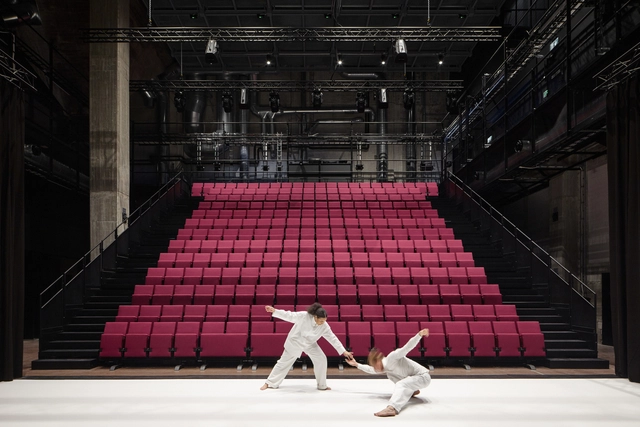
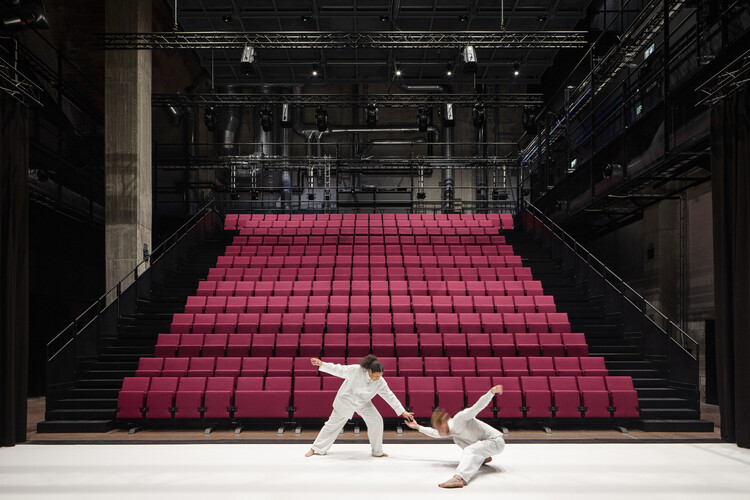
"Dance, dance… otherwise we are lost." This oft-cited phrase by Pina Bausch encapsulates not only the urgency of movement, but its capacity to reveal space itself. In her choreographies, space is never a neutral backdrop, it becomes a partner, an obstacle, a memory. Floors tilt, chairs accumulate, walls oppress or liberate. These are architectural conditions, staged and contested through the body. What Bausch exposes — and what architecture often forgets — is that space is not simply built, it is performed. Her work invites architects to think not only in terms of materials and forms, but of gestures, relations, and rhythms. It suggests that architecture, like dance, is ultimately about how we inhabit, structure, and emotionally charge the spaces we move through.
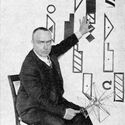
Historically, architecture and dance have operated in parallel, shaping human experience through the body's orientation in space and time. From the choreographed rituals of classical temples to the axial logics of Baroque palaces, built space has always implied movement. The Bauhaus took this further, as Oskar Schlemmer's Triadic Ballet visualized space as a geometric extension of the body. This was not scenery, but spatial thinking made kinetic. In the 20th century, choreographers like William Forsythe and Anne Teresa De Keersmaeker integrated architectural constraints into their scores, while architects such as Steven Holl, Diller Scofidio + Renfro, and Toyo Ito designed buildings that unfold as spatial sequences, inviting movement, drift, and delay.
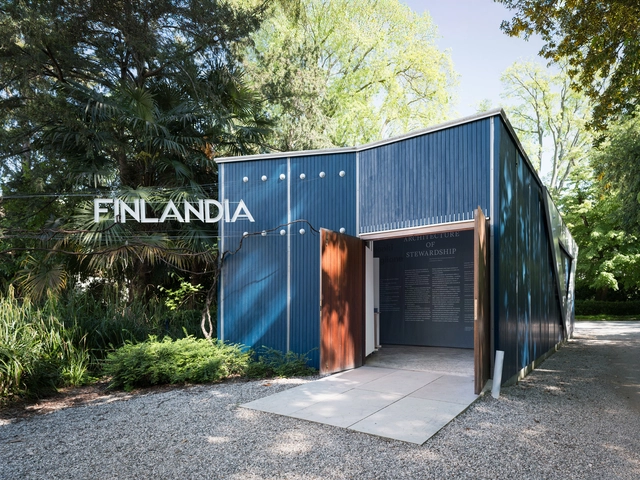
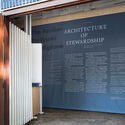
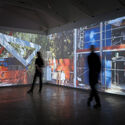
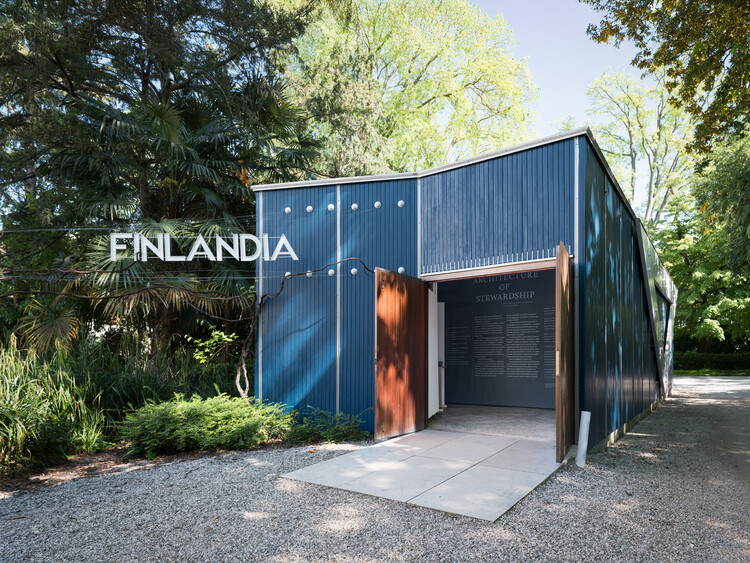
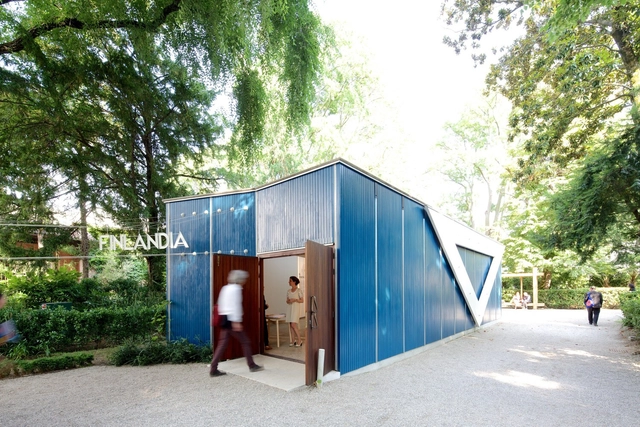
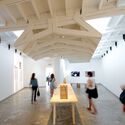
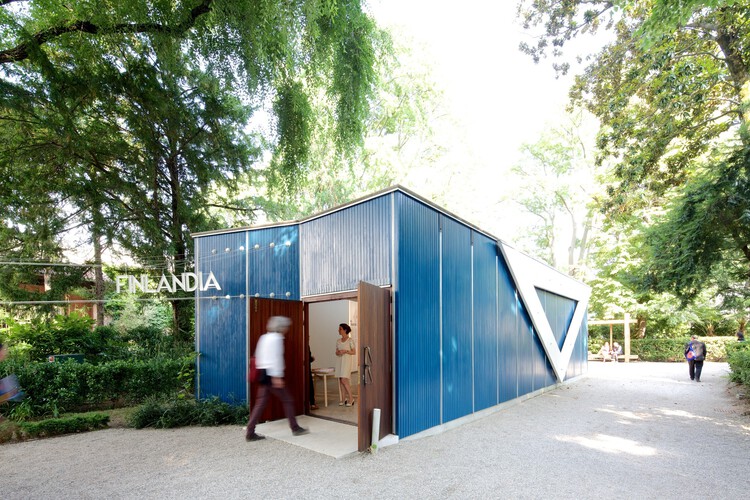
Archinfo, the Information Centre for Finnish Architecture, has announced the theme, curator, and exhibition team for the Pavilion of Finland at the 19th International Architecture Exhibition of La Biennale di Venezia. The exhibition, titled "The Pavilion – Architecture of Stewardship", will focus on the diverse labor involved in constructing and maintaining architecture, from design contributions by architectural workers and engineers to the efforts of construction workers, restoration architects, maintenance staff, and cleaners, all of whom play vital roles in the creation and upkeep of the built environment. Curated by Ella Kaira and Matti Jänkälä from the Helsinki-based architecture practice Vokal, it will use Alvar and Elissa Aalto's Pavilion of Finland to explore architecture as a collaborative endeavor.
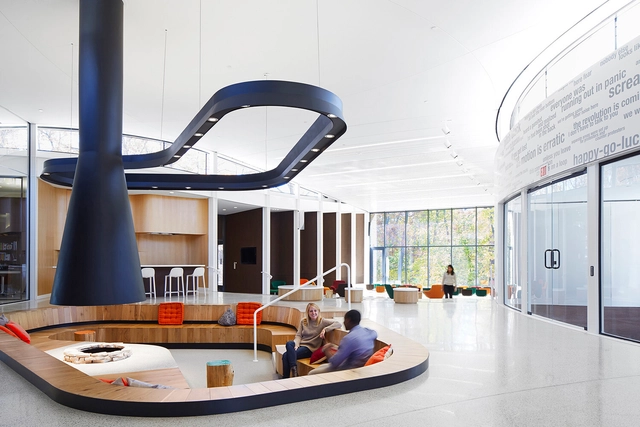
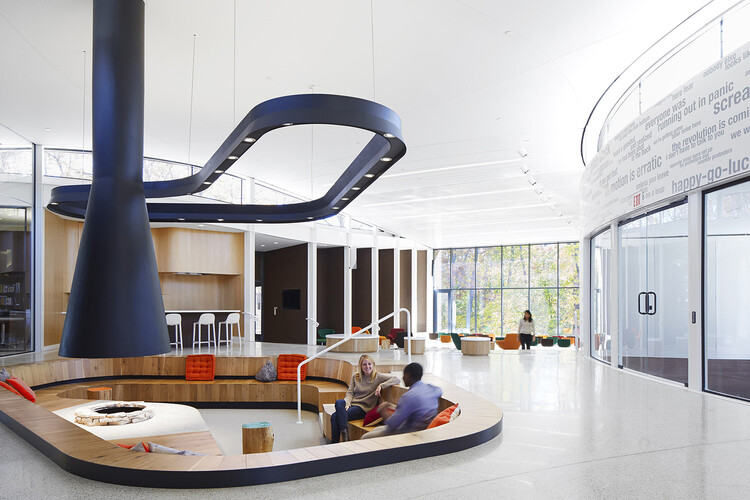
Fireplaces have profoundly shaped architectural design, influencing how spaces are organized, experienced, and perceived. More than merely functional elements, they represent symbols of power, community, comfort, and culture, tracing humanity's evolving relationship with the built environment. From the primitive hearths that characterized early human settlements to the sophisticated ecological designs of contemporary architecture, fireplaces have reflected broader cultural, social, and technological changes, serving as enduring focal points in the spatial narrative of architecture. Scholars have frequently explored the intimate relationship between architecture and fire. Luis Fernández-Galiano, in his seminal work "Fire and Memory: On Architecture and Energy" argues that architecture fundamentally mediates the relationship between humanity and energy. By understanding how these structures have shaped spaces, symbolized cultural values, and driven technological innovation, we gain deeper insight into architecture's complex interplay between form, function, and meaning.
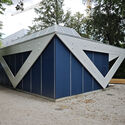
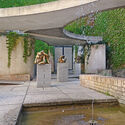
Tucked within the leafy confines of the Giardini della Biennale in Venice stands a structure modest in scale yet immense in quiet conviction: the Finland Pavilion, designed by Alvar and Elissa Aalto for the 1956 Venice Biennale. Unlike the monumental pavilions that surround it, Aalto's structure was conceived not as a permanent structure, but as a temporary exhibition space for a single exhibition season. And yet, nearly seventy years on, it remains—weathered, resilient, and quietly luminous.
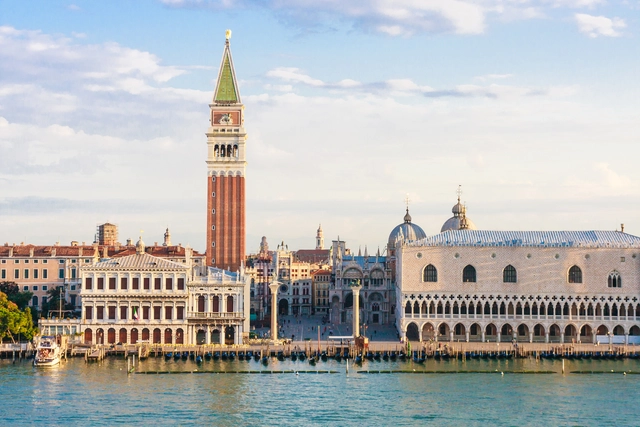
Built on a cluster of 118 small islands in the shallow Venetian Lagoon, the city of Venice, Italy, has captivated the imagination of architects and tourists alike. The area has been inhabited since ancient times, becoming a major financial and maritime power during the Middle Ages and Renaissance, as proven through the rich architecture that characterizes the city to this day. With influences from the Byzantine, Gothic, and Renaissance styles, the city represents a palimpsest of architectural narratives, overlapping and influencing each other. In recent years, Venice has become a major attraction for architects drawn to the La Biennale di Venezia, the most important Architectural Exhibition featuring national pavilions, exhibitions, and events to explore new concepts and architectural innovations.
Beyond the Biennale, Venice itself is an open-air museum for architecture lovers. While the city is best known for its historical buildings, Modernist and contemporary interventions add a new layer of interest, with many contemporary architects working with the historical fabric, like OMA's intervention and rehabilitation of Fondaco dei Tedeschi, or David Chipperfield's renovation of Procuratie Vecchie, one of the buildings that define Piazza San Marco. In addition to what the city has to offer, the site of the Venice Biennale is also marked by interventions by famous architects such as Carlo Scarpa, Sverre Fehn, and Alvar Aalto, made permanent due to their outstanding qualities.
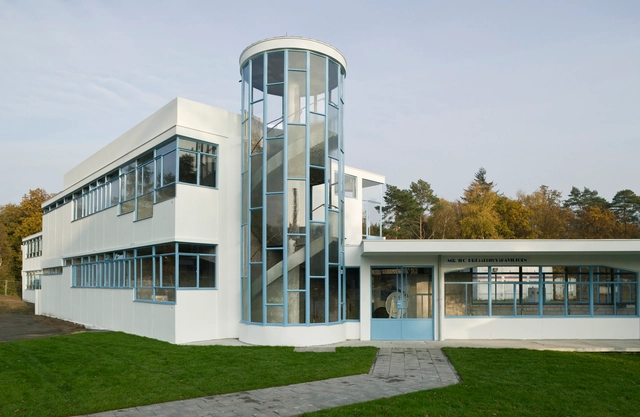
The intersection of architecture and medicine profoundly shaped modernist design, where transparency, light, and air became essential tools in the pursuit of health. Emerging from the tuberculosis crisis of the late 19th and early 20th centuries, the sanatorium evolved beyond a medical facility into a testing ground for architectural innovation. The necessity of fresh air, sunlight, and sterility transformed these spaces into prototypes for modernist principles, influencing spatial organization, material choices, and design philosophies that extended far beyond healthcare.
More than sites of treatment, sanatoriums embodied contemporary medical theories in built form. At a time when tuberculosis — often called the white plague — devastated populations worldwide, medical professionals prescribed environmental exposure as the primary therapy. Architecture adapted accordingly, producing buildings with expansive terraces, large windows, and streamlined interiors designed to optimize ventilation and maximize natural light.
In the early 20th century, tuberculosis presented a significant public health challenge across Europe, prompting the construction of specialized facilities for patient recovery. The Paimio Sanatorium in Finland stands as a groundbreaking example of architecture's potential to promote healing. Designed by Alvar Aalto between 1929 and 1933, the sanatorium combined innovative design principles with a deep understanding of human needs, setting new benchmarks for healthcare architecture.
Alvar Aalto, a leading figure in modernist architecture, envisioned the Paimio Sanatorium as more than a functional response to a medical crisis. He crafted a space where architecture became an instrument of care, integrating natural light, ventilation, and harmonious forms to support physical and emotional well-being. This project marked a turning point in Aalto's career, showcasing his ability to blend modernist ideals with a profound sensitivity to context and human experience.
Examining the houses that architects designed for themselves can provide insight into their design process, priorities, and philosophy. While often reduced in scale, these personal residences offer a peek into the architects' mindsets and the way in which they translate their ideas into lived spaces without having client-imposed restrictions on the end result. The structures also reflect their creators' personal values, lifestyles, and aesthetic preferences.
These projects are often experiments and testing grounds for their own design principles, pushing the boundaries of architectural expression. From Ray and Charles Eames, who ended up spending their lives in an experimental house created for prefabrication, to Frank Gehry, who used his Santa Monica Dutch colonial house to test out the ideas of deconstructivism that would later come to define his career, these projects represent showcase a different face of the design process of world-renowned architects.
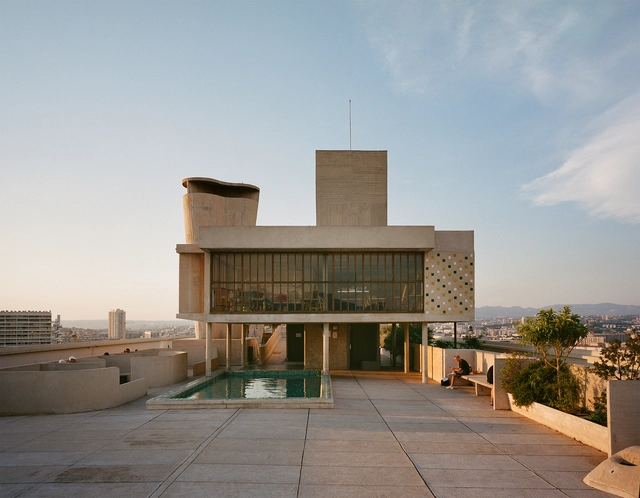
Modernism emerged in the early 20th century as a revolutionary movement that rejected historical styles, prioritizing functionality, innovation, and rationality. Grounded in the promise of industrial progress, architects like Walter Gropius, Le Corbusier, and Ludwig Mies van der Rohe championed using new materials and construction methods, striving for a universal architectural language. Their work introduced radical ideas: open floor plans, expansive glazing for natural light, and pilotis that elevated structures, symbolizing a new architectural era. However, alongside its groundbreaking ideas, modernism's relationship with sustainability has sparked ongoing debates.
While modernist architects sought to address social and economic challenges through affordable housing and efficient design, their reliance on energy-intensive materials like concrete and steel created unintended environmental consequences. The large-scale industrialization celebrated by modernists often disregarded local climates and ecological systems, leading to inefficiencies. Yet, the principles of functionality and adaptability embedded in modernist architecture laid the groundwork for what we now recognize as sustainable practices. From Le Corbusier's rooftop gardens to Frank Lloyd Wright's integration of nature, the seeds of environmentally conscious design were undeniably present, albeit limited in their execution.