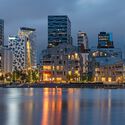
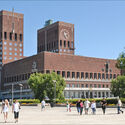
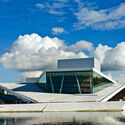
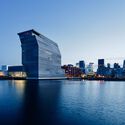
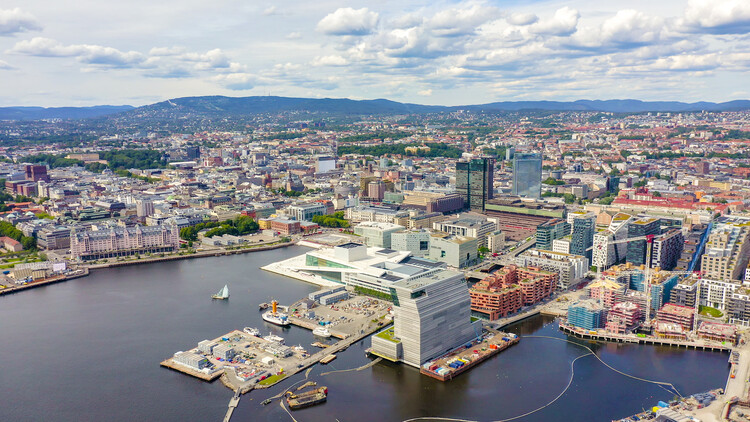
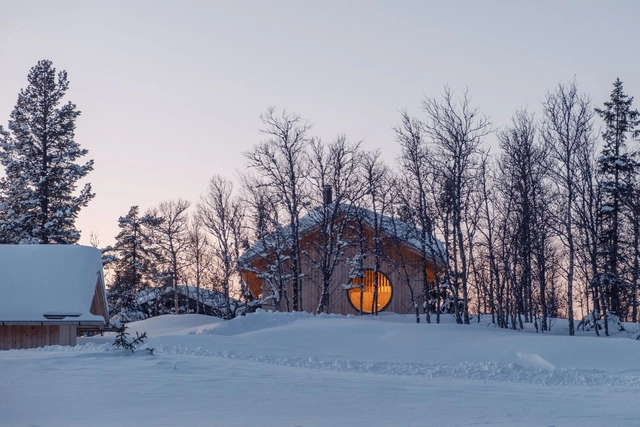
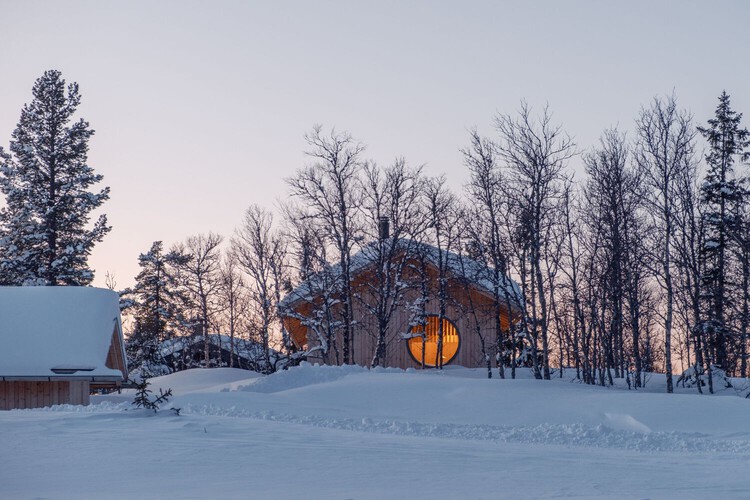
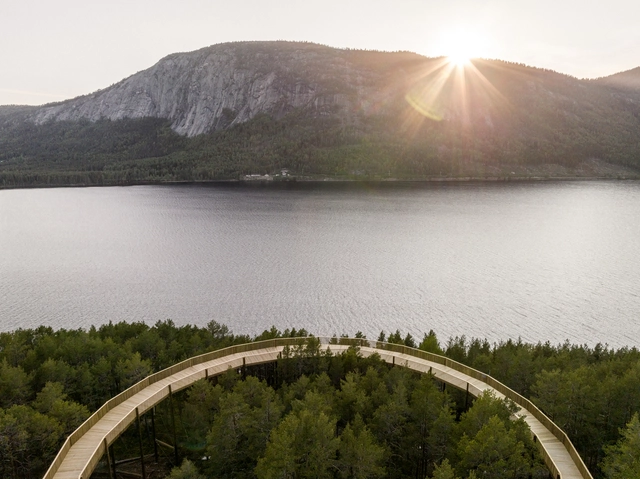
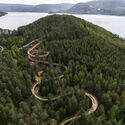
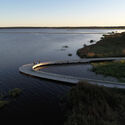
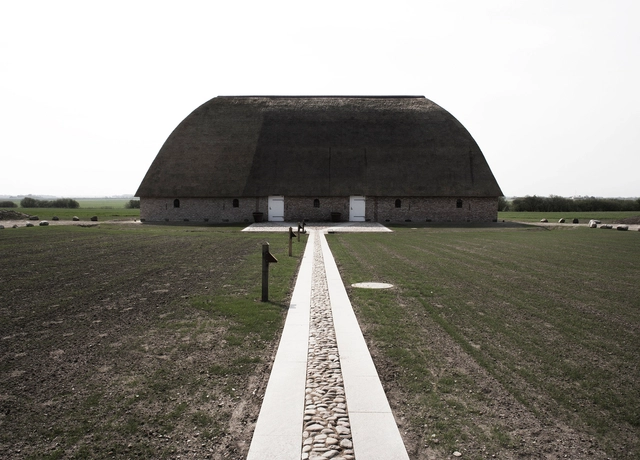
Scandinavian design has long been admired for its minimalist aesthetic and functionality, which places value in the simple things, deeply rooted in the concept of Hygge. This reverence goes beyond interior design and extends also to the natural world, resulting in high-quality architecture and landscape installation design that enhances human connection to untouched environments. Rather than imposing grand structures upon the environment, the Scandinavian approach is one of subtle and precise intervention. These projects are not meant to dominate but to enter into a dialogue with the existing landscape, using thoughtful design to potentiate its inherent shape, color, and texture. The goal is to complement and enhance, creating spaces that serve a functional purpose while simultaneously deepening the visitor's connection to their surroundings.
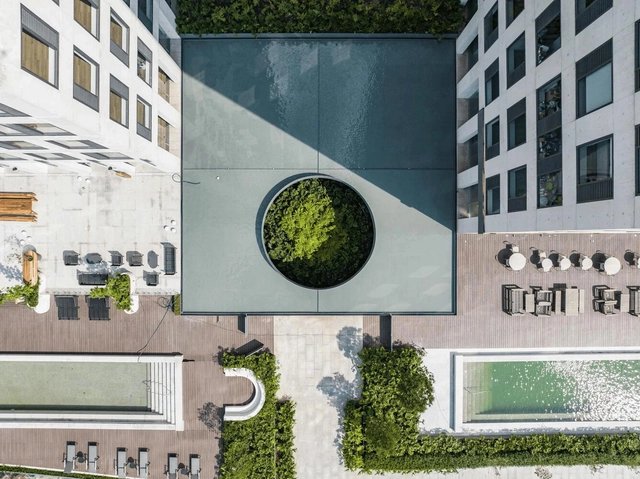
Riga Bosques, a build-to-rent project in Mexico City’s Santa Fe district, features 110 rental apartments designed by architect Enrique Macotela
When the seeds that would bloom into BoConcept were planted by cabinet makers Tage Mølholm and Jens Ærthøj, in the small Danish town of Herning in 1947, its founders could hardly have foreseen that their nascent furniture company would eventually become a global leader in contemporary Scandinavian design.
Videos
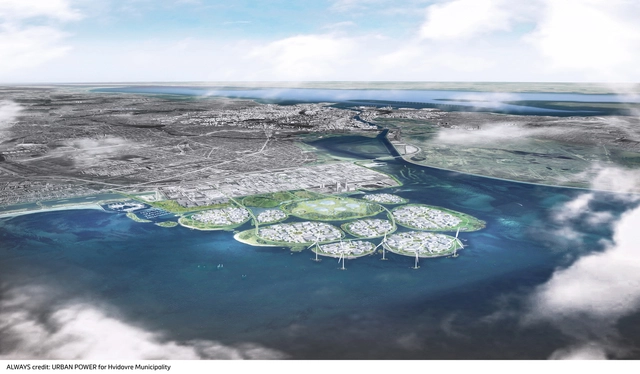
Courtesy of URBAN POWER for Hvidovre municipality
As the world population grows, designers look to develop the seas. Architecture and planning firm, URBAN POWER strategically designed nine man-made islands off the southern coast of Copenhagen to combat many of the city’s impending challenges. The islets, called Holmene, address demands for tech space, fossil-free energy production, flood barriers, and even public recreation space.
Discover the unique and inventive architecture in three Nordic countries on an 11-day journey with Architectural Adventures. The cutting-edge designs that enliven the skylines and streets of Stockholm, Copenhagen, and Oslo illustrate the rich past and present of this corner of the globe. Delve into the global significance of buildings, rich history of the region, and learn from local architectural experts what drives the innovation in Scandinavian design. Enjoy behind-the-scenes access to award-winning complexes, opera houses, public spaces and cultural centers, learning first-hand from architectural influencers in the region and get an insider’s look at the region’s architectural past, present and future.

Praksis Arkitekter has been awarded 500,000 DKK as winners of Nykredit's Architecture Awards, the most prestigious architectural distinction in Scandinavia. Founded in 1987 by the Nykredit Foundation, the awards also honored two practices with 250,000 DKK Prizes: the Motivation Award, won by ADEPT, is “an encouragement to continue and further develop an already obvious talent” seen in young architectural practices, while the Sustainability Award, which was introduced in 2016, was won this year by Leth & Gori.
New arrivals at Malmö Central Station. Photo: Johan Bävman
Europe’s migration crisis has intensified the need for cities to develop new tools and strategies to help people build skills, earn a living, and establish their place in society. To address this challenge, New York-based design nonprofit Van Alen Institute has launched Opportunity Space, a competition inviting multidisciplinary teams to propose a temporary mobile structure in Malmö, Sweden that will support a wide range of social programs.
The winning team will receive a $10,000 prize, a $5,000 travel budget, and up to $25,000 to implement their proposal in and around Malmö’s Enskifteshagen Park for two months in spring 2017.
PANDA, an exhibition by OMA & Bengler, opens today at the 2016 Oslo Architecture Triennale – After Belonging.
From the architect. PANDA investigates the accelerating influence of digital sharing platforms, their social and political implications, and pervasive impact on the built environment. In the early 2000s, the democratic spaces of the web were greeted as an alternative to centralized commercial and social structure; in 2007, after the financial landslide, the sharing gospel gave hope to those struggling to make a living.
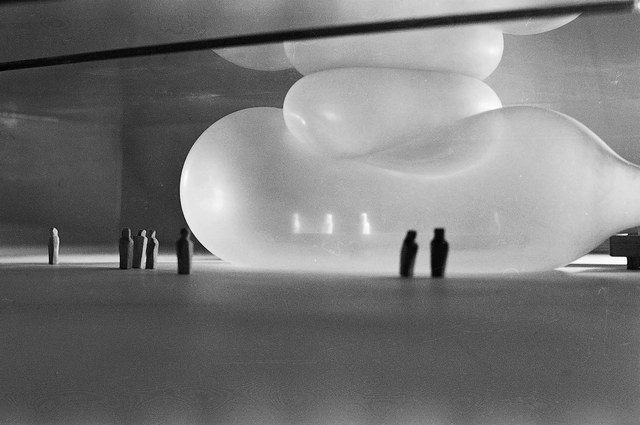
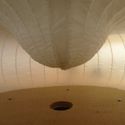
Though architectural history is replete with bricks, stones, and steel, there is no rule that states that architecture must be ‘solid’. Sverre Fehn, one of the most prominent architects of postwar Norway, regularly made use of heavy materials like concrete and stone masonry in his projects [1]. In this way, his proposal for the Nordic Pavilion at the Osaka World Expo in 1970 could be seen as an atypical exploration of a more delicate structure. Representing a very different aspect of ‘Modernity’ than his usual work, Fehn’s “breathing balloon” pavilion stands not only in contradiction to Fehn’s design canon, but to that of traditional architecture as a whole.

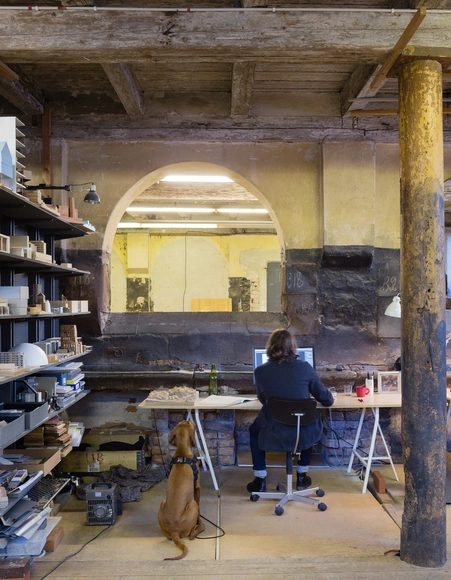
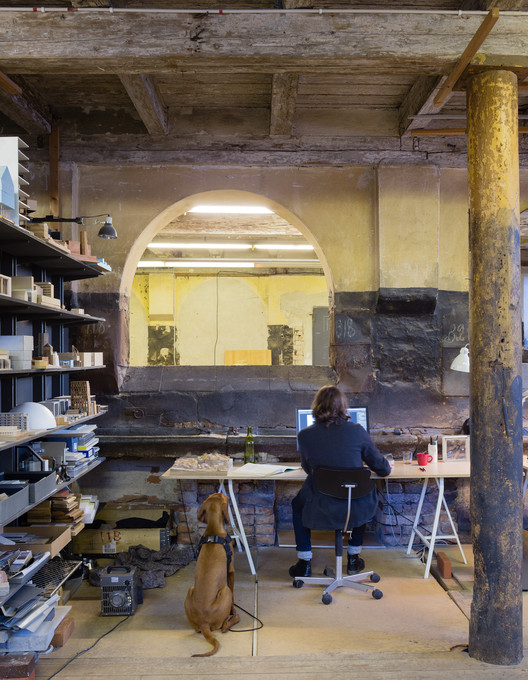
Architectural photographer Marc Goodwinhas recently completed "the ultra-marathon of photoshoots:" twenty-eight architectural offices in twenty-eight days, spread across four capital cities – Oslo, Stockholm, Copenhagen, and Helsinki. His aim was to understand what sort of spaces architects in the Nordic countries operate in, and how they differ between each respective country. From former boathouses to stables and coal deposits, Goodwin has captured some of the most unique working environments the profession has to offer.
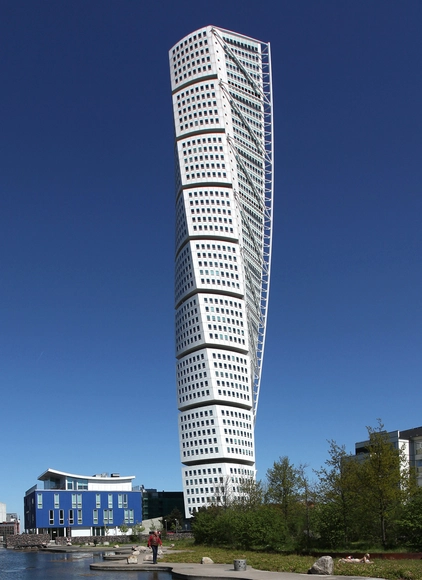
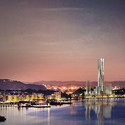
Rotating a full 90 degrees along nine pentagonal sections, Santiago Calatrava's "Turning Torso" was deemed the world's first twisting skyscraper upon its completion in 2005. Still Scandinavia's tallest tower, the 190-meter Malmö skyscraper has been awarded a 10 Year Award by the Council on Tall Buildings and Urban Habitat (CTBUH) for its continued valued to the surrounding area and successful performance across a number of categories, including environmental, engineering performance, vertical transport, iconography, and others.
“The Twisting Torso is one of those superb examples that went beyond the creation of a signature tower and helped shape an entirely new and invigorating urban fabric,” said Timothy Johnson, Vice Chairman, CTBUH Board of Trustees and Partner, NBBJ.
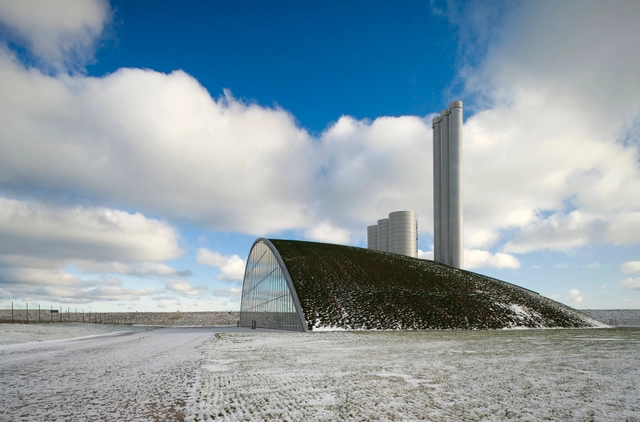
Kastrup Peak Load Power Pant. Image Courtesy of Gottlieb Paludan Architects
The 2015 Nykredit Architecture Prize has been awarded to Gottlieb Paludan Architects (GPA) for their contribution to the design of public utility and industrial buildings. Founded by the Nykredit Foundation, the 500,000-DKK prize has become Scandinavia’s foremost architectural award, with past winners including Jørn Utzon, Bjarke Ingels and CEBRA.
Sleek, contemporary, and unapologetically eclectic, the work of Norwegian firm Snøhetta is as diverse as it is synonymous with modern Scandinavian design. Spanning everything from architecture and master planning to installation art and product and packaging design, Snøhetta's projects are characterized by the marriage of efficiency, quirky charm, and an eye for beauty. Offering a broad selection of suggestions for visitors to Oslo, Snøhetta's guide to the nation's capital is no different. Reflecting the favorite attractions of architects, artists, and brand designers from within the firm, the guide includes a windowless bar, jazz-punk band, and the Norwegian National Opera and Ballet, even encompassing the work of Oslo-based design contemporary, Element Arkitekter, in Lærernes hus. Read the rest of the seven travel selections here.
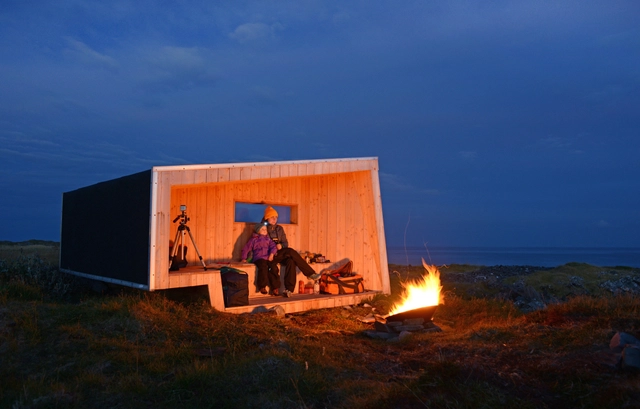
Biotope, a three-strong Norwegian practice based in the Arctic town of Varanger, have designed bird hides since 2009. For them, architecture is "a tool to protect and promote birds, wildlife and nature" - an approach reflected in their carefully crafted, environmentally integrated fragments of the 'invisible': small shelters that must blend into and be absorbed by their surroundings. Their diligent work has seen Varanger become established as one of the best birding destinations in Northern Europe and their unique design solutions are now being sought across Scandinavia.
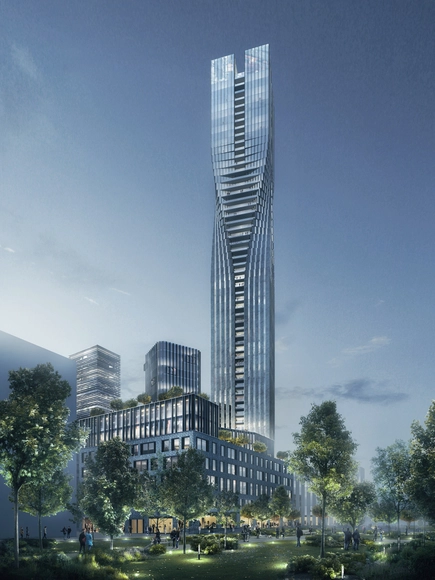
SOM, working alongside Danish practice Entasis Arkitekter, has been selected to design a new residential building in Gothenburg that will be Sweden's tallest tower. Coming out on top against an international shortlist that included Zaha Hadid Architects, SOM's 230m tall proposal 'The Pole Star' features four connected prisms which twist 90 degrees near the top.
The competition, run by developers Serneke, called for proposals for a 32,000 square meter mixed-use masterplan, including a 200+ meter residential tower, in Gothenburg's Lindholmen area. A particular focus for the jury was for proposals to "demonstrate how the skyscraper can be integrated into the structure of the neighborhood," adding that "the building should be a part of the area’s social and architectural context, not stand as a solitary monolith."
Read more about the jury's decision after the break
Norwegian architect and Pritzker LaureateSverre Fehn’s original drawings for the Nordic Pavilion in Venice are to be presented alongside Ferruzzi’s monochromatic photographs of the building in an exhibition at the National Museum of Architecture in Oslo. Venice: Fehn’s Nordic Pavilion documents the incredible task undertaken by Fehn who, at the age of thirty-four, won the competition to design the pavilion and subsequently won international acclaim when the building was completed in 1962.