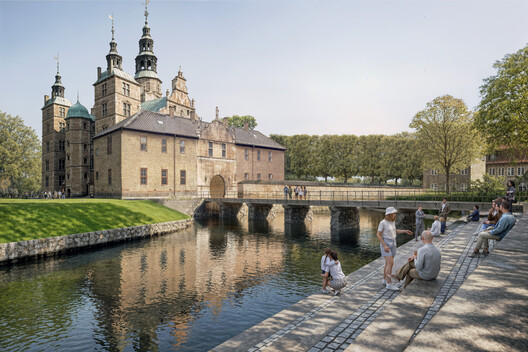
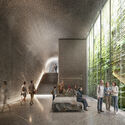
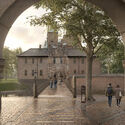
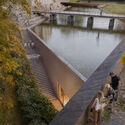
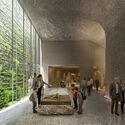
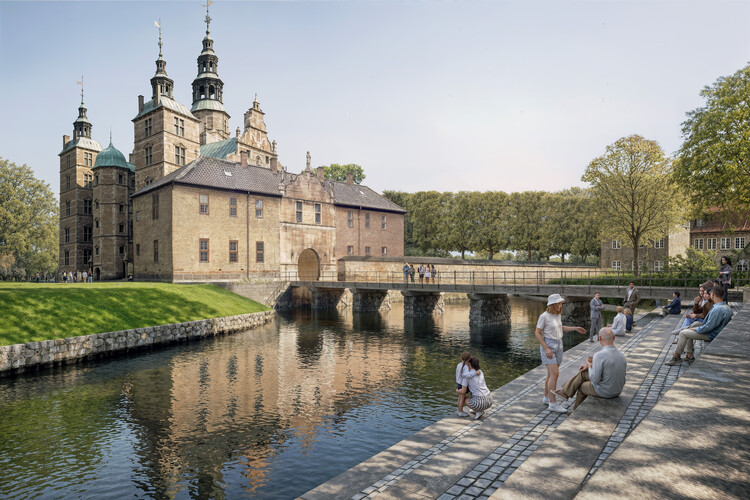
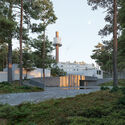
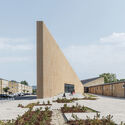
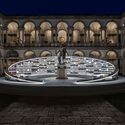
Danish architecture practice AART has won the international competition for Rigets Skatkammer (The Royal Treasury), a new 1,300-square-meter underground extension to the museum at Rosenborg Castle in Copenhagen. Developed in collaboration with VEGA Landskab, Fogh & Følner, and Artelia, the proposal places approximately 600 square meters of new exhibition space beneath the historic moat, while partially re-establishing the water surrounding Christian IV's Renaissance castle. The project is intended to provide new visitor facilities and exhibition spaces for the Royal Danish Collection, which includes the Danish Crown Jewels and historic costume collections and currently attracts more than 500,000 visitors annually.
Recent events highlighted the many ways architecture responds to changing environmental, social, and cultural conditions. Major earthquakes in Venezuela, Japan, and Northern California renewed attention to the role of planning, infrastructure, and building practices in shaping resilience to natural hazards. As these questions continue to inform the built environment, the opening of the 2026 UIA World Congress of Architects in Barcelona brought together practitioners and researchers to discuss climate, housing, public space, and the future of the profession. Recent project announcements, preservation initiatives, completed works, and new design tools further reflected the range of approaches shaping architectural practice today, from heritage conservation and adaptive reuse to environmental performance and long-term planning.
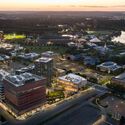
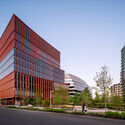
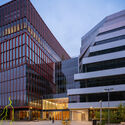
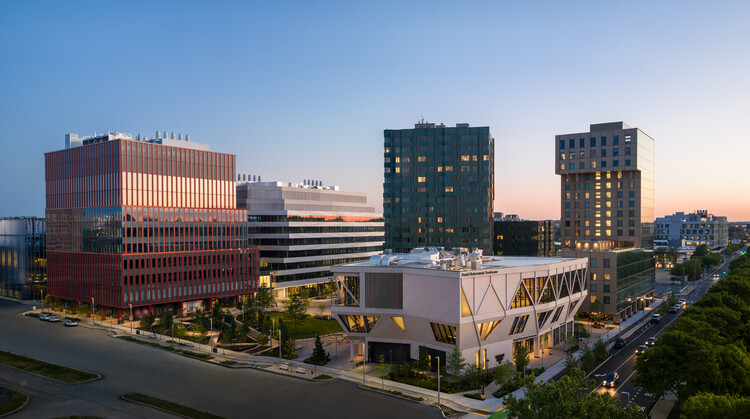
International firms Studio Gang and Henning Larsen have completed Breakthrough Properties' One Milestone. The life science development is part of the first phase of Tishman Speyer and the Harvard Allston Land Company's Enterprise Research Campus (ERC), a 14-acre mixed-use district in Boston's Allston neighborhood. Located on the southwest end of the ERC, One Milestone is intended to serve as a hub for creativity, science, and entrepreneurship. Its recently inaugurated two-building complex, spanning 47,380 sqm, was designed to serve Greater Boston's scientific community. The two firms began collaborating on the project in 2019 with the co-design of a strategic framework plan, breaking ground on One Milestone in 2023.
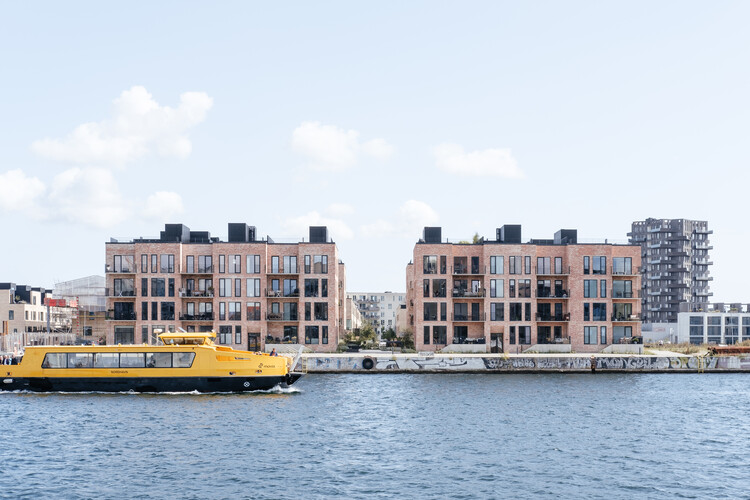
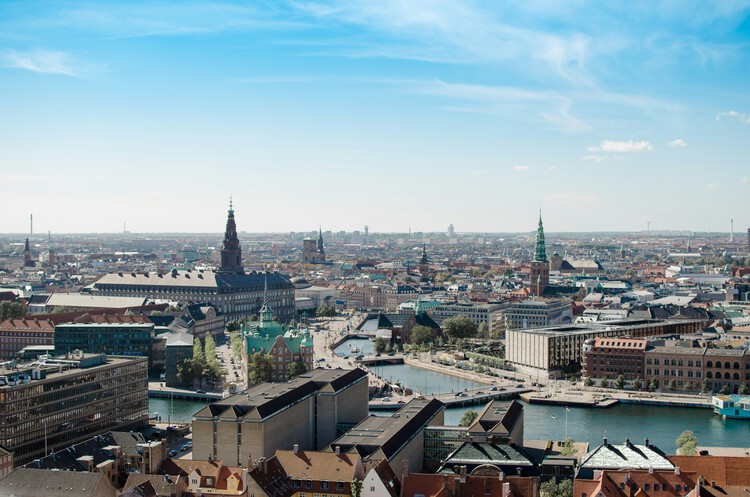
Copenhagen, Denmark. Image Courtesy of Lindsay Martin via Unsplash
Copenhagen is long famous as the global capital of human-scale design and livability. Today, the city has widened its focus and is an active space where mid-century Scandinavian modernism meets the modern demands of climate adaptability, material circularity, radical conservation, and neighborhood density. During the first-ever Copenhagen Architecture Biennial, in 2025, the city transformed into a global platform for dialogue under the theme "Slow Down," exploring how architecture can respond to global pressures by rethinking the pace of change. And this year's 13th edition of the 3daysofdesign Festival will explore the theme of "Make This Moment Matter", encouraging the global design community to step away from digital noise and mass production to focus on the present.
This week's selection of architecture news and projects invites a rethinking of the social, cultural, and environmental role of design across diverse scales and geographies. From community-led efforts to preserve modern heritage, such as the campaigns surrounding the Îlot 8 housing complex in France and a renewed photographic attention toward Croatia's Split 3 district, to broader reflections on architecture's agency in the face of climate change and social transformation, many of the featured works question how architecture adapts over time and how it engages with collective life. This week's compilation also highlights architects expanding their practice beyond buildings through furniture, lighting, and object design, while three projects explore immersive relationships between landscape, climate, and observation in remote or environmentally sensitive contexts, from Arctic Norway to the oasis environments of the United Arab Emirates and the desert landscapes of Saudi Arabia.
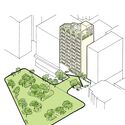
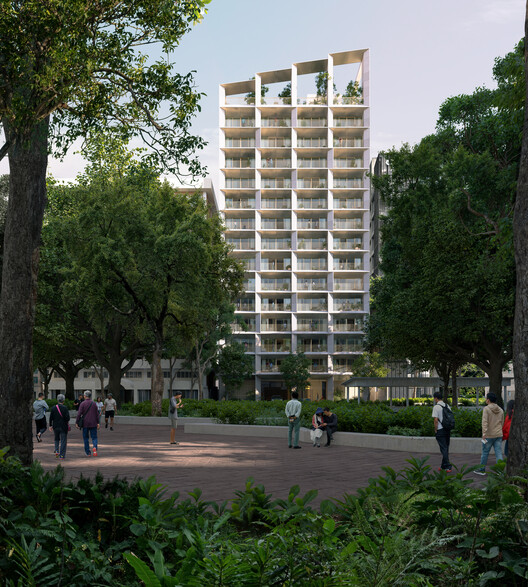
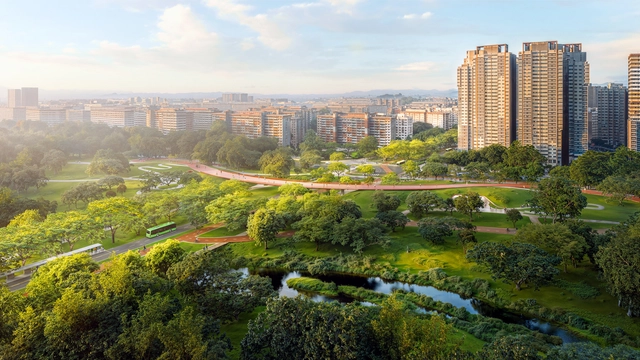
Henning Larsen, in collaboration with KHL Architects & Planners, Arup, and Flaviano Capriotti Architetti, has proposed the design for a 14-story residential building in Taipei for Continental Development Corporation. The project, titled Northern Lights, has a gross floor area of 3,464 square meters and is scheduled for completion in 2029. Situated adjacent to Daan Park, the development includes 46 residences and is positioned within a dense urban environment while maintaining proximity to one of the city's primary green spaces, which is described as a key contextual reference in the design.
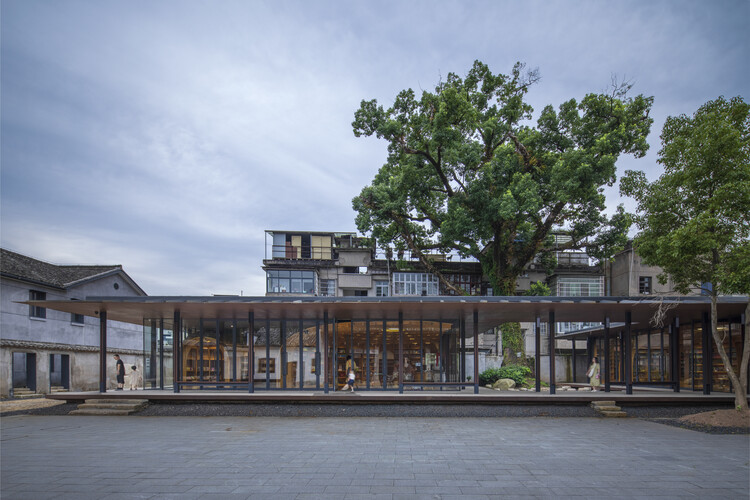
Songyang Culture Neighborhood by Liu Jiakun, the 2025 Pritzker Architecture Prize laureate. Image Courtesy of Arch-Exist
This week's news brings together developments in professional recognition, cultural programming, and large-scale urban strategy, reflecting the multiple scales at which architecture shapes contemporary discourse. As the field anticipates the next Pritzker Architecture Prize announcement, conversations around authorship, civic responsibility, and long-term impact unfold alongside the American Institute of Architects' 2026 Honorary Fellowship appointments, situating individual achievement within broader institutional frameworks. At the same time, updates from Riyadh to London foreground the role of architecture in both enabling new cultural platforms and safeguarding post-war heritage. Complementing these narratives, the reassignment of the 2029 Asian Winter Games and progress on expansive public landscapes highlight how cities are aligning infrastructure delivery, environmental resilience, and territorial planning with long-term economic and social agendas.
Videos
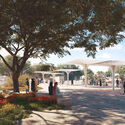
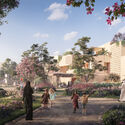
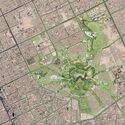
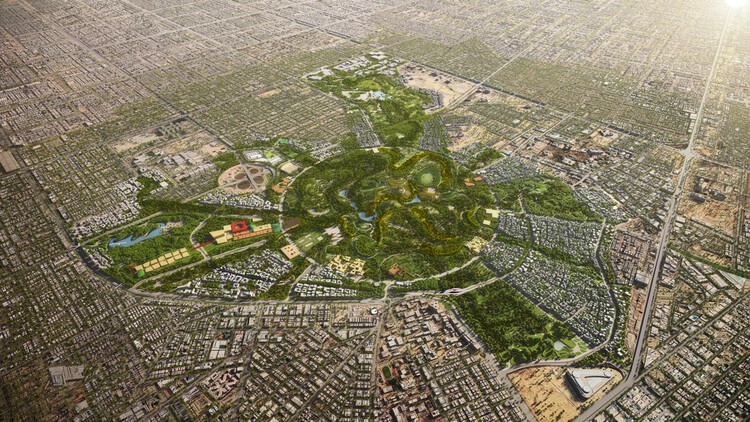
King Salman Park, Riyadh, Saudi Arabia. Image Courtesy of King Salman Park Foundation & Omrania
Construction continues on King Salman Park in Riyadh, a 16.9-square-kilometre public landscape taking shape on the grounds of the city's former airport. Led by Omrania as lead design consultant, in collaboration with Henning Larsen for master planning and urban design, the project reimagines the centrally located site as a large-scale green and cultural district. Conceived as a new civic core for the capital, the park combines ecological restoration, public programming, and mixed-use development. Initial phases are expected to open in late 2026, with substantial completion targeted for 2027, following a phased construction schedule currently underway.
As the building industry continues to account for a significant share of global carbon emissions, digital platforms are increasingly being developed to support carbon reduction across different stages of the design and construction process. These initiatives range from material-focused knowledge databases to project life-cycle guidance and early-stage embodied carbon assessment tools. While differing in scope and methodology, they commonly aim to improve access to technical knowledge, clarify responsibilities across the value chain, and facilitate more informed decision-making in the built environment. Recently, Henning Larsen launched OpenDetail, joining related efforts by Grimshaw and MVRDV to address decarbonization through shared digital infrastructure.
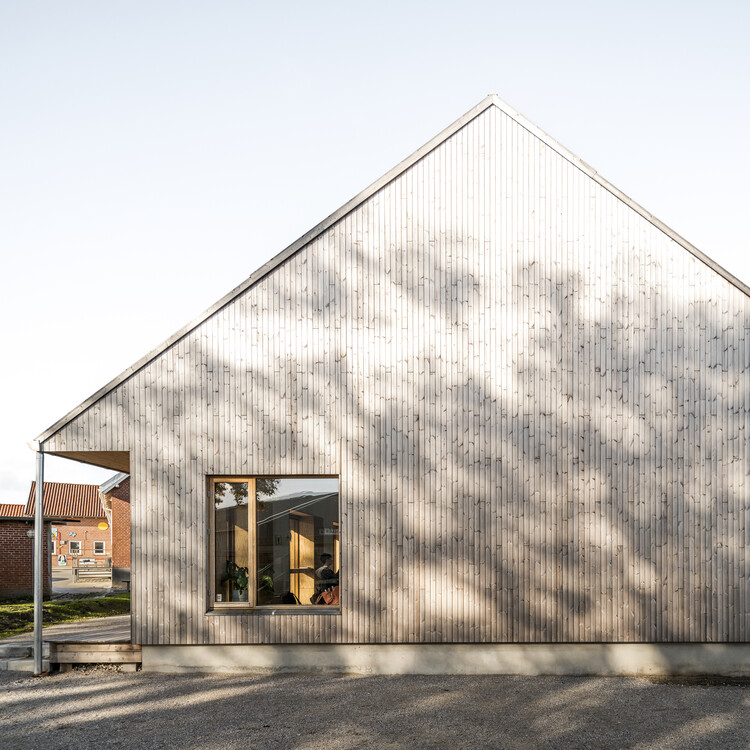
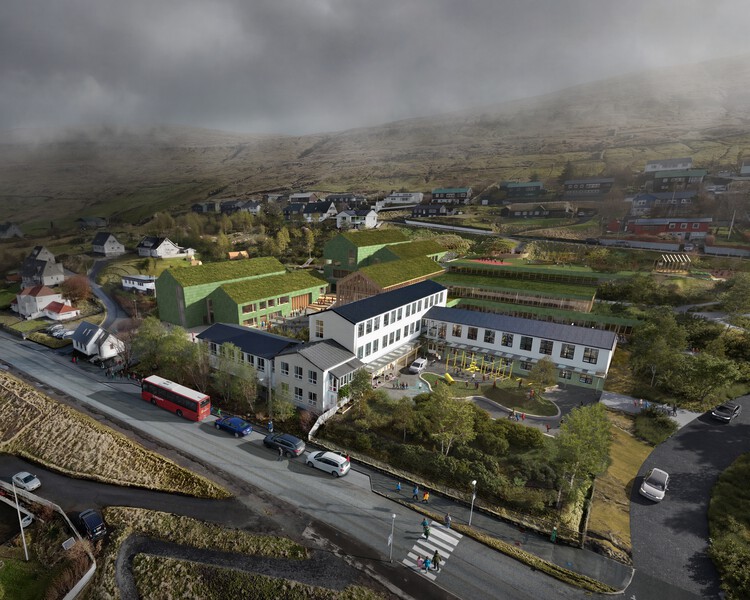
Danish architecture studio Henning Larsen has been selected to redesign and expand Glyvra School in the Faroe Islands, proposing a landscape-driven educational campus that responds directly to the region's topography and climate. Conceived as a "learning village," the project rethinks the role of the school in a small coastal community, positioning architecture and outdoor space as integral parts of everyday learning. Commissioned by Runavík Municipality and developed in collaboration with engineering firm Ramboll, the project will be delivered in multiple phases to ensure the school remains fully operational throughout construction, with new facilities completed and occupied before existing structures are renovated or removed.
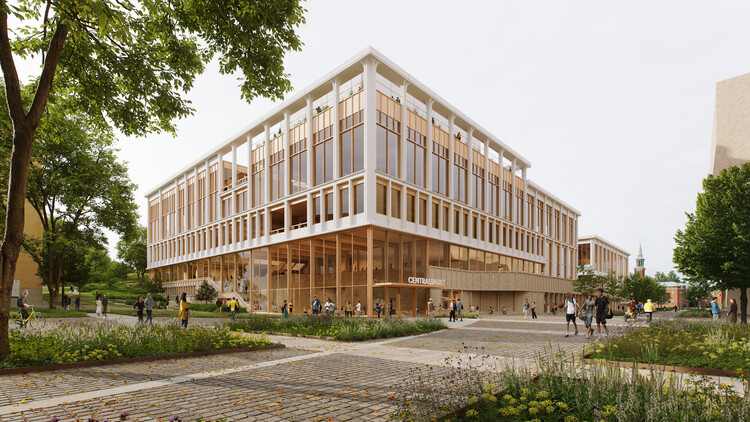
Centralbadet public swimming and sports center project in Sweden. Entrance render. Image Courtesy of Plankton Group
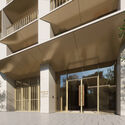
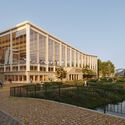
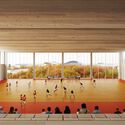
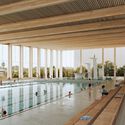
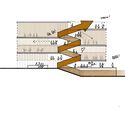
Henning Larsen has been selected to design Gothenburg's new Centralbadet, a public swimming and sports facility intended to strengthen the city's network of community and health-oriented spaces. The winning team includes Winell & Jern Architects, Ramboll, and John Dohlsten, Sports Science Lecturer at the University of Gothenburg. Organized by the City of Gothenburg, the competition included teams such as BIG and Wingårdh Arkitektkontor. The new center is planned as a multifunctional public facility that supports both everyday recreation and organized sport for residents of all ages.
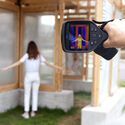
When exposed to heat, the body activates several physiological mechanisms to maintain thermal homeostasis. However, these natural defenses are often overwhelmed in our modern cities.In an urban environment defined by heat-absorbing asphalt, concrete, and a lack of green spaces, these mechanisms become inefficient. If the surroundings are excessively hot, humid, or poorly ventilated—conditions amplified by the Urban Heat Island effect—the core body temperature begins to rise, and the risk of serious complications increases, ranging from cramps and exhaustion to potentially fatal heat strokes.
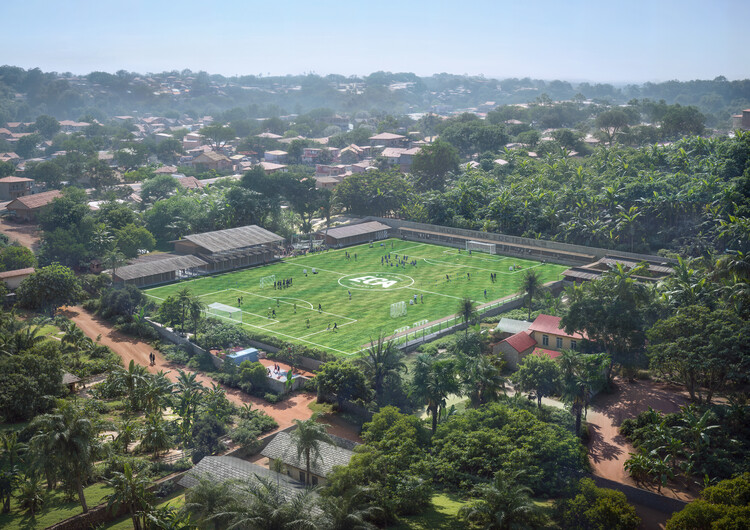
Henning Larsen, in collaboration with Kampala-based Siimi Design Studio, has revealed the design for a new modular campus for El Cambio Academy, a youth football and education institution located in Masaka, Uganda. The project is being developed using rammed earth construction, with bricks produced on site from locally excavated soil. Currently under construction, the first phase includes a boys' dormitory and is expected to be completed by summer 2025. The 1,280-square-meter campus is designed to accommodate 60 children between the ages of 9 and 16, providing facilities for both academic education and athletic training.
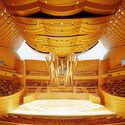
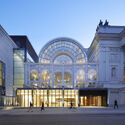
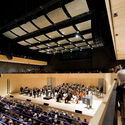
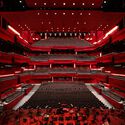
Theaters, concert halls, and opera houses are more than just venues — they are meticulously orchestrated environments where architecture, technology, and human emotion converge. Unlike conventional buildings, these spaces must accommodate a dynamic interplay between acoustics, sightlines, stage mechanics, and audience engagement, all while maintaining an architectural identity that resonates with performers and spectators alike. Whether it is the immersive embrace of a vineyard-style concert hall or the grandeur of a proscenium theater, every design decision shapes how performances are experienced and remembered.
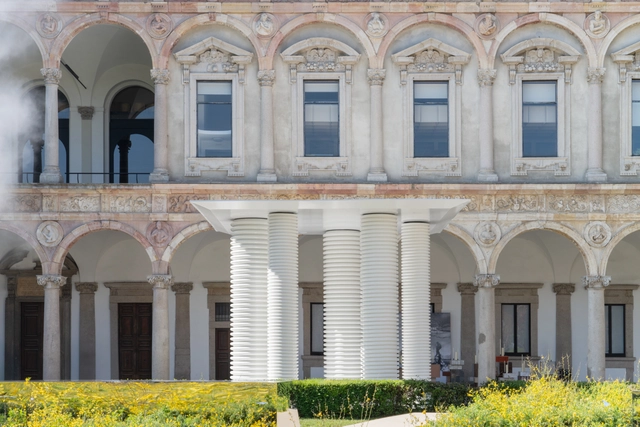
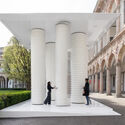
The 2025 edition of Milan Design Week and Salone del Mobile.Milano, spanning April 7th to 13th, brought together a diverse range of temporary installations at the intersection of architecture, design, and material innovation. Spread across historic sites, courtyards, and exhibition venues throughout the city, these site-specific works explored concepts such as sustainability, impermanence, sensory experience, and spatial interaction, in line with the theme of this edition of exploring the deep connections between humanity and design. Architectural studios, designers, and artists collaborated with brands and institutions to create environments that responded to context while proposing new approaches to how spaces are designed, experienced, and constructed. The following selection highlights ten installations presented during the week, reflecting a range of design approaches, materials, and spatial concepts.
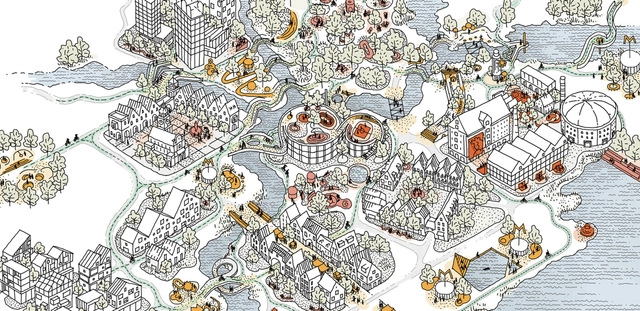
Henning Larsen has just launched a new initiative in Esbjerg, Denmark, aimed at rethinking urban spaces through the perspectives of teenage girls. Developed in collaboration with Esbjerg Municipality, Ramboll, Catapult Projects, and KOMPAN, the project builds on research from the Urban Minded framework to explore how co-creation can shape more inclusive public environments. Supported by a 2.3 million DKK grant from the Villum Foundation and 485,000 DKK from the Ramboll Foundation, the initiative seeks to address an often-overlooked demographic in urban planning. As cities continue to evolve, conversations around gender-inclusive urban spaces have gained momentum, particularly in light of International Women's Day.
The team led by Henning Larsen, in collaboration with Ramboll, Cistri, Gehl, Participate in Design, and Camphora has won the commission for the master plan consultancy to design Singapore’s North-South Corridor’s surface streets. The project proposes an expansive urban transformation, aiming to integrate public transport, active mobility, community-focused spaces, and greenery along the 21.5km corridor. Local communities and stakeholders are also actively engaged in the design process through public engagement sessions. The initial master plan design is set to continue into 2026, over the next 18 months.
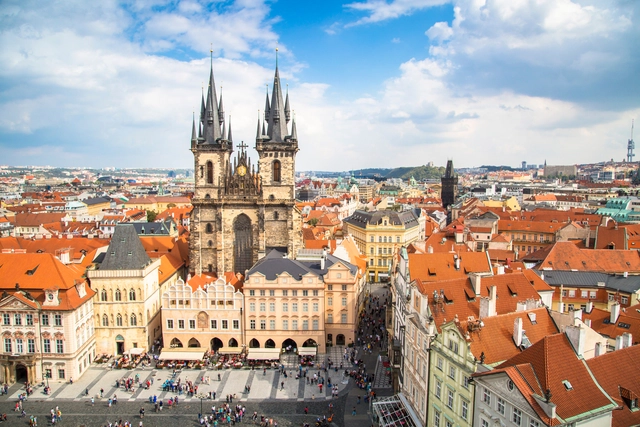
Prague, the capital of the Czech Republic, is one of Europe's best-preserved cities, having miraculously survived the widespread bombings of World War II. As the capital of the Czech Republic, Prague is home to over 1.3 million people and features an architectural heritage spanning centuries, covering a variety of architectural styles from Romanesque, Gothic, Renaissance, Baroque, and Rococo, to Modernist, Deconstructivism, and contemporary tendencies. The Old Town Square, where various architectural styles coexist, is a testament to this diversity. Known as the "Mother of all Cities," “the Golden City and “The City of a Hundred Spires,” Prague blends history and contemporary culture seamlessly. Its origins, steeped in legend, add to the city's charm.