Architecture is being reshaped by artificial intelligence, climate change, and shifting social structures. At SCI-Arc, students learn to face these challenges head-on, using design to shape a rapidly changing world.
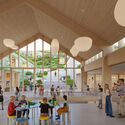
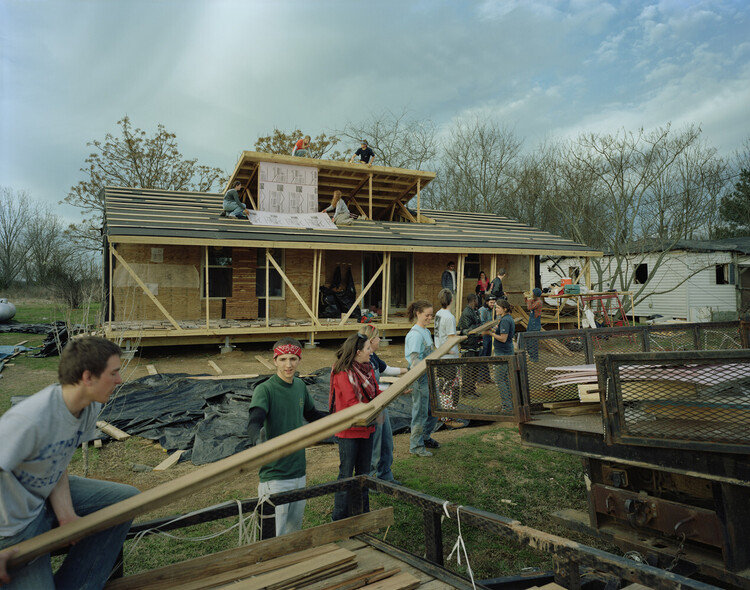
This fall, SCI-Arc's upper-level Vertical Studios bring the world into the studio. Each is led by a practicing architect working at the forefront of the field—from experimental fabrication to urban and environmental design. Drawing on real projects and professional experience, faculty challenge students to engage with the realities of the present and to design with precision, empathy, and imagination.
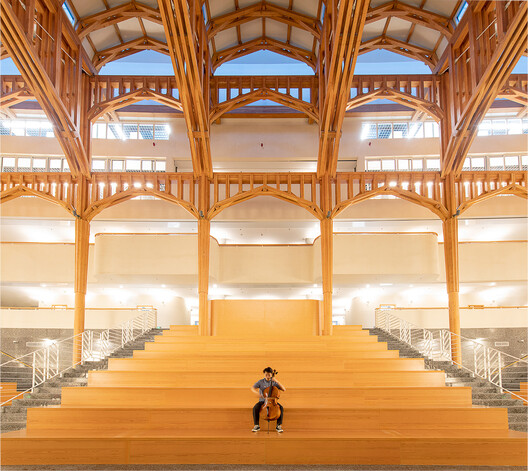
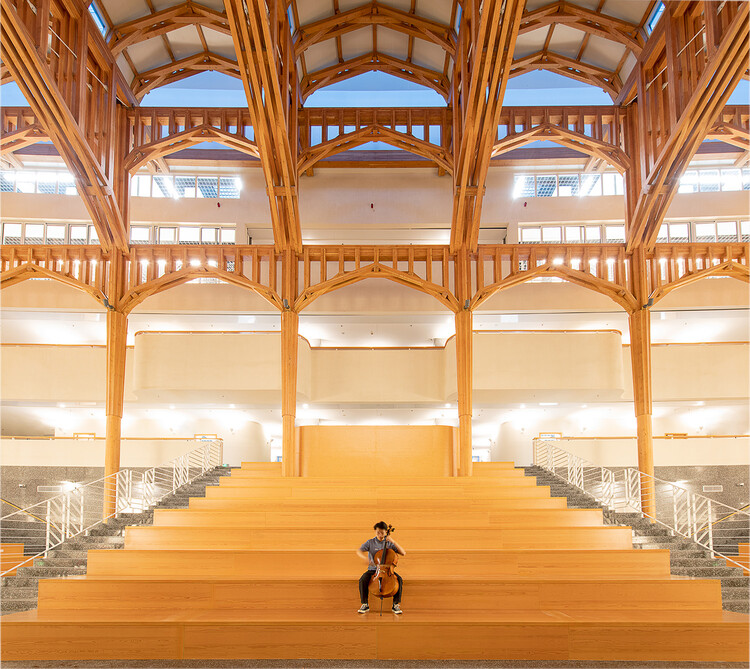
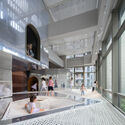
In today's world, learning is no longer confined to classrooms or defined by formal education alone, it happens everywhere, in many forms. From music halls and sensory libraries to neurodiversity training centers and public schools reimagined, the spaces that support learning are becoming just as varied as the ways we learn. This selection of unbuilt educational projects submitted by the ArchDaily community reflects that shift, exploring how architecture can embrace difference, nurture curiosity, and create environments that support a broad spectrum of cognitive, emotional, and social needs.
Architectural competitions have long offered a space for experimentation: platforms where ideas can be tested, typologies reimagined, and critical questions addressed through design. Freed from some of the constraints of commercial commissions, competition entries often reflect ambitious visions for how architecture can respond to environmental, cultural, and social challenges. Whether focused on future habitats, public institutions, or small-scale community infrastructure, these proposals give shape to the values and priorities driving architectural thinking today.
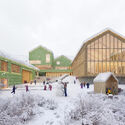
This month's Unbuilt selection brings together eight competition-winning projects submitted by the ArchDaily community. Each received first, second, or third place in recent local and international competitions. The featured proposals span a wide range of programs and geographies: a sustainable library in Lima, a Martian habitat exploring closed-loop systems, an adult orphanage designed for empowerment in India, a new French school in Athens, and a placemaking initiative in Singapore rooted in local folklore. While varied in scale and scope, they all highlight architecture's capacity to engage context, foster inclusion, and propose new ways of inhabiting space.
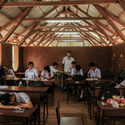
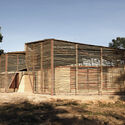
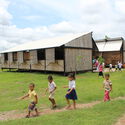
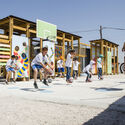
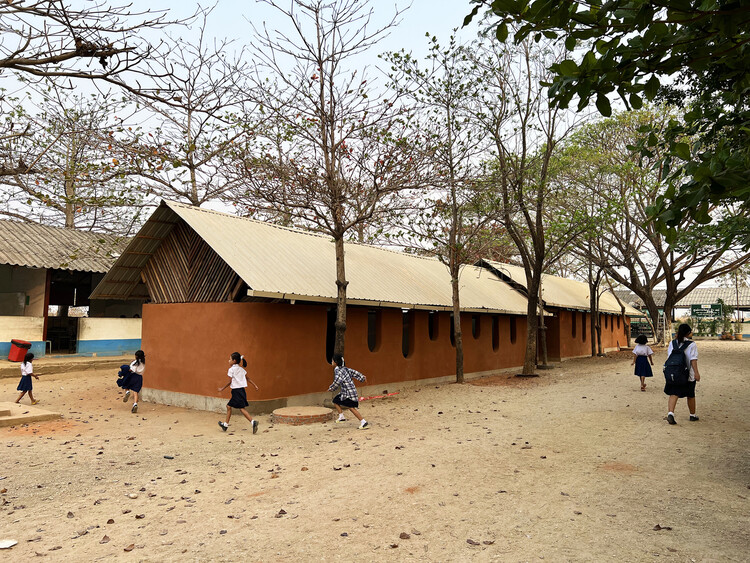
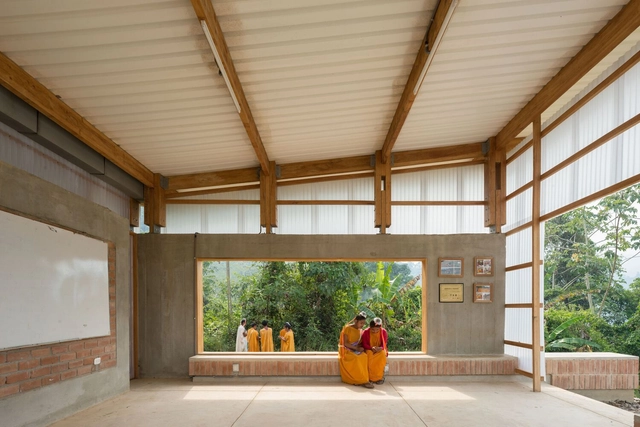
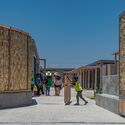
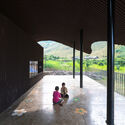
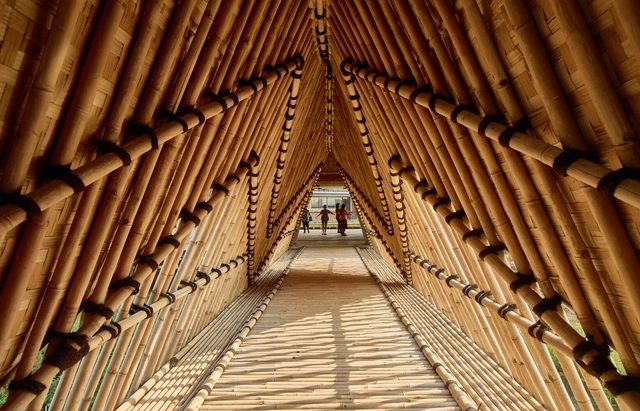
Educational infrastructure is key to any community. The better the quality of these spaces, the better the learning experience for those who use them. However, these facilities often serve a much broader purpose than just education. In Global South communities, in countries like Peru or Vietnam, where a significant portion of the population lives in rural areas far from urban centers, there are few educational spaces and a lack of places where the entire community—not just the students—can come together.
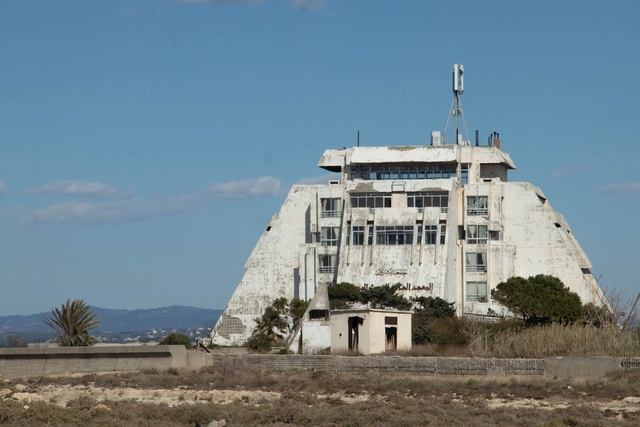
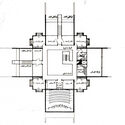
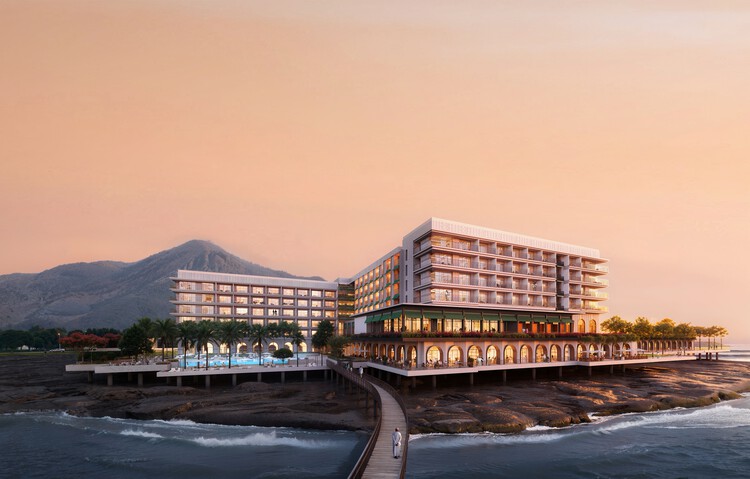
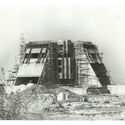
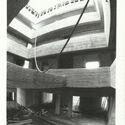
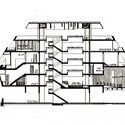
As Syria is emerging from over a decade of conflict at the time of writing, it is an opportunity to rediscover its architectural gems. Just to the north of the country's principal port city of Latakia is a Modernist creation that is the Center for Marine Research. Its pyramidal structure is situated on a prominent headland surrounded by sea on three sides. To the east is a bay with hotels and beaches while to the north and west is the open Mediterranean Sea reaching Turkey and Cyprus beyond. Despite its importance both as a research institution and as a piece of architecture, it lies abandoned and isolated today.
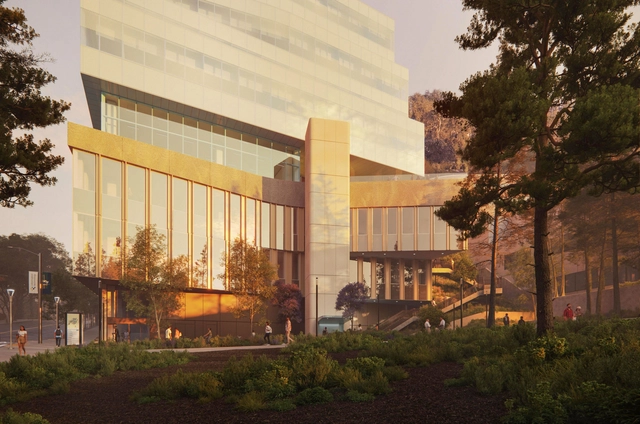
Courtesy of HGA | Barabara and Gerson Bakar Research and Academic Building (BRAB)
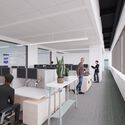
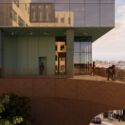
Architectural firms Snøhetta and HGA have just began work on the Barbara and Gerson Bakar Research and Academic Building (BRAB) at the University of California, San Francisco (UCSF). This nine-story, 323,000-square-foot facility is set to redefine UCSF's approach to biomedical research and academic collaboration. Designed as a state-of-the-art hub for scientific inquiry, BRAB will offer cutting-edge spaces for translational research, fostering breakthroughs in critical areas such as cancer, diabetes, microbiology, immunology, and cell biology.
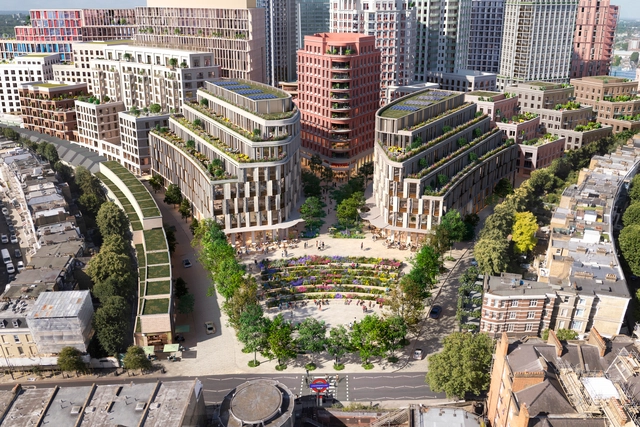
In recent weeks, a series of significant architectural developments have been announced, showcasing the varied work of renowned firms from around the globe. These projects, revealed between late September and October 2024, emphasize the transformative potential of architectural design in rehabilitating historical structures, revitalizing urban areas, and proposing new facilities to meet the evolving needs of communities. Notable names such as Zaha Hadid Architects, Kohn Pedersen Fox (KPF), and Studio Egret West are among those leading ambitious projects, from the waterfront residences on Qetaifan Island in Qatar to the reimagining of London's Earls Court. This collection of recent announcements provides a glimpse into the ongoing evolution of urban landscapes and community-centric architecture.
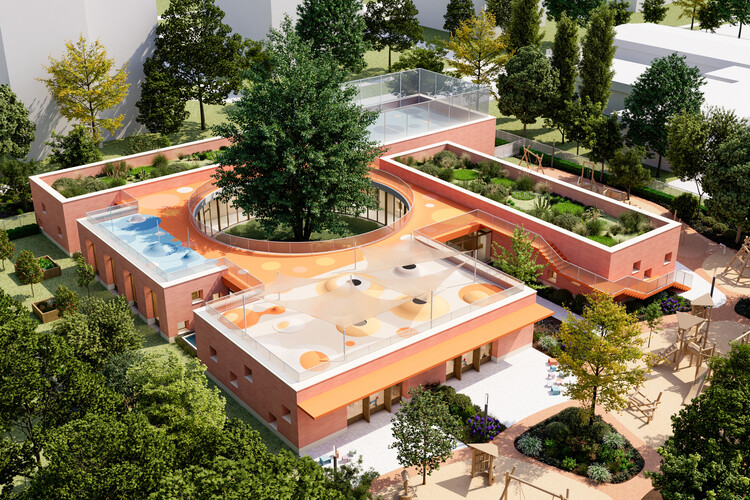
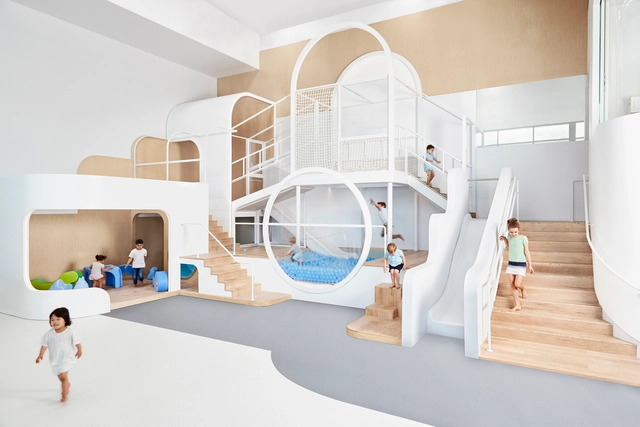
Designing for children is certainly not child's play. While adults lead the design process, the end-users are often children, as seen in kindergartens, schools, and parks. Architects have the responsibility to create built environments that provide children with opportunities to play, explore, and learn, even in today's digital age.
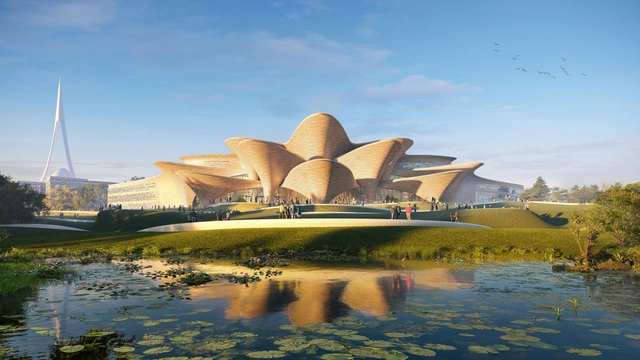
Zaha Hadid Architects (ZHA) has been announced as the architect of the Alisher Navoi International Scientific Research Centre, an expansive cultural and educational facility taking shape in New Tashkent, Uzbekistan. The center is set to incorporate the Navoi State Museum of Literature, along with a 400-seat auditorium and an International Research Center and residential school dedicated to training 200 students in the Uzbek language, literature, and music.
Educational and cultural centers serve as pivotal spaces where communities engage with knowledge, creativity, and shared experiences. As architectural programs, they offer unique opportunities to explore how physical environments can foster learning, cultural expression, and social interaction. The significance of these projects lies not just in their function but in how they reflect the values and aspirations of society. When established architecture firms take on these projects, their design choices become a lens through which we can examine contemporary approaches to space, place, and community, offering a glimpse into the evolving role of architecture in shaping educational and cultural landscapes.
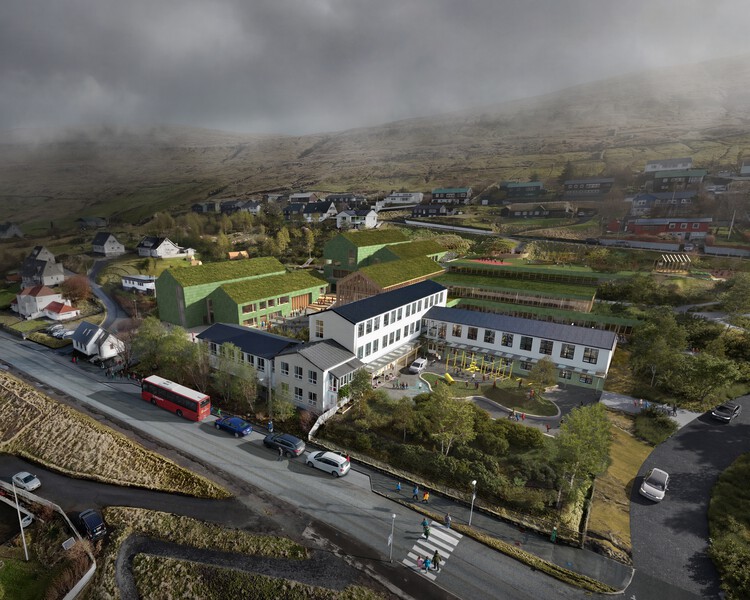
Among this week's curated list of unbuilt projects submitted by established architecture practices,fala atelier’s project for a school in Broc, Switzerland, stands out with its sensitive integration of Alpine architectural elements; WXCA’s Xylopolis Centre in Poland reflects a deep contemplation on humanity’s relationship with nature, while KPF’s life sciences building in London and Jones Studio’s WaterEducation Center in Arizona further exemplify how architecture can address contemporary societal needs, from fostering innovation ecosystems to educating the public on critical environmental issues.
Architectural competitions are valuable learning tools, offering architects a unique opportunity to experiment and expand their creative boundaries. By engaging with real-world challenges and receiving critical feedback, participants gain practical experience and a deeper understanding of the profession. Whether conceptual or not, competitions foster innovation, encouraging design professionals to think outside the. This week's curated selection showcases winning competition entriessubmitted by the ArchDaily community, providing architects and architecture students with new perspectives and inspiration for their own practice, be it diploma projects, professional licensing, or commissions.
From an immersive urban park in Seoul, South Korea, to a rural education campus in the Amazon, or a reimagined port in Corsica, this selection highlights projects that have stood out in competitions from around the world. While some of the proposals have been developed by established firms, including KAAN Architecten, ArchiWorkshop, Studio Akkerhuis, or Richez Associés, these competitions have also proven to be an opportunity for emerging designers to showcase their creativity and problem-solving abilities
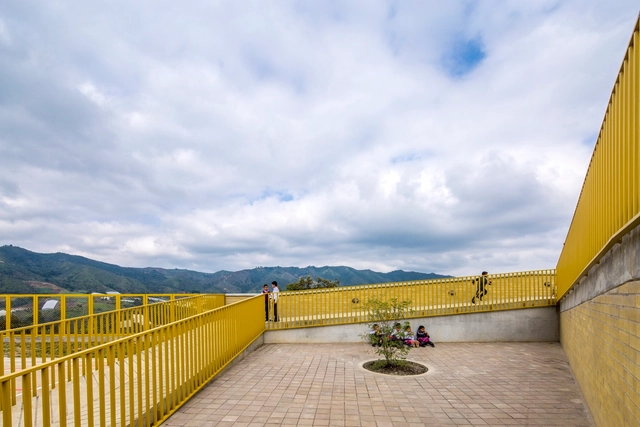
Founded by architects Felipe Mesa and Federico Mesa, the Plan:b arquitectos studio is located in the city of Medellín, Colombia, bringing together building design, participation in academic activities, and the construction of concepts capable of connecting architecture with the urgent realities of everyday life. Understanding the architectural project as a provisional pact, permeable configuration, and positive expression of eco-social constraints, they have constructed a large number of buildings of various scales and programs since 2000, ranging from public, educational, and sports spaces to housing, offices, hotels, and installations.
Diamond Schmitt and MVRDV have unveiled the design for a new building for the Scarborough Academy of Medicine and Integrated Health (SAMIH) at the University of Toronto’s Scarborough Campus. The new addition, featuring laboratory spaces, classrooms, and offices, aims to function as a communal and gathering space for the community. The functions are distributed around a five-story atrium that opens toward the exterior on both sides of the building and establishes a destination point within the pedestrian flows of the campus. Solar panels integrated into the façade help power the building, while the warm finishes of the interior contribute to creating a welcoming atmosphere.
For architects, schools are often complex structures to design. They must provide a variety of spaces for education, and also consider sports and recreational activities. But beyond its size or surface, the greatest challenge is to design an area that fosters a positive pedagogical environment for children. Below, a selection of +70 school projects with their drawings to inspire your proposals for learning campuses.
Environments that inspire, promote well-being and stimulate a connection with nature. Biophilic landscaping in education spaces recognizes the importance of this bond for student development, as it benefits well-being, academic performance, and people's health. We have selected eight projects that bring natural elements to the classroom or that place students directly in nature to illustrate the qualities in these spaces.
On January 24th, the fifth edition of the 'International Education Day' was celebrated under the slogan "Invest in people, prioritize education". Proclaimed by the United Nations General Assembly, it promotes a strong political mobilization seeking to chart the way and accelerate progress towards the 4th Sustainable Development Goal: Quality Education.
For many, schools and kindergartens represent the first contact with public architecture. They, together with every educational facility, serve as the foundation for learning and knowledge dissemination, playing an important role in shaping the formative years of children and young adults. In consequence, these buildings need to respond to the needs of different age groups, while creating functional and flexible spaces for learning, but also for play and unstructured interaction. Light and ventilation needs contribute to the complexity of these architectural programs. However, designing educational facilities presents opportunities for innovation and creative expression, as they are required to adapt continuously to the changing needs of students and faculty while creating a conductive environment for learning.
This week’s curated selection of Best Unbuilt Architecture highlights designs submitted by the ArchDaily community dedicated to cultural institutions. From a learning center created to offer the girls in Mozambique an equal opportunity to learn, play and connect, to a naval station redesigned as a research center on the coast of Puerto Rico, this selection features projects created to encourage learning, curiosity, and the exchange of knowledge and expertise. The article includes designs from both established and emerging architectural practices, including Moore Ruble Yudell, C+S ARCHITECTS led by Carlo Cappai and Maria Alessandra Segantini, Hello Wood, and snkh studio.