1. ArchDaily
  2. Mediterranean

Mediterranean: The Latest Architecture and News

The Italian Pavilion at the Venice Architecture Biennale Urges a Rethink of the Relationship Between Land and Sea

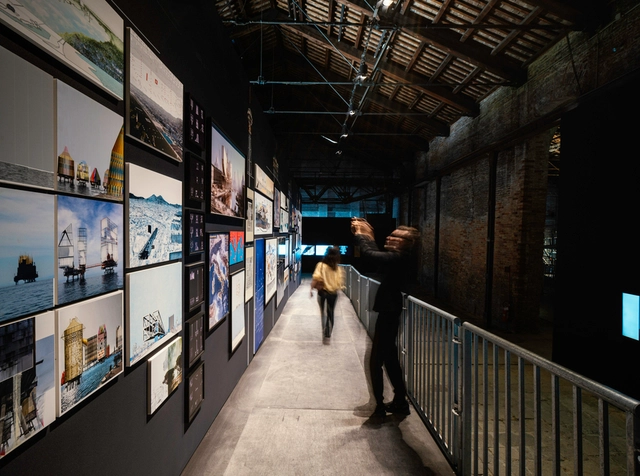
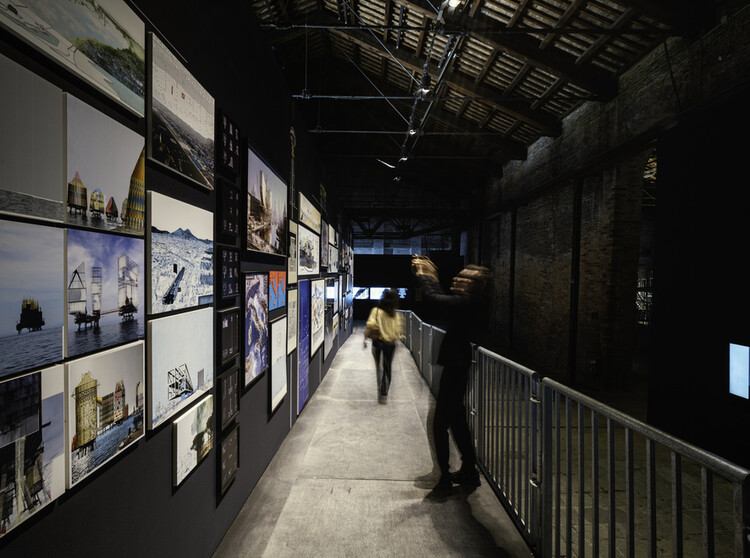
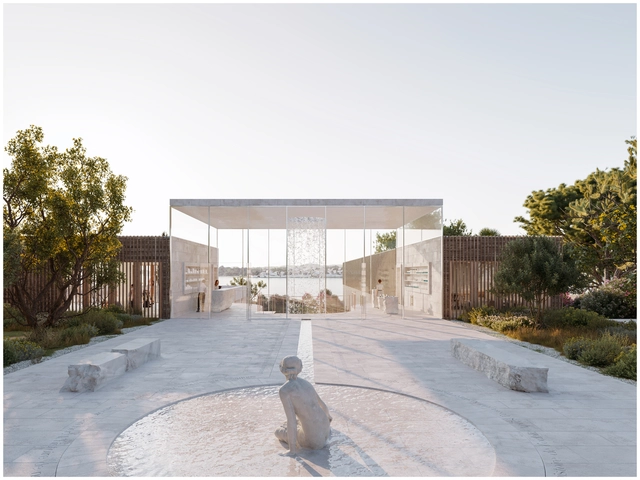
The Italian Pavilion at the 19th International Architecture Exhibition – La Biennale di Venezia is situated in the Tese delle Vergini of the Arsenale and is promoted by the Directorate-General for Contemporary Creativity of the Italian Ministry of Culture. This year, the Pavilion hosts architectural, scientific, and cultural reflections on the Mediterranean Sea and its neighboring oceans, in an exhibition titled "Terrae Aquae. Italy and the Intelligence of the Sea", curated by Architect and Professor Guendalina Salimei. The exhibition brings together projects from diverse actors in Italian society through an open call, whose objective was to rethink the boundary between land and water as an integrated system of architecture, infrastructure, and landscape. In response to the Biennale's central theme, the exhibition aims to stimulate the awakening of a collective intelligence capable of triggering a renewal in that relationship, starting from the Italian coast and expanding globally.

The Italian Pavilion at the Venice Architecture Biennale Urges a Rethink of the Relationship Between Land and Sea - Featured ImageThe Italian Pavilion at the Venice Architecture Biennale Urges a Rethink of the Relationship Between Land and Sea - Image 1 of 4The Italian Pavilion at the Venice Architecture Biennale Urges a Rethink of the Relationship Between Land and Sea - Image 2 of 4The Italian Pavilion at the Venice Architecture Biennale Urges a Rethink of the Relationship Between Land and Sea - Image 3 of 4The Italian Pavilion at the Venice Architecture Biennale Urges a Rethink of the Relationship Between Land and Sea - More Images+ 45

TAC! 2025 Urban Architecture Festival: Winning Pavilions Celebrate Local Materials and Coastal Culture in Spain

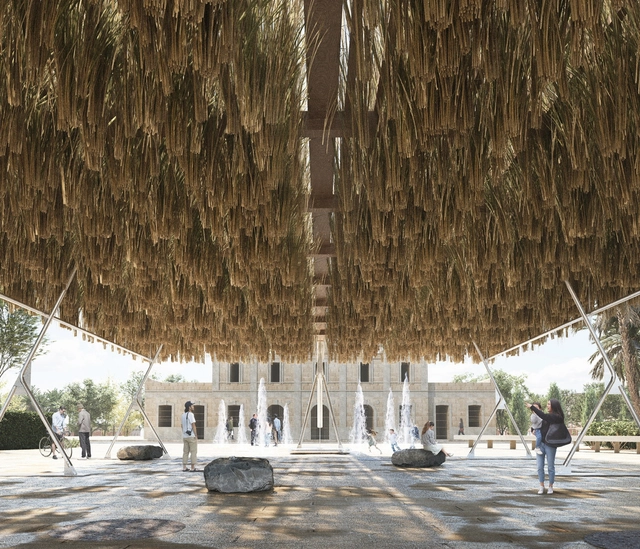
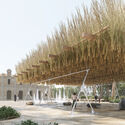
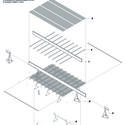
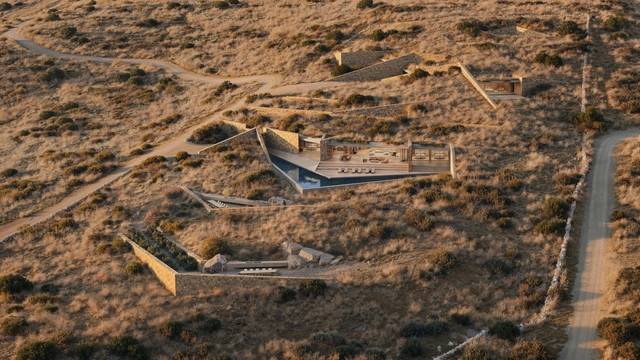
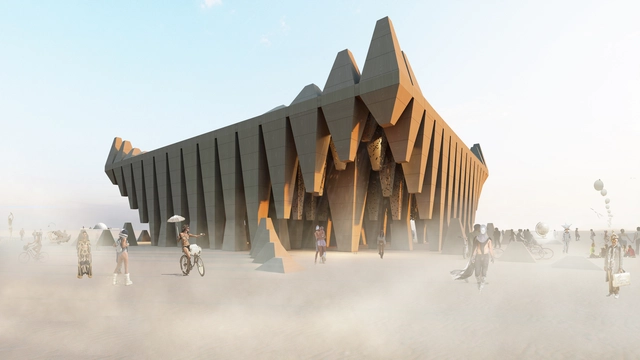
The TAC! Urban Architecture Festival is held annually in Spain with the aim of bringing contemporary architecture closer to the public through installations in various cities, including Granada, San Sebastián, Valencia, Vigo, and San Fernando. Organized by the Ministry of Housing and Urban Agenda in collaboration with Fundación Arquia, the festival seeks to promote experimentation in architecture by constructing temporary pavilions for cultural events and gatherings. The 2025 edition of the festival will take place in two locations: Casa Mediterráneo in Alicante and Plaza Stagno in Las Palmas de Gran Canaria. The pavilions are selected each year through an open call for young architects up to 45 years old. This year's winners have already been announced: the ESPARTAL project by ELE Arkitektura, GA Estudio, Florencia Galecio, and Juan Gubbins; and DE ROCA MADRE by Alejandro Carrasco Hidalgo, Eduardo Cilleruelo Terán, Alberto Martínez García, and Andrea Molina Cuadro.

TAC! 2025 Urban Architecture Festival: Winning Pavilions Celebrate Local Materials and Coastal Culture in Spain - Image 1 of 4TAC! 2025 Urban Architecture Festival: Winning Pavilions Celebrate Local Materials and Coastal Culture in Spain - Image 2 of 4TAC! 2025 Urban Architecture Festival: Winning Pavilions Celebrate Local Materials and Coastal Culture in Spain - Image 3 of 4TAC! 2025 Urban Architecture Festival: Winning Pavilions Celebrate Local Materials and Coastal Culture in Spain - Image 4 of 4TAC! 2025 Urban Architecture Festival: Winning Pavilions Celebrate Local Materials and Coastal Culture in Spain - More Images+ 14

Seville Architecture City Guide: 21 Projects Tracing the Layers of an Andalusian City

Subscriber Access | 

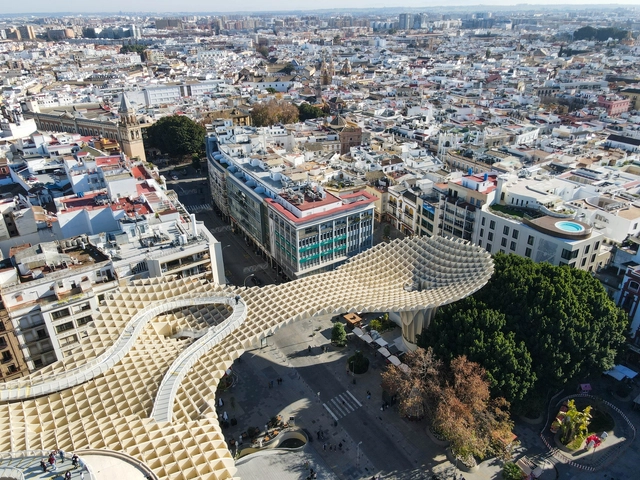
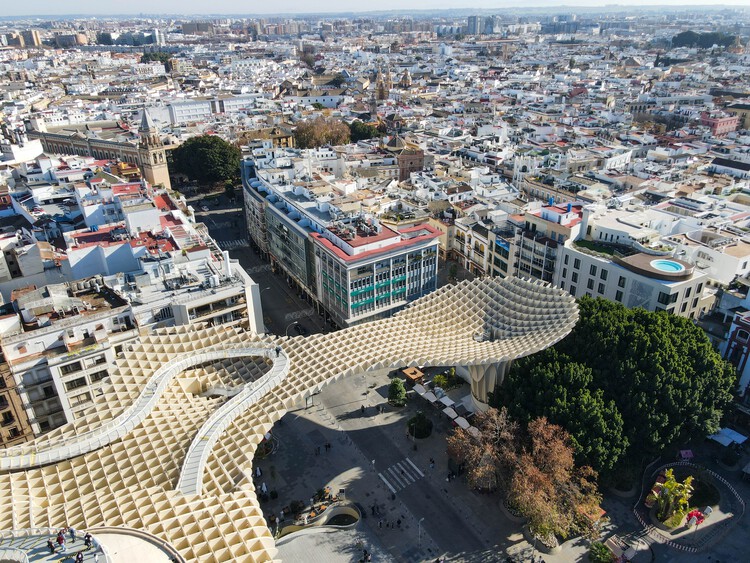
Located in southern Spain, Seville unfolds as a layered city shaped by centuries of cultural intersections. As the former capital of Al-Andalus and a central port during the Spanish Empire's expansion, its built environment reflects a deep historical complexity. From Roman foundations to Islamic geometries, from Renaissance palaces to contemporary interventions, Seville presents a unique spatial narrative in which architecture directly reflects its political, religious, and social transformations.

The city's architectural heritage is inseparable from its climate and geography. Narrow shaded streets, inner courtyards, and water as spatial elements reveal a deep knowledge of environmental adaptation that still informs how public and private spaces are articulated today. While monumental landmarks such as the Alcázar, the Giralda, or the Cathedral preserve and reinterpret historic legacies, modern projects have begun introducing new materials, programs, and spatial typologies, challenging conventional forms and proposing alternative ways to inhabit the city.

Seville Architecture City Guide: 21 Projects Tracing the Layers of an Andalusian City - Image 1 of 4Seville Architecture City Guide: 21 Projects Tracing the Layers of an Andalusian City - Image 2 of 4Seville Architecture City Guide: 21 Projects Tracing the Layers of an Andalusian City - Image 3 of 4Seville Architecture City Guide: 21 Projects Tracing the Layers of an Andalusian City - Image 4 of 4Seville Architecture City Guide: 21 Projects Tracing the Layers of an Andalusian City - More Images+ 19

Monaco Pavilion at Expo 2025 Osaka Explores Mediterranean and Japanese Gardens as a Symbol of Cultural Harmony

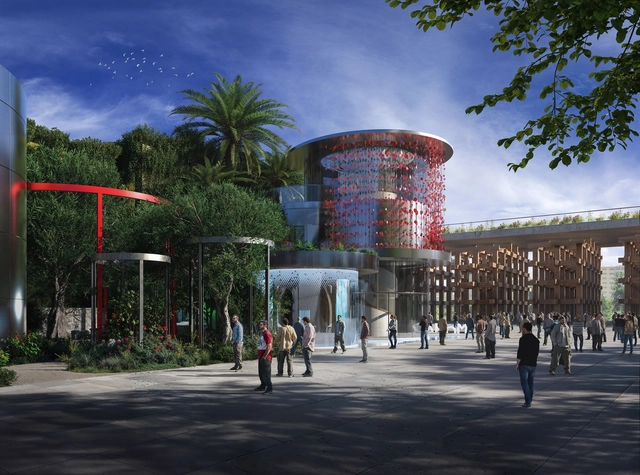
The Monaco Pavilion at Expo 2025 Osaka explores the fusion of Mediterranean and Japanese landscapes, creating a unique cultural dialogue through architecture and landscape design. The pavilion's design, centered around a harmonious blend of Mediterranean and Japanese garden elements, embodies Monaco's global initiatives and its commitment to environmental stewardship. Reflecting the Expo's theme, "Take Care of Wonder," the pavilion invites visitors to experience a captivating and serene environment that celebrates both nature and culture.

Monaco Pavilion at Expo 2025 Osaka Explores Mediterranean and Japanese Gardens as a Symbol of Cultural Harmony - Image 1 of 4Monaco Pavilion at Expo 2025 Osaka Explores Mediterranean and Japanese Gardens as a Symbol of Cultural Harmony - Image 2 of 4Monaco Pavilion at Expo 2025 Osaka Explores Mediterranean and Japanese Gardens as a Symbol of Cultural Harmony - Image 3 of 4Monaco Pavilion at Expo 2025 Osaka Explores Mediterranean and Japanese Gardens as a Symbol of Cultural Harmony - Image 4 of 4Monaco Pavilion at Expo 2025 Osaka Explores Mediterranean and Japanese Gardens as a Symbol of Cultural Harmony - More Images+ 2

Pasadena Heritage Spring Home Tour - "Wallace Neff, Master Architect"

Tour extraordinary historic homes as Pasadena Heritage presents Wallace Neff, Master Architect.

The Dr. Allan B. Kavanel House was commissioned by Dr. Kavanel from Chicago in 1921. It incorporates fine Mediterranean details that were popular during the Golden Age of Southern California architecture.

The Morse & Gates (Mrs. Ethel Guthrie) House was commissioned in 1925 by the Morse and Gates Company, a real estate, insurance and building firm. The house is a beautifully simple Spanish Colonial revival home typical of Neff's designs.

The Mr. and Mrs. Edwin D. Neff House is a Tuscan style villa designed for Neff's parents in 1927. The interior

When Architecture and Tourism Meet: La Grande Motte's Pyramids by the Seaside

Subscriber Access | 

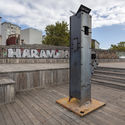
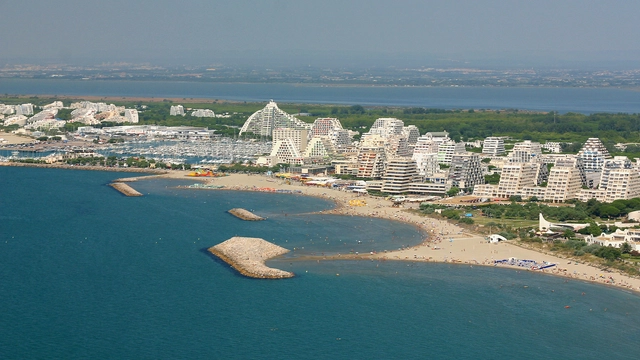
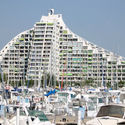
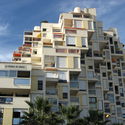
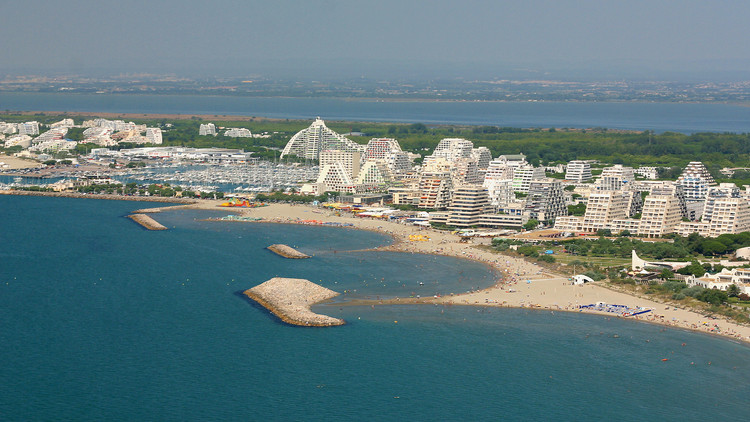
Given a chance to realize the architect’s dream of creating his own utopian city from a blank slate, French architect Jean Balladur was inspired by lost civilizations of the past. His designs recall the architecture of grand Mayan ruins with some added flair from the 1960s, all in the form of a seaside resort village in southern France, La Grande Motte. Balladur devoted nearly 30 years to his life’s work, which today welcomes over 2 million tourists annually.

When Architecture and Tourism Meet: La Grande Motte's Pyramids by the Seaside - Image 1 of 4When Architecture and Tourism Meet: La Grande Motte's Pyramids by the Seaside - Image 2 of 4When Architecture and Tourism Meet: La Grande Motte's Pyramids by the Seaside - Image 3 of 4When Architecture and Tourism Meet: La Grande Motte's Pyramids by the Seaside - Image 4 of 4When Architecture and Tourism Meet: La Grande Motte's Pyramids by the Seaside - More Images+ 11

This Project Explores the Ottoman Miniature as a Form of Architectural Representation

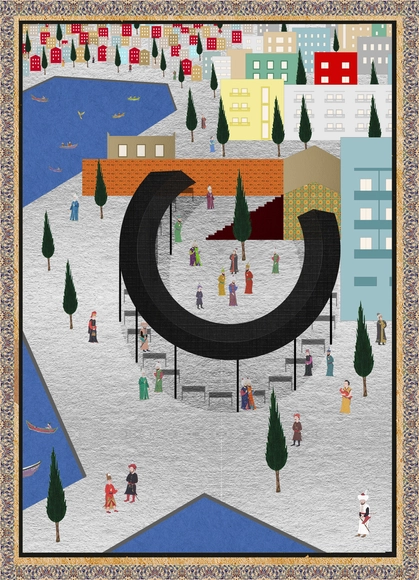
Over the following weeks we will be sharing a selection of unrealized student projects, alongside realized schemes by practices who explore representational techniques, in collaboration with KooZA/rch. The aim is "to explore the role of the architectural drawing as a tool for communication" and, in the process, provoke a conversation about the contemporary use, format, and role of drawing.

This Project Explores the Ottoman Miniature as a Form of Architectural Representation - Image 1 of 4This Project Explores the Ottoman Miniature as a Form of Architectural Representation - Image 2 of 4This Project Explores the Ottoman Miniature as a Form of Architectural Representation - Image 3 of 4This Project Explores the Ottoman Miniature as a Form of Architectural Representation - Image 4 of 4This Project Explores the Ottoman Miniature as a Form of Architectural Representation - More Images+ 4