1. ArchDaily
  2. Ancient Rome

Ancient Rome: The Latest Architecture and News

STARTT Designs New Access to the Archaeological Areas Behind the Pantheon in Rome

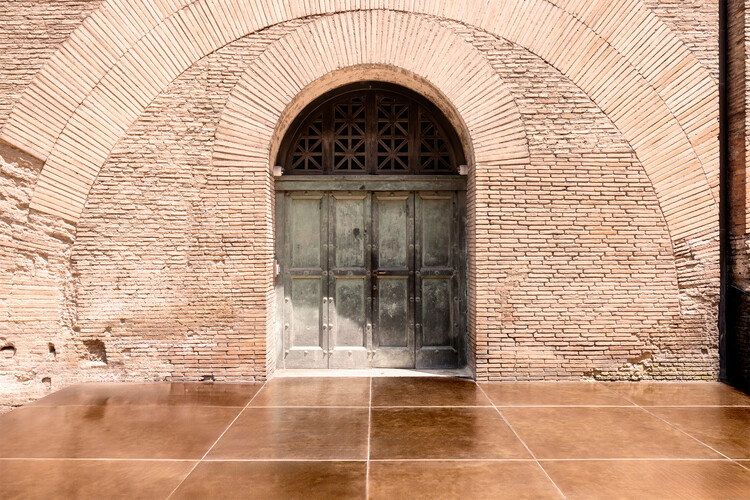
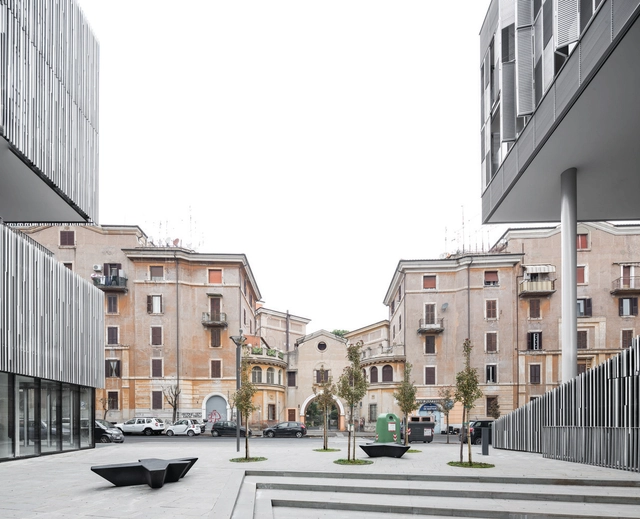
The Pantheon in Rome is globally known as a major tourist and architectural icon, a built testimony to both Greek culture and Roman technique, and a symbol of the Roman Empire. The monument was recently intervened upon by the Italian architecture studio STARTT (Studio of Architecture and Territorial Transformations). The project, titled Pantheon – Micro Architectures for Archaeology, was promoted by the Italian Ministry of Culture as part of a program of interventions initiated in 2019 to open public access to the archaeological areas of the Pantheon. STARTT's project represents the first phase of the program, focusing on opening a new entrance from the Pozzo del Diavolo, an area located behind the monument's Rotunda, allowing visitors to access parts of the building's archaeological fabric that were previously reserved for technical functions.
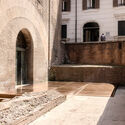
STARTT Designs New Access to the Archaeological Areas Behind the Pantheon in Rome - Image 1 of 4STARTT Designs New Access to the Archaeological Areas Behind the Pantheon in Rome - Image 2 of 4STARTT Designs New Access to the Archaeological Areas Behind the Pantheon in Rome - Image 3 of 4STARTT Designs New Access to the Archaeological Areas Behind the Pantheon in Rome - Image 4 of 4STARTT Designs New Access to the Archaeological Areas Behind the Pantheon in Rome - More Images+ 12

How Can Hidden Niches Transform Walls into Functional Architecture?

 | Sponsored Content

The niche has been a space of visible intention throughout the history of architecture. In ancient Roman architecture, it served as a formal device carved into masonry to display statues, vases, or other objects. These recesses animated the walls of temples, bath complexes, and civic buildings, adding rhythm, depth, and focal points to otherwise massive structures. The interior spaces of the Pantheon framed statues of gods, and the Baths of Caracalla used similar voids to structure expansive halls. By the Renaissance, the niche evolved into a refined architectural frame. In Florence, the external cavities of Orsanmichele held guild-commissioned statues, while the Uffizi Palace's recesses displayed sculptural works. Whether filled or intentionally left empty, these openings articulated internal and external walls and facades, introduced hierarchy, and provided visual interest, serving as deliberate gestures meant to be seen.

Public Pools as Public Spaces: The Role of Swimming and Bathing in Cities

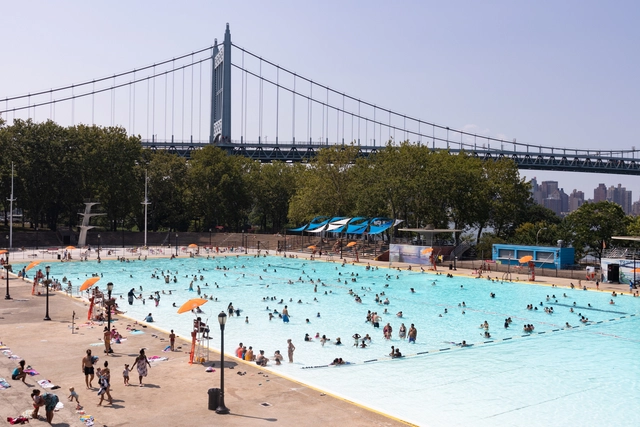
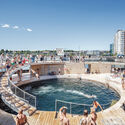
When one thinks of public spaces, the image of a pool rarely comes to mind. Public spaces are the center of civic life, places where most interactions, activities, and behaviors follow strict social and cultural norms to ensure the safety and comfort of all users. In contrast, swimming and bathing represent something more intimate and primordial, a sensorial experience distinct from any other. In addition to the health benefits, the act of floating in space creates a break from everyday life and its constraints.

As social spaces, public baths, and pools offer an even more unusual experience. Here, regular conduct rules and norms no longer apply. Social nudity becomes the new norm, and, as people strip off their clothes, they also lose their status markers, transforming the pool into an egalitarian oasis. Across history, these often-discredited spaces offered a heightened social experience, fostering connections and bringing a new element to dense urban environments. As a typology present since antiquity, public baths and pools have also been a disputed space, as a manifestation of difficult topics such as gender and racial segregation, gentrification, and surveillance in contrast to the freedom they promise.

Public Pools as Public Spaces: The Role of Swimming and Bathing in Cities - Image 1 of 4Public Pools as Public Spaces: The Role of Swimming and Bathing in Cities - Image 2 of 4Public Pools as Public Spaces: The Role of Swimming and Bathing in Cities - Image 3 of 4Public Pools as Public Spaces: The Role of Swimming and Bathing in Cities - Image 4 of 4Public Pools as Public Spaces: The Role of Swimming and Bathing in Cities - More Images+ 13

The Architecture of Dune: Leveraging the Past to Create a Myth of the Future

Subscriber Access | 

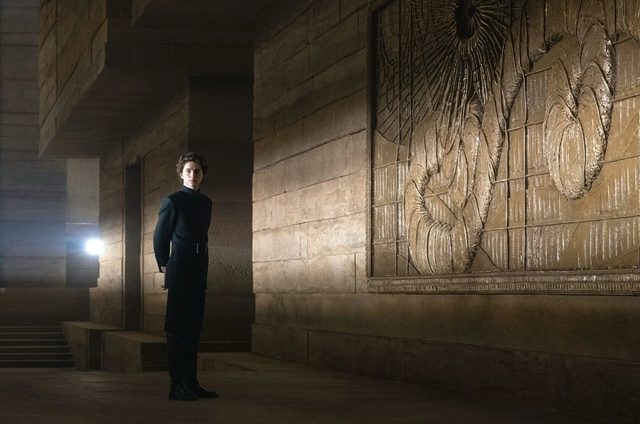
Imagine a world thousands of years into the future, one where humanity has conquered planets from galaxies away, only to default to a neofeudalistic social order in a constant power struggle, all built upon an intricate tapestry of cultures and religions and set in a harsh yet vivid landscape that becomes a character in and of itself. This was the challenge faced by director Denis Villeneuve and production designer Patrice Vermette in creating the cinematic adaptation of Frank Herbert's 1965 novel. The two Dune movies, released in 2021 and 2024, were conceived as a whole and therefore share a coherent style and cinematic expression. Beyond aesthetics, the environment and architecture of Dune present a lived-in, believable world, one that anchors the action and characters, silently offering invaluable insights into the values and mythology of each civilization.

The Architecture of Dune: Leveraging the Past to Create a Myth of the Future - Image 1 of 4The Architecture of Dune: Leveraging the Past to Create a Myth of the Future - Image 2 of 4The Architecture of Dune: Leveraging the Past to Create a Myth of the Future - Image 3 of 4The Architecture of Dune: Leveraging the Past to Create a Myth of the Future - Image 4 of 4The Architecture of Dune: Leveraging the Past to Create a Myth of the Future - More Images+ 19