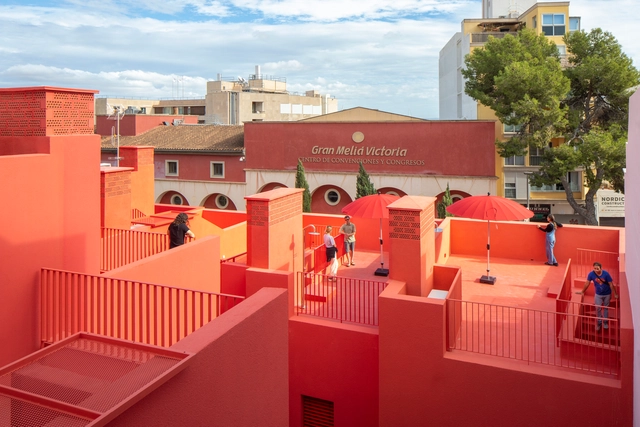
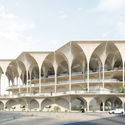
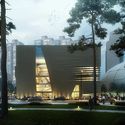
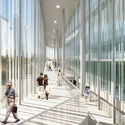
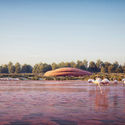
Marina Opatija and the Kvarner Bay shoreline from above. Image Courtesy of Smart & Sustainable Marina Rendezvous
M3 Monaco's Smart & Sustainable Marina Rendezvouscompetition returns for its sixth edition with an open-architecture Call for Ideas centered on Marina Opatija, on Croatia's Kvarner Bay. This article sets out what the competition asks of designers: a focused, high-impact intervention built around three required buildings, the pillars and sustainability criteria behind the brief, the key dates leading to the August 2026 deadline, and how to enter, free of charge, for professionals and students alike, with the top finalists pitching their work at the Yacht Club de Monaco.
Gokce Gemile Private Bay, Turkey. Image Courtesy of Gokce Gemile Private Bay
Coastal landscapes often determine far more than views. Steep slopes, fragmented rock formations, dense vegetation, hidden coves, and limited accessibility can shape how privacy, movement, and occupation unfold before architecture enters the site. Their proximity to water and climate make coastal territories highly desirable for habitation, yet their ecological sensitivity and limited geography often place pressure on how development takes shape. Unlike cities, where density can support walkability, infrastructure, and collective urban life, coastal territories operate through more fragile relationships between land, vegetation, and water.
Along many coastlines, development tends to prioritize visibility and proximity to the sea, organizing land through concentrated occupation and expanded circulation networks. Yet certain sites can guide another approach in which geography itself becomes the primary organizing force. How can architecture occupy a landscape without dissolving the qualities that make the site distinct? Located on a secluded peninsula along the Mediterranean coast of Turkey, Gokce Gemile Private Bay explores this question through a low-density architectural approach shaped by geography, controlled access, and spatial distance.
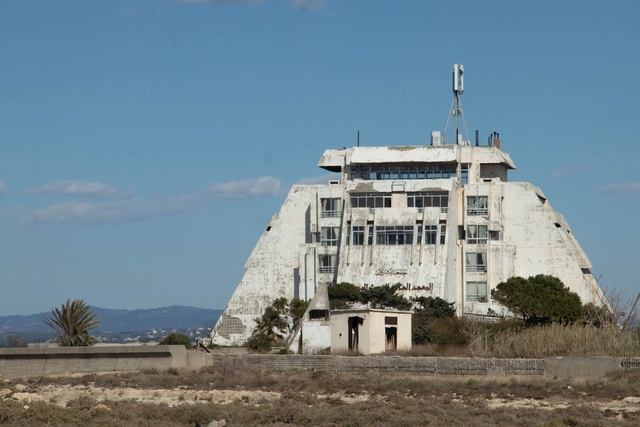
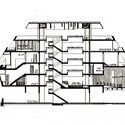
As Syria is emerging from over a decade of conflict at the time of writing, it is an opportunity to rediscover its architectural gems. Just to the north of the country's principal port city of Latakia is a Modernist creation that is the Center for Marine Research. Its pyramidal structure is situated on a prominent headland surrounded by sea on three sides. To the east is a bay with hotels and beaches while to the north and west is the open Mediterranean Sea reaching Turkey and Cyprus beyond. Despite its importance both as a research institution and as a piece of architecture, it lies abandoned and isolated today.
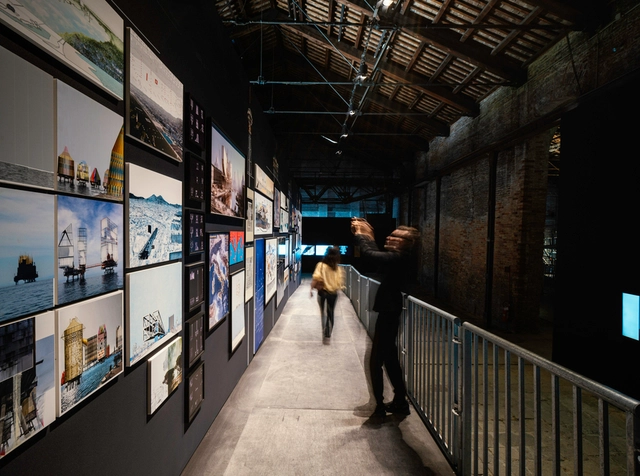
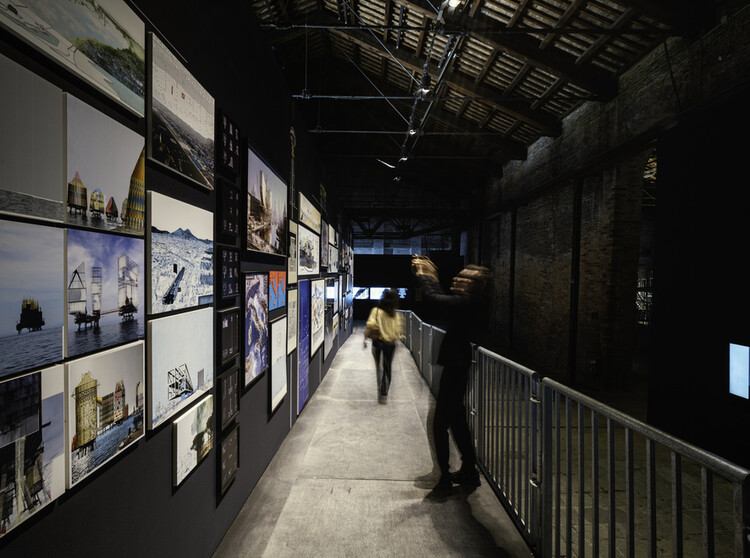
"La Quadreria" interior photo gallery. Italian Pavilion at the 2025 Venice Architecture Biennale. Image Courtesy of PCM Studio di Paola C. Manfredi
The Italian Pavilion at the 19th International Architecture Exhibition – La Biennale di Venezia is situated in the Tese delle Vergini of the Arsenale and is promoted by the Directorate-General for Contemporary Creativity of the Italian Ministry of Culture. This year, the Pavilion hosts architectural, scientific, and cultural reflections on the Mediterranean Sea and its neighboring oceans, in an exhibition titled "Terrae Aquae. Italy and the Intelligence of the Sea", curated by Architect and Professor Guendalina Salimei. The exhibition brings together projects from diverse actors in Italian society through an open call, whose objective was to rethink the boundary between land and water as an integrated system of architecture, infrastructure, and landscape. In response to the Biennale's central theme, the exhibition aims to stimulate the awakening of a collective intelligence capable of triggering a renewal in that relationship, starting from the Italian coast and expanding globally.
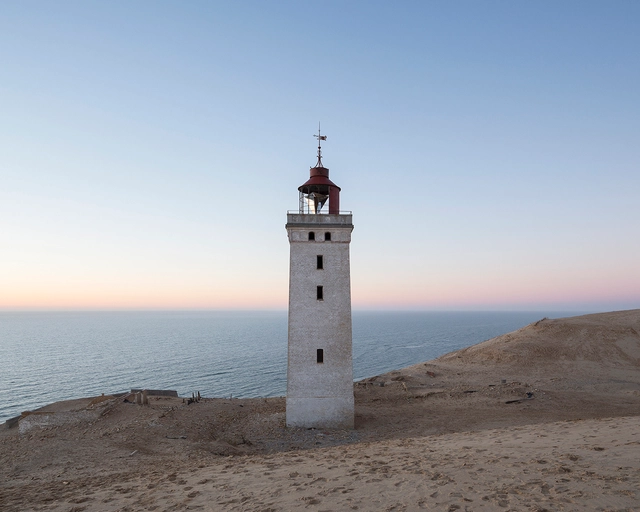
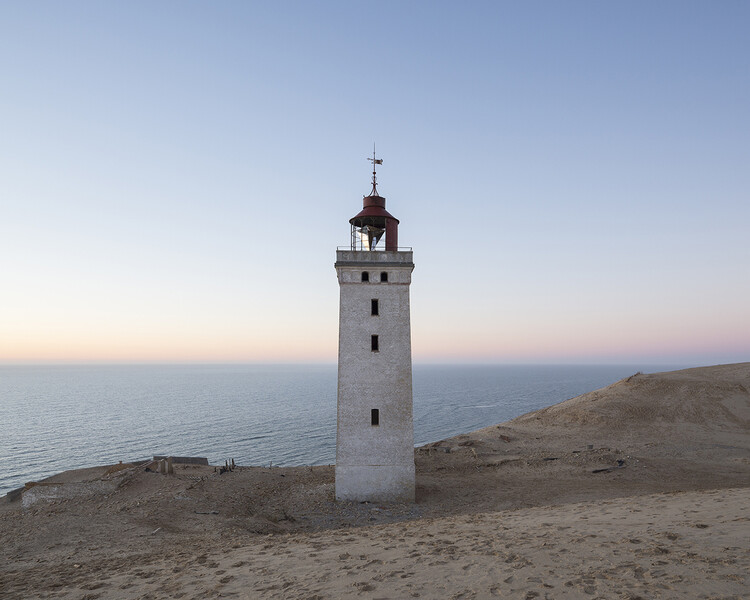
Lighthouses have stood along the margins of continents and islands for centuries as points of light in vast maritime territories. Rising in solitude from rocky cliffs, reefs, and headlands, these towers were tools for navigation and instruments of spatial clarity, shaping coastlines and marking the boundary between land and sea. Built to guide, warn, and locate, they constituted a global network of visibility long before the advent of digital mapping. Yet as maritime technologies evolved, many of these structures lost their original purpose. The typology, once essential, now stands at the edge of obsolescence. What remains is not merely an architectural relic, but a powerful spatial form — resilient, symbolic, and increasingly open to reinterpretation.
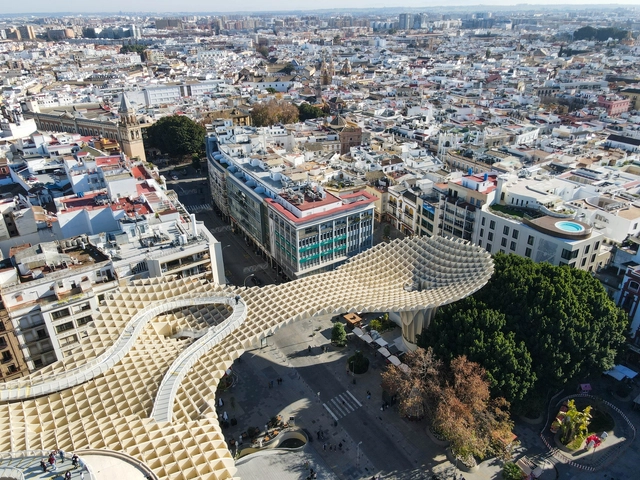
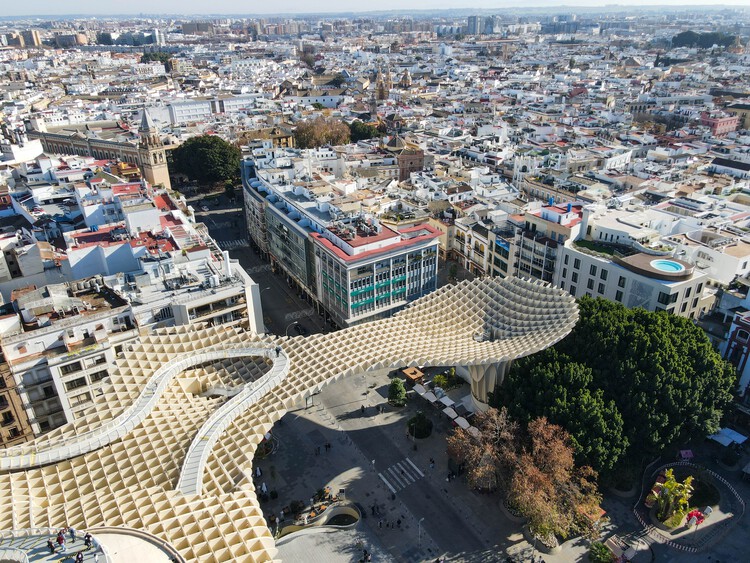
Located in southern Spain, Seville unfolds as a layered city shaped by centuries of cultural intersections. As the former capital of Al-Andalus and a central port during the Spanish Empire's expansion, its built environment reflects a deep historical complexity. From Roman foundations to Islamic geometries, from Renaissance palaces to contemporary interventions, Seville presents a unique spatial narrative in which architecture directly reflects its political, religious, and social transformations.
The city's architectural heritage is inseparable from its climate and geography. Narrow shaded streets, inner courtyards, and water as spatial elements reveal a deep knowledge of environmental adaptation that still informs how public and private spaces are articulated today. While monumental landmarks such as the Alcázar, the Giralda, or the Cathedral preserve and reinterpret historic legacies, modern projects have begun introducing new materials, programs, and spatial typologies, challenging conventional forms and proposing alternative ways to inhabit the city.
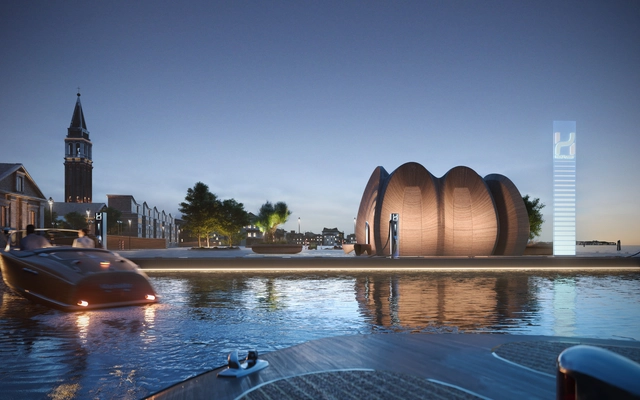
Zaha Hadid Architects have released images of their design for the world’s first hydrogen refueling infrastructure for recreational boating. Continuing ZHA’s experience in maritime designs, the stations are to be installed in 25 Italian marinas and ports. Launched by NatPower H, the stations will begin to be implemented in the summer of 2024, with plans to expand to over 100 locations throughout the Mediterranean Sea in the next six years.
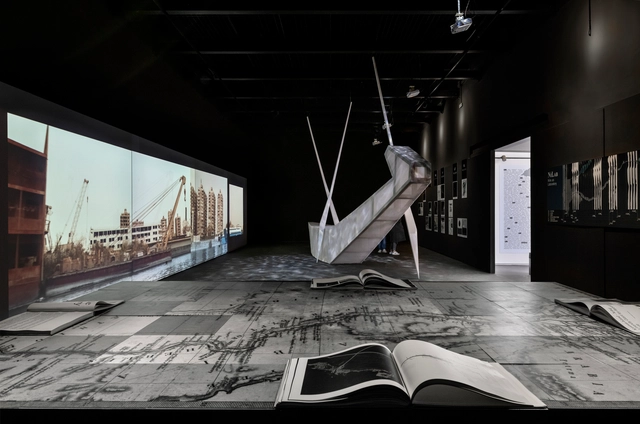
Installation at La Biennale di Venezia. Image Courtesy of NiLab
Along the longest river in the world, the Nile River, various landscapes and natural environments have been negatively impacted by interventions that do not consider the context or respect local cultures. In response, NiLab the Egyptian Pavilion at the 18th International Architecture Exhibition of La Biennale di Venezia, aims to revisit these places and highlight the value of architectural design in promoting more sustainable and culturally aware development along the river. The exhibition titled "NiLab: Nile as Laboratory", recognizes the Nile's exceptional geographical size, historical significance, and impact on natural and human landscapes, making it an ideal backdrop for reflection on contemporary issues.
MVRDV and GRAS announced the completion of five of the seven buildings of Project Gomila in Palma de Mallorca, Spain. The residential complex was originally comprised of four existing buildings, adding three new ones for a total of 60 new dwellings and new commercial spaces. The project aligns with revamping the historic neighborhood "El Terreno" as a vibrant and sustainable residential site, home of bohemian nightclubs that hosted iconic musicians such as Jimi Hendrix, Ray Charles, and Tom Jones.
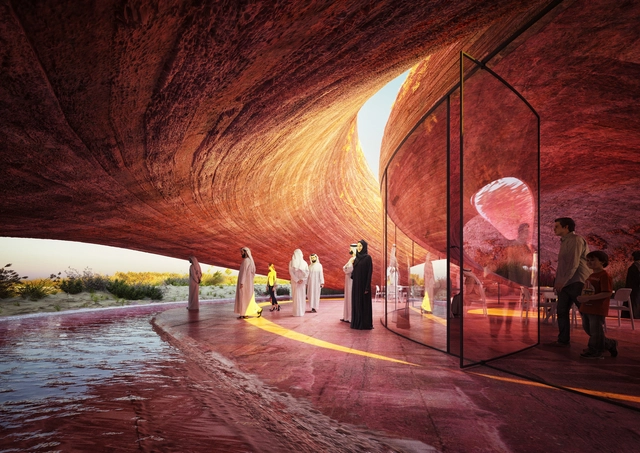
Abu Dhabi Flamingo Visitor Center. Image Courtesy of Mykhaylo Slyusar | SDAR
Cultural architecture is defined by shared values and exchange. It centers on humanity, civic life and a story of how societies evolve over time. Whether museums, libraries, visitor centers or monuments, these spaces tell stories about a region, culture and place. This week’s curated selection of the Best Unbuilt Architecture focuses on museums and cultural projects designed in both rural and urban settings. Drawn from all over the world, they represent proposals submitted by our readers.
Trading a diversity of typologies for a range of settings and contexts, these projects showcase many different ways to tell a story of culture. They each showcase diverse taxonomies, formal approaches and spatial organizations, from a tower in Shenzhen to a Mediterranean school in Corsica and an art center in New South Wales, Australia.
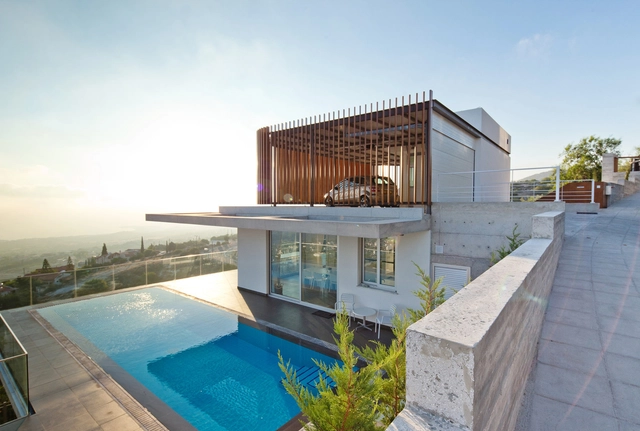
The architecture of Cyprus has been defined by larger geopolitical forces throughout history. Located in the Eastern Mediterranean, the island country is shaped physically and socially by the Cyprus dispute. Dating back to the bronze and iron ages, its architecture has been influenced by the Greeks, Assyrians, Egyptians, Persians, and Romans. Today, new homes are built across the island that reinterpret past building methods and construction techniques.
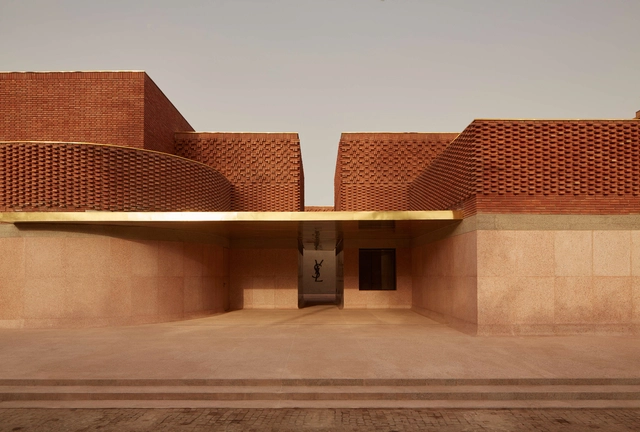
Modern Moroccan architecture is reinterpreting vernacular traditions. Taking its name from the Arabic al-maġhrib, or the “place the sun sets; the west”, the kingdom is a sovereign state home to numerous examples of Islamic design, as well as detailed art and ornamentation found within geometric patterns, friezes and open courtyards.
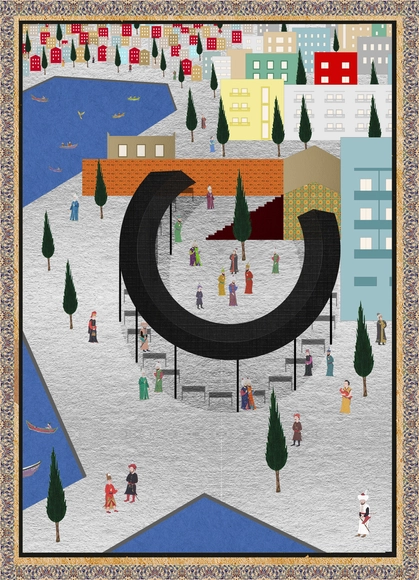
Over the following weeks we will be sharing a selection of unrealized student projects, alongside realized schemes by practices who explore representational techniques, in collaboration with KooZA/rch. The aim is "to explore the role of the architectural drawing as a tool for communication" and, in the process, provoke a conversation about the contemporary use, format, and role of drawing.