The relationship between architecture and naval design has been a fascinating interplay of form and function that has evolved significantly. Both disciplines have a shared history of innovation, aesthetics, and functionality that have informed and inspired each other. This "love affair" has seen architects drawing inspiration from boats, particularly in the modernist era when ships' streamlined, efficient designs influenced the aesthetic of buildings. Conversely, architectural principles have also been adapted to enhance the functionality and form of boats, demonstrating a reciprocal exchange that continues to shape both disciplines.
Chinese temples have stood for centuries, battered by wind and earthquakes, without a crack or timber out of place. They employ an ancient technique called “bracket set construction” that requires no nails or metal parts to connect wooden structural elements. Scandinavian stave churches are nearly as durable. Unsurprisingly, there are plenty of trees in Sweden and all over China.
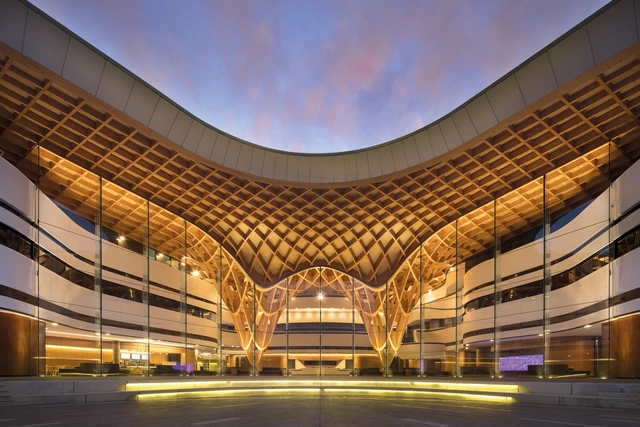
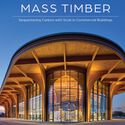
So what is with the hype about innovation in “mass timber” construction over the past few years? As Boyce Thompson argues in his thoughtful new book, Innovations in Mass Timber: Sequestering Carbon with Style in Commercial Buildings (Schiffer Publishing), this will be the next big thing in “green” tech for architects feeling guilty about their costly titanium skins and outsized carbon footprints. The color photos show some impressive buildings in places where the wood industry has always been healthy, such as the Pacific Northwest and Scandinavia. The Japanese build log cabins with imported material that might as well be gold.
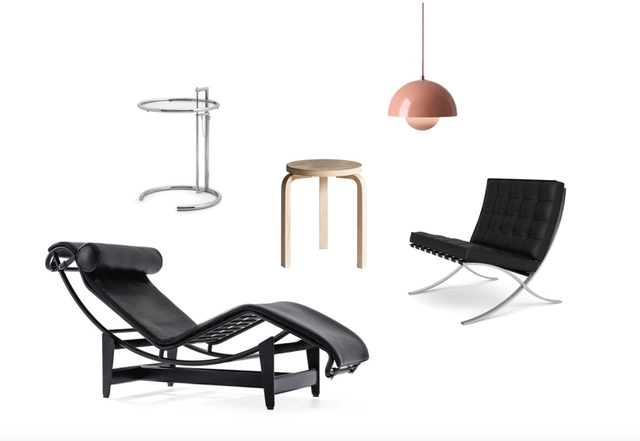
Big meeting: Le Corbusier's LC4 Chaise Longue meets Eileen Gray's Adjustable table, Alvar Aalto's Stool 60, Verner Panton's Flowerpot pendant and Mies van der Rohe's Barcelona chair
The 20th century is almost certainly the most important period when it comes to interior design icons. The list of protagonists who have contributed to making this era of design such a great one is certainly too long to truly do justice to all of them and their classic furniture designs. For this reason, here we present just a small selection of architects and designers such as Eileen Gray, Le Corbusier and Verner Panton, who have written design history over the past century, and which still continue to make an impression to this day – all of whom can be found on the Architonic Platform. Our journey includes extraordinary talents from all corners of the world: A look back at the furniture world of yesterday, which was then of tomorrow, and today still shines as brightly and timelessly as ever.
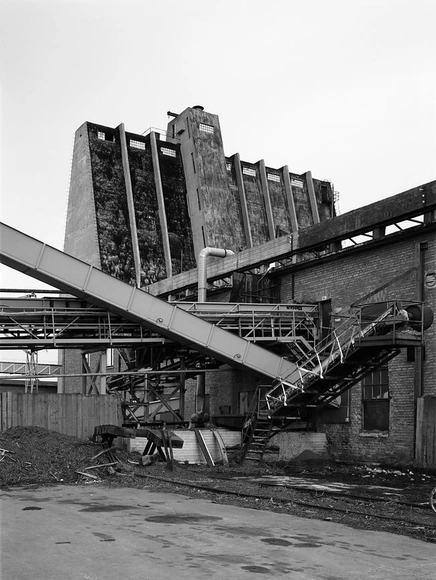
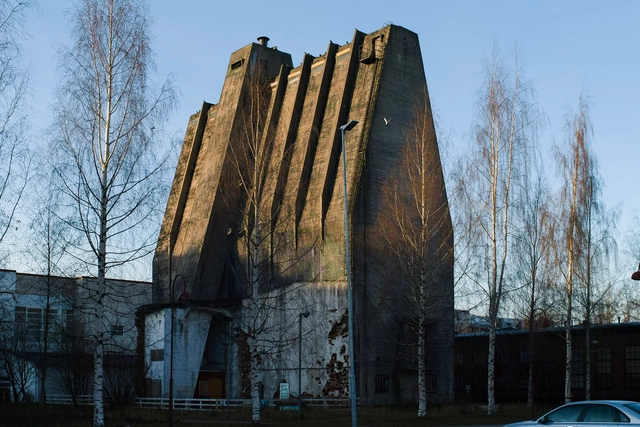
Oulu City Council has approved the AALTOSIILO restoration proposal by Skene Catling de la Peña. The concrete structure will be restored and reimagined as a multi-media performance, exhibition space, and “Tar Bar.” The 525 sqm Silo used to be used for storing woodchips and will now become a digitized communication point to connect the building with its surroundings. Now nearing its 100th anniversary, the proposal aims to at least double its lifespan.
The new Aalto2 Museum, designed by A-Konsultit Architects, will showcase the cultural legacy of the architecture and design of renowned architect Alvar Aalto. The Museum will open to the public on 27 May 2023, fulfilling the architect's desire to establish a venue for the fusion of various mediums and art forms at the Ruusupuisto park in Jyväskylä, in Central Finland.
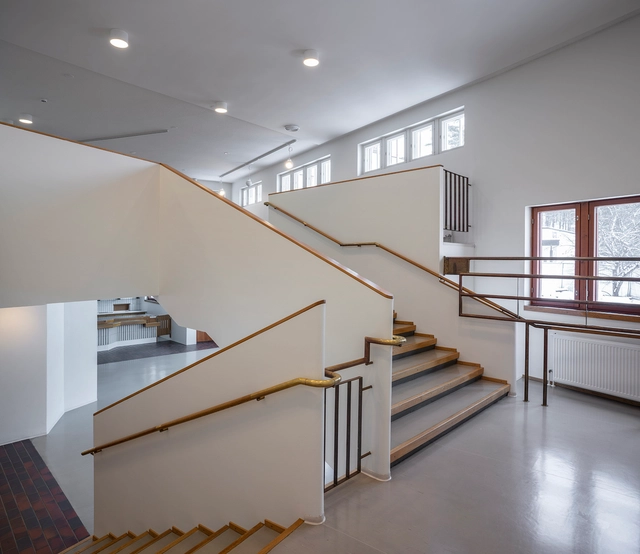
The Alto2 Museum Centre comprises three buildings: the renovated Alvar Aalto Museum, the Museum of Central Finland, and the new addition of the Aalto2 center which will join them this year. The original Alvar Aalto Museum will open its doors after having undergone structural repairs, and changes in facilities to serve the new Aalto2 concept. The Aalto2 design connects both museums and is based on an international competition held in 2015, which attracted nearly 700 entries worldwide, demonstrating the international appeal of Aalto’s architectural style.
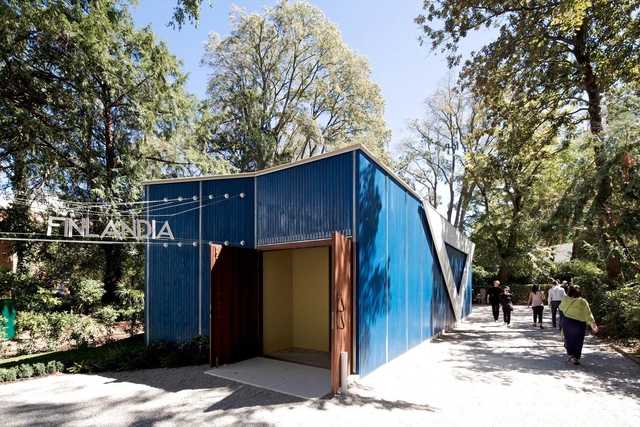
At the 2023 Biennale Architettura, Finland's Pavilion will present its exhibition Huussi, Imagining the Future History of Sanitation, which deals with the architecture of water and nutrient circulation, questioning the water toilet and Its implications for the future. "Huussi" is the Finnish word for an outhouse, a small compost toilet commonly used by Finns in rural settings and holiday homes. The exhibition, curated by Arja Renell and The Dry Collective, a group of Finnish architects, presents this typology as a starting point to finding alternative solutions to managing wastewater, inspiring professionals to start envisioning new sanitation solutions. At the core of the presentation, the exhibition questions the consequences of waste in the context of the current climate crisis the world is going through.
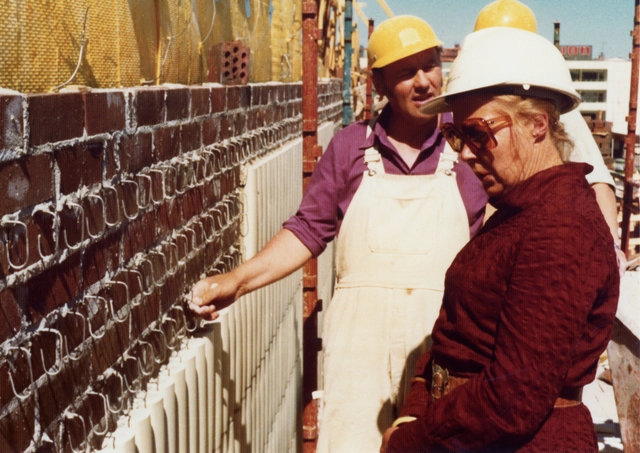
To commemorate the centenary of Elissa Aalto (1922-2022), the Alvar Aalto Foundation brought into tour an exhibition showcasing the life's work of this talented and influential Finnish architect and designer. From September to November 23, 2022, the exhibition sheds light on her public and private role in the everyday life of Alvar Aalto's architect's office alongside her famous architect husband. The tour will take place in the Cities of Rovaniemi, Alajärvi, and Tammisaari, home to many buildings designed by the legendary Finnish architect couple.
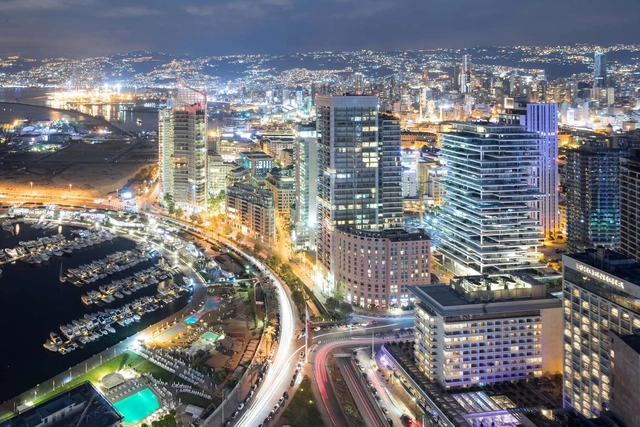
Situated on the coast of the Mediterranean Sea, Beirut is one of the oldest cities in the world that has been shaped throughout its 5,000 year history by Phoenicians, Romans, Greeks, and the Ottomans. The Lebanese capital has been for decades a cosmopolitan city and a focal cultural and geographical link between Europe and the Middle East.
Often labeled as a resilient city, Beirut has been subject to numerous devastating events throughout its history, from a brutal 15-year civil war to one of the biggest non-nuclear blasts in history. Nowadays, the city boasts a skyline full of contrasts, where contemporary buildings rise alongside Ottoman, Roman, and Byzantine ruins. Its architecture, along with its renowned cuisine, distinguished night life, archaeological sites, and hospitable people have reclaimed it as a sought-after touristic destination.
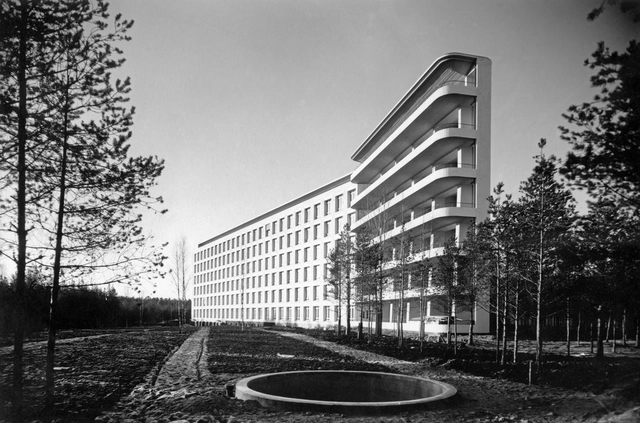
“Sick Architecture” opened on May 5th at CIVA in Brussels. Co-curated by Beatriz Colomina, the exhibition investigates the intrinsic relation between architecture and sickness. The architectural discourse always weaves itself through theories of body and brain, constructing the architect as a kind of doctor and the client as the patient. Architecture has been portrayed as a form of prevention and cure for thousands of years. Yet architecture is also often the cause of illness, from the institution of hospitals to toxic building materials and sick building syndrome. The outbreak of the COVID-19 pandemic further highlighted this topic.
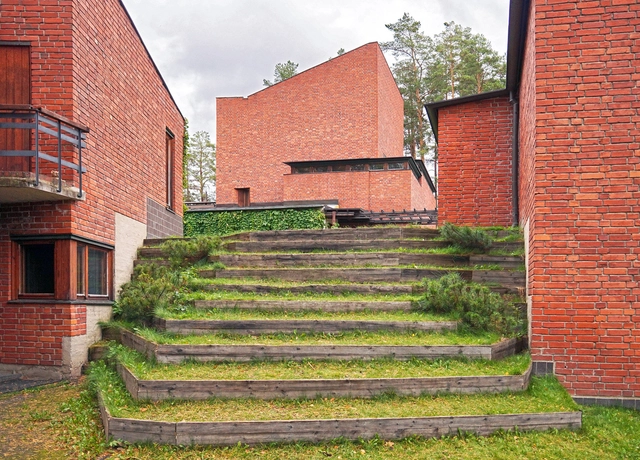
Finnish architect Alvar Aalto was a pioneer of modern architecture and design, especially in his use of organic, naturally derived materials. When he decided to embark on a career as an architect, he traveled to Helsinki, the only place where he could find academic training in the profession. His journey did not end there, however, as his work can be seen around the world. Here, we have mapped out 20 of his most notable works that must be seen up close and in-person to truly be appreciated.
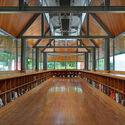
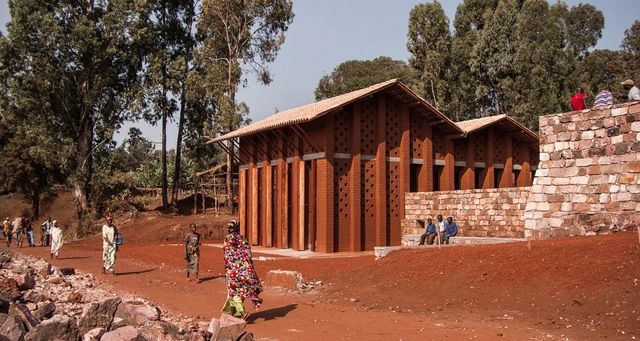
Library of Muyinga. Image Courtesy of BC Architects
In his 1983 now-classic essay Towards a Critical Regionalism, Six Points of an Architecture of Resistance, Kenneth Frampton discussed an alternative approach to architecture, one defined by climate, topography and tectonics, as a form of resistance to the placeness of Modern Architecture and the gratuitous ornamentation of Postmodernism. An architectural attitude, Critical Regionalism proposed an architecture that would embrace global influences while firmly rooted in its context. The following explores the value and contribution of Frampton’s ideas for contemporary architecture.
The Architecture Film Festival London, now at its third edition, fosters conversations around architecture, society and the built environment through the medium of film. Along with the International Film Competition, the 2021 programme, debuting on June 2nd and held online, will feature a collection of diverse thematic screenings, essays and events titled "Capsules", which offer a platform to multiple curatorial voices.
Many describe the work of Alvar Aalto as an embodiment of the concept of Gesamtkunstwerk (a total work of art), where architecture, design, and art merge into one. The Finnish architect is a pioneer in the so-called organic strand of modern architecture in the early 20th century and has strongly influenced what we know today as Scandinavian architecture. According to a description on the MoMA website: "his work reflected a deep desire to humanize architecture through an unorthodox handling of shapes and materials that was rational and intuitive." Its methods of bringing natural light into buildings are extolled and studied repeatedly until today. But throughout Aalto's career, wood has always been present and taken many different forms. From structures to ceilings to stools, Alvar Aalto brought this natural material to the fore.
Skene Catling de la Peña and Factum Foundation are transforming Alvar Aalto’s iconic wood chip Silo into a research Centre promoting architectural preservation and re-use. The AALTOSIILO, a cathedral-like concrete structure “will become a point of focus for digitizing and communicating the importance of the industrial architecture of the north and – in turn - the impact industry has had on the environment”.
Luonnos Bagdadin taidemuseosta Irakiin (1957–58). Originaalipiirustus. Image Courtesy of Alvar Aalto Foundation
The Alvar Aalto Museum is showcasing one last exhibition before it undergoes a complete renovation, highlighting the architect’s unbuilt museum designs. While Aalto designed a total of 15 museum buildings, only three made it from concepts to the actual built structures. The exhibition entitled “The Dream of a Museum” includes both detailed and more sketch-like plans, along with competition entries.
Creating new standards for a more connected and livable city, Henning Larsen has designed a New Masterplan for Wolfsburg, Germany. The new prototype for urbanism across the European continent diffuses new energy in the city center. Selected to design the project in a competition in 2019 that included competitors UNStudio and Bjarke Ingels Group, Henning Larsen’s proposal for phase 1 is expected to reach completion by 2023.
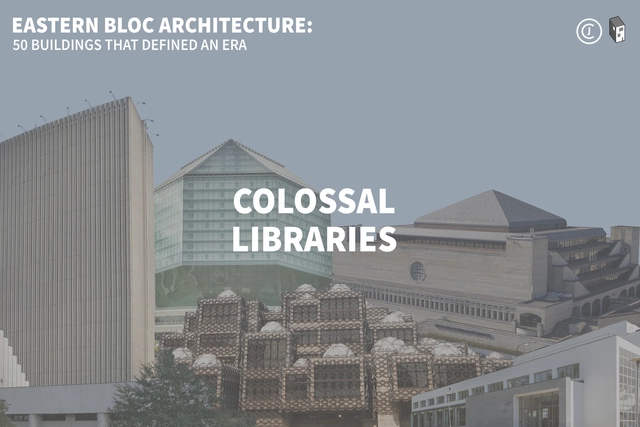
This article is part of "Eastern Bloc Architecture: 50 Buildings that Defined an Era", a collaborative series by The Calvert Journal and ArchDaily highlighting iconic architecture that had shaped the Eastern world. Every week both publications will be releasing a listing rounding up five Eastern Bloc projects of certain typology. Read on for your weekly dose: Colossal Libraries.
https://www.archdaily.com/943219/eastern-bloc-architecture-colossal-librariesLucía de la Torre
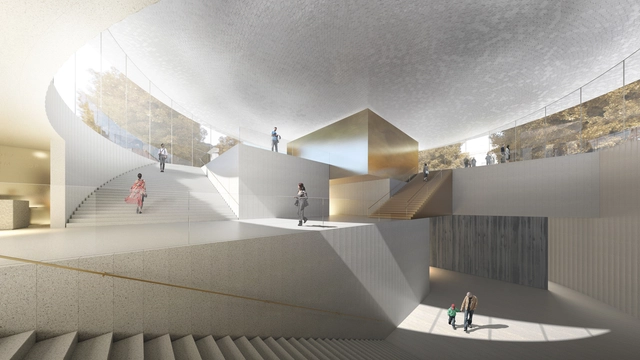
JKMM’s “Atlas” proposal won the international design competition for the new extension of The National Museum of Finland. Organized by the Finnish Heritage Agency, the National Museum of Finland and Senate Properties, the competition entitled “New National” or “Uusi Kansallinen” in Finnish, gathered 185 entries from all around the world.


















._Originaalipiirustus_Alvar_Aalto_-s%C3%A4%C3%A4ti%C3%B6..jpg?1604925160&format=webp&width=640&height=580)
_julkisivupiirustus._Alvar_Aalto_Museum_(1971-73)__facade._Original_drawing_Alvar_Aalto_Foundation..jpg?1604924810 "Alvar Aalto Museum (1971-73), facade. Original drawing . Image Courtesy of Alvar Aalto Foundation")
__pohjapiirustus__julkisivu_ja_poikkileikkaus._Perni%C3%B6_Museum_(1928-29)__Finland._Original_Drawing_Alvar_Aalto_Foundation..jpg?1604926408 "Perniö Museum (1928-29), Finland. Original Drawing . Image Courtesy of Alvar Aalto Foundation")
__Viro._Sis%C3%A4perspektiivi._Tallinn_Art_Museum_(193-37)__Estonia._Interior_perspective._Original_drawing_Alvar_Aalto_Foundation..jpg?1604926715 "Tallinn Art Museum (193-37), Estonia. Interior perspective. Original drawing . Image Courtesy of Alvar Aalto Foundation")
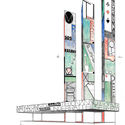
._Originaalipiirustus_Alvar_Aalto_-s%C3%A4%C3%A4ti%C3%B6..jpg?1604925160)